
Data validation testing tools help you verify that your data is accurate, complete, and consistent before you use it for analysis or reporting. You use these tools to check for errors, missing values, and inconsistencies in your datasets.
“If the data is invalid, the analytics are compromised.” — Connor Makowski
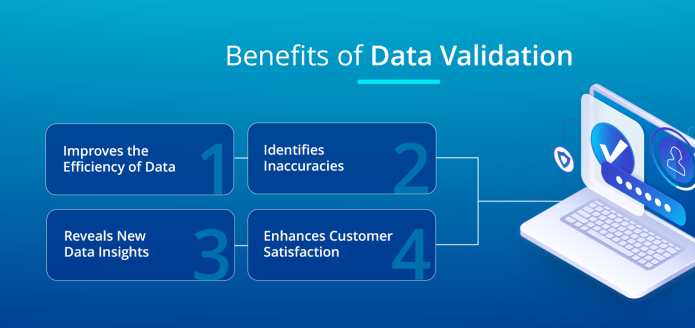
Validated data supports confident decision-making. Reliable insights from accurate information reduce the risk of errors and improve operational efficiency.
- Data validation ensures data accuracy, completeness, and consistency, which are critical for informed decision-making.
- Validating data supports data-driven decision-making by providing reliable insights based on market trends and customer behavior.
What Are Data Validation Testing Tools
Definition and Purpose
You use data validation testing tools to check the accuracy, completeness, and reliability of your data before you use it for analysis or reporting. These tools help you confirm that your data meets specific criteria and is suitable for its intended use. Data validation testing tools play a critical role in modern data management. You rely on them to prevent errors, catch inconsistencies, and maintain high data quality.
Data validation testing tools perform a series of checks to ensure your data is correct. You can use range checking to verify that numbers fall within acceptable boundaries. Type checking confirms that each value matches its expected format. Format checking ensures that data follows specific patterns, such as email addresses or phone numbers. Consistency checking examines relationships between fields to catch human errors. Uniqueness checking prevents duplicate entries in fields that should be distinct. Existence checking ensures that critical fields contain actual values. Referential integrity checking validates connections between related data to prevent orphan records. Many data validation testing tools now use AI-driven anomaly detection to identify unusual patterns that traditional methods might miss. Real-time validation catches errors at the point of entry, providing immediate feedback.
Data validation testing tools ensure your data is clean, accurate, and relevant for informed decisions and achieving business goals.
You can see how data validation testing tools differ from other data quality solutions in the table below:
| Aspect | Data Validation Testing Tools | Data Quality Solutions |
|---|---|---|
| Scope | Ensure data entries meet specific criteria at the point of entry | Address overall integrity and usability of data throughout its lifecycle |
| Timing | Performed at specific stages, such as during data entry or processing | Ongoing, proactive effort to maintain data accuracy over time |
| Tools | Use data entry forms, automated scripts, and validation rules | Utilize dashboards, cleaning software, and profiling tools |
You use data validation testing tools to protect your data during extraction, transformation, and loading. These tools help you maintain data integrity and quality throughout the data lifecycle. You can rely on them to validate data before it enters critical systems, ensuring reliability for business operations.
The main functions of data validation testing tools include:
- Ensuring data accuracy, completeness, and reliability
- Utilizing advanced techniques such as AI-powered anomaly detection and streaming validation protocols
- Supporting informed decision-making and operational excellence
You need data validation testing tools to make sure your data is not corrupted or compromised before loading it into your data warehouse. These tools help you avoid costly mistakes and ensure that your decisions are based on reliable evidence.
Importance for Business Intelligence
You depend on data validation to support business intelligence. Accurate data leads to reliable insights, which drive better decisions. Data validation testing tools help you confirm that your data is correct, complete, and consistent. You use validation to maintain uniformity across datasets and verify that your data originates from trusted sources.
Data validation testing tools contribute to the reliability of business intelligence systems in several ways:
- Accuracy: You ensure your data is correct and reliable.
- Completeness: You confirm that all necessary data is present.
- Consistency: You maintain uniformity across datasets.
- Source validation: You verify that your data comes from trusted sources.
- Format validation: You check compliance with specific formats, such as email addresses.
- Range validation: You ensure data falls within acceptable limits.
- List validation: You confirm data is part of a predefined list.
- Rule validation: You make sure data follows specific logical rules.
Reliable data from validation is necessary for informed decision-making, leading to growth and increased profit. You use data validation to discover hidden patterns and relationships, which enhances your understanding of operations and drives success. Data validation enhances data integrity and reduces errors, which are crucial for accurate reporting in business intelligence. You promote high-quality, trustworthy data, boosting operational efficiency and decision-making confidence.
If you skip data validation, you risk inaccurate data entering your business intelligence systems. This can lead to compromised decision-making, operational inefficiencies, and loss of customer trust. Data validation testing tools help you identify inaccuracies early, preventing costly mistakes and ensuring decisions are based on reliable evidence. For example, when you validate sales data, you can detect duplicates or missing entries. This leads to a better understanding of sales performance and more effective business strategies.
You need data validation testing tools to maintain high data quality and support your business intelligence goals. These tools help you build a foundation of trustworthy data, which is essential for making confident decisions and achieving operational excellence.
How Data Validation Testing Tools Works
Validation Processes and Techniques
You rely on data validation testing to ensure your data meets strict standards before you use it for analysis or reporting. The data validation process begins with identifying the rules and requirements your data must follow. You set these rules based on business needs, regulatory standards, and system requirements. You then apply data validation testing tools to check your data against these rules.
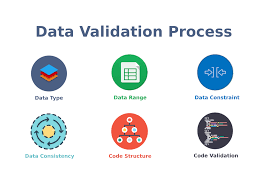
The most common data validation techniques help you catch errors and inconsistencies early. You use these techniques to maintain data accuracy and integrity throughout your workflow. Here are the main steps you follow in the data validation process:
- Data Type Check: You confirm that each data entry matches the expected type, such as numbers or text.
- Code Check: You validate that values come from an approved list, like country codes or product categories.
- Range Check: You verify that numbers fall within acceptable limits, such as age or price ranges.
- Format Check: You ensure data follows specific patterns, such as dates in YYYY-MM-DD format.
- Consistency Check: You look for logical consistency between related fields, such as matching addresses and zip codes.
- Uniqueness Check: You prevent duplicate entries in fields that require unique values, like email addresses or IDs.
You use these data validation techniques to identify inaccuracies, inconsistencies, and missing information. This approach helps you maintain high quality and reliability in your datasets. You can choose between proactive and reactive validation methods. Proactive data validation techniques transform data in real time, preventing errors before they enter your system. Reactive techniques address issues after they occur, allowing you to correct problems in existing data.
You compare different data validation techniques to find the best fit for your needs. Manual validation works for small datasets but lacks scalability and accuracy. Automated data validation testing tools offer high accuracy and efficiency for large datasets. Machine learning validation excels with complex data patterns, providing very high accuracy and automation.
| Technique | Effectiveness in Automation | Accuracy Level | Application Context |
|---|---|---|---|
| Traditional Manual Validation | Low | Moderate | Small datasets |
| Automated Data Validation | High | High | Large datasets |
| Machine Learning Validation | Very High | Very High | Complex datasets with patterns |
You benefit from automated validation tools because they reduce the time and resources needed for validation. Machine learning enhances traditional methods by automating processes and improving accuracy. Proactive techniques transform data in real time, while reactive methods address issues after the fact.
You improve data quality and reliability by using a combination of data validation techniques tailored to your business needs.
Ensuring Data Accuracy and Integrity
You use data validation testing to protect data accuracy and integrity at every stage of your workflow. You start by ensuring your data matches required formats, types, and ranges. For example, you check that inventory numbers in a retail system are numeric and fall within expected limits. You use referential integrity testing to verify relationships between tables, which is essential for interconnected systems like product catalogs.
You confirm entity integrity by making sure each record has a unique identifier, such as a customer ID or transaction number. This step eliminates duplicates and supports reliable reporting. You apply user-defined integrity rules to meet specific business needs, such as custom validation for logistics or healthcare data.
You automate integrity checks to reduce human error and enable frequent validation. Automation allows you to run tests regularly and catch issues early. You implement version control to track changes in your datasets, which helps with auditing and compliance. You monitor compliance standards to align your data validation testing with regulations, such as patient privacy in healthcare or financial reporting standards.
You use data observability tools to monitor your data in real time. These tools alert you to anomalies and help you maintain high quality. You enforce data access controls to limit access to authorized personnel, protecting sensitive information and supporting data integrity.
| Benefit | Description |
|---|---|
| Improved accuracy | Automation removes human errors, ensuring consistent execution of tests with reliable results. |
| Scalability | Automation can handle large-scale systems and multiple environments without extensive manual effort. |
| Continuous testing | Integrates into CI/CD pipelines for ongoing validation, identifying issues early in development. |
| Cost-effectiveness | Reduces long-term costs by minimizing manual testing efforts and speeding up the testing process. |
You accelerate the validation process with automation, managing large data volumes quickly and accurately. Consistency improves as automated processes minimize human error, ensuring uniform validation across datasets. Automated tools scale rapidly to meet increasing data demands.
You integrate data validation testing tools with your data integration and validation workflows. This integration supports real-time validation, continuous monitoring, and immediate feedback. You build a foundation of trustworthy data, which is essential for business intelligence and operational excellence.
You achieve high data accuracy and integrity by combining automated validation tools, robust data validation techniques, and strict quality controls. You support confident decision-making and protect your organization from costly errors. You rely on data validation testing to maintain the highest standards of data quality, accuracy, and integrity.
Top Data Validation Testing Tools
Overview of Leading Tools
You need reliable data validation testing tools to maintain high data integrity and quality in your organization. These tools help you apply validation rules that check for accuracy, completeness, and consistency in your data. You use them to automate validation processes and ensure your data meets business requirements. When you evaluate data validation testing tools, you focus on several criteria:
- Accuracy: You want your data to reflect real-world conditions.
- Completeness: You check that all required data elements are present.
- Consistency: You ensure uniform data representation across platforms.
- Timeliness: You verify that data is available when needed.
- Validity: You confirm that data meets business rules and regulatory standards.
You find many data validation testing tools in the industry. The most widely adopted include:
- Astera
- Informatica
- Talend
- Datameer
- Alteryx
- Data Ladder
- Ataccama One
Each tool offers unique features for validation, data integrity, and quality management. You select a tool based on your organization’s needs, the complexity of your data, and the validation rules you must enforce.
FineDataLink Features and Benefits

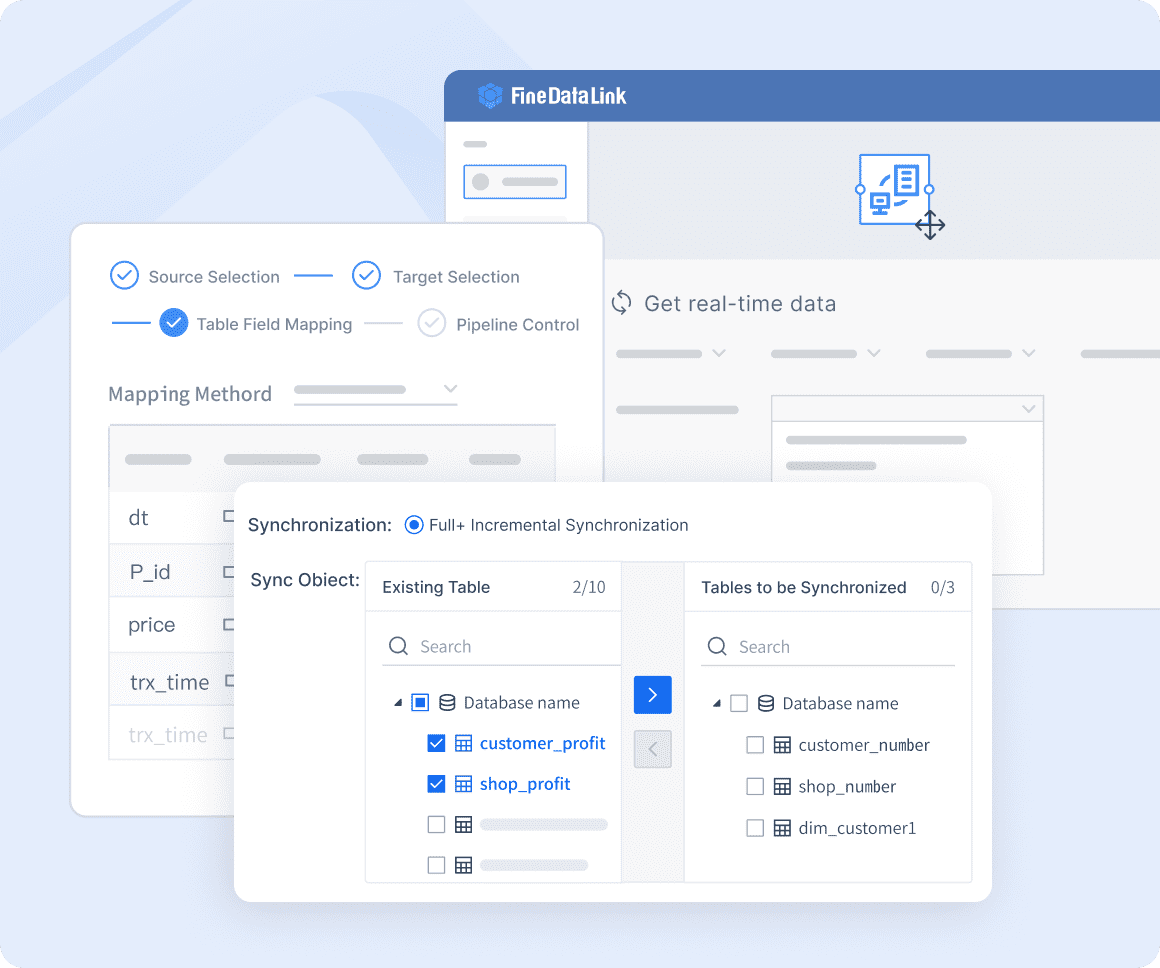
You can use FineDataLink to address complex data validation challenges. FineDataLink stands out among data validation testing tools because it supports real-time data integration, low-code operation, and robust validation rules. You benefit from its user-friendly interface and powerful data pipeline module.
| Feature | Description |
|---|---|
| Real-time Data Synchronization | FineDataLink uses a high-performance engine for automatic updates, improving data timeliness. |
| Low-code Environment | You access a simple interface that makes data integration easy, even with minimal coding. |
| Data Pipeline Module | You enhance data warehouse sensitivity and support real-time backups for disaster recovery. |
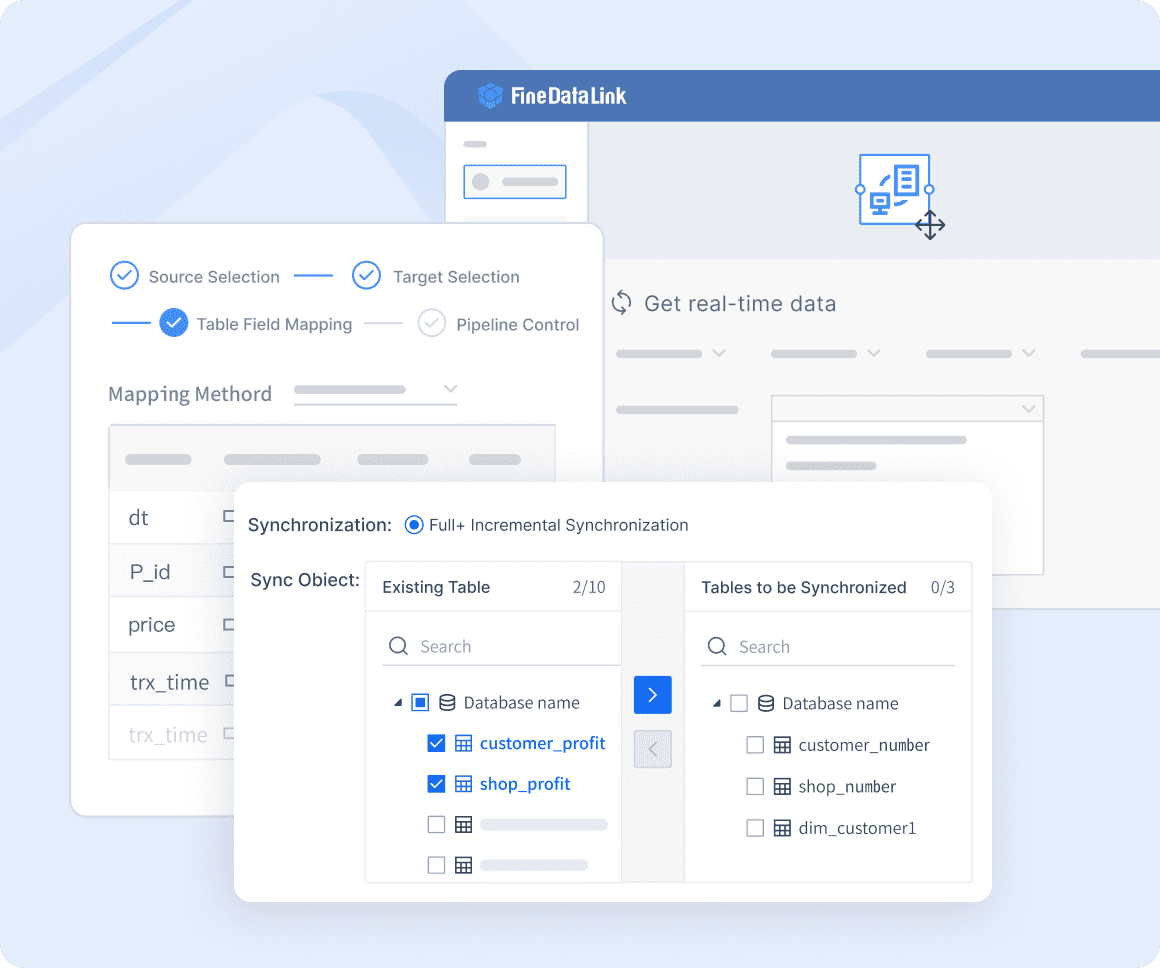
You use FineDataLink to enable real-time data transmission and scheduling across complex scenarios. The platform supports non-intrusive synchronization of multiple tables or entire databases. You can transmit data securely across domains without writing code, thanks to its data service module.
FineDataLink helps you enforce validation rules at every stage of your workflow. You maintain data integrity by automating validation and monitoring data quality. You reduce manual effort and improve efficiency. You rely on FineDataLink to support your business intelligence goals and ensure your data is accurate, complete, and consistent.
Data Validation Testing Tools in Practice
Real-World Use Cases
You see the impact of data validation in many industries. When you use data validation, you prevent costly mistakes and improve business outcomes. For example, in 1999, NASA lost a $125 million Mars Climate Orbiter because of a simple data error. The navigation team used English units, while the software used metric units. This mismatch caused the spacecraft to crash. Proper data validation and standardization could have prevented this disaster.
Data quality testing is critical for ensuring that business decisions are based on accurate and reliable information. When data is clean and validated, organizations can make faster and more confident decisions, leading to improved operational efficiency and competitive advantage.
You face data quality issues when your data is fragmented or inconsistent. One-third of companies report revenue losses from fragmented data. Only 9% of companies trust their data for accurate reporting. Businesses with high quality, trusted data are three times more likely to outperform competitors in revenue growth.
You address these challenges by setting clear data standards and implementing robust validation processes. You regularly audit your data for errors and train your team on best practices. You also automate the verification process to reduce manual oversight and use algorithms to cross-check data against trusted sources. These steps help you maintain data quality and reliability throughout the data lifecycle.
Customer Story: NTT DATA Taiwan
You can learn from NTT DATA Taiwan’s experience with data validation. The company faced challenges with fragmented systems and inconsistent data. By implementing a unified data platform, they integrated backend systems like ERP, POS, and CRM. They used ETL processes and validation rules to ensure data accuracy and consistency.
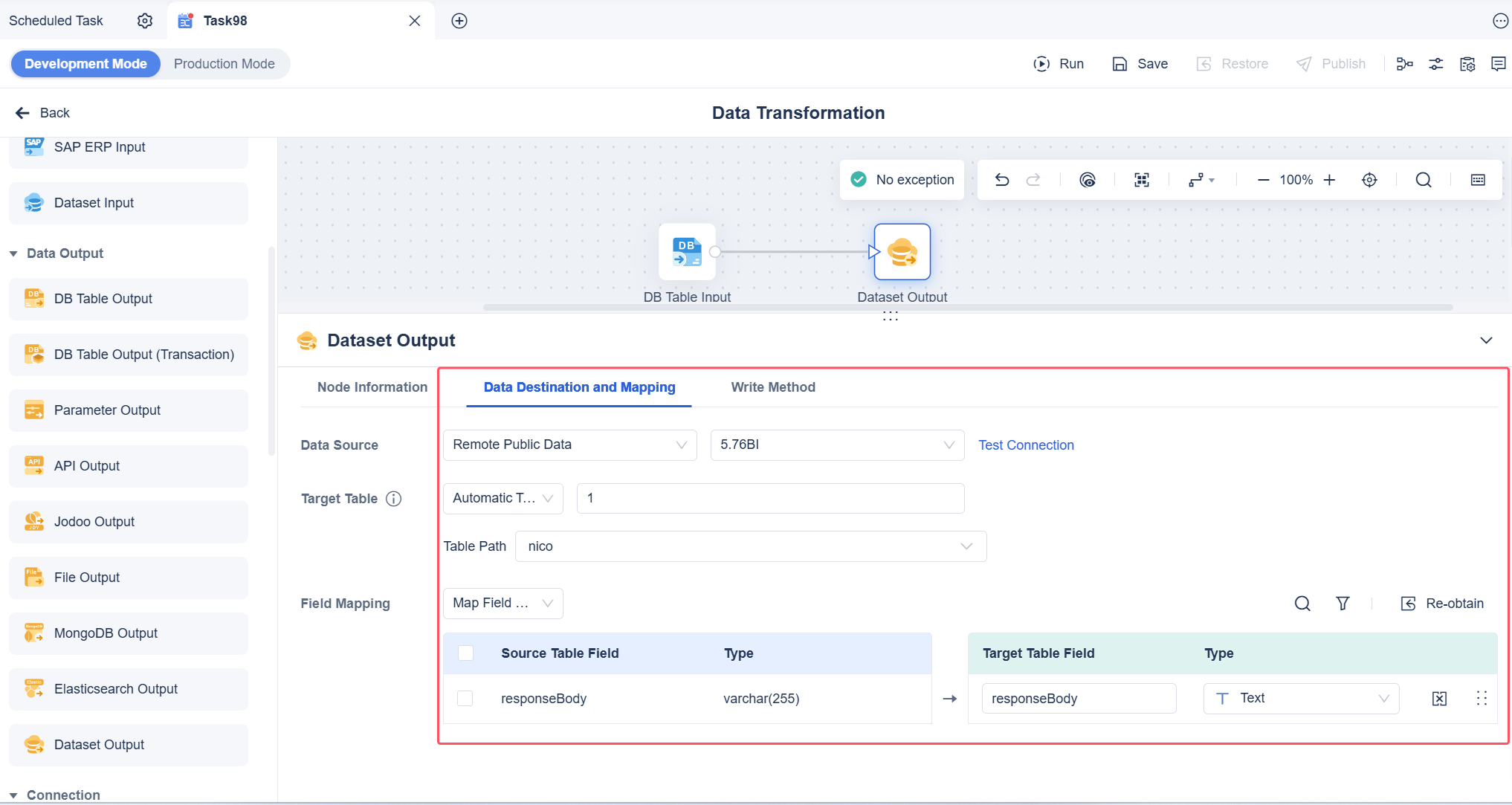
With FineDataLink, you can automate validation and synchronize data in real time. NTT DATA Taiwan built a data middle platform that supports business intelligence and self-service analytics. Employees now access validated data for decision-making at every level. This approach improved operational efficiency and helped the company adopt data-driven strategies. You see how data validation testing tools like FineDataLink solve common business challenges and support sustainable growth.
Best Practices for Data Validation Testing Tools

Tool Selection Tips
Selecting the right data validation testing tools is essential for maintaining high data quality and supporting business goals. You should consider several factors to ensure your chosen solution fits your organization’s needs.
- Integration compatibility helps you connect with existing ETL or ELT platforms. You avoid disruptions by choosing tools that work with your current systems.
- Automation support enables you to run validation tests automatically. This feature saves time and reduces manual errors.
- Big data readiness ensures your tool can handle large datasets and complex data sources.
- Scalability allows you to manage increasing data volumes as your business grows.
- Compliance and security features, such as audit logs and encryption, protect sensitive information and help you meet regulatory requirements.
Different industries prioritize features based on their unique needs. The table below shows how organizations evaluate data validation testing tools:
| Feature | Description |
|---|---|
| Automation support | Enables scheduled, repeatable validation for consistent data quality. |
| Source-to-target reconciliation | Verifies data accuracy as it moves between systems, detecting mismatches. |
| Schema validation | Confirms table structures and relationships, preventing downstream errors. |
| Business rule testing | Validates custom logic to ensure analytics align with business goals. |
| Performance testing | Identifies bottlenecks, ensuring scalability under heavy loads. |
| CI/CD integration | Fits into DevOps workflows for continuous validation and data quality checks. |
| Scalability | Handles large datasets efficiently. |
| Data masking/privacy | Supports compliance by masking sensitive fields in test environments. |
Implementation Strategies
Effective implementation of data validation testing tools maximizes data quality and business value. You should set clear objectives for your data validation efforts. Define specific goals for data quality to guide your validation process. Automated tools help you monitor data quality continuously and catch issues early.
The following strategies support successful implementation:
| Strategy | Description |
|---|---|
| Set clear objectives | Define goals for data quality and validation to guide your efforts. |
| Utilize automated tools | Implement solutions that automate validation and ensure continuous monitoring. |
| Foster a data-driven culture | Educate employees about the importance of data quality and validation. |
| Continuous monitoring | Track data quality metrics regularly and communicate results to stakeholders. |
You can maximize data quality and business value by following best practices:
- Establish data governance with clear roles and responsibilities for managing data validation.
- Treat data as a valuable asset and prioritize data quality across your organization.
- Automate data profiling, cleansing, validation, and monitoring processes.
- Integrate data quality checks directly into operational workflows.
- Continuously monitor and improve data validation processes.
- Promote data literacy and accountability for data quality at every level.
You build a strong foundation for business intelligence by selecting and implementing data validation testing tools with care. Consistent validation and ongoing monitoring protect your data quality and support confident decision-making.

You rely on data validation testing tools to ensure data accuracy, automate validation, and support business intelligence. FineDataLink helps you streamline ETL testing and maintain reliable data for decision-making. You benefit from structured processes and performance testing. The table below highlights key takeaways:
| Key Takeaway | Description |
|---|---|
| Data Accuracy | Validates every stage for trustworthy decisions. |
| ETL Testing | Confirms correct extraction, transformation, and loading. |
| Automation | Reduces manual errors and maintains quality. |
| Performance | Processes large datasets efficiently. |
| Structured Process | Ensures complete coverage and confidence before deployment. |
You should define clear validation rules, use automated tools, and monitor validation continuously. For further learning, explore resources on ETL automation and AI-powered validation tools.
Continue Reading About Data Validation Testing Tools
Enterprise Data Integration: A Comprehensive Guide
What is enterprise data and why does it matter for organizations
Understanding Enterprise Data Centers in 2025
Enterprise Data Analytics Explained for Modern Businesses
Frequently asked questions
Data validation testing tools help you check your data for accuracy, completeness, and consistency. You use these tools to find errors, missing values, and duplicates before you analyze or report your data.