
A data management platform in 2025 gives you the tools to collect, organize, and activate data for smarter business decisions. The dmp market keeps expanding, with global value expected to reach nearly USD 3.9 billion in 2025. Over the past decade, you have seen platforms add features like elastic scalability and integrated analytics. Companies such as FanRuan and its FineDataLink platform now offer real-time synchronization and automation, making modern data management smarter and more efficient.
Data Management Platform Overview
What Is a DMP?
You use a data management platform, or DMP, to collect, organize, and analyze data from many sources. In 2026, industry experts define a DMP as a centralized tool that helps you bring together data from websites, apps, social media, and more. This platform lets you create unified customer profiles and supports targeted marketing. You can use a DMP to activate audience data for advertising and personalization. The platform gives you a single place to manage customer data, which helps you make better business decisions.
A DMP does more than just store information. It helps you classify and organize data so you can find patterns and trends. You can use these insights to improve your marketing, sales, and operations. Many companies rely on DMPs to support data-driven strategies. These platforms play a key role in building a strong foundation for business intelligence.
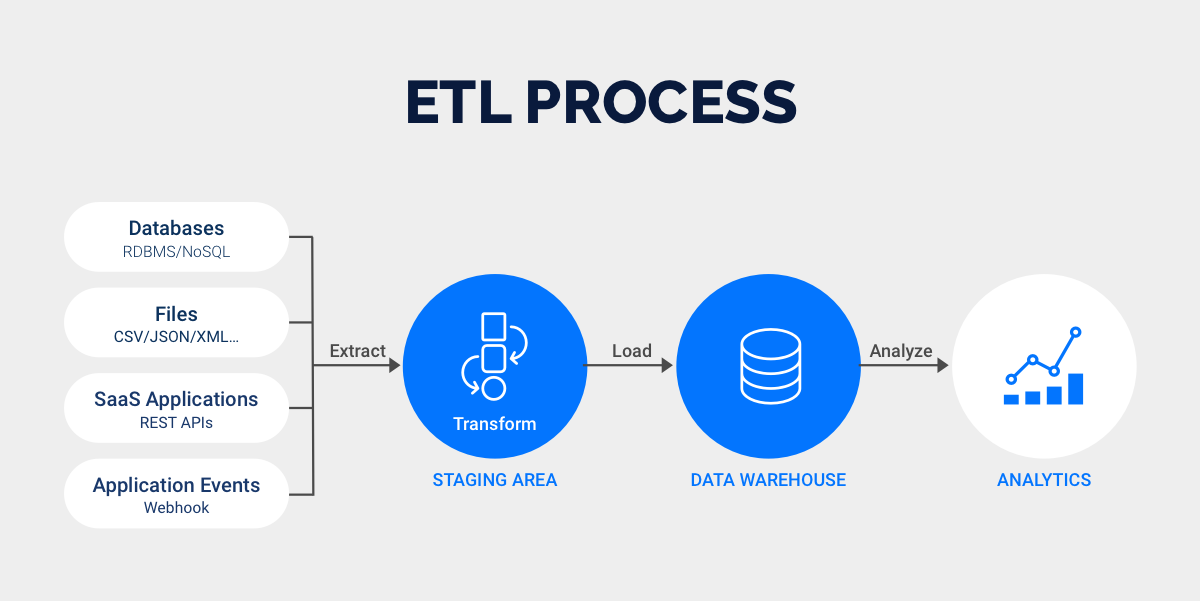
FanRuan stands out as a leader in this space. Its FineDataLink platform gives you advanced tools for data integration and real-time synchronization. You can break down data silos and unify information from different systems. FineDataLink uses methods like ETL, data virtualization, and data replication to help you analyze data efficiently. The platform also offers a low-code interface, making it easy for you to build data pipelines and share data through APIs.
Key Features in 2026
You need a DMP with features that match the demands of modern business. In 2026, the most important features include:
| Feature | Description |
|---|---|
| Data Collection and Ingestion | Captures raw data from various sources, establishing a data pipeline for real-time data collection. |
| Data Classification and Organization | Categorizes data for efficient retrieval, helping identify patterns and trends within the data. |
| Data Activation and Integration | Leverages organized data to inform business strategies, ensuring a cohesive view of the customer. |
| Industry-Specific Solutions | Tailored platforms for sectors like healthcare and finance, addressing unique regulatory requirements. |
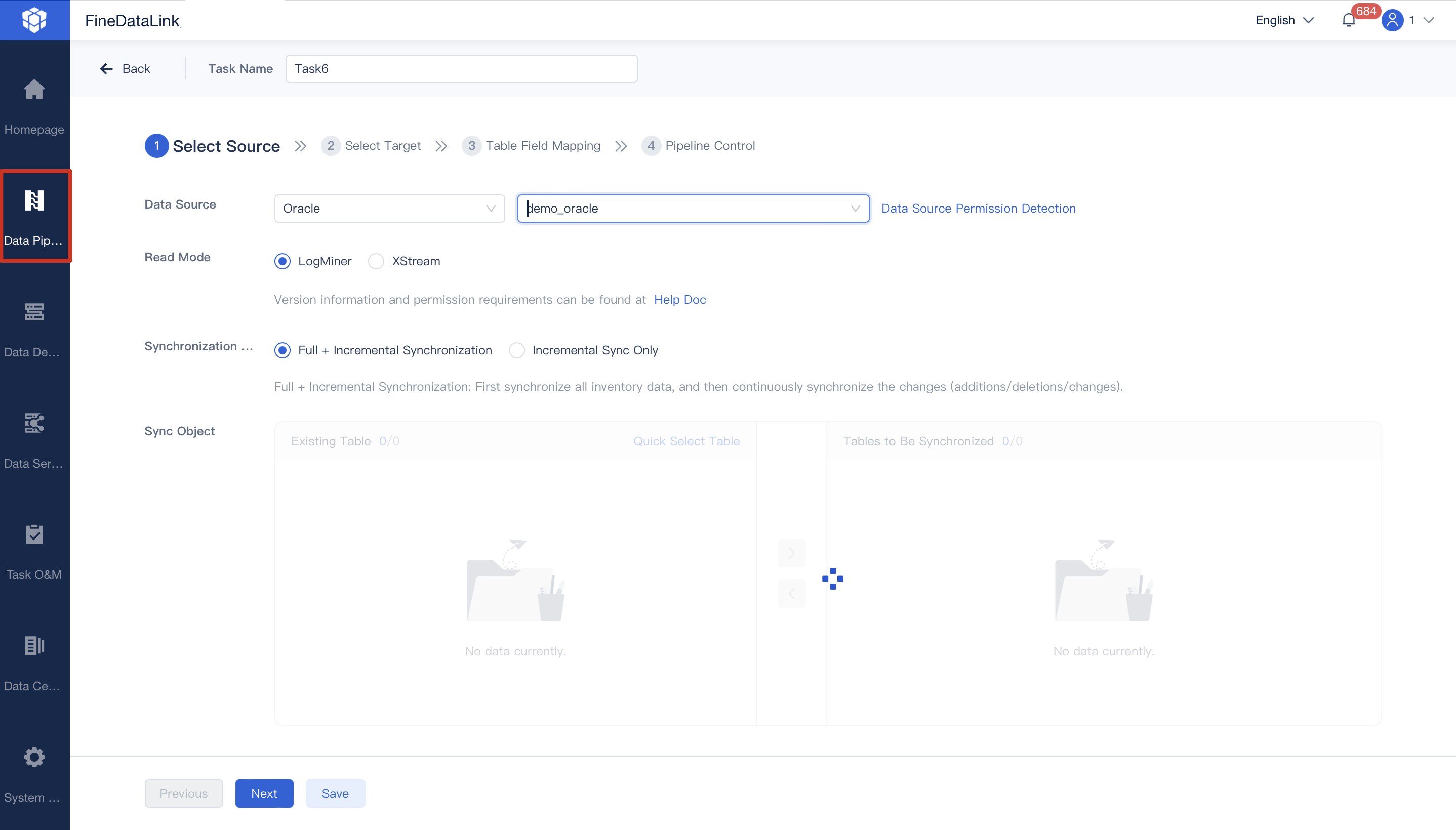
You see these features in platforms like FineDataLink. The platform supports real-time data synchronization, advanced ETL, and rapid API development. You can connect over 100 data sources and automate complex integration tasks. The platform helps you build both offline and real-time data warehouses. You can use drag-and-drop tools to design data flows without writing code.
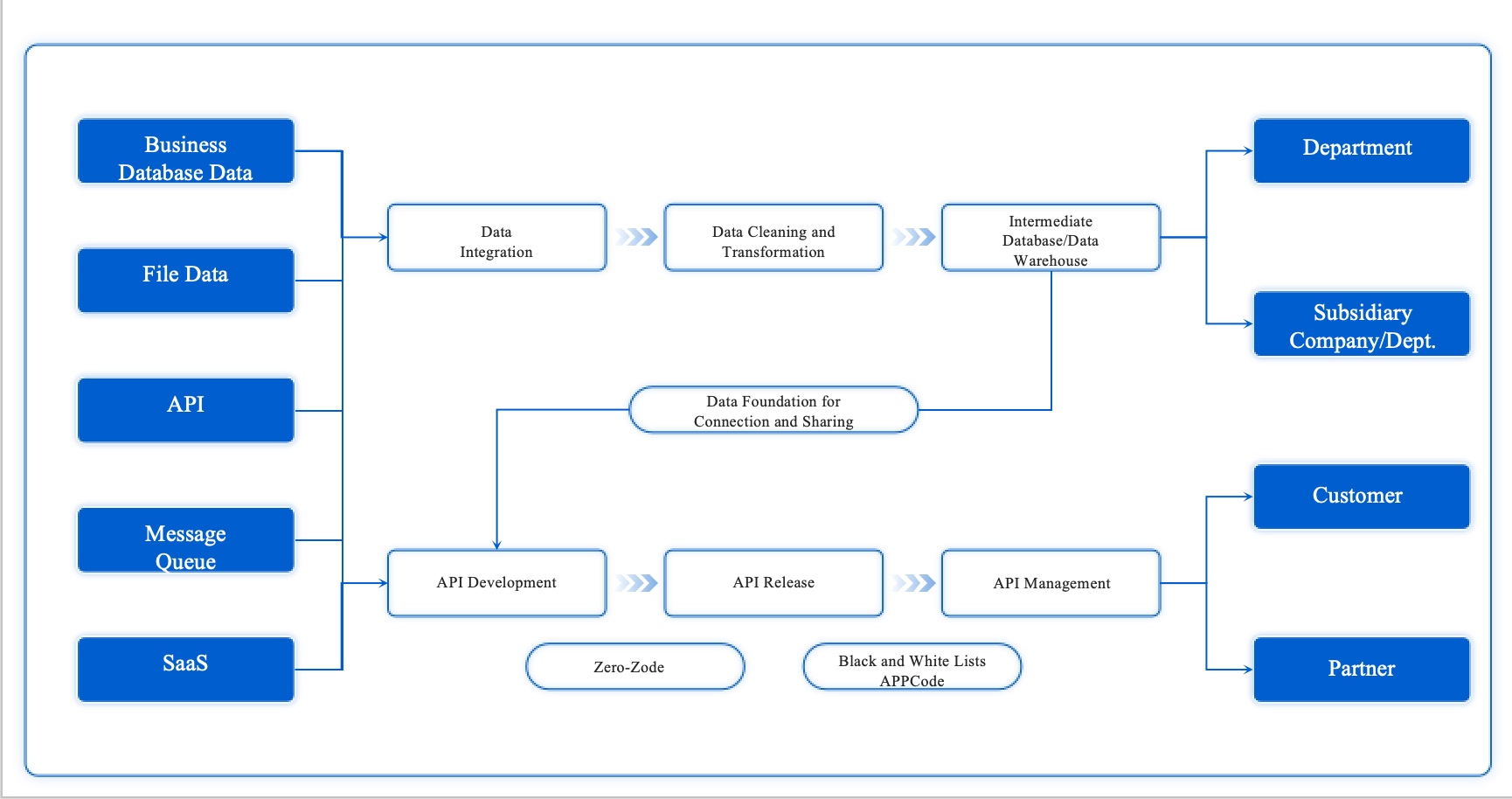
Security and compliance matter more than ever. A modern DMP gives you granular access control, strong encryption, and tamper-proof audit logs. You can manage policies from a central dashboard and ensure that only authorized users access sensitive data. These features help you meet regulations like GDPR and HIPAA. The platform also supports data masking and anonymization to protect personal information.
Data governance is another key area. You need tools that help you track data use, maintain accuracy, and document every decision. This is vital for regulated industries. The platform automates compliance tracking and provides real-time monitoring. You can generate reports to show auditors how you handle data.
Cost is always a concern. DMPs in 2026 use microservices and open-source technologies to lower total cost of ownership. You benefit from easier updates, better disaster recovery, and managed services that reduce ongoing expenses. The platform gives you operational resilience and flexibility, making it a smart investment for your business.
Tip: Choose a DMP that matches your industry needs and supports both current and future data requirements. Look for platforms that offer scalability, security, and easy integration with your existing systems.
You can see how FanRuan and FineDataLink address these needs. The platform helps you unify, analyze, and activate data for smarter, data-driven decisions. You gain a reliable, scalable solution that grows with your business.
How DMPs Work: Data Collection to Activation

Data Integration and Synchronization
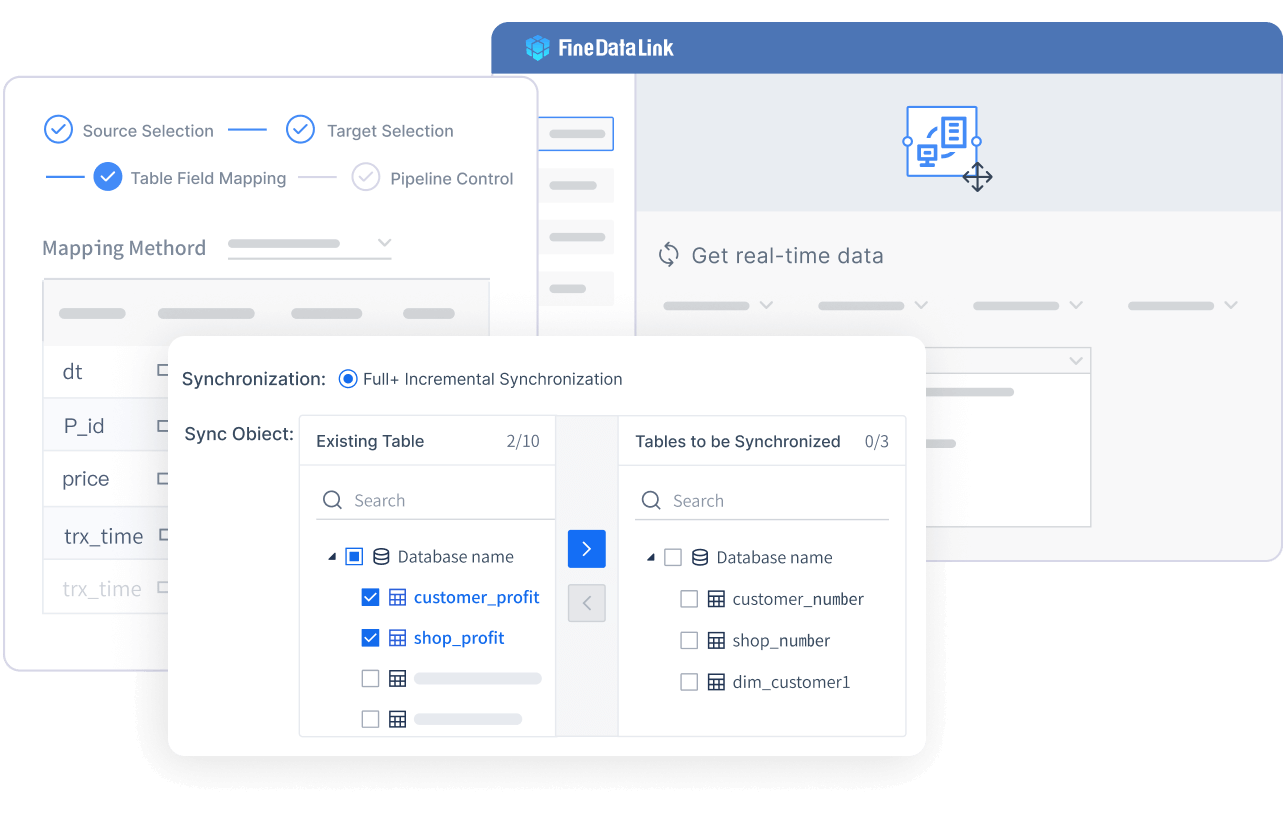
You start with data collection. A dmp gathers information from websites, mobile apps, CRM systems, and third-party providers. This process creates a foundation for your data-driven strategies. FineDataLink gives you a high-performance real-time synchronization engine. You can synchronize changes in your source tables within minutes. This means your teams always work with the latest data. The platform also supports ETL and ELT, so you can transform and move data efficiently. You do not need to worry about manual updates or delays.
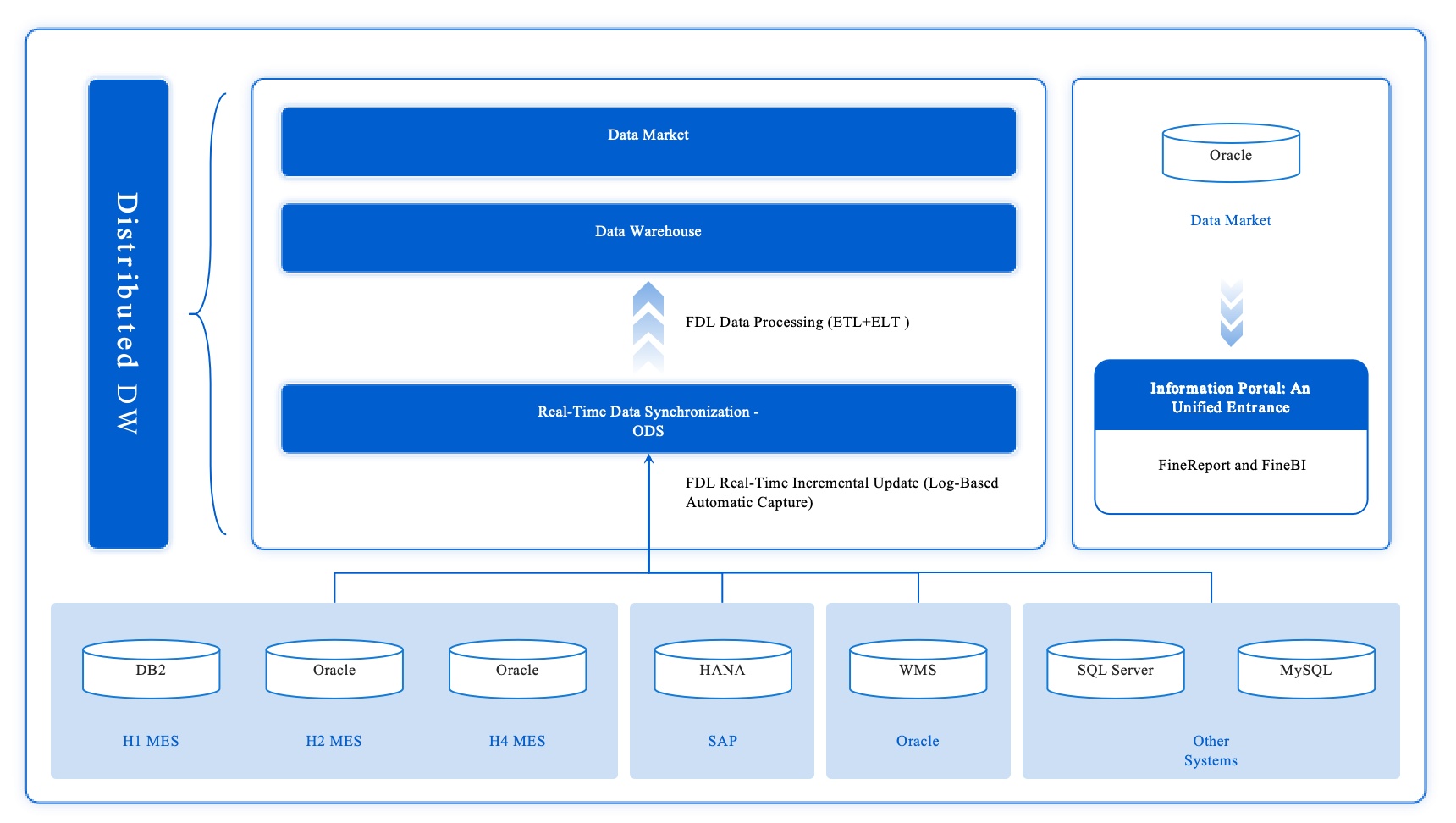
A dmp uses data quality tools to keep your information accurate and reliable. These tools remove duplicates, fill in missing details, and fix formatting issues. You can trust your data for business intelligence and reporting. FineDataLink’s APIs let you connect different systems quickly. You can build and launch an API in just a few minutes. This flexibility helps you share data across your organization and with partners.
| Feature | Description |
|---|---|
| Real-time synchronization | Keeps your data up-to-date for fast decision-making. |
| Conflict detection and resolution | Finds and fixes mismatches automatically. |
| Schema mapping and transformation | Aligns data from different sources for consistency. |
Segmentation and Analysis
Once you collect and integrate your data, you move to data segmentation and analysis. A dmp organizes customer data into categories and segments. You can group users by demographics, behaviors, or purchase history. This process helps you understand your audience and create targeted marketing campaigns.
FineDataLink supports built-in analytics and automated reporting tools. You can analyze large volumes of data from many sources. The platform makes it easy to connect with your data analytics systems. You get instant insights for better decision-making. Real-time data lets you personalize experiences for your customers.
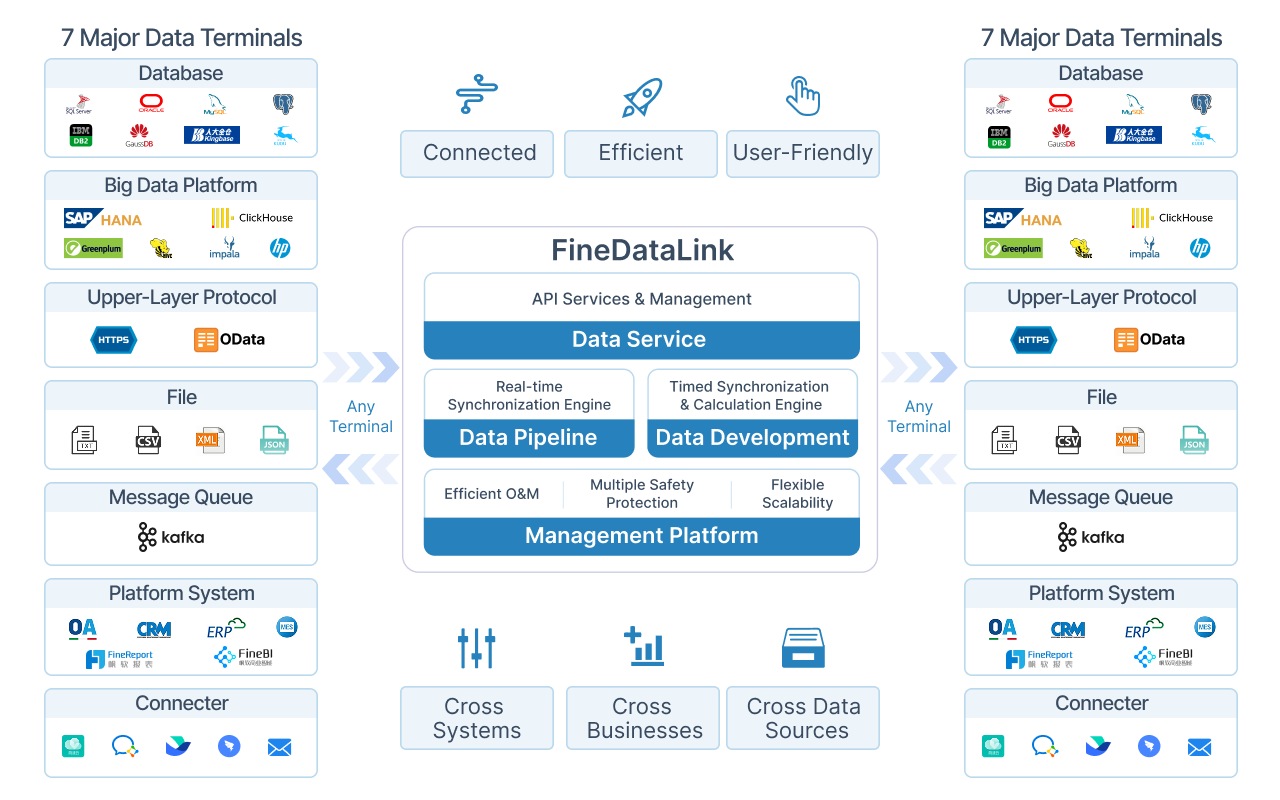
- Collect and analyze data from multiple sources.
- Create detailed audience segments.
- Use real-time data for personalized marketing.
Data Activation for Business Intelligence
The final step is data activation. A dmp enables you to use your organized data for business intelligence. You can activate segments for advertising, sales, or customer service. FineDataLink helps you push data to dashboards, reports, and other tools. You can monitor key performance indicators and respond quickly to changes.
Many organizations use a dmp to improve campaign performance and optimize ad spend. You can see results in real time. For example, companies have used data management platforms to predict shipping delays, consolidate financial reports, and visualize customer lifetime value. These outcomes show the power of data-driven strategies.
Tip: Use your dmp to connect IT and business teams. Custom dashboards and workflow automation help everyone stay updated and work together.
Benefits and Use Cases of Data Management Platforms
Business Advantages
You gain many advantages when you use a data management platform. A dmp helps you solve common pain points that slow down your business. You often face problems like data integration, siloed analytics, and the need for real-time insights. A dmp brings together information from different sources, making it easier for you to see the big picture. You do not have to worry about missing important details or working with outdated data.
A dmp improves your data quality and helps you automate routine tasks. You save time and reduce costs by eliminating duplicate data and streamlining your processes. You also get stronger security and compliance features, which protect your sensitive information and help you follow privacy regulations. You can connect your dmp with existing tools, making your workflow more efficient.
Here is a table that shows the top business advantages you get from a data management platform:
| Advantage | Description |
|---|---|
| Connected data | Brings together information from various departments for improved collaboration and time savings. |
| Better data quality | Ensures data is accurate and up to date, facilitating confident decision-making. |
| Lower costs | Reduces operational costs by eliminating duplicate data and streamlining processes. |
| Stronger security and compliance | Incorporates security measures to protect sensitive data and reduce legal risks. |
| Task automation | Automates routine tasks, allowing teams to focus on more impactful work. |
| Clearer insights and improved targeting | Organizes insights for easier analysis, enhancing marketing efforts and customer engagement. |
| Tool integration | Connects with existing software, improving workflow efficiency and reducing time spent on system switching. |
You see these benefits in platforms like FineDataLink. The platform helps you break down data silos and gives you real-time data for faster decision-making. You can automate your data flows and focus on more important work.
Note: When you use a dmp, you build a strong foundation for data-driven strategies. You can trust your data and make better decisions for your business.
Industry Applications
You find data management platforms in many industries. Each industry uses a dmp to solve specific problems and improve operations. In finance, you can improve customer support and reduce support requests by half. Healthcare organizations use a dmp to train professionals and lower the number of support calls. Technology companies rely on a dmp for custom training walkthroughs, which boost productivity and reduce frustration.
Here is a table that shows how different industries use a data management platform:
| Industry | Use Case Description |
|---|---|
| Finance | Improved customer support through in-app guidance, resulting in a 50% drop in support requests. |
| Healthcare | Enhanced training for healthcare professionals on applications, reducing support calls and improving knowledge. |
| Technology | Custom training walkthroughs for HRM systems, leading to increased productivity and reduced employee frustration. |
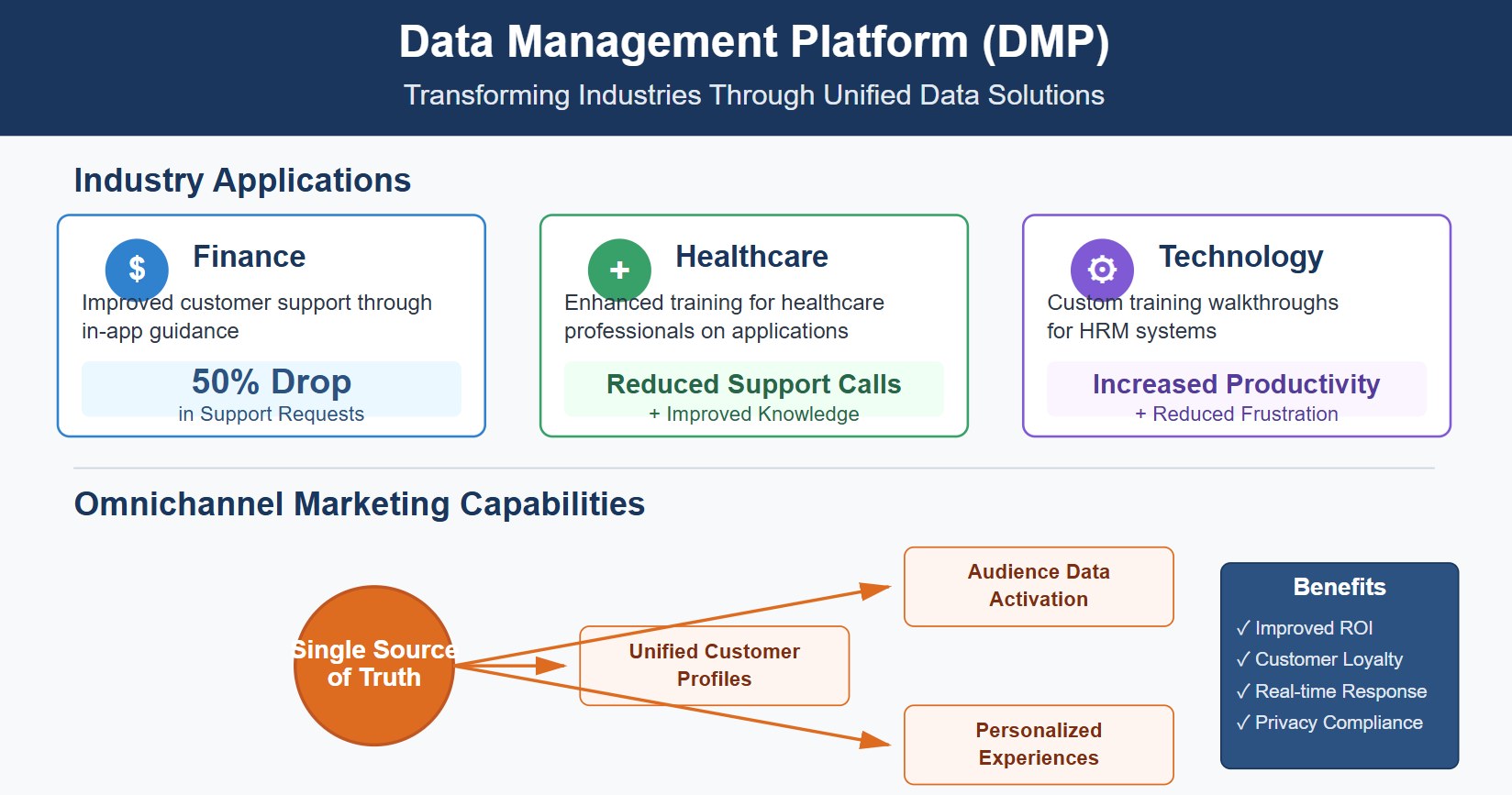
You also see a dmp supporting omnichannel marketing campaigns. The platform gives you a single source of truth, so you can personalize experiences across all channels. You improve your marketing ROI and build loyalty with your customers. You respond quickly to customer actions because you have real-time data. You control your first-party data and stay compliant with privacy laws.
- You use a dmp to create unified customer profiles.
- You activate audience data for programmatic advertising and digital advertising.
- You improve audience targeting and deliver personalized experiences.
FanRuan Customer Success Stories
You can look at real-world results to see the impact of a data management platform. FanRuan has helped many organizations achieve measurable improvements. NTT DATA Taiwan used FineDataLink to integrate ERP, POS, and CRM systems. The company built a unified data platform that improved operational efficiency. Employees can now visualize data and perform self-service analysis. This empowers teams to make informed decisions and drive sustainable growth.
Here is a table that highlights the results achieved by FanRuan customers:
| Improvement Area | Description |
|---|---|
| Operational Efficiency | Enhanced through a unified data platform integrating ERP, POS, and CRM systems. |
| Employee Empowerment | Teams can visualize data and perform self-service analysis for informed decisions. |
| Sustainable Growth | Supported by improved data management and decision-making capabilities. |
You measure your return on investment by looking at both tangible and intangible benefits. You save money by avoiding fines and reducing operational errors. You see efficiency gains when you spend less time fixing data errors. You also notice better decision-making and higher customer satisfaction, which can lead to more revenue.
- Track operational efficiency gains, such as reduced time spent on data errors.
- Measure cost savings from improved data quality and compliance.
- Assess revenue growth linked to better data utilization.
According to a recent global survey, organizations that use advanced analytics and AI in their data management platforms report a 20-30% improvement in operational efficiency and a 15-25% increase in revenue growth over three years.
Tip: When you choose a dmp like FineDataLink, you set your business up for long-term success. You unlock the full value of your data and empower your teams to make smarter decisions every day.
DMPs vs. CDPs and DSPs: Key Differences
Comparing Data Management Technologies
You may hear about DMPs, CDPs, and DSPs when you look for ways to manage your data. Each platform serves a different purpose. Understanding these differences helps you choose the right tool for your business.
Here is a table that shows how these platforms compare:
| Feature | Data Management Platforms (DMPs) | Customer Data Platforms (CDPs) | Demand-Side Platforms (DSPs) |
|---|---|---|---|
| Purpose | Ad targeting and audience segmentation | Manage customer data across the journey | Facilitate ad buying and targeting |
| Data Types | Third-party data, often anonymized | First-party and second-party data | Various data types for targeting |
| Functionality | Data warehousing and audience segmentation | Unifying customer data for personalized marketing | Buying ad space and targeting ads |
| Data Retention | Short-term for ad campaigns | Long-term for customer insights | Varies by campaign |
| Pricing | Based on data volume and usage | Subscription-based | Based on ad spend and bidding |
A dmp helps you collect and organize data from many sources. You use it to create audience segments for marketing campaigns and programmatic advertising. A CDP focuses on building customer profiles by unifying data from all your channels. This gives you a single view of each customer. A DSP lets you buy ad space and target ads in real time.
Choosing the Right Platform
You want to select the platform that fits your needs. Start by thinking about your goals. If you need to unify data from many sources and create audience segments, a dmp works well. If you want to build detailed customer profiles and improve customer experience, a CDP is the best choice. For buying ads and managing programmatic advertising, a DSP is the right tool.
Here are some criteria to help you decide:
| Criteria | Description |
|---|---|
| Data integration and sources | Choose a platform that connects to all your data sources, including first, second, and third-party data. |
| Real-time activation and scalability | Look for low latency and high throughput for fast data action. |
| Analytics and insights | Make sure the platform offers strong analytics to guide your marketing strategies. |
| Privacy and data security | Pick a platform that supports privacy rules and keeps your data safe. |
| Data quality and governance | Good platforms help you keep your data clean and well-managed. |
| Integration with marketing stack | The platform should work with your current marketing tools. |
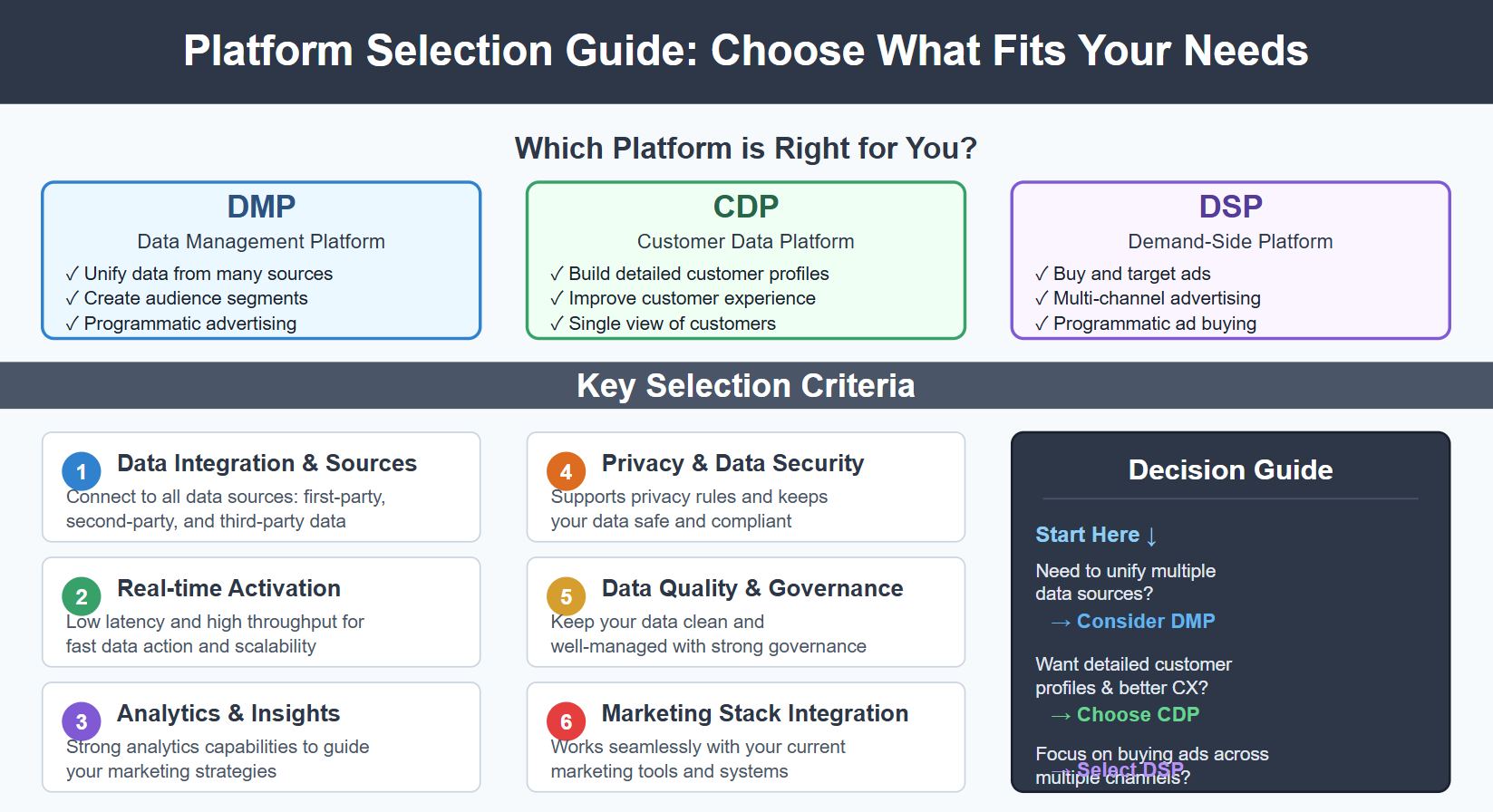
- A CDP can give you a single view of your customers and make your marketing more agile.
- A dmp helps you activate audience segments for marketing campaigns and programmatic advertising.
- A DSP lets you buy and target ads across many channels.
Tip: Review your business needs before you choose a platform. Think about your data sources, your marketing goals, and how you want to use your data.
Integrating DMPs for Scalable Data Solutions
Implementation Strategies
You want your dmp to scale as your business grows. Start by choosing a data management platform that supports microservices architecture. This approach lets you break your applications into smaller parts. Each part can scale independently, so you avoid bottlenecks. Use serverless computing to adjust resources automatically. Cloud platforms help you handle spikes in demand without manual intervention.
Containerization tools like Docker and orchestration systems such as Kubernetes make deployment easier. You can manage updates and rollbacks with less risk. Distributed data stores, including NoSQL databases, help you store large volumes of data efficiently. Load balancing and content delivery networks keep your system fast and reliable. Big data processing frameworks like Apache Spark allow you to process information at scale.
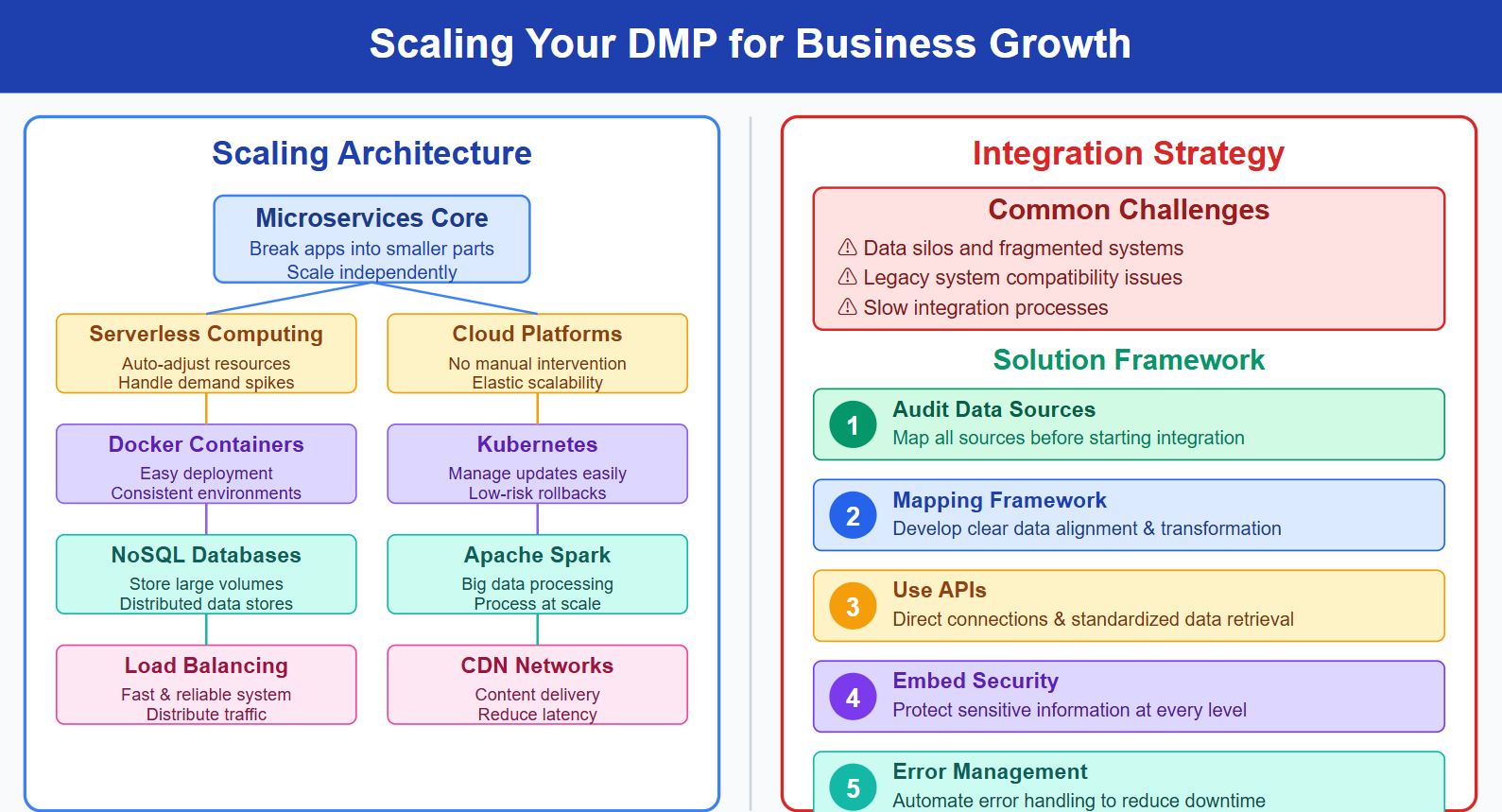
When you integrate a dmp, you may face challenges. Data silos and fragmented systems can slow you down. Legacy systems often create compatibility issues. To overcome these, audit all your data sources before starting. Develop a clear mapping framework to align and transform information. Use APIs for direct connections and standardized data retrieval. Always embed security at every level to protect sensitive information.
Tip: Plan for error management from the beginning. Automate error handling to reduce downtime and keep your data flowing smoothly.
FineDataLink Integration Tips
FineDataLink makes integration simple and scalable. You can use its low-code, drag-and-drop interface to build data pipelines quickly. This feature saves you time and reduces the need for specialized coding skills. Real-time synchronization ensures your data stays current across all systems. FineDataLink supports over 100 data sources, so you can connect legacy and modern systems with ease.
To get the best results, follow these steps:
- Audit your existing systems and identify all data sources.
- Use FineDataLink’s visual tools to map and transform your data.
- Set up real-time synchronization to keep information up to date.
- Leverage the platform’s API capabilities to connect with external applications.
- Monitor performance and automate error management for continuous reliability.
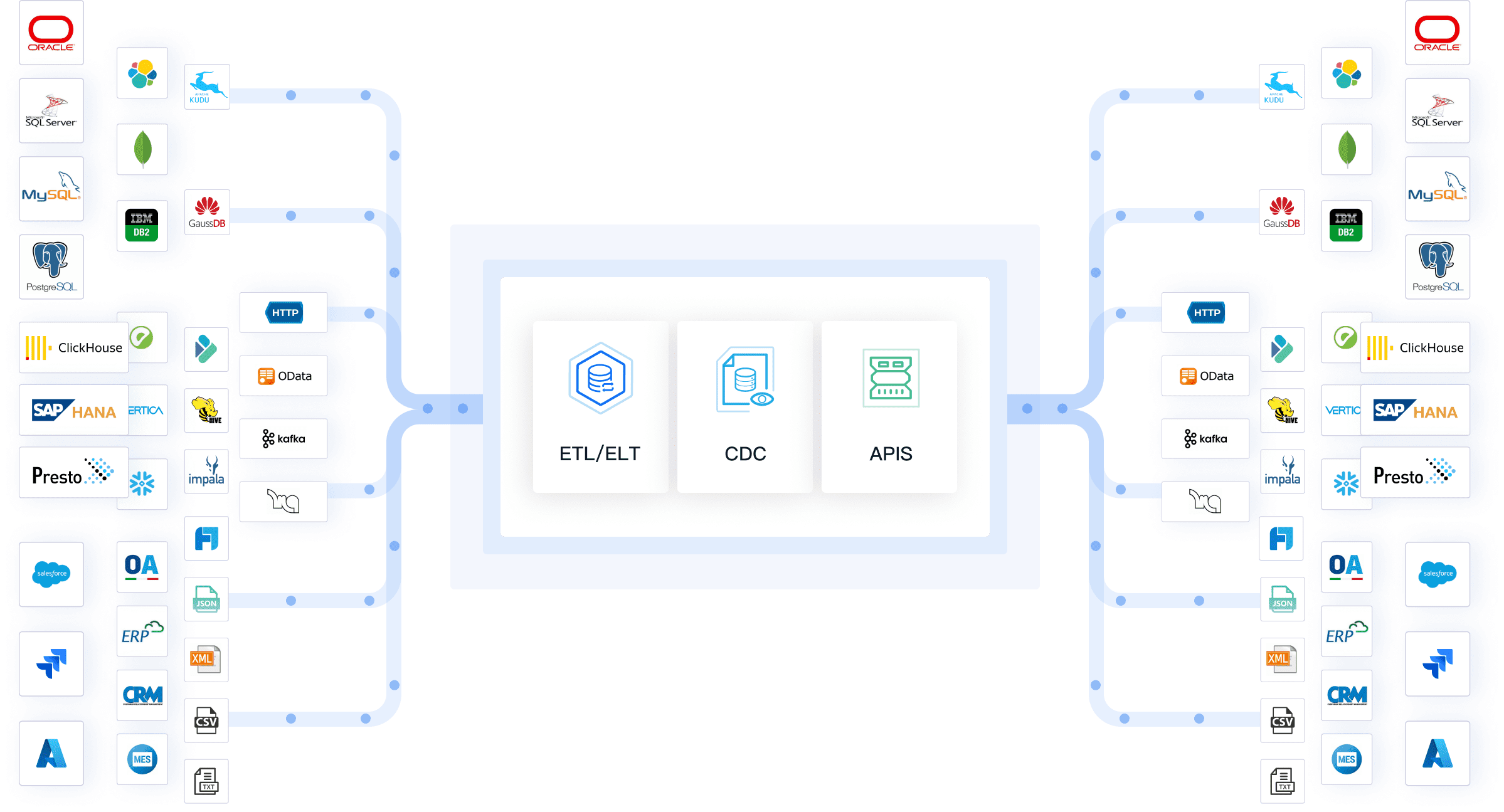
FineDataLink helps you break down silos and unify your data landscape. You gain a scalable solution that grows with your business needs.
A data management platform will remain essential for your business in 2025 and beyond. You will see future trends shape the dmp landscape, including AI integration, real-time analytics, and self-service tools. To get the most value, you should:
- Identify your business challenges and align your data strategy.
- Ensure your platform connects with existing systems for real-time processing.
- Build a strong data team and set clear governance guidelines.
Taking these steps helps you unlock the full power of your data.
Continue Reading About data management platform
What is Real Time Data Integration and Why It Matters
What is Clinical Data Management and Why Does It Matter
What is Test Data Management and Why is it Important
Frequently asked questions
You use a data management platform to collect, organize, and activate data. This helps you make smarter choices and supports data-driven decision making across your business.