
When you look for the best data lake vendors for enterprise needs, you want more than just a place to store your data. You need a platform that grows with your business, keeps your information secure, and connects easily with all your systems. The right data lake vendor will help you unlock new value from your data and support your digital transformation.
Data lake architecture has changed a lot in recent years. Now, you see platforms that:
- Store both structured and unstructured data with flexibility and scale
- Support advanced analytics so you can find deeper insights
- Make data accessible across your company, so teams can analyze information without waiting for IT
Choosing the right data lake vendor means you can future-proof your data strategy and keep your business ahead.
Leading Data Lake Vendors
When you explore the best data lake vendors for enterprise needs, you see a market filled with powerful options. Each vendor brings unique strengths, making it important for you to match your business goals with the right data lake solutions. Let’s walk through the top data lake vendors and see what sets each apart.
FineDataLink Data Integration Platform

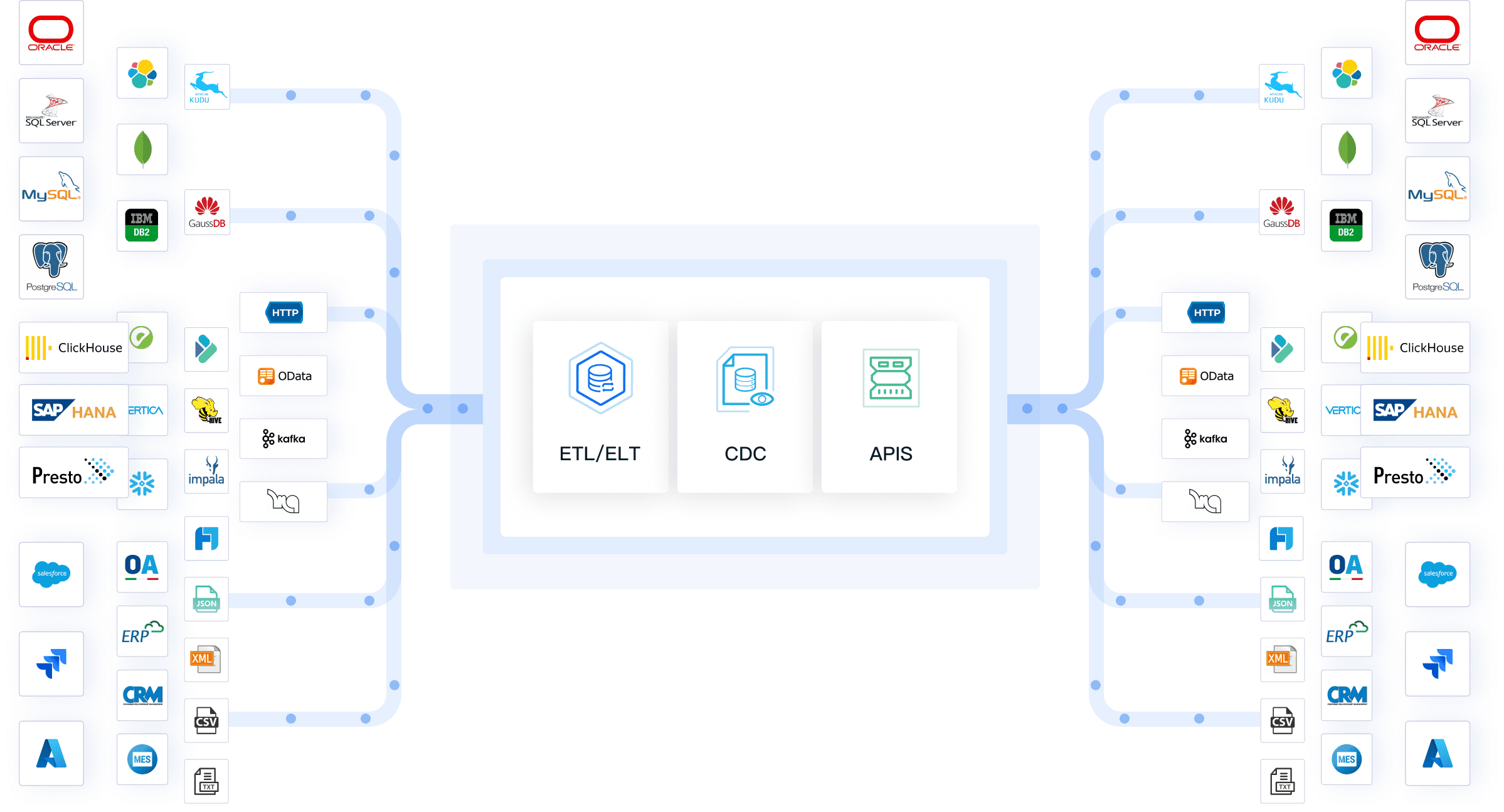
FineDataLink stands out as a modern data integration platform designed for enterprises that need to connect data from many sources. You can collect data from relational and non-relational databases, APIs, and files. FineDataLink enables real-time synchronization, so your data stays up to date across all systems.
| Capability | Description |
|---|---|
| Multi-source data collection | Connects to relational, non-relational, interface, and file databases. |
| Real-time synchronization | Keeps data in sync across tables and databases with minimal latency. |
| Efficient operation and maintenance | Flexible scheduling and real-time monitoring reduce your workload. |
| Data source support | Works with a wide range of data sources, including APIs and files. |
| High-performance data synchronization | Improves data warehouse time sensitivity and disaster resistance. |
| API data access | Provides secure, stable data transmission for sharing and integration. |
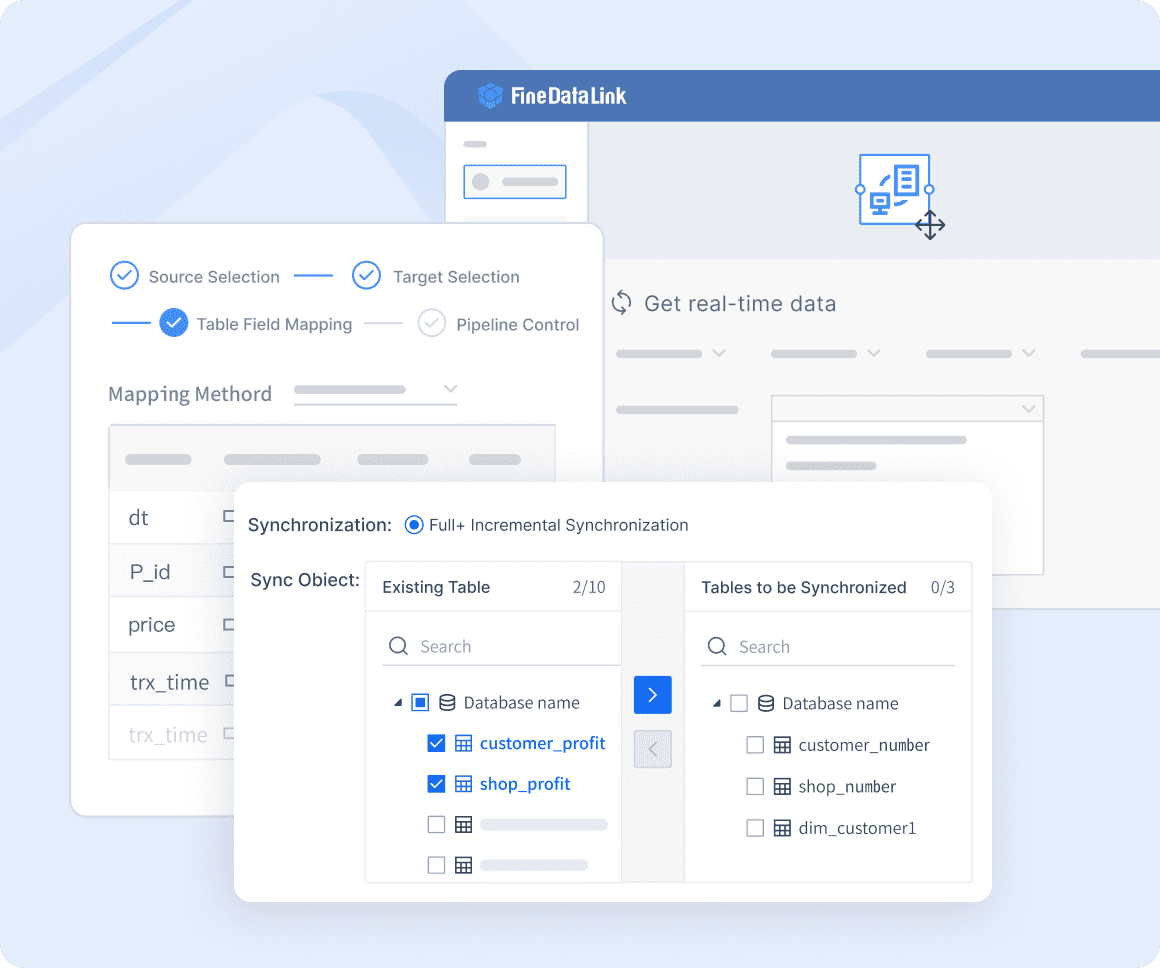
FineDataLink also supports low-code development. You can use drag-and-drop tools to automate data integration and transformation. The platform ensures data consistency, automates synchronization, and transforms data into the right format for analysis. This makes it easy for you to build real-time data lake solutions and keep your business intelligence dashboards always updated.
AWS Lake Formation
AWS Lake Formation stands out as a favorite among large enterprises. You can build secure, scalable data lakes quickly on AWS. The platform simplifies data ingestion, management, and optimization. You get advanced security features, like Governed Tables with ACID transactions and fine-grained access controls. You can classify and enforce permissions using tags, and even set row and cell-level security with Data Filters.
AWS Lake Formation integrates seamlessly with other AWS services. You can connect with Amazon Athena for analytics, Amazon SageMaker for machine learning, and Amazon Redshift for data warehousing. The platform also works with AWS Glue for data integration and Amazon EMR for big data processing. If you need to share data across accounts or regions, AWS Lake Formation supports cross-account sharing and scalable permission management. Audit logging through Amazon CloudTrail helps you track data access for compliance.
| Feature | Description |
|---|---|
| Seamless Integration | Works with AWS IAM, Starburst, Dremio, and more for authentication and governance. |
| Cross-Account Sharing | Securely shares data across AWS accounts and regions. |
| Scalable Permission Mgmt | Tag-based access control adapts as your data grows. |
| Data Sharing | Enables zero ETL data sharing while maintaining control. |
| Audit Logging | Provides access logs for compliance and auditing. |
You can rely on AWS Lake Formation for robust data lake storage, security, and integration, making it a top choice for enterprises.
Microsoft Azure Data Lake
Microsoft Azure Data Lake is purpose-built for enterprise-scale workloads. You get enhanced security and governance controls, which set it apart from other cloud providers. Azure Data Lake Store focuses on meeting the needs of large organizations, offering strong data lake storage and advanced governance.
Azure’s pricing model is flexible. You pay per gigabyte for data ingestion, processing, and storage. Querying data with Kusto Query Language (KQL) also incurs charges based on the amount of data analyzed. If you use advanced data insights, you pay per compute hour, calculated by the number of cores and active time. This approach helps you manage costs while scaling your data lake platform as your needs grow.
Azure Data Lake integrates with a wide range of Microsoft services, making it easy for you to build end-to-end data lake solutions. You can trust Azure for secure, scalable, and cost-effective data management.
Google Cloud Dataplex
Google Cloud Dataplex gives you a unified data fabric for managing and governing distributed data at scale. You can define governance rules based on business context and logic, applying them globally or to specific datasets. Dataplex offers an open and extensible platform, supporting end-to-end data governance across your entire data landscape.
You benefit from consistent policy enforcement across different storage environments. Dataplex integrates with IAM for access control and provides fine-grained policies. The platform discovers and catalogs data, profiles and validates data quality, tracks lineage, and applies consistent governance. You can organize your data into logical groupings, curated zones, and storage assets.
| Benefit | Description |
|---|---|
| Data Accuracy Improvement | Raises data accuracy from 40% to 80%. |
| Performance Enhancements | Speeds up decision-making and boosts operational efficiency. |
| Simplified Data Quality Management | Automates quality checks with recommendations and UI-driven workflows. |
With Google Cloud Dataplex, you get reliable performance, improved data accuracy, and simplified data quality management—key factors for any enterprise data lake.
Snowflake Data Lake
Snowflake Data Lake offers true multi-cloud support. You can run Snowflake on AWS, Microsoft Azure, or Google Cloud Platform, giving you flexibility and helping you avoid vendor lock-in. Snowflake makes secure data sharing simple, so you can collaborate across regions and clouds without sacrificing security.
| Feature | Description |
|---|---|
| Multi-cloud support | Operates on AWS, Azure, and GCP for maximum flexibility. |
| Avoids vendor lock-in | Lets you use services from different cloud providers. |
| Secure data sharing | Enables collaboration while maintaining strict security. |
Many enterprises use Snowflake as a data lake platform for cybersecurity data, often alongside SIEM systems like Splunk. You can create a common data lake service for your internal teams, allowing analysts to query data directly in Snowflake without duplication or extra indexing. This approach streamlines your data lake storage and analytics.
Databricks Lakehouse
Databricks Lakehouse combines the best of data lakes and data warehouses. You get open, direct access to data in standard formats, with indexing optimized for machine learning and data science. The platform delivers low query latency and high reliability for business intelligence and advanced analytics.
- You can ensure data integrity and reliability.
- The architecture supports both schema-on-write and schema-on-read.
- You can handle structured and raw data for real-time analytics.
Databricks Lakehouse scales easily. You can add or remove resources as needed, distribute workloads across clusters, and use serverless architectures for near-zero startup latency. Databricks set a benchmark by processing 1 billion records for under $1 using Delta Live Tables. This efficiency makes it a strong choice for enterprises looking for high-performance data lake solutions.
Cloudera Data Platform
Cloudera Data Platform is built for hybrid and multi-cloud environments. You can store and manage massive datasets, whether on-premises or in the cloud. Cloudera supports open-table formats like Apache Iceberg and provides a Shared Data Experience (SDX) for enterprise-grade security.
| Feature/Security Measure | Description |
|---|---|
| Hybrid and multi-cloud support | Manages data across cloud and on-premises environments. |
| Shared Data Experience (SDX) | Delivers unified security and governance. |
| Real-time and batch processing | Handles streaming and batch workloads. |
| Enhanced metadata management | Automates tagging and governance for easy discovery. |
| Unified security model | Enforces compliance and security across all environments. |
| Automated compliance management | Helps you meet regulations like GDPR and HIPAA. |
| Data masking and encryption | Protects sensitive data through encryption and tokenization. |
| Threat detection and anomaly monitoring | Uses AI for proactive risk management. |
Cloudera gives you flexibility in workload deployment, cost savings, and risk mitigation. You can move workloads and data as your business needs change, all while maintaining strict security and compliance.
When you look at the best data lake vendors for enterprise needs, you see a market led by Databricks, Snowflake, Microsoft, Amazon Web Services, Google, IBM, and Cloudera. These companies hold over half the market share in 2024. Other notable data lake vendors include SentinelOne Singularity Data Lake, Informatica Intelligent Data Management Cloud, Palantir Foundry, SAP HANA, and Azure ata Factory. Each offers unique features, so you can find a data lake solution that fits your enterprise requirements.
Data Lake Vendors Solution Overview
Core Features and Capabilities
When you look at modern data lake solutions, you want to see features that help your business grow and adapt. The best data lake vendors offer platforms that handle large amounts of data, keep your information secure, and make it easy for your teams to find insights. Here’s a quick look at the core features you should expect from top data lake solutions:
| Feature | Description |
|---|---|
| Elastic storage | Lets you store as much data as you need, scaling up or down without losing performance. |
| Schema-on-read | Stores data in its raw form and applies structure only when you need to analyze it, giving you agility. |
| Multi-tenancy | Allows different teams or departments to use the same data lake storage while keeping data secure. |
| Integrated analytics | Connects with analytics tools so you can run reports and get real-time insights directly from your data lake. |
These features help you manage data lake storage efficiently and support your analytics needs as your business changes.
Enterprise Strengths and Differentiators
Not all data lake vendors are the same. You want a solution that stands out and matches your business goals. Leading data lake solutions set themselves apart in several ways:
- Some vendors focus on speed and cost-effectiveness, helping you process data faster and save money.
- Others offer unique features, like advanced graph data management or seamless integration with major cloud platforms.
- Many vendors design their products to deliver a great customer experience, making setup and daily use simple for your team.
- The best data lake vendors also align with big cloud providers, so you can build a solution that fits your existing IT environment.
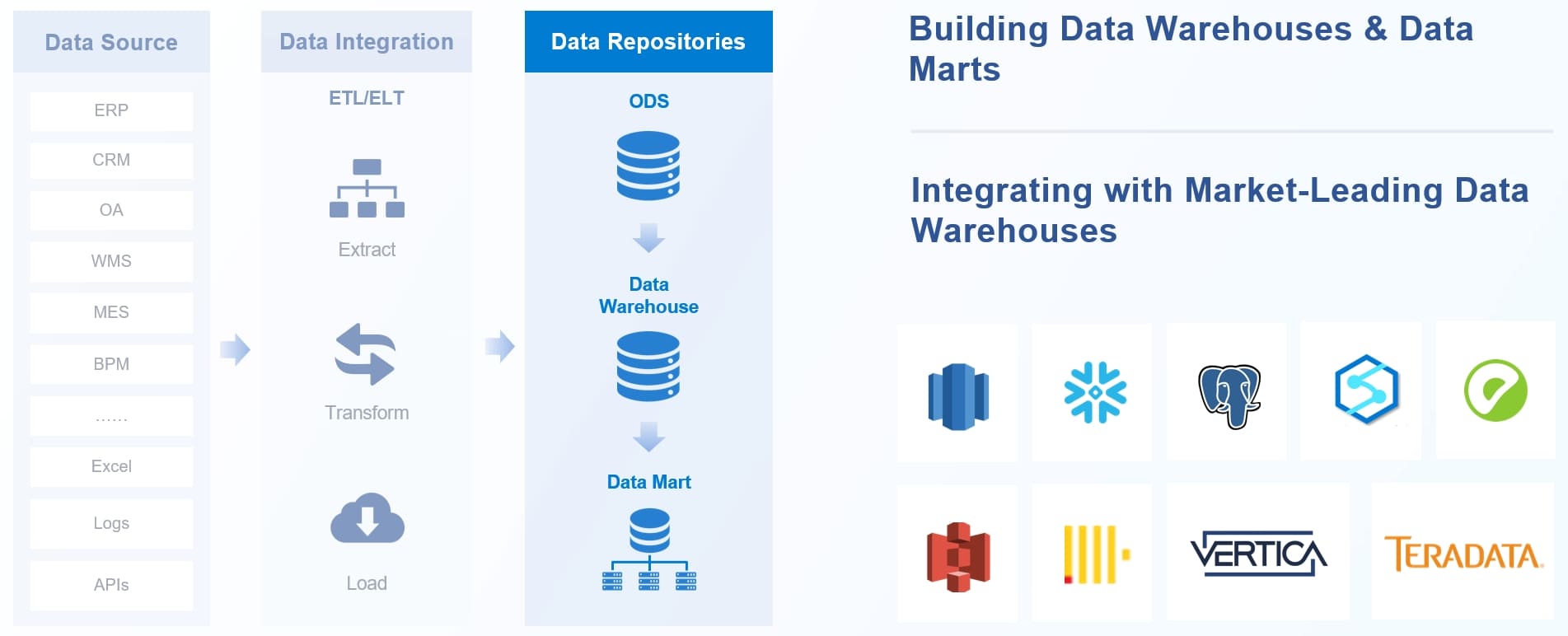
FineDataLink brings something special to the table. You get a low-code platform that makes data integration easy, even if you don’t have a lot of coding experience. FineDataLink supports real-time data synchronization, advanced ETL and ELT, and drag-and-drop tools for building data pipelines. This means you can connect data from many sources, automate updates, and keep your data lake storage fresh for analytics.
You can see the impact of these features in real-world cases. For example, BOE Technology Group used FineDataLink to break down data silos and standardize metrics across their company. They built a unified data warehouse, which led to a 5% drop in inventory costs and a 50% boost in operational efficiency. This shows how the right data lake solutions can drive real business results.
Data Lake Vendors Comparison

Feature and Pricing Table
When you compare data lake platforms, you want to see how features and pricing stack up side by side. You can find big differences in how each vendor handles data lake storage, integration, and cost. Here’s a simple table to help you see what each platform offers:
| Vendor | Integration Options | Scalability | Pricing Model | Unique Features |
|---|---|---|---|---|
| AWS Lake Formation | Deep AWS ecosystem | High | Pay-as-you-go | Governed Tables, cross-account sharing |
| Azure Data Lake | Microsoft services | High | Per GB, per query | Advanced governance, flexible compute |
| Google Dataplex | Google Cloud services | High | Usage-based | Unified data fabric, global policies |
| FineDataLink | 100+ data sources, APIs | High, real-time | Affordable, flexible | Low-code, drag-and-drop, real-time sync |
| Snowflake | Multi-cloud | High | Consumption-based | Secure sharing, vendor flexibility |
| Databricks | Open formats, APIs | High, serverless | Usage-based | Lakehouse architecture, ML support |
| Cloudera | Hybrid, open formats | High | Subscription | SDX security, hybrid deployment |
You can see that modern data lake platforms help you cut data ingest compute costs by up to 95% compared to older data warehouses. They also support open table formats, which makes it easier for you to avoid vendor lock-in and keep your options open.
Integration and Scalability
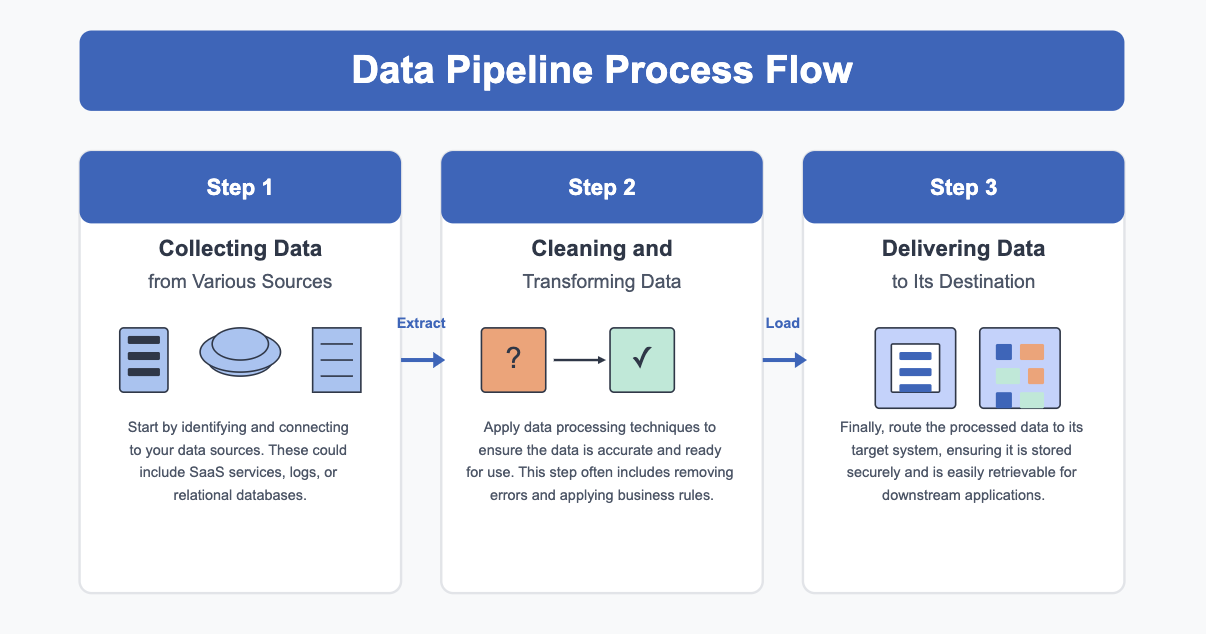
You want your data lake to connect with all your systems and grow as your business expands. FineDataLink stands out with its support for over 100 data sources and real-time synchronization. You can build data pipelines with a drag-and-drop interface, making integration simple even if you don’t code. FineDataLink’s low-code platform lets you launch API interfaces in minutes, so you can share data between SaaS apps and legacy systems.
Other vendors also offer strong integration. AWS, Azure, and Google provide deep connections within their cloud ecosystems. Snowflake and Databricks support multi-cloud and open formats, giving you flexibility. Cloudera works well in hybrid environments, letting you manage data both on-premises and in the cloud.
Scalability matters when your data grows fast. All these platforms handle large volumes, but FineDataLink's real-time sync and efficient data lake storage help you keep data fresh and accessible. You can scale up or down without losing performance, so your analytics stay reliable as your needs change.
Data Lake Vendors Architecture For Enterprises
Modern Architecture Trends
You see big changes in how companies design their data lake architecture today. If you want your business to keep up, you need to know what’s new and what works best. Here are some of the top trends shaping data lake services:
- Data mesh and data fabric approaches help you break down silos. These methods let you manage and access data from many sources, making your data more useful and easier to control.
- AI-driven data architecture is now common. You can use AI to improve data quality and governance, which means fewer errors and better insights.
- Data lakehouses combine the best parts of data lakes and data warehouses. You get a single platform for all types of data, so you can run analytics and machine learning without moving your data around.
These trends help you build a flexible and future-ready data lake. You can store more data, keep it organized, and make it available for real-time analytics.
FineDataLink Architecture Advantages
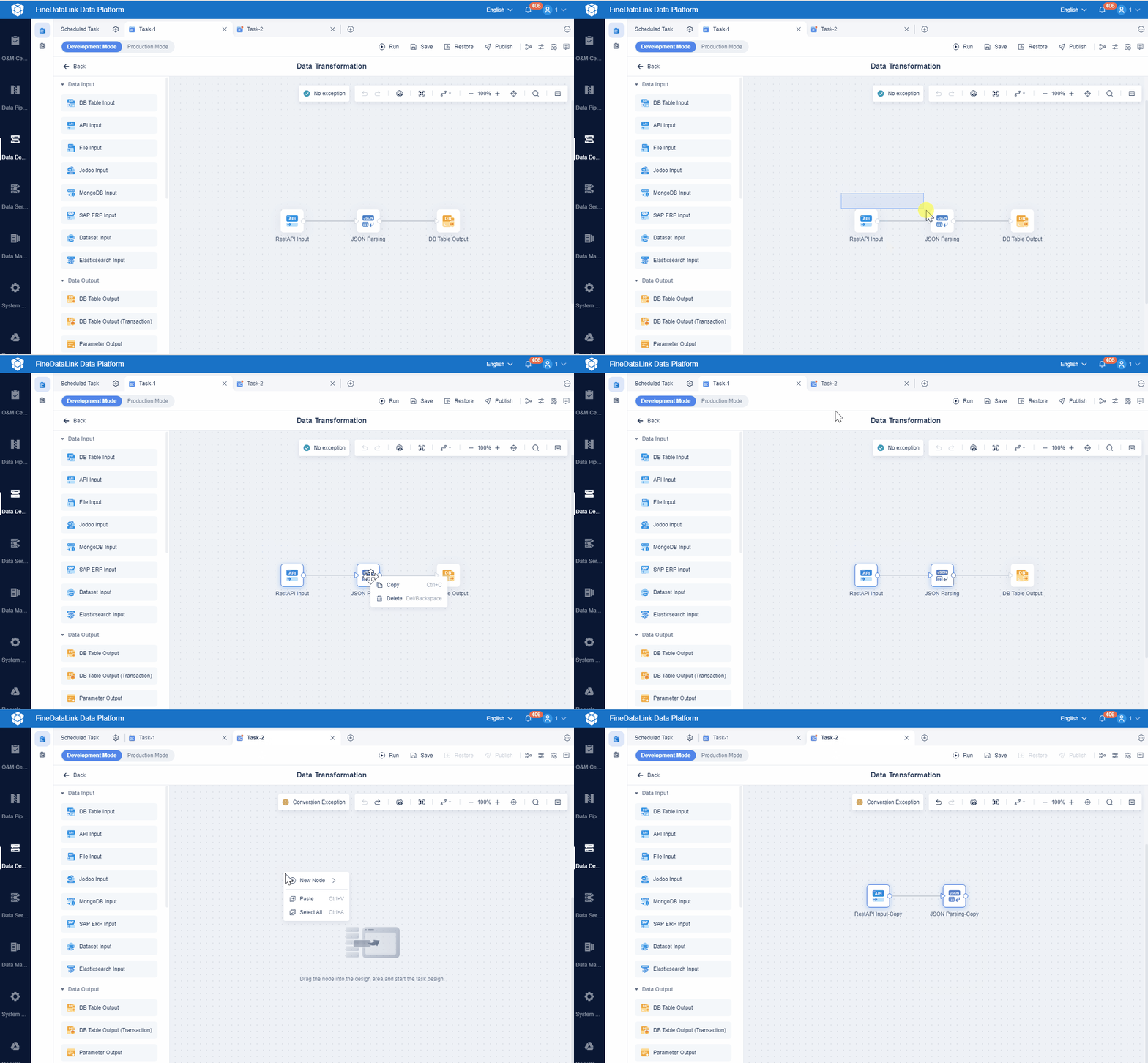
FineDataLink gives you a modern way to manage your data lake storage. You get real-time data warehousing, easy API integration, and a drag-and-drop interface that makes building data pipelines simple. Here’s how FineDataLink stands out:
| Feature | Description |
|---|---|
| High Availability | You can count on stable operation around the clock, so your business never loses data. |
| High Concurrency | The system grows with you. Add more nodes to handle more users and more data at once. |
| Parallel Processing | FineDataLink splits tasks across nodes, so you get faster performance and quicker results. |
| Comprehensive Management Platform | You get tools for setup, monitoring, and management, which lowers your risk and saves time. |
| Scalability | The platform handles spikes in traffic and large workloads by letting you add resources as needed. |
With FineDataLink, you can build a real-time data lake that supports your business as it grows. You can connect to over 100 data sources, automate data flows, and keep your analytics up to date. The low-code, drag-and-drop design means you spend less time on setup and more time getting value from your data.
Selecting the Right Data Lake Vendors
Evaluation Criteria
Choosing the right data lake for your business can feel overwhelming. You want a solution that fits your needs today and grows with you tomorrow. To make a smart choice, focus on a few key criteria. Here’s a table to help you compare options:
| Criteria | Description |
|---|---|
| Use Cases | Think about what problems you want to solve, like data discovery, governance, or analytics. |
| Users | Consider who will use the data lake—engineers, analysts, or business teams. |
| Interoperability | Check if the platform connects with your current systems and data sources. |
| Governance Features | Look for tools that help you manage data access, ownership, and workflows. |
| Analytics Capabilities | Make sure you can get insights and reports from your data lake analytics. |
| Metadata Management | See if the solution tracks data quality, lineage, and licensing. |
| Enterprise Scale | Pick a platform that can handle more data and users as your company grows. |
You want a data lake that checks these boxes, so your teams can work faster and smarter.
Matching Solutions To Use Cases
Every business has unique needs. Some companies need to scale quickly, while others care most about security or integration. Here’s how you can match data lake services to your use cases:
| Capability | Description |
|---|---|
| Scalability & Elasticity | Choose a platform that lets you scale up or down as your data grows or shrinks. |
| Security & Compliance | Look for strong access controls and encryption to protect your data and meet regulations. |
| Integration Ecosystem | Pick a solution that connects easily with your existing tools and systems. |
| Global Reach & Reliability | Make sure your data lake stays available and reliable, even during outages or disasters. |
FineDataLink stands out if you want real-time integration, low-code development, and support for over 100 data sources. You can build data pipelines with drag-and-drop tools and keep your data lake analytics up to date. This makes it a great fit for businesses that need flexibility and speed.
When you line up your needs with what each platform offers, you find the best match for your business goals.
You have many strong options in the data lake market. Here’s a quick look at what sets each apart:
| Vendor | Strengths and Differentiators |
|---|---|
| Teradata | Powerful analytics, multi-cloud, best for structured data |
| Oracle | Robust security, open-source support, wide data format compatibility |
| Vertica | High-performance analytics, hybrid deployment |
| Azure | Enterprise security, built-in encryption |
| Cloudera | Open-source, strong governance |
| Snowflake | Scalable, multi-cloud, simple management |
When you pick a data lake, make sure it fits your business goals and technical needs. This helps you get better results and use your data more effectively.
- Align your data strategy with business objectives for smarter decisions.
- Understand what your stakeholders need.
- Review your current data processes to find the best fit.
To move forward, try these steps:
- Assess your current needs and goals.
- Build a clear evaluation plan.
- Test solutions in real-world scenarios.
If you want to get the most from your data, use these tips to guide your next move.
Continue Reading About Data Lake Vendors
Enterprise Data Integration: A Comprehensive Guide
What is enterprise data and why does it matter for organizations
Understanding Enterprise Data Centers in 2025
Enterprise Data Analytics Explained for Modern Businesses
Frequently asked questions
You get platforms that offer strong security, easy integration, and real-time data access. The best data lake vendors for enterprise needs also support scalable storage and flexible analytics. These features help you manage and use your data more effectively.