
You need a modern data ingestion platform to power your business intelligence and analytics. In 2025, the top platforms—FineDataLink, Apache NiFi, AWS Glue, Databricks Lakeflow, Fivetran, Talend, and Amazon Kinesis—offer advanced real-time capabilities. Businesses rely on real-time data processing for seamless data collection from cloud and on-premises sources. With the right platform, you can streamline ETL workflows, reduce errors, and focus more on insights. Real-time integration across cloud environments ensures your data ingestion for analytics remains accurate, fast, and actionable.
Why Data Ingestion Platform Matter

The phrase "Top Data Ingestion Platforms Compared" refers to the leading solutions that help you collect, process, and move data from multiple sources into a unified system for analysis. These platforms play a crucial role in modern business intelligence by enabling you to handle large volumes of data efficiently. When you use one of the Top 7 Data Ingestion Platforms Compared, you gain access to advanced features that support real-time data integration, automation, and seamless connectivity. This means you can focus on extracting insights rather than managing manual processes or troubleshooting compatibility issues.
Data Integration in Modern BI
Data integration is the foundation of effective business intelligence. You need to bring together data from different sources, such as databases, cloud applications, and on-premises systems. This process allows you to create a single source of truth for your organization. The Top 7 Data Ingestion Platforms Compared offer tools that automate data integration, making it easier for you to manage complex workflows. You can use these platforms to synchronize data in real time, transform raw data into usable formats, and ensure data quality. Common challenges you may face include:
- Manual processes that slow down data collection and increase errors.
- High costs for maintaining infrastructure and specialized teams.
- Security risks during data ingestion and integration.
- Data quality issues that lead to unreliable analysis.
- Scalability problems when handling large volumes of data.
- Integration difficulties with diverse technology landscapes.
By choosing a robust data integration platform, you can overcome these obstacles and support your business intelligence goals.
Overcoming Data Silos
Data silos occur when information is isolated within departments or systems, making it hard for you to access and analyze all available data. The Top 7 Data Ingestion Platforms Compared help you break down these barriers. According to Gartner, poor data quality caused by data silos costs organizations millions each year. When you use a data integration platform, you improve decision-making, boost operational efficiency, and foster collaboration across teams. Integrated data enables you to automate workflows, reduce manual entry, and share insights throughout your organization. You can rely on these platforms to create a unified view of your data, which leads to better business outcomes.
Top 7 Data Ingestion Platforms Overview
The phrase "Top Data Ingestion Platforms Compared" refers to the leading solutions that help you move, process, and integrate data from multiple sources into a unified system for analysis. You need these platforms to ensure your business intelligence and analytics workflows run smoothly. Each platform in the Top 7 Data Ingestion Platforms Compared offers distinct features for integration, real-time processing, and ease of use.
Below, you will find an overview of each platform. This will help you understand how the Top 7 Data Ingestion Platforms Compared differ in their approach to data integration and real-time capabilities.
FineDataLink

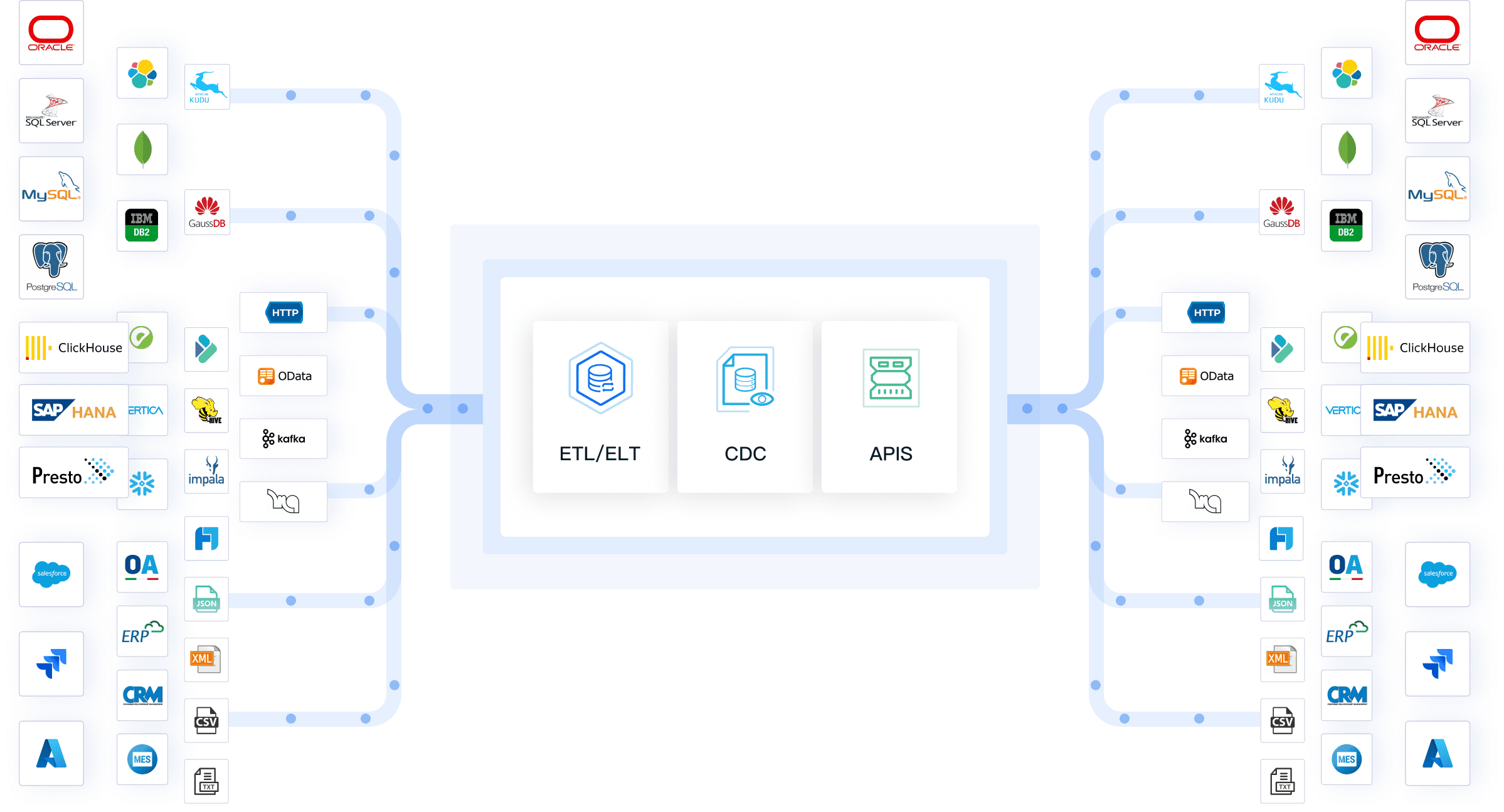
FineDataLink stands out in the Top 7 Data Ingestion Platforms Compared for its low-code interface and robust real-time synchronization. You can integrate data from over 100 sources, including databases, SaaS applications, and cloud environments. The platform’s Data Pipeline enables full and incremental synchronization with minimal latency. You can manage tasks with a visual drag-and-drop interface, schedule jobs, and monitor real-time status. FineDataLink supports ETL/ELT, API integration, and offers detailed documentation for efficient onboarding.
| Feature | Description |
|---|---|
| Data Source Support | Integrates with various sources for flexible data handling |
| Real-Time Synchronization | Ensures timely updates and data integrity |
| Task Scheduling | Optimizes performance and resource management |
| Monitoring | Reduces workload and improves operational efficiency |
Apache NiFi
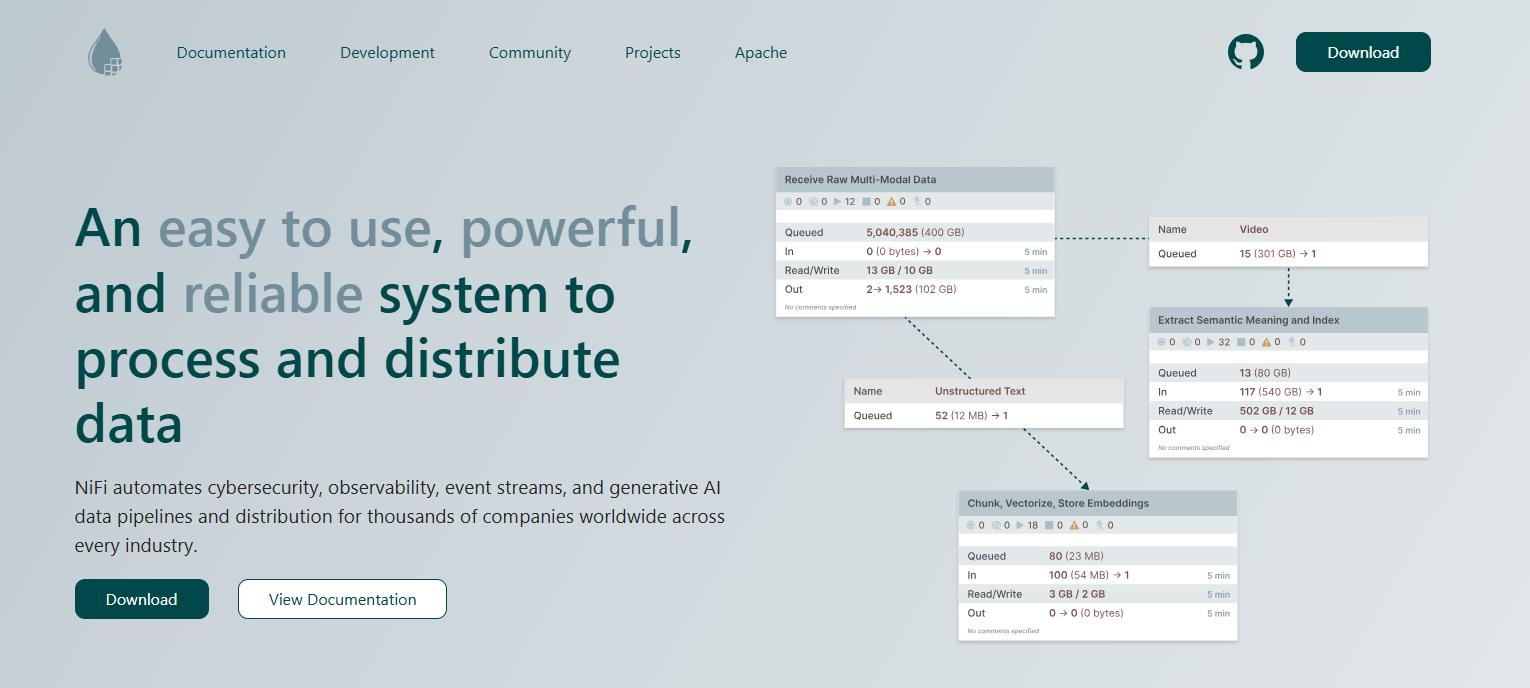
Apache NiFi provides a flexible, extensible platform for managing complex ingestion workflows. You can build and monitor data flows visually. NiFi supports REST API integration, site-to-site protocols, and secure data exchange. Its data provenance feature records lineage for troubleshooting. You benefit from data buffering and parallel streaming, which help route data to multiple destinations.
| Advantage | Description |
|---|---|
| Visual Data Flow | User-friendly interface for building flows |
| Security | Two-way SSL encryption and access control |
| Data Provenance | Tracks and indexes data lineage |
AWS Glue

AWS Glue is a serverless platform in the Top 7 Data Ingestion Platforms Compared. You can automate ETL and ELT workflows, integrate with Amazon S3, RDS, Redshift, and Athena, and process streaming data from Kinesis and Kafka. Glue automatically scales to handle large workloads and generates customizable Python or Scala code for ETL tasks.
- Seamless integration with AWS services
- Automated discovery, cataloging, and transformation
- Parallel job execution for big data workloads
Databricks Lakeflow
Databricks Lakeflow enables real-time data processing by executing tasks as data arrives. You can schedule all query stages simultaneously, which requires sufficient resources. Data moves between stages immediately, using streaming shuffle for efficient transfer. Lakeflow is ideal for organizations needing high-speed analytics.
- Real-time execution architecture
- Immediate data transfer between stages
- Streaming shuffle for fast processing
Fivetran
Fivetran simplifies pipeline management with automated connectors and schema drift prevention. You can sync data in real time and transform it for analytics. The intuitive interface guides you through setup, and pipeline monitoring ensures fresh data for reporting.
| Feature | Benefit |
|---|---|
| Automated Connectors | No manual coding required |
| Real-Time Sync | Up-to-date analytics |
| Schema Drift Prevention | Automatic detection and updates |
Talend
Talend offers a unified approach to data integration, transformation, and mapping. You can ingest data rapidly into warehouses or multi-cloud projects. Talend supports ELT/ETL, change data capture, and integrated data preparation. You can connect relational databases, cloud platforms, file systems, and APIs.
| Feature | Description |
|---|---|
| Unified Integration | Combines rapid ingestion and transformation |
| ELT/ETL Tools | Supports batch and streaming data |
| Integrated Preparation | Ensures data usability from day one |
Amazon Kinesis
Amazon Kinesis provides high-throughput, low-latency data transport. You can scale workloads on demand and integrate deeply with AWS services. Kinesis offers real-time processing, data durability through replication, and a pay-as-you-go pricing model.
- Real-time processing with minimal latency
- Seamless scalability for varying data loads
- Deep AWS integration for efficient data flow
By understanding the strengths of each platform in the Top 7 Data Ingestion Platforms Compared, you can choose the solution that best fits your business intelligence needs.
Data Ingestion Platform Comparison
The Top 7 Data Ingestion Platforms Compared help you move, process, and manage data from many sources. You need these platforms to build reliable data pipelines for analytics, reporting, and business intelligence. When you use the Top 7 Data Ingestion Platforms Compared, you can automate the data ingestion process, reduce manual work, and ensure your data is always up to date.
Key Features and Real-Time Capabilities
You want a data ingestion platform that supports both batch processing and real-time data movement. The Top 7 Data Ingestion Platforms Compared offer a range of features for different needs. FineDataLink gives you a visual, low-code interface that lets you build data pipelines quickly. You can drag and drop components to design your workflows. Talend also provides a graphical interface, making it easy to create and manage data pipelines without much coding. This approach helps you save time and lowers the barrier for users with less technical experience.
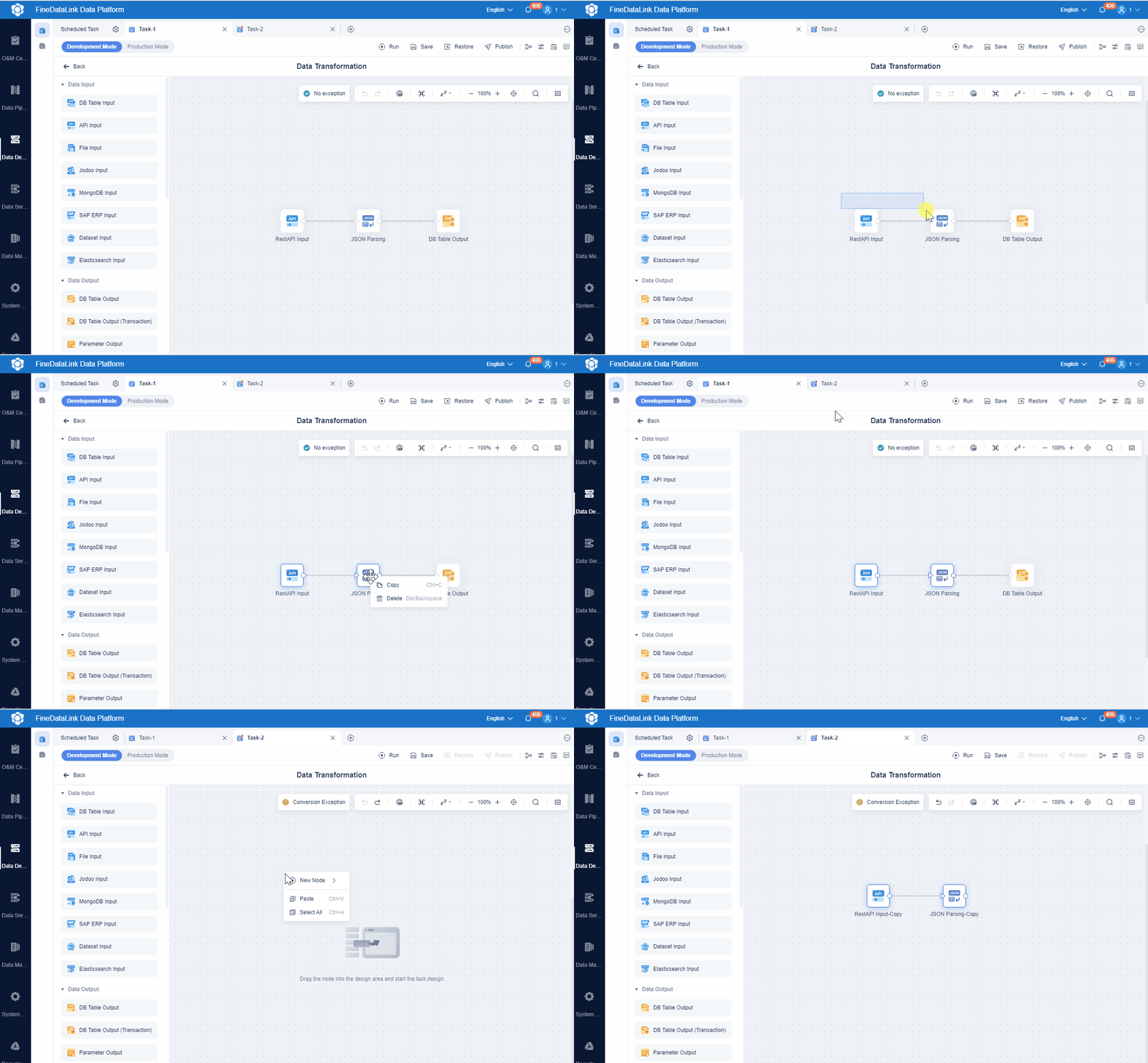
When you compare real-time capabilities, you see that each platform handles streaming data differently. FineDataLink synchronizes data across multiple tables in real time, with latency measured in milliseconds. Amazon Kinesis delivers high-throughput, low-latency streaming, which is ideal for cloud-native solutions. Databricks Lakeflow processes data as soon as it arrives, using streaming shuffle for fast movement between pipeline stages. Fivetran and AWS Glue support real-time sync and ETL, so you can keep your data warehouse current. Apache NiFi lets you build real-time data flows with visual tools and strong security.
You should consider these points when comparing real-time data ingestion tools:
- Each platform offers unique strengths in processing speed, scalability, and integration.
- Amazon Kinesis stands out for high-throughput streaming.
- Databricks Lakeflow and AWS Glue provide strong support for real-time ETL and integration with cloud storage.
- FineDataLink and Talend focus on user-friendly interfaces and low-code development for real-time pipelines.
You need to match the platform’s real-time features to your business requirements. If you want to build a real-time data warehouse or synchronize data between cloud and on-premises systems, FineDataLink and Amazon Kinesis are strong choices.
Integration and Connectivity
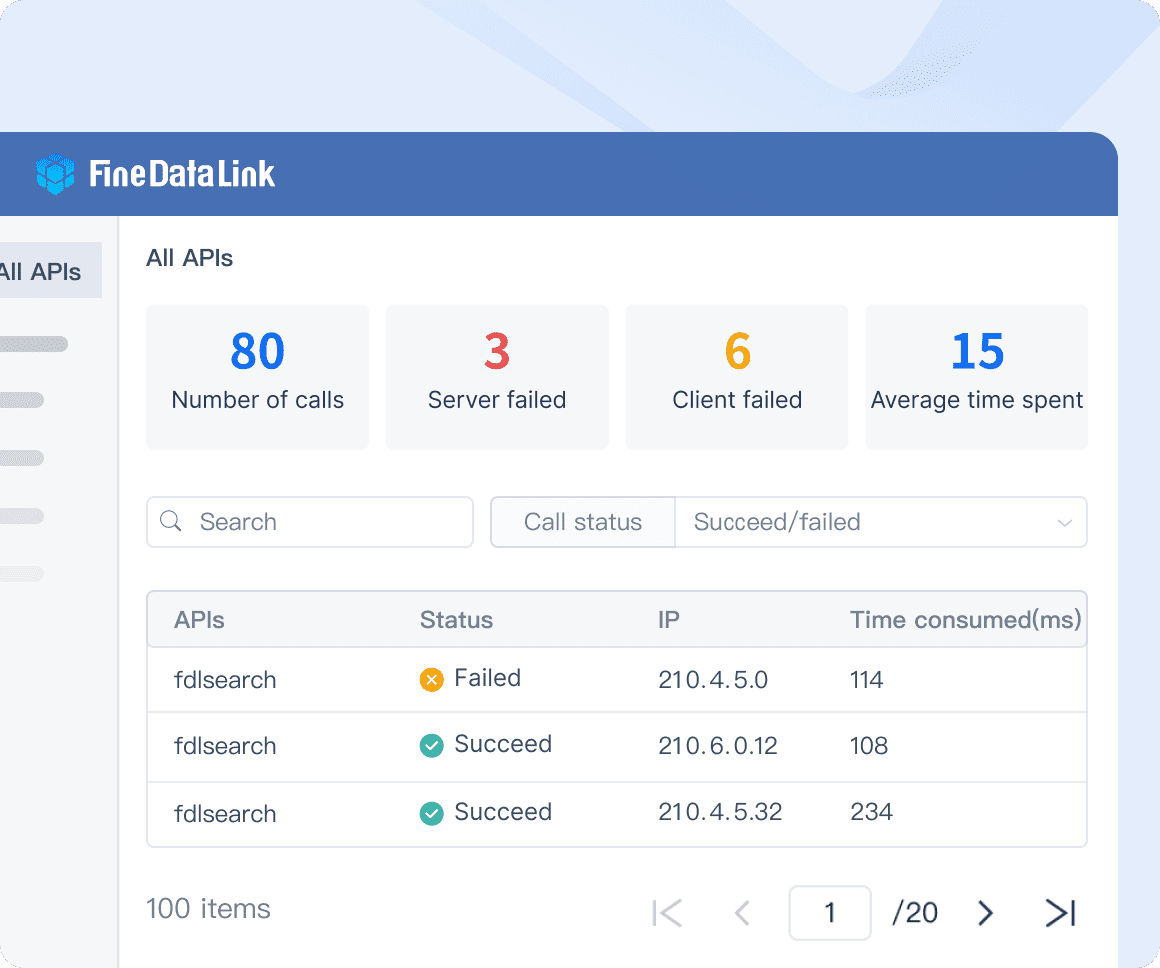
Integration and connectivity are key for any data ingestion platform. The Top 7 Data Ingestion Platforms Compared support a wide range of data sources and destinations. FineDataLink connects to over 100 data sources, including databases, SaaS applications, and cloud environments. You can use its API integration to share data between different systems in minutes. Talend also supports many connectors and lets you integrate data from relational databases, file systems, and cloud platforms.
AWS Glue and Databricks Lakeflow offer deep integration with Amazon S3, Delta Lake, and other cloud-native solutions. You can migrate PySpark or Scala jobs into Databricks notebooks with Glue, which helps you manage metadata and automate the ETL process. Fivetran provides automated connectors for popular cloud and on-premises sources, so you can set up pipelines quickly. Apache NiFi supports REST APIs, site-to-site protocols, and secure data exchange, making it flexible for complex environments.
You should look for a platform that matches your existing data sources and future needs. FineDataLink’s broad data source support and low-code API integration make it a cost-effective solution for organizations with diverse systems.
Scalability and Performance
Scalability and performance matter when you handle large data volumes or need to process data in real time. The Top 7 Data Ingestion Platforms Compared offer different approaches to scaling pipelines and managing workloads.
- AWS Glue ranks among the top platforms for Databricks integration. It supports serverless ETL, robust metadata management, and seamless migration of jobs.
- Glue integrates with S3 and Delta Lake, enabling high-performance data transformations and storage.
- Databricks Lakeflow, combined with Auto Loader and medallion architecture, lets you define data engineering logic in a simple way. You can scale pipelines to handle both batch processing and real-time workloads.
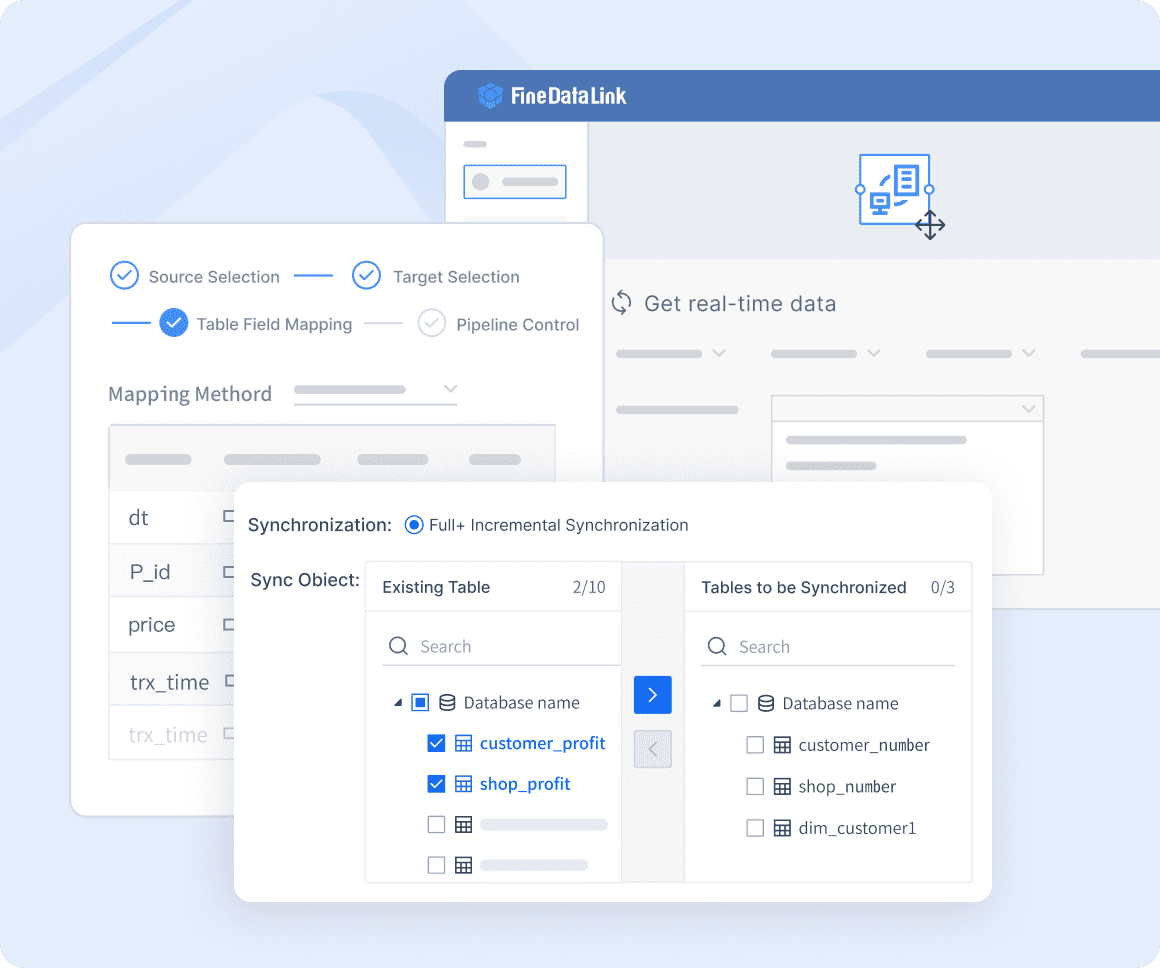
- FineDataLink synchronizes data in real time with minimal latency. You can use it for database migration, backup, and building a real-time data warehouse. Its architecture reduces pressure on business databases and supports both batch processing and streaming.
- Amazon Kinesis scales workloads on demand, providing low-latency streaming for cloud-native solutions.
- Talend and Fivetran support batch processing and real-time pipelines, so you can adjust to changing data volumes.
You should choose a platform that grows with your business. FineDataLink’s efficient data pipeline and real-time sync help you manage both small and large data workloads.
Pricing and Cost Structure
Cost is a major factor when you select a data ingestion platform. The Top 7 Data Ingestion Platforms Compared use different pricing models. You need to understand how each platform charges for data ingestion and management.
| Product | Pricing Model | Cost Structure |
|---|---|---|
| Amazon Kinesis | Charges based on data ingested and consumed | $0.00850 per GB for video streams, $0.04 per hour per stream |
| Fivetran | Straightforward pricing based on credits | $0.01 per credit for all editions |
| FineDataLink | Affordable, transparent pricing | Free trial available; contact sales for enterprise pricing |
| AWS Glue | Pay-as-you-go for ETL jobs and data processing | Charges based on data processed and job duration |
| Databricks Lakeflow | Usage-based pricing for compute and storage | Charges based on resources used and data volume |
| Talend | Subscription-based, with tiered features | Pricing varies by edition and deployment size |
| Apache NiFi | Open-source, free to use; support may cost extra | No license fee; optional enterprise support available |
You should compare the total cost of ownership, including setup, maintenance, and scaling. FineDataLink offers a free trial, so you can test its features before making a decision. Fivetran and Amazon Kinesis provide clear, usage-based pricing, which helps you estimate costs for mid-sized enterprises.
Tip: Always review the pricing details and request a demo or trial to see how the platform fits your data ingestion and management needs.
The Top 7 Data Ingestion Platforms Compared give you many options for building reliable data pipelines. You should focus on real-time capabilities, integration, scalability, and cost to find the best fit for your business. FineDataLink stands out with its visual interface, low-code design, and broad data source support, making it a strong choice for organizations seeking efficient data ingestion solutions.

Real-Time Data Ingestion Platform

The Top Data Ingestion Platforms Compared highlights the most advanced real-time data ingestion tools available for building robust data pipelines. You need these tools to move data from multiple sources into your data warehouse or cloud destinations with minimal delay. The Top 7 Data Ingestion Platforms Compared means you can select solutions that support streaming, batch processing, and ETL for both cloud and on-premises environments. These platforms help you achieve real-time integration, which is essential for analytics and business intelligence.
When you evaluate real-time data ingestion tools, you should focus on several criteria. The table below summarizes the most important factors:
| Criteria | Description |
|---|---|
| Data Quality | Ensures the accuracy and reliability of the ingested data. |
| Performance | Measures the speed and efficiency of data ingestion processes. |
| Scalability | Assesses the tool's ability to handle increasing amounts of data without performance loss. |
| Security | Evaluates the protection of sensitive data and access controls. |
| User-friendliness | Considers how easy the tool is for non-technical users to operate, saving engineering resources. |
| Interoperability | Checks compatibility with various data sources and systems. |
| Frequency | Determines if real-time ingestion is necessary or if scheduled approaches are sufficient. |
FineDataLink Real-Time Sync
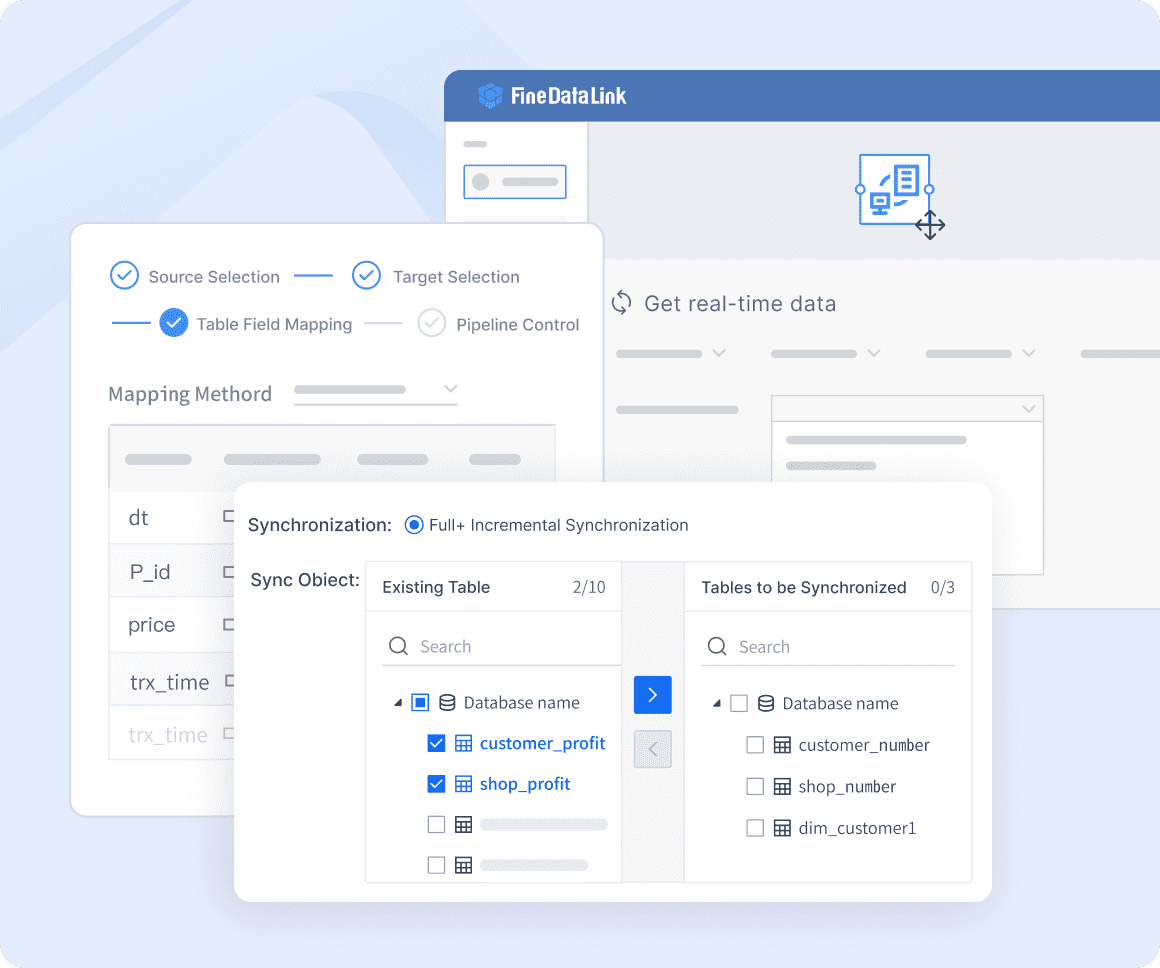
FineDataLink gives you a low-code platform for real-time data ingestion. You can synchronize data across multiple tables with latency measured in milliseconds. The platform supports over 100 data sources, including cloud applications and on-premises databases. You can use the drag-and-drop interface to build data pipelines for ETL, streaming, and batch processing. FineDataLink lets you automate the ETL process, schedule jobs, and monitor pipelines in real time. You can also create APIs in minutes to share data between systems. This flexibility helps you build a real-time data warehouse and manage integration with cloud destinations efficiently.

Amazon Kinesis Streaming
Amazon Kinesis stands out among data ingestion tools for its ability to handle high-throughput streaming. You can capture and store terabytes of data per hour from hundreds of thousands of sources. Kinesis supports real-time processing and analysis as data arrives, which is essential for organizations that need immediate insights. You can use Kinesis for website clickstreams, financial transactions, and social media feeds. The service integrates with other cloud platforms and supports both streaming and batch processing pipelines.
Amazon Kinesis plays a pivotal role in stream processing, enabling businesses to handle vast amounts of data in real time. This capability is crucial for modern applications that demand immediate insights and actions.
Apache Kafka and Others
Apache Kafka is a popular choice for real-time data ingestion tools. Kafka functions as a publish-subscribe system, allowing multiple consumers to read data independently. You can retain data for configurable periods, which enables replay and recovery. Kafka processes events in real time, supporting continuous analytics and immediate reactions. However, Kafka requires specialized knowledge and works best for streaming workloads. Other tools like RudderStack offer user-friendly interfaces and support both batch processing and streaming pipelines. RudderStack provides real-time transformations, SDKs for event collection, and built-in error handling. You can choose the right tool based on your data pipeline needs, integration requirements, and the complexity of your data warehouse.
Use Cases and Industry Solutions of Data Ingestion Platform
The Top Data Ingestion Platforms Compared refers to the leading data ingestion tools that help you move, process, and manage data efficiently for business intelligence. You use these platforms to build data pipelines that connect sources to destinations, enabling you to create a unified data warehouse for analytics. The Top Data Ingestion Platforms Compared supports both batch processing and streaming, so you can handle data in real-time or at scheduled intervals.
Business Intelligence Integration
You rely on data ingestion tools to power your business intelligence workflows. These platforms automate ETL tasks, synchronize data across cloud and on-premises systems, and ensure your data warehouse receives timely updates. You can use batch processing for affiliate payouts, payment status, and attendance metrics. Streaming lets you process threat alerts, stock prices, and social media feeds as they arrive. Micro-batch processing helps you track website traffic, incoming call volume, and inventory changes. The table below shows common use cases for each data ingestion type:
| Data Ingestion Type | Description | Common Use Cases |
|---|---|---|
| Batch Processing | Ingests data in groups at scheduled intervals. | Affiliate payouts, payment status, attendance metrics |
| Stream Processing | Ingests real-time data continuously as it arrives. | Threat alerts, stock prices, social media feeds |
| Micro-batch Processing | Processes data in very small batches for near-real-time ingestion. | Website traffic, incoming call volume, inventory |
You can build data pipelines that combine batch processing and streaming to meet your business needs. These platforms help you automate ETL, improve data quality, and support analytics in the cloud.
Customer Story: NTT DATA Taiwan
NTT DATA Taiwan chose a data ingestion platform from the Top Data Ingestion Platforms Compared to solve challenges in digital transformation. You see how they integrated backend systems like ERP, POS, and CRM using ETL and streaming pipelines. The platform helped them create a unified data warehouse, enabling real-time analytics and role-specific dashboards. You benefit from self-service BI, which lets you analyze data without deep technical skills. NTT DATA Taiwan improved operational efficiency and adopted data-driven strategies by using advanced data ingestion tools.
You can learn from NTT DATA Taiwan’s experience. They built a data pipeline that connects multiple sources, processes data in real-time, and delivers insights to every department. This approach supports sustainable growth and smarter decision-making.
Industry Applications
You find data ingestion tools in many sectors. The Top Data Ingestion Platforms Compared are popular in finance, healthcare, retail, manufacturing, and telecommunications. You also see adoption in automotive, energy and utilities, IT, industrial, and aerospace and defense. These platforms help you manage streaming data, automate ETL, and build data pipelines for cloud analytics. You use them to monitor patient care, optimize supply chains, track financial transactions, and manage inventory. Data ingestion solutions support real-time decision-making and improve business outcomes across industries.
- Healthcare
- Automotive
- Energy & Utilities
- IT & Telecommunications
- Industrial
- Aerospace & Defense
You can select a platform that matches your industry needs, supports cloud integration, and builds reliable data pipelines for analytics and reporting.
Choosing the Right Data Ingestion Platform
Assessing Business Needs
When you see the phrase "Choosing the Right Data Ingestion Platform," you need to understand what makes a solution fit your organization. A data ingestion platform helps you collect, process, and move data from many sources into a unified system for analysis. You should start by identifying your business goals and the types of data you handle. Ask yourself if you need real-time updates, batch processing, or both. Consider the volume and velocity of data your business generates. If you work with cloud applications or on-premises databases, you need a platform that supports seamless integration.
| Factor | Why It Matters |
|---|---|
| Scalability | Handles increasing data volume and velocity efficiently |
| Compatibility | Integrates with your existing data infrastructure and analytics systems |
| Real-Time Processing | Supports high-speed data ingestion and streaming for timely insights |
| Flexible Architecture | Prevents bottlenecks and supports future growth |
You should evaluate your data ingestion strategy based on these factors. This approach ensures your platform can support your business as it grows.
Matching Tools to Use Cases
You need to match your data ingestion platform to your specific use cases. If you require real-time analytics, choose a platform that excels at streaming and low-latency processing. For batch ETL workflows, look for tools that automate data extraction, transformation, and loading. Security and data quality are critical. Implement alerts to catch issues early and perform regular data quality checks. Automation reduces manual errors and speeds up the ingestion process.
| Key Considerations | Description |
|---|---|
| Data Quality | Validates accuracy and consistency of ingested data |
| Scalability | Manages growing data volumes, especially in cloud environments |
| Security | Protects data during ingestion with encryption and alerts |
| Timeliness | Aligns ingestion methods with business needs for data freshness |
- Set up alerts at the source for data quality and security.
- Make copies of raw data for integrity and reprocessing.
- Use automation to streamline ETL and streaming workflows.
Future-Proofing Data Strategy
You want your data ingestion platform to support your business now and in the future. Start by understanding your current data environment and user needs. Choose a cloud architecture that aligns with your goals. Implement robust data governance to ensure data quality and reliability. Avoid vendor lock-in by selecting flexible solutions. Document your data policies to prevent shadow IT and support collaboration across departments.
- Assess your environment, including data sources and user requirements.
- Select a cloud architecture that fits your business objectives.
- Use incremental synchronization for efficient data movement.
- Tune performance at every step of your ETL and streaming pipelines.
- Evolve security and governance as your platform grows.
- Train your team and communicate changes clearly.
FineDataLink stands out as a recommended data ingestion platform for organizations seeking low-code, real-time, and broad integration. You benefit from its visual interface, support for over 100 data sources, and ability to build ETL and streaming pipelines with minimal effort. FineDataLink helps you future-proof your data ingestion strategy by offering scalable architecture, robust governance, and seamless cloud integration.
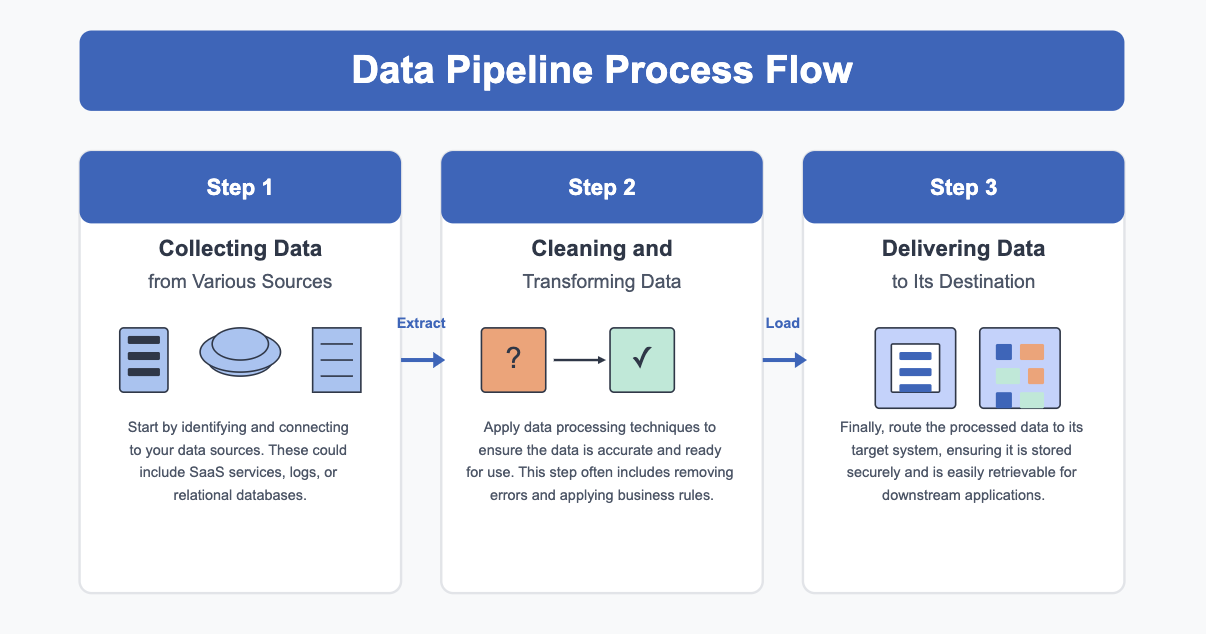
You have explored the main differences and strengths of each data ingestion platform. Each tool helps you move data, process data, and manage data from many sources. FineDataLink gives you a low-code way to handle real-time data and build strong data pipelines. AWS Glue and Databricks Lakeflow focus on cloud data integration. Fivetran and Talend automate data workflows. Apache NiFi and Amazon Kinesis support secure, scalable data streaming. You should match your data needs to the right platform. Try free trials, like FineDataLink, to see which data solution fits your business best.
Continue Reading About Data Ingestion Platform
Enterprise Data Integration: A Comprehensive Guide
What is enterprise data and why does it matter for organizations
Understanding Enterprise Data Centers in 2025
Enterprise Data Analytics Explained for Modern Businesses
Frequently asked questions
You see this phrase when you look for the best tools to collect, process, and move data for analytics. The Top 7 Data Ingestion Platforms Compared for 2025 highlights the leading solutions for real-time integration, automation, and business intelligence.