
If you are leading HR, legal, compliance, or people analytics in 2026, the real question is not just whether the EEO-1 filing process survives. The real business issue is whether your organization can still prove fair, consistent, and legally defensible employment practices without scrambling when regulators, litigants, executives, or auditors ask for data. That is why eeo reporting requirements still matter even if a specific federal form is reduced, delayed, or eliminated. Employers still need reliable workforce data for hiring, promotions, compensation, terminations, internal audits, and jurisdiction-specific obligations.
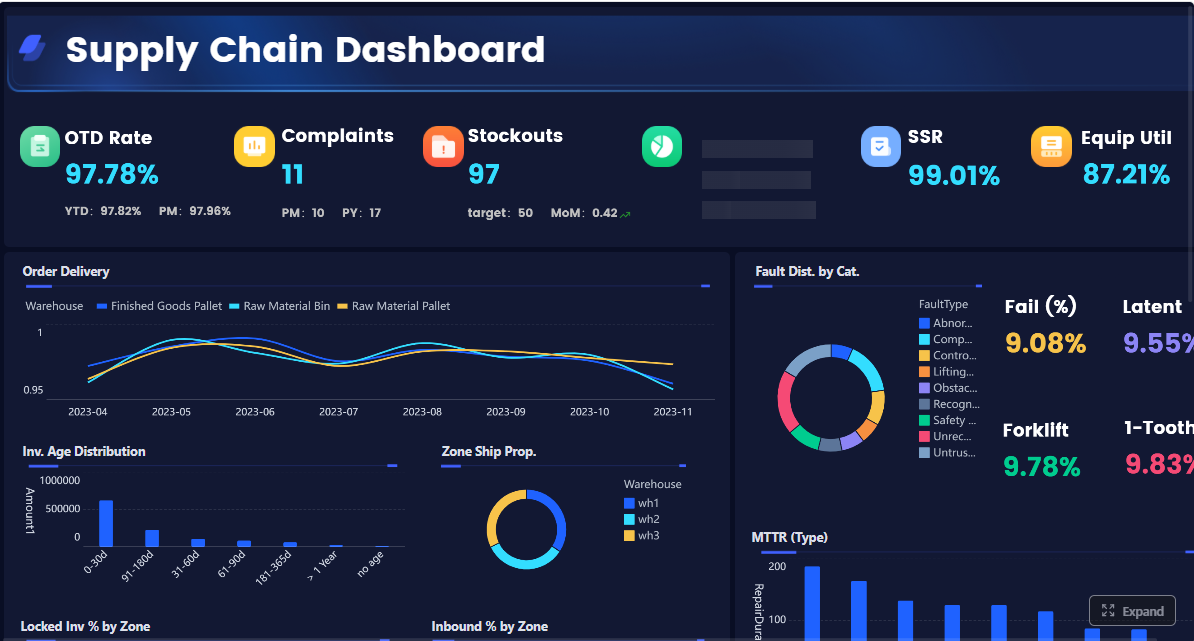
All reports in this article are built with FineReport
EEO reporting requirements in 2026: what employers need to understand now
A possible end to federal EEO-1 reporting would be a reporting-process change, not a blanket end to equal employment compliance. That distinction matters. Many employers hear “the form may go away” and assume workforce tracking can be relaxed. In practice, that is the wrong takeaway. Core anti-discrimination obligations tied to employment decisions still continue, and your exposure may actually increase if your internal records become inconsistent or incomplete.
For enterprise employers, the stakes are operational as much as legal. HR data often sits across payroll, ATS, HCM, compensation, and case management systems. If federal reporting rules shift suddenly, organizations with weak governance struggle to answer basic questions: Which entities are covered? Which employee attributes were collected lawfully? Are job categories standardized? Can the company analyze promotions or adverse impact by location or business unit? Those are the questions that drive compliance readiness in 2026.
The practical takeaway is simple: do not plan around headlines. Plan around durable obligations. Even if one filing requirement changes, employers still need a defensible framework for equal employment monitoring, record retention, and rapid response.
Key Metrics (KPIs) employers should still track
To stay prepared, employers should maintain a concise but disciplined set of workforce compliance metrics:
- Workforce Representation Rate: Demographic distribution by job category, department, location, and level.
- Hiring Rate by Demographic Group: Measures applicant-to-hire outcomes to identify selection disparities.
- Promotion Rate: Tracks advancement patterns across protected groups and job levels.
- Transfer Rate: Highlights whether mobility opportunities are distributed consistently.
- Termination Rate: Monitors voluntary and involuntary exits for adverse patterns.
- Compensation Positioning: Compares pay by role, grade, and demographic grouping to surface potential equity concerns.
- Job Category Accuracy Rate: Measures whether positions are mapped consistently to standardized categories.
- Data Completeness Rate: Shows how much required workforce data is populated across systems.
- Self-Identification Response Rate: Tracks participation where demographic data is lawfully collected through voluntary processes.
- Audit Readiness Cycle Time: Time required to assemble a complete workforce data package for internal review, agency inquiry, or legal response.
What may be changing with EEO-1 reporting in 2026
The future of the federal EEO-1 process is being questioned because policy direction can shift quickly when agencies reassess long-standing reporting programs. Proposed rescissions, review activity, administrative priorities, and public enforcement signals can all affect how employers plan for annual filings. But employers should not confuse a proposal, review stage, or policy signal with a final legal outcome.
That distinction is critical for compliance leaders. Reporting mechanics can change faster than the laws underlying equal employment obligations. A portal may open late, instructions may change, or fields may be revised. Yet the organization still remains responsible for maintaining lawful employment practices and adequate records.
In other words, uncertainty around EEO-1 reporting should push employers toward stronger readiness, not reduced discipline.
Why employers are watching federal signals closely
Federal signals matter because they shape planning calendars, staffing, and data preparation. A policy shift can affect:
- expected filing windows
- the scope of required data fields
- agency emphasis on audits or investigations
- how internal legal and HR teams prioritize workforce reviews
- the urgency of snapshot-period data validation
However, experienced employers separate proposed changes from final obligations. Acting too early can create unnecessary process gaps. Acting too late can produce missed deadlines, inaccurate filings, or weak documentation. The best practice is to maintain reporting readiness until an official change is finalized and operationalized.
What the possible end of EEO-1 reporting would and would not mean
If the filing requirement ends, some obligations may disappear. Employers may no longer need to submit that specific annual workforce demographic form through the federal process. That could reduce administrative workload tied to assembling snapshot data, validating job classifications for that form, and meeting a short filing window.
But that does not mean employers can stop tracking workforce patterns. The following areas would still matter:
- recordkeeping for employment decisions
- monitoring for non-discrimination risks
- pay equity review and compensation governance
- consistent job classification and leveling
- retention of hiring, promotion, and termination data
- response readiness for agency inquiries, litigation, or internal investigations
- state, local, or contractor-specific reporting duties
The key operational message is this: a filing form can end, while the need for clean workforce data remains fully alive.
Legal requirements employers must still track even without EEO-1 filings
Even without an EEO-1 filing, employers still operate under a broader equal employment compliance framework. That includes obligations tied to anti-discrimination laws, fair hiring and promotion practices, compensation administration, accommodation-related processes, and defensible termination decisions. For enterprise teams, the compliance burden often moves from “submit a form” to “prove your systems and decisions are consistent.”
That is why accurate workforce records remain essential. If your organization cannot reliably connect employee demographics, job category, pay, location, reporting line, hiring source, and status changes, you will struggle to investigate concerns or defend decisions. Legal exposure often grows where data is fragmented, job architecture is inconsistent, or retention rules are poorly controlled.
State laws and federal contractor obligations can also keep similar reporting expectations alive. So even if the federal EEO-1 process changes, many organizations will still need the same underlying data structure.
Recordkeeping and workforce data employers should maintain
Employers should maintain a practical, auditable set of workforce records that supports both compliance monitoring and executive oversight.
Core data to maintain includes:
- Employee demographics where lawfully collected, stored, and governed
- Job category aligned to a standardized internal framework
- Department and business unit for organizational trend analysis
- Location to support multi-state compliance review
- Full-time or part-time status for workforce segmentation
- Hire date and hiring channel for recruiting analysis
- Promotion and transfer history to monitor advancement practices
- Compensation records including base pay, bonus eligibility, and grade or band
- Termination data including date, reason code, and decision authority
- Manager hierarchy to identify concentration risks within teams or leaders
Well-maintained records do more than support legal defense. They allow HR and compliance leaders to identify trend risks before they become claims. For example, if one region shows low promotion rates for a specific employee group, the organization can investigate process design, manager behavior, or talent pipeline issues early.
How state and contractor rules can keep reporting duties alive
Many employers operate across multiple jurisdictions, and that changes the analysis. Even if federal EEO-1 reporting is reduced or withdrawn, separate obligations may still apply through:
- state demographic or pay data reporting rules
- local employment ordinances
- federal contractor compliance expectations
- affirmative action or internal audit commitments
- board or investor-level governance reporting standards
For multi-state organizations, this means “federal relief” does not necessarily simplify compliance. In fact, fragmented state requirements often increase complexity because definitions, filing formats, timelines, and covered populations may differ.
A practical compliance approach is to compare every employing entity, location, and workforce segment against jurisdiction-specific rules. That way, the organization avoids assuming a federal change applies uniformly everywhere.
EEO data collections employers should prioritize in 2026
In 2026, the smartest employers will focus less on whether a single report is due and more on whether their underlying data model is strong enough to support audits, investigations, leadership questions, and future rule changes. The goal is not to collect everything. The goal is to collect the right data, govern it consistently, and make it usable.
The most valuable data sets are the ones that support internal audits, legal reviews, and fast reporting readiness. When demographic, compensation, and workforce movement data are clean and standardized, employers can test for risk patterns before a regulator or plaintiff does it for them.
Building a practical internal tracking framework
A workable internal framework should be simple enough to manage and rigorous enough to defend. Focus on these best practices:
-
Standardize job categories and employee status definitions
Make sure the same role is not classified differently across business units, subsidiaries, or systems. Inconsistent categorization destroys trend accuracy. -
Audit data quality across HR, payroll, recruiting, and compliance systems
Reconcile common fields such as employee ID, location, grade, department, and employment status. Broken joins between systems are one of the biggest reporting risks. -
Create review cadences for key employment events
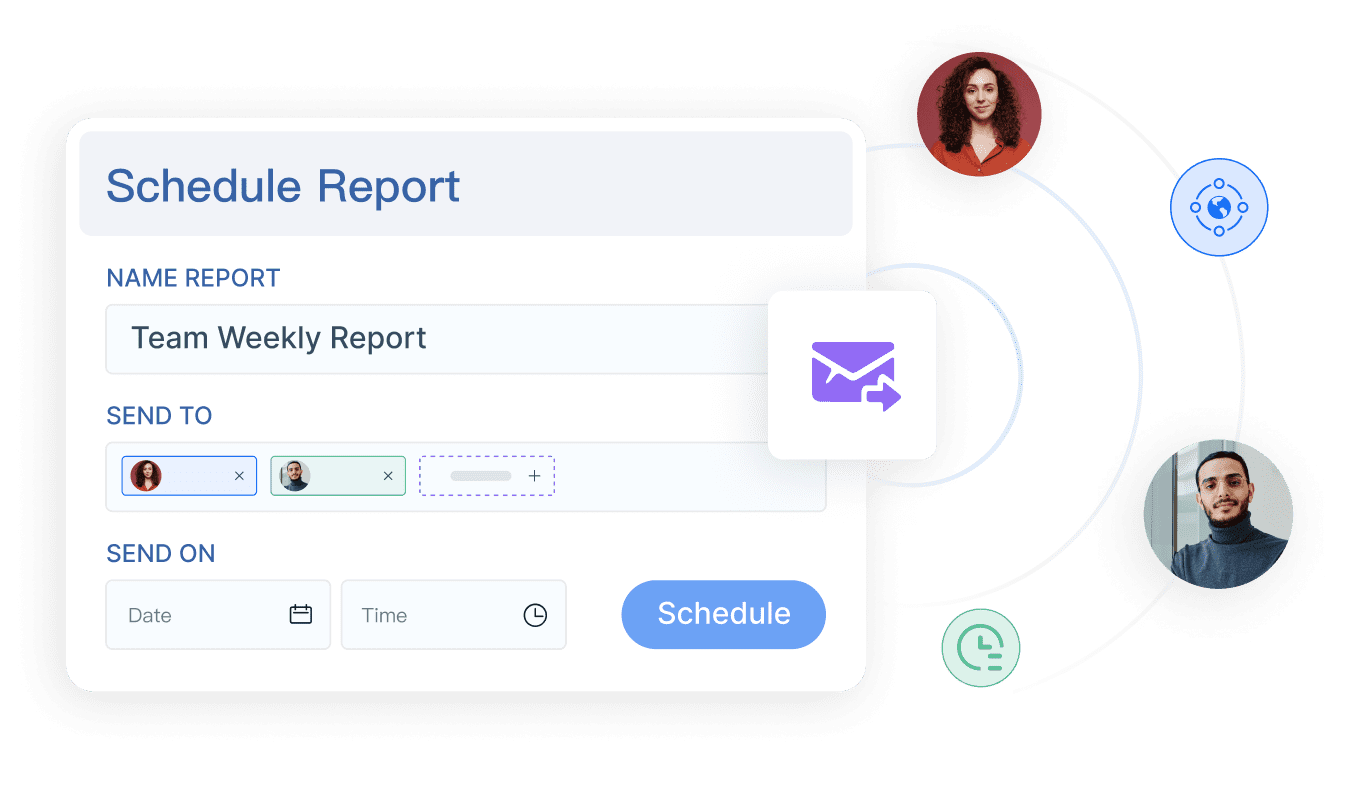
Review hiring, promotion, compensation, and termination trends on a recurring schedule, not just before a deadline. -
Set governance rules for demographic data handling
Clarify who can collect, view, update, and report sensitive workforce data. Legal, privacy, and security controls should be built into the process. -
Build exception reporting
Flag missing demographic records, inconsistent job mappings, outlier pay changes, and unexplained termination patterns automatically.
A mature framework turns compliance from a reactive filing exercise into an ongoing operational control.
Using data to prepare for audits or future rule changes
Employers should assume requirements can return, evolve, or fragment across jurisdictions. That makes flexibility a strategic advantage. Keep documentation that supports fast reconfiguration of reports, including:
- workforce snapshot logic
- entity hierarchy and establishment structure
- job mapping rules
- demographic collection procedures
- compensation field definitions
- retention schedules
- approval workflows for compliance reporting
If agency direction changes, organizations with governed datasets can respond quickly. Those without clear documentation often spend weeks rebuilding definitions, resolving system conflicts, and debating which numbers are correct.
EEO-1 reporting requirements and deadlines for 2026: how employers should plan
The right planning posture for 2026 is cautious readiness. Employers should monitor official agency updates closely and avoid overreacting to commentary alone. Until rules are formally rescinded, replaced, or clarified through an operational process, assume preparation may still be necessary.
That means maintaining a compliance calendar that includes:
- federal reporting milestones
- state and local reporting deadlines
- contractor-specific obligations
- internal audit review dates
- legal review checkpoints
- data validation cycles
This approach gives HR and compliance teams a structured way to handle multiple possible outcomes without overcommitting to one scenario.
A practical checklist for HR and compliance teams
Use this checklist to keep your organization ready:
- Confirm covered entities: Identify which subsidiaries, establishments, and employer groups may be subject to reporting or recordkeeping rules.
- Review locations: Map operations against applicable state and local requirements.
- Validate employee groups: Confirm how full-time, part-time, seasonal, remote, and transferred employees are categorized.
- Check current data fields: Verify the availability and consistency of demographics, job category, pay, and status-change records.
- Review retention practices: Ensure records are retained in line with legal and internal policy requirements.
- Assign legal monitoring ownership: Designate responsibility for tracking agency updates and regulatory changes.
- Document decision rules: Record how the company will proceed under multiple regulatory outcomes.
- Prepare contingency plans: Be ready for a portal opening, delayed guidance, revised requirements, or no filing window at all.
For large employers, the difference between compliance and chaos is usually preparation discipline.
How to stay compliant while the future of EEO-1 reporting remains uncertain
The most defensible strategy is a risk-based one. Keep your workforce data environment efficient, but do not strip out the controls that help you monitor equal employment practices. Even if one federal report ends, eeo reporting requirements as a management discipline do not disappear. Employers still need visibility into hiring, promotion, compensation, and termination outcomes. They still need audit-ready records. They still need governance that supports lawful and consistent decision-making.
Building this manually is complex; use FineReport to utilize ready-made templates and automate this entire workflow. For enterprise teams, that means turning fragmented HR and compliance data into a single reporting layer with standardized definitions, role-based access, scheduled monitoring, and executive-ready dashboards.
Get Ready-to-Use Dashboard Templates in Fine Gallery
With FineReport, HR, legal, and operations teams can:
- centralize workforce data from multiple systems
- automate recurring compliance dashboards
- monitor KPIs by entity, location, and job level
- reduce manual spreadsheet work
- improve audit response speed
- create executive summaries and detailed drill-down views from the same data model
That matters when rules are uncertain. The organizations that perform best are not the ones guessing correctly about regulation. They are the ones building adaptable reporting infrastructure.
The bottom line is straightforward: if EEO-1 reporting ends, employers may gain relief from one filing obligation, but they do not gain permission to stop tracking equal employment risk. Maintain clean data, keep your compliance calendar active, review trends regularly, and align your policies with current law through periodic legal review. That is how you stay prepared for both today’s obligations and tomorrow’s changes.
FAQs
Yes. A change to the federal filing process would not remove underlying equal employment obligations, so employers still need reliable demographic and employment decision data for audits, investigations, and internal reviews.