
For enterprise leaders, sustainability reporting has evolved from a niche communications exercise to a critical, complex, and costly business mandate. Navigating frameworks like CSRD, ISSB, and GRI requires more than good intentions—it demands rigorous data management, precise analysis, and flawless disclosure. Traditional methods, reliant on manual spreadsheets and fragmented point solutions, are buckling under the strain, turning reporting cycles into a resource-intensive scramble for compliance.
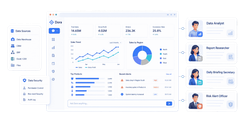
The modern solution integrates two powerful forces: a trusted Business Intelligence (BI) foundation for data consolidation and visualization, and an enterprise AI Data Agent layer for intelligent automation and insight generation. With FineBI + Dora, teams move beyond static dashboards to an active, AI-assisted workflow. Business users can ask for analysis in chat, generate chart-based answers or dashboard-style views from trusted BI assets, and receive scheduled summaries before the next stakeholder meeting.
Introduction: The Evolution of ESG Disclosure
Environmental, Social, and Governance (ESG) disclosure has undergone a radical transformation. Once a voluntary exercise in corporate social responsibility, it is now a cornerstone of regulatory compliance, investor due diligence, and strategic risk management. Mandates like the EU's Corporate Sustainability Reporting Directive (CSRD) and the International Sustainability Standards Board (ISSB) standards have formalized disclosure requirements, demanding audit-ready data, double materiality assessments, and forward-looking scenario analysis.
This shift places immense pressure on sustainability, finance, and operations teams. Reporting is no longer an annual retrospective but a continuous process of data collection, validation, analysis, and communication. The organizations that will thrive are those that treat sustainability data with the same rigor as financial data, leveraging technology not just to report, but to derive strategic insight.
The Challenges of Traditional Sustainability Reporting
Legacy approaches to sustainability reporting are fraught with inefficiencies that introduce risk, cost, and delay.
Manual Data Collection and Consolidation
Data resides in dozens of silos: ERP systems for energy consumption, HR platforms for diversity metrics, supply chain databases for Scope 3 emissions, and spreadsheets maintained by individual facilities. Manually extracting, validating, and consolidating this data is error-prone and consumes hundreds of personnel hours per reporting cycle. A single data entry error can compromise the entire report's credibility.
Inconsistent Frameworks and Standards
Navigating the alphabet soup of GRI, SASB, TCFD, and now ESRS/ISSB is a specialist task. Manually mapping disparate data points to each framework's unique disclosure requirements is complex and time-consuming. This often leads to reports that are inconsistent year-over-year or fail to fully meet the criteria of key raters and rankers like CDP or DJSI.
Time-Consuming Analysis and Verification
Turning raw data into meaningful insight—identifying trends, benchmarking performance, or calculating year-over-year improvement—requires deep analytical work. Preparing this analysis for internal review and external assurance adds another layer of effort. The process becomes a race against the clock, leaving little time for strategic reflection on the insights uncovered.
What Are AI-Driven Sustainability Reporting Services?
Modern sustainability reporting services are technology platforms designed to automate and intelligentize the end-to-end reporting workflow. They move the function from a project-based burden to an integrated, insight-driven business process.
Core Capabilities of Modern Reporting Platforms
A robust platform provides automated data integration from source systems, a centralized metric warehouse, pre-built connectors to global reporting standards, and dynamic visualization tools. It establishes a single source of truth for all ESG data, ensuring consistency and auditability across all disclosures.
How AI Enhances Accuracy and Efficiency
This is where the paradigm shifts. AI, and specifically enterprise Data Agents, act as a force multiplier. AI can automate data validation by flagging outliers against historical trends. Natural Language Processing (NLP) can parse regulatory text to help map disclosures. Machine Learning can forecast emissions trajectories based on operational data. The goal is to augment human expertise, reducing grunt work and elevating the team's focus to strategy and exception management.
How FineBI and Dora Streamline ESG Disclosure
The combined FineBI + Dora solution addresses both the foundational BI need and the AI execution layer, creating a seamless path from data to disclosed insight.
Automated Data Integration and Management
FineBI connects directly to hundreds of data sources—from SAP and Oracle to cloud APIs and flat files. It automates the extraction and blending of sustainability data into a governed, semantic layer. This creates the "trusted BI foundation": defined KPIs (like Scope 1 GHG Emissions or Employee Turnover Rate), consistent business rules, and permission-based access controls. The data is always prepared, updated, and ready for analysis or reporting.
Real-Time Analytics and Performance Dashboards
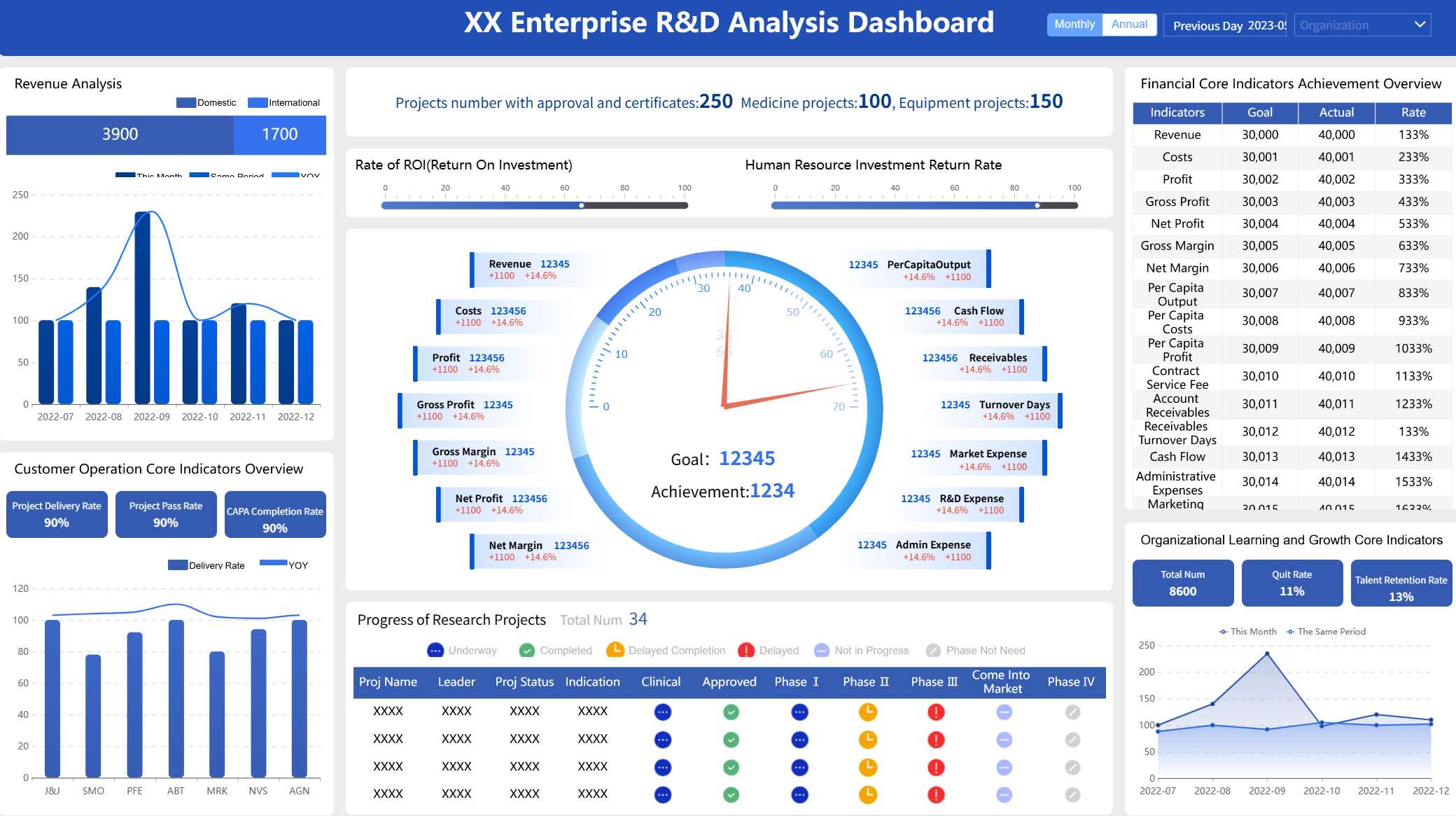
With live data connections, FineBI dashboards provide real-time visibility into ESG performance. Sustainability managers can monitor a global dashboard of key metrics, drill into regional performance, or analyze the impact of specific initiatives. This moves reporting from a backward-looking snapshot to a forward-looking management tool. Visualizations are interactive and can be instantly tailored for different stakeholder groups—the board, investors, or operational teams.
Generating Compliant Reports and Visualizations
Leveraging the trusted metrics and visual assets built in FineBI, teams can assemble reports with drag-and-drop ease. Pre-built templates aligned with CSRD or GRI standards ensure structural compliance. Charts and graphs update automatically as underlying data refreshes, eliminating last-minute manual charting before publication deadlines.
Key Benefits of Adopting an Integrated Reporting Solution
The transition to an automated, AI-enhanced reporting platform delivers tangible ROI across three key dimensions.
Improved Data Accuracy and Auditability
A centralized system with automated data pipelines and validation rules drastically reduces manual errors. Every number in a final report is traceable back to its source through a clear audit trail. This not only strengthens trust with auditors and investors but also saves countless hours during the assurance process.
Faster Reporting Cycles and Reduced Costs
Automation compresses reporting timelines from months to weeks. The efficiency gains directly reduce the cost of compliance, freeing up specialist resources from data wrangling to focus on strategic initiatives like decarbonization roadmaps or diversity programs.
Enhanced Strategic Insights for Decision-Making
When reporting is not a frantic quarterly exercise, data becomes a strategic asset. Leaders can use trend analysis to identify risks earlier, benchmark performance against peers, and model the impact of potential sustainability investments, turning compliance into a competitive advantage.
How an AI Data Agent Handles This Scenario
This is where Dora, FanRuan's enterprise Data Agent platform, transforms the workflow. Dora acts as an AI Digital Employee layer on top of the trusted FineBI foundation. For sustainability reporting, the most relevant digital employee is the Report Researcher, augmented by the Risk Alert Officer.
Consider a common scenario two weeks before a quarterly sustainability committee meeting. The Head of Sustainability needs a comprehensive briefing on Q3 performance against annual goals, with a focus on any high-risk areas.
Instead of manually querying dashboards and compiling spreadsheets, they simply ask Dora in natural language:
“Prepare a summary of our Q3 sustainability performance. Include progress against our annual GHG reduction and diversity targets, highlight any metrics off track by more than 10%, and flag the top three facilities by water usage intensity for review.”
Here is Dora’s governed AI workflow:
- Retrieve Trusted Data: Dora accesses the governed semantic layer and live dashboards within FineBI, pulling the latest Q3 data for all relevant KPIs.
- Understand Context: It applies business rules (e.g., “off track” = variance >10%) and understands metric definitions (e.g., “water usage intensity” is calculated as cubic meters per unit of production).
- Generate Analysis & Summary: Dora produces a concise, narrative summary with embedded charts showing trends. It creates a dashboard-style analysis view within the chat, citing the specific FineBI dashboards used as sources.
- Detect Anomalies & Risks: Using predefined thresholds, Dora identifies the metrics breaching the 10% variance rule and lists the high-water-intensity facilities.
- Push Insights & Suggest Actions: The summary is formatted for the meeting. Dora can automatically suggest an action: “Shall I schedule an alert to the operations managers of the flagged facilities with their specific performance data?”
- Enable Follow-up: After the meeting, the leader can ask, “Dora, based on the committee's discussion, draft an update for the Board summary deck focusing on our mitigation plan for the off-track diversity metrics.”
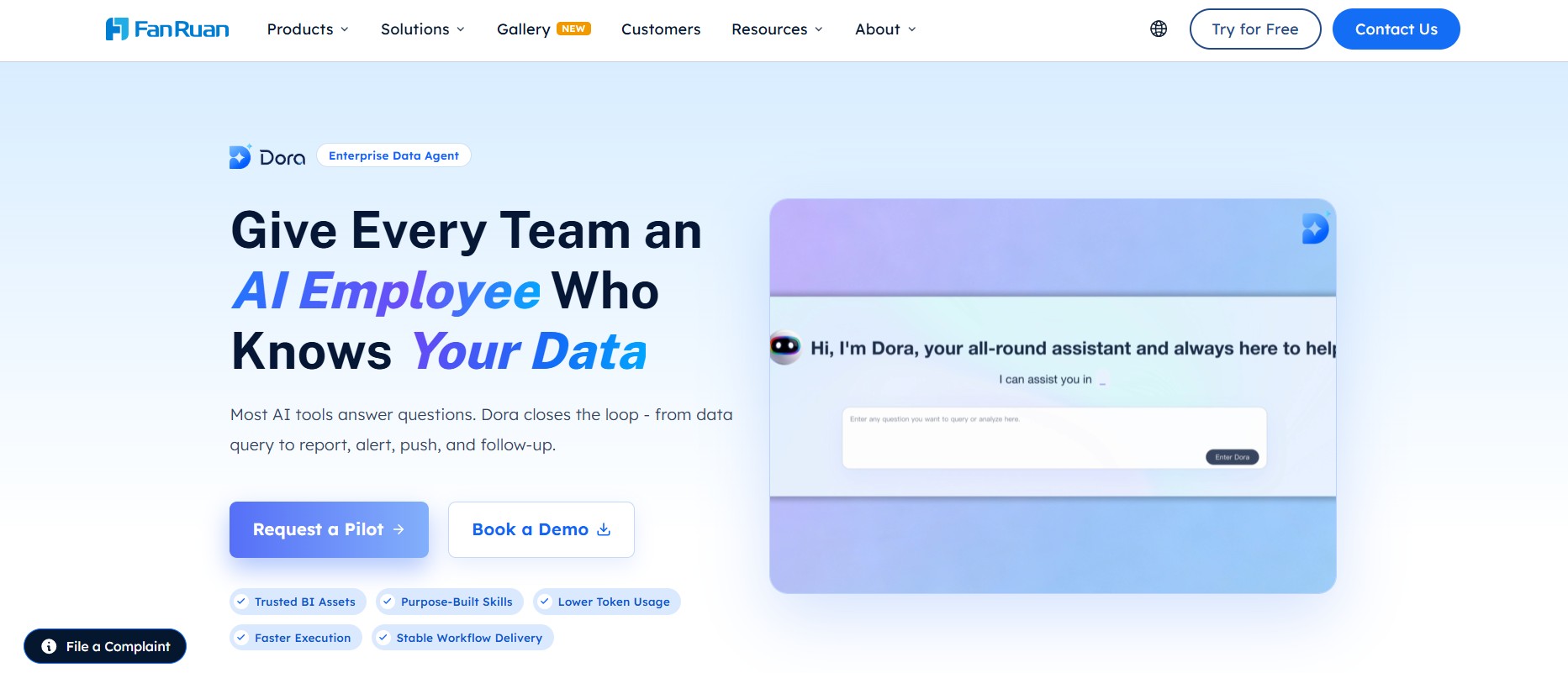
This is not a generic chatbot. It is a Skills-based execution that is controllable, auditable, and built upon your governed data. It reduces the operational friction for business users, providing timely, compliant insights without waiting for an analyst.
Choosing the Right Sustainability Reporting Service
Selecting a platform is a strategic decision. Beyond feature lists, focus on scalability, intelligence, and ecosystem support.
Evaluating Platform Features and Scalability
The platform must handle your data volume and complexity today and in the future. Assess its native connectivity to your core systems (ERP, HR, EHS), its ability to model complex calculations (like Scope 3 emissions), and the flexibility of its visualization engine. FineBI provides this industrial-grade BI foundation.
Ensuring Alignment with Global Standards
The solution should either embed standard frameworks (ESRS, ISSB, GRI) or make mapping to them highly efficient. Look for pre-built metric libraries, disclosure templates, and the ability to manage multiple frameworks simultaneously for different regions or audiences.
Considering Implementation and Support
A successful rollout depends on more than software. Prioritize vendors who offer strategic services to help connect your data, define your semantic layer, establish governance, and train your teams. The strongest pitch is scenario + product + service.
Actionable Best Practices
Implementing an AI-enhanced reporting system requires thoughtful planning. Follow these five best practices:
- Treat Data Quality as an AI Prerequisite: The output of your AI Data Agent is only as good as its input. Begin by standardizing KPI definitions, data sources, and ownership. Build data validation and cleansing directly into your FineBI data pipelines.
- Start with High-Value, Recurring Workflows: Don't try to automate everything at once. Identify the most painful, repetitive tasks—such as monthly performance briefings, data validation for key metrics, or anomaly detection for energy spikes—and deploy Dora's Skills there first to demonstrate quick wins.
- Build a Governed Semantic Layer: The true "brain" of your reporting system is the semantic layer in FineBI where business terms (like "net-zero progress") are mapped to technical data. This layer is what Dora understands and uses to provide accurate, context-aware answers.
- Define Clear Alert and Escalation Paths: For the Risk Alert Officer digital employee, pre-define thresholds for critical metrics (e.g., "alert if any site's waste-to-landfill increases by 15% month-over-month") and assign clear ownership and escalation rules for when Dora detects a breach.
- Preserve Permission Governance: Ensure your AI respects the same data access boundaries as your BI tool. Dora inherits FineBI's permission model, so a regional manager asking for a summary will only see data for their region, maintaining compliance and data security.
Conclusion: The Future of ESG Reporting is Automated
Building a world-class sustainability reporting capability manually is a complex, unsustainable burden. FineBI + Dora provides a practical path to fourth-generation Agentic BI. FineBI establishes the trusted dashboard, metric, and semantic foundation. Dora turns that foundation into a scenario-specific AI assistant—a Digital Employee for reporting—that can answer questions in chat, generate compliant analysis views, push scheduled summaries, monitor for anomalies, and follow up with responsible owners.
This partnership is more than a BI upgrade. It represents a fundamental shift in how enterprises operationalize sustainability data. FineBI provides governed metrics and visual analysis. Dora provides the AI assistant layer for execution, with more controlled Skills, lower operational friction, and more stable workflows than prompt-only AI agents. The outcome is not just faster reports, but smarter sustainability management.
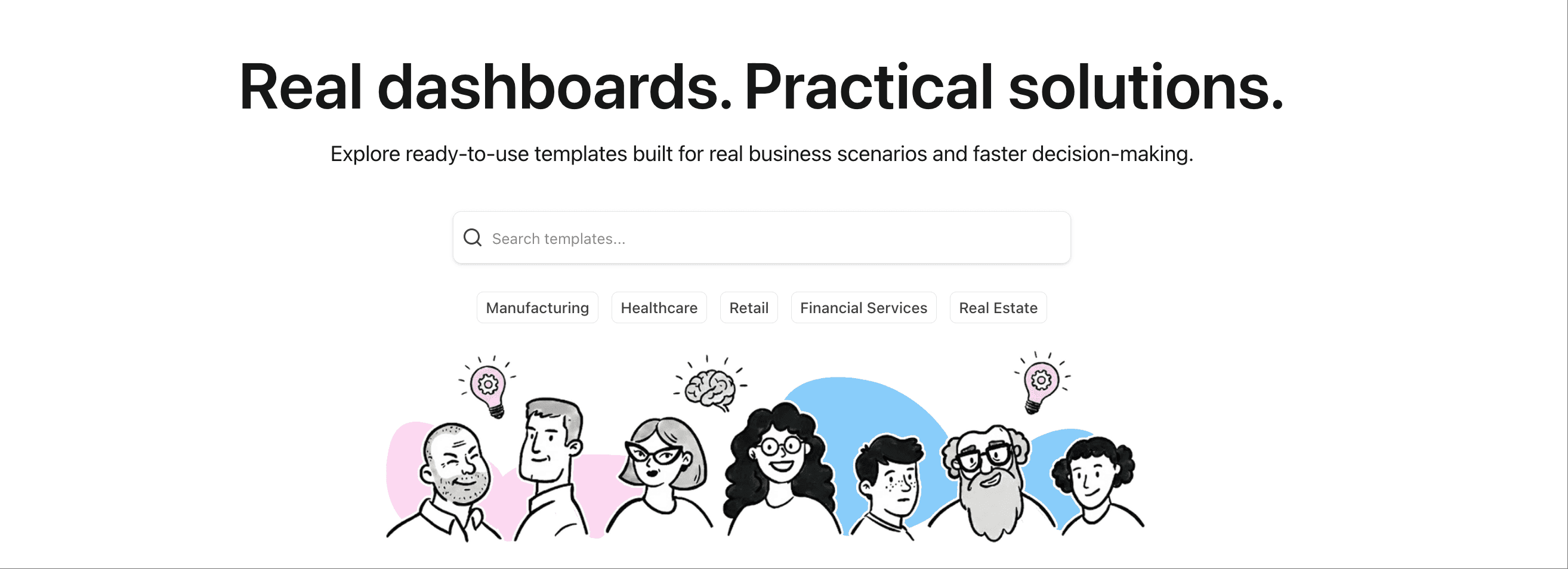
Get Ready-to-Use Dashboard Templates in Fine Gallery
The future belongs to organizations that can report with precision and act with insight. That journey begins with a trusted data foundation and is accelerated by an intelligent AI partner.
FAQs
Traditional methods rely on manual data collection from siloed systems, which is error-prone and time-consuming. They also struggle with mapping data to complex, evolving frameworks like CSRD and GRI, turning compliance into a costly scramble.