

Customer analysis is the process of understanding who your customers are, what they need, how they buy, and why they choose one option over another. For founders, marketing leaders, sales managers, and operations teams, this is not a “nice to have” exercise. It is the difference between spending budget on the wrong audience and investing with confidence in the right segments, products, and growth plays. If your team is struggling with weak conversion rates, inconsistent retention, unclear positioning, or slow product-market decisions, customer analysis gives you the evidence to fix those problems.
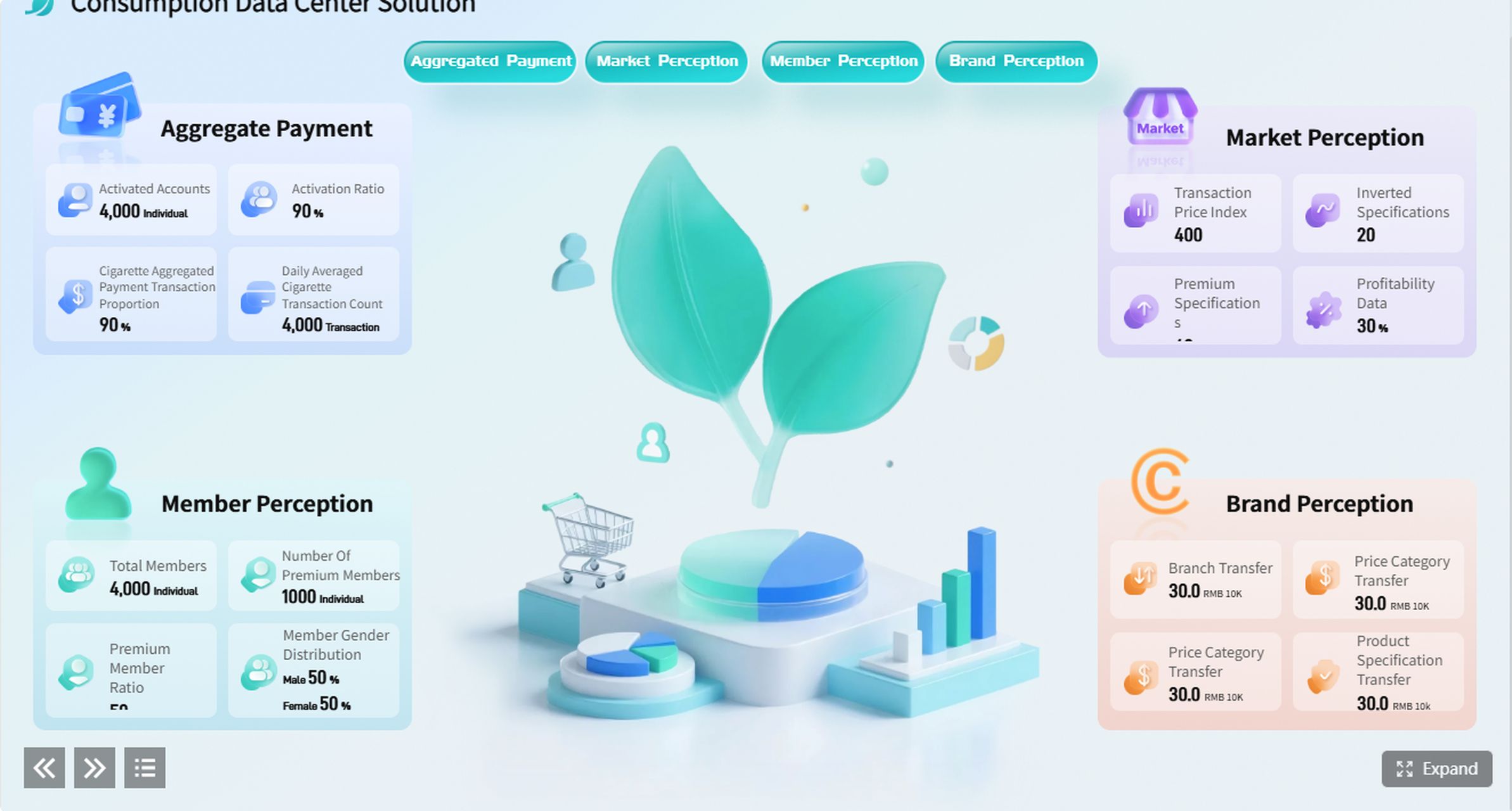
All dashboards in this article are built with FineBI.
What customer analysis is and how it works
Customer analysis is a structured way to study current and potential customers so a business can make better decisions. In simple terms, it helps you answer questions like:
- Who are our most valuable customers?
- What problems are they trying to solve?
- What influences their buying decisions?
- Which channels bring in the best-fit leads?
- Why do some customers stay while others leave?
Instead of relying on assumptions, customer analysis turns scattered information into a usable picture of demand, behavior, and opportunity.
Customer analysis in simple terms
At its core, customer analysis helps a business understand five things:
- Who the customer is
- What the customer wants
- How the customer behaves
- Why the customer buys
- What the customer is likely to do next
That insight supports decisions across marketing, sales, pricing, customer success, and product development.
Customer analysis vs. market research vs. competitive analysis
These terms are often mixed together, but they are not the same.
| Discipline | Main Focus | Key Question |
|---|---|---|
| Customer analysis | The specific customer or segment | Who buys, why they buy, and what they need |
| Market research | The broader market landscape | Is there demand, and how big is the opportunity |
| Competitive analysis | Competing brands and alternatives | Who else is serving this need, and how do we stand out |
A practical way to think about it:
- Market research tells you whether the opportunity exists.
- Competitive analysis tells you what you are up against.
- Customer analysis tells you how to win with the people you want to serve.
The main types of customer information
A strong customer analysis usually combines several categories of information.
Demographics
These are the basic descriptive traits of a customer, such as:
- Age
- Gender
- Income
- Education
- Occupation
- Location
- Family status
Demographics help define who the customer is, but they rarely explain the full buying decision on their own.
Psychographics
Psychographics explain how customers think and what they value, including:
- Lifestyle
- Attitudes
- Interests
- Values
- Motivations
- Preferences
- Risk tolerance
This is often where better messaging and positioning come from.
Behavior
Behavioral data shows what customers actually do, such as:
- Pages visited
- Products viewed
- Frequency of purchase
- Time to convert
- Cart abandonment
- Renewal activity
- Support contact history
Behavior is critical because customers do not always do what they say they will do.
Needs and pain points
This area focuses on the problem the customer is trying to solve:
- Functional needs
- Emotional needs
- Frustrations
- Desired outcomes
- Barriers to purchase
This is especially useful for product teams and B2B sales organizations that need to align offers to business pain.
Buying patterns
Buying pattern analysis looks at how purchasing happens:
- Average order value
- Purchase cycle length
- Seasonality
- Preferred channels
- Repeat purchase rate
- Discount sensitivity
- Decision-maker involvement
These patterns help forecast revenue and refine go-to-market strategy.
Why customer analysis matters for business growth
Businesses grow faster when they understand customers clearly. Without that understanding, teams often waste money on broad campaigns, build features no one values, or chase leads that were never a fit. Customer analysis reduces that waste.
Better customer understanding improves marketing, product, sales, and retention
When customer analysis is done well, every growth function gets sharper.
- Marketing can target the right segments with better messages and channel selection.
- Sales can prioritize higher-intent accounts and address real objections.
- Product teams can identify unmet needs and remove friction.
- Customer success can predict churn and improve renewal outcomes.
The result is less guesswork and more repeatable performance.
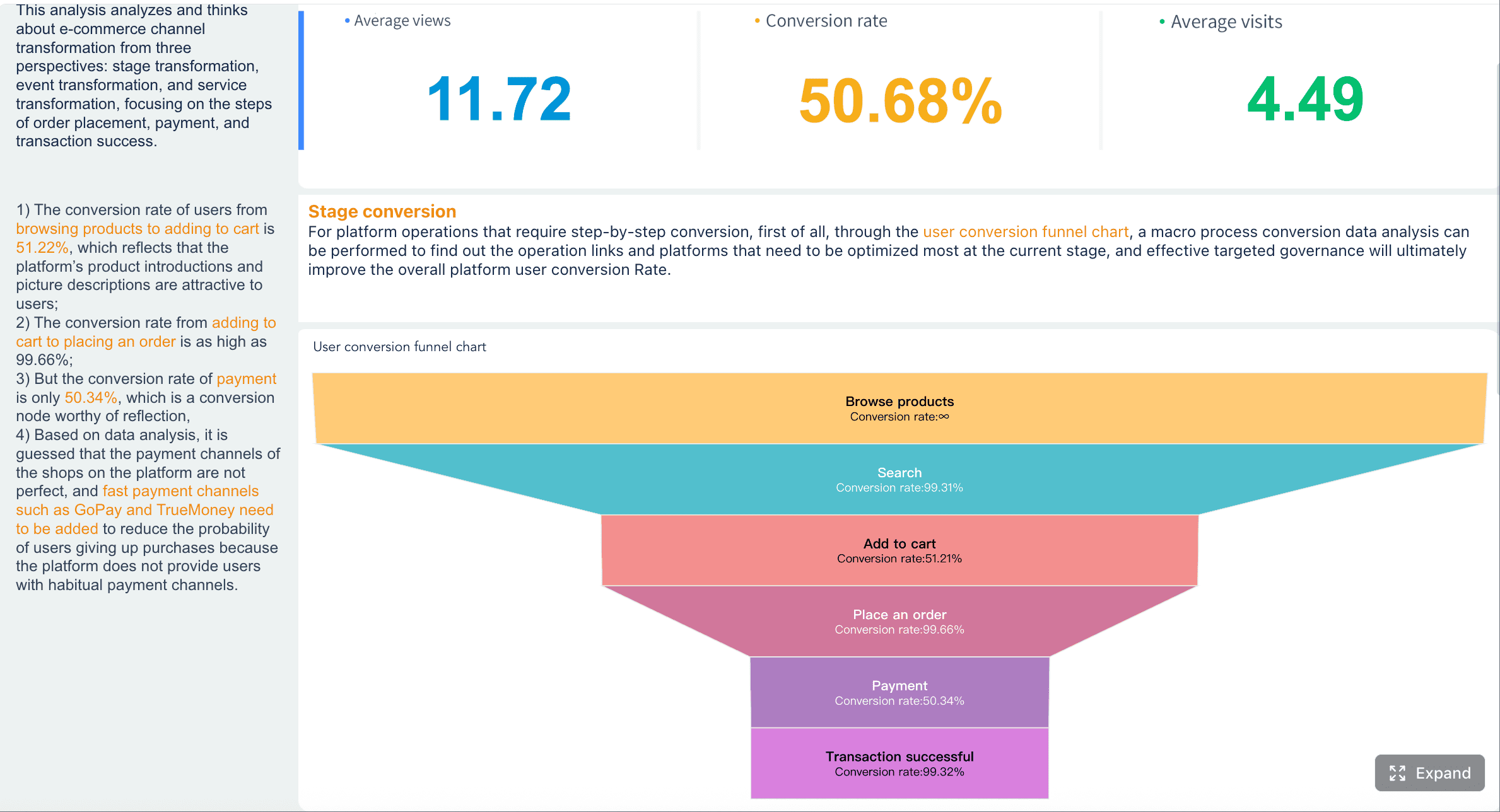
It reduces guesswork and supports smarter decisions
Many companies claim to be data-driven, but in practice they still make major customer decisions based on internal opinions. Customer analysis changes that by linking evidence to action.
It helps leaders answer strategic questions such as:
- Which segment should we prioritize this quarter?
- Which customers are most profitable, not just most active?
- What pain points matter enough to influence buying?
- Where should we increase or reduce acquisition spend?
- Which accounts are at risk of churn?
When teams can answer these questions with confidence, planning improves and execution speeds up.
Common business situations where customer analysis is especially useful
Customer analysis is valuable at almost every growth stage.
Startups
Startups use customer analysis to:
- Validate target segments
- Test product-market fit
- Refine value propositions
- Focus limited budget on the highest-potential audience
Growing businesses
Scaling companies use it to:
- Improve conversion efficiency
- Identify profitable segments
- Expand into adjacent customer groups
- Prioritize retention over low-quality acquisition
Established brands
Mature businesses rely on it to:
- Track changes in customer behavior
- Defend market share
- Improve cross-sell and upsell performance
- Support forecasting and strategic planning
The key benefits of a strong customer analysis
A strong customer analysis creates practical advantages, not just nicer reports.
Better targeting and positioning
Customer insights help businesses stop speaking to everyone and start resonating with the right people.
When you know what different customer groups care about, you can:
- Build more relevant campaigns
- Choose better acquisition channels
- Write clearer messaging
- Position your offer against real alternatives
- Reduce wasted spend on low-fit audiences
For example, a SaaS company may find that enterprise buyers care most about governance and integration, while mid-market teams care more about speed of deployment and price flexibility. That insight should directly shape landing pages, ad copy, demos, and sales conversations.
Stronger products and customer experience
Customer analysis reveals what is missing, frustrating, or unnecessary in the customer journey.
That can uncover:
- Unmet product needs
- Confusing onboarding steps
- Service issues causing churn
- Features customers value most
- Moments where users lose momentum
This matters because growth is not only about acquisition. It is also about reducing friction after the sale.
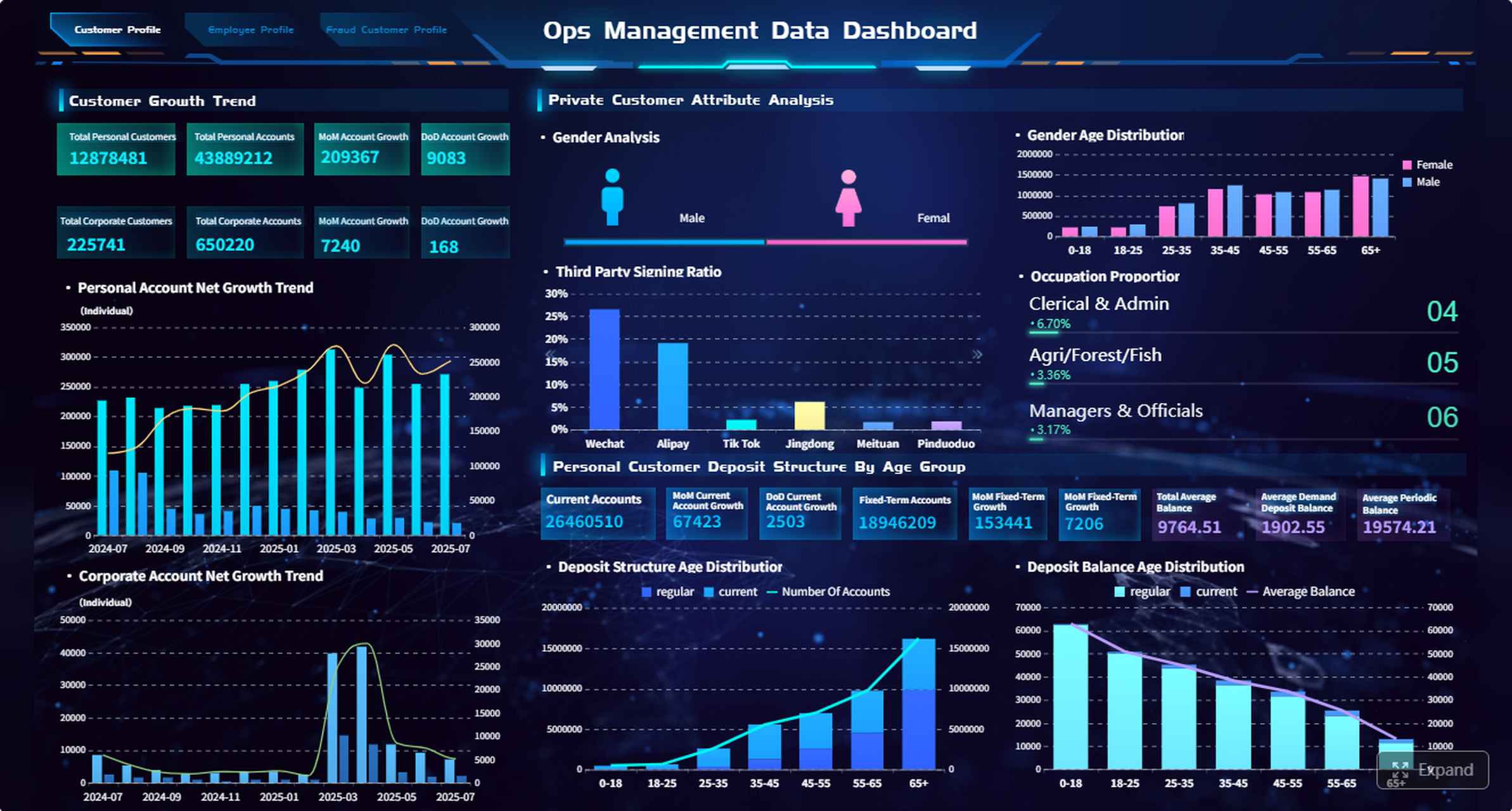
More confident planning and forecasting
Customer findings should influence planning, not sit in a slide deck.
A well-structured customer analysis helps teams:
- Estimate demand more realistically
- Allocate budget by segment
- Build better revenue forecasts
- Prioritize product investment
- Support board and investor discussions with evidence
Key Metrics (KPIs)
A practical customer analysis should track a focused set of KPIs. These are some of the most useful:
- Customer Acquisition Cost (CAC): The cost to acquire a new customer through sales and marketing.
- Customer Lifetime Value (CLV): The total expected revenue or profit from a customer over the relationship.
- Conversion Rate: The percentage of prospects who become customers.
- Retention Rate: The percentage of customers who stay over a defined period.
- Churn Rate: The percentage of customers who stop buying or cancel.
- Average Order Value (AOV): The average amount spent per transaction.
- Purchase Frequency: How often a customer buys within a set timeframe.
- Segment Revenue Contribution: The share of revenue generated by each customer segment.
- Lead-to-Customer Time: How long it takes for a lead to convert into a customer.
- Net Promoter Score (NPS) or Satisfaction Score: A signal of customer loyalty and experience quality.
- Repeat Purchase Rate: The percentage of customers who buy again.
- Channel Performance by Segment: Which channels bring in the highest-value customers, not just the most leads.
How to do customer analysis step by step
A good customer analysis follows a clear process. Here is the consultant-style version: keep it focused, use mixed data, segment with purpose, and tie everything back to decisions.
Set a clear goal and scope
Start with a business question. If the question is vague, the analysis will be vague too.
Examples of good goals:
- Identify which customer segment has the highest retention
- Understand why trial users fail to convert
- Find the traits of top-value repeat buyers
- Determine which market segment to target in a business plan
Also define the scope:
- Which customer group are you studying?
- What timeframe matters?
- What business decision will this inform?
- What data sources are available and reliable?
A narrow, specific goal produces insights your team can actually use.
Collect the right data
Good customer analysis uses both quantitative and qualitative inputs.
Useful data sources include:
- Surveys: Capture stated preferences, satisfaction, and needs
- Interviews: Reveal motivations, objections, and decision criteria
- CRM data: Show opportunity stages, deal size, and sales outcomes
- Website analytics: Track behavior, traffic source, and conversion patterns
- Support conversations: Surface common issues and recurring pain points
- Sales feedback: Identifies objections, urgency triggers, and buying dynamics
The best analyses combine what customers say with what they do.
Segment customers and identify patterns
Segmentation is where raw data becomes strategic.
You can group customers by:
- Demographics
- Industry or company size
- Needs and use cases
- Buying behavior
- Product usage
- Profitability
- Lifecycle stage
- Churn risk
The goal is not to create endless segments. It is to create useful segments that lead to different actions.
A practical segmentation example
| Segment | Typical Traits | Business Opportunity |
|---|---|---|
| High-value loyal customers | Repeat buyers, high CLV, low churn | Upsell, advocacy, premium offers |
| Price-sensitive customers | Discount-driven, lower margin | Optimize pricing and promotions |
| At-risk customers | Drop in usage, more complaints, missed renewals | Retention outreach and service recovery |
| New high-potential customers | Strong onboarding activity, high engagement | Accelerate activation and conversion |
Look for patterns that matter commercially, not just patterns that are statistically interesting.
Turn insights into action
This is the step many teams skip.
Customer analysis should lead to decisions in five major areas:
- Marketing: Refine targeting, channels, messaging, and content
- Pricing: Adjust offers, bundles, or discount logic by segment
- Product strategy: Prioritize features and fixes based on real customer demand
- Retention: Create interventions for churn-risk groups
- Customer experience: Remove friction from onboarding, support, and renewal journeys
If the output does not change a business decision, it is not a strong analysis yet.
Common mistakes to avoid when making a customer analysis
Even smart teams can get customer analysis wrong. These are the most common issues.
Relying on assumptions instead of evidence
The fastest way to weaken a customer analysis is to start with a conclusion and then search for confirmation. Good analysis tests assumptions. It does not protect them.
Using too much data without linking it to decisions
More data does not automatically mean better insight. If teams cannot connect findings to actions, the analysis becomes noise. Focus on the metrics and patterns tied to growth, retention, efficiency, or product fit.
Ignoring changes in customer behavior over time
Customer preferences shift. Channels change. Economic conditions change. Competitors change. A customer analysis from last year may already be outdated. Trend monitoring matters.
Failing to update analysis as markets and competitors evolve
Customer analysis is not a one-time document. It should be reviewed regularly, especially when:
- Entering a new market
- Launching a product
- Changing pricing
- Seeing conversion decline
- Facing churn increases
- Noticing a drop in campaign performance
How to use customer analysis in a business plan
Customer analysis is one of the most practical sections in a business plan because it proves you understand demand beyond broad market size.
Summarize your target customer clearly
Your business plan should explain:
- Who your target customer is
- What they need
- What triggers their purchase
- How often they buy
- What factors influence their decisions
Be specific. “Small businesses” is too broad. “U.S.-based B2B distributors with 20–200 employees that need better inventory visibility” is far more useful.
Show how customer evidence supports your market opportunity and positioning
A business plan becomes more credible when customer analysis shows:
- There is a real, defined need
- Your target segment is reachable
- Your offer aligns with buying behavior
- Your positioning addresses clear pain points
- Your pricing reflects customer expectations and value
This gives investors, lenders, or internal stakeholders more confidence in the growth case.
Explain how analysis strengthens your marketing, sales, and growth strategy sections
Customer analysis should directly support these parts of the plan:
- Marketing strategy: Which channels and messages will work best
- Sales strategy: Which segments to prioritize and how to approach them
- Growth strategy: Where expansion, retention, and upsell opportunities exist
- Financial planning: Revenue assumptions based on segment behavior and conversion patterns
In other words, customer analysis turns your business plan from a generic narrative into a strategy grounded in evidence.
Best practices for implementing customer analysis effectively
If you want customer analysis to become operational, not theoretical, use these best practices.
1. Start with one business-critical question
Do not begin with “let’s analyze all customers.” Start with one urgent question tied to growth or performance. For example: Which segment is most likely to renew, and why?
2. Build a single source of truth for customer data
Pulling data from CRM, support, finance, and website tools in isolation creates conflicting views. Standardize definitions and centralize reporting so teams are working from the same numbers.
3. Combine executive dashboards with segment-level detail
Leadership needs top-level KPIs. Managers need drill-down views by segment, geography, product, and channel. A modern BI layer makes both possible without slowing analysis.
4. Review findings on a fixed cadence
Monthly or quarterly reviews help teams spot changes before they become revenue problems. Customer analysis should be part of operating rhythm, not a one-off workshop.
5. Tie every insight to an owner and action
If the analysis shows rising churn in a segment, assign ownership. If it shows strong conversion from a channel, shift budget. Insight without accountability rarely delivers impact.
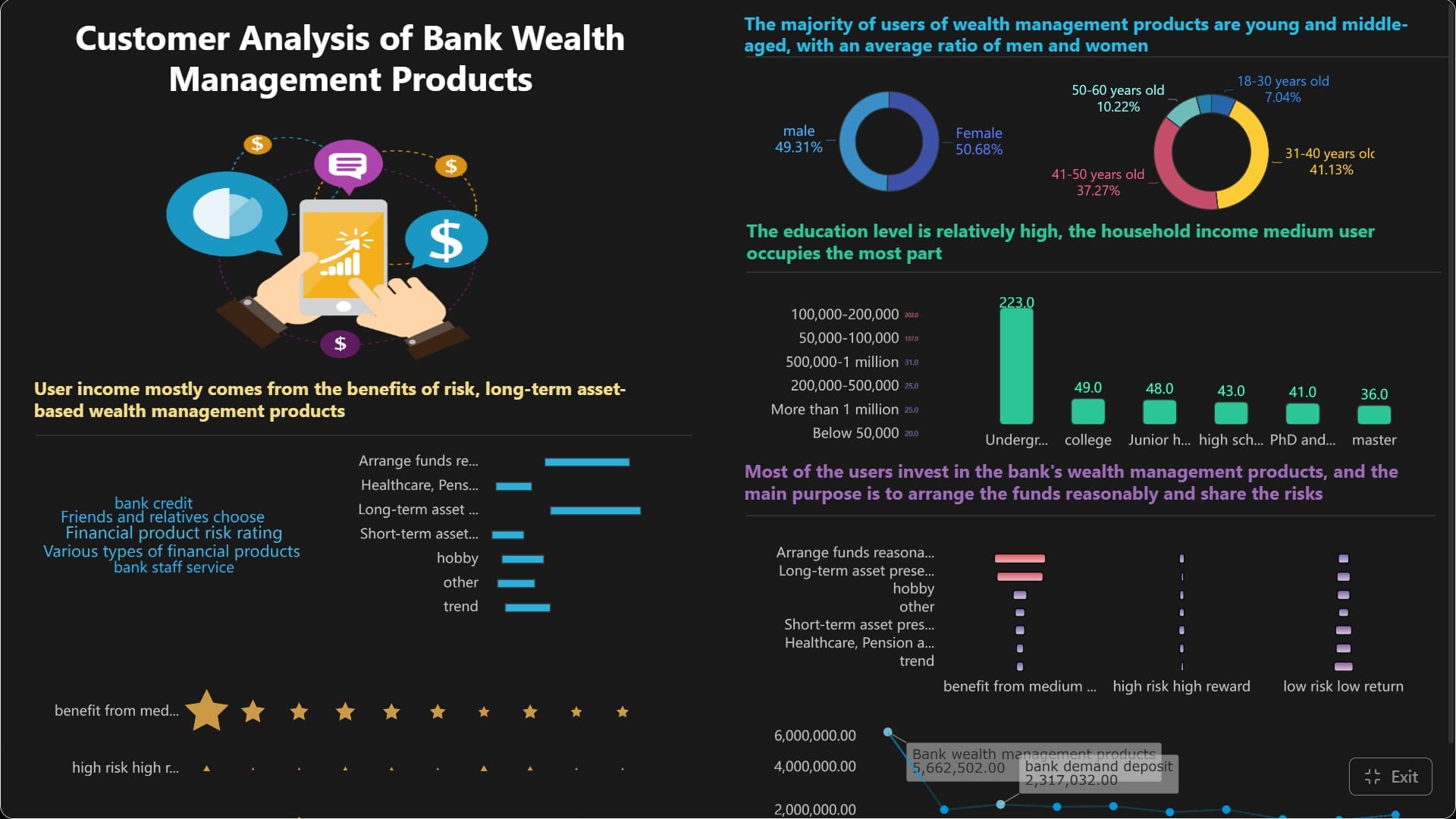
When organizations operationalize customer analysis through interactive dashboards, segment tracking, and cross-functional visibility, the quality of decision-making improves quickly. This is where a BI platform like FineBI fits naturally: it helps teams unify customer data, visualize KPIs, monitor patterns, and turn analysis into action without relying on static spreadsheets.
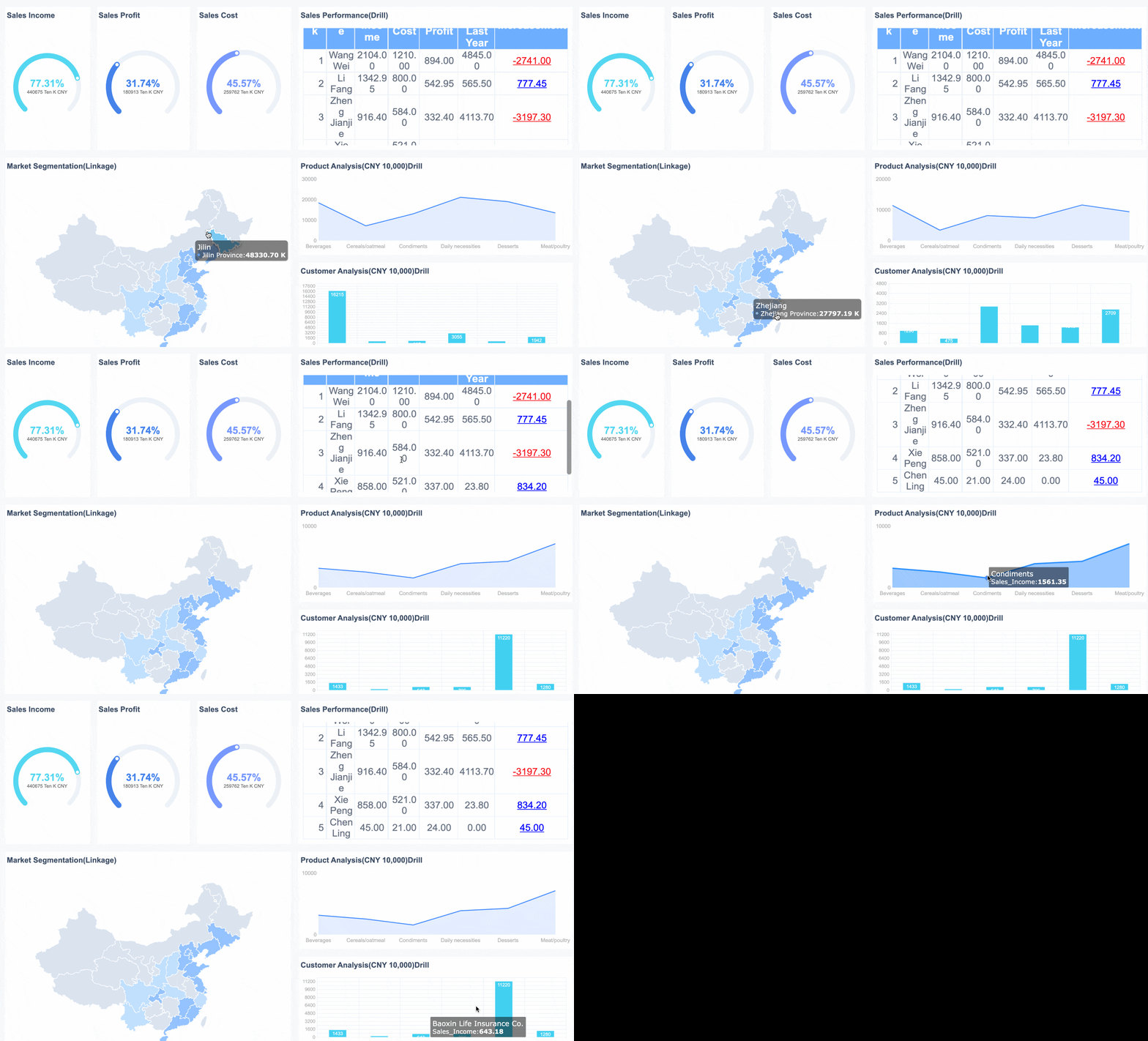 FineBI's Flexible Dashboard
Final takeaway
Customer analysis is not just about describing your audience. It is about improving business performance through better evidence. Done well, it helps you target smarter, build better products, improve retention, forecast more accurately, and write a stronger business plan.
If you are serious about making customer analysis part of how your team operates, start with a focused question, define the right KPIs, build useful segments, and turn findings into action. The companies that do this consistently are the ones that make faster, sharper, and more profitable decisions.
FAQs
Customer analysis is the process of understanding who your customers are, what they need, how they behave, and why they buy. It helps businesses make better decisions using evidence instead of assumptions.