
Data analytics consulting helps organizations turn raw data into decisions they can trust. For many business leaders, the challenge is not a lack of data. It is a lack of clarity. Reports conflict, teams track different KPIs, dashboards are underused, and important decisions still rely too heavily on intuition.
That is where data analytics consulting creates value. A consulting partner brings strategy, technical expertise, and business translation together so data becomes useful in day-to-day operations, planning, and growth.
This guide explains what data analytics consulting is, what services are typically included, what clients should expect as deliverables, and how to choose the right partner. If you are a beginner, you will leave with a practical understanding of how this work supports measurable business outcomes.
What data analytics consulting is and how it works
In simple terms, data analytics consulting is a professional service that helps companies use data more effectively to solve business problems. Consultants assess data quality, define business metrics, build reporting and analysis workflows, and help leaders act on insights with confidence.
A typical engagement starts with business questions, not tools. For example:
- Why is customer churn rising?
- Which channels drive the highest-quality leads?
- Where are operations losing efficiency?
- Which products or regions deliver the strongest margin?
From there, consultants identify the data needed, assess whether it is reliable, organize it for analysis, and produce outputs such as dashboards, models, forecasts, and recommendations.
How consultants turn raw data into better decisions
The work usually follows a structured flow:
| Stage | What happens | Business outcome |
|---|---|---|
| Problem framing | Define goals, KPIs, and decisions to support | Clear project focus |
| Data assessment | Review systems, data quality, and reporting gaps | Better trust in numbers |
| Data preparation | Clean, connect, and model data | Faster, more accurate analysis |
| Analysis and visualization | Identify trends, drivers, anomalies, and forecasts | Actionable insights |
| Enablement and optimization | Train users, refine dashboards, improve workflows | Sustained adoption |
This process matters because analytics without business context often produces noise, while business decisions without analytics often produce avoidable risk.
After a strong explanation of workflow or dashboard design, visual support helps decision-makers quickly understand what “good” looks like.
Strategy, implementation, analysis, and optimization are different
Many buyers use these terms interchangeably, but they are not the same.
Strategy defines the direction. It answers questions such as:
- What analytics capabilities do we need?
- Which use cases matter most?
- What KPIs should leadership manage?
- How mature are our data practices today?
Implementation turns plans into working systems. This can include:
- Connecting source systems
- Designing data models
- Setting up dashboards
- Configuring BI tools
- Creating reporting pipelines
Analysis focuses on extracting meaning from the data. This includes:
- Trend analysis
- Root cause analysis
- Segmentation
- Forecasting
- Scenario planning
Ongoing optimization ensures the work continues to deliver value. This often involves:
- Updating dashboards
- Improving data quality
- Adding new use cases
- Monitoring KPI adoption
- Refining models and governance
Strong consulting firms can support all four layers, but the best ones keep them clearly separated so clients understand where value is being created.
Where data analytics consulting fits within broader data and AI initiatives
Data analytics consulting often sits between core data management and more advanced AI programs.
For example:
- Data management ensures information is governed, accessible, and reliable
- Business intelligence provides dashboards and operational reporting
- Advanced analytics uncovers patterns, predicts outcomes, and supports planning
- AI initiatives use data foundations to power machine learning, automation, and generative AI applications
In practice, many AI projects fail because the underlying data is fragmented or poorly governed. That is why data analytics consulting is often a prerequisite for successful AI adoption. It creates the operational discipline, KPI alignment, and reporting foundation required to scale more advanced capabilities.
For organizations exploring modern self-service BI, platforms such as FineBI can be relevant when the goal is to give business teams faster access to interactive dashboards and governed analytics without overloading IT. The right fit depends on data complexity, user maturity, and reporting needs.
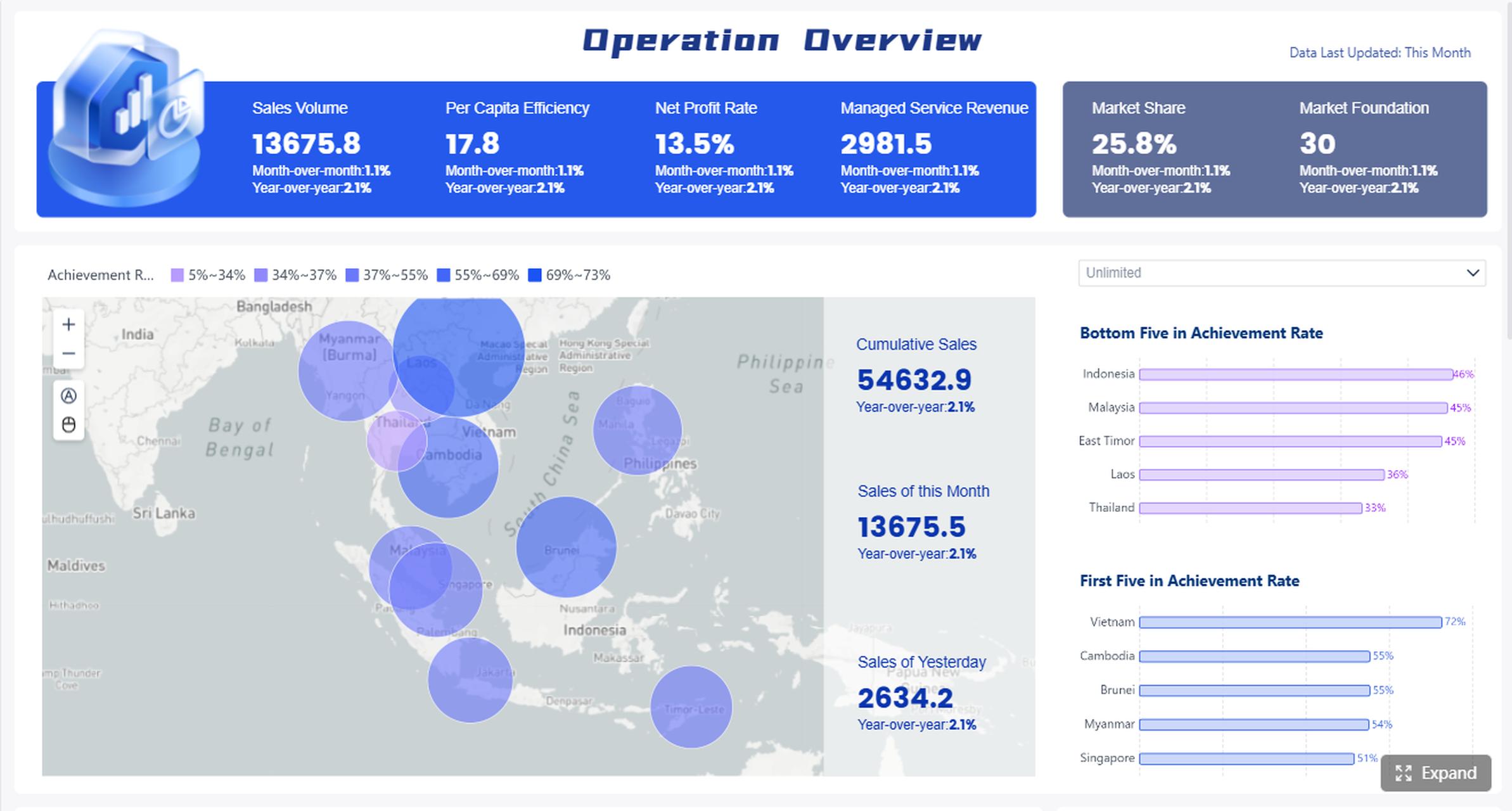 A retail dashboard created by FineBI
Core services included in a typical data analytics consulting engagement
A typical data analytics consulting engagement combines business consulting and technical delivery. The exact scope varies by company size, industry, and maturity, but the service areas below are common.
Strategy and assessment
This phase creates alignment before money is spent on tools, dashboards, or data engineering.
Consultants typically assess:
- Current data maturity
- Business priorities and growth targets
- Reporting pain points
- Existing KPIs and metric definitions
- Gaps in governance, ownership, and adoption
- Team capabilities and process readiness
The output is not just a diagnosis. It is a practical roadmap.
What gets evaluated during strategy and assessment
A strong assessment looks at both business and technical dimensions:
- Data maturity: How well the organization collects, manages, and uses data
- Decision maturity: Whether leaders consistently use evidence in planning and operations
- Reporting maturity: Whether dashboards are trusted, timely, and aligned
- Platform maturity: Whether current tools can support scale and self-service
- Capability maturity: Whether internal teams have the right analytics, engineering, and communication skills
Consultants then prioritize use cases based on value and feasibility. For example, a company may want predictive demand planning, but first need to standardize sales data and clean product hierarchies.
Roadmap creation: governance, tools, use cases, and capabilities
A roadmap turns broad ambition into sequenced action. It usually includes:
- KPI and metric standardization
- Governance roles and approval workflows
- BI and data platform recommendations
- Short-term quick wins
- Medium-term implementation milestones
- High-value use cases by department
- Team training and operating model suggestions
This is where executive confidence grows. A roadmap shows not just what to do, but in what order, at what effort, and toward which business outcomes.
Data preparation and infrastructure support
Most analytics problems are actually data preparation problems. Reports break because sources are inconsistent. Forecasts fail because definitions vary. Dashboards go unused because users do not trust the numbers.
That is why data preparation and infrastructure support are central to data analytics consulting.
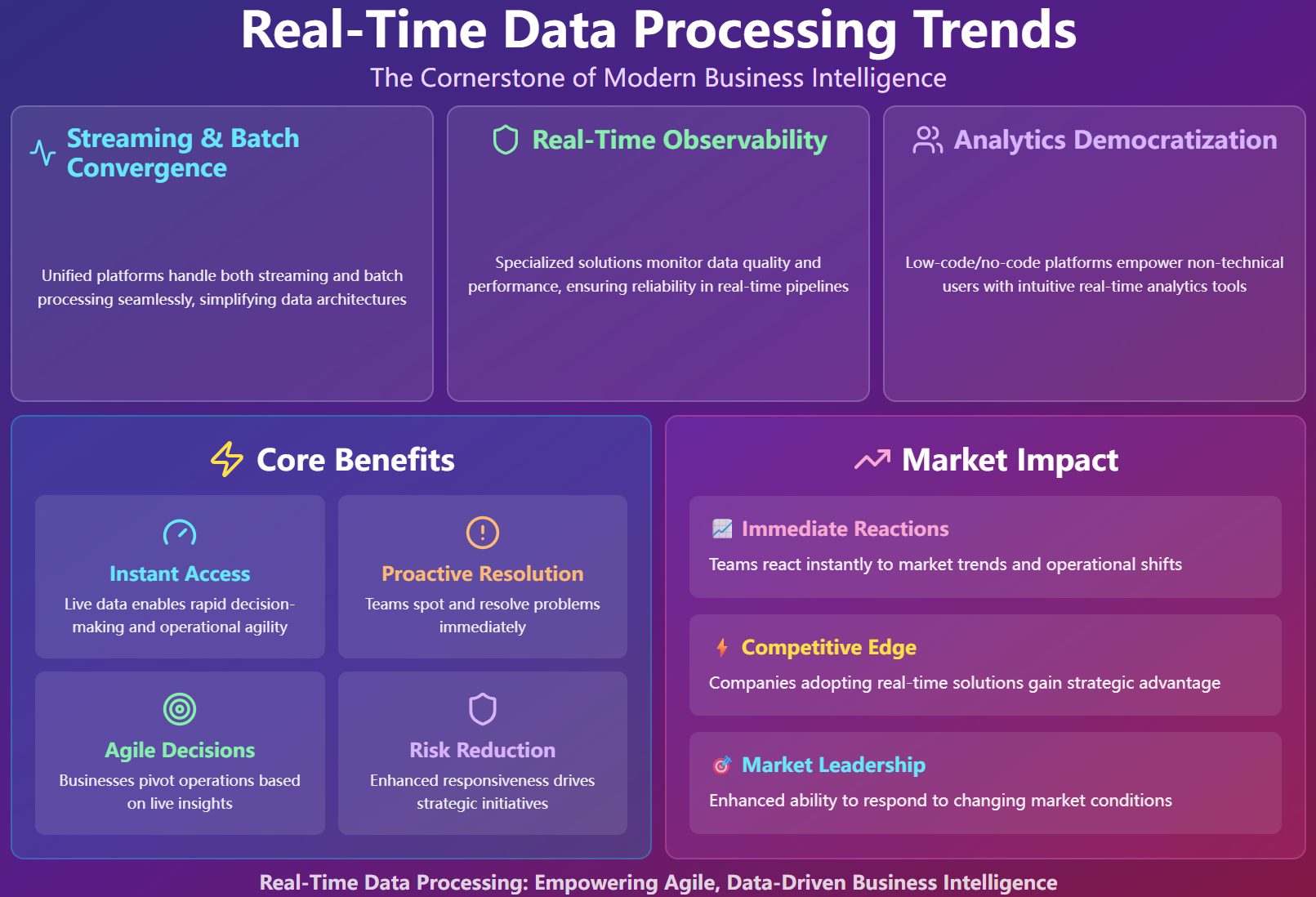
Organizing sources, improving quality, and connecting systems
Consultants often work across systems such as:
- ERP
- CRM
- marketing platforms
- e-commerce systems
- finance tools
- supply chain applications
- spreadsheets and manual reports
The goal is to create a reliable foundation for analysis by:
- Cleaning inconsistent fields
- Removing duplicates
- Resolving metric conflicts
- Connecting siloed systems
- Establishing data refresh processes
- Creating reusable data models
This work is less visible than a final dashboard, but it is often where the highest long-term value is created.
Supporting dashboards, reporting environments, and scalable workflows
Once data is organized, consultants help build the environments where people actually consume insights.
This may include:
- Executive dashboards
- Department-level performance reports
- Automated reporting workflows
- Drill-down analysis views
- Self-service analytics layers
- Alerting and exception monitoring
For organizations that need scalable, user-friendly dashboard access, a BI platform such as FineBI may be useful in enabling broader business adoption, especially when the priority is combining governed reporting with self-service exploration.
Good consulting teams design reporting environments around decision workflows, not just visualization aesthetics. That means focusing on what leaders need to see, how often they need to see it, and what action should follow.
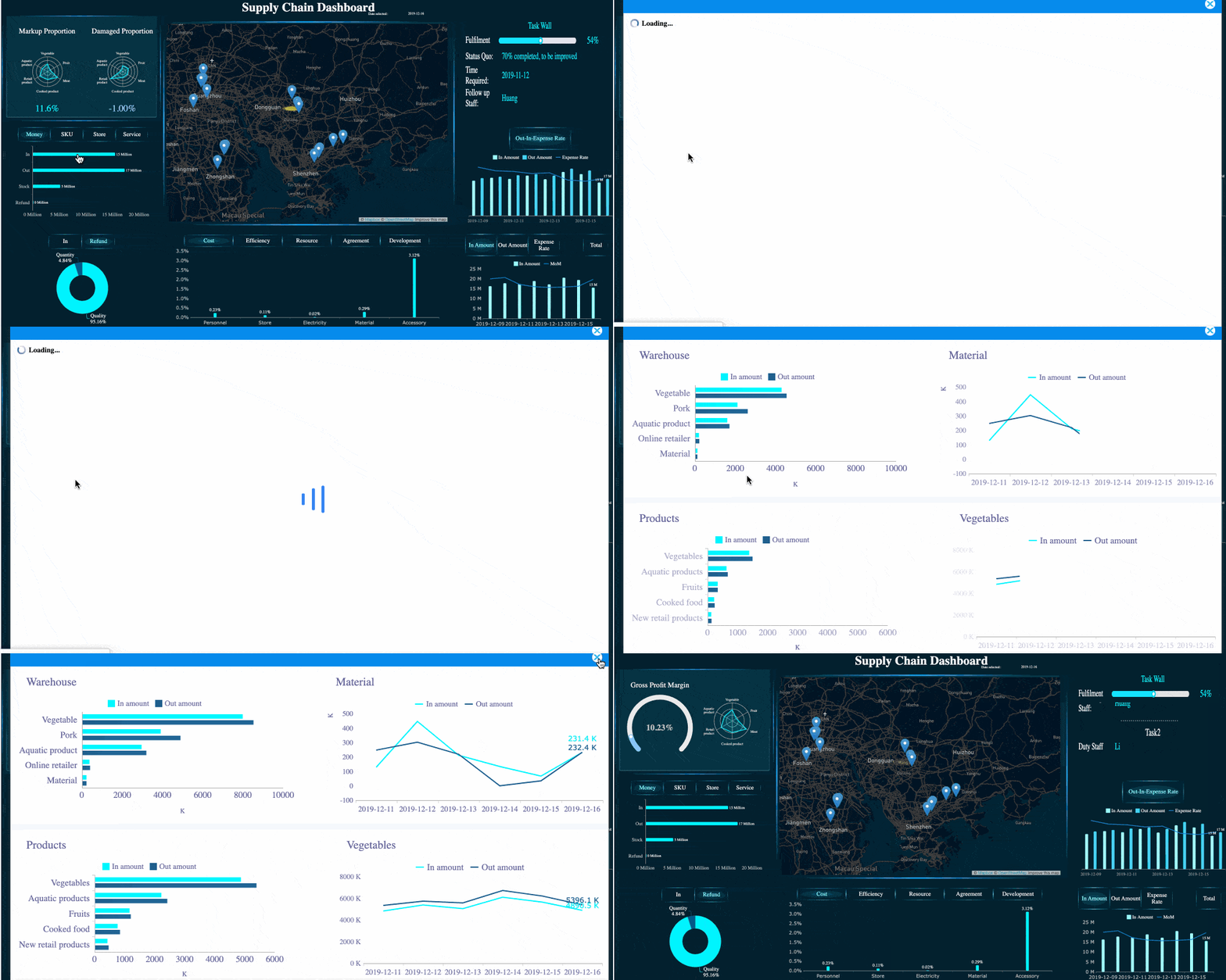 FineBI's Drill-down Capability
Advanced analysis and decision support
Once the data foundation is stable, consultants can move into higher-value analytical work.
This is where data analytics consulting goes beyond reporting and begins to influence planning, prioritization, and competitive performance.
Models, trend analysis, forecasting, and insight generation
Common analytical services include:
- Customer segmentation
- churn analysis
- pricing analysis
- marketing performance analysis
- demand forecasting
- inventory optimization
- profitability analysis
- scenario modeling
- anomaly detection
These methods help organizations answer more sophisticated questions, such as:
- Which customer segments are most profitable?
- What operational factors drive late delivery?
- Which marketing spend produces the strongest return?
- What sales outcomes are likely next quarter?
- Where can cost be reduced without hurting service?
The value is not in complexity. The value is in relevance, clarity, and usability.
Translating findings into recommendations leaders can act on
One of the biggest differences between an analyst and a strong consultant is the ability to connect findings to action.
A good consulting team does not stop at “what happened.” It explains:
- why it happened
- what matters most
- what tradeoffs leaders face
- what should happen next
For example, instead of saying customer acquisition cost rose by 18%, a consultant might recommend reallocating spend from underperforming channels, tightening conversion-stage tracking, and redesigning lead quality scoring to restore margin efficiency.
This translation layer is what makes analytics useful for executives, department heads, and frontline managers.
Common deliverables of data analytics consulting clients can expect
Clients often ask an important question early: what exactly will we receive?
The answer depends on scope, but most data analytics consulting engagements produce both strategic and operational deliverables.
Strategic and technical deliverables
These deliverables help define direction and establish the technical foundation for ongoing analytics work.
Typical examples include:
- Data strategy documents
- data maturity assessments
- KPI frameworks
- analytics roadmaps
- business case models
- governance frameworks
- metric dictionaries
- dashboard wireframes
- dashboard prototypes
- reporting templates
- data models
- architecture recommendations
- implementation documentation
These materials are especially useful for organizations trying to create alignment across business, IT, finance, and operations.
What these deliverables look like in practice
A KPI framework, for example, should define:
| KPI | Definition | Data source | Owner | Reporting frequency |
|---|---|---|---|---|
| Revenue growth | Period-over-period revenue increase | ERP / finance | CFO | Monthly |
| Customer churn | % of customers lost in period | CRM / billing | Head of Sales | Monthly |
| On-time delivery | % of orders delivered by target date | Supply chain system | Operations lead | Weekly |
| Marketing ROI | Return per campaign investment | Marketing platform / CRM | CMO | Monthly |
This kind of clarity reduces reporting confusion and improves decision consistency.
Operational and business deliverables
Operational deliverables are designed to drive adoption and execution.
These often include:
- Executive presentations
- insight summaries
- use case prioritization plans
- implementation plans
- change management materials
- training guides
- dashboard user instructions
- stakeholder workshop outputs
- business recommendations tied to financial outcomes
Strong firms do not just hand over technical files. They package findings in ways that support executive review and operational follow-through.
Recommendations should connect to business goals
The best deliverables tie analytics outputs to measurable business value, such as:
- revenue growth
- cost reduction
- efficiency gains
- service level improvement
- customer retention
- pricing optimization
- risk reduction
For example, a consulting engagement may conclude with recommendations to reduce reporting cycle time by 60%, improve forecast accuracy by 15%, or identify product lines with margin leakage worth immediate corrective action.
That is the level of specificity decision-makers should expect.
Business value of hiring a data analytics consulting firm
The core reason companies invest in data analytics consulting is simple: they want faster, better decisions with less waste.
Faster time to insight and less trial-and-error
Building analytics capability internally can take significant time. Teams may need to hire talent, evaluate tools, resolve data quality issues, and define governance from scratch. During that period, business questions continue to accumulate.
A consulting firm shortens this path by bringing:
- proven frameworks
- cross-industry experience
- technical specialists
- structured delivery methods
- tested dashboard and KPI design practices
This reduces experimentation costs and helps teams avoid common mistakes, such as building dashboards before standardizing metrics or launching advanced models on unreliable data.
Better decision quality, efficiency, and growth planning
When analytics is structured well, leaders gain:
- greater trust in performance reporting
- faster visibility into issues
- improved resource allocation
- stronger forecasting and planning
- clearer accountability around KPIs
Operationally, this can mean fewer manual reports, less duplicated analysis, and better coordination between departments.
Strategically, it can mean more confident decisions around pricing, market expansion, customer targeting, and capital allocation.
When consulting adds more value than building everything in-house
Consulting is especially valuable when:
- the business has urgent reporting or insight gaps
- internal teams are overloaded
- key systems are fragmented
- analytics maturity is low
- leadership needs outside perspective
- a transformation or growth initiative is underway
- the company needs specialized skills it does not want to hire permanently
In these situations, external specialists can often create momentum faster than internal teams working alone.
That does not mean consulting should replace internal capability. In many of the best engagements, consultants help build internal confidence, governance, and operating discipline so the client becomes more self-sufficient over time.
Linking analytics outcomes to ROI
Executives rarely invest in analytics for its own sake. They invest because they expect financial impact.
A credible data analytics consulting firm should connect its work to outcomes such as:
- increased sales conversion
- lower customer churn
- reduced operational waste
- improved margin visibility
- faster monthly close
- higher forecast accuracy
- stronger campaign performance
- better customer experience metrics
How to choose the right data analytics consulting partner
Not all providers are equal. Some are highly strategic but weak in execution. Others are technically strong but struggle to translate findings into business action.
Choosing the right partner requires evaluating both advisory depth and delivery capability.
What to evaluate in a firm
Look for a partner that combines technical strength with business relevance.
Key evaluation criteria include:
- Industry experience: Do they understand your operating model, metrics, and constraints?
- Technical depth: Can they support data architecture, BI, modeling, and governance?
- Strategic thinking: Can they prioritize use cases based on business value?
- Communication skills: Can they explain complexity in a clear, executive-friendly way?
- Delivery model: Do they offer workshops, implementation, managed support, or staff enablement?
- Change enablement: Can they help teams adopt new dashboards and workflows?
A useful test is to ask how they would define success for your engagement. A weak answer focuses on deliverables. A strong answer focuses on outcomes.
Aligning analytics work with business outcomes
This is one of the most important points in partner selection.
A capable firm should be able to say things like:
- “We will improve visibility into margin by product and customer.”
- “We will reduce manual reporting effort across finance and sales.”
- “We will prioritize analytics use cases that support revenue growth in the next two quarters.”
If a provider talks only about pipelines, tools, or models, they may be too technically narrow for executive-impact work.
Comparing providers and market options
The market includes boutique firms, large consultancies, and specialized analytics or strategy teams. Each has strengths.
Boutique firms
Often best for:
- hands-on collaboration
- flexibility
- specialized expertise
- mid-market companies
- faster communication
Potential tradeoff:
- fewer global resources or large-scale implementation teams
Large consultancies
Often best for:
- enterprise-scale transformation
- complex stakeholder environments
- global delivery
- deep cross-functional programs involving data, analytics, and AI
Potential tradeoff:
- higher cost
- less flexibility
- variable senior attention across project phases
Specialized strategy or analytics teams
Often best for:
- high-value use case design
- executive decision support
- advanced modeling
- focused analytics acceleration
Potential tradeoff:
- may rely on client or partner teams for heavier implementation work
How to compare providers with confidence
Use practical criteria, not just brand recognition:
| Evaluation factor | What to ask |
|---|---|
| Relevant case experience | Have you solved similar problems in our industry or function? |
| Team structure | Who will actually do the work day to day? |
| Delivery clarity | What are the phases, milestones, and expected outputs? |
| Business alignment | How do you tie analytics work to ROI? |
| Change support | How will you drive adoption after delivery? |
| Tool familiarity | Can you work with our existing stack, or only your preferred tools? |
Also ask for real examples of dashboards, executive presentations, and roadmap outputs. Seeing how a firm communicates is often as revealing as hearing how it sells.
Data Analytics Consulting Career outlook and next steps for beginners
For beginners, data analytics consulting is also an appealing career path. It sits at the intersection of business problem-solving, quantitative analysis, and client communication.
What data analytics consultants do day to day
The day-to-day work depends on seniority and project type, but common responsibilities include:
- meeting with business stakeholders
- clarifying goals and KPIs
- assessing data sources
- writing queries and validating numbers
- building dashboards or models
- analyzing trends and performance drivers
- preparing executive summaries
- presenting findings and recommendations
- coordinating with engineers, analysts, and business teams
The role is collaborative. Consultants work across finance, marketing, operations, product, and IT. They need to move comfortably between technical detail and business language.
Core skills and tools
Common skills include:
- SQL
- Excel or spreadsheets
- BI tools such as Power BI, Tableau, Looker, or FineBI
- basic statistics
- data visualization
- business process understanding
- presentation and storytelling
- stakeholder management
The strongest consultants are not just technical. They can frame ambiguous problems, ask sharp questions, and present insights in ways that influence decisions.
Why business knowledge and storytelling matter
A consultant who finds a useful pattern but cannot explain its significance creates limited value.
That is why storytelling matters. Leaders need concise answers to three questions:
- What happened?
- Why does it matter?
- What should we do next?
When technical analysis and business narrative work together, insights are more likely to drive action.
When a business should get started
Many companies wait too long to seek outside support. By the time reporting issues become urgent, teams are already frustrated and leaders have lost confidence in the numbers.
Early signs an organization needs data analytics consulting
Watch for signals such as:
- teams using different KPI definitions
- heavy reliance on spreadsheets and manual reports
- dashboards that no one trusts or uses
- slow reporting cycles
- difficulty connecting systems
- repeated debate about “whose numbers are right”
- lack of forecasting discipline
- poor visibility into customer, revenue, or operational performance
- pressure to launch AI initiatives without a strong data foundation
These are all strong indicators that outside expertise may help accelerate progress.
First steps for scoping goals, budget, stakeholders, and results
Before engaging a firm, define a few basics:
- Goals: What decisions do you want analytics to improve?
- Scope: Which teams, systems, or KPIs matter first?
- Stakeholders: Who will sponsor, use, and maintain the work?
- Budget: Are you looking for a diagnostic, a pilot, or a broader transformation?
- Success metrics: What business outcomes would make the engagement worthwhile?
A smart first move is often a focused assessment or roadmap workshop. This keeps investment controlled while clarifying priorities and building internal alignment.
Final takeaway
Data analytics consulting is not just about dashboards or technical reporting. At its best, it helps organizations create a repeatable system for turning data into decisions, action, and measurable business value.
For beginners, the simplest way to think about it is this: consultants help businesses ask better questions, trust their data, and act faster on what the numbers reveal.
If your organization is struggling with reporting gaps, unclear KPIs, fragmented systems, or underused analytics tools, this is often the right time to explore support. Start with a clear business problem, prioritize a small number of high-value outcomes, and choose a partner that can connect data work to real operational and financial impact.
FAQs
A data analytics consulting firm helps businesses define the right KPIs, assess data quality, connect and prepare data sources, and turn analysis into dashboards, forecasts, and recommendations. The goal is to support better decisions with trusted information.