A google analytics consultant helps businesses turn website and app data into something useful: better decisions. If you are trying to understand why traffic is not converting, why GA4 reports look wrong, or how to measure marketing ROI more clearly, this is the type of specialist you hire.
In practice, a Google Analytics consultant usually works across strategy, implementation, troubleshooting, reporting, and stakeholder communication. They do not just “set up analytics.” They help define what should be measured, make sure tracking works correctly, and explain what the data means for marketing, product, and revenue teams.
Quick Answer: What Does a Google Analytics Consultant Do?
| Area | What the consultant typically does |
|---|---|
| Business goals | Translates goals into measurable KPIs, events, and conversions |
| GA4 setup | Configures properties, data streams, events, conversions, and audiences |
| Tracking quality | Audits tagging, attribution, duplicate events, and missing data |
| Reporting | Builds dashboards and recurring reports for stakeholders |
| Analysis | Explains trends, anomalies, and optimization opportunities |
| Team enablement | Documents setup, governance, and trains internal users |
For most companies, the value of a Google Analytics consultant is not the tool alone. It is the combination of measurement design, technical accuracy, and business interpretation.
What a Google Analytics Consultant Does
A Google Analytics consultant sits between business questions and technical measurement. Their job is to make sure data collection supports real decisions rather than creating more confusion.
Define business questions and translate them into a practical measurement plan
Strong analytics work starts with questions, not dashboards. A consultant typically begins by asking:
- What business outcomes matter most?
- Which channels drive qualified traffic?
- Where do users drop off in the funnel?
- Which actions should count as conversions?
- Which teams need which reports?
From there, they build a measurement plan that connects goals to KPIs, user events, funnel stages, and reporting requirements. This step is especially important for companies moving from vague reporting to more disciplined decision-making.
Configure Google Analytics to capture reliable, decision-ready data
Once the plan is clear, the consultant helps configure Google Analytics correctly. In GA4, that often includes:
- Property and data stream setup
- Event design
- Conversion configuration
- Audience creation
- Cross-domain considerations
- Ecommerce tracking
- UTM governance
- Integration planning with tag management tools
The purpose is not just to “collect data,” but to collect data that can be trusted.
Audit current tracking, reports, and attribution to find gaps and errors
Many businesses hire a consultant after noticing that reports do not match expectations. Common issues include:
- Duplicate pageviews or conversions
- Missing events
- Broken ecommerce data
- Inconsistent channel attribution
- Internal traffic contamination
- Tagging conflicts across tools
- Different teams using different KPI definitions
A consultant reviews both the analytics setup and the business logic behind reporting. Sometimes the problem is technical. Sometimes it is a governance issue.
Turn raw data into insights that support marketing, product, and revenue decisions
A good consultant goes beyond implementation. They explain:
- Which channels produce high-intent traffic
- Where users abandon forms or checkout
- Which campaigns attract volume but weak conversion quality
- Which landing pages need testing
- Which user segments behave differently
That is what makes the role valuable. Clean data matters, but interpreted data is what drives action.
Core Roles and Day-to-Day Responsibilities of a Google Analytics Consultant
Strategy and measurement planning
The strategic side of the role is often underestimated. Before anything is tagged, a consultant usually helps the business define what success looks like.
Align KPIs, events, conversions, and reporting with business goals
If leadership cares about pipeline, but marketing reports only on sessions and click-through rates, there is a disconnect. A consultant helps close that gap by aligning:
- Executive KPIs
- Marketing conversion metrics
- Product engagement events
- Sales-related funnel milestones
- Reporting cadences for different stakeholders
This keeps the organization focused on decision-useful metrics instead of vanity metrics.
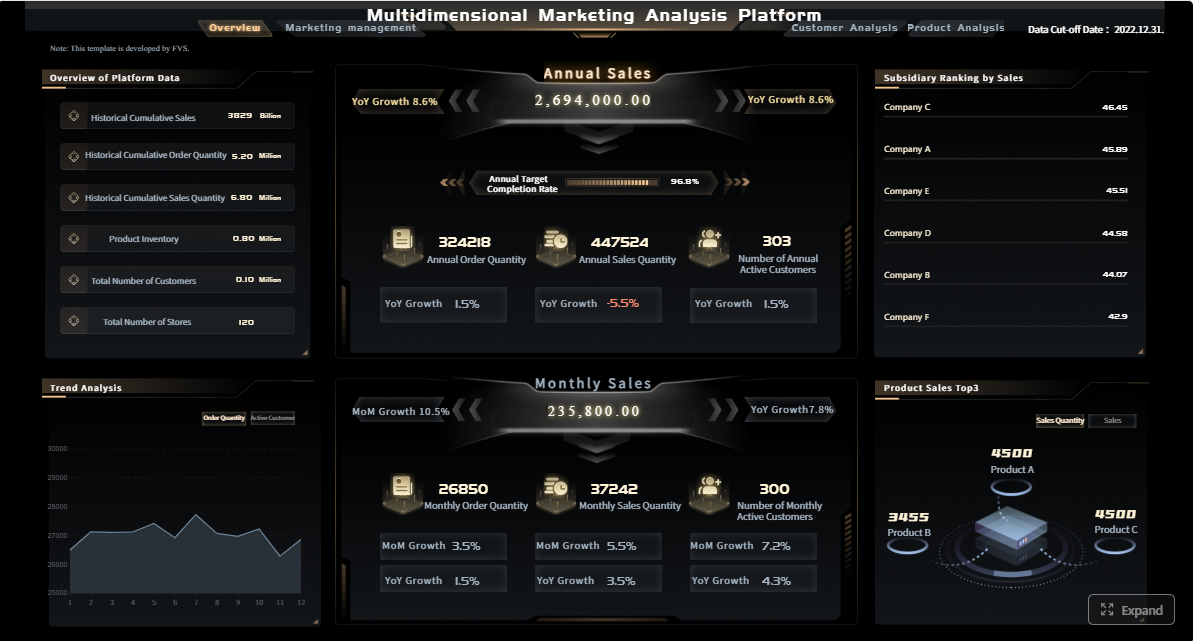
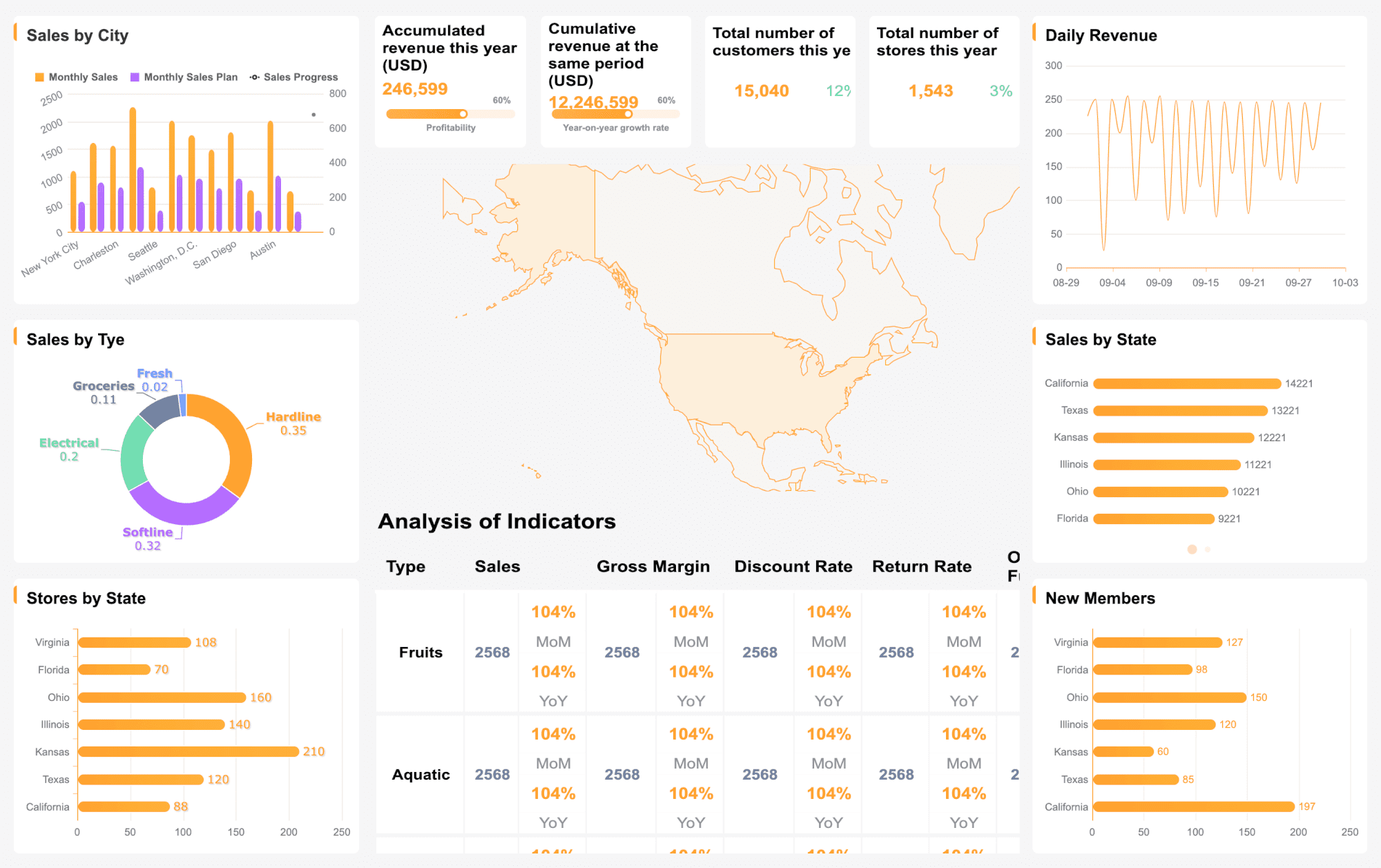
All dashboards in this article are built with FineBI.
Create tracking frameworks for websites, apps, campaigns, and funnels
For businesses with multiple digital properties, measurement can get messy fast. A consultant may design frameworks for:
- Corporate websites
- Ecommerce stores
- Mobile apps
- Lead generation funnels
- Microsites and campaign pages
- Multi-region web properties
A strong framework standardizes event naming, conversion definitions, campaign tagging, and reporting logic.
Implementation and technical setup
Strategy is only useful if it gets deployed correctly. That is where implementation work begins.
Set up GA4 properties, data streams, events, conversions, and audiences
Day-to-day implementation often involves setting up or refining the GA4 environment so that reporting supports real business use cases. This may include:
- Structuring GA4 properties
- Defining web or app data streams
- Configuring recommended and custom events
- Marking high-value actions as conversions
- Building audiences for analysis or activation
- Verifying event parameters and user properties
This work requires attention to detail because small setup mistakes can distort reports for months.
Coordinate with developers and tag managers to deploy tracking correctly
Google Analytics consulting is rarely a solo exercise. Consultants often coordinate with:
- Developers
- Marketing operations teams
- Product managers
- Paid media teams
- CRM or data teams
They may provide implementation specifications, QA plans, and testing steps to make sure tags fire correctly and data flows as intended.
Analysis, reporting, and communication
Implementation alone does not solve the business problem. Teams need interpretation.
Build dashboards and explain trends, anomalies, and opportunities in plain language
A consultant often creates dashboards for different audiences, such as:
- Executive summaries
- Marketing channel performance
- Product engagement trends
- Ecommerce conversion analysis
- Lead funnel performance
The best consultants simplify complexity. They can explain whether a traffic spike is meaningful, whether a conversion dip reflects a tagging issue, or whether a campaign change altered attribution patterns.
Recommend next steps based on user behavior, channel performance, and conversion data
Useful analytics consulting ends with recommendations, not screenshots. That may include:
- Improve campaign tagging discipline
- Fix landing page bottlenecks
- Adjust channel mix
- Refine audience segmentation
- Rework form flows
- Add missing conversion tracking
- Standardize dashboard definitions across teams
Common Deliverables You Can Expect
When hiring a Google Analytics consultant, it helps to know what concrete outputs should be included. Deliverables vary by project scope, but the following are common.
Analytics audit and troubleshooting
An audit is one of the most common starting points, especially when data quality is in question.
Review account structure, event quality, duplicate tracking, and attribution issues
A consultant may review:
- Property structure
- Stream setup
- Event taxonomy
- Conversion logic
- Referral exclusions
- Cross-domain behavior
- Internal and developer traffic filters
- Channel attribution consistency
The goal is to identify where data breaks, drifts, or becomes misleading.
Diagnose broken reports, missing conversions, and inconsistent traffic data
If your reports feel unreliable, troubleshooting typically focuses on root causes such as:
- Tags firing twice
- Conversion definitions changing
- Campaign parameters missing
- Checkout events not passing values
- Reports including test traffic
- Different platforms counting sessions differently
This is where an experienced consultant saves time. Instead of guessing, they methodically isolate the issue.
Tracking plan and documentation
A solid consultant leaves behind more than a fixed account. They leave structure.
Deliver event naming conventions, KPI definitions, and implementation requirements
Good documentation often includes:
- Event naming standards
- Parameter definitions
- Conversion criteria
- Funnel stage logic
- KPI definitions
- Technical implementation notes
- QA instructions
This reduces future confusion and makes collaboration easier across teams.
Document governance rules so reporting stays accurate over time
Governance matters when multiple teams touch the same analytics setup. Consultants may document rules for:
- Campaign tagging
- Change management
- New event requests
- KPI ownership
- Report access and usage
- Data validation routines
Without governance, even a strong setup can decay quickly.
Dashboards, insights, and training
A consultant is often expected to help both the data and the people using it.
Provide stakeholder-ready reports, recurring analysis, and team enablement sessions
Deliverables can include:
- Executive dashboards
- Channel performance reports
- Funnel analysis views
- Recurring monthly insight summaries
- Decision-ready presentation materials
- Workshops for marketing or product teams
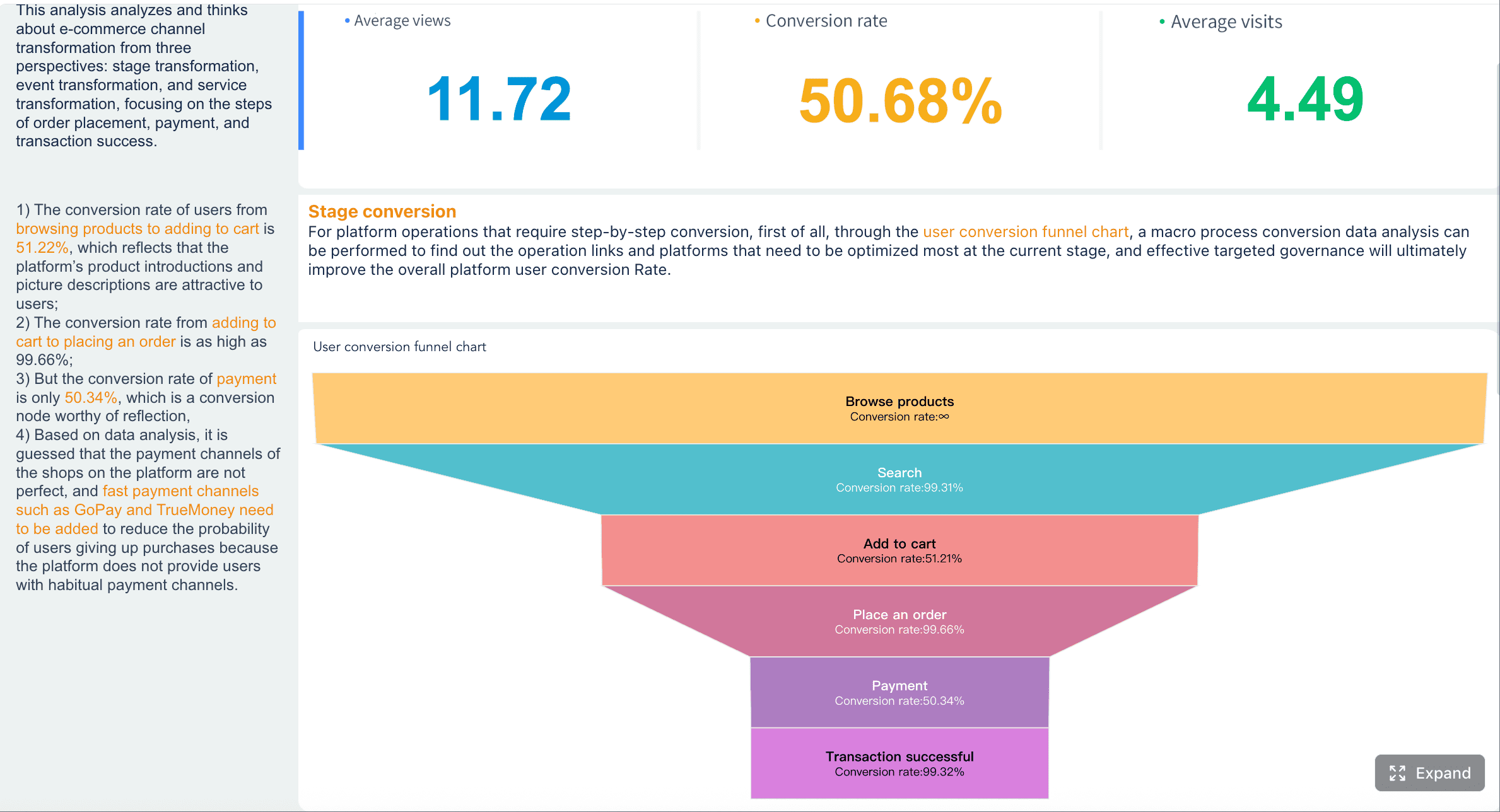
Train internal teams to use reports confidently and ask better questions
A common weak point in analytics programs is adoption. Reports exist, but nobody uses them well. A consultant may train teams on:
- How to read GA4 reports
- How to interpret conversions and attribution
- How to spot tracking problems
- How to ask better analysis questions
- How to distinguish trends from noise
When It Makes Sense to Hire One Google Analytics Consultant
Not every business needs outside help immediately. But certain situations make consulting support especially valuable.
Signs your business needs outside help
You migrated to GA4 and your reports no longer match expectations
This is one of the most common reasons companies seek help. GA4 changed event models, reporting logic, and parts of attribution compared with older analytics approaches. If your old benchmarks no longer line up, a consultant can help determine whether the issue is setup, interpretation, or simply a change in measurement methodology.
Marketing spend is increasing, but you cannot clearly measure ROI
If paid media budgets are rising but you still cannot confidently answer which channels, campaigns, or landing pages drive value, a consultant can help build cleaner measurement and clearer decision frameworks.
Multiple tools, websites, or teams are creating inconsistent data
As organizations grow, data fragmentation becomes common. One team reports leads one way, another uses different attribution logic, and no one trusts the totals. A consultant can standardize definitions and rebuild confidence in reporting.
Best timing for engagement
Before a site redesign, new product launch, or major campaign rollout
These moments are ideal because they let you define measurement before execution. It is far cheaper to plan tracking early than to reconstruct missing data later.
When setting up a new measurement framework or fixing long-standing tracking issues
If problems have existed for months, internal teams often normalize them. A specialist can bring fresh eyes, a structured audit process, and implementation discipline.
How to Evaluate Google Analytics Consulting Services
Not all consulting engagements are equally useful. Some focus only on setup. Others bring stronger strategic and analytical value.
What to look for in a consultant or agency
Experience with GA4 implementation, reporting, privacy considerations, and troubleshooting
A capable consultant should be comfortable across several dimensions:
- GA4 setup and event design
- Tag deployment coordination
- Reporting and dashboarding
- Data quality validation
- Consent and privacy-aware measurement practices
- Troubleshooting across websites, campaigns, and user flows
Ability to connect analytics work to business outcomes rather than vanity metrics
This is the difference between a technician and a strategic consultant. You want someone who can explain how analytics supports:
- Better budget allocation
- Better funnel performance
- Better user experience decisions
- Better reporting confidence
- Better cross-team alignment
Questions to ask before hiring
What deliverables are included, how success will be measured, and who owns the setup
Before signing, clarify:
- What exactly will be delivered?
- Will there be an audit, tracking plan, dashboard, and training?
- How will data quality be validated?
- Who implements changes?
- Who owns the final GA4 configuration?
- What happens after the engagement ends?
Whether they offer ongoing support, one-time audits, or broader agency service packages
Some businesses only need a one-time audit. Others need recurring support. The right model depends on internal capability, website complexity, and the pace of change in campaigns or product releases.
Cost, engagement models, and expected ROI
Compare hourly, project-based, and retainer pricing against the value of better decisions
Consultants may work on:
- Hourly troubleshooting
- Fixed-scope implementation projects
- Monthly retainers
- Ongoing analytics advisory support
The cheapest option is not always the best value if unresolved tracking problems continue to distort decisions.
Estimate payback through cleaner attribution, fewer reporting errors, and stronger optimization
ROI often comes from:
- Eliminating wasted media spend
- Identifying funnel leaks
- Improving campaign measurement
- Reducing internal reporting confusion
- Increasing trust in analytics-based decisions
Career Perspective and Market Demand
Searchers also use the term google analytics consultant because they are considering this as a career path. The role remains relevant, but expectations have evolved.
Is it worth becoming a Google Analytics Consultant?
Yes, for people who can combine technical setup with business thinking. The role usually requires a blend of:
- Analytics platform knowledge
- Tagging and implementation logic
- Reporting design
- Statistical caution
- Communication skills
- Commercial understanding
Companies do not just want someone who knows where settings live in GA4. They want someone who can connect measurement to growth, efficiency, and customer behavior.
Where opportunities appear in the market
Opportunities exist across:
- Freelance consulting
- Specialist analytics agencies
- In-house digital analytics teams
- Marketing operations roles
- Data and growth consulting practices
Compensation varies based on project complexity, industry, and whether the work involves only reporting or broader implementation and strategy.
Practical Recommendations Before You Hire a Google Analytics Consultant
If you are evaluating support now, here are a few practical steps that help.
- List the business decisions you need analytics to support. Start with decisions, not dashboards.
- Document your known data problems. Examples include missing conversions, odd traffic spikes, or mismatched reports.
- Ask for sample deliverables. A real tracking plan or audit outline is more useful than vague promises.
- Clarify ownership and maintenance. Make sure your team knows who will manage the setup after the project.
- Prioritize reporting usability. Clean tracking matters, but stakeholders also need dashboards they can actually understand and use.
Beyond Google Analytics: Turning Measurement Into Better BI
Google Analytics is useful for digital behavior measurement, but many organizations eventually hit a second challenge: how to combine marketing analytics with broader business reporting.
GA4 can show what users did on a site or app. But leadership often also wants to see that behavior alongside:
- CRM and pipeline data
- Revenue and finance metrics
- Product usage data
- Regional performance
- Inventory or operational data
- Customer service signals
That is where a broader BI layer becomes important.
Tools like Google Analytics are widely used in the analytics stack, but teams that need a more business-user-friendly, self-service BI platform may also consider FineBI. FineBI is designed for interactive dashboarding, drag-and-drop analysis, data exploration, and broader enterprise reporting beyond a single digital analytics source.
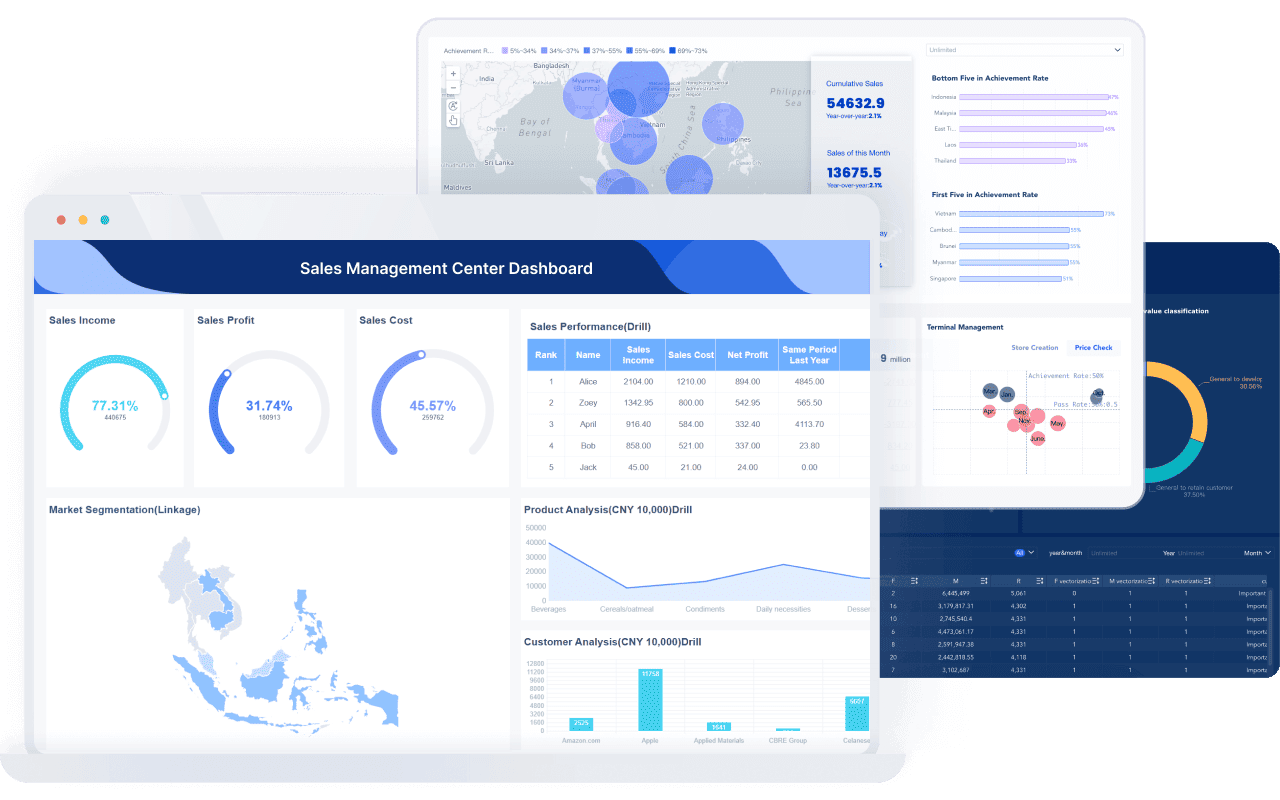
For example, a business might use Google Analytics for traffic and conversion tracking, then use FineBI to combine that data with sales, finance, or operations data so stakeholders can analyze performance in one place. This can be especially helpful for teams that want more flexible self-service analysis across departments.
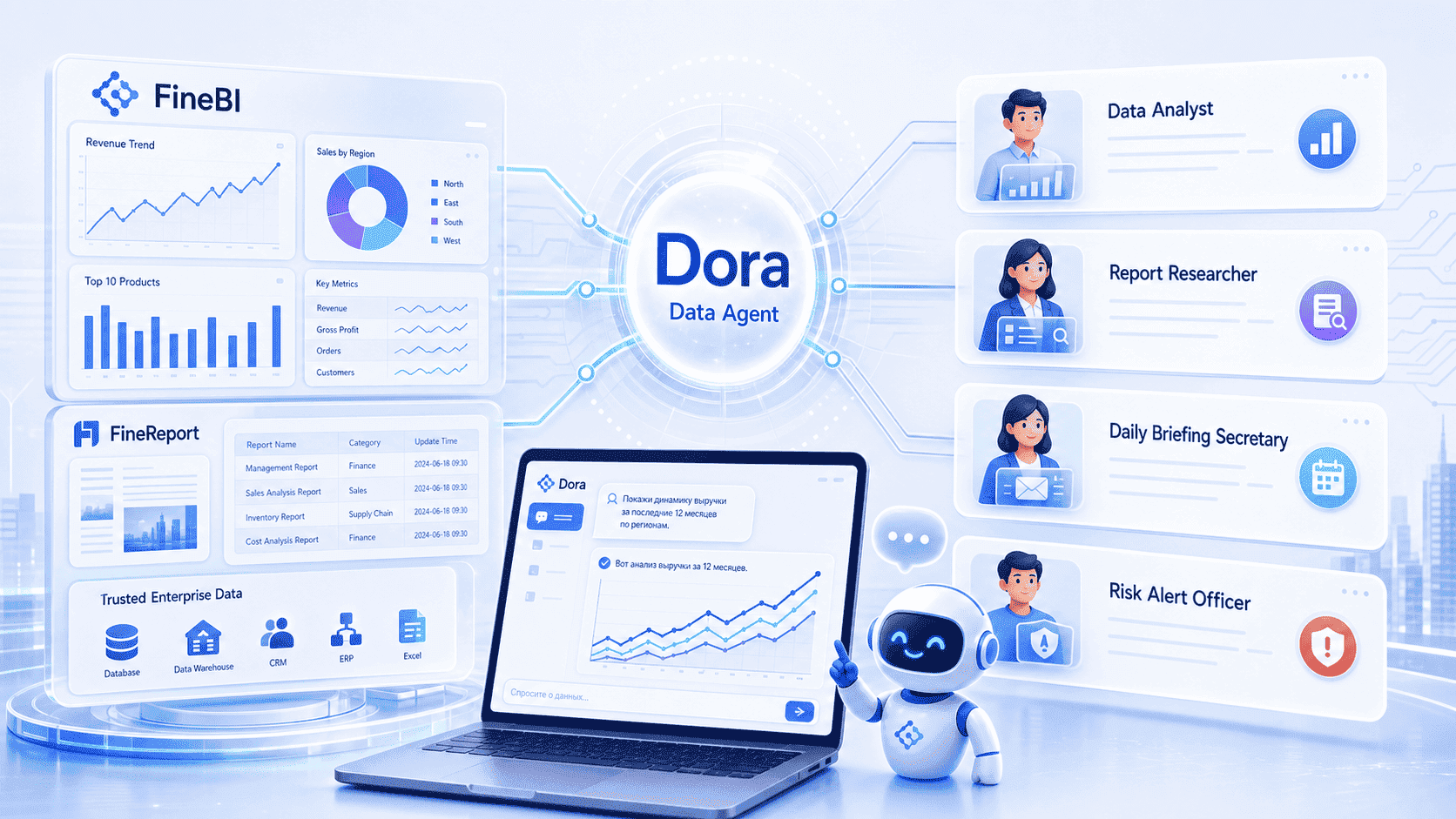
Dora, FanRuan’s enterprise Data Agent platform, adds another layer. Rather than replacing BI, FineBI + Dora helps organizations move from static dashboards toward Agentic BI. FineBI provides the trusted dashboard, metric, and semantic foundation, while Dora acts as an AI assistant or AI digital employee that helps users ask questions, generate summaries, trigger governed workflows, and follow up on insights.
 Ask Dora in Natural Language
This can be relevant when analytics teams are overwhelmed by repetitive requests such as:
- “Why did conversions drop this week?”
- “Summarize channel performance for leadership.”
- “Flag unusual variance in lead volume.”
- “Push a daily briefing to managers.”
- “Guide non-technical users to the right metrics.”
In that context, Dora can be positioned as a Data Analyst, Digital Employee**, Report Researcher, Daily Briefing Secretary, or Risk Alert Officer on top of trusted enterprise data assets.
Get Ready-to-Use Dashboard Templates in Fine Gallery
If your team has already outgrown basic web analytics reporting and needs broader dashboard sharing, self-service exploration, and more governed AI-assisted analysis, FineBI plus Dora is worth evaluating.
Final Thoughts
A google analytics consultant is not just a setup specialist. The role combines measurement strategy, implementation discipline, troubleshooting, reporting, and business communication. The right consultant helps you trust your data and act on it.
If your organization is struggling with GA4 migration issues, unclear attribution, inconsistent reporting, or weak dashboard adoption, outside support can pay off quickly. And if your next challenge is combining digital analytics with enterprise-wide reporting, it may be time to look beyond standalone analytics into a broader BI approach.
FAQs
A Google Analytics consultant plans what should be measured, sets up or fixes tracking, and turns data into insights teams can use. They typically support strategy, GA4 configuration, reporting, troubleshooting, and stakeholder communication.