

A strong data analyst job description does more than list tasks. It defines how a company turns raw data into business decisions, which teams the analyst supports, and what measurable outcomes the role is expected to influence.
For employers, that means writing with precision. For candidates, it means reading beyond the title and understanding whether the role is operational, reporting-heavy, or truly strategic.
In 2026, the role is also less uniform than many job posts suggest. A marketing data analyst, a finance data analyst, and a product data analyst may all share the same title, but their priorities, tools, stakeholders, and success metrics can differ sharply. This guide breaks down those differences so you can write, evaluate, or benchmark a modern data analyst role with confidence.
Data Analyst Job Description at a Glance
At a high level, a data analyst is responsible for turning business data into structured insight. That usually includes gathering data from multiple systems, checking quality, organizing it into usable formats, analyzing trends, and presenting findings to stakeholders who need to make decisions.
Most analysts work across functions rather than in isolation. Depending on the company, they may partner with:
- Department managers
- Business leaders
- Product managers
- Finance teams
- Marketing teams
- Operations leaders
- Data engineers
- BI teams
- IT or compliance teams
Success is not measured only by whether a report gets delivered on time. Strong data analysts are usually evaluated on a combination of:
- Accuracy: Are the numbers trustworthy?
- Timeliness: Are reports and dashboards available when decisions need to be made?
- Clarity: Can non-technical stakeholders understand the insight?
- Business relevance: Does the analysis answer a real business question?
- Impact: Did the work improve decisions, performance, or efficiency?
The modern data analyst job description also changes by business context. In marketing, analysts focus on campaign performance and customer behavior. In finance, the emphasis is often on control, auditability, and forecast accuracy. In healthcare, privacy and governance shape the role. In product teams, user journeys, experimentation, and retention tend to dominate the workload.
This is why employers should separate three things clearly in any job description:
| Category | What it Covers | Example |
|---|---|---|
| Core responsibilities | The work the person does | Clean data, build dashboards, analyze trends |
| Technical skills | The tools and methods required | SQL, Excel, BI tools, basic statistics |
| Business impact | Why the work matters | Improve campaign ROI, reduce reporting delays, support roadmap decisions |
When these three elements are blurred together, job descriptions become vague. When they are separated, both hiring quality and candidate fit improve.
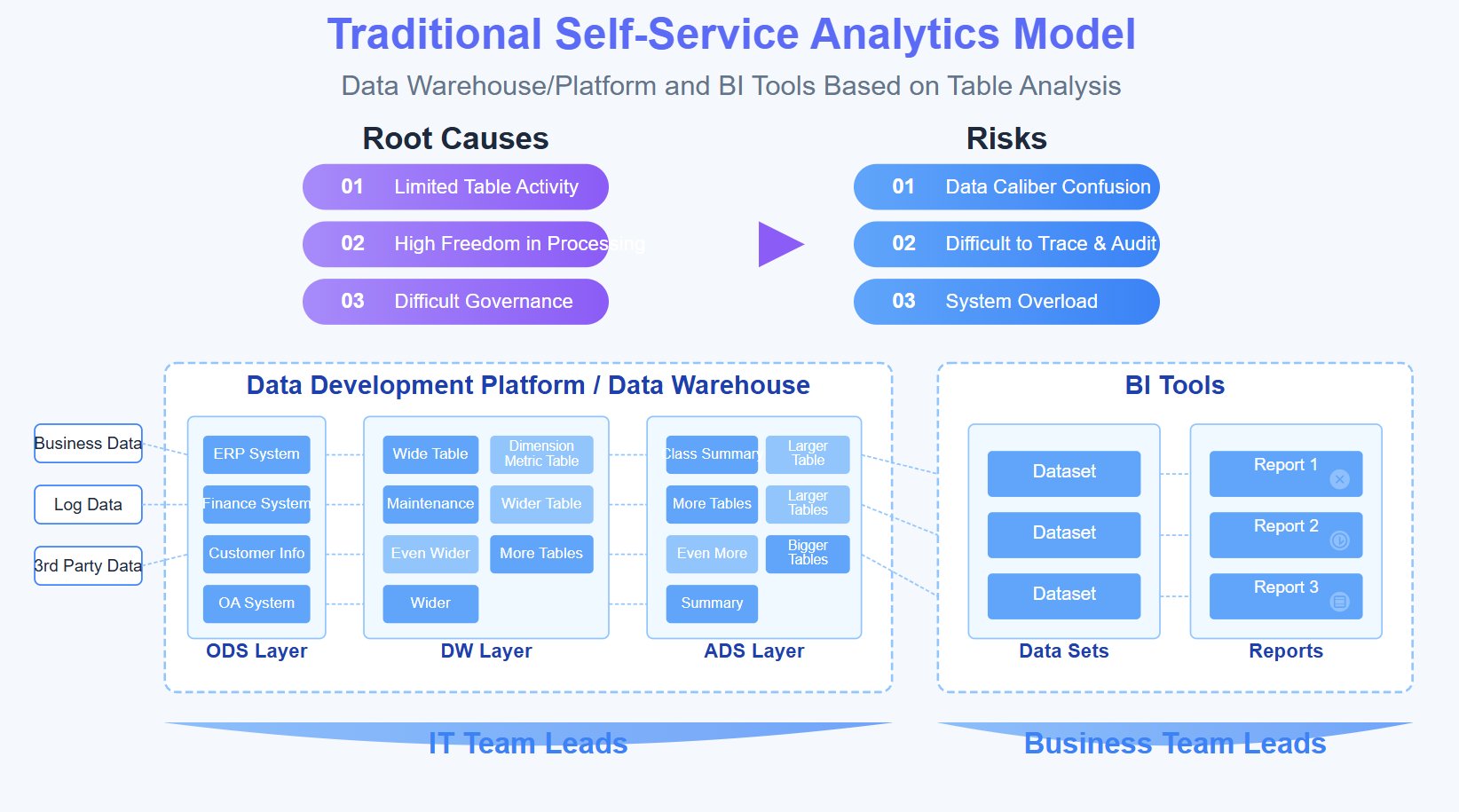
After defining this structure, many companies also benefit from standardizing KPI visibility through a BI layer. In practice, that means using dashboards to connect daily analysis with executive decision-making. Platforms such as FineBI can help teams centralize reporting, enable self-service exploration, and reduce spreadsheet fragmentation across departments.
What Does a Data Analyst Do Day to Day?
Day-to-day work depends on the maturity of the company, the industry, and the team structure. Still, most roles share a common operating model: gather data, validate it, analyze it, present insight, and support action.
Core responsibilities in most teams
In most organizations, a data analyst is expected to handle the following responsibilities:
- Collect data from internal and external sources
- Clean, normalize, and validate data for analysis
- Reconcile inconsistencies across systems
- Analyze trends, patterns, outliers, and anomalies
- Build recurring reports and dashboards
- Create presentations or summaries for business stakeholders
- Translate findings into recommendations and next steps
- Document metrics, assumptions, and logic
This sounds straightforward, but the practical challenge is usually not the analysis alone. It is making sure the business is looking at the same definitions. For example, “active customer,” “qualified lead,” or “net revenue” may mean different things across teams unless the analyst helps standardize those definitions.
A good analyst therefore acts as both a technician and a translator. They do not just answer “what happened.” They help clarify why it happened, what it means, and what should happen next.
When analysis becomes recurring, dashboard design becomes critical. Executives often need a top-line summary, while team managers need operational drill-downs. That is where structured BI design matters more than static reporting.
Common tools and workflows
A typical data analyst workflow combines several tool categories:
- Spreadsheets: Excel or Google Sheets for quick analysis, validation, ad hoc review
- Databases: SQL for querying and joining structured data
- BI platforms: Tableau, Power BI, Looker, FineBI, or similar tools for dashboarding
- Statistics tools: Basic hypothesis testing, regression, forecasting, or variance analysis
- Documentation tools: Confluence, Notion, internal wikis, or metric dictionaries
- Data workflow tools: ETL or reverse ETL environments, ticketing systems, and quality checks
A simplified workflow often looks like this:
- A stakeholder asks a business question
- The analyst clarifies the metric definition and decision context
- Data is sourced from one or more systems
- The analyst validates quality and resolves inconsistencies
- Trends or patterns are analyzed
- Findings are shared through a dashboard, report, or presentation
- The team aligns on actions and tracks outcomes over time
In more mature environments, analysts do not work from disconnected files. They rely on governed datasets, documented KPIs, and reusable dashboards. This reduces the time spent rebuilding reports and increases confidence in decision-making. That is one reason many companies invest in self-service BI tools: analysts can focus more on insight and less on repetitive manual reporting.
For organizations trying to scale analytics across departments, FineBI is often relevant where business users need guided self-service reporting without placing every request on the data team.
Entry-level duties and expectations
An entry-level data analyst usually starts with narrower scope and stronger supervision. The role is less about setting analytics strategy and more about executing reliably.
Common entry-level responsibilities include:
- Updating recurring reports
- Refreshing dashboards
- Running basic SQL queries
- Checking data quality
- Validating metrics against prior periods
- Investigating simple discrepancies
- Answering straightforward business questions
- Preparing summary slides or tables for senior analysts or managers
At this stage, employers usually expect three things more than advanced modeling:
- Attention to detail
- Comfort with structured problem-solving
- Willingness to learn business context
Entry-level analysts often underestimate how important context is. Technical skill matters, but business vocabulary, stakeholder communication, and metric discipline often determine whether an analyst becomes trusted.
A practical hiring tip: if the role is junior, avoid listing every advanced tool under the sun. A better data analyst job description distinguishes between what must be known on day one and what can be learned in the first 90 days.
How the Role of Data Analyst Changes by Industry
The title may stay the same, but industry context changes priorities. This is one of the biggest reasons generic job descriptions fail. Below is how the role typically shifts across major functions.
Marketing data analyst
A marketing data analyst focuses on growth, acquisition efficiency, retention, and customer behavior. The goal is to help teams spend smarter and improve conversion outcomes.
Typical areas of responsibility include:
- Campaign performance measurement
- Attribution analysis
- Conversion funnel analysis
- Customer segmentation
- Retention and churn tracking
- A/B test evaluation
- Channel comparison across paid, organic, social, email, and referral
Key metrics often include:
- Cost per lead
- Customer acquisition cost
- Conversion rate
- Return on ad spend
- Retention rate
- Lifetime value
- Engagement by segment or channel
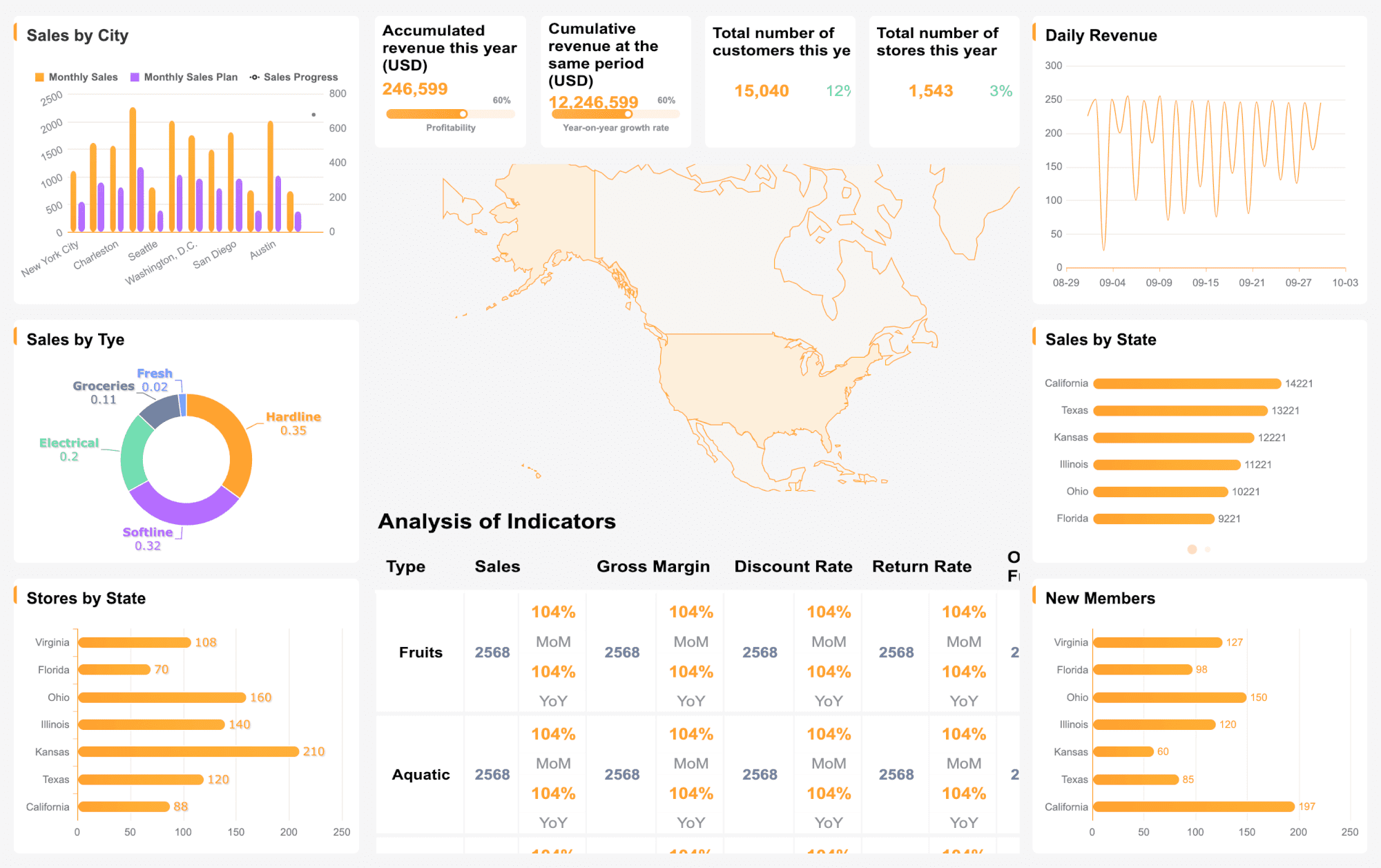
Marketing analysts often work in fast cycles. Stakeholders want quick answers, but data quality can be messy because it comes from ad platforms, CRM systems, web analytics tools, and customer databases. The analyst must reconcile these sources and explain where attribution limits exist.
Finance data analyst
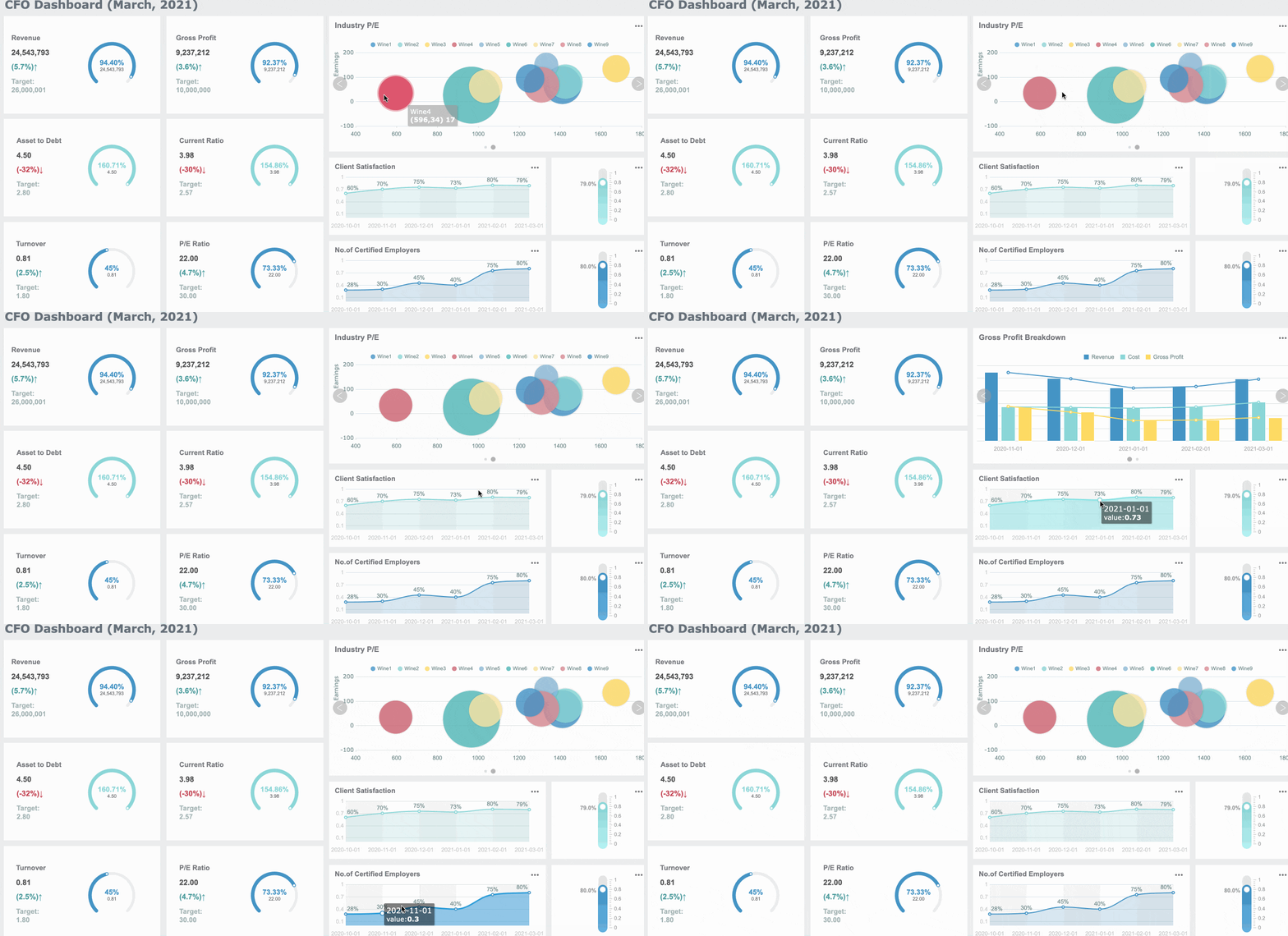
A finance data analyst typically works closer to accuracy, governance, and executive reporting. The role supports planning, profitability, and control.
Common responsibilities include:
- Revenue and margin tracking
- Cost analysis
- Budget monitoring
- Forecast support
- Variance analysis
- Cash flow reporting
- Risk-related metric tracking
- Board or executive performance summaries
Important characteristics of the finance environment include:
- High expectations for data integrity
- Tight control over definitions
- Strong documentation needs
- Auditability and traceability
- Sensitivity around forecast assumptions
Compared with marketing, finance teams often value repeatability and precision over speed. A small reporting error can undermine trust quickly. That is why finance analysts are often expected to be especially rigorous in data validation and documentation.
Healthcare data analyst
A healthcare data analyst works in a more regulated environment, where insight must be balanced with privacy, compliance, and governance.
Typical focus areas include:
- Patient outcomes
- Operational efficiency
- Capacity and utilization
- Quality measures
- Readmission or treatment trends
- Claims and reimbursement analysis
- Compliance reporting
The role often requires stronger discipline in:
- Data privacy handling
- Access control
- Regulatory alignment
- Sensitive-data governance
- Standardized reporting definitions
Healthcare analysts often work with both clinical and operational stakeholders. That means they need to communicate clearly across technical, administrative, and medical audiences. The analysis may be valuable, but if governance is weak, the organization takes on unnecessary risk.
Product data analyst
A product data analyst works closest to user behavior and product decision-making. Their job is to help teams understand how product changes affect adoption, retention, and customer value.
Common responsibilities include:
- Feature adoption analysis
- Funnel and journey analysis
- User segmentation
- Retention cohort tracking
- Experiment analysis
- Product health KPI reporting
- Support for roadmap prioritization
Typical product metrics include:
- Daily or monthly active users
- Activation rate
- Feature usage frequency
- Funnel completion rate
- Session behavior
- Retention by cohort
- Expansion or engagement signals
Product analysts usually work closely with product managers, designers, engineers, and growth teams. The role often carries more strategic influence when experimentation is mature and product decisions are driven by behavioral evidence rather than intuition.
Skills, Qualifications, and Tools of a Data Analyst Employers Look For
A well-written data analyst job description should balance technical requirements with business capability. Many hiring managers overemphasize tools and underdefine decision support expectations. That leads to mismatched hires.
Technical and analytical skills
Most employers expect a data analyst to be competent in a practical core stack rather than expert in every platform.
The most common technical requirements are:
- SQL: Querying, joining, filtering, aggregating, and validating data
- Excel or spreadsheets: Pivot tables, formulas, lookups, data cleaning, quick analysis
- Data visualization: Building clear dashboards and charts
- Basic statistics: Averages, distributions, significance concepts, trend interpretation
- Data cleaning: Handling missing values, duplicates, inconsistent formats, outliers
- Metric definition: Establishing consistent KPI logic
- Analytical reasoning: Connecting observed patterns to business hypotheses
Some roles may also prefer:
- Python or R
- ETL familiarity
- CRM or ERP system exposure
- A/B testing knowledge
- Forecasting methods
- Data warehouse experience
The right requirement level depends on the role. If the analyst mainly supports reporting, SQL and BI fluency may matter more than programming. If the role supports experimentation or advanced modeling, statistical depth becomes more important.
Business and communication skills
This is where many hiring decisions succeed or fail.
A technically capable analyst who cannot structure a problem, ask clarifying questions, or present a recommendation will create limited business value. Strong analysts can:
- Explain findings in plain language
- Tailor communication to executives or operational teams
- Challenge vague requests with better framing
- Distinguish symptoms from root causes
- Connect metrics to business trade-offs
- Recommend action, not just summarize data
In practical terms, employers should look for candidates who can answer questions like:
- What decision will this analysis support?
- Which metric matters most here, and why?
- What assumptions are we making?
- What would change based on this insight?
These are business judgment signals, not just technical signals.
Education, portfolio, and certifications
Typical educational backgrounds include:
- Statistics
- Mathematics
- Economics
- Computer science
- Information systems
- Business analytics
- Finance
- Engineering
That said, employers are increasingly open to transferable backgrounds if the candidate demonstrates analytical thinking and practical skill. In 2026, a strong portfolio can matter as much as a degree path, especially for entry-level candidates or career changers.
Useful portfolio examples include:
- A sales dashboard with drill-down logic
- A cohort retention analysis
- A pricing or margin analysis
- A campaign performance review
- A data cleaning and validation case
- A business recommendation memo supported by analysis
Certifications can strengthen credibility, especially when combined with projects. They are most useful when they validate tool competence or structured analytics knowledge, not when they simply add logos to a resume.
A practical employer rule: prioritize evidence of real analysis over certificate volume.
Salary of a Data Analyst by Industry and Career Level
Compensation varies significantly by role design. A generic title tells you less than the combination of industry, business criticality, and expected decision impact.
What affects pay
Several factors shape data analyst salary ranges:
- Industry
- Geographic market
- Company size
- Seniority
- Technical stack
- Domain specialization
- Strategic influence of the role
- Level of stakeholder exposure
- Regulated or revenue-critical environment
For example, an analyst supporting monthly reporting in a small local business will often be paid differently from an analyst supporting product experimentation in a high-growth SaaS company.
Typical salary differences across industries
While exact numbers vary by market, compensation usually follows business value and complexity. The table below shows common patterns rather than fixed salary promises.
| Industry | Typical Pay Positioning | Why It Can Pay More or Less |
|---|---|---|
| Marketing | Low to mid | Often fast-moving and high-volume, but some roles are more reporting-focused |
| Finance | Mid to high | Revenue visibility, executive exposure, controls, and audit requirements raise expectations |
| Healthcare | Mid to high | Compliance, governance, and domain complexity increase specialization value |
| Product | Mid to high | Direct influence on growth, retention, and roadmap decisions often increases strategic value |
In many markets, product and finance roles tend to command stronger compensation when the analyst influences revenue, profitability, or roadmap decisions. Healthcare can also pay well where regulation, privacy, and domain knowledge create barriers to entry. Marketing analyst roles may vary more widely because some are highly strategic while others are dashboard maintenance roles.
A better compensation conversation therefore asks not only “What industry is this?” but also:
- Is the role decision-critical?
- Does it require domain-specific knowledge?
- Does it support executives?
- Is there ownership of KPI design, not just reporting?
- Is the analyst expected to influence revenue or risk outcomes?
Career path from entry-level to senior roles
A typical progression looks like this:
| Career Stage | Focus | Common Next Step |
|---|---|---|
| Entry-level Data Analyst | Reporting support, data cleaning, recurring analysis | Data Analyst / BI Analyst |
| Mid-level Data Analyst | Independent analysis, stakeholder support, dashboard ownership | Senior Data Analyst |
| Senior Data Analyst | Strategic analysis, KPI design, mentoring, cross-functional influence | Analytics Manager / Lead Analyst |
| Advanced Pathways | Broader technical or leadership scope | BI Manager, Analytics Manager, Data Scientist, Product Analyst Lead |
Career growth usually follows one of four paths:
- Senior analyst path — deeper business ownership and more strategic analysis
- BI path — stronger dashboard architecture, semantic modeling, and self-service enablement
- Management path — team leadership, analytics planning, and stakeholder governance
- Data science path — more experimentation, predictive modeling, and advanced statistical work
For companies building this ladder internally, platform standardization matters. Analysts move faster when reporting logic, metric definitions, and dashboard governance are well structured from the start.
How to Use This Guide to Write or Evaluate a Job Description
The best data analyst job description is not the longest one. It is the clearest one. It tells candidates what work matters, what tools are required, who they will support, and how performance will be measured.
What a strong job description should include
A high-quality job description should cover the following:
- Role scope: What business questions or processes the analyst supports
- Core responsibilities: The specific day-to-day work
- Required tools: SQL, spreadsheets, BI tools, and any preferred systems
- Stakeholder relationships: Who the analyst works with
- Success metrics: What defines strong performance in the role
- Qualification tiers: Must-have versus nice-to-have capabilities
- Business context: Why the role exists and how it supports outcomes
Here is a simple structure employers can follow:
| Section | What to Include |
|---|---|
| Role summary | The business purpose of the role |
| Key responsibilities | 6–10 concrete tasks |
| Required skills | Day-one capabilities |
| Preferred skills | Trainable or role-enhancing capabilities |
| Tools | Systems, BI platforms, databases, and workflow tools |
| Success metrics | Accuracy, timeliness, adoption, insight impact |
| Reporting line | Manager and cross-functional partners |
This approach reduces ambiguity and improves candidate quality.
Questions candidates should ask before applying
Candidates should treat a job description as a starting point, not a complete truth. Before applying or interviewing, it is smart to clarify:
- What team does this role sit in?
- Who defines the KPIs?
- Is the work mostly reporting, ad hoc analysis, or strategic decision support?
- How mature is the company’s data environment?
- Are dashboards already established, or must the analyst build from scratch?
- How much stakeholder interaction does the role involve?
- Is there a data engineering or BI support function?
- What decisions will this role influence?
These questions help reveal whether the role is closer to a reporting coordinator, a business-facing analyst, or a strategic partner.
Simple template and customization tips
Below is a practical template employers can adapt.
Sample data analyst job description template
Job summary
We are seeking a data analyst to support business decision-making through accurate reporting, data analysis, and dashboard development. This role will work cross-functionally with business stakeholders to define metrics, identify trends, and deliver actionable insights.
Key responsibilities
- Collect and validate data from multiple systems
- Build and maintain dashboards and recurring reports
- Analyze trends, patterns, and performance drivers
- Support metric definitions and reporting standards
- Present findings to business stakeholders
- Document assumptions, logic, and data issues
- Recommend actions based on analysis
Required skills
- SQL
- Excel or equivalent spreadsheet tools
- Data visualization and dashboard design
- Basic statistical reasoning
- Clear written and verbal communication
Preferred skills
- Experience with BI tools such as Power BI, Tableau, Looker, or FineBI
- Industry-specific knowledge
- A/B testing or forecasting experience
- Data warehouse or ETL familiarity
Success metrics
- Report accuracy
- Dashboard adoption
- Timeliness of delivery
- Quality of recommendations
- Stakeholder satisfaction
To customize effectively:
- Adjust responsibilities by industry
- Separate junior and senior expectations clearly
- Define whether the role is operational or strategic
- Avoid vague phrases like “analyze large amounts of data” without business context
- Tie the role to measurable outcomes such as forecast accuracy, conversion lift, retention improvement, or reporting efficiency
The most effective job descriptions do one final thing well: they signal the company’s analytics maturity. If your environment supports governed metrics, reusable dashboards, and business self-service, say so. That attracts stronger candidates and sets better expectations from day one.
A well-crafted data analyst job description is ultimately a business alignment tool. It helps employers hire more accurately, helps candidates assess fit faster, and helps both sides define what “good” looks like before the work begins. In 2026, that clarity is no longer optional. It is a competitive advantage.
FAQs
A data analyst typically gathers data, checks quality, analyzes trends, builds reports or dashboards, and explains findings to stakeholders. The exact mix depends on the team, industry, and business goals.