
Why CSR Reporting Software Matters
CSR reporting software is no longer just a tool for assembling an annual sustainability document. In large enterprises, it has become part reporting system, part governance layer, and part operating model for turning fragmented ESG and CSR data into accountable business action.
For enterprise teams, the challenge is not simply how to publish a report. The bigger challenge is how to collect trusted data across functions, maintain controls, answer leadership questions quickly, and turn reporting findings into follow-up actions.
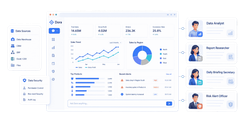
That is where a modern BI foundation and an AI assistant layer start to matter. With FineBI + Dora, business users can ask for analysis in chat, generate chart-based answers or dashboard-style views from trusted BI assets, and receive scheduled summaries before the next meeting. For CSR and sustainability teams, that means disclosures, audit readiness, and operational follow-through can be connected in one practical workflow.
What Is CSR Reporting Software?
CSR reporting software helps organizations collect, validate, manage, analyze, and report corporate social responsibility data across business units, geographies, and reporting cycles. In practical terms, it replaces spreadsheet-heavy coordination with a more structured system for data ownership, approvals, evidence, and reporting outputs.
For enterprise teams, CSR reporting software matters because CSR reporting touches far more than one sustainability department. Finance needs defensible numbers. Legal and compliance teams need traceability. HR may own workforce metrics. Procurement may manage supplier-related indicators. Operations may contribute environmental, safety, or site-level data. Executives need a clear view of progress, risk, and gaps.
A basic reporting tool may help produce charts or templates. Enterprise-grade CSR reporting software must do more:
- Coordinate cross-functional data collection
- Support approval and sign-off workflows
- Preserve audit trails and evidence
- Manage version control across reporting cycles
- Provide dashboards for ongoing performance management
- Adapt to evolving standards and internal governance rules
This is also where the difference between reporting software and an enterprise-grade platform becomes clear. A basic tool can summarize information. CSR reporting software for large organizations must govern the process behind that information.
Why Enterprise CSR Reporting Needs More Than Spreadsheets
Spreadsheets are flexible, but they become risky when CSR reporting expands across departments, entities, and reporting periods.
Spreadsheet Workflows Create Version Confusion
When data owners send files by email, teams often struggle to know which version is final, who approved it, and which source was used in the published report.
Manual Collection Slows the Reporting Cycle
CSR reporting software should reduce the time spent chasing updates, checking missing data, and consolidating different formats from different teams.
Audit Readiness Becomes Harder
CSR data often needs supporting evidence, calculation logic, approval records, and change history. Manual files make that evidence difficult to organize and defend.
Reporting Findings Do Not Always Become Action
Many teams publish a report but fail to follow up on the operational issues behind the numbers. The right CSR reporting software should help connect disclosure, accountability, and performance improvement.
The Three Layers of Enterprise CSR Reporting Software
The right CSR reporting software should connect three layers.
Disclosure
The system should help teams prepare recurring reports, dashboards, and summaries aligned with internal and external reporting expectations.
Accountability
The system should assign owners, approvers, deadlines, evidence requirements, and escalation paths. This keeps CSR reporting from becoming a last-minute coordination scramble.
Performance Improvement
CSR reporting software should help teams track trends, identify gaps, monitor risks, and follow up on corrective actions. That is what turns reporting into management.
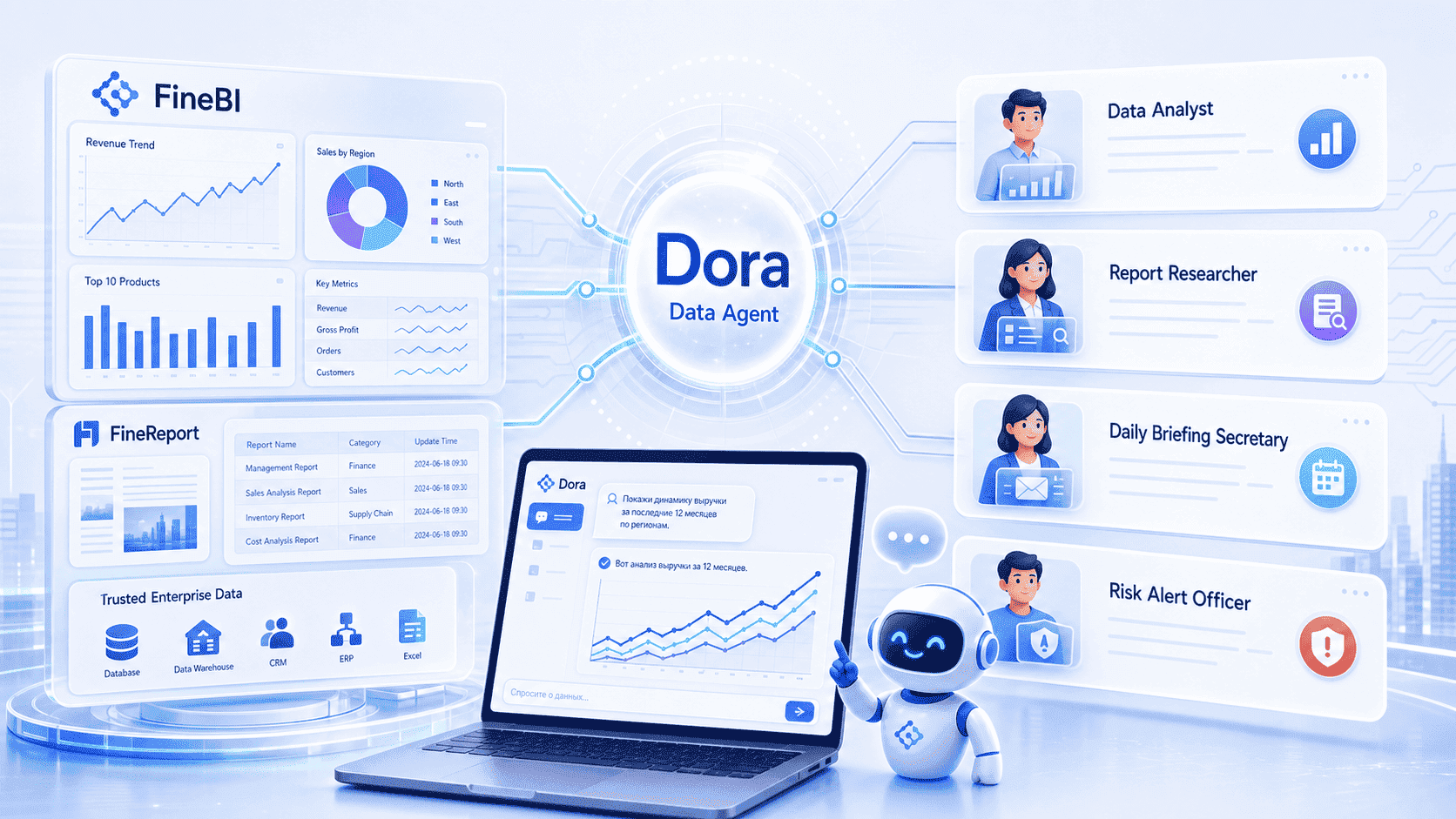
FineBI provides the BI foundation for dashboards, metrics, semantic modeling, and visual exploration. Dora adds an enterprise Data Agent layer so users can interact with trusted assets through natural language, scheduled summaries, and controlled AI workflows.
Key Features to Look For in CSR Reporting Software
Choosing CSR reporting software should start with business reality, not feature checklists alone. The best platform is the one that fits your reporting scope, control requirements, operating model, and long-term data maturity.
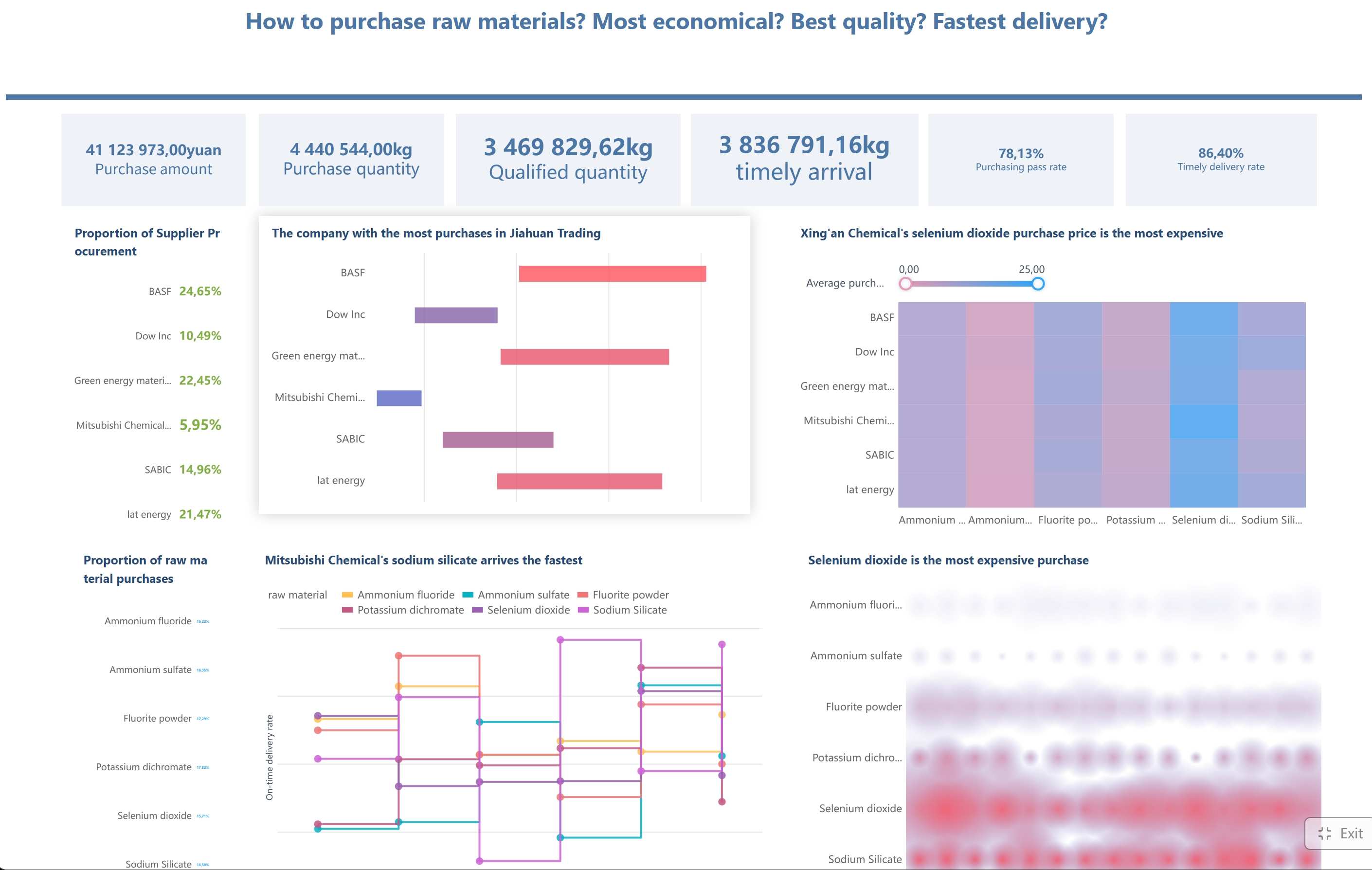
 All reports in this article are built with FineBI.
Data Collection and Integration
CSR reporting software should collect data from the systems and teams that already own the source information. This may include ERP, HRIS, EHS, procurement, finance, supplier management, energy management, survey, and data warehouse environments.
If data must be re-entered repeatedly, quality and adoption will suffer. Good CSR reporting software should reduce manual collection and create a repeatable path from source data to dashboard, approval, and report output.
Metric Definitions and Semantic Governance
Enterprise CSR metrics need consistent definitions. If each department calculates a metric differently, leadership cannot trust the final report.
FineBI can help teams create a governed semantic layer for CSR dashboards and KPI logic. Dora can then answer questions from that trusted layer instead of relying on disconnected files or prompt-only interpretations.
Validation Rules
CSR reporting software should support checks for missing values, duplicate entries, abnormal changes, inconsistent units, and incomplete evidence.
Validation is especially important when many non-technical data owners contribute information during the reporting cycle.
Workflow and Approvals
Most reporting delays happen between people, not inside the final report layout. Look for workflow features such as:
- Task assignment
- Deadline reminders
- Approval routing
- Review comments
- Escalation paths
- Sign-off records
- Exception tracking
The best CSR reporting software makes ownership visible so program leads can see what is complete, what is overdue, and what is blocked.
Evidence and Audit Trail
CSR reporting software should preserve the source evidence behind reported numbers. This includes documents, source records, approval history, version changes, and calculation notes.
The software does not replace assurance work, but it should make audit preparation much easier.
Dashboards and Analytics
CSR reporting should not only support the final disclosure cycle. Teams also need dashboards that show performance throughout the year.
Useful dashboards may include:
- Reporting completion status
- Missing evidence by owner or business unit
- Target progress by CSR theme
- Emissions, energy, workforce, or supplier indicators
- Approval bottlenecks
- Open actions and overdue follow-up
Security and Permissions
CSR reporting often includes sensitive information. The platform should support role-based access, permission boundaries, authentication options, audit logging, and controlled data sharing.
Governance becomes even more important when AI is introduced. AI outputs should respect approved metric definitions and user permissions.
How to Evaluate CSR Reporting Software
Before comparing vendors, define the scope the platform must support.
Ask practical questions such as:
- Which reporting frameworks or disclosure structures do we need to support?
- Which jurisdictions, entities, and business units are in scope?
- Who owns each metric or narrative section?
- Which teams need dashboard access, data-entry access, or approval rights?
- Which workflows need to repeat every month, quarter, or year?
- Which data sources must connect to the reporting process?
In most enterprises, the stakeholder map includes:
- Sustainability teams for framework coordination and performance tracking
- Finance teams for control, assurance alignment, and sign-off rigor
- Legal and compliance teams for governance and defensibility
- HR teams for workforce, DEI, training, and employee engagement data
- Procurement teams for supplier-related CSR metrics
- Operations and EHS teams for site-level environmental or safety indicators
- Executives and board-level stakeholders for summary views and decision support
A strong evaluation process maps these needs early. Otherwise, teams may buy CSR reporting software optimized for one reporting use case but too weak for enterprise-wide workflow coordination.
CSR Reporting Software Scorecard
Use a weighted scorecard so vendor comparison stays tied to business priorities.
| Evaluation area | Suggested weight | What to check |
|---|---|---|
| Reporting scope fit | 20% | Framework support, entity coverage, report output needs |
| Data controls and audit readiness | 20% | Evidence, approvals, version history, audit trail |
| Workflow and accountability | 15% | Owners, reminders, sign-off, escalation, collaboration |
| Analytics and dashboard usability | 15% | KPI dashboards, drill-downs, executive summaries |
| Integration and scalability | 15% | Source systems, data warehouse, multi-entity support |
| Security and vendor support | 15% | Permissions, authentication, support, implementation maturity |
Also separate must-have capabilities from nice-to-have features before demos begin. That prevents the buying team from being distracted by polished interfaces that do not solve core enterprise requirements.
Core Metrics for CSR Reporting Software
A practical way to compare CSR reporting software is to define the KPI framework you need the system to manage. This prevents demos from drifting into generic feature tours.
Reporting Process KPIs
These KPIs show whether the software improves reporting execution itself.
Reporting Completion Rate
Reporting completion rate is the percentage of required data submissions completed by the deadline.
Business value: It reveals whether reporting workflows are working across departments and entities.
AI use: Dora can retrieve completion status by business unit, identify overdue submissions, and include the result in scheduled briefings.
Data Validation Pass Rate
Data validation pass rate is the percentage of submitted records passing validation rules without rework.
Business value: It helps reduce reporting risk and highlights weak data-entry processes.
AI use: Dora can summarize which metrics or teams generate the most validation issues and push follow-up reminders to owners.
Approval Cycle Time
Approval cycle time is the average time required to move data or report sections through review and approval.
Business value: It indicates bottlenecks in governance and sign-off workflows.
AI use: Dora can compare approval times across reporting cycles and produce chart-based answers for management review.
Evidence Coverage Rate
Evidence coverage rate is the percentage of disclosed data points linked to supporting documentation or source records.
Business value: It improves audit readiness and defensibility.
AI use: Dora can flag metrics with missing evidence and generate a risk-focused summary before assurance reviews.
CSR Performance KPIs
These vary by company, but CSR reporting software should support consistent definitions and accountable ownership.
Target Achievement Rate
Target achievement rate is the percentage of CSR or sustainability targets on track or achieved.
Business value: It connects reporting to strategic performance management.
AI use: Dora can retrieve target status by theme, business unit, or region and summarize risk areas in chat.
Incident or Exception Count
Incident or exception count tracks threshold breaches, policy exceptions, or high-risk findings related to CSR governance.
Business value: It supports timely intervention rather than post-period surprises.
AI use: Dora can monitor threshold rules and act as a Risk Alert Officer to push anomaly alerts to responsible owners.
Action Closure Rate
Action closure rate is the percentage of remediation or improvement actions completed by due date.
Business value: It ensures reporting findings turn into operational follow-through.
AI use: Dora can send periodic summaries of overdue actions and provide meeting-ready follow-up notes.
Cross-Functional Participation Rate
Cross-functional participation rate is the percentage of required data owners actively contributing during the reporting cycle.
Business value: It measures adoption and helps identify weak ownership areas.
AI use: Dora can create role-based participation updates for program leads and leadership.
Governance and Assurance KPIs
These metrics matter for enterprise credibility.
Version Control Accuracy
Version control accuracy measures whether approved submissions remain unchanged without undocumented edits.
Business value: It protects report integrity and reduces confusion.
AI use: Dora can retrieve approved version status and summarize change patterns for reviewers.
Assurance Issue Rate
Assurance issue rate tracks issues raised during internal or external assurance review.
Business value: It indicates control quality and readiness maturity.
AI use: Dora can categorize issue patterns and support post-review lessons learned summaries.
Owner Accountability Coverage
Owner accountability coverage is the percentage of disclosed metrics with a defined owner, approver, and escalation path.
Business value: It strengthens governance and operational follow-through.
AI use: Dora can identify ownership gaps and recommend follow-up task routing based on configured workflows.
How an AI Data Agent Supports CSR Reporting Software
In many enterprises, the biggest friction is not building one more CSR dashboard. It is helping sustainability, finance, legal, and operational users get the right answer quickly from trusted reporting assets without manually searching across dashboards, files, and status trackers.
This is where Dora, FanRuan's enterprise Data Agent platform, adds practical value on top of FineBI.
For this CSR reporting software scenario, the most relevant Dora digital employees are:
- Data Analyst digital employee: for natural-language query, dashboard retrieval, and preliminary attribution
- Daily Briefing Secretary: for scheduled reporting summaries and meeting preparation
- Risk Alert Officer: for threshold monitoring, exception detection, and owner notification
- Report Researcher: for structured reporting summaries built from governed BI assets
A CSR Reporting Software Chat Example
A sustainability program lead might ask:
"Show me our current CSR reporting completion rate by region, highlight metrics with missing evidence, and summarize the top approval bottlenecks before next week's steering committee."
Dora can respond with:
- A chart-based answer using trusted FineBI metrics
- A dashboard-style analysis view for regional comparison
- A short written summary of what changed
- A list of missing evidence and overdue approvals
- Recommended next actions based on predefined workflow rules
How Dora Works With FineBI
FineBI provides the trusted dashboard, metric, and semantic foundation. That means KPI definitions, field mappings, filters, business terms, and permission rules are modeled in a governed BI environment rather than improvised in prompts.
Dora then turns that foundation into an AI assistant for execution.
A typical workflow looks like this:
- Retrieve trusted FineBI dashboard or analysis-subject data.
- Understand KPI definitions, filters, business terms, and semantic rules.
- Generate chart-based answers or dashboard-style analysis views through chat.
- Detect abnormal changes or threshold breaches when relevant.
- Push insights, alerts, or suggested actions to responsible users.
- Produce follow-up summaries for meetings or management review.
This AI approach is more enterprise-ready because it keeps CSR reporting software tied to governed data, permissions, reusable Skills, and repeatable workflows.
Benefits of CSR Reporting Software
A strong CSR reporting software platform should deliver practical, measurable operational benefits, including:
- Faster reporting cycles
- Better data consistency and validation
- Stronger traceability and audit readiness
- Improved cross-team coordination
- Clearer accountability for owners and approvers
- Better visibility into trends and exceptions
- More reliable executive and board-level summaries
The most important shift is this: reporting should help drive action, not only disclosure. When reporting data is trusted and visible in dashboards, teams can identify performance gaps earlier, assign ownership faster, and use the reporting cycle to improve outcomes.
With FineBI + Dora, that action layer becomes stronger. FineBI supports the visual and semantic foundation. Dora helps users retrieve insights in chat, receive scheduled summaries, and follow up on exceptions without waiting for manual analysis every time.
CSR Reporting Software Cost Factors
Cost comparisons should go beyond subscription pricing. Enterprise buyers should assess total cost of ownership over multiple reporting periods.
Common cost components include:
- Software licensing or user-based pricing
- Implementation and configuration fees
- Integration work
- Data migration and setup
- Training and onboarding
- Custom workflow or dashboard development
- Internal administration time
- Ongoing support and optimization
A low subscription price can still become expensive if the platform requires heavy manual work, poor adoption, or repeated consultant dependence. A more capable CSR reporting software setup may reduce long-term reporting effort if it improves workflow discipline, dashboard visibility, and reusable reporting assets.
If AI-enabled capabilities are part of the roadmap, buyers should also ask how those capabilities are governed. The right question is not just whether the tool has AI. The better question is whether AI can use trusted metrics, respect permissions, reduce repetitive analysis work, and support stable recurring workflows.
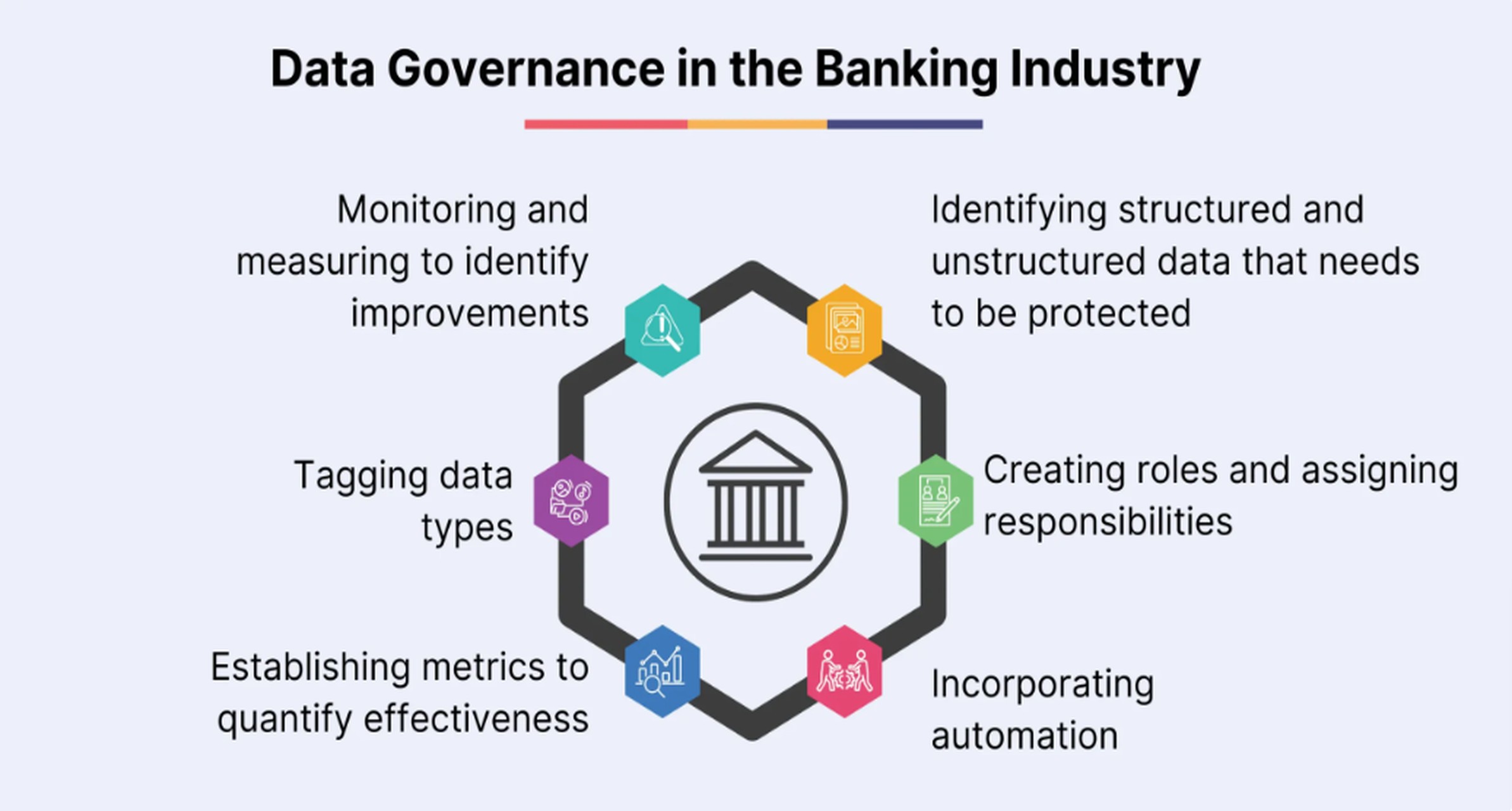
Governance Considerations Before You Choose
Disclosure requirements, internal policies, and assurance expectations change over time. CSR reporting software should be adaptable.
Check whether the platform can support:
- Changing reporting structures and frameworks
- Internal policy updates
- Sign-off governance
- Defensible documentation
- Evidence retention
- Audit and assurance preparation
- Permission-based access to sensitive information
Governance controls matter even more when AI is introduced. AI outputs should respect FineBI access boundaries, approved KPI definitions, and semantic rules. Without that foundation, AI may generate fast answers but not trustworthy ones.
How to Compare Vendors and Build a Shortlist
Demos should be scenario-based. Ask vendors to show your actual reporting process, not a generic product tour.
For example, ask them to demonstrate:
- How a metric is collected from a business owner
- How validation rules catch errors
- How evidence is stored and reviewed
- How an approver signs off
- How a dashboard highlights overdue items
- How leadership sees a summary by region or business unit
Pilot testing is even more valuable. A limited pilot can reveal:
- Implementation effort
- Data reliability
- Workflow fit
- User adoption patterns
- Reporting output quality
- Governance gaps
If AI-assisted analysis is part of your future state, test that too. Ask whether business users can query trusted reporting metrics in natural language, whether the system cites the dashboard or data source used, and whether alerts or periodic summaries can be pushed to owners in a controlled way.
CSR Reporting Software Best Practices
Choosing the right platform is only part of success. Enterprise results depend on how you implement governance, data design, and recurring workflows.
Standardize KPI Definitions and Ownership
If different teams define the same metric differently, no software will fix the problem. Establish clear KPI logic, data owners, frequency rules, and business glossary terms before rollout.
This is also critical for AI readiness. Dora can answer natural-language questions more reliably when FineBI provides a governed semantic layer with trusted metric definitions and synonyms.
Build a Semantic Layer Inside the BI Workflow
Do not treat reporting logic as hidden spreadsheet formulas or tribal knowledge. Put definitions, calculation rules, and reusable analysis subjects into a governed BI foundation.
FineBI is especially valuable here because it turns fragmented source data into trusted dashboards, semantic assets, and reusable metric models that support both human analysis and AI-assisted retrieval.
Treat Data Quality as Part of the AI Implementation
AI is only as reliable as the governed data it sits on. If source data is incomplete, poorly owned, or inconsistently defined, AI outputs will amplify confusion.
Start by improving:
- Source system mapping
- Validation logic
- Ownership clarity
- Evidence management
- Exception handling
Then add Dora for governed AI workflow support over those trusted assets.
Start With High-Value Recurring Workflows
The best early AI and workflow wins come from repeatable, high-friction tasks such as:
- Weekly reporting progress summary
- Missing evidence follow-up
- Overdue approval reminder
- Monthly action closure update
- Pre-meeting KPI briefing
This approach gives faster business value than trying to automate every possible reporting task at once.
Preserve Permission Governance and Human Review
Enterprise reporting contains sensitive information, and governance does not disappear because AI is added. Keep FineBI permission boundaries intact, ensure Dora respects access control, and maintain human review for important report outputs, especially in early rollout phases.
Over time, you can expand Dora Skills and digital employee workflows as data quality, user trust, and operational maturity improve.
FineBI + Dora for CSR Reporting Software
Building this manually is complex. FineBI helps teams build trusted dashboards, metrics, and semantic assets. Dora turns those assets into an AI assistant that can answer questions in chat, generate dashboard-style analysis views, push scheduled summaries, monitor anomalies, and follow up with responsible owners.
For CSR reporting software use cases, that matters because enterprise reporting is not just a publication task. It is an ongoing cycle of data collection, validation, accountability, analysis, exception management, and executive communication.
FineBI + Dora is not only a BI upgrade. It is a practical Agentic BI path. FineBI provides governed metrics and visual analysis. Dora provides the AI assistant layer for scenario execution, with controlled Skills, faster execution paths, and more stable workflows than prompt-only agents.
This combination helps enterprises move from:
- People manually looking for the right dashboard
- To people asking for trusted analysis in chat
It also helps enterprises move from:
- Reporting teams chasing updates through email and spreadsheets
- To AI digital employees supporting summaries, alerts, follow-up, and meeting preparation on top of governed BI assets
For executives, the value is concrete scenario ROI. Dora is not an AI experiment. It is a landed digital employee for recurring data work such as reporting readiness briefing, evidence gap follow-up, approval bottleneck review, risk alerting, and periodic management summary.
For IT teams, the role shifts from building every one-off request to strengthening data connections, semantic rules, permission governance, and reusable agent Skills that make enterprise AI more controllable.
For business users, the benefit is lower friction. They can get timely metrics, chat-based answers, scheduled summaries, and exception pushes without waiting for analysts or searching through dashboards.
Choosing the Best CSR Reporting Software for Long-Term Impact
The best CSR reporting software is the one teams actually use throughout the year, not only during reporting season. Adoption depends on clear ownership, practical workflows, accessible dashboards, and support for recurring tasks.
A strong system should help the organization move from "we reported it" to "we acted on it."
Implementation Checklist
Before selecting or implementing CSR reporting software, confirm:
- Reporting scope and stakeholder roles are clear.
- Data ownership is defined.
- KPI definitions and calculation rules are documented.
- Required data sources are mapped.
- Validation rules are in place.
- Approval workflows match real operating responsibilities.
- Evidence requirements are clear.
- Dashboards support both leadership review and operational follow-up.
- Security and permission requirements are satisfied.
- AI-assisted summaries use governed data and human review.
In practice, the best long-term choice is rarely the flashiest demo. It is the CSR reporting software setup that gives you trusted data, governed workflows, scalable analytics, and practical follow-through.
For enterprises that need both reporting discipline and AI-enabled execution, FineBI + Dora offers a pragmatic path: trusted BI foundations first, then a governed AI assistant layer that helps teams ask, analyze, summarize, alert, and follow up with far less friction.
Conclusion: From CSR Reporting Software to CSR Intelligence
CSR reporting software should help enterprises do more than publish a report. It should help them collect trusted data, govern ownership, prepare for assurance, answer leadership questions, and close the loop on improvement actions.
As CSR reporting becomes more data-intensive and cross-functional, static files and one-off dashboards are not enough. Enterprises need a governed reporting foundation and a repeatable workflow for turning data into decisions.
With FineBI as the BI foundation and Dora as the AI Data Agent layer, teams can move from manual CSR reporting to proactive CSR intelligence.
FAQs
What is CSR reporting software used for?
CSR reporting software helps organizations collect, validate, manage, analyze, and report corporate social responsibility and sustainability data across departments, entities, and reporting cycles.
How do I choose the right CSR reporting software?
Start with your reporting scope, stakeholder roles, data sources, and governance requirements. Then evaluate workflow support, audit readiness, integration capabilities, dashboard usability, scalability, security, and vendor support.
What features matter most in CSR reporting software?
Important features include structured data collection, validation rules, approval workflows, evidence storage, version history, role-based access, audit-ready records, dashboards, and automated reporting.
Can CSR reporting software help with audit readiness?
Yes. Good CSR reporting software improves audit readiness by organizing source data, evidence, approvals, and change history in one governed system. It does not replace assurance work, but it makes traceability and review preparation easier.
Why is AI useful in CSR reporting software?
AI can help teams ask questions in natural language, summarize reporting progress, detect evidence gaps, monitor exceptions, send reminders, and prepare management briefings based on governed data.
How do FineBI and Dora support CSR reporting software?
FineBI provides governed dashboards, metrics, and semantic models. Dora adds an AI Data Agent layer for chat-based analysis, scheduled summaries, threshold monitoring, alerts, and follow-up workflows.