
Call center reporting is not just a back-office reporting task. For operations directors, it is the system that turns queue pressure, agent capacity, and customer outcomes into daily decisions about staffing, routing, coaching, and service recovery.
The challenge is that most teams already have data, but not enough operational clarity. One screen shows wait times, another shows agent status, another shows QA scores, and a separate spreadsheet tracks escalations. That fragmentation slows action when service levels start slipping.
Strong call center reporting brings those signals into one governed view. It helps supervisors and leaders see what is happening now, why performance is changing, and which action should happen next.
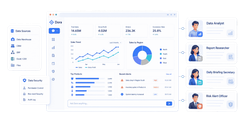
With FineBI + Dora, business users can ask for analysis in chat, generate chart-based answers or dashboard-style views from trusted BI assets, and receive scheduled summaries before the next meeting. FineBI provides the governed dashboard and metric foundation. Dora adds the enterprise Data Agent layer, so supervisors, workforce managers, and operations leaders can move faster with chat-based analysis, timely alerts, and follow-up.
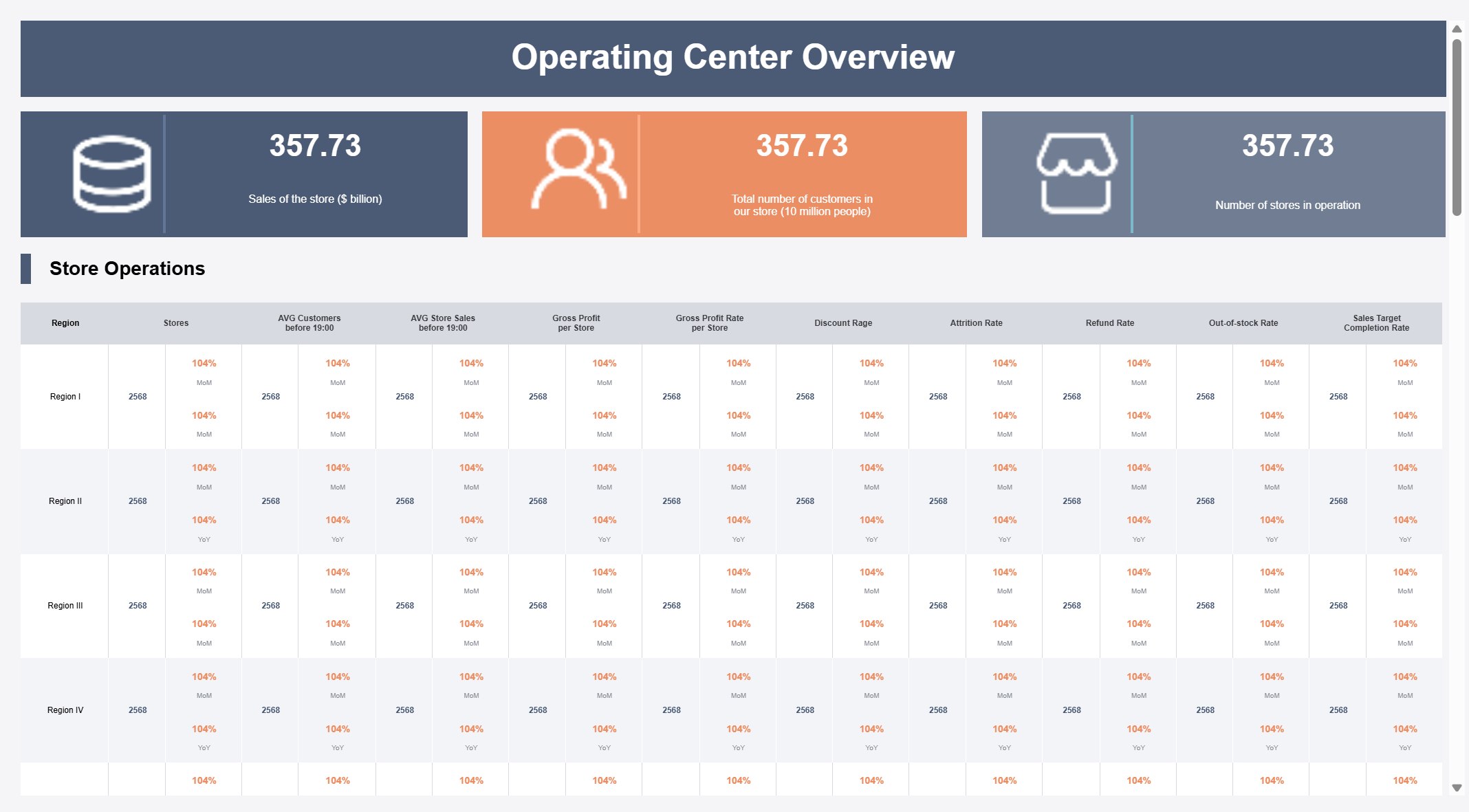
What Is Call Center Reporting?
Call center reporting is the structured tracking and presentation of operational KPIs that show what is happening in the contact center right now, during the shift, and over time. It is narrower and more action-oriented than broad analytics, and it is different from workforce management alone.
A practical call center reporting system should answer questions such as:
- How many calls are waiting right now?
- Is service level on track this hour?
- Which queues are overloaded?
- Which teams are driving transfers or repeat contacts?
- Where do supervisors need to intervene today?
Call center reporting is the daily operating layer for contact center decisions. It gives leaders a shared view of queue pressure, staffing execution, service quality, and customer outcomes.
Call Center Reporting vs. Analytics vs. Workforce Management
These three areas are closely related, but they are not the same.
Call Center Reporting
Call center reporting focuses on operational visibility. It tracks KPIs, exceptions, trends, and status updates that help supervisors and operations leaders make decisions during the day.
Call Center Analytics
Call center analytics goes deeper into trends, patterns, root causes, and optimization opportunities. It often includes historical analysis, segmentation, forecasting, and comparisons across periods, teams, channels, or customer groups.
Workforce Management
Workforce management focuses on forecasting, scheduling, staffing plans, adherence, and capacity allocation. Reporting tells leaders what is happening. Workforce management helps decide how labor should be planned and deployed.
For operations directors, all three matter. But call center reporting is the layer that supports intraday decisions and immediate response.
Why Call Center Reporting Matters for Daily Decisions
When call center reporting is designed well, it gives operations leaders a clear answer to one practical question: what needs attention now, and who should act?
That matters because contact centers face constant operational shifts:
- Demand spikes by hour or channel
- Localized queue congestion
- Agent adherence problems
- Call handling bottlenecks
- Quality deterioration hidden behind acceptable average handle time
- Customer experience decline caused by repeat contacts or escalations
Without reliable call center reporting, operations teams react late. They either overcorrect based on anecdotes or miss service failures until end-of-day reviews.
Good call center reporting helps leaders:
- Protect service level during demand swings
- Rebalance staffing across queues or skills
- Separate true staffing issues from routing or coaching issues
- Spot quality risks before they become customer complaints
- Align supervisors, workforce managers, and executives on the same operational picture
Core Data Sources for Call Center Reporting
A useful call center reporting model usually combines several data sources. The exact stack varies, but operations directors typically need data from:
- ACD or telephony platform: call volume, queue time, abandonment, service level, talk time, hold time, transfer activity
- CRM or ticketing system: case status, customer type, issue category, repeat contact, escalation outcome
- Workforce management system: schedule, adherence, occupancy assumptions, staffing plans, shrinkage
- QA system: quality scores, compliance checks, evaluation categories, coaching observations
- Survey or VoC tools: CSAT, complaints, feedback tags, post-contact experience
- Digital channel platforms: chat, email, messaging, and blended workload where relevant
 All reports in this article are built with FineBI
FineBI is well suited to unify these sources into a governed call center reporting model. It helps operations teams build trusted dashboards, metric logic, and semantic definitions so everyone sees the same version of service level, handle time, occupancy, and first contact resolution. Dora can then sit on top of that trusted layer as an AI assistant, turning operational data into chat-based answers, summaries, alerts, and follow-up actions.
What a Good Call Center Reporting Dashboard Should Include
A good call center reporting dashboard should not try to show everything. It should show the KPI groups that help leaders make better staffing, routing, coaching, and service decisions.
The most useful dashboard structure usually includes three layers:
- Queue and service level metrics
- Agent performance and productivity metrics
- Quality and customer outcome metrics
This structure keeps call center reporting balanced. It prevents teams from focusing only on speed while ignoring quality, repeat contacts, or customer satisfaction.
Queue and Service Level Metrics
Queue metrics are the first layer of call center reporting because they show operational pressure as it forms.
Call Volume
Call volume is the total number of inbound contacts entering the queue during a period.
Business value: It shows current and expected demand by interval, queue, channel, or campaign.
AI use: Dora can retrieve call volume by hour, compare it with forecast or historical baselines, and include sudden spikes in scheduled operational briefings.
Abandonment Rate
Abandonment rate is the percentage of customers who disconnect before reaching an agent.
Business value: It reveals unmet demand and customer friction. Rising abandonment often signals immediate service failure.
AI use: Dora can detect when abandonment exceeds a threshold, summarize affected queues, and push alerts to the responsible supervisor or workforce owner.
Average Speed of Answer
Average speed of answer, or ASA, is the average time customers wait before connecting to an agent.
Business value: It indicates responsiveness and is a core input into service level performance.
AI use: Dora can answer chat questions such as "Which queues had the highest ASA this morning?" and generate a chart-based answer from FineBI assets.
Service Level
Service level is the percentage of contacts answered within a defined target, such as 80% in 20 seconds.
Business value: It is often the core operational SLA metric for daily call center reporting.
AI use: Dora can retrieve current service level, compare it with target and prior periods, and send periodic summaries to managers before shift reviews.
Longest Wait Time
Longest wait time is the maximum time any current customer has been waiting in queue.
Business value: It helps identify live service risk that averages may hide.
AI use: Dora can flag outlier wait situations, especially in specialist queues where small backlogs can become severe quickly.
These metrics reveal immediate pressure points:
- Demand surges by time block
- Queues where staffing does not match volume
- Routing imbalances across skill groups
- Early signs of service failure before the full-day average masks the issue
A FineBI dashboard for this layer should include a headline KPI strip, intraday trend chart, queue breakdown, and a risk view showing threshold breaches. Dora can then help users ask follow-up questions in plain language instead of manually drilling through multiple tabs.
Agent Performance and Productivity Metrics
Operations directors also need call center reporting that shows how agent activity relates to queue performance and customer outcomes.
Occupancy
Occupancy is the percentage of logged-in time agents spend handling or being available for work versus idle time.
Business value: High occupancy may indicate overload and burnout risk. Low occupancy may indicate overstaffing or poor routing.
AI use: Dora can compare occupancy by team and shift, detect sustained overload, and include recommendations for workload review in a briefing.
Adherence
Adherence shows whether agents follow their assigned schedules.
Business value: Low adherence can create hidden understaffing even when planned headcount looks sufficient.
AI use: Dora can summarize adherence exceptions by team lead and connect them to service level dips during the same intervals.
Average Handle Time
Average handle time, or AHT, is the average total time spent on customer interactions, including talk, hold, and wrap-up where defined.
Business value: AHT helps monitor efficiency, but it should never be used alone.
AI use: Dora can retrieve AHT by queue, issue type, or team and compare it with transfer rate, repeat contacts, and QA score to avoid misleading conclusions.
After-Call Work
After-call work, or ACW, is the time spent completing post-call tasks after the interaction ends.
Business value: High ACW may indicate process friction, system complexity, or documentation burden.
AI use: Dora can identify teams with growing ACW and surface whether the likely issue is process-related rather than purely performance-related.
Transfer Rate
Transfer rate is the percentage of contacts transferred to another agent, queue, or department.
Business value: High transfer rates may indicate poor routing logic, skill gaps, or fragmented ownership.
AI use: Dora can pull transfer rate trends and correlate them with issue type or queue so leaders can separate routing design problems from coaching needs.
Schedule Compliance
Schedule compliance measures broader compliance with planned work patterns, breaks, and staffing design.
Business value: It supports accurate capacity management and more realistic staffing control.
AI use: Dora can generate a daily exception summary for workforce managers and supervisors before the first review meeting.
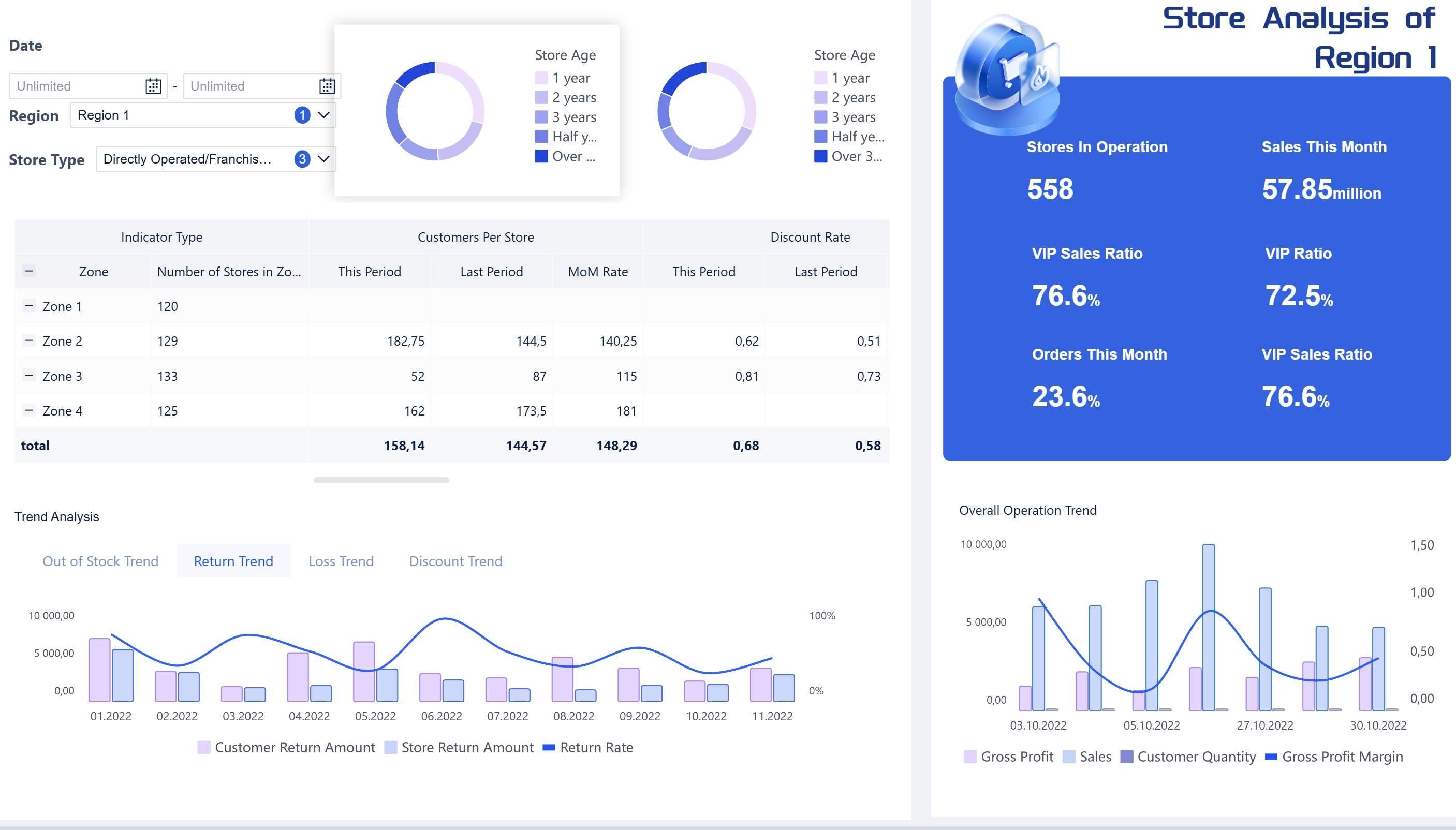 All reports in this article are built with FineBI
The key is to avoid blaming agents for problems caused by process, routing, policy, or system friction. For example:
- Rising AHT plus low QA and high transfer rate may indicate a coaching issue.
- Rising AHT plus stable QA and high ACW may point to process complexity.
- Poor service level plus weak adherence may be a workforce execution issue.
- Poor service level plus good adherence but queue imbalance may be a routing issue.
This is where trusted semantic modeling in FineBI matters. If handle time, occupancy, adherence, and transfer logic are defined consistently, Dora can answer questions in a governed way rather than producing inconsistent interpretations from raw tables.
Quality and Customer Outcome Metrics
A dashboard focused only on speed can create the wrong behavior. Call center reporting should balance efficiency with customer outcome and service quality.
First Contact Resolution
First contact resolution, or FCR, is the percentage of customer issues resolved without repeat contact within the defined period.
Business value: Strong FCR lowers repeat demand, reduces cost, and improves customer experience.
AI use: Dora can retrieve FCR by team, queue, or issue type and include emerging risk segments in weekly management summaries.
Customer Satisfaction
Customer satisfaction, or CSAT, reflects customer-reported satisfaction after an interaction or issue resolution.
Business value: CSAT shows whether operational performance is creating a positive customer experience.
AI use: Dora can summarize CSAT movement alongside service and quality metrics to show tradeoffs between speed and satisfaction.
Quality Assurance Score
Quality assurance score is based on defined quality standards, compliance, empathy, accuracy, and process adherence.
Business value: It ensures operational efficiency does not come at the cost of poor execution or regulatory risk.
AI use: Dora can answer questions like "Which teams had declining QA scores with stable AHT?" and return a chart-based view for analysis.
Repeat Contacts
Repeat contacts are follow-up contacts about the same issue within a specified timeframe.
Business value: They signal unresolved issues, poor handoffs, or misleading short-term performance gains.
AI use: Dora can detect repeat-contact increases by issue type and push that insight to operations and process owners.
Escalation Rate
Escalation rate is the percentage of interactions escalated to specialist teams, supervisors, or external resolution paths.
Business value: It highlights process gaps, skill limitations, and customer dissatisfaction risk.
AI use: Dora can monitor escalation thresholds and notify the right owner when rates breach expected ranges.
These metrics prevent operations teams from over-optimizing for queue speed at the expense of customer trust and long-term efficiency.
How to Turn Call Center Reporting Into Daily Decisions
Queue data matters only when it drives action. Operations directors need call center reporting logic that connects thresholds, timing, and ownership.
Use Threshold-Based Alerts
Thresholds translate KPI movement into operational response. Instead of waiting for someone to notice a problem, the call center reporting system should surface exceptions automatically.
Common thresholds include:
- Wait time exceeds target for a defined interval
- Abandonment rate rises above threshold
- Backlog crosses queue-specific tolerance
- Occupancy remains too high for too long
- Adherence drops below acceptable levels
- Transfer rate or escalation rate spikes unexpectedly
Each threshold should have a named owner and a clear response. For example:
- Service level breach: workforce manager reviews staffing reallocation
- Longest wait breach: supervisor pauses non-urgent offline work
- Occupancy overload: operations lead shifts support capacity or adjusts routing
- Transfer spike: process owner reviews routing logic or knowledge gap
- Quality drop: team lead starts targeted coaching review
FineBI can visualize threshold status clearly in dashboards. Dora adds the governed AI workflow layer: it can monitor the trusted metrics, summarize what changed, identify the affected queues, and push alerts or follow-up notes to the right people.
Match Reporting Views to Decision Cadence
Different call center reporting layers support different decisions.
Intraday dashboards support intervention during the shift. They should focus on:
- Live queue volume
- Service level by interval
- Longest wait
- Occupancy
- Adherence exceptions
- Immediate queue risk
Daily summaries support shift reviews and next-day planning. They should focus on:
- Day performance versus target
- Root exceptions by queue or team
- Unresolved backlogs
- FCR and transfer patterns
- Quality or customer experience risk
Weekly reports support pattern recognition and improvement planning. They should focus on:
- Trend lines by queue, daypart, and issue type
- Recurring staffing mismatches
- Persistent transfer or escalation drivers
- Coaching themes
- Process improvement priorities
Each audience needs a different view:
- Frontline supervisors need fast operational visibility.
- Workforce managers need staffing and adherence context.
- Senior operations leaders need an executive summary with risk and action status.
Dora is especially useful here because it can convert the same FineBI metric foundation into different delivery formats: chat responses, scheduled briefings, exception summaries, and management-ready follow-up.
Build a Decision Playbook for Common Call Center Scenarios
A call center reporting dashboard becomes far more valuable when it is connected to predefined operating plays.
Common scenarios include:
- Understaffing in a priority queue
- Unexpected demand surges after a campaign, outage, or billing cycle
- Low adherence concentrated in one team or shift
- High transfers caused by routing or knowledge gaps
- Quality drops hidden behind acceptable speed metrics
For each scenario, define:
- The KPIs that confirm the issue
- The decision owner
- The immediate next step
- The escalation path if the issue persists
| Scenario | Primary KPIs | Likely Owner | Typical Next Step |
|---|---|---|---|
| Understaffing | Service level, ASA, occupancy, longest wait | Workforce manager | Reallocate coverage, change break timing, activate backup staffing |
| Demand surge | Call volume, backlog, abandonment | Operations director | Prioritize queues, trigger surge plan, notify supervisors |
| Low adherence | Adherence, service level by team, shrinkage | Supervisor + WFM | Investigate absence or offline patterns, reinforce schedule controls |
| High transfers | Transfer rate, AHT, FCR, queue destination | Operations + process owner | Review routing rules, knowledge gaps, escalation logic |
| Quality decline | QA score, repeat contact, CSAT, escalation | QA leader + team lead | Start targeted coaching, process review, script adjustment |
This is where call center reporting stops being passive and becomes operational infrastructure.
How an AI Data Agent Supports Call Center Reporting
For operations directors, the most relevant Dora digital employees in call center reporting are the Data Analyst digital employee, Daily Briefing Secretary, and Risk Alert Officer.
FineBI provides the trusted dashboard, governed metric definitions, semantic rules, and permission model. Dora sits on top of those assets to help operations teams ask questions in natural language, retrieve dashboard-based answers, monitor thresholds, generate summaries, and follow up with the right owners.
A Call Center Reporting Chat Example
An operations director might ask:
"Show me today's call center reporting summary by queue: service level, abandonment rate, longest wait time, occupancy, and the top three risk teams. Compare with the same day last week and tell me what needs action before the afternoon shift."
Dora can respond with:
- A chart-based answer using trusted FineBI metrics
- A dashboard-style analysis view for queue comparison
- A short written summary of what changed
- A list of exception thresholds triggered
- Recommended next actions based on predefined workflow rules
The AI Workflow Behind the Response
Here is a practical Dora workflow for call center reporting:
- Retrieve trusted FineBI dashboard or analysis-subject data.
- Understand KPI definitions, filters, business terms, and semantic rules.
- Generate chart-based answers or dashboard-style analysis views through chat.
- Detect abnormal changes or threshold breaches.
- Push insights, alerts, or suggested actions to responsible users.
- Produce follow-up summaries for meetings or management review.
Dora Digital Employee Roles for Call Center Reporting
Depending on the maturity of the reporting workflow, Dora can be positioned as:
- Data Analyst digital employee: for natural-language data query, dashboard retrieval, and quick follow-up analysis
- Daily Briefing Secretary: for scheduled daily performance summaries before shift reviews or operations meetings
- Risk Alert Officer: for threshold monitoring, anomaly detection, owner notification, and follow-up reminders
- Report Researcher: for producing structured weekly or monthly operational review packs from dashboards and templates
FineBI + Dora for Call Center Reporting

FineBI gives operations teams the governed BI foundation for call center reporting. It can connect queue, agent, QA, customer feedback, workforce, and CRM data into dashboards that use consistent metric definitions.
Dora adds the AI layer. It helps teams ask questions, receive chart-based answers, monitor threshold breaches, generate scheduled summaries, and follow up with responsible owners.
Together, FineBI + Dora help call center teams move from fragmented dashboards to proactive operational intelligence.
Call Center Reporting Checklist
Use this checklist before building or improving a call center reporting system:
- Have you defined service level, ASA, AHT, occupancy, FCR, and abandonment rate consistently?
- Have you connected queue, agent, QA, workforce, CRM, and customer feedback data?
- Does each dashboard view match a real decision cadence?
- Are intraday alerts tied to named owners?
- Can supervisors identify what needs action now?
- Can executives see risk, trend, and action status without manual interpretation?
- Can recurring reports be automated?
- Are AI-generated summaries based on governed data?
Conclusion: From Call Center Reporting to Operational Intelligence
Call center reporting is no longer just about collecting KPI snapshots. It is about helping operations leaders understand demand, capacity, execution, and customer outcomes in time to act.
The strongest call center reporting setup combines trusted data, clear metric definitions, dashboard visibility, threshold alerts, and repeatable AI-assisted workflows. FineBI provides the governed BI foundation. Dora turns that foundation into chat-based analysis, scheduled briefings, alerts, and follow-up.
That is how call center reporting becomes a practical operating system for better service levels, stronger agent coaching, and more consistent customer experience.
FAQs
What is call center reporting?
Call center reporting is the process of tracking and presenting contact center KPIs such as call volume, service level, abandonment rate, average speed of answer, AHT, occupancy, FCR, QA score, and CSAT.
Why is call center reporting important?
Call center reporting helps supervisors and operations leaders make daily decisions about staffing, routing, service recovery, coaching, and customer experience.
What should a call center reporting dashboard include?
A call center reporting dashboard should include queue metrics, service level metrics, agent productivity metrics, quality metrics, and customer outcome metrics. It should also show threshold breaches and action ownership.
What is the difference between call center reporting and call center analytics?
Call center reporting shows operational performance and exceptions. Call center analytics goes deeper into trends, root causes, segmentation, and optimization opportunities.
How can AI improve call center reporting?
AI can summarize performance, answer natural-language questions, detect anomalies, push alerts, generate scheduled briefings, and recommend next actions based on governed dashboard data.
How do FineBI and Dora support call center reporting?
FineBI provides governed dashboards, metric definitions, and data models. Dora adds an AI Data Agent layer for chat-based analysis, automated summaries, threshold monitoring, alerts, and follow-up workflows.