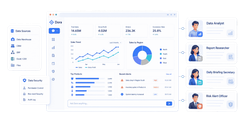
Compliance reporting is the structured process organizations use to prove they are following applicable laws, regulations, standards, and internal policies. For compliance leaders, IT managers, finance teams, HR directors, and operations executives, the business value is straightforward: strong compliance reporting reduces regulatory risk, speeds up audits, improves accountability, and turns fragmented evidence into defensible, audit-ready records.
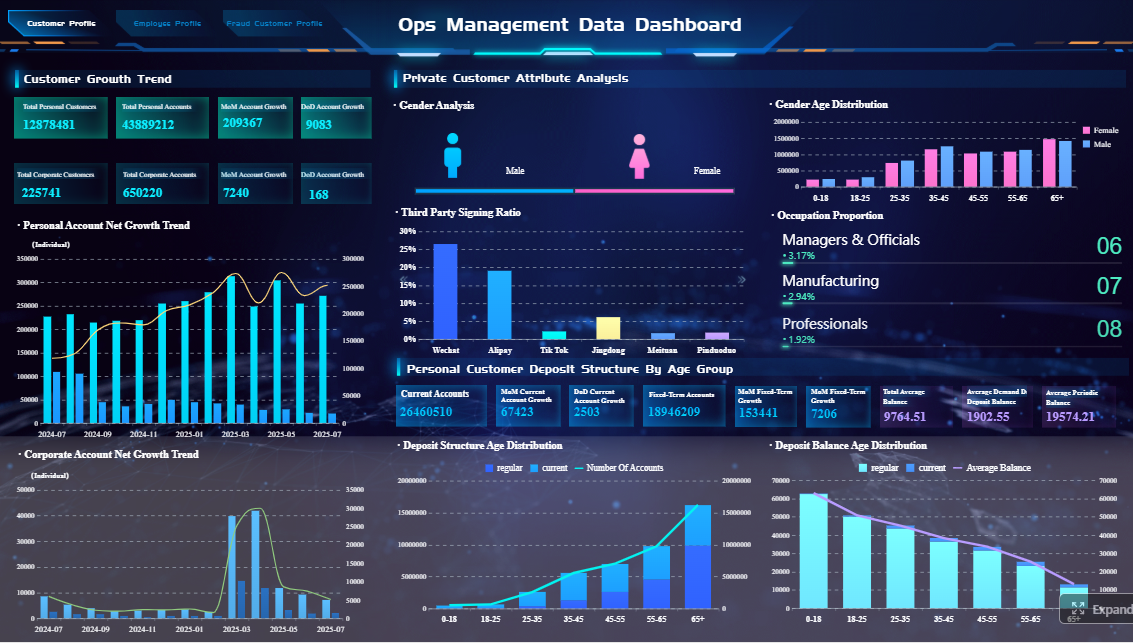 Click To Try The Dashboard
All reports in this article are built with FineReport
Compliance reporting explained: definition, purpose, and business value
In plain language, compliance reporting is how an organization documents that it is meeting required obligations. Those obligations may come from external sources such as regulators, industry frameworks, and statutory requirements, or from internal sources such as company policies, training mandates, approval workflows, and control standards. A compliance report usually combines data, narratives, exception details, evidence, and approvals into one format that internal stakeholders, auditors, or regulators can review.
This matters because compliance is rarely judged by intent alone. Enterprise teams must show what controls exist, whether they operated as designed, who reviewed the results, what exceptions were found, and how issues were remediated. Without reliable reporting, even a well-run compliance program can appear weak under audit.
The business value goes beyond avoiding penalties. Effective compliance reporting supports:
- Transparency: Leaders can see the true compliance posture across entities, regions, departments, and frameworks.
- Risk reduction: Repeated failures, control gaps, and overdue remediation become visible before they become regulatory events.
- Accountability: Report ownership, review checkpoints, approvals, and action items are clearly assigned.
- Audit preparedness: Evidence is organized in a way that internal audit, external auditors, and regulators can trace.
- Operational discipline: Teams stop relying on scattered spreadsheets, inbox approvals, and last-minute evidence gathering.
Key Metrics (KPIs) for compliance reporting
To make compliance reporting useful, enterprise teams should track a consistent set of KPIs:
- Control Effectiveness Rate: Percentage of controls operating as intended during the reporting period.
- Open Findings Count: Number of unresolved compliance issues, audit findings, or control exceptions.
- Remediation Closure Time: Average time required to resolve a compliance issue after identification.
- Policy Attestation Completion Rate: Share of employees or managers who completed required acknowledgments.
- Mandatory Training Completion Rate: Percentage of the target population that completed required compliance training on time.
- Exception Rate: Proportion of tests, transactions, or activities that failed policy or regulatory checks.
- On-Time Filing Rate: Percentage of required reports or submissions delivered by the regulatory deadline.
- Evidence Completeness Score: Degree to which required supporting records are attached, current, and reviewable.
- Repeat Issue Rate: Frequency of issues recurring after prior remediation.
- Audit Readiness Status: A summary indicator showing whether key reports, controls, and evidence are ready for inspection.
How compliance reporting differs from other reporting types
Many teams confuse compliance reporting with broader business reporting. The distinction matters.
Compliance reporting is designed to demonstrate adherence. It focuses on obligations, controls, evidence, exceptions, and defensibility.
By contrast:
- General business reporting focuses on performance outcomes such as revenue, productivity, utilization, and service levels.
- Financial reporting focuses on the accuracy and disclosure of financial information under accounting standards and statutory obligations.
- One-time regulatory filings are specific submissions required by an authority, while compliance reporting is broader and often continuous, supporting ongoing oversight and readiness.
A useful way to think about it: a sales dashboard tells you what happened, but a compliance report must also prove that what happened met required standards and can withstand scrutiny.
Who owns compliance reporting across the organization
Compliance reporting is never owned by one department alone. In large organizations, it is a coordinated operating model that requires subject matter input, data stewardship, review discipline, and executive oversight.
The compliance function usually defines reporting requirements, monitors obligations, tracks findings, and coordinates issue management. But other functions contribute critical inputs:
- Legal interprets laws, regulations, and disclosure requirements.
- Risk aligns reporting with risk assessments, control frameworks, and escalation thresholds.
- Finance supports statutory reporting, control certifications, and audit documentation.
- HR provides training, policy attestation, misconduct, and workforce conduct data.
- IT supports source systems, data pipelines, access controls, and reporting infrastructure.
- Security contributes incident records, access reviews, vulnerability management results, and cyber control evidence.
- Business unit leaders validate frontline execution, local controls, corrective actions, and operational exceptions.
The role of executive sponsors
Executive sponsors give compliance reporting its authority. Without executive backing, reporting becomes a checklist exercise rather than a governance mechanism.
Senior leaders and steering committees typically:
- Set expectations for reporting quality and cadence
- Approve key controls and policy standards
- Review major exceptions and overdue remediation
- Escalate unresolved issues
- Decide how to respond to findings with operational, legal, or financial impact
Where executive sponsorship is strong, compliance reports are used to drive decisions. Where it is weak, reports often become backward-looking documents produced only to satisfy audit requests.
How audit and regulators interact with reporting workflows
Internal audit, external auditors, and regulators all rely on compliance reporting, but they use it differently.
- Internal audit tests whether controls are designed appropriately and operating effectively. They often request traceable evidence, prior-period changes, and issue closure proof.
- External auditors focus on specific control environments, attestations, and financial or statutory implications.
- Regulators may require recurring submissions, incident notifications, corrective action updates, or evidence that the organization is actively monitoring compliance obligations.
This means reporting workflows must support not just data aggregation, but also traceability, version history, approval records, and retention controls.
Common types of compliance reports enterprise teams produce
Enterprise compliance programs usually produce several report types, each serving a different audience and evidence standard.
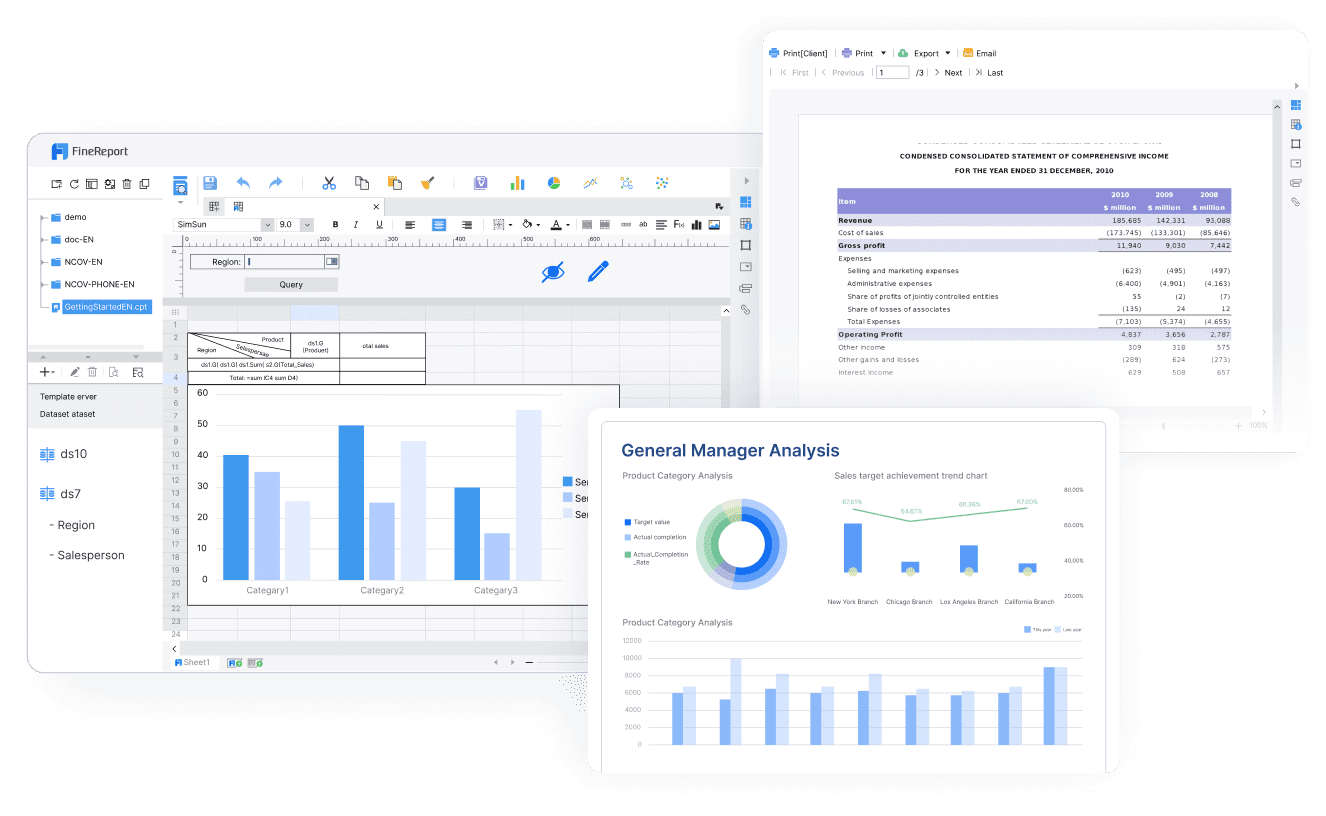
Regulatory and statutory reports
These are recurring reports submitted to government agencies, market regulators, or industry bodies. They are often time-sensitive, format-specific, and subject to strict validation rules.
Examples include:
- Regulatory disclosures and recurring filings
- Industry-specific safety or quality submissions
- Privacy breach notifications
- Environmental, labor, or operational compliance updates
- Market, tax, or sector-specific statutory statements
For these reports, the key operational challenge is not just compiling data. It is ensuring the data matches the required scope, period, definitions, and submission format.
Internal control and policy compliance reports
These reports show whether the organization is following its own standards and whether controls are being performed as required. They are often reviewed by management, compliance committees, and internal audit.
Typical content includes:
- Control test results
- Segregation of duties exceptions
- Policy acknowledgment status
- Mandatory training completion
- Remediation plans and overdue actions
- Department-level compliance scores
These reports are especially useful because they reveal operational slippage before it becomes a regulatory problem.
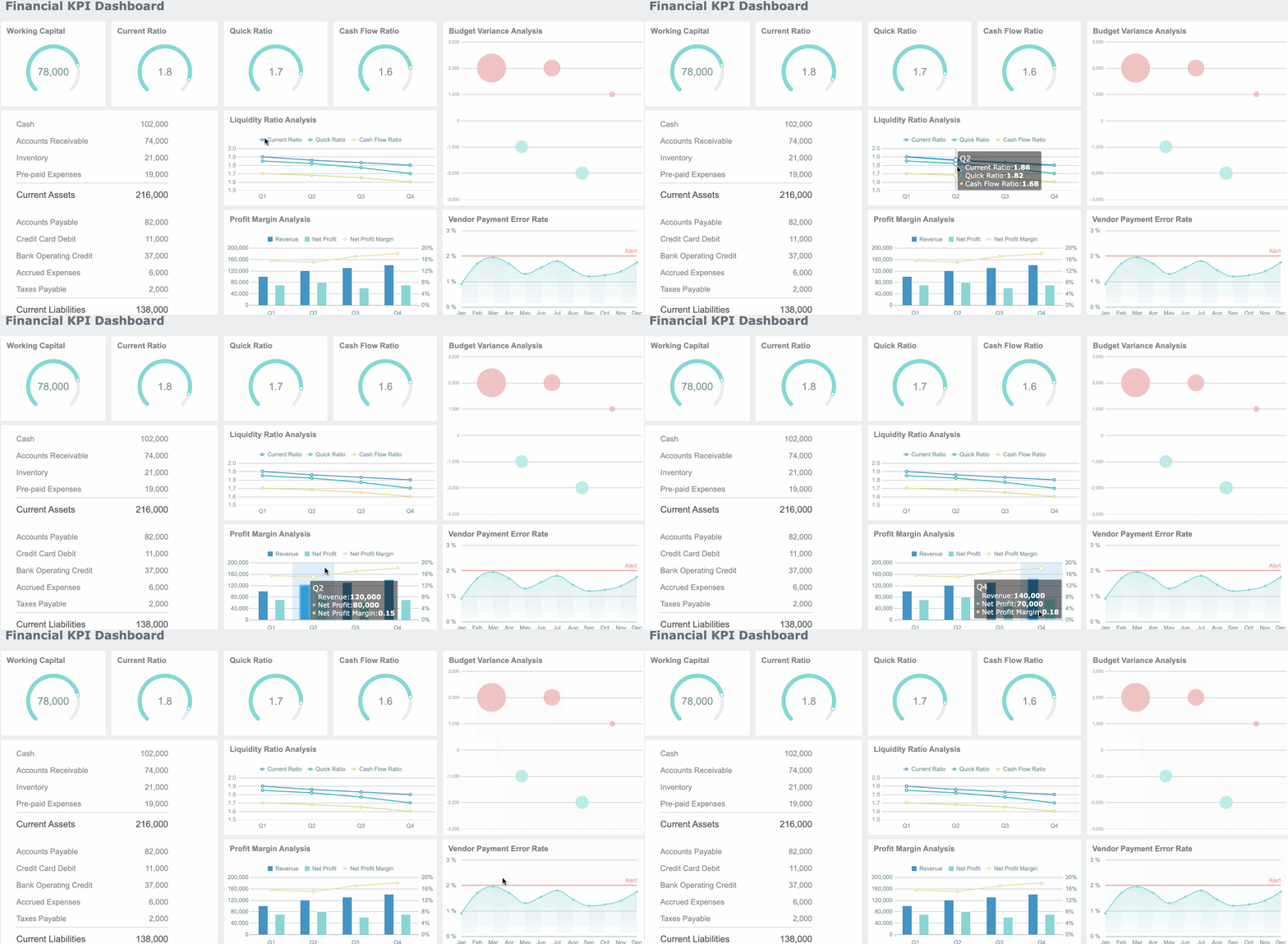
Audit support and evidence-based reports
These reports are built to make audits smoother. Their purpose is to organize supporting documentation in a format that reviewers can follow quickly and confidently.
They often include:
- Control descriptions and owners
- Testing dates and methods
- Evidence links and document references
- Exception logs
- Approval trails
- Sign-off records
- Retention details
A good audit support report does not overwhelm the reviewer with volume. It presents the exact evidence needed to validate a conclusion.
Ethics, incident, and hotline-related reports
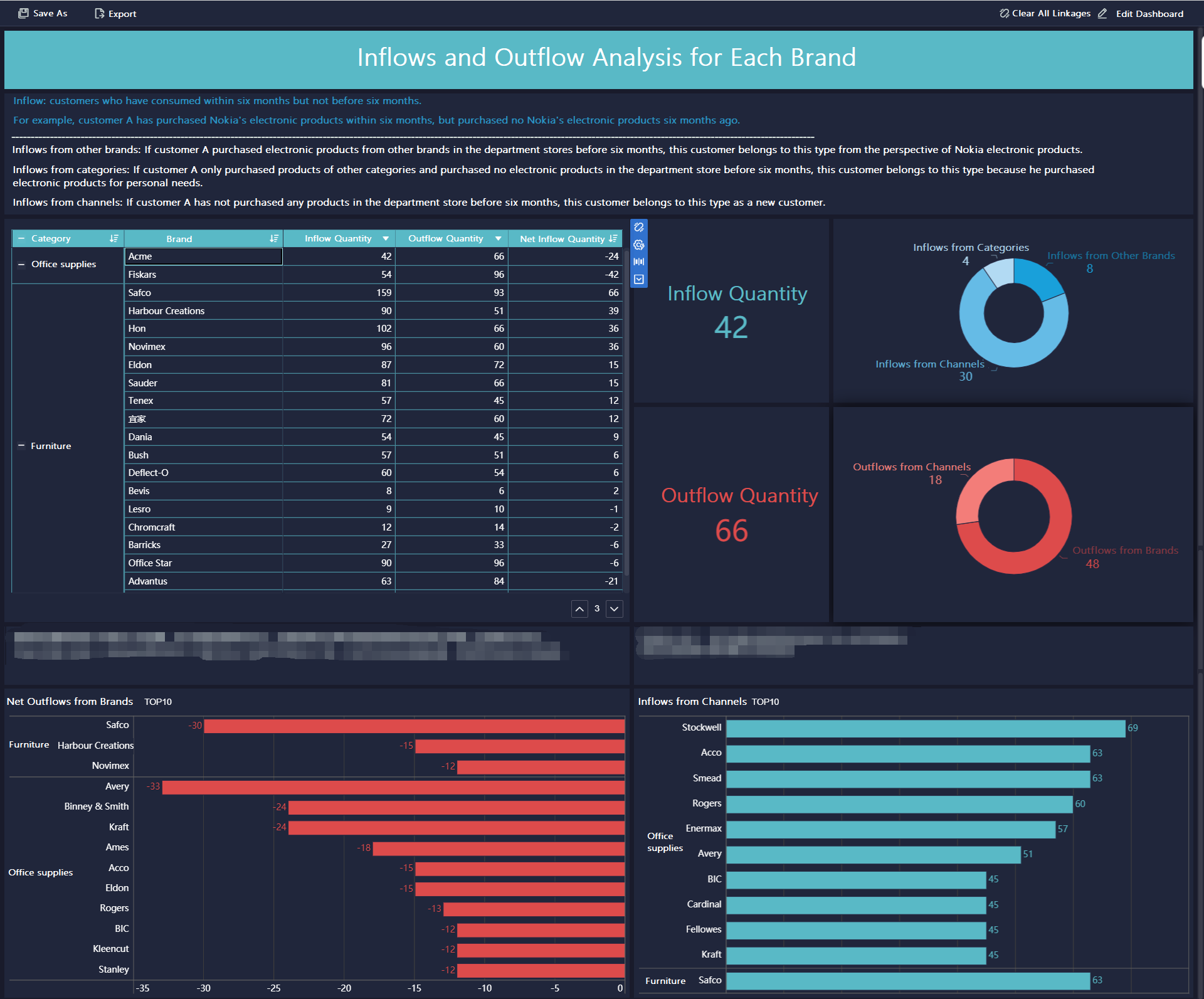
Compliance reporting also supports corporate ethics and speak-up programs. These reports help organizations track patterns that may signal cultural, legal, or control issues.
Common elements include:
- Number of hotline cases opened and closed
- Case categories by allegation type
- Investigation aging
- Substantiation rates
- Repeat incidents by location or function
- Policy breach trends
- Disciplinary and remediation outcomes
Handled well, these reports help leadership identify emerging misconduct patterns before they escalate into litigation, reputational harm, or regulatory intervention.
How to build audit-ready compliance reports
Audit-ready compliance reporting starts with design discipline. The goal is not to create longer reports. The goal is to create reports that are complete, consistent, evidence-backed, and easy to defend.
Start with reporting requirements and scope
Begin by defining the exact obligation the report must satisfy. This prevents teams from collecting too much irrelevant data while still missing mandatory evidence.
For each compliance report, document:
- Applicable law, regulation, standard, or policy
- Reporting period and deadline
- Legal entity, geography, business unit, and process scope
- Required data fields and evidence expectations
- Intended audience, such as regulators, executives, or auditors
- Materiality thresholds and escalation criteria
A report built without a defined scope is difficult to validate and even harder to defend.
Standardize data collection and validation
Most compliance reporting failures are data failures. Different teams use different definitions, pull from different systems, and interpret exceptions differently. That creates inconsistency fast.
To avoid that, standardize:
- Source systems of record
- KPI definitions
- Ownership rules
- Data extraction logic
- Review checkpoints
- Exception classification
- Validation and reconciliation procedures
The more regulated the environment, the more important it is to maintain a controlled data pipeline rather than rely on manual compilation.
Create clear narratives backed by evidence
A strong compliance report does not stop at charts and counts. It explains what changed, what failed, what actions were taken, and what risk remains.
Each report should answer these questions clearly:
- What was reviewed?
- What standard or control applied?
- What were the results?
- Were exceptions identified?
- What evidence supports the conclusion?
- What corrective action is underway?
- Who approved the report?
This narrative layer is what makes a report usable in governance meetings and credible during audits.
Maintain version control and review workflows
Audit-ready reporting requires defensibility over time. That means you must be able to show who changed what, when it changed, and who approved the final version.
At a minimum, maintain:
- Draft and final version history
- Reviewer comments and approvals
- Change logs
- Submission timestamps
- Retention rules
- Archived evidence snapshots
Without version control, even accurate reports can become difficult to trust during an investigation or audit.
Best practices and common mistakes to avoid
The most effective compliance reporting programs are not just accurate. They are operationally repeatable. Below are consultant-level practices that make a measurable difference.
1. Align reporting cadences with real governance rhythms
Do not build a reporting calendar in isolation. Map reports to:
- Regulatory due dates
- Board and committee meetings
- Control testing cycles
- Internal audit plans
- Annual policy refreshes
- Risk review periods
This reduces last-minute scrambles and ensures reports are reviewed in time to drive action.
2. Prioritize completeness, consistency, traceability, and actionability
A shorter report with reliable evidence is better than a long report full of unsupported commentary.
Focus on four quality tests:
- Completeness: All required data and evidence are present.
- Consistency: Definitions and methods do not change without approval.
- Traceability: Every claim can be tied to source data or documentation.
- Actionability: Findings lead to decisions, owners, and deadlines.
3. Eliminate siloed data and manual rework
If every reporting cycle starts with copy-paste work from email threads, spreadsheets, HR systems, ticketing tools, and audit files, your compliance process will not scale.
Consolidate inputs where possible and automate:
- Data refreshes
- Evidence collection
- Exception alerts
- Owner notifications
- Review routing
- Dashboard updates
4. Build a continuous improvement loop
Every audit finding and recurring issue should feed back into the reporting design.
Review regularly:
- Which fields are repeatedly missing
- Which controls generate the most exceptions
- Where ownership is unclear
- Which reports create confusion for reviewers
- Which remediation actions miss deadlines
This moves compliance reporting from reactive documentation to proactive control improvement.
Common mistakes to avoid
Teams commonly weaken compliance reporting by making avoidable errors:
- Collecting too much data without linking it to obligations
- Using inconsistent definitions across departments
- Failing to document evidence standards
- Leaving report ownership unclear
- Writing conclusions that are not supported by evidence
- Ignoring version history and approval trails
- Treating reporting as a one-time audit task instead of an ongoing process
How enterprise teams scale compliance reporting over time
As the organization grows, compliance reporting gets harder. More entities, more systems, more frameworks, and more stakeholders mean more complexity. Manual methods that work for one business unit usually fail at enterprise scale.
The right scaling model starts with governance.
Define the operating model, reporting calendar, and escalation paths
Enterprise teams need a formal model that specifies:
- Which reports are centralized vs. local
- Who owns data, review, and approval
- When each report is due
- What qualifies as a reportable exception
- How overdue actions are escalated
- How retained evidence is governed
This creates repeatability across business units and reduces dependence on individual employees.
Invest in automation, dashboards, evidence repositories, and policy-to-control mapping
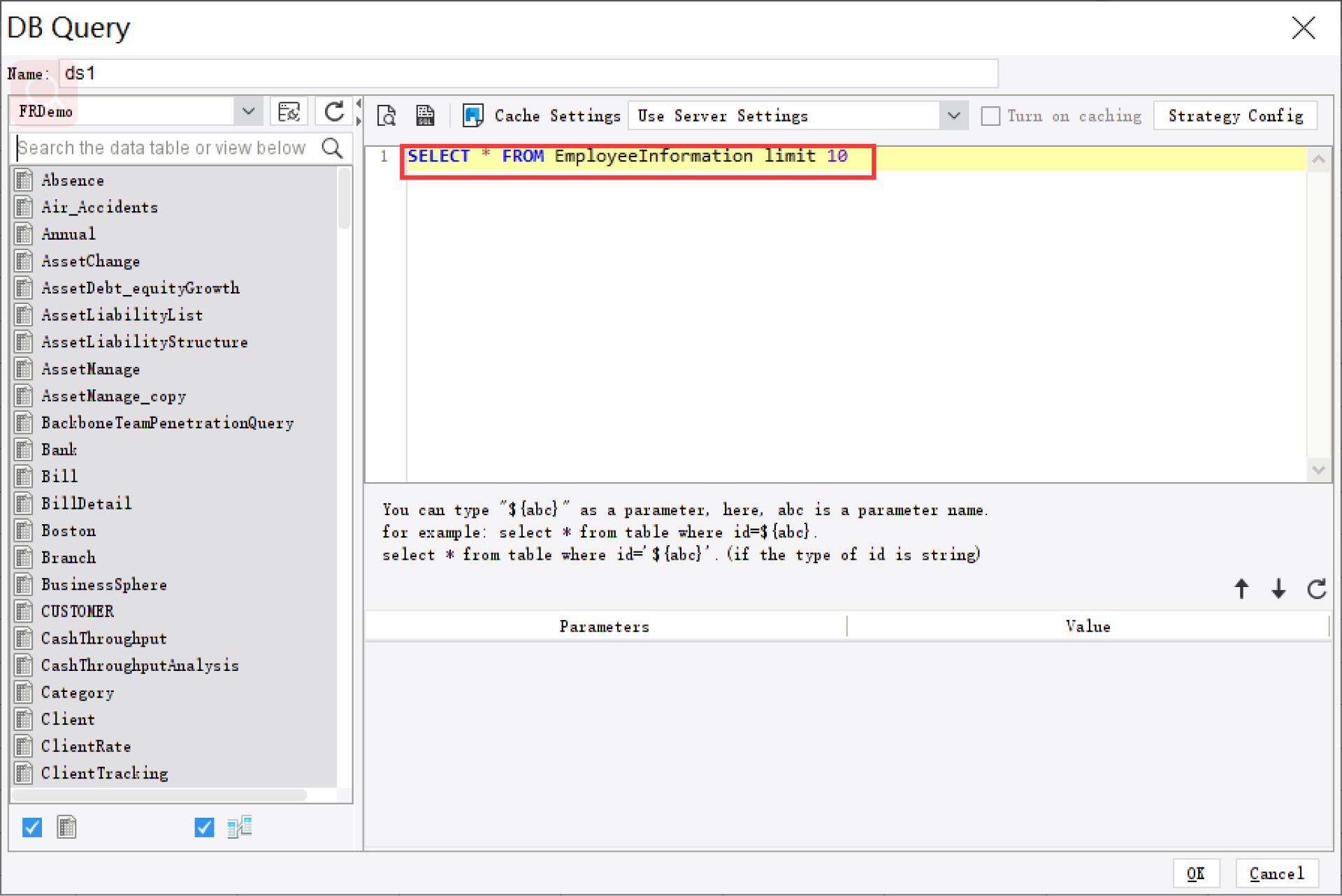
Where reporting complexity is high, technology is not optional. Teams need systems that can connect controls, obligations, tests, evidence, findings, and remediation tasks in one reporting flow.
The most valuable capabilities include:
- Automated data integration from source systems
- Live dashboards for compliance posture
- Central evidence repositories
- Workflow-driven reviews and approvals
- Policy-to-control mapping
- Role-based access and retention controls
- Reusable report templates for recurring submissions
Track metrics that show reporting effectiveness
As reporting matures, measure not just compliance outcomes, but reporting performance itself. Useful operational measures include:
- On-time report delivery rate
- Evidence completeness by report type
- Average review cycle time
- Percentage of automated evidence collection
- Overdue remediation backlog
- Repeat audit finding rate
- Time to respond to auditor requests
- Number of manual touchpoints per reporting cycle
These metrics help leaders understand whether the reporting process is becoming more resilient, not just more active.
Build compliance reporting faster with FineReport
Building this manually is complex; use FineReport to utilize ready-made templates and automate this entire workflow.
For enterprise teams, that means turning compliance reporting from a fragmented document exercise into a governed reporting system. FineReport helps standardize data collection, automate dashboard updates, structure review workflows, and present audit-ready outputs that business leaders and auditors can actually use. Instead of rebuilding reports from scratch every cycle, teams can use repeatable templates, centralized dashboards, and governed data models to support ongoing compliance at scale.
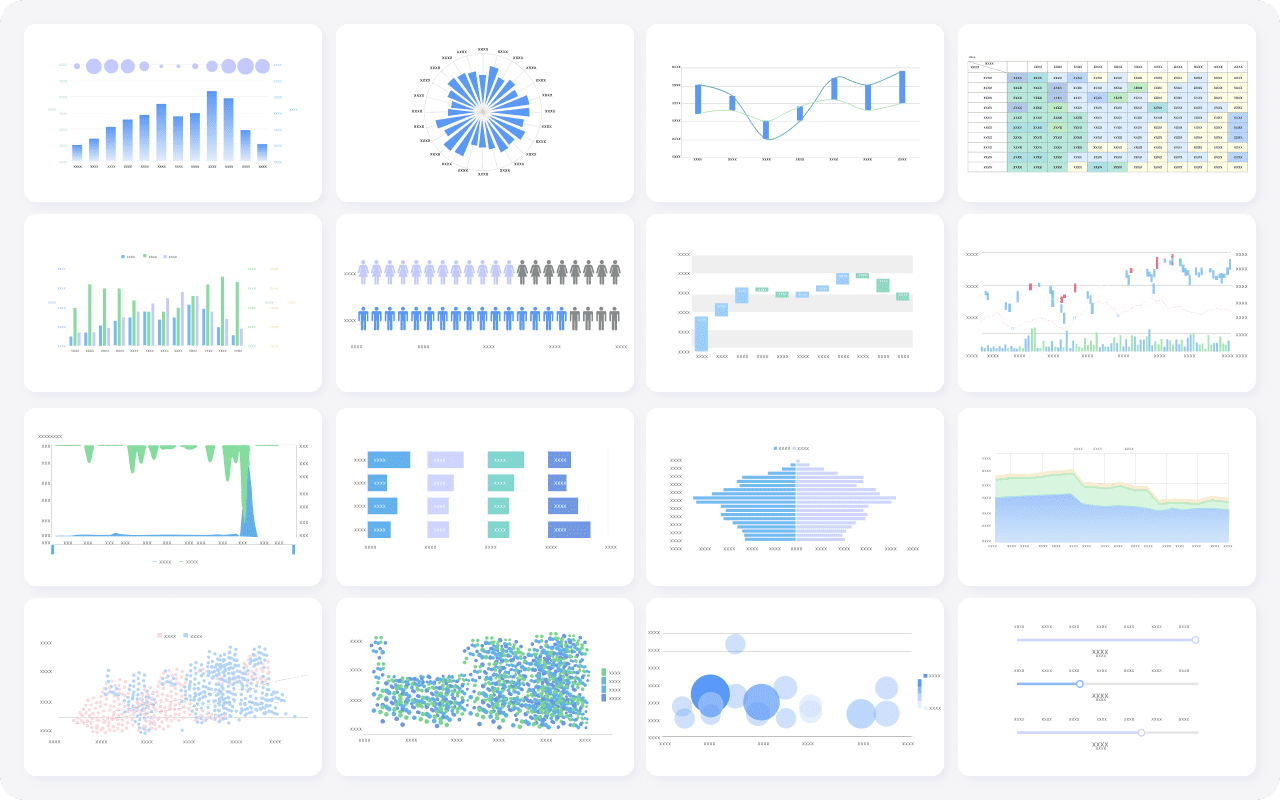
Get Ready-to-Use Dashboard Templates in Fine Gallery
If your current compliance reporting process depends on spreadsheets, disconnected systems, and manual evidence chasing, the next step is to centralize and automate before the next audit cycle forces the issue.
FAQs
Compliance reporting is the process of documenting and proving that an organization follows applicable laws, standards, and internal policies. It combines data, evidence, exceptions, and approvals into a format that auditors, regulators, and leaders can review.