
Why ESG Reporting Requirements Matter Now
ESG reporting requirements are moving from voluntary sustainability communication to formal, regulated disclosure. For many companies, this shift changes ESG reporting from an annual presentation exercise into an operational data challenge.
In California, SB-253 and SB-261 are two of the most important climate disclosure laws for companies doing business in the state. SB-253 focuses on greenhouse gas emissions disclosure. SB-261 focuses on climate-related financial risk reporting. Together, they create ESG reporting requirements that demand accurate data, consistent definitions, documented calculations, and a repeatable reporting process.
For finance, sustainability, operations, and compliance teams, the challenge is not only understanding the rules. The bigger challenge is building a data foundation that can support ESG reporting requirements year after year. Manual spreadsheets, scattered files, and one-off report preparation are no longer enough.
With FineBI + Dora, companies can build a governed analytics foundation for ESG data, monitor key indicators, automate recurring briefings, and turn compliance reporting into decision-ready insight.
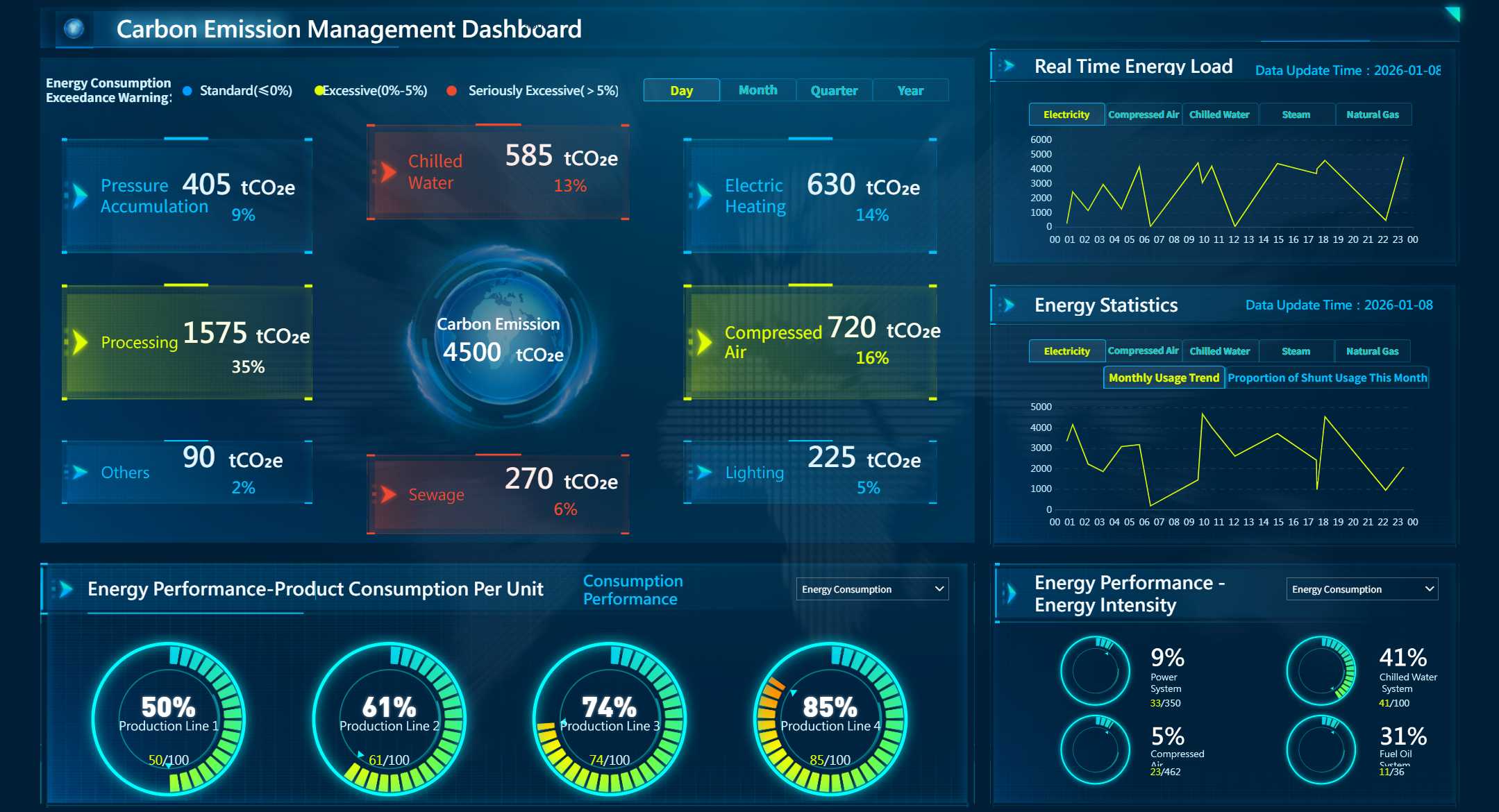 All reports in this article are built with FineReport
What Are ESG Reporting Requirements?
ESG reporting requirements are rules, standards, or market expectations that require companies to disclose environmental, social, and governance information. In the climate reporting context, these requirements often include greenhouse gas emissions, climate-related risks, governance structures, mitigation plans, and progress against sustainability goals.
A strong ESG reporting process should answer three questions:
- What ESG data must the company disclose?
- Which business units, facilities, suppliers, and systems provide that data?
- How can the company prove that the data is accurate, consistent, and traceable?
The third question is where many companies struggle. ESG reporting requirements are not only about publishing numbers. They are also about governance, auditability, and repeatability.
Key ESG Reporting Requirements Under California SB-253 and SB-261
California SB-253, also known as the Climate Corporate Data Accountability Act, requires large companies doing business in California to disclose greenhouse gas emissions. According to CARB, SB-253 applies to U.S.-based companies with annual revenues above $1 billion that do business in California.
California SB-261, also known as the Climate-Related Financial Risk Act, requires covered companies to publish climate-related financial risk reports. According to CARB, SB-261 applies to U.S.-based companies doing business in California with annual revenues above $500 million.
These laws create two connected ESG reporting requirements:
- SB-253: annual greenhouse gas emissions reporting for Scope 1, Scope 2, and eventually Scope 3 emissions.
- SB-261: biennial climate-related financial risk reporting.
Because CARB continues to develop implementation guidance, companies should monitor official CARB updates before finalizing reporting calendars, templates, and assurance plans.
Who Needs to Comply?
Companies should evaluate whether they meet the thresholds for California climate disclosure laws. In general:
- SB-253 applies to U.S.-based companies doing business in California with more than $1 billion in annual revenue.
- SB-261 applies to U.S.-based companies doing business in California with more than $500 million in annual revenue.
- Both public and private companies may be in scope.
- Revenue thresholds and reporting details should be confirmed against CARB guidance and legal counsel.
Even companies that are not directly in scope may feel pressure from customers, investors, lenders, and supply chain partners. Large customers may ask suppliers for emissions data, energy consumption, decarbonization plans, or climate risk information to support their own ESG reporting requirements.
ESG Reporting Requirements Timeline
As of CARB's 2026 materials, the first phase of California climate reporting focuses on Scope 1 and Scope 2 emissions under SB-253. Scope 3 emissions are expected to be added in later reporting periods.
Companies should prepare for the following reporting workflow:
- Identify whether the company is in scope.
- Map entities, facilities, business units, and data owners.
- Collect Scope 1 and Scope 2 emissions data.
- Prepare for Scope 3 data collection across the value chain.
- Build climate-related financial risk reporting processes.
- Document calculation methods, assumptions, approvals, and audit trails.
- Monitor CARB updates for final deadlines and templates.
Because ESG reporting requirements can change as agencies finalize implementation rules, the safest approach is to build a flexible data and reporting system instead of treating compliance as a one-time project.
What Data Companies Need to Collect
To satisfy ESG reporting requirements, companies need data from many operational systems. Common data categories include:
- Fuel consumption
- Purchased electricity, steam, heating, and cooling
- Facility energy use
- Fleet and transportation data
- Purchased goods and services
- Business travel
- Employee commuting
- Waste and water data
- Supplier activity data
- Climate-related financial risk inputs
- Governance and risk management documentation
The problem is that this data often lives in different systems and teams. Sustainability teams may own emissions calculations. Finance may own risk reporting. Facilities teams may own utility bills. Procurement may own supplier data. Operations may own production activity.
This is why ESG reporting requirements are also data integration requirements.
Why Manual ESG Reporting Falls Short
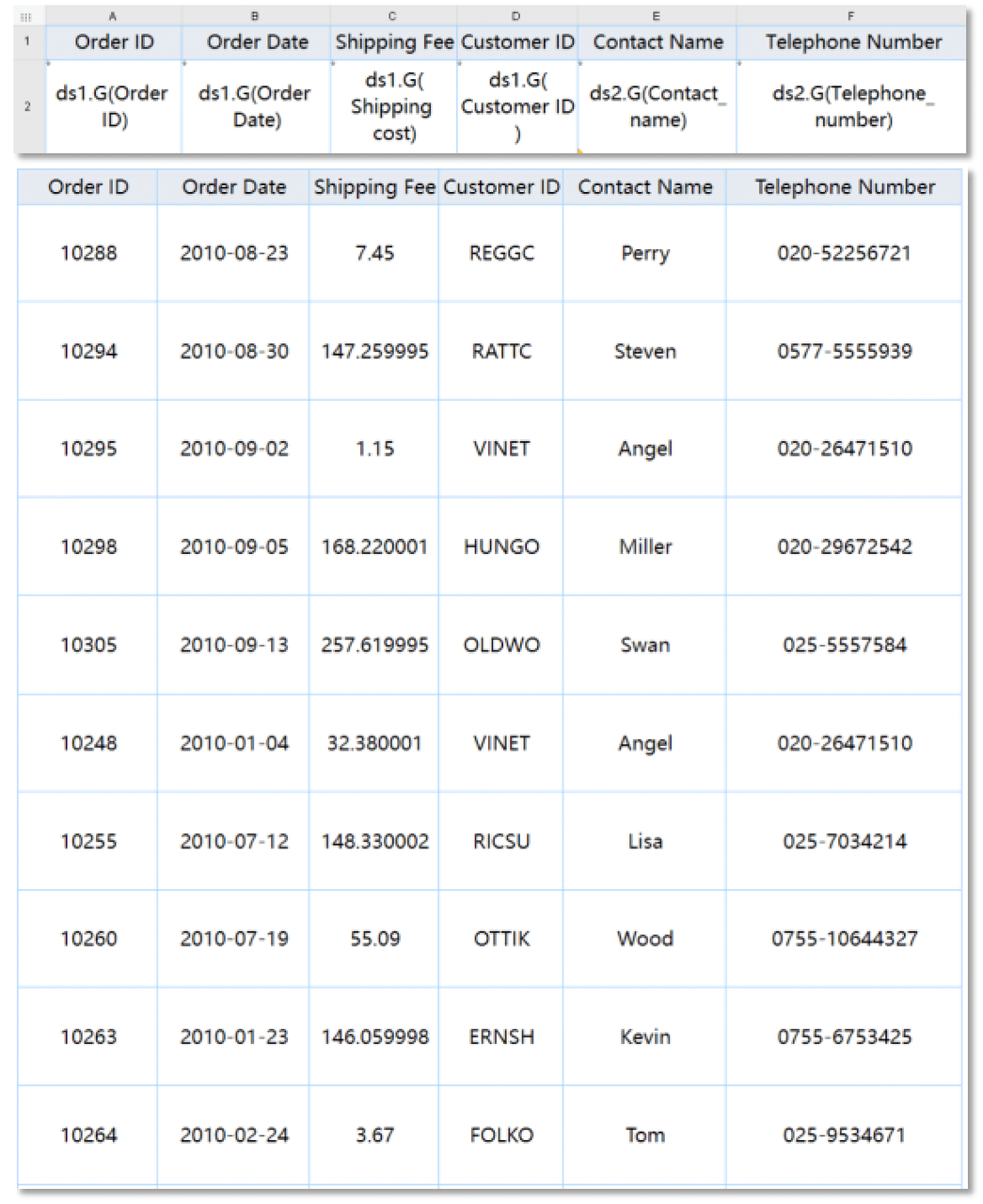
Manual spreadsheets may work for early ESG reporting, but they create risk as reporting requirements become more formal.
Manual workflows are error-prone
Copying data from invoices, ERP exports, spreadsheets, and email attachments increases the chance of mistakes.
Manual workflows lack audit trails
When data changes, it can be difficult to know who changed it, why it changed, and which report version used it.
Manual workflows do not scale
Scope 3 emissions and climate risk reporting require data from suppliers, value chain partners, and multiple internal teams. Manual coordination becomes slow and fragile.
Manual workflows delay insight
If teams only assemble ESG data once a year, leaders cannot use that data to manage emissions, risks, or performance during the year.
A better ESG reporting process should combine governed data, automated validation, dashboards, alerts, and documented workflows.
Step-by-Step Guide to Meeting ESG Reporting Requirements
1. Confirm applicability
Start by confirming whether the company is in scope for SB-253, SB-261, CSRD, ISSB-aligned reporting, SEC-related disclosure, supply chain requests, or other ESG reporting requirements.
2. Build a data inventory
List every data source needed for ESG disclosure. Include ERP systems, energy bills, procurement systems, HR systems, travel systems, fleet systems, and supplier data.
3. Define ESG metrics
Document every metric definition. For example, define Scope 1 emissions, Scope 2 location-based emissions, Scope 2 market-based emissions, Scope 3 categories, and climate-related financial risk indicators.
4. Assign data ownership
Every metric should have an owner, reviewer, and escalation path. ESG reporting requirements become easier to manage when accountability is clear.
5. Create validation rules
Add checks for missing data, abnormal changes, duplicate entries, inconsistent units, and unexpected spikes.
6. Build dashboards
Dashboards help teams monitor ESG performance throughout the year instead of waiting for the final disclosure cycle.
7. Create an audit trail
Document data lineage, calculation rules, source systems, approvals, and report versions.
8. Automate recurring reporting
Once definitions and data quality rules are stable, automate monthly briefings, risk alerts, and draft report summaries.
Common Mistakes in ESG Reporting Requirements
- Starting too late in the reporting cycle
- Treating ESG reporting as a spreadsheet project
- Failing to define metric ownership
- Mixing inconsistent units and calculation methods
- Ignoring Scope 3 data until the deadline is close
- Building dashboards without audit trails
- Publishing data without a review workflow
- Using AI-generated summaries without governed data
The best ESG reporting requirements strategy starts with governance before automation.
How FineBI Helps With ESG Reporting Requirements
FineBI helps companies build the governed analytics foundation needed for ESG reporting requirements. Instead of keeping ESG data scattered across spreadsheets, teams can connect data sources, define metrics, build dashboards, and create a single source of truth for sustainability and compliance reporting.
FineBI can help ESG teams:
- Connect energy, operations, finance, procurement, and supplier data sources.
- Model emissions calculations and ESG KPIs.
- Build dashboards for Scope 1, Scope 2, Scope 3, and climate risk indicators.
- Track performance by business unit, region, facility, supplier, or time period.
- Standardize ESG metric definitions across teams.
- Support repeatable reporting workflows for compliance and leadership review.
For companies facing ESG reporting requirements, this governed BI layer is critical. It ensures that dashboards, reports, and AI analysis all use the same trusted numbers.
How Dora Helps Automate ESG Reporting Requirements
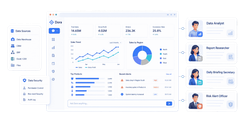
Dora adds an AI Data Agent layer on top of the FineBI foundation. Instead of manually searching dashboards and preparing recurring summaries, users can ask questions in natural language and receive analysis based on governed data.
Dora can support ESG reporting requirements in several ways:
Report Researcher
Dora can help compile data points, identify relevant metrics, and draft summary narratives for ESG reports.
Risk Alert Officer
Dora can monitor dashboards for abnormal changes, such as a facility's energy consumption rising sharply or a climate risk indicator crossing a threshold.
Daily Briefing Secretary
Dora can send scheduled ESG performance summaries to executives, sustainability teams, and compliance owners.
Follow-Up Assistant
Dora can help track unresolved data issues, missing submissions, and responsible owners before reporting deadlines.
This makes ESG reporting requirements easier to manage because the workflow moves from manual collection to governed, repeatable intelligence.
A Practical ESG Reporting Scenario
Imagine a sustainability team preparing for annual ESG disclosure. The team needs to collect Scope 1 and Scope 2 emissions, identify data gaps, and brief leadership on climate risk exposure.
Without a governed system, the process might involve dozens of spreadsheets, email follow-ups, manual checks, and last-minute revisions.
With FineBI + Dora, the workflow becomes more controlled:
- FineBI connects to energy, operations, finance, and procurement data sources.
- ESG metrics are defined in a governed semantic layer.
- Dashboards show emissions trends by facility, region, and business unit.
- Dora summarizes changes and flags missing or abnormal data.
- Compliance owners review the output before disclosure.
- The company keeps a traceable workflow for future audits and internal review.
This approach helps teams meet ESG reporting requirements while also turning ESG data into operational insight.
ESG Reporting Requirements Checklist
Use this checklist before publishing or submitting an ESG report:
- Have you confirmed which ESG reporting requirements apply?
- Have you mapped all relevant entities, facilities, and business units?
- Have you defined Scope 1, Scope 2, and Scope 3 metrics?
- Have you identified data owners and reviewers?
- Have you documented data sources and calculation methods?
- Have you checked for missing, duplicate, or abnormal data?
- Have you created an audit trail for calculations and approvals?
- Have you prepared a review workflow for report narratives?
- Have you monitored the latest CARB or regulatory updates?
- Have you created a repeatable process for the next reporting cycle?
FineBI + Dora Solution Pitch
Building a resilient ESG reporting system from scratch is difficult. Companies must connect many data sources, define metrics, validate data, document assumptions, and produce disclosures that can stand up to review.
FineBI solves the data foundation problem. It helps teams centralize ESG data, model complex calculations, build dashboards, and create a governed semantic layer aligned with ESG reporting requirements.
Dora solves the workflow automation problem. It turns the FineBI foundation into an AI assistant that can answer questions, monitor anomalies, prepare recurring briefings, and help draft report narratives.
Together, FineBI + Dora provide a practical path from manual ESG reporting to governed, AI-assisted ESG reporting requirements management.
Conclusion: From ESG Compliance to ESG Intelligence
ESG reporting requirements are becoming more formal, more data-intensive, and more connected to business risk. Companies that rely on manual spreadsheets may be able to produce a report, but they will struggle to scale, audit, and improve the process.
The better path is to treat ESG data as operational data. Build a governed data foundation, define metrics clearly, monitor performance continuously, and automate recurring workflows where possible.
With FineBI + Dora, companies can move beyond one-time ESG report preparation and build a repeatable ESG reporting requirements process that supports compliance, transparency, and better decision-making.
FAQs
What are ESG reporting requirements?
ESG reporting requirements are rules, standards, or stakeholder expectations that require companies to disclose environmental, social, and governance information. Climate-focused ESG reporting requirements often include greenhouse gas emissions, climate-related risks, governance structures, and mitigation plans.
What ESG reporting requirements do California SB-253 and SB-261 create?
SB-253 requires large companies doing business in California to report greenhouse gas emissions. SB-261 requires covered companies to publish climate-related financial risk reports. Companies should monitor CARB guidance for final reporting details and deadlines.
What is the difference between SB-253 and SB-261?
SB-253 focuses on greenhouse gas emissions reporting, including Scope 1, Scope 2, and later Scope 3 emissions. SB-261 focuses on climate-related financial risk reporting and mitigation measures.
Why are spreadsheets risky for ESG reporting requirements?
Spreadsheets are difficult to govern, audit, and scale. ESG reporting requirements need traceable data, consistent calculations, review workflows, and repeatable reporting processes.
How can FineBI help with ESG reporting requirements?
FineBI helps centralize ESG data, define governed metrics, build dashboards, and support repeatable reporting workflows. This gives companies a trusted foundation for ESG reporting requirements.
How can Dora help with ESG reporting requirements?
Dora adds AI-assisted analysis, scheduled briefings, anomaly alerts, and report drafting support on top of governed FineBI data. This helps teams reduce manual work while keeping ESG reporting requirements tied to trusted data.