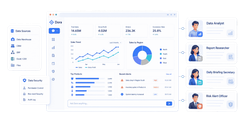

If you are searching for sustainability ESG reporting software, you are likely trying to solve a more complex problem than just producing a polished annual report. Enterprise teams usually need a system that can collect ESG data across business units, maintain traceability for assurance, coordinate contributors across finance, sustainability, HR, procurement, and operations, and support recurring disclosures without relying on spreadsheets and email chains.
That is why the best ESG reporting software for enterprise teams is not just about dashboards. It is about multi-entity data collection, audit-ready controls, workflow governance, and disclosure support across changing frameworks and reporting cycles.
This guide compares ESG software through an enterprise lens, focusing on:
- Data collection depth
- Audit trail and control strength
- Disclosure workflow support
- System integration options
- Scalability across entities and geographies
- Total cost of ownership
It is written for sustainability leaders, finance teams, compliance owners, internal audit, and IT stakeholders who need to shortlist tools that can stand up to real reporting pressure.
 Click To Try The Dashboard
Quick Comparison Table
| Platform | Best for | Data collection at scale | Audit trail and controls | Disclosure workflow | Integrations | Ease of deployment | Recommended users |
|---|---|---|---|---|---|---|---|
| Workiva | Structured enterprise reporting and cross-functional collaboration | Strong | Strong | Strong | Broad enterprise connectivity | Moderate | Public companies, finance-led ESG programs |
| IBM Envizi | Large organizations needing a centralized ESG system of record | Strong | Strong | Strong | Strong, especially operational and utility-related data contexts | Moderate to complex | Global enterprises with broad ESG data needs |
| Novisto | ESG data management and framework-driven enterprise reporting | Strong | Strong | Strong | Moderate to strong | Moderate | Sustainability teams needing a dedicated ESG platform |
| Watershed | Carbon and climate-heavy programs with enterprise data ingestion needs | Strong | Strong | Moderate to strong | Strong | Moderate | Enterprises focused on emissions and climate disclosures |
| SpheraCloud Corporate Sustainability | Audit-oriented sustainability data management | Strong | Strong | Moderate | Moderate to strong | Complex | Enterprises prioritizing controlled sustainability processes |
| UL 360 | Disclosure-centric programs needing traceable source-to-report workflows | Moderate to strong | Strong | Strong | Moderate | Moderate | Teams managing recurring questionnaires and disclosures |
| FineReport | Enterprise reporting teams that need governed ESG reports, forms, workflows, and distribution | Strong for structured reporting environments | Strong at report governance and approval workflows | Strong for recurring report assembly and distribution | Broad database and business system connectivity | Moderate | Enterprises that need pixel-perfect ESG reports, dashboards, forms, and scheduled distribution |
Best sustainability ESG reporting software for enterprise teams: what this comparison covers
Enterprise ESG reporting is different from lightweight sustainability tracking. Once reporting obligations expand across entities, jurisdictions, and frameworks, teams need a platform that can handle:
- Data intake from multiple systems and manual contributors
- Validation rules and ownership tracking
- Version control and evidence retention
- Review and approval workflows
- Disclosure preparation for recurring reporting cycles
- Output formats that satisfy executives, auditors, regulators, and operational teams
A useful comparison should look beyond feature checklists. In practice, enterprise buyers should evaluate how well each platform supports three critical layers:
- Data operations: Can the platform collect, standardize, and validate ESG inputs across the organization?
- Control environment: Can it preserve evidence, approvals, and change history for audit and assurance?
- Reporting execution: Can it help teams assemble, review, and distribute disclosure-ready outputs efficiently?
The right platform depends on your reporting maturity. A company early in its ESG journey may prioritize deployment speed and framework support. A large multinational may care more about control rigor, entity roll-ups, and integration depth.
How to evaluate ESG reporting software for complex enterprise needs
Data collection and system integration
For enterprise ESG programs, data collection is usually the hardest part. Most teams are not starting from a clean data model. They are pulling information from:
- Utility invoices and facility systems
- ERP and finance platforms
- Procurement and supplier submissions
- HR and workforce systems
- EHS or operational tools
- Spreadsheets and manual uploads from local entities
A strong sustainability ESG reporting software platform should help normalize these inputs without turning every reporting cycle into a manual reconciliation exercise.
When evaluating tools, look for:
- Flexible ingestion options: APIs, file uploads, web forms, surveys, and database connections
- Validation rules: Required fields, threshold checks, anomaly detection, and mapping logic
- Entity-level configuration: Support for subsidiaries, locations, departments, and regional structures
- Data ownership assignment: Clear accountability for each metric or submission
- Global deployment support: Ability to handle multiple reporting calendars, units, and languages where needed
For large organizations, integration depth matters because manual collection may work for a pilot but often becomes a bottleneck at scale.
Audit trail, controls, and assurance readiness
As ESG disclosures become more formalized, assurance readiness matters more. This is where many organizations discover that a visually attractive reporting tool is not enough.
Key capabilities to review include:
- Version history
- Evidence and document attachment
- Approval workflows
- Role-based permissions
- Change logs
- Record-level traceability back to source inputs
The best platforms for controlled ESG reporting make it easier to answer questions like:
- Who submitted this data point?
- What supporting file was used?
- Which methodology was applied?
- What changed since the previous reporting cycle?
- Who approved the final number?
If internal audit, external assurance providers, or finance teams are involved, these features are often as important as disclosure templates.
Disclosure workflows and reporting outputs
The final step is turning raw ESG data into usable disclosure outputs. This includes framework mapping, questionnaire completion, management review, narrative collaboration, and final publication or export.
What to compare:
- Support for major frameworks and questionnaires
- Collaboration on report assembly
- Data reuse across multiple disclosures
- Executive review and sign-off workflows
- Export options for presentations, board packs, PDFs, spreadsheets, and portal submissions
- Handling of recurring reporting cycles and framework changes
The practical question is not just whether a platform supports a framework today. It is whether your team can manage repeatable reporting cycles without rebuilding work each time.
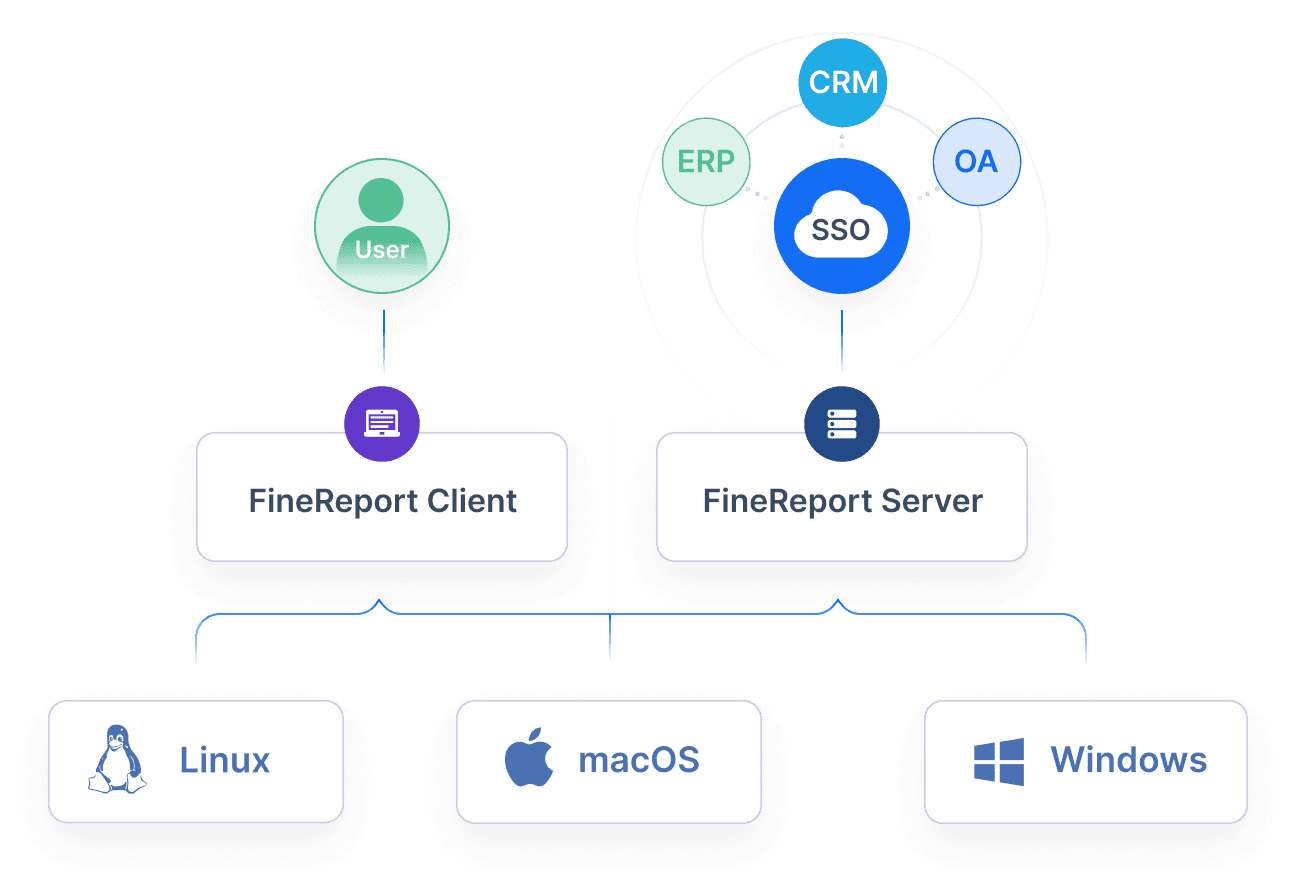
7 ESG software and reporting platforms compared
Platform-by-platform snapshot
Below is a practical summary of seven widely discussed ESG software and reporting platforms, plus where each tends to fit best in enterprise environments.
1. FineReport
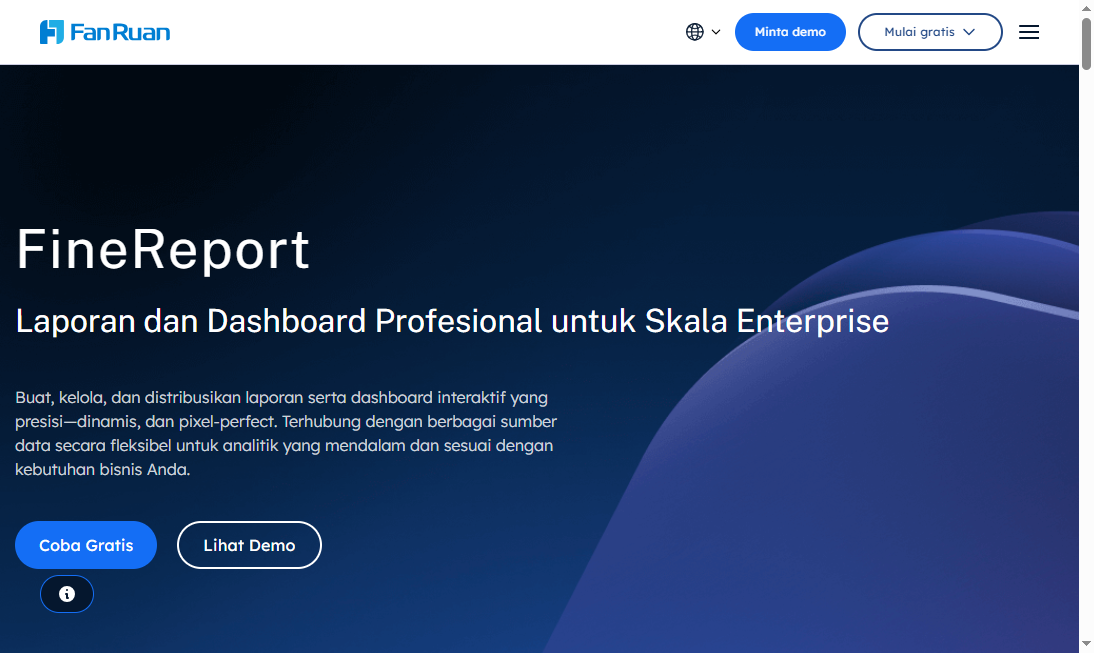
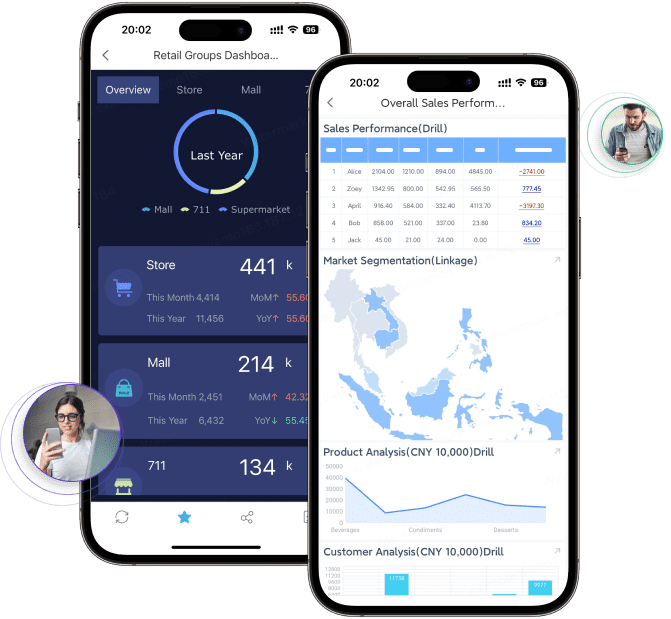
FineReport is not a pure-play ESG platform. It is an enterprise reporting platform that becomes highly relevant when ESG programs need governed reporting, data entry, parameterized forms, scheduled distribution, and pixel-perfect outputs across departments.
For enterprise teams, ESG reporting often involves more than framework mapping. It also requires:
- Collecting data through forms or structured templates
- Combining ESG inputs with finance and operational data
- Producing board-ready and audit-ready reports
- Scheduling recurring distribution to business users
- Delivering dashboards and formatted reports in one environment
Strengths
- Pixel-perfect report design for formal ESG outputs
- Parameter queries and structured reporting workflows
- Data entry forms for collection and correction scenarios
- Dashboard and report integration in one platform
- Scheduling and automated report distribution
- Broad fit for enterprise reporting teams working across business systems
Limitations
- It is not positioned as a dedicated ESG framework content platform
- Organizations needing native sustainability content libraries should assess how they want to combine reporting infrastructure with ESG-specific methodology tools
Best buyer profile
- Enterprises that need controlled ESG reporting execution across finance, operations, and management reporting teams
2. Workiva
 Workiva is commonly used for regulated, cross-functional reporting processes and is well known in finance and corporate reporting environments. For ESG teams, its value is often in collaboration, workflow management, and connected reporting across contributors.
Strengths
- Strong collaboration across reporting teams
- Familiar fit for finance-led governance environments
- Useful for structured reporting and review workflows
- Well suited to organizations that already use it for broader corporate reporting
Limitations
- May require planning and configuration to support broader ESG data operations
- Some organizations may still need complementary capabilities for deep sustainability data capture or carbon-specific processes
Best buyer profile
- Public companies and enterprise reporting teams with mature governance requirements
3. IBM Envizi
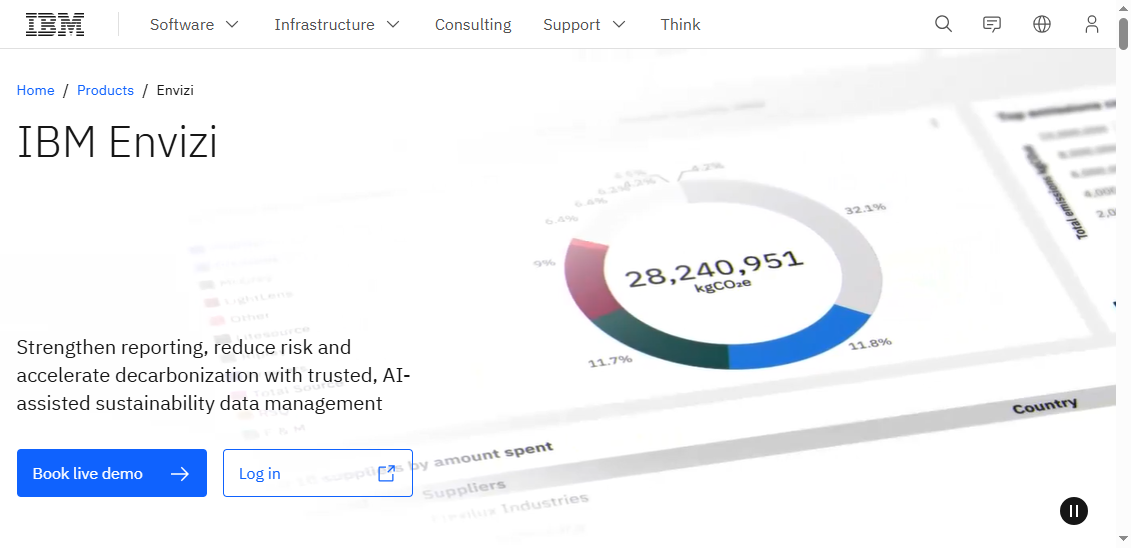 IBM Envizi is positioned as an ESG reporting and data management suite designed to centralize ESG information into a single system of record. It is often evaluated by larger organizations dealing with facility, utility, and operational sustainability data.
Strengths
- Centralized ESG data management
- Strong emphasis on auditable reporting
- Support for framework-driven reporting processes
- Useful for organizations with complex facility and environmental data flows
Limitations
- Implementation may be heavier than lighter-weight tools
- May be more than some mid-market teams need
Best buyer profile
- Global enterprises that need broad ESG data consolidation
4. Novisto
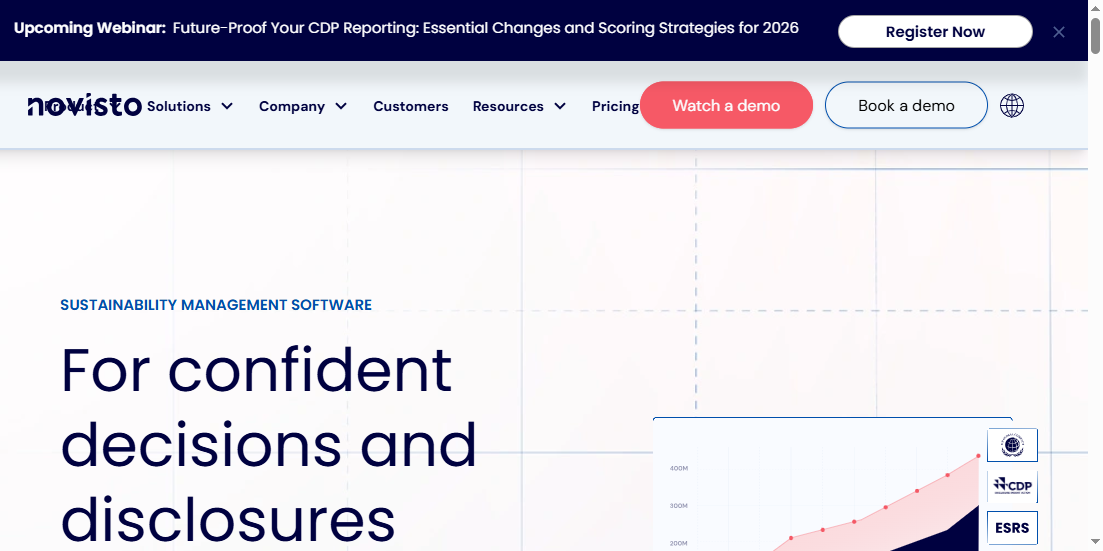
Novisto is a dedicated ESG management platform focused on helping organizations collect, manage, and report ESG data across frameworks. It is often considered by companies looking for a specialized ESG system rather than a generic BI stack.
Strengths
- Designed specifically for ESG data management and reporting
- Strong framework-oriented workflow support
- Centralized system for ESG metrics and reporting collaboration
Limitations
- Buyers should validate integration depth and implementation approach for their environment
- Fit may depend on how much carbon accounting depth versus broad ESG workflow depth is needed
Best buyer profile
- Sustainability teams seeking an ESG-first platform with enterprise governance needs
5. Watershed
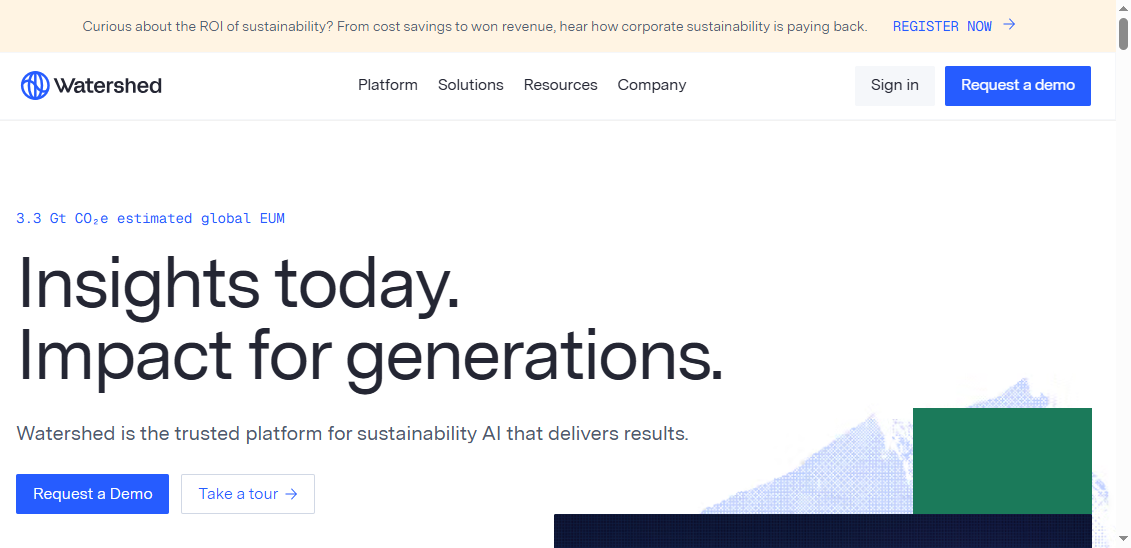
Watershed is widely associated with enterprise carbon accounting and climate disclosure. It is often shortlisted by organizations prioritizing emissions tracking, entity-level data collection, and climate-oriented reporting.
Strengths
- Strong data ingestion orientation
- Good fit for emissions-heavy and climate disclosure programs
- Traceability and anomaly detection are important parts of its positioning
Limitations
- Organizations with broader ESG requirements should assess how well it covers non-carbon reporting needs
- Some buyers may need additional reporting outputs for board, finance, or operational use cases
Best buyer profile
- Enterprises focused on carbon management and climate-related disclosures
6. SpheraCloud Corporate Sustainability
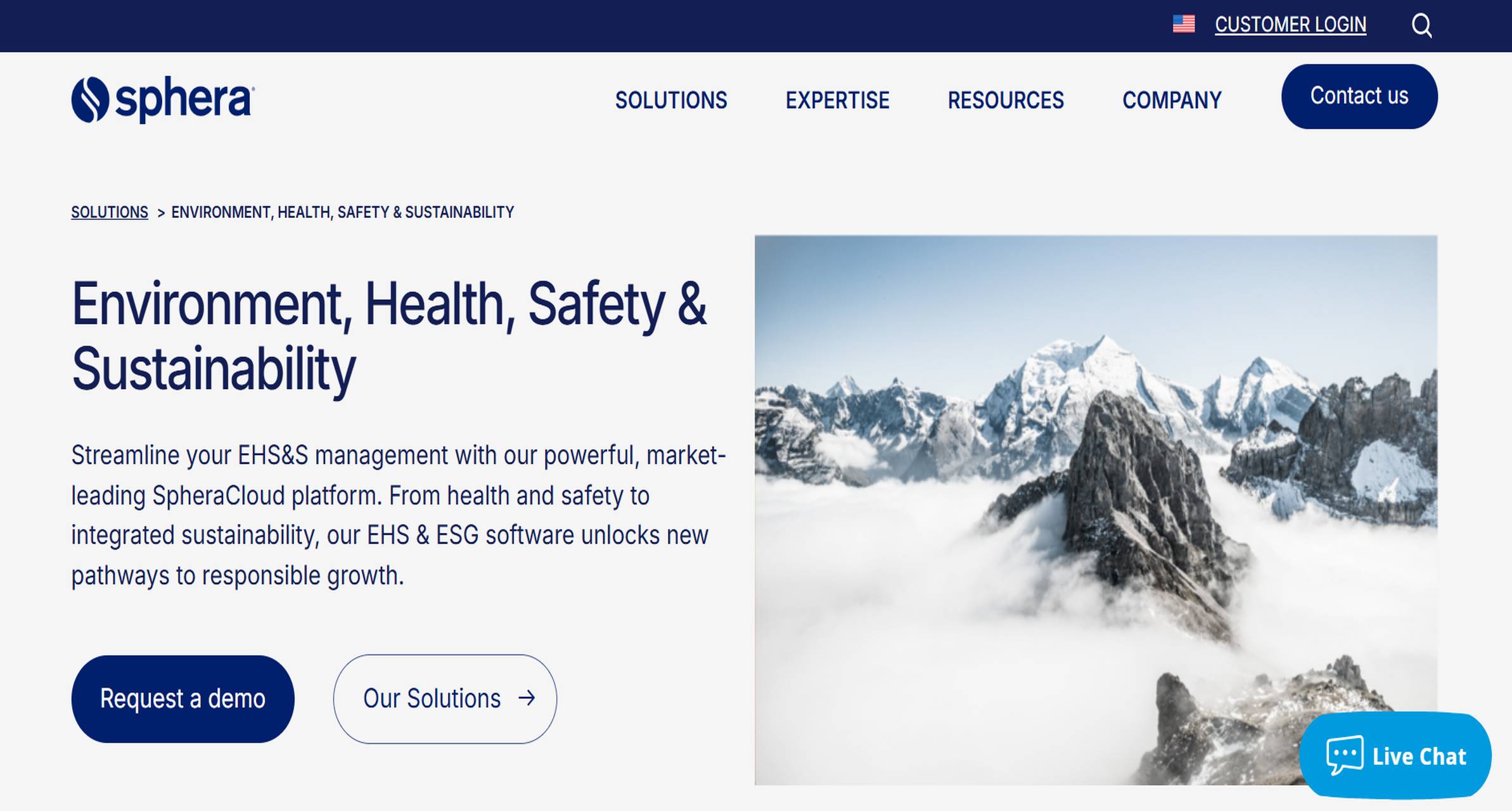
SpheraCloud Corporate Sustainability is often evaluated by organizations that need controlled sustainability data capture and audit-oriented processes.
Strengths
- Structured data capture
- Strong governance and audit-readiness orientation
- Enterprise-grade sustainability process support
Limitations
- Can involve more implementation effort
- May fit best where sustainability data governance is already a formal enterprise function
Best buyer profile
- Large enterprises with strong control and assurance priorities
7. UL 360
Sustainability ESG Reporting Software.png UL 360 is positioned around ESG and sustainability data management, with disclosure workflows linked back to source data. It is relevant for buyers who want traceable disclosure completion and recurring framework support.
Strengths
- Disclosure-focused workflows
- Question-level process management
- Built-in checks and source traceability
Limitations
- Buyers should assess whether broader integration and analytics capabilities fit their overall ESG architecture
- May be more disclosure-centric than some organizations need
Best buyer profile
- Teams that need recurring, controlled disclosure management
Best for data collection at scale
For organizations collecting ESG data across multiple entities, scale usually depends on ingestion flexibility, validation logic, and operational ownership.
Strong contenders
- IBM Envizi: Good fit where operational, utility, and enterprise ESG data need central management
- Watershed: Strong choice for high-volume climate and emissions data collection
- SpheraCloud Corporate Sustainability: Useful for structured enterprise sustainability data capture
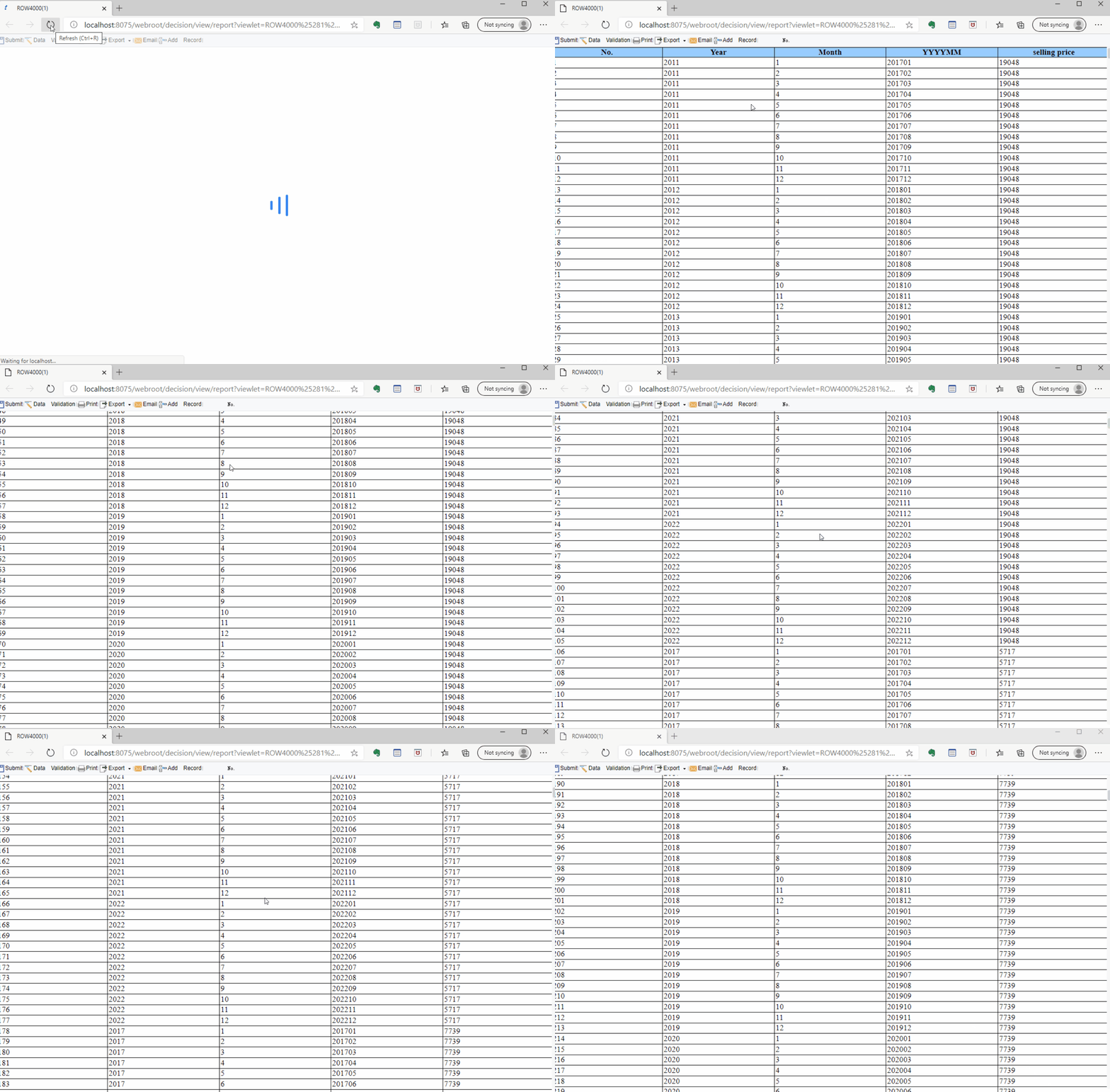
- FineReport: Particularly relevant when enterprises need custom forms, controlled data collection templates, and integration with internal business systems
A key distinction here is whether you need a purpose-built ESG system of record or a reporting platform that can operationalize collection and reporting workflows around your existing systems.
Best for audit-ready reporting
Audit-ready ESG reporting requires more than data storage. Teams need evidence retention, role control, sign-offs, and consistent report outputs.
Strong contenders
- Workiva: Strong in controlled reporting collaboration
- IBM Envizi: Strong system-of-record orientation with auditability in focus
- SpheraCloud Corporate Sustainability: Good fit for controlled sustainability processes
- UL 360: Strong disclosure traceability
- FineReport: Relevant where formal report governance, approval workflows, printable layouts, and scheduled outputs are critical
If your ESG program is closely tied to finance, compliance, or internal audit, these control capabilities may outweigh visualization features.
Best for disclosure workflow management
Disclosure management becomes harder when teams support multiple frameworks, internal review cycles, and executive approvals.
Strong contenders
- Workiva: Effective for cross-functional collaboration and structured reporting workflows
- Novisto: Good fit for ESG-specific reporting coordination
- UL 360: Useful for disclosure process management tied back to source data
- IBM Envizi: Suitable where framework reporting sits inside a broader ESG data environment
- FineReport: Best used where disclosure outputs need to be assembled into recurring, formatted reports and distributed at scale
Pros, cons, and trade-offs across leading sustainability reporting platforms
The ESG software market is broad because enterprise needs vary widely. The right choice often comes down to trade-offs rather than a universally superior platform.
Implementation complexity versus configurability
More configurable systems tend to support complex organizations better, but they may require more implementation effort.
- Higher configurability: Often better for multi-entity governance, custom workflows, and integration-heavy environments
- Faster deployment: Often better for smaller or earlier-stage teams, but may create constraints later
Enterprise buyers should not assume that the fastest demo translates into the best long-term fit.
Breadth of ESG capabilities versus depth in reporting and controls
Some platforms aim to cover broad ESG management needs, while others are stronger in narrower areas like carbon accounting, disclosures, or formal reporting outputs.
- Broad ESG suites: Can reduce tool sprawl and centralize sustainability operations
- Specialized tools: May offer stronger depth in one area such as climate accounting or disclosure management
- Reporting platforms like FineReport: Useful when the biggest bottleneck is governed reporting execution, recurring outputs, and business workflow integration
Enterprise support, training, and partner ecosystem
For enterprise rollouts, product capability is only part of the decision. Teams should also assess:
- Implementation support
- Change management needs
- Admin complexity
- Training options
- Availability of integration and reporting partners
A good product with weak adoption planning can still underperform.
Where specialized tools outperform broad platforms
Specialized ESG tools often outperform broader systems when you need:
- Deep carbon accounting workflows
- Framework-specific ESG guidance
- Purpose-built sustainability processes
- Pre-structured disclosure content
Where broad suites reduce tool sprawl
Broader platforms or reporting-focused platforms may reduce complexity when your ESG reporting depends on:
- Existing ERP, HR, or finance systems
- Formal enterprise report design
- Cross-department operational workflows
- Scheduled internal and external reporting
- Governance consistency across non-ESG reporting use cases too
How to choose the best ESG reporting solution for your organization
Questions to ask vendors before you buy
Before shortlisting any sustainability ESG reporting software, ask detailed operational questions:
- What data sources can be connected out of the box, and what requires custom work?
- How are audit logs, approvals, and evidence retained for assurance?
- Which disclosure frameworks are supported today, and how often are updates released?
- How does the system handle entity hierarchies, regional teams, and recurring reporting cycles?
- Can the platform support both management dashboards and formal, printable reports?
- What parts of implementation require IT resources versus business-user configuration?
These questions usually reveal more than high-level demos.
Shortlisting criteria for enterprise teams
A practical shortlist should match platform fit to your organization’s:
- Reporting maturity
- Geographic footprint
- Regulatory exposure
- Number of contributors and data owners
- Internal IT capacity
- Need for assurance and internal controls
- Budget and tolerance for implementation effort
A weighted scorecard can help. Common categories include:
- Usability
- Control environment
- Reporting coverage
- Implementation effort
- Integration depth
- Cost
This keeps the evaluation grounded in business priorities instead of feature overload.
Final recommendation framework
A simple way to decide:
- Prioritize control and assurance if finance, audit, or regulated reporting risk is driving the purchase
- Prioritize workflow efficiency if your biggest pain is chasing contributors and coordinating review cycles
- Prioritize integration depth if data collection across systems and entities is the main bottleneck
In most enterprise cases, a pilot is the smartest next step. Test one reporting cycle, one business unit, or one disclosure pack before expanding platform scope.
Practical recommendations for enterprise ESG reporting teams
Here are five practical recommendations from a reporting and governance perspective:
-
Map the reporting process before you buy software.
Identify who owns each metric, where the source data lives, what approvals are required, and which outputs must be produced. -
Separate data collection needs from final reporting needs.
Many teams discover they need both an ESG data workflow and a formal reporting layer for executives, auditors, and regulators. -
Evaluate assurance readiness early.
If the platform cannot preserve evidence, version history, and change logs cleanly, reporting will become harder as scrutiny increases. -
Test recurring workflows, not just one-time setup.
The real question is whether the platform reduces effort in quarter two and year two, not just in the initial implementation. -
Run a pilot tied to an actual disclosure cycle.
Use a live use case with contributors, approvals, and final output requirements. That is the fastest way to expose gaps.
When FineReport is a good fit for ESG reporting workflows
Tools like Workiva, IBM Envizi, Novisto, Watershed, and Sphera are widely considered for sustainability and ESG programs, especially where framework support, carbon accounting, or disclosure management are central needs. But many enterprise teams also face a different challenge: turning ESG data into controlled, repeatable, business-ready reports that work across finance, operations, management, and audit workflows.
That is where FineReport can be a practical option.
FineReport is especially relevant when your organization needs:
- Pixel-perfect ESG reports for management packs, board reporting, or formal print-ready outputs
- Paginated reports that preserve structure across detailed disclosures
- Parameter queries for region, entity, period, plant, or business unit filtering
- Data entry forms for decentralized ESG submissions, corrections, and review workflows
- Scheduling and automated distribution for recurring internal ESG reporting
- Dashboards and structured reports together in one reporting environment
- Enterprise governance across departments beyond sustainability alone
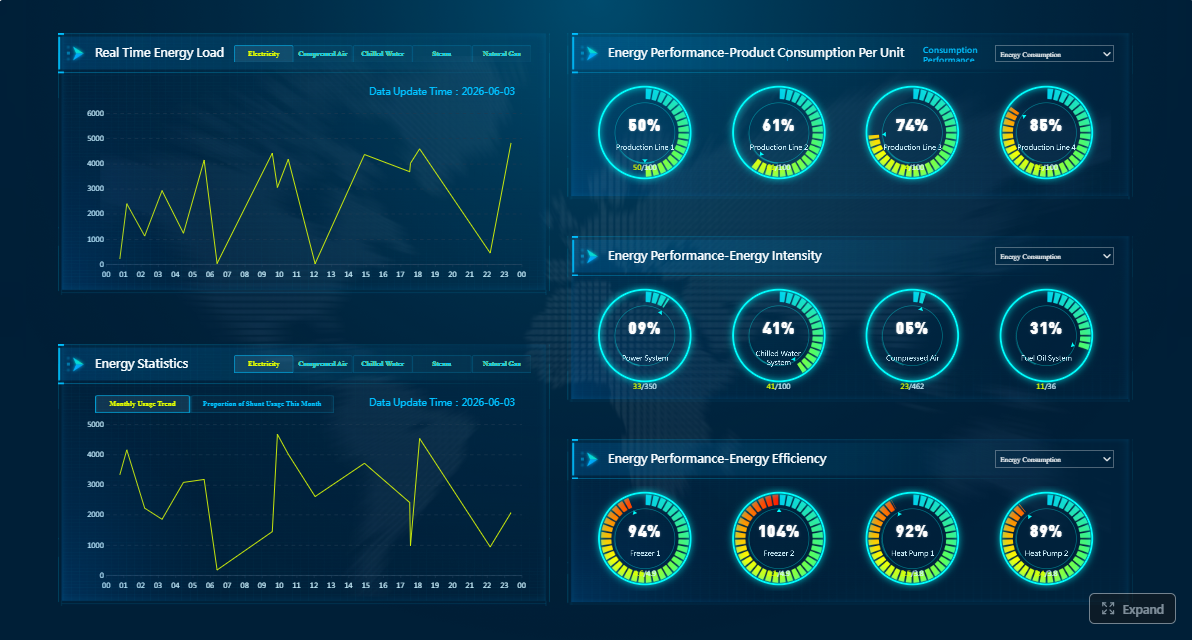
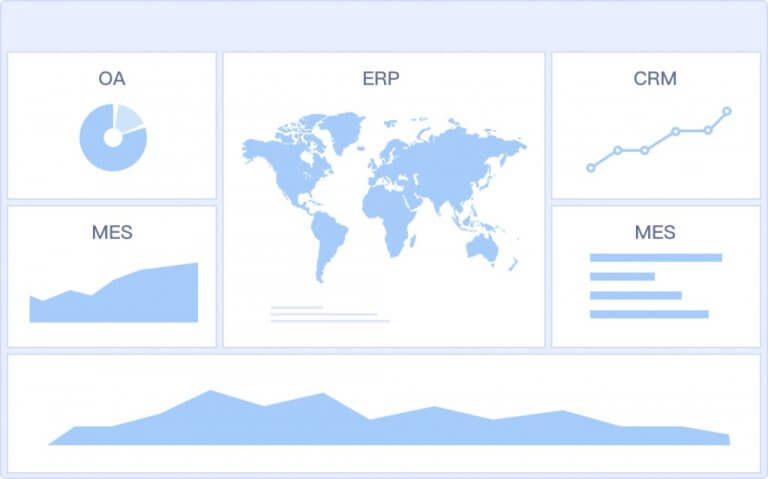
This matters because ESG reporting rarely lives in isolation. Sustainability teams often need to work with finance, procurement, HR, operations, and internal audit. FineReport can help create the reporting layer that connects those stakeholders with governed forms, reports, and dashboards.
For example, a large enterprise might use specialized sustainability tools for methodology or carbon calculations, while using FineReport to:
- Distribute standardized ESG data collection forms
- Build executive ESG dashboards
- Generate formatted board and committee reports
- Produce detailed audit-supporting schedules
- Automate recurring distribution to entity owners and managers
Get Ready-to-Use Dashboard and Report Templates in Fine Gallery
For enterprise teams, that combination can be valuable: use the right ESG tools where they fit, and use a robust reporting platform where structured delivery, governed workflows, and formal reporting outputs matter most.
Final thoughts
The best sustainability ESG reporting software depends on what problem you need to solve first.
- If your challenge is cross-functional disclosure coordination, tools like Workiva, Novisto, and UL 360 may be strong options to review.
- If your challenge is large-scale ESG data consolidation, IBM Envizi, Watershed, and SpheraCloud deserve attention.
- If your challenge is formal enterprise reporting, recurring distribution, structured forms, and governed report outputs, FineReport is worth considering as part of your ESG reporting architecture.
The most successful enterprise teams usually do not choose based on feature lists alone. They choose based on workflow fit, control requirements, and how well the platform supports real reporting cycles under pressure.
FAQs
ESG reporting software helps large organizations collect, validate, manage, and disclose sustainability data across departments, entities, and reporting cycles. It replaces spreadsheet-heavy processes with governed workflows, audit trails, and more reliable reporting outputs.