
If you are searching for esg and value chain reporting software, you are likely trying to solve a very specific problem: how to collect reliable ESG data from suppliers, turn that data into usable Scope 3 and value chain insights, and produce reporting that stands up to internal review, customer requests, and evolving disclosure requirements.
For procurement leaders, sustainability teams, compliance managers, and enterprise reporting owners, this is no longer just a survey problem. It is a workflow problem. You need to onboard suppliers, send structured data requests, validate responses, track missing submissions, manage evidence, and then transform that information into dashboards, audit trails, and disclosure-ready reports.
This comparison focuses on platforms that support supplier data collection, value chain visibility, and ESG reporting workflows across different business needs. Some tools are stronger in supplier engagement and sustainability ratings. Others focus more on carbon accounting, broader ESG compliance, or enterprise-grade reporting and controls.
This guide is best for:
- Mid-market companies building a practical ESG data collection process
- Global enterprises managing multi-tier suppliers and stricter governance
- Organizations with complex supply chains that need more than spreadsheets and email follow-ups
 Click To Try The Dashboard
Quick Comparison Table
| Platform type | Best for | Supplier data collection | Scope 3 support | Reporting and dashboards | Controls and auditability | Implementation effort | Recommended users |
|---|---|---|---|---|---|---|---|
| Enterprise-grade ESG reporting and supplier engagement | Large enterprises with complex supplier governance | Strong | Strong | Strong | Strong | High | Global procurement and sustainability teams |
| Carbon-focused platform | Organizations prioritizing emissions accounting | Moderate to strong | Very strong | Good | Moderate | Medium to high | Carbon and climate program teams |
| Sustainability management suite | Companies wanting broad ESG and compliance coverage | Moderate | Good | Strong | Strong | High | Enterprise ESG and risk teams |
| Procurement-adjacent collaboration solution | Companies embedding ESG into supplier processes | Strong | Moderate | Moderate | Moderate | Medium | Procurement-led programs |
| Disclosure and performance platform | Framework-aligned reporting and stakeholder disclosures | Moderate | Moderate to good | Strong | Strong | Medium to high | Reporting and investor-facing teams |
| Data-heavy analytics and assurance platform | Large-scale consolidation and defensible reporting | Moderate | Good | Strong | Very strong | High | Finance, assurance, and enterprise reporting teams |
| Flexible reporting platform | Growing ESG programs needing practical workflows and custom reporting | Flexible, depends on process design | Flexible | Very strong | Strong | Medium | Mid-sized companies and reporting teams |
Best ESG and Value Chain Reporting Software for Supplier Data Collection: 7 Platforms Compared
Choosing among ESG platforms gets difficult because many products overlap. Some are built around supplier networks, some around carbon accounting, and some around reporting and control. The best option depends on whether your main bottleneck is supplier response rates, Scope 3 calculation logic, framework alignment, or enterprise reporting output.
How to evaluate ESG and value chain reporting software
A strong evaluation process should go beyond feature checklists. The real question is whether the platform can support the full reporting workflow from supplier request to final disclosure.
Assess supplier onboarding, data request workflows, and multilingual survey support
Supplier engagement is often where ESG programs fail. A platform may have strong dashboards, but if suppliers cannot easily understand and complete requests, the data pipeline breaks down.
Look for:
- Guided supplier onboarding
- Reusable questionnaire templates
- Segmented surveys by supplier type, geography, or risk profile
- Reminder automation and escalation paths
- Multilingual supplier-facing experiences
- Simple document upload and evidence submission
For companies with large supplier bases, lightweight and deep-dive workflows both matter. Not every vendor should receive the same level of data request.
Compare emissions data collection across Scope 1, Scope 2, and Scope 3 categories
Many buyers use the phrase esg and value chain reporting software when they actually need better Scope 3 supplier emissions collection.
Evaluate whether the platform supports:
- Supplier-specific activity data capture
- Emission factor management
- Product carbon footprint or category-level data collection
- Different Scope 3 categories
- Direct supplier submissions versus estimated values
- Transparency into data origin, assumptions, and calculation method
If your decarbonization roadmap depends on supplier primary data, this area deserves extra scrutiny.
Review audit trails, assurance readiness, and alignment with major reporting frameworks
Sustainability reporting increasingly needs the same rigor expected in finance and compliance processes. That means traceability matters.
Useful capabilities include:
- Change history and audit logs
- Approval workflows
- Evidence attachments
- Validation checks
- Role-based review
- Mapping to common frameworks and disclosure structures
Even if the platform helps you collect data, you still need to prove how the numbers were reviewed, approved, and assembled.
Check integration depth with ERP, procurement, LCA, and supplier management systems
Most ESG programs fail when data stays isolated. Your software should work with your operational systems, not sit beside them.
Check for integration or practical interoperability with:
- ERP platforms
- Procurement suites
- Supplier management systems
- Carbon accounting tools
- LCA data sources
- BI and enterprise reporting environments
If integrations are limited, ask how data can be imported, validated, transformed, and reused in reporting.
What to look for in supplier data collection and reporting workflows
Supplier engagement and response rates
The best platforms make it easier for suppliers to respond without increasing fatigue. That usually means a mix of automation and flexibility.
Look for tools such as:
- Scheduled reminders
- Supplier segmentation
- Reusable response templates
- In-platform collaboration
- Escalation for non-response
- Support for lighter questionnaires for low-risk suppliers
Features that improve completion rates often matter more than adding more questions. If suppliers are overburdened, data quality declines quickly.
Data quality, controls, and verification
ESG disclosures become difficult to defend when supplier data cannot be checked.
Important controls include:
- Field-level validation rules
- Required documentation uploads
- Outlier or anomaly flags
- Approval workflows
- Standardized calculation logic
- Status tracking from submission to approval
These features help sustainability teams move from “collected data” to “defensible data.”
Reporting, dashboards, and disclosure readiness
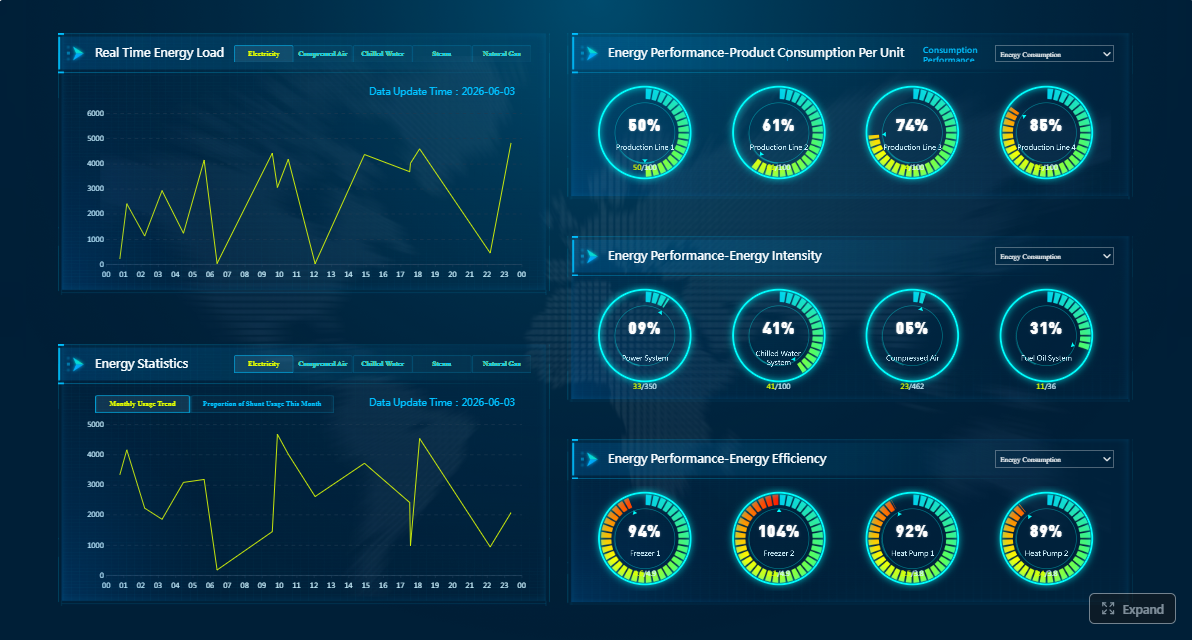
A good ESG platform should support more than a single executive dashboard. Different users need different outputs:
- Procurement teams need supplier status and exception tracking
- Sustainability teams need Scope 1, 2, and 3 rollups
- Finance and compliance teams need controlled, reviewable reporting
- Customers and investors may need tailored exports or disclosure packages
Prebuilt reports are useful, but so is flexibility. Many organizations eventually need custom dashboards, benchmark views, and board-ready reports.
7 platforms compared
Platform 1: Enterprise-grade ESG reporting and supplier engagement
This category is best represented by platforms such as EcoVadis for organizations that need broad supplier engagement, segmentation, and risk-informed sustainability workflows.
Best for: large organizations with multi-tier suppliers and complex governance needs
Common strengths include:
- Structured supplier questionnaires and segmented assessment models
- Broad value chain engagement workflows
- Sustainability ratings and benchmarking concepts
- Support for document-backed submissions
- Strong fit for procurement, risk, and due diligence programs
- Supplier-focused workflows that can support regulatory and customer requirements
Common limitations include:
- Can be more process-heavy than tools aimed at fast mid-market deployment
- May be better suited to supplier assessment and engagement than highly customized internal reporting
- Organizations may still need additional BI or reporting tools for tailored executive and operational reporting
Implementation effort is typically medium to high, especially when supplier segmentation and governance rules need to be formalized.
Ideal use case: a multinational enterprise that wants to structure supplier ESG assessments, collect evidence-backed responses, and monitor supplier performance across a large network.
Platform 2: Carbon-focused platform with strong Scope 3 data workflows
This category includes tools such as Sweep and other carbon-led platforms that emphasize emissions accounting and supplier emissions collection.
Best for: companies prioritizing emissions accounting and supplier-specific activity data
Common strengths include:
- Strong orientation toward Scope 3 and supplier emissions workflows
- Centralized carbon and sustainability data management
- Good collaboration for collecting value chain emissions inputs
- Useful for teams focused on decarbonization planning and carbon performance
Common limitations include:
- Broader ESG governance and non-carbon metrics may be less central than in full sustainability suites
- Internal disclosure management and enterprise reporting may require supplementary tools depending on requirements
- Supplier engagement depth can vary by workflow maturity and implementation design
Implementation effort is usually medium to high, depending on emissions model complexity and data availability.
Ideal use case: a company that has already committed to carbon reduction goals and now needs better supplier-specific emissions data rather than relying only on spend-based estimates.
Platform 3: Sustainability management suite with broad compliance coverage
This category includes broad enterprise sustainability platforms such as IBM Envizi, SAP Sustainability-oriented offerings, or other ESG suites designed for cross-functional management.
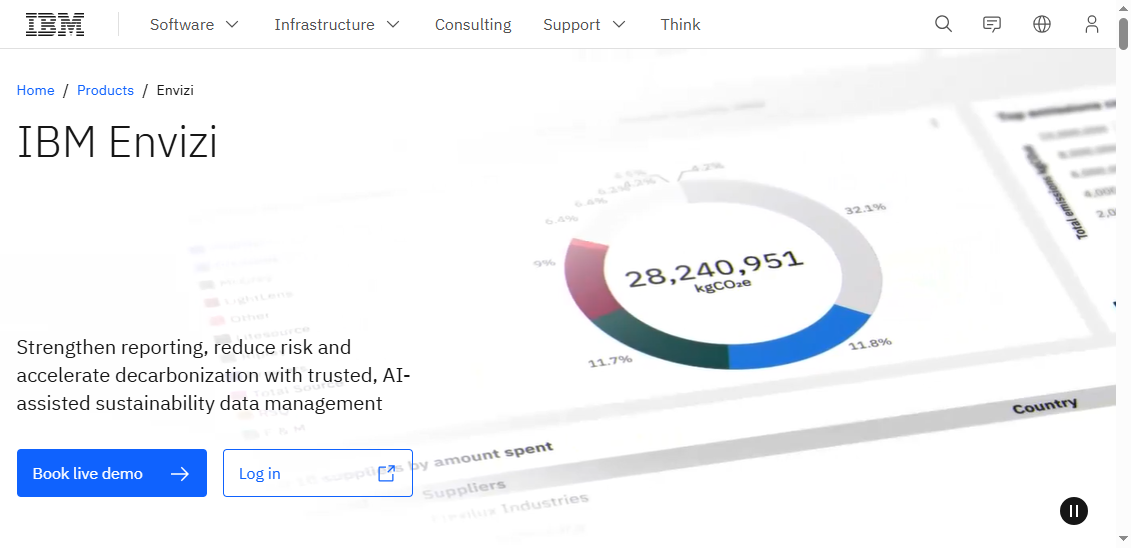 Best for: teams needing ESG reporting, risk oversight, and operational sustainability in one system
Common strengths include:
- Broad ESG data management across internal and external sources
- Framework-aligned reporting support
- Survey and assessment capabilities in some platforms
- Better fit for organizations looking for a system of record across sustainability data
- Useful for multi-framework reporting and operational visibility
Common limitations include:
- Can be complex to configure
- Supplier engagement may not always be as deep or as specialized as network-centric platforms
- User adoption can be slower when the platform spans many modules and teams
Implementation effort is generally high.
Ideal use case: an enterprise that wants a consolidated ESG management environment, not just a supplier questionnaire tool.
Platform 4: Procurement-adjacent solution for supplier collaboration
This category fits platforms that sit close to sourcing, vendor management, or procurement processes, including ecosystems where supplier engagement is embedded near procurement workflows.
Best for: organizations that want ESG data collection embedded near sourcing and vendor processes
Common strengths include:
- Natural fit for procurement-owned supplier programs
- Better alignment with vendor master data, sourcing events, and supplier lifecycle processes
- Useful for collecting ESG information where procurement already engages suppliers
- May reduce process fragmentation between sourcing and sustainability teams
Common limitations include:
- Reporting sophistication may depend on surrounding analytics tools
- May emphasize process capture over advanced ESG modeling
- Framework alignment and assurance features vary significantly
Implementation effort is usually medium.
Ideal use case: a procurement team that wants supplier ESG data collection to happen close to vendor onboarding, sourcing, and supplier relationship management.
Platform 5: Disclosure and performance management platform
This category includes reporting-led ESG platforms such as Workiva, KEY ESG, Novisto, or similar products focused on data collection, governance, and reporting alignment.
Best for: companies focused on investor, customer, and framework-aligned reporting
Common strengths include:
- Strong reporting structure and disclosure-oriented workflows
- Good support for governance, review, and stakeholder reporting
- Useful for combining ESG performance metrics with narrative and reporting processes
- Often a good fit for CSRD, investor communications, and structured disclosure work
Common limitations include:
- Supplier engagement may be more functional than network-driven
- Deep procurement workflow support may be limited
- Multi-tier supplier collaboration can require additional process design
Implementation effort is usually medium to high.
Ideal use case: a company that already has ESG data sources but needs stronger control, reporting structure, and framework-aligned output.
Platform 6: Data-heavy platform with analytics and assurance support
This category includes enterprise data and reporting environments such as insightsoftware ESG-related offerings or platforms with strong control, traceability, and reporting infrastructure.
Best for: enterprises needing controls, traceability, and large-scale reporting consolidation
Common strengths include:
- Strong data consolidation across ERP, HR, procurement, CRM, and other enterprise systems
- Better support for auditability and traceability
- Good fit for organizations with finance-led reporting disciplines
- Stronger potential for controlled reporting, validation, and standardized outputs
Common limitations include:
- Supplier-facing engagement experience may not be the primary strength
- May require more technical ownership to connect source systems and build workflows
- Can be less intuitive for business-led sustainability teams without reporting support
Implementation effort is generally high.
Ideal use case: an enterprise that cares as much about controls, consistency, and assurance readiness as it does about collecting ESG data.
Platform 7: Flexible platform for growing ESG programs
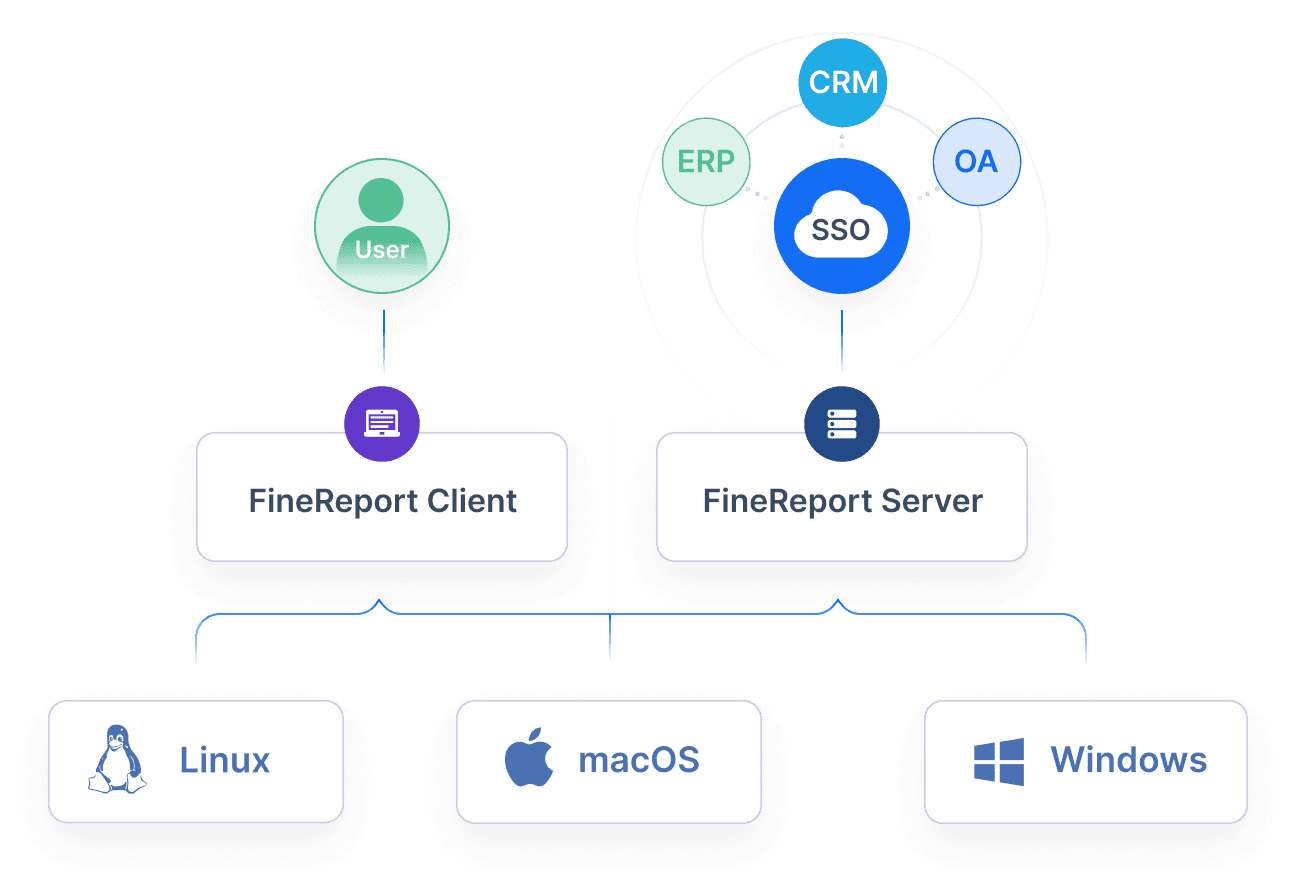
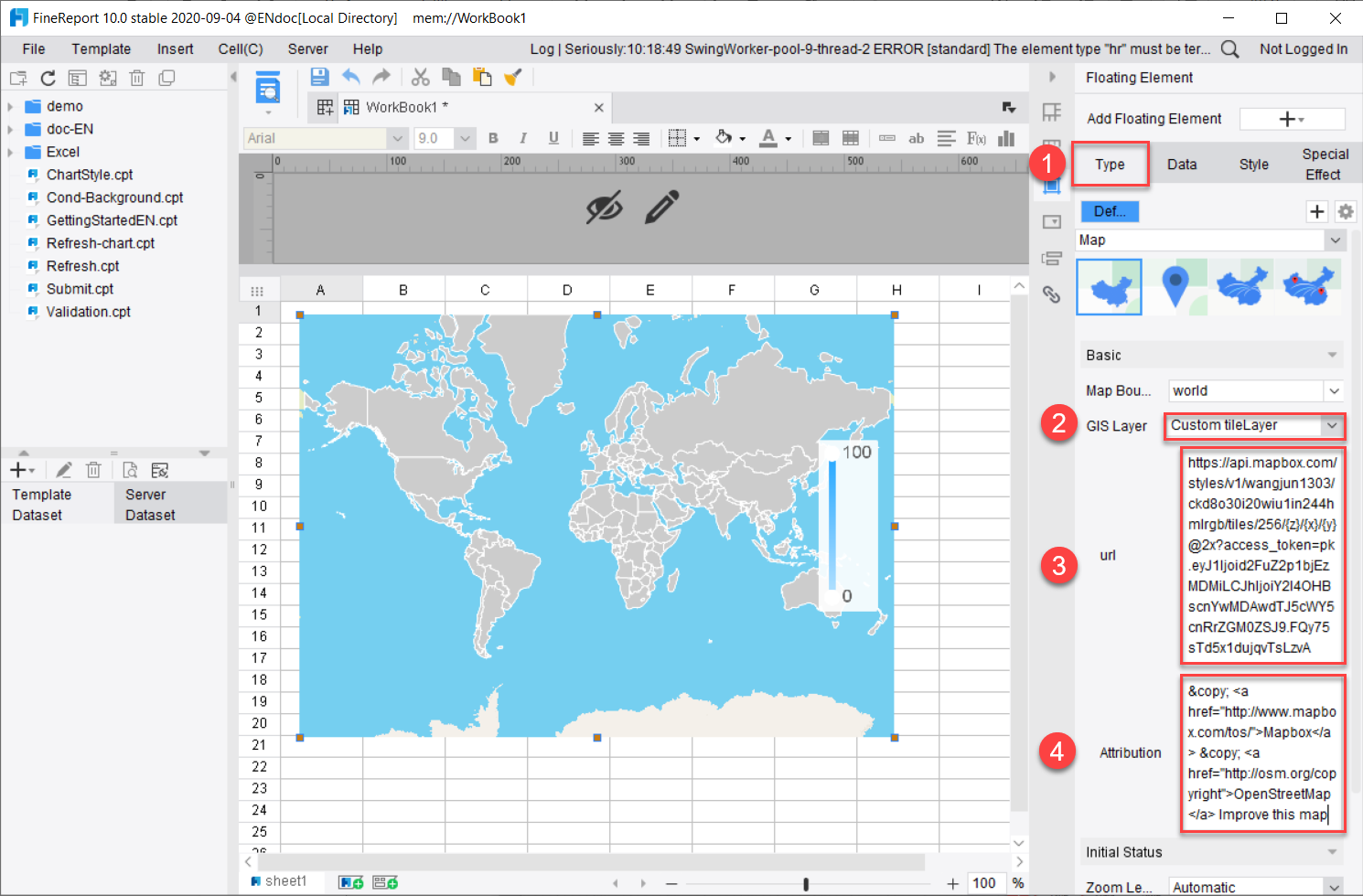
For many mid-sized companies, the best answer is not always a dedicated ESG suite. Sometimes the practical need is a flexible reporting platform that can support supplier data collection workflows, internal approvals, dashboards, and formatted reporting in one environment. This is where FineReport can be relevant.
Best for: mid-sized teams that need faster deployment and practical reporting features
Common strengths include:
- Flexible design for forms, data entry, and supplier-facing or internal collection workflows
- Strong support for pixel-perfect reports, paginated reporting, and printable disclosure outputs
- Ability to combine dashboards and structured reports
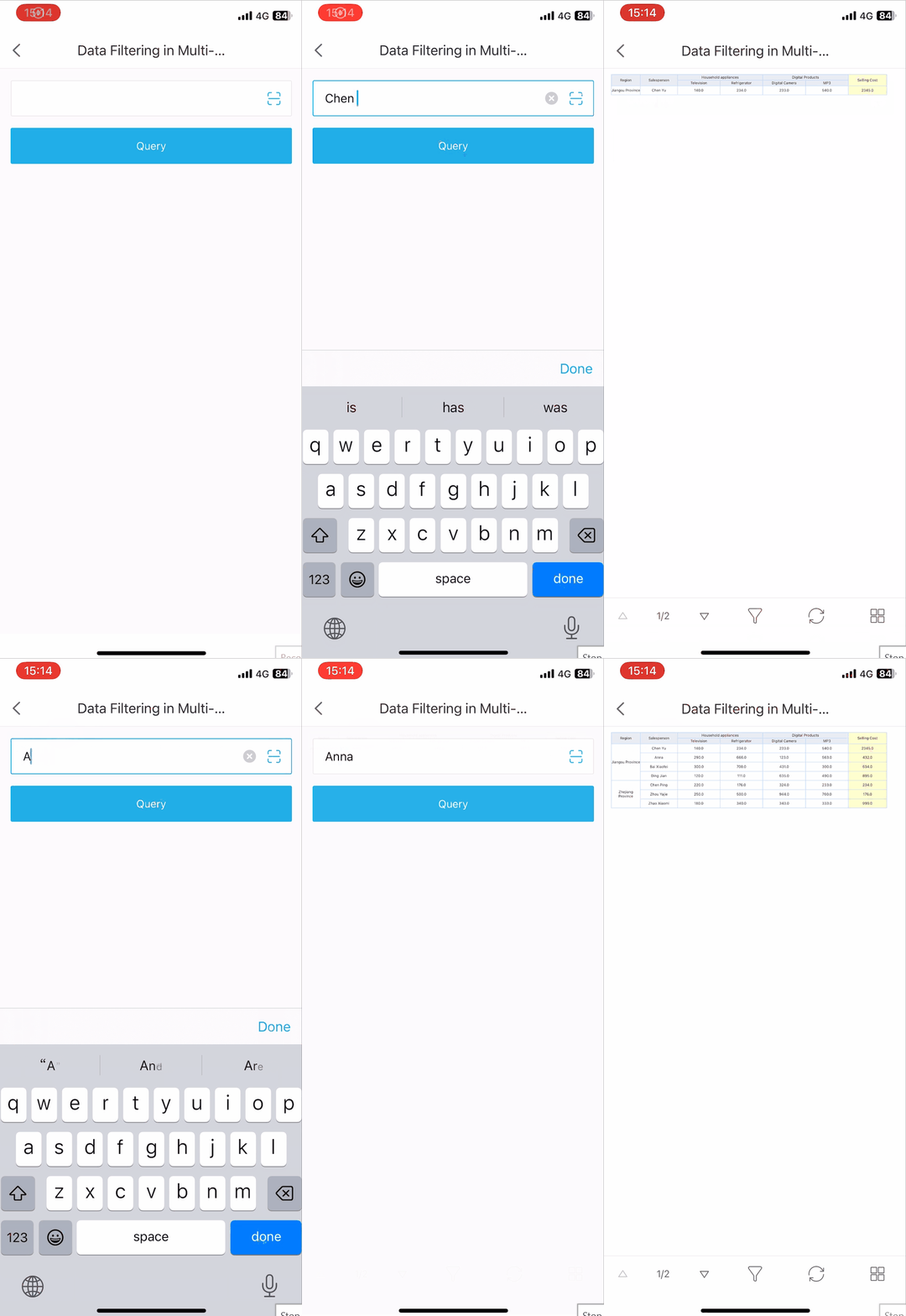
- Useful parameter query capabilities for filtering by supplier, region, category, period, or business unit
- Support for scheduled reporting and automated distribution
- Well suited for operational reporting scenarios where ESG data needs to be reviewed across departments
- Can help teams build tailored workflows when off-the-shelf ESG products are too rigid or too broad
Common limitations include:
- It is not positioned as a specialized ESG ratings network
- ESG framework content and carbon methodology design depend on how the organization configures the reporting model
- Teams may still need domain expertise or upstream data sources for carbon calculations and regulatory interpretation
Implementation effort is typically medium, depending on how much of the workflow you need to design.
Ideal use case: a growing company that wants to collect supplier ESG data through forms and workflows, validate responses, consolidate across systems, and generate both management dashboards and disclosure-ready reports without adopting an oversized suite too early.
Pros and cons by business type
Best fit for global enterprises
Global enterprises usually need:
- Multi-framework reporting support
- Large supplier network handling
- Strong governance and approval controls
- Cross-functional coordination among procurement, sustainability, finance, and compliance
Best-aligned platform types are:
- Enterprise-grade supplier engagement platforms for supplier network coverage
- Broad sustainability suites for centralized ESG data management
- Data-heavy assurance platforms for traceability and reporting discipline
These organizations should pay close attention to auditability, operating model complexity, and integration with ERP and procurement systems.
Best fit for mid-market teams
Mid-market teams often need a different balance:
- Faster deployment
- Easier administration
- Clear workflows for internal owners and suppliers
- Enough reporting depth without overengineering
Best-aligned platform types are:
- Flexible reporting platforms like FineReport when custom workflows and reporting matter
- Disclosure-focused platforms if framework reporting is the immediate priority
- Lighter carbon-focused tools if Scope 3 is the main use case
The biggest risk for mid-market teams is buying a platform that is too broad to implement effectively.
Best fit for carbon and Scope 3 programs
If your biggest challenge is supplier emissions data, focus on:
- Supplier-specific activity data capture
- Emission factor transparency
- Product carbon footprint workflows
- Category-level Scope 3 analysis
- Review and version control for emissions assumptions
Best-aligned platform types are:
- Carbon-focused platforms
- Supplier engagement tools with carbon modules
- Flexible reporting platforms when you need custom data collection and downstream reporting
The key distinction is whether you need a carbon engine first, or a reporting workflow first.
Final verdict and shortlist guidance
There is no single best esg and value chain reporting software for every company. The right platform depends on whether your priority is:
- Supplier data collection
- Scope 3 emissions and carbon accounting
- Framework-aligned ESG reporting
- Enterprise controls and assurance
- Custom reporting workflows across procurement, sustainability, and finance
A practical shortlist usually looks like this:
- Choose an enterprise supplier engagement platform if supplier network coverage and assessment rigor are your main needs.
- Choose a carbon-focused platform if supplier emissions and Scope 3 data quality are the top priority.
- Choose a broad ESG suite if you need centralized sustainability management across many domains.
- Choose a reporting-led or flexible platform if your real problem is turning fragmented supplier and ESG data into controlled, useful reports and workflows.
Questions to ask vendors before selection, demo, and pilot stages
Ask every vendor these questions:
- How do suppliers submit data, evidence, and corrections?
- What controls exist for validation, approval, and audit trails?
- How does the platform handle Scope 3 supplier-specific data versus estimated values?
- Which reports are prebuilt, and what can be customized?
- How does it integrate with ERP, procurement, carbon, and BI systems?
- What does implementation require from sustainability, IT, and procurement teams?
- How does the system support recurring workflows, not just annual disclosures?
How to build a shortlist based on reporting scope, supplier complexity, and internal resources
Use this simple approach:
- Map your reporting scope: supplier questionnaires only, Scope 3 only, or full ESG management
- Assess supplier complexity: number of suppliers, languages, regions, tiers, and evidence requirements
- Review internal resources: sustainability-led, procurement-led, IT-supported, or finance-supported
- Define output needs: dashboards, scheduled reports, disclosures, audit packages, customer requests
- Pilot with real workflows: test with actual supplier groups and reporting deadlines
Practical recommendations for selecting ESG and value chain reporting software
- Start with the workflow, not the dashboard. If supplier onboarding, reminders, and approvals are weak, reporting quality will stay weak.
- Separate carbon methodology from reporting usability. A strong emissions engine does not automatically mean strong operational reporting.
- Evaluate supplier experience directly. Ask to see the supplier portal, survey flow, reminder logic, and document upload process.
- Test reporting outputs early. Make sure the platform can produce executive dashboards, review-ready reports, and exportable disclosure materials.
- Plan for governance from day one. Audit trails, validation rules, and approval steps are much easier to build early than retrofit later.
Tools like EcoVadis, Sweep, and other ESG platforms are widely used for supplier engagement, carbon management, and sustainability reporting. But teams with complex reporting workflows may also need a dedicated enterprise reporting platform like FineReport.
FineReport is especially relevant when your ESG process depends on more than collecting data. Many organizations also need to:
- Build structured supplier or internal forms
- Run parameterized queries by supplier, business unit, category, or reporting period
- Produce pixel-perfect, paginated reports for leadership, customers, or auditors
- Schedule recurring ESG and value chain reports
- Combine dashboards with detailed report drill-down
- Support internal review and operational follow-up across procurement, sustainability, and compliance teams
This makes FineReport a practical option for companies that want to operationalize ESG reporting rather than treat it as a once-a-year disclosure exercise.
Get Ready-to-Use Dashboard and Report Templates in Fine Gallery
FAQs
It helps companies collect ESG data from suppliers, manage request workflows, calculate value chain metrics such as Scope 3 emissions, and produce disclosure-ready reports. It replaces fragmented spreadsheets and email follow-ups with a more controlled process.