A recruitment management system helps you organize and control every step of hiring. This system simplifies recruitment by automating tasks from posting jobs to welcoming new hires. Many companies face challenges finding the right people. In fact, 69% of organizations struggle to fill full-time roles because of low applicant numbers and tough competition.
Here’s how a recruitment management system can make a difference:
When you choose the right software, you get a streamlined process that saves time and boosts the quality of your recruitment.
Recruitment Management System Overview
What Is a Recruitment Management System?
A recruitment management system is a digital platform that helps you organize and control every part of hiring. You use it to manage job openings, track candidates, and streamline communication. This system brings all your recruitment activities into one place, making the recruitment process more efficient and less stressful.
Today, the role of a recruitment management system has grown. You now see advanced technology and data-driven insights built into these platforms. Companies use them to attract top talent, build their employer brand, and create a better experience for candidates. The focus has shifted from just filling positions to building relationships with potential hires and making smarter decisions.
Here is a table that shows the main components and what they do in a recruitment management system:
You can see that a recruitment management system covers every step, from posting a job to onboarding a new employee.
How Does Recruitment Management Software Work?
Recruitment management software automates many steps in the recruitment process. You do not have to handle everything by hand. The software helps you save time, reduce errors, and make better hiring choices.
Here is how the workflow usually looks:
- Automated Resume Screening: The software scans resumes using smart algorithms. It finds candidates who match your job requirements.
- AI-Powered Candidate Matching: The system compares job needs with candidate profiles. It suggests the best matches for your open roles.
- Automated Interview Scheduling: The software checks calendars and sets up interviews. You do not need to send emails back and forth.
- Centralized Communication: You can send updates and reminders to candidates. This keeps everyone informed and engaged.
- Offer and Onboarding Management: The system generates offer letters and tracks acceptance. It also helps new hires get started quickly.
Tip: Automation in recruitment management software improves the quality of your hires. It reduces bias and ensures every candidate gets the same level of attention.
You benefit from a consistent and structured recruitment process. The software tracks every step, so you always know where each candidate stands. You can also use built-in analytics to measure your results and improve your strategy.
Modern recruitment management systems focus on the candidate experience. They help you communicate clearly and quickly. This keeps candidates interested and builds a positive image for your company.
You can expect these key advantages when you use recruitment management software:
- Higher quality candidates, thanks to smart screening and matching.
- Less manual work, so you can focus on building relationships.
- A fairer and more objective recruitment process.
- Better insights into your hiring performance.
A recruitment management system gives you the tools to compete for talent in today’s fast-moving job market. You can attract, evaluate, and hire the right people with less effort and more confidence.
Key Features of Recruitment Management Software
A recruitment management system gives you a powerful set of tools to attract, evaluate, and hire top talent. You can streamline every step, from sourcing candidates to onboarding new hires. Let’s look at the most important recruitment management system features that help you build a strong hiring process.
Integration and Automation
Integration stands at the heart of a modern recruitment management system. You need your software to connect with other tools you use every day. This makes your workflow smooth and efficient. Integration allows you to link calendars, communication platforms, assessment tools, and onboarding systems. You can manage everything in one place.
Here is a table showing common integration tools and their functions:
You can see how integration connects every part of the recruitment process. You do not need to switch between different apps. You can schedule interviews, send documents, and track candidate progress without leaving your recruitment management system.
Automation is another key feature. It reduces manual work and speeds up hiring. The system can post jobs, screen candidates, and send updates automatically. You do not have to spend hours on repetitive tasks. Automation tools filter and sort candidates based on your criteria. This means you can focus on strategic work, like building relationships with top talent and improving the candidate experience.
Here is a quick look at how automation helps you:
You get more time to connect with candidates and make better hiring decisions. Integration and automation together make your recruitment management system a true partner in finding the right people.
Analytics and Reporting with FineBI
Analytics and reporting are essential recruitment management system features. You need to know what works and what needs improvement. FineBI takes your recruitment analytics to the next level. You can connect data from multiple sources, process it, and visualize it in real time.
FineBI lets you track key metrics such as time to hire, cost per hire, and quality of hire. You can see which sourcing channels bring in the best candidates. You can also measure the effectiveness of your interviews and candidate screening steps. With FineBI, you can build dashboards that show you trends and patterns. You can filter data, drill down into details, and share insights with your team.

Metrics Hub of FineBI
Tip: Organizations using recruitment analytics double their chances of improving hiring outcomes. Data-driven strategies can cut your cost per hire by three times.
Here is a table showing how analytics improve recruitment outcomes:
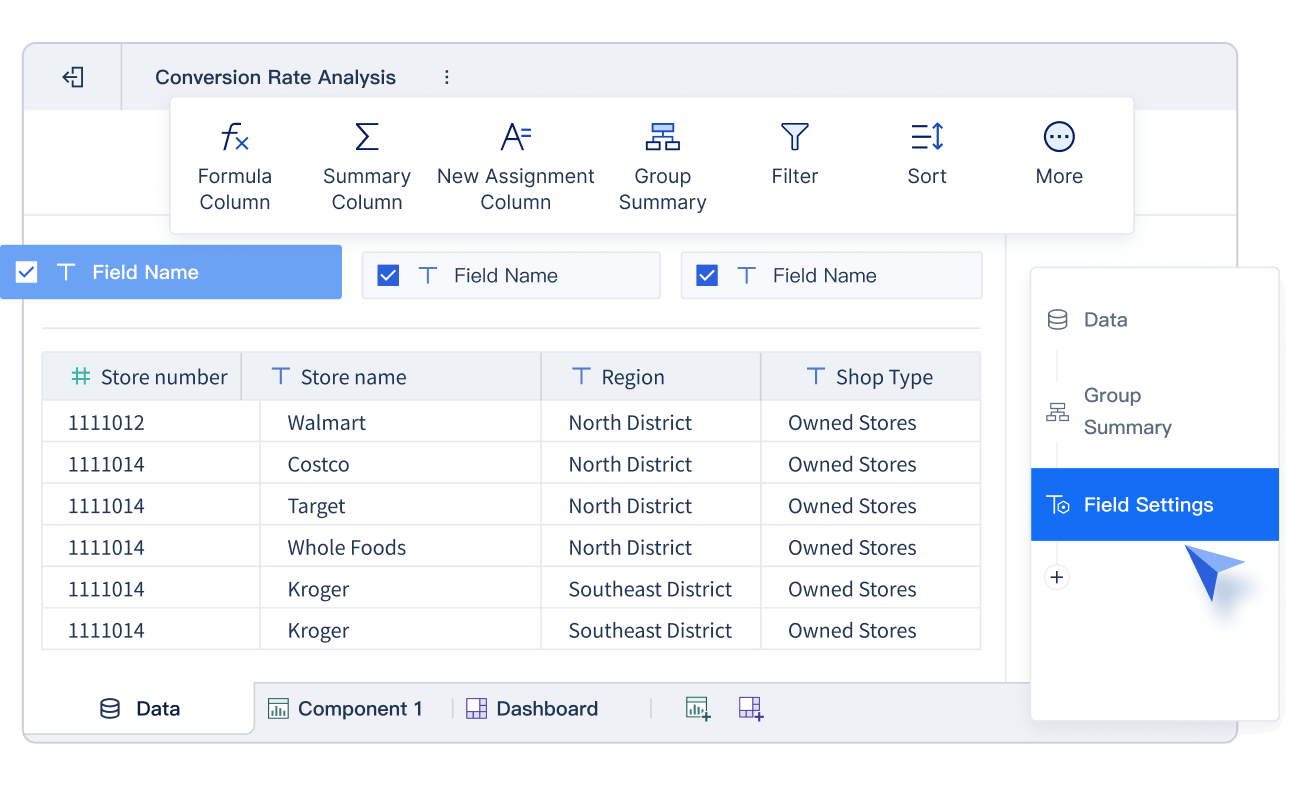
FineBI makes it easy to spot bottlenecks in your process. You can see where candidates drop out or where interviews slow down. You can use these insights to improve the candidate experience and attract top talent. FineBI also supports self-service analytics. You do not need to wait for IT support. You can create your own reports and dashboards with simple drag-and-drop tools.
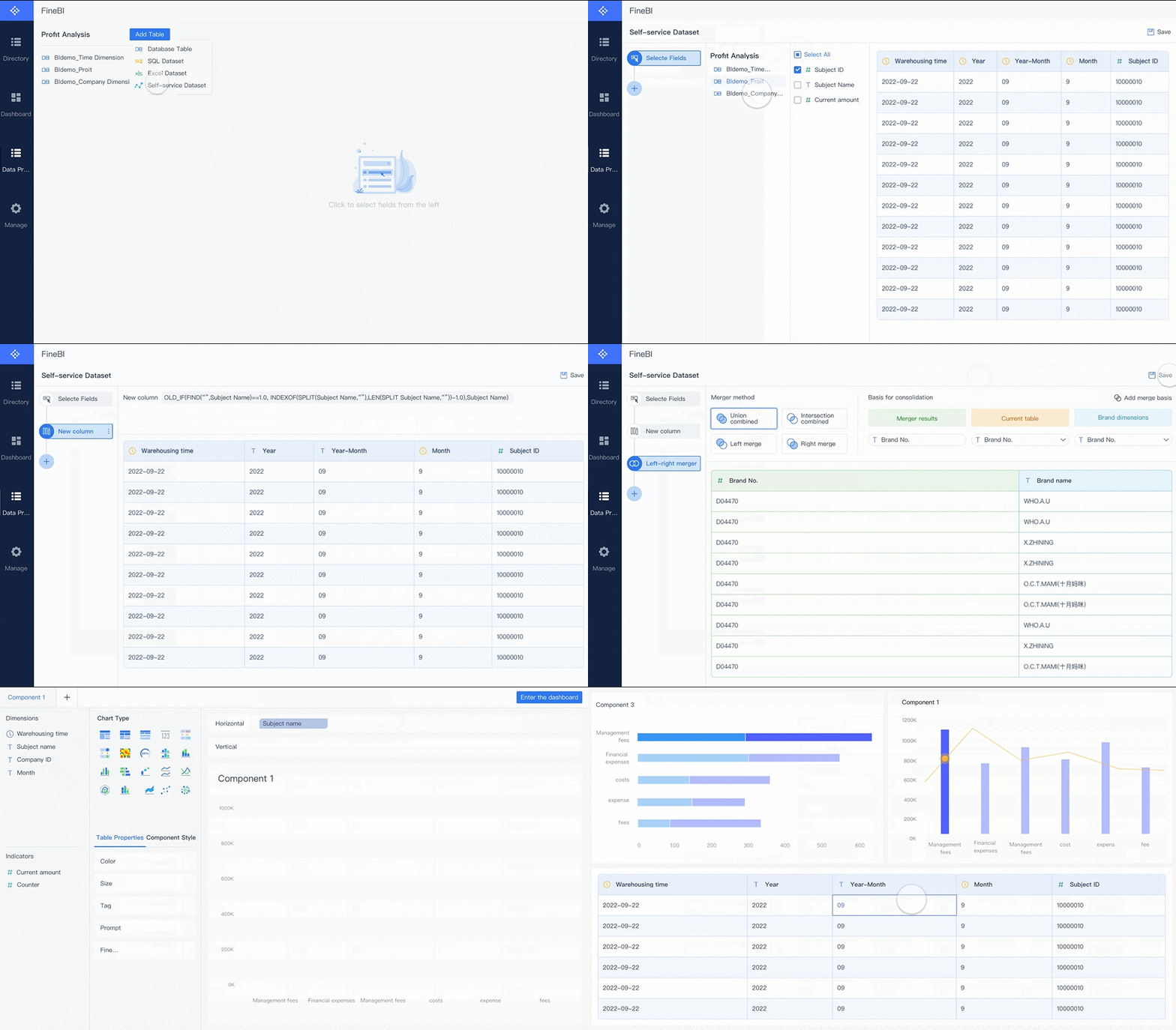
FineBI Drag-and-drop Interface
You can also use FineChatBI, a conversational analytics tool within FineBI. You can ask questions in plain language and get instant answers. This helps you make quick decisions and respond to changes in your recruitment pipeline.
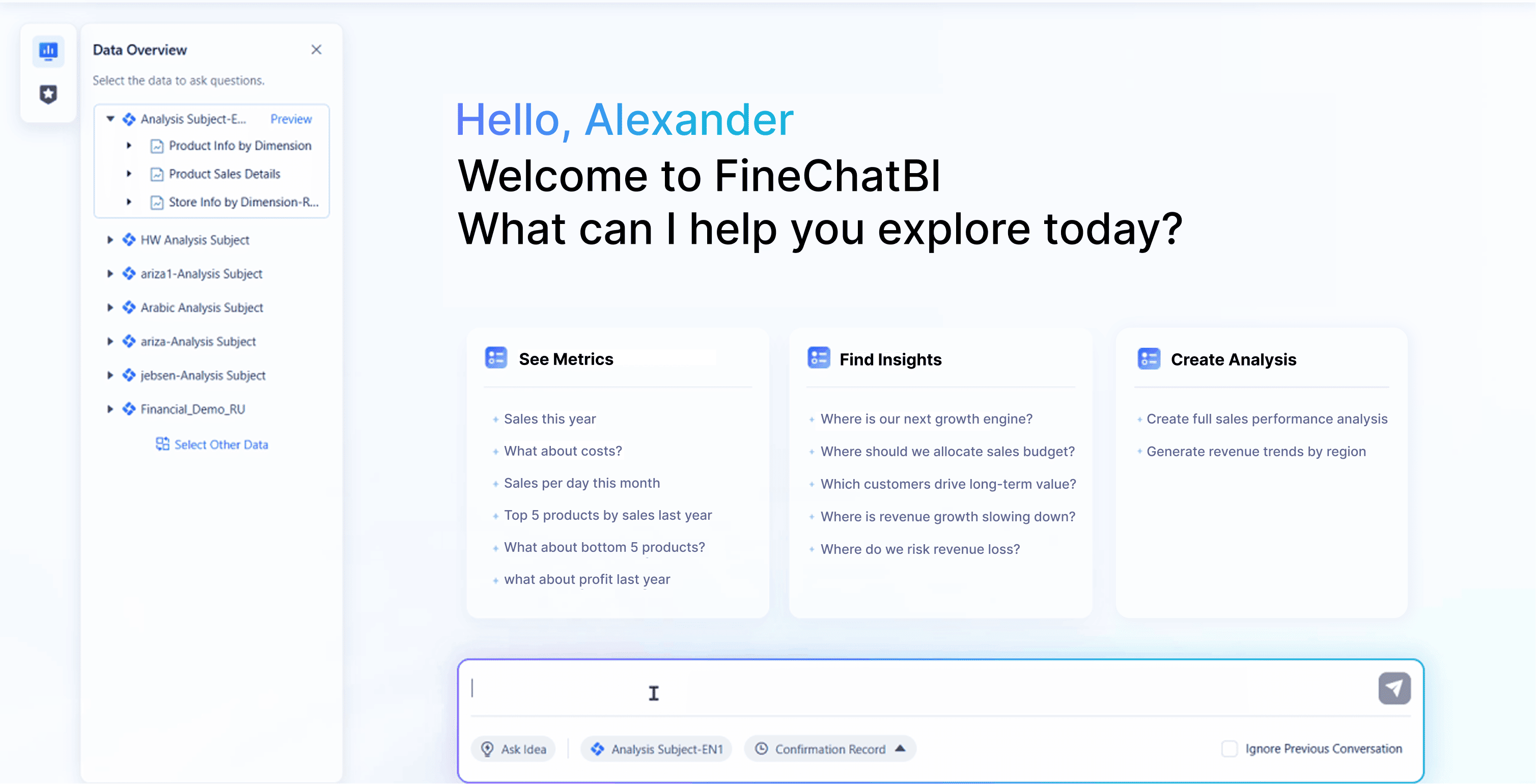
FineChatBI of FineBI
Compliance and Security
Compliance and security are critical in any recruitment management system. You must follow laws and protect candidate data. Your system should help you meet fair hiring standards, keep accurate records, and ensure privacy.
Here is a table of key compliance areas and requirements:
Security measures protect sensitive candidate information. Most recruitment management systems use multi-factor authentication. This means you need more than one way to prove your identity. Data encryption keeps information safe during transfer and storage. Regular security audits check for weaknesses and ensure you follow privacy laws.
Note: Protecting candidate data builds trust and improves the candidate experience. You show that you value privacy and follow best practices.
A strong recruitment management system gives you peace of mind. You can focus on sourcing, candidate screening, and interviews, knowing your system handles compliance and security.
By using a recruitment management system with advanced integration, automation, analytics, and security, you set your team up for success. You can attract top talent, improve the candidate experience, and make smarter hiring decisions.
Benefits of Using a Recruitment Management System

A recruitment management system brings measurable advantages to your HR team and business leaders. You gain improved hiring efficiency, cost savings, and a better experience for both candidates and recruiters. With the right tools, you can make smarter hiring decisions and build a stronger workforce.
Efficiency and Cost Savings
You save time and money when you automate recruitment tasks. The system reduces manual work and speeds up every step, from job posting to onboarding. Companies using automation report up to a 60% reduction in hiring time, which directly lowers cost-per-hire. You can also tap into internal talent pools, cutting recruitment costs by as much as 30%.
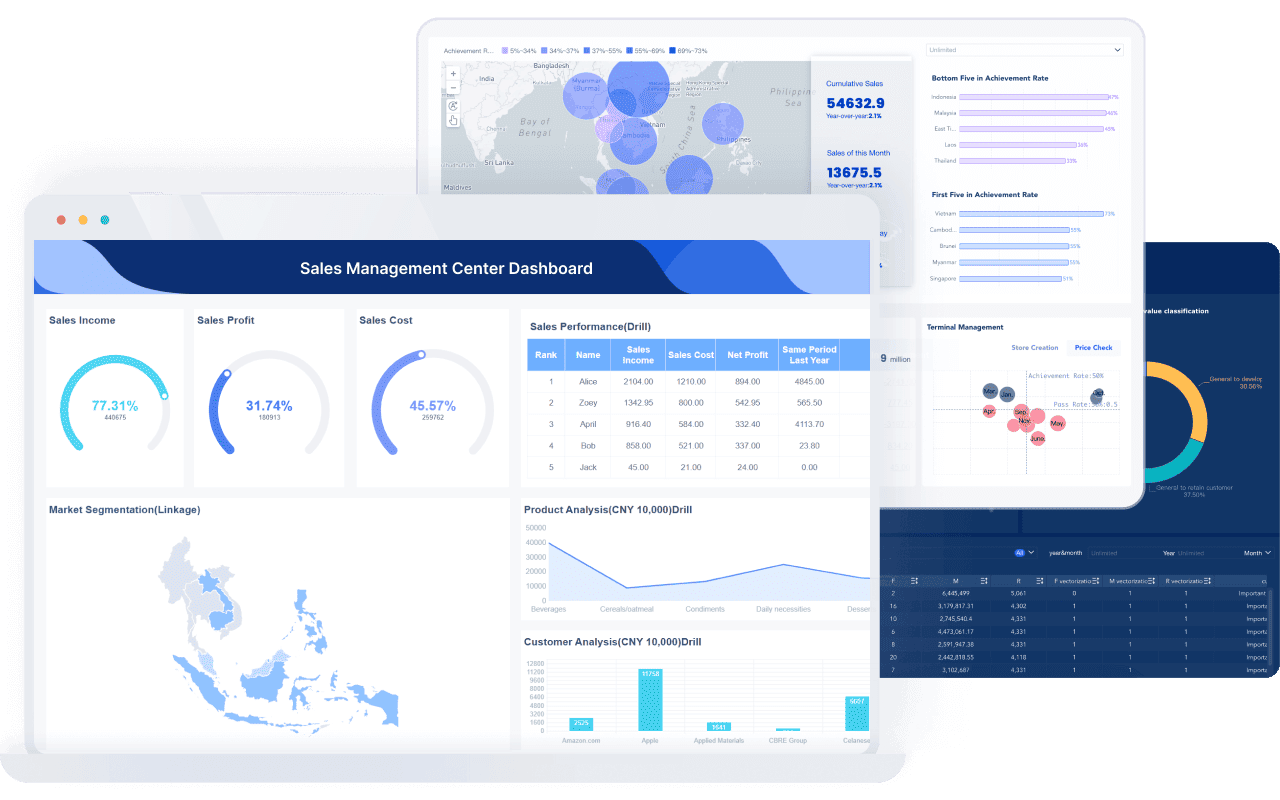
Companies with defined roles and coordinated processes recruit faster and more accurately. Structured feedback from hiring managers improves shortlist quality and shortens the hiring process. FineBI supports you by tracking these metrics, helping you spot bottlenecks and achieve faster time-to-hire.
Improved Candidate Experience
A recruitment management system transforms candidate communication. You keep candidates informed with regular updates, which reduces drop-off rates and builds trust. Streamlined communication enhances engagement and creates a positive employer brand. When you move candidates quickly through the process, you increase satisfaction and attract top talent.
- Streamlined communication keeps candidates engaged.
- Regular updates reduce drop-off rates.
- Clear communication strengthens your employer brand.
FineBI lets you analyze candidate experience metrics, so you can identify pain points and improve your process. Investing in better communication and onboarding benefits both your organization and your new hires.
Better Hiring Decisions
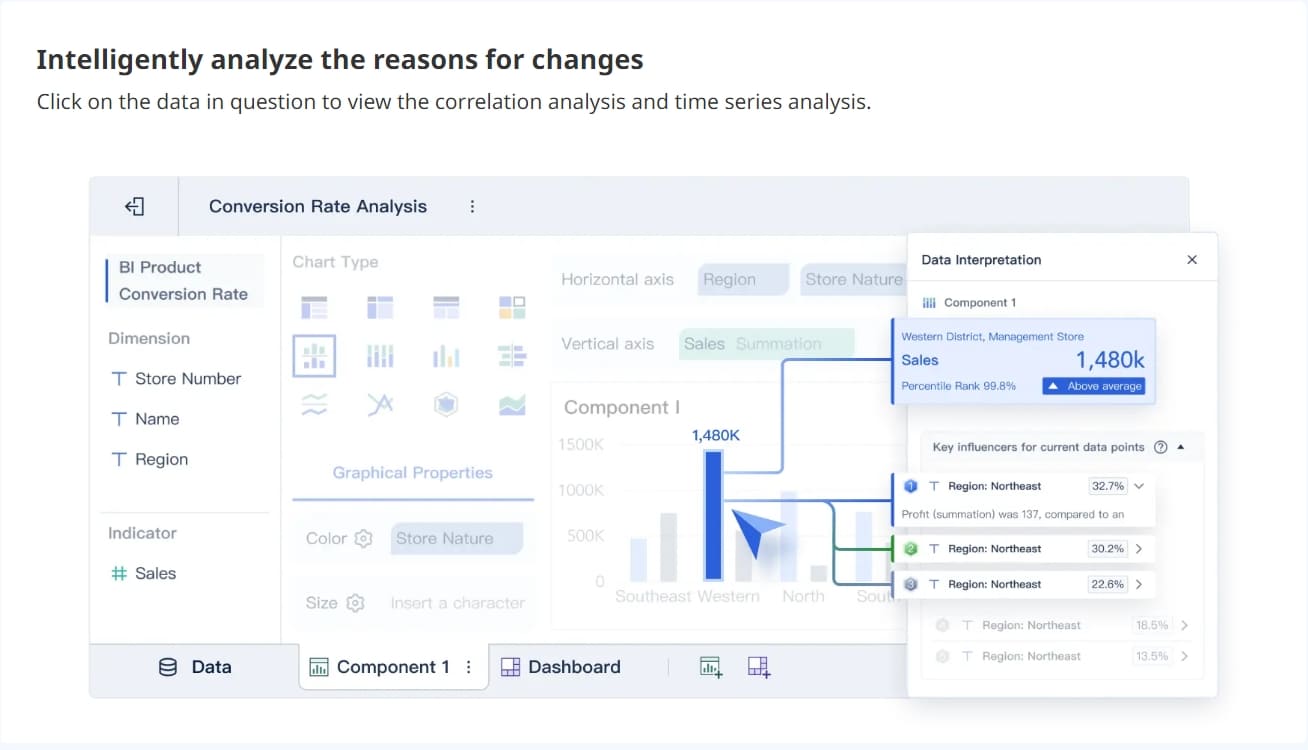
You make better hiring decisions when you use data-driven tools. Recruitment management systems rely on evidence-based practices, focusing on factors that predict job performance. Tools like FineBI and AI-powered assessments help you evaluate candidates fairly and accurately.
- Evidence-based hiring uses research to predict job success.
- Predictive analytics refine your recruitment process by analyzing past outcomes.
- AI automates resume screening, reducing human error and bias.
FineBI empowers you to use data for every step, from sourcing to onboarding. You can track what works, adjust your strategy, and achieve better quality of hire. This approach leads to long-term employee success and retention.
Tip: Data-driven recruitment helps you build a strong team and stay ahead in a competitive market.
Choosing the Right Recruitment Management Software
Essential Features to Consider
When you select recruitment management software, you want tools that fit your unique hr needs. Look for flexibility so you can adapt the system to your hiring process. Automation helps you handle routine tasks and reduces manual workload. Data analytics give you insights into hiring trends and performance. A customizable applicant tracking system grows with your business. Diversity and inclusion tools support fair recruitment. Mobile optimization ensures you can access the platform anywhere. Collaboration tools make teamwork easier for hr and candidate sourcing. Candidate relationship management keeps candidates engaged throughout the process.
- Flexibility for different hiring demands
- Automation for routine tasks
- Data analytics for hiring trends
- Customizable applicant tracking system
- Diversity and inclusion tools
- Mobile optimization
- Collaboration tools for hr teams
- Candidate relationship management
Evaluating Applicant Tracking System Options
You need to compare different applicant tracking system options before making a decision. Each system offers unique features and usability. The table below highlights popular choices:
When you evaluate systems, keep your business needs top of mind. Think about who will use the software in your hr department. Get a demo to see the candidate experience. Choose a system with regular updates and new features. Make sure it integrates with your existing hr software. Ask about pricing models, security measures, and scalability features. Check how the system stores private candidate information and supports candidate sourcing.
Common challenges include poor candidate experience, inaccurate resume parsing, and lack of customization. Integration issues and limited reporting can slow down your hiring process. You want a system that avoids technical glitches and provides effective screening algorithms.
Why FineBI for Recruitment Analytics
FineBI stands out for recruitment analytics. You can connect data from multiple sources and visualize it in real time. FineBI helps hr teams track key metrics like cost-per-hire, time to hire, and candidate sourcing effectiveness. You can build dashboards to spot trends and bottlenecks. FineBI supports self-service analytics, so you do not need to wait for IT support. Candidate relationship management becomes easier with instant insights. FineBI’s conversational analytics tool, FineChatBI, lets you ask questions in plain language and get answers fast. This empowers you to make informed decisions and improve your hiring process.
Tip: FineBI helps you optimize recruitment strategies and build a stronger workforce by turning data into actionable insights.
A recruitment management system transforms your hiring process. You gain speed, accuracy, and a better candidate experience. Features like analytics, automation, and integration help you make smarter decisions and reduce costs. FineBI gives you real-time dashboards and clear metrics for every stage. See how these benefits add value:
Explore advanced solutions like FineBI to enhance your recruitment management and stay ahead in a competitive market.