

You can see clinical data analysis tools leading the transformation of healthcare. These tools help you extract valuable insights from complex, isolated systems. Clinical data analysis tools offer seamless user experience, advanced integration, and robust functionality that optimize outcomes across the care continuum. You rely on clinical data analysis tools to improve financial performance and support evidence-based care. Innovaccer and other top clinical data analysis tools have changed how you manage patient journeys. The shift toward self-service analytics makes tools like FineReport and FineBI essential for addressing your organization’s data challenges.
Why Clinical Data Analysis Tools Matter
Clinical data analysis tools play a critical role in healthcare transformation. You use these tools to collect, organize, and interpret vast amounts of clinical data. Clinical data analysis tools help you turn raw information into actionable insights, supporting clinical data management and healthcare data analytics. These tools allow you to make data-driven decisions that improve patient care and operational efficiency. When you rely on clinical data analysis tools, you gain the ability to manage population health management, optimize workflows, and support value-based care initiatives.
Enhancing Patient Outcomes
Clinical data analysis tools empower you to deliver improved patient outcomes. You can leverage healthcare data analytics to identify trends, predict risks, and personalize treatment plans. The following table highlights how these tools impact patient care:
| Evidence Description | Impact on Patient Outcomes |
|---|---|
| Full range of RWE services for clinical development, safety monitoring, and outcomes research. | Supports diverse life sciences use cases, enhancing patient care. |
| Transform fragmented datasets into actionable insights. | Drives better clinical, regulatory, and commercial outcomes. |
| Leverage high-quality data for timely insights. | Generates clinically relevant insights that improve patient care. |
| Patient journey profiling and clinical trial site identification. | Enhances understanding of patient needs and improves research outcomes. |
You can use clinical data management to monitor patient journeys and identify gaps in care. These tools help you understand population health management and tailor interventions for specific groups.
Streamlining Operations
Clinical data analysis tools streamline your operations by automating data tasks and improving accuracy. You can reduce manual errors and save time with advanced healthcare data analytics. Here are some ways these tools enhance efficiency:
- Improved decision-making processes through AI-enhanced workflows.
- Predictive analytics and NLP tools enable tailored treatment plans.
- 30% improvement in data accuracy, reducing errors and supporting better decisions.
- 25% reduction in time for data tasks, boosting overall efficiency.
- 20% reduction in operational costs, improving financial performance.
- 35% increase in employee productivity, allowing you to achieve more with fewer resources.
- 15% increase in customer satisfaction scores due to enhanced data accuracy and efficiency.
- 40% increase in productivity with AI-driven scheduling systems.
- 60% enhancement in patient satisfaction levels through improved operational efficiency.
You can use clinical data management to automate reporting, monitor resource allocation, and support population health management. These improvements help you focus on delivering value-based care.
Supporting Evidence-Based Decisions
Clinical data analysis tools support evidence-based decisions by integrating technology with clinical expertise. You gain real-time access to guidelines and recommendations, which helps you make informed choices. The table below shows how these tools contribute to better decision-making:
| Evidence Description | Key Points |
|---|---|
| Integration of Technology | CDSS integrates technology with clinical expertise to enhance decision-making. |
| Real-time Access | Provides clinicians with immediate access to evidence-based guidelines and treatment recommendations. |
| Improved Patient Outcomes | Streamlines workflows and improves patient outcomes through data-driven insights. |
You rely on clinical data management to ensure that your decisions are based on the latest evidence. These tools help you deliver value-based care and achieve improved patient outcomes.

Leading Clinical Data Analysis Tools
Clinical data analysis tools are specialized data management software solutions that help you collect, organize, and interpret clinical information. These tools enable you to transform raw healthcare data into actionable insights, supporting better patient care, operational efficiency, and regulatory compliance. When you use clinical data analysis tools, you gain the ability to integrate information from electronic health records, billing systems, and laboratory platforms, making your data management software more effective and reliable.
You rely on clinical data analysis tools to streamline workflows, automate reporting, and ensure data accuracy. These data management software platforms support your organization in meeting compliance standards, improving patient outcomes, and driving evidence-based decisions. The following clinical data analysis tools stand out for their innovation, integration capabilities, and impact on healthcare delivery.
FineReport
FineReport is a leading data management software that empowers you to create pixel-perfect reports and interactive dashboards without extensive coding. You can connect FineReport to a wide range of data sources, including EHRs, laboratory systems, and financial databases. The intuitive drag-and-drop interface allows you to design complex reports and visualize key metrics in real time. FineReport supports mobile access, so you can view reports and dashboards on any device, ensuring you stay informed wherever you are.
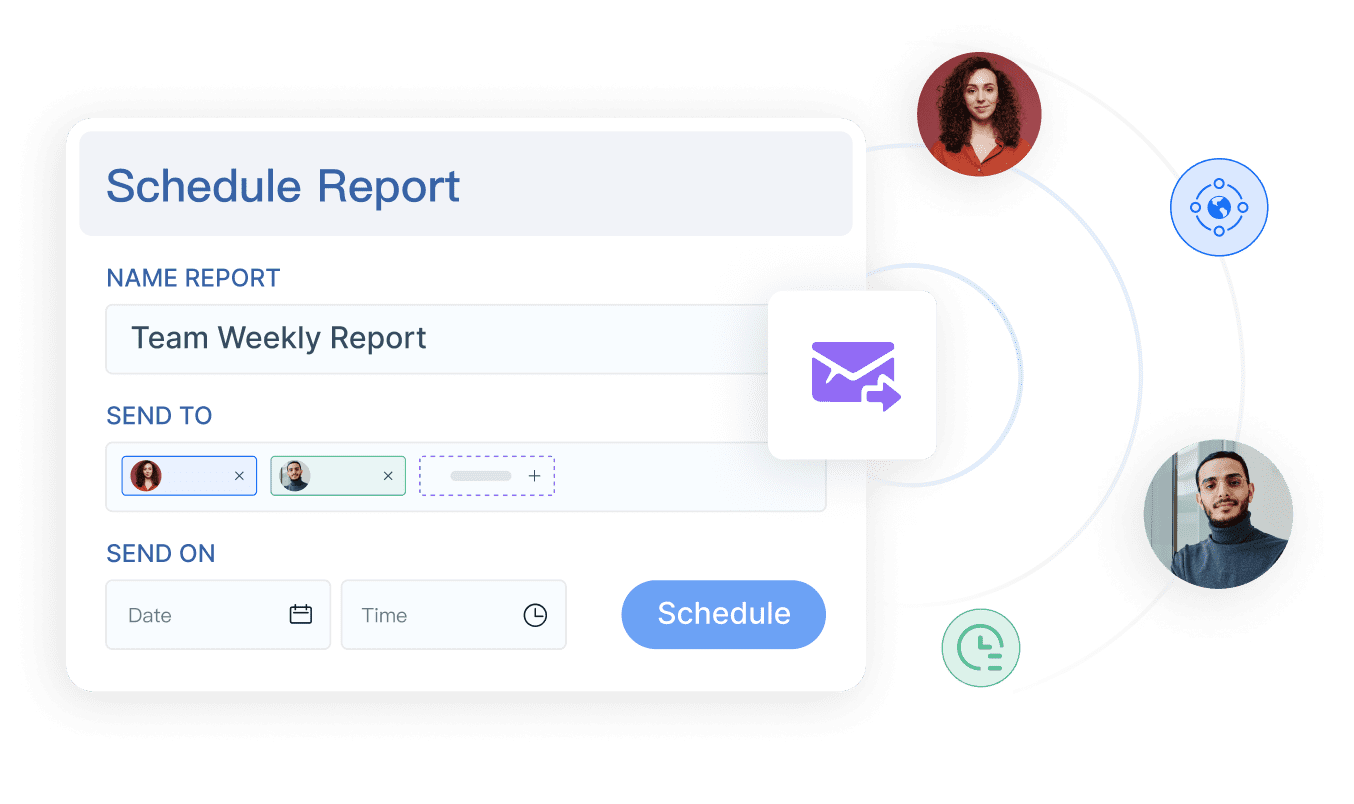
With FineReport, you can automate report generation and distribution, reducing manual workload and minimizing errors. The platform’s decision-making portal centralizes all your reports, user management, and data permissions, making it a comprehensive data management software solution. FineReport's robust data integration and visualization capabilities help you monitor clinical performance, track patient outcomes, and support compliance with healthcare regulations.
FineBI

FineBI is a self-service data management software designed for healthcare organizations that need agile and scalable analytics. You can connect FineBI to multiple data sources, including big data platforms, cloud warehouses, and traditional databases. The platform offers a no-code interface, enabling non-technical staff to build dashboards and analyze data independently.
FineBI stands out among clinical data analysis tools for its robust integration, near real-time analytics, and strong data governance. You can see the key features in the table below:
| Feature | Description |
|---|---|
| Robust Integration | Connects with EHRs, billing, and lab systems to avoid manual data handling. |
| Near Real-Time Analytics | Provides real-time dashboards for critical metrics. |
| Strong Data Governance & Compliance | Ensures HIPAA, GDPR, and other regulatory compliance. |
| Intuitive Interface | No-code or low-code design for ease of use. |
| Scalability & Performance | Handles large datasets efficiently. |
| Advanced Reporting & Customization | Custom KPI tracking and automated alerts. |
FineBI’s advanced reporting and customization features allow you to track clinical KPIs, set up automated alerts, and ensure data security. As a data management software, FineBI helps you democratize analytics, enabling every department to access and analyze clinical data efficiently.
IBM Watson Health
IBM Watson Health is one of the most recognized clinical data analysis tools in the healthcare industry. You use this data management software to leverage artificial intelligence for predictive analytics, patient risk assessment, and operational improvements. IBM Watson Health has demonstrated significant clinical and financial outcomes, including:
- More than 79,000 additional lives saved in hospitals.
- Over 44,000 additional patients being complication-free.
- More than $10.1 billion in inpatient costs saved.
- Over 34,000 fewer discharged patients readmitted within 30 days.
- Healthcare-associated infections reduced by 15 percent.
- Patients spending 31 fewer minutes in hospital emergency departments per visit.
IBM Watson Health integrates seamlessly with your existing systems, providing actionable insights that improve patient care and reduce costs.
SAS Health Analytics
SAS Health Analytics is a powerful data management software that enables you to analyze large volumes of clinical data. This platform uses predictive modeling and AI-driven diagnostics to identify high-risk patients and improve care quality. SAS Health Analytics gives you access to patient population data for quick feasibility studies and allows you to visualize and analyze cohort data for deeper insights.
You benefit from high-performance analytics that solve interoperability challenges and integrate diverse healthcare data sources. SAS collaborates with industry leaders to enhance real-world data quality, giving you a competitive edge in clinical research and operational efficiency.
Power BI Healthcare Solutions
Power BI Healthcare Solutions is a versatile data management software that helps you consolidate and visualize clinical data. You can use Power BI to create custom dashboards, track KPIs, and automate compliance reporting. The table below highlights how Power BI addresses common healthcare challenges:
| Challenge | Solution |
|---|---|
| Data Overload and Slow Decision-Making | Consolidates data into a single dashboard for quick insights. |
| Inefficient Resource Management | Analyzes data to predict resource needs. |
| Difficulty in Tracking KPIs | Creates custom dashboards for real-time KPIs. |
| Limited Data Visibility Across Departments | Integrates data for better coordination. |
| Limited Patient Engagement and Preventive Care | Visualizes health metrics for patients. |
| Complicated Regulatory Compliance Reporting | Automates report generation for compliance. |
| Difficulty in Predicting and Managing Patient Flow | Analyzes historical data to forecast patient flow. |
Power BI Healthcare Solutions enables you to make timely, data-driven decisions and improve patient engagement.
Alpha Sophia
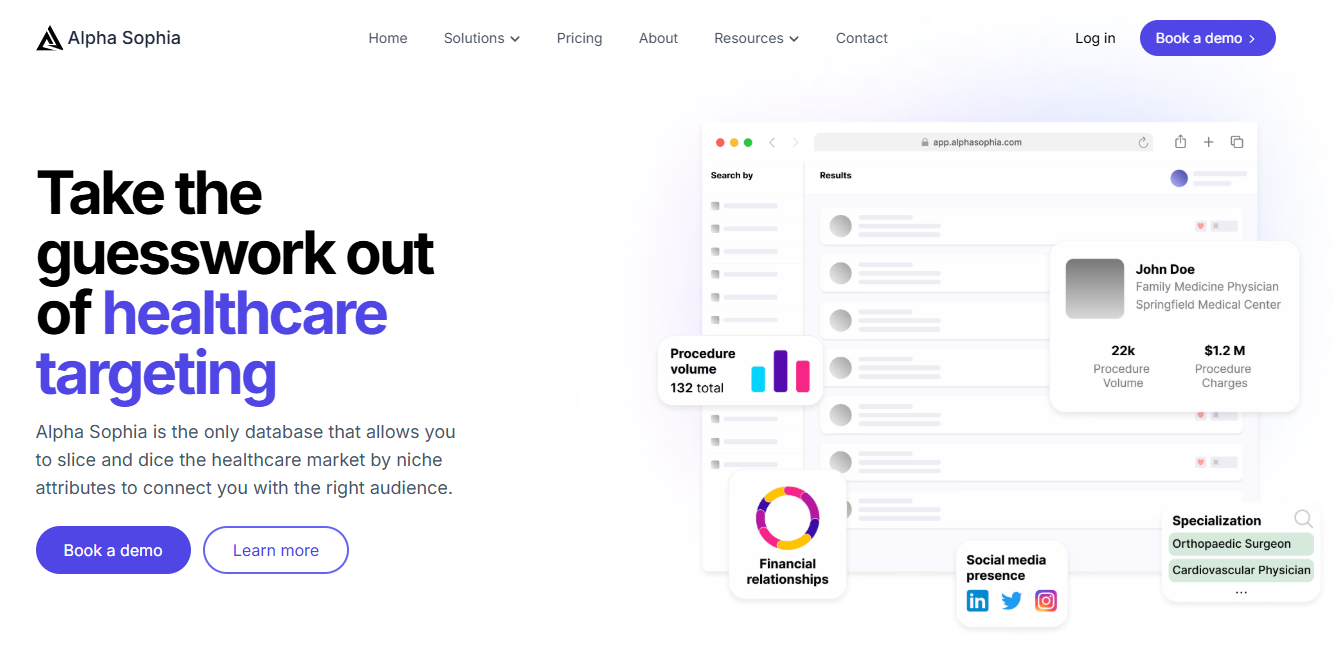
Alpha Sophia is a next-generation clinical data analysis tool that offers advanced filtering options for profiling healthcare providers and organizations. You can integrate Alpha Sophia into your existing workflows through CRM compatibility, making it easy to adopt without disrupting your operations. The intuitive design minimizes the learning curve, allowing you to focus on data analysis rather than software training.
Alpha Sophia’s seamless integration and user-friendly interface make it a valuable data management software for organizations seeking to enhance provider profiling and operational efficiency.
Arcadia

Arcadia is a leading data management software for clinical data analysis, known for its effectiveness in population health management and value-based care. You can use Arcadia for a wide range of use cases, as shown in the table below:
| Use Case | Description |
|---|---|
| Care Management | Managing patient care effectively. |
| Data Management and Quality | Ensuring data integrity and quality. |
| Health Equity and SDOH | Addressing social determinants of health. |
| Healthcare Analytics | Analyzing healthcare data for insights. |
| Healthcare IT | Implementing technology solutions. |
| Interoperability | Facilitating data exchange between systems. |
| Medical Cost Containment | Reducing healthcare costs. |
| Patient Engagement | Enhancing patient involvement. |
| Patient Outcomes | Measuring and improving health outcomes. |
| Patient Retention | Keeping patients engaged with providers. |
| Population Health Management | Managing health outcomes for populations. |
| Quality Improvement | Enhancing the quality of care. |
| Quality Management for Payers | Ensuring payers meet quality standards. |
| Risk Adjustment | Adjusting risk scores for populations. |
| Risk Management for Payers | Managing financial risks for payers. |
| Value-Based Care | Focusing on patient outcomes and value. |
Arcadia ranks #1 in Population Health Data Integration and Analytics, reflecting its ability to aggregate and analyze complex healthcare datasets for improved value-based care.
CitiusTech
CitiusTech is a comprehensive data management software platform that delivers advanced analytics for operational efficiency and patient care. You can use CitiusTech to integrate real-time EHR data, deploy HEDIS engines, and enhance quality scores. The table below summarizes its impact:
| Evidence Description | Impact on Healthcare Outcomes |
|---|---|
| Advanced analytics for operational efficiency | Improved patient care and streamlined resource allocation |
| Consumer analytics for personalized experiences | Enhanced patient insights and healthcare outcomes |
| Real-time EHR data integration | Improved provider experiences and performance |
| HEDIS engine deployment | Enhanced quality scores and membership growth |
CitiusTech leverages predictive analytics and unified platforms to identify health trends and improve both provider and patient experiences.
Datavant
Datavant is a secure data management software solution that facilitates data sharing and integration in clinical environments. You can use Datavant’s clean rooms for controlled analysis of patient-level data without moving sensitive information. The platform uses tokenization to evaluate datasets while preserving patient privacy. The table below outlines its core features:
| Evidence Type | Description |
|---|---|
| Clean Rooms | Secure environment for controlled analysis of patient-level data. |
| Tokenization | Evaluates datasets without direct access to raw records. |
| Privacy and Security | Utilizes privacy-enhancing technologies for secure analysis and compliance. |
Datavant connects over 80,000 hospitals and clinics, making it the largest health data exchange in the U.S. Its privacy-preserving technology and layered security controls ensure your data remains secure and compliant.
Health Catalyst
Health Catalyst is a top-tier data management software that accelerates clinical data management and analytics. You can use Health Catalyst’s Self-Service Analytics Suite to identify patients with undiagnosed conditions, reduce data acquisition times, and improve operational performance. The table below highlights key case studies:
| Case Study | Key Outcomes |
|---|---|
| Queen’s Health System | Accelerated identification of patients with undiagnosed diabetes and pre-diabetes. |
| Orlando Health | Reduced data acquisition times and improved system enhancements. |
| Texas Children’s Hospital | Realized $74 million in performance improvements, with $12 million from improved labor performance. |
| Allina Health | Achieved $32.7 million in savings and improved clinical outcomes. |
Health Catalyst’s integrated operational and financial data analytics tools help you achieve significant savings and better patient outcomes.
Cerner HealtheIntent
Cerner HealtheIntent is a cloud-based, vendor-agnostic clinical data analysis tool that integrates data from multiple sources. You can use this data management software to gain near real-time insights, create comprehensive health records, assess risks, and tailor care programs. Cerner HealtheIntent enables you to improve patient outcomes by providing a unified view of individual health data and supporting proactive care management.
Millennia
Millennia is an AI-powered data management software that enhances revenue cycle management and patient engagement. You can use Millennia’s AI to identify valuable accounts, automate redundant processes, and increase patient collections through targeted engagement modeling. The platform’s engagement intelligence software streamlines workflows and reduces manual workload, making your operations more efficient.
McKesson

McKesson is a trusted name in clinical data analysis tools, offering data management software that improves supply chain efficiency and compliance. You can use McKesson’s analytics to identify savings opportunities, highlight inefficiencies, and ensure regulatory compliance. The platform uses predictive analytics to anticipate future needs and potential shortages, helping you take proactive measures and maintain supply chain resiliency.
Innovaccer
Innovaccer is a leading data management software platform that unifies patient records and delivers advanced analytics for actionable insights. You can increase patient engagement by 79%, reduce readmission rates by 22%, and save up to 30 minutes per day for physicians through automated note scanning. Innovaccer integrates seamlessly with major EHR systems and processes data three times more accurately than off-the-shelf AI solutions.
The platform has unified 54 million patient records and improved quality gap closure by 10%. Innovaccer’s analytics tools help you realize significant value, improve documentation accuracy, and support better decision-making across your organization.
OpenEvidence
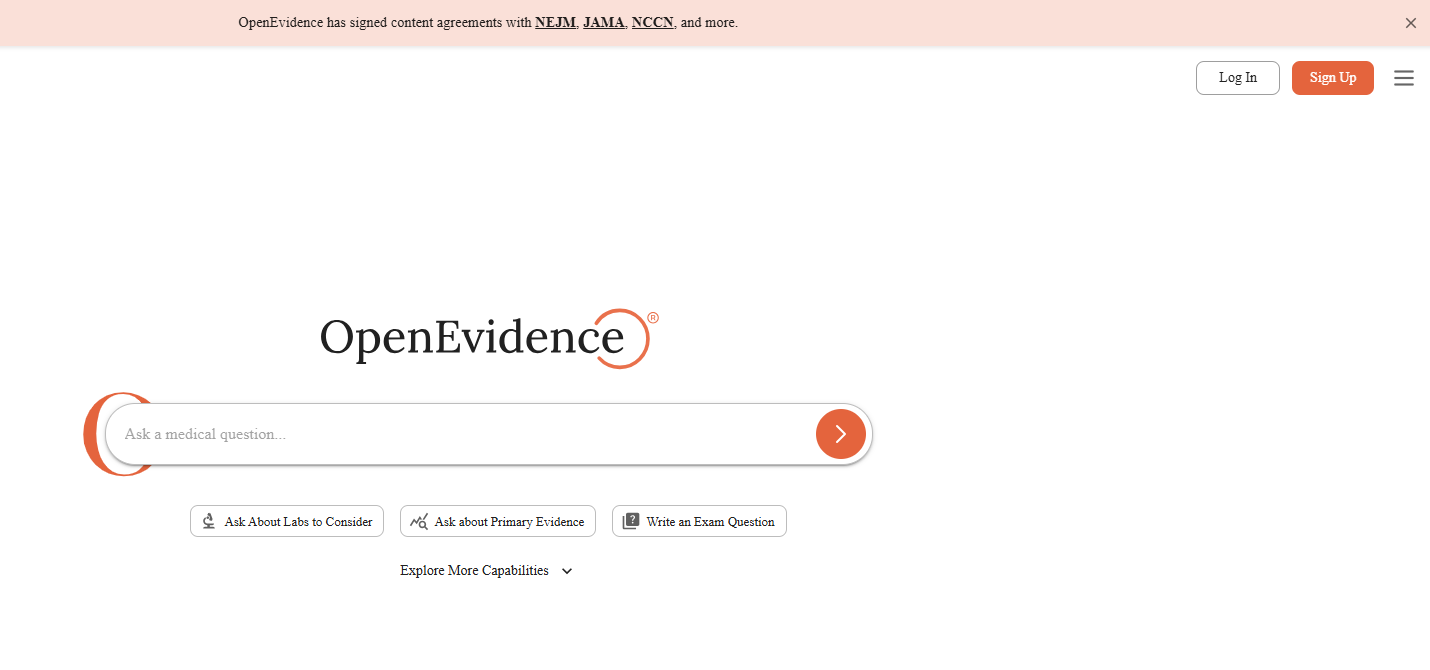
OpenEvidence is an AI-powered clinical data analysis tool that aggregates and synthesizes medical literature for evidence-based decision-making. Physicians describe OpenEvidence as a game changer for reducing the time spent searching for reliable medical evidence. The platform’s clinical decision support capabilities and user-friendly interface enhance efficiency and support better clinical outcomes.
OpenEvidence’s AI-driven aggregation and synthesis of medical literature help you access the latest evidence quickly, making it easier to deliver high-quality, evidence-based care.
These clinical data analysis tools represent the forefront of healthcare innovation. By adopting advanced data management software, you can transform your organization’s approach to data integration, analytics, and patient care. Each tool offers unique strengths, but all share a commitment to improving outcomes, streamlining operations, and supporting evidence-based decisions.
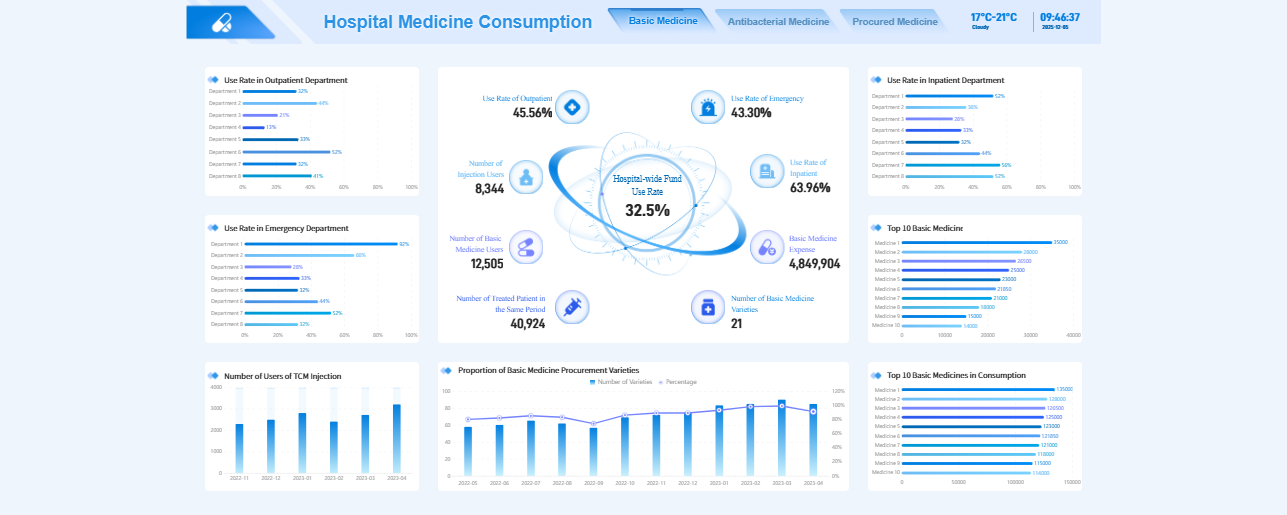
Key Features of Top Clinical Data Analysis Tools

Clinical data analysis tools help you turn complex healthcare data into actionable insights. These tools allow you to collect, process, and interpret information from many sources. You use clinical data analysis tools to support better patient care, improve operations, and meet compliance standards. They offer features that make your analysis faster, more accurate, and more secure.
Data Integration and Connectivity
Clinical data analysis tools connect to many data sources, such as electronic health records, lab systems, and billing platforms. You can combine information from different systems for a complete view of patient care. Advanced data integration and connectivity lead to better outcomes. For example, Geisinger Health improved cancer treatment outcomes by 31% after integrating genomic and medical data. Kaiser Permanente reduced 30-day readmission rates by 18% with real-time healthcare data integration. Mount Sinai Health System achieved a 40% faster registration process and 35% fewer billing errors after using an advanced integration platform. Clinical data integration gives you real-time insights that help you make better diagnoses and treatment plans.
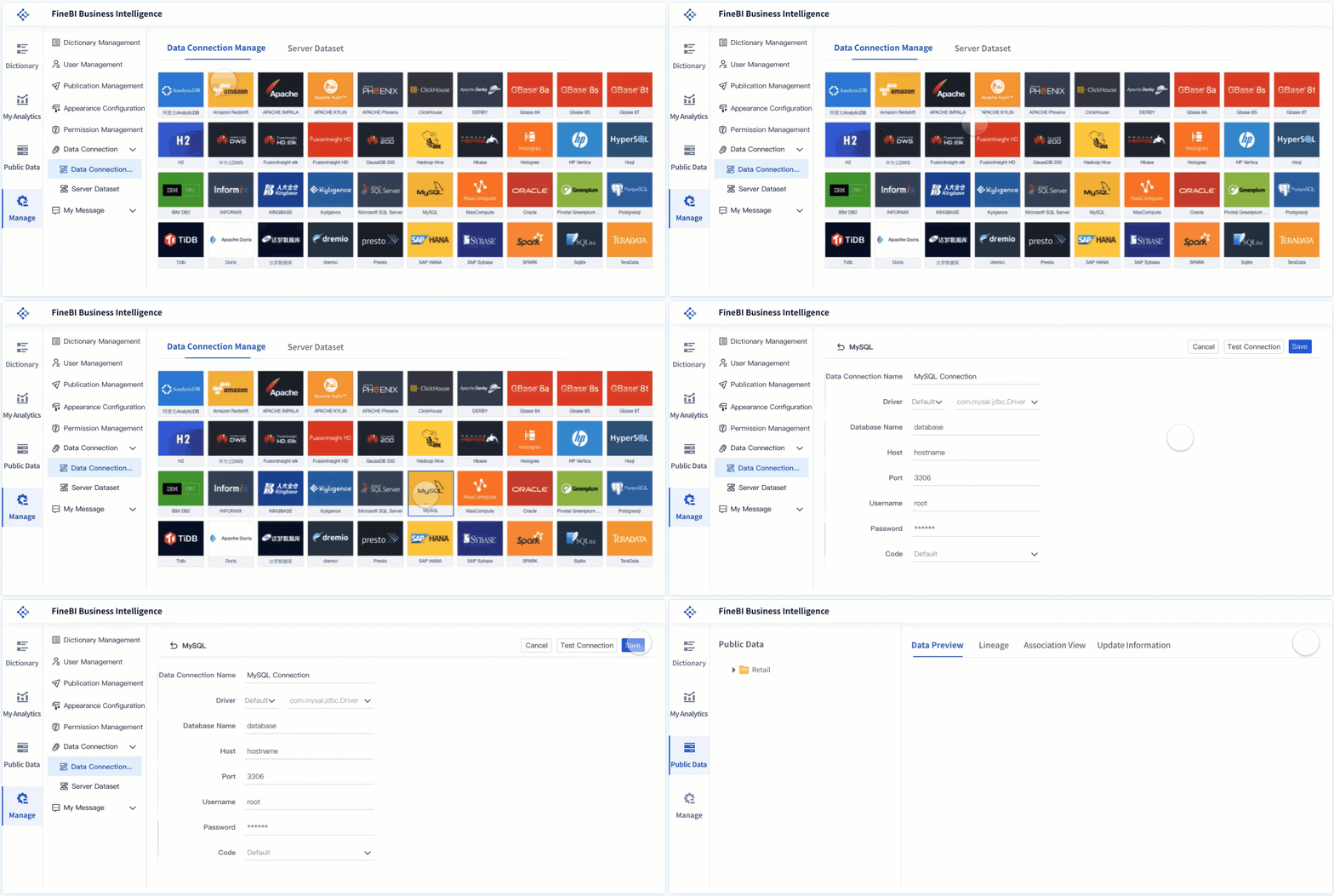
Real-Time Analytics
You rely on real-time analytics to monitor patient interactions and campaigns as they happen. Real-time data monitoring helps you make agile decisions and respond quickly to changes. Health organizations using real-time analytics achieve better quality scores and care coordination. Clinicians avoid unnecessary tests and access patient-specific information instantly, which improves care quality and reduces costs. Real-time analytics also support superior patient outcomes.
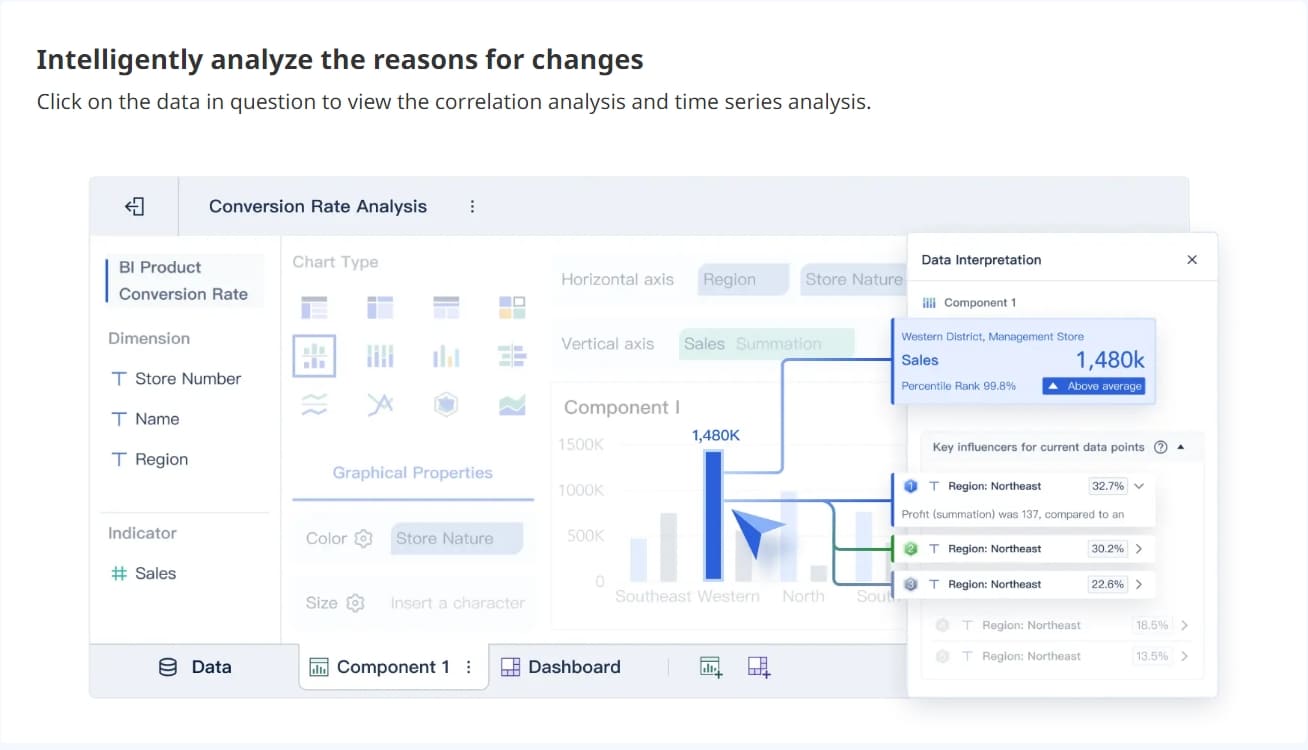
AI and Predictive Capabilities
Artificial intelligence and machine learning are core features of top clinical data analysis tools. You use predictive analytics to identify patients at risk and optimize resource allocation. AI-powered predictive analytics can detect suspicious activity, helping hospitals avoid ransomware attacks in seconds. Machine learning models predict disease onset, such as diabetes or Alzheimer’s, years before symptoms appear. ML-powered tools also reduce insurance claim denials and forecast suicide attempts using electronic health records. Artificial intelligence supports self-service diagnostics and drug discovery, making your analysis more powerful.
Security and Compliance
Security and compliance are essential in clinical data analysis tools. You need data encryption and strict adherence to standards like HIPAA to protect patient privacy. Leading tools comply with ISO 27001, SOC 2, and HITRUST, ensuring your information stays secure. These certifications validate that your data remains confidential and protected from threats.
| Compliance Standard/Certification | Importance in Healthcare Data Analytics Tools |
|---|---|
| ISO 27001 | Ensures information security management systems are in place. |
| SOC 2 | Validates the security, availability, and confidentiality of data. |
| HITRUST | Streamlines compliance with HIPAA and other regulations, reducing third-party risk. |
User Experience and Accessibility
You benefit from clinical data analysis tools that offer a user-friendly experience and easy access. Improved user experience reduces provider burnout and saves time. These tools help you achieve better patient outcomes and higher satisfaction. Digital literacy is important for using these tools effectively. Many consumers now search online for healthcare information, so accessible tools help you engage more users.
| Metric Type | Description |
|---|---|
| Provider Burnout | Measures the impact of tools on clinician well-being. |
| Time Savings | Evaluates efficiency improvements through tool usage. |
| Patient Outcomes | Assesses the direct effects of tools on patient health results. |
| Patient Satisfaction | Gauges user experience and satisfaction with the healthcare tools. |
Clinical data analysis tools with strong user experience and accessibility drive adoption and support better care.
Clinical Data Analysis Tools Impact on Data Management
Clinical data analysis tools play a central role in clinical data management. You use these tools to collect, organize, and interpret information from clinical trials and routine care. Clinical data analysis tools help you transform raw data into insights that support better patient outcomes and operational efficiency. When you use clinical data analysis tools, you gain the ability to manage large volumes of data from multiple sources, ensuring accuracy and compliance in every step of clinical data management.
You rely on clinical data analysis tools to streamline the entire process of clinical trials. These tools allow you to monitor data quality, automate reporting, and support regulatory requirements. Integrated clinical data management solutions help you connect electronic health records, laboratory systems, and trial management platforms. Clinical data management cro teams benefit from these tools by reducing manual work and improving data consistency.
Improving Decision-Making
Clinical data analysis tools improve your decision-making in clinical trials. You can use predictive analytics to identify risks and allocate resources efficiently. Machine learning features help you spot anomalies and missing data in real time. This leads to higher data quality and faster responses to challenges in clinical trials. You see measurable benefits, such as a 20–30% reduction in time spent on data cleaning cycles and improved consistency across all trials.
- You save time on manual data entry and validation.
- You improve the quality and consistency of your clinical data management.
- You make faster decisions by forecasting potential issues in clinical trials.
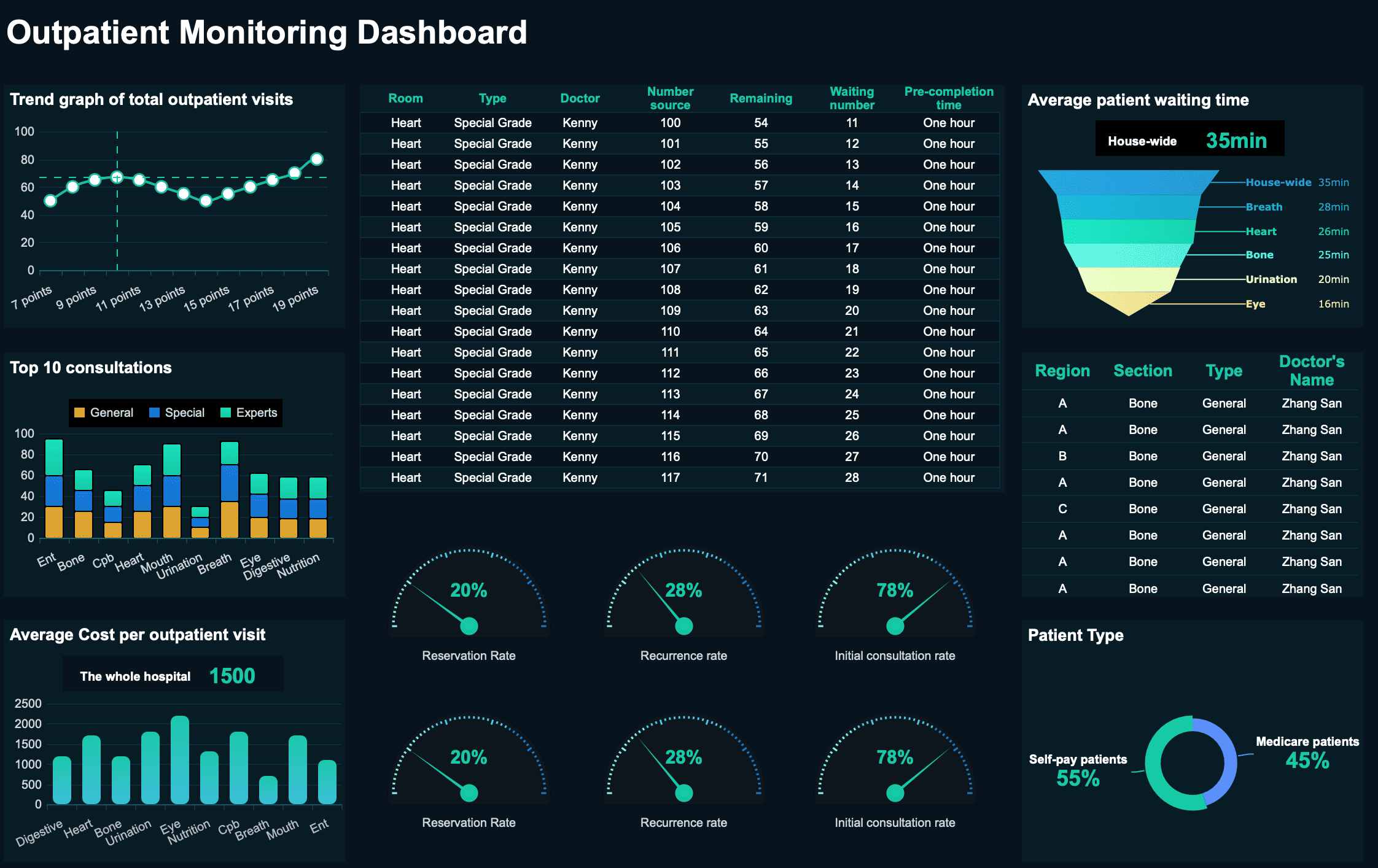
FineReport and FineBI stand out for their strengths in data integration and visualization. FineReport connects to diverse data sources and creates clear, pixel-perfect reports. FineBI empowers you to build dashboards and analyze data independently, supporting self-service analytics for clinical data management cro teams.
Accelerating Research and Innovation
Clinical data analysis tools accelerate research in clinical trials. You can process large datasets quickly and identify trends that drive innovation. These tools support integrated clinical data management by connecting information from different phases of trials. FineReport’s automated reporting and FineBI’s real-time dashboards help you track progress and share insights with your team. This speeds up the research process and helps you bring new treatments to patients faster.
Enhancing Patient Engagement
You use clinical data analysis tools to enhance patient engagement in clinical trials. These tools allow you to monitor patient journeys, identify gaps in care, and personalize communication. FineReport’s mobile reports and FineBI’s interactive dashboards make it easy for patients and staff to access information. Clinical data management cro teams can use these features to improve patient satisfaction and retention throughout the trials process.
Clinical data analysis tools transform clinical data management by improving decision-making, accelerating research, and enhancing patient engagement. FineReport and FineBI provide the integration, visualization, and self-service analytics you need to succeed in modern clinical trials.
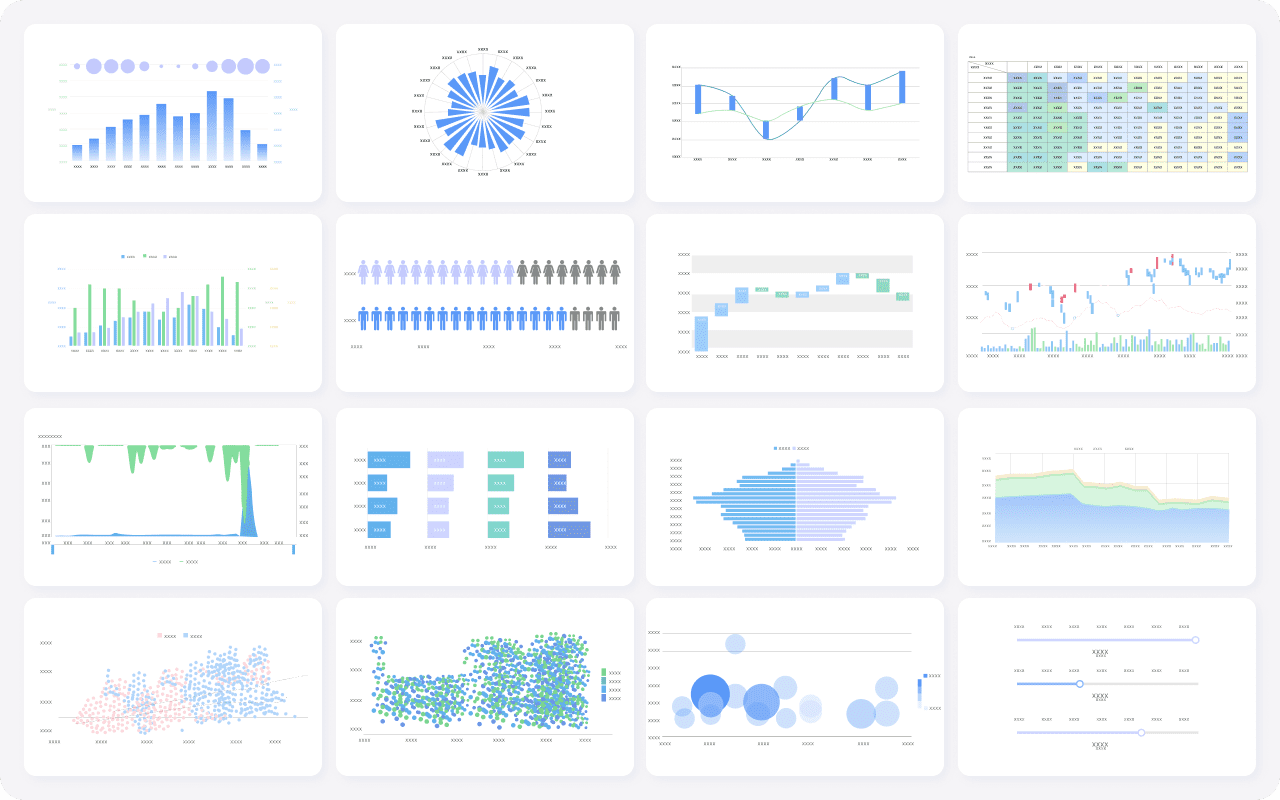
Choosing the Right Clinical Data Analysis Tools
Clinical data analysis tools help you collect, process, and interpret healthcare information. You use these tools to turn raw data into insights that support clinical data management and improve patient care. Clinical data analysis tools give you the power to manage large datasets, automate reporting, and ensure compliance with healthcare standards.
When you select clinical data analysis tools, you need to consider how they fit your organization’s needs. These tools support clinical data management by integrating with your existing systems and providing real-time analytics. The right choice will help you streamline workflows and make better decisions.
Choosing the best clinical data analysis tools involves evaluating several important criteria. The table below summarizes key factors you should consider:
| Criteria | Description |
|---|---|
| Build vs. Buy Decision | Decide if you want to develop your own analytics tools or purchase existing solutions. |
| AI Enablement | Look for tools that offer AI features for advanced insights and predictive analytics. |
| Effective Implementation | Ensure the tool can be implemented smoothly to avoid provider burnout and maximize effectiveness. |
Scalability and Flexibility
You need clinical data analysis tools that can grow with your organization. Scalability ensures the tool can handle increasing amounts of data as your clinical data management needs expand. Flexibility allows you to adapt the tool to new workflows or regulatory changes. When you choose scalable and flexible clinical data management solutions, you prepare your organization for future growth.
Integration with Existing Systems
Clinical data analysis tools must integrate with your current electronic health records, billing platforms, and laboratory systems. Seamless integration supports efficient clinical data management and reduces manual data entry. You can connect multiple data sources, which helps you maintain data accuracy and consistency across your organization.
Cost and ROI
You should evaluate the total cost of ownership for clinical data analysis tools. Consider licensing fees, implementation costs, and ongoing maintenance. Calculate the return on investment by measuring improvements in clinical data management, operational efficiency, and patient outcomes. A tool that delivers strong ROI will support your organization’s long-term success.
Support and Training
Reliable support and training are essential for successful clinical data management. Choose clinical data analysis tools that offer comprehensive onboarding, user guides, and responsive customer service. Ongoing training helps your team use the tool effectively and keeps your clinical data management processes running smoothly.
Future Trends in Clinical Data Analysis Tools

Clinical data analysis tools continue to shape the future trends in clinical data management. These tools help you collect, organize, and interpret healthcare information from many sources. When you use clinical data analysis tools, you gain the ability to transform raw data into insights that support better patient care, operational efficiency, and compliance. As you look ahead, you will see new technologies and strategies that change how you approach clinical data management.
AI-Driven Predictive Analytics
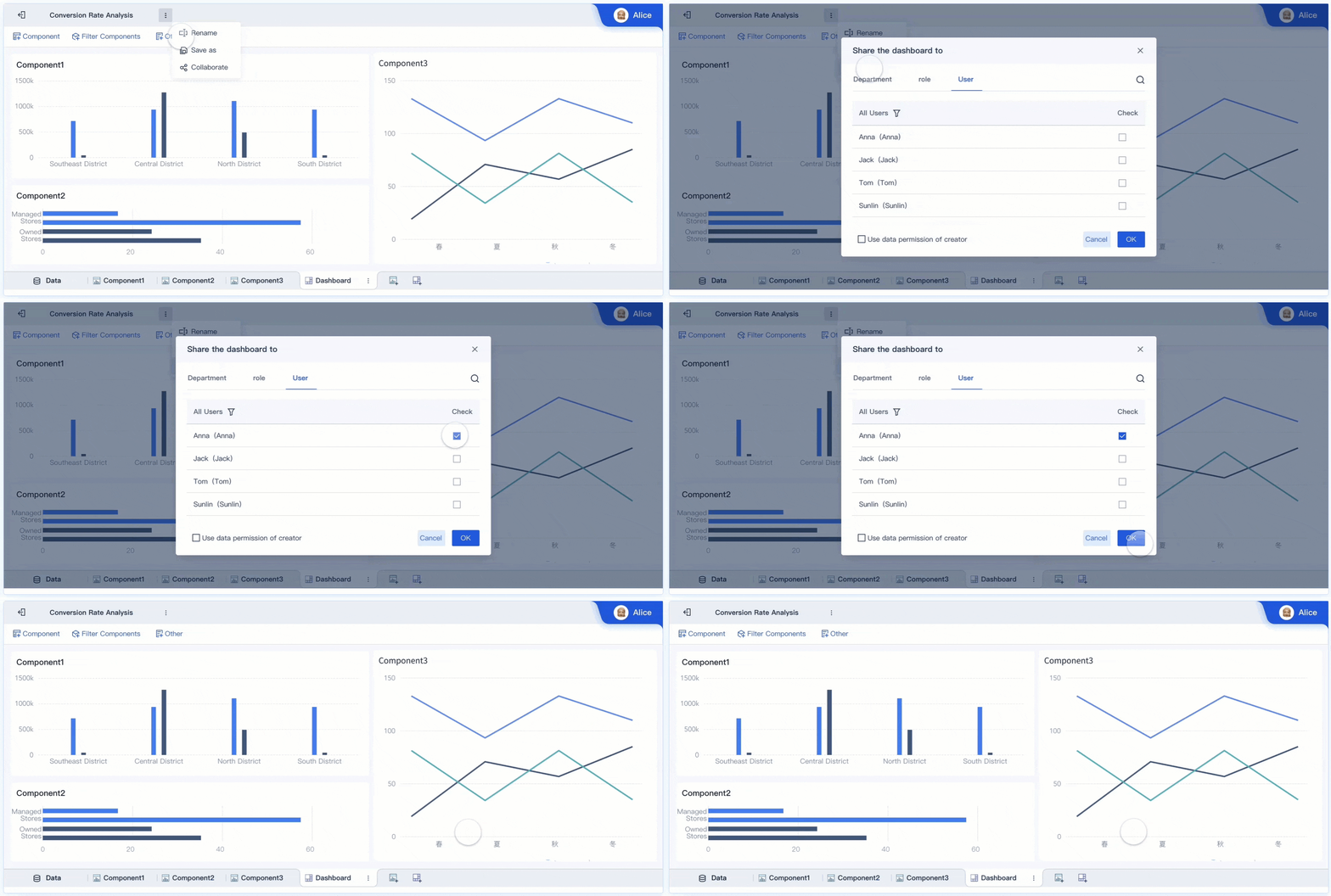
You will see artificial intelligence and advanced analytics play a bigger role in clinical data management. AI-driven predictive analytics allow you to identify patient risks, forecast disease outbreaks, and optimize resource allocation. With real-time monitoring, you can respond quickly to changes in patient health or clinical trial progress. FineReport and FineBI help you leverage these capabilities by providing self-service dashboards and automated alerts. You can use these clinical data analysis tools to make faster, more accurate decisions.
Interoperability and Data Sharing
Interoperability remains a top priority in clinical data management. You need to connect electronic health records, lab systems, and external databases. Data sharing across platforms improves care coordination and supports research. Decentralized clinical trials, blockchain for data security, and patient-centric approaches are becoming more common. The table below highlights some of the most significant trends:
| Trend | Description |
|---|---|
| Decentralized Clinical Trials (DCTs) | Transforming trials by leveraging technology to conduct them outside traditional settings. |
| Blockchain for Data Security | Enhancing data integrity and regulatory compliance through immutable records and secure data sharing. |
| Patient-Centric Approaches | Designing trials with participant needs in mind, enhancing communication and flexibility. |
FineReport and FineBI support interoperability by integrating data from multiple sources and enabling secure sharing across your organization.
Personalized Medicine
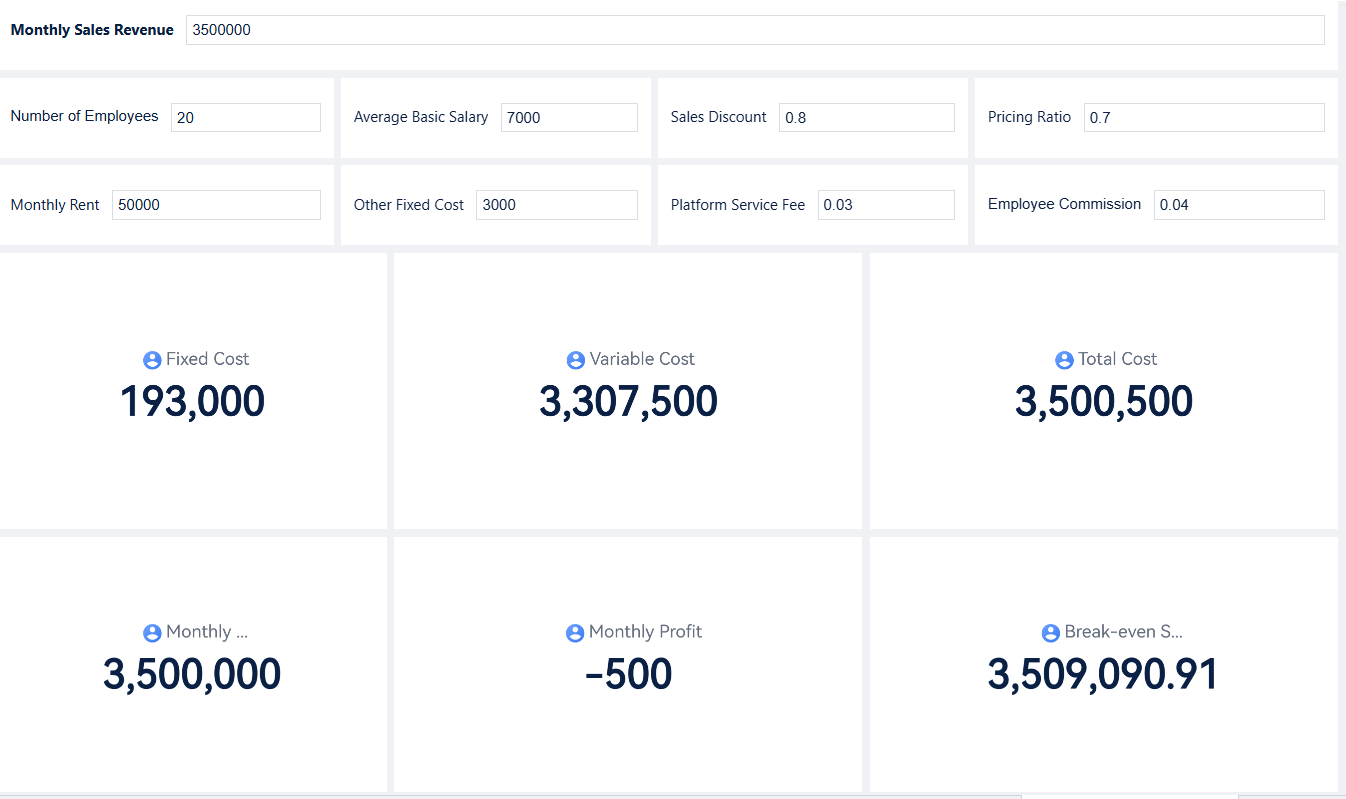
Personalized medicine is changing clinical data management. You can tailor treatments to individual patient profiles using advanced analytics. Precision trials and adaptive designs focus on targeted therapies. Clinical data analysis tools help you analyze genetic, clinical, and lifestyle data to create personalized care plans. FineReport and FineBI make it easier to visualize and interpret this complex information, supporting your move toward precision healthcare.
You will see future trends in clinical data management focus on AI, interoperability, and personalized medicine. Self-service BI tools like FineReport and FineBI will continue to evolve, making it easier for you to manage, analyze, and share clinical data.
Clinical data analysis tools help you turn complex healthcare data into clear insights. These tools let you improve patient care, streamline operations, and support evidence-based decisions. FineReport, FineBI, and other leading clinical data analysis tools shape the future of clinical data management. You should review your organization’s needs and explore these solutions for the best results.
Ready to transform your healthcare data? Learn more about clinical data analysis tools or request a demo today.
Continue Reading About Clinical Data Analysis Tools
How to Do Retention Analysis for Business Success
What is Pareto Chart and How Does it Work
How DuPont Analysis Helps You Understand Your Business
Frequently asked questions
Clinical data analysis tools are software solutions that help you collect, process, and interpret healthcare data. You use these tools to turn raw information into insights that support better patient care, research, and operational efficiency.