

If your ERP says one thing, your CRM says another, and your analytics team spends half its time reconciling records before every executive review, you do not just have a reporting problem. You have a master data problem.
A modern master data management platform helps enterprises build a trusted view of core business entities such as customers, products, suppliers, and locations across systems. But for most IT leaders today, the bar is higher than creating a cleaner database. They also need governed data that supports BI, self-service analytics, and AI-driven business workflows.
With FineBI + Dora, business users can ask for analysis in chat, generate chart-based answers or dashboard-style views from trusted BI assets, and receive scheduled summaries before the next meeting. That is where MDM decisions become more strategic: the quality of your master data directly affects the quality of dashboards, metrics, and AI answers.
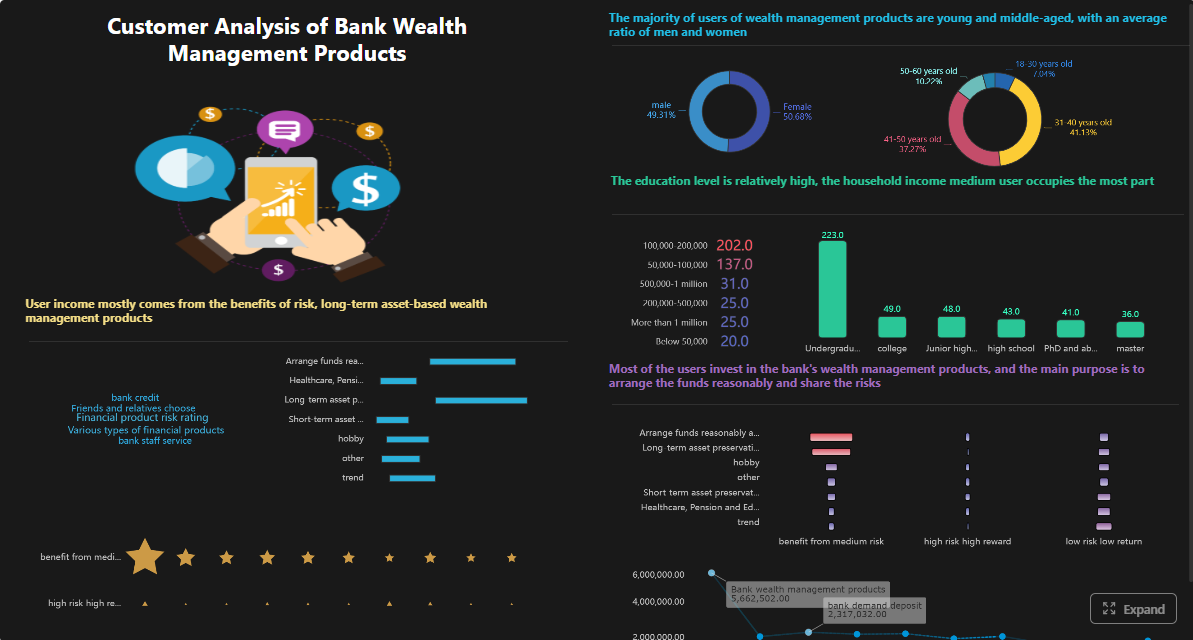 Click To Try The Dashboard
All dashboards in this article are built with FineBI
What a master data management platform is and why it matters
A master data management platform is the system and governance framework used to create, maintain, and distribute trusted records for core business entities across the enterprise.
In practical terms, master data usually includes:
- Customers: legal entities, contacts, parent-child relationships, billing details, segmentation attributes
- Products: SKUs, descriptions, categories, units, lifecycle status, packaging hierarchies
- Suppliers: vendor identities, qualifications, contracts, payment terms, risk indicators
- Locations: stores, warehouses, plants, regions, geographies, service areas
These records typically exist in multiple systems at once. Sales may create customer data in CRM. Finance may hold billing records in ERP. Procurement may manage supplier profiles in a sourcing system. Operations may maintain site and asset data in manufacturing or logistics applications. Over time, these records drift apart.
A master data management platform creates a trusted, shared view by identifying duplicates, reconciling conflicting values, applying stewardship rules, and publishing a governed “best version” of the record for enterprise use.
Why this matters to enterprise IT
Without MDM, enterprises commonly face:
- Duplicate customer and supplier records
- Inconsistent product definitions across regions or business units
- Reporting conflicts between ERP, CRM, and data warehouse outputs
- Slow mergers and acquisition integration
- Weak compliance posture due to incomplete lineage and auditability
- Broken AI and analytics experiences caused by conflicting definitions
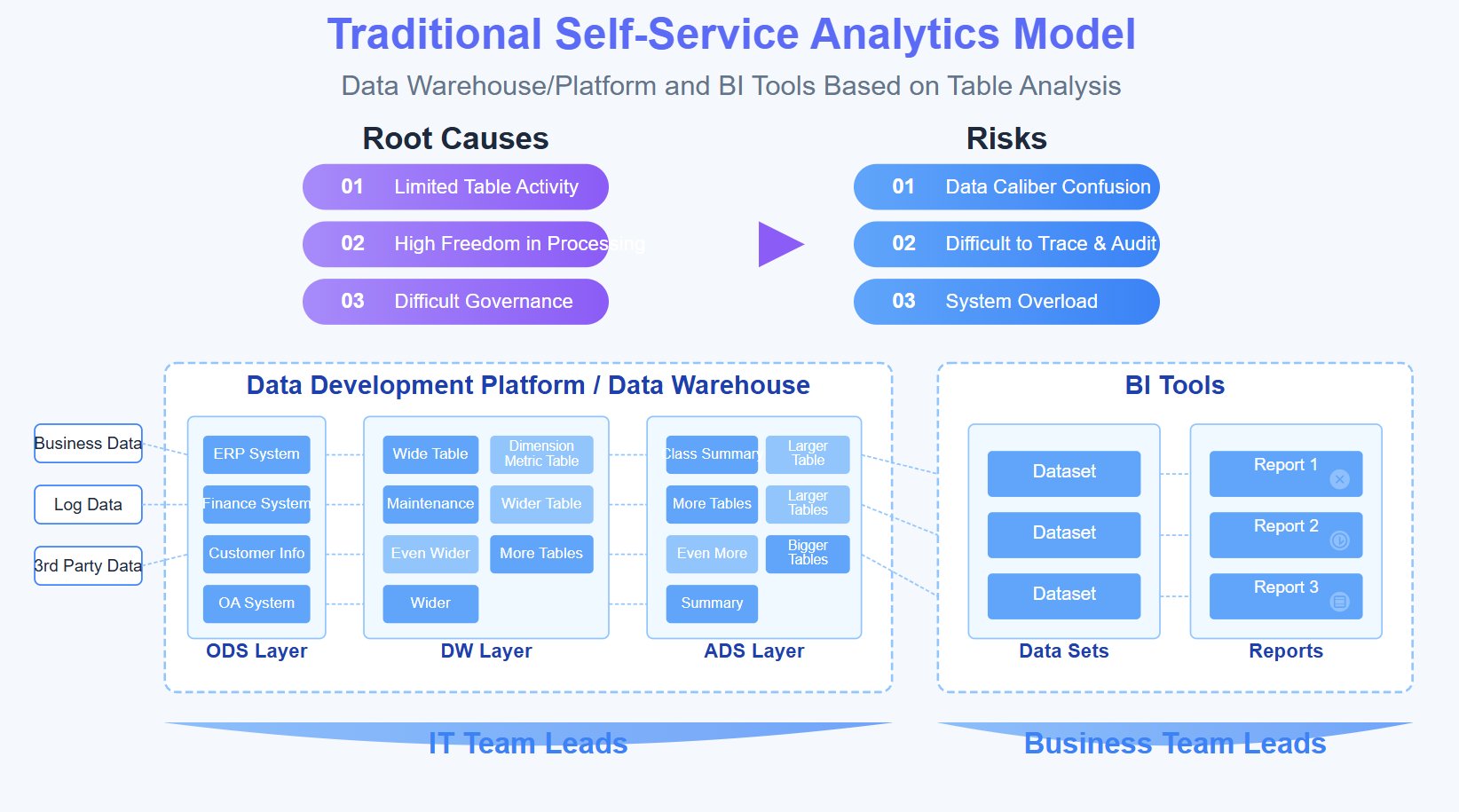
For IT leaders, the key issue is not just data cleanliness. It is operational trust. If every application and dashboard defines “customer,” “active supplier,” or “shippable product” differently, governance becomes reactive and analytics become political.
Where MDM fits in the broader data stack
A master data management platform should not be evaluated in isolation. It sits at the intersection of:
- Data governance: ownership, stewardship, approval rules, policy enforcement
- Data integration: movement and synchronization across source and target systems
- Analytics and BI: consistent dimensions, hierarchies, and KPI definitions
- Digital transformation: cross-functional process standardization
- AI enablement: trusted semantic inputs for governed AI workflows
This is why MDM decisions increasingly affect downstream BI and AI adoption. FineBI can provide the trusted dashboard, metric modeling, semantic assets, and visual exploration layer. Dora can then act as the enterprise Data Agent on top of that governed foundation. If master data is fragmented, both dashboards and AI outputs become harder to trust. If master data is well-managed, enterprises can move faster from static reporting to scenario-based Agentic BI.
The 9 things enterprise IT leaders should evaluate before choosing one
1. Data model flexibility and domain coverage
The first question is whether the platform can handle the domains you actually need to master, not just the ones used in product demos.
Many organizations start with customer or product data, then quickly expand into supplier, asset, location, hierarchy, or reference domains. A good master data management platform should support multidomain use without forcing a redesign every time the business structure changes.
What to evaluate
- Native support for customer, product, supplier, asset, location, and reference domains
- Ability to model hierarchies, relationships, crosswalks, and regional variants
- Support for acquisitions, divestitures, and local regulatory requirements
- Ease of adapting attributes and relationships as business models evolve
Why it matters
Rigid data models become expensive during growth, M&A activity, or global expansion. If every structural change requires heavy custom coding, MDM turns into a bottleneck instead of a foundation.
KPI framework for this area
-
Metric Name: Domain onboarding time
Definition: Time required to model and deploy a new master data domain.
Business value: Shorter onboarding improves time to value for new use cases.
AI use: Dora can retrieve rollout dashboards from FineBI and summarize which domains are delayed, why, and who owns the next action. -
Metric Name: Reusable attribute ratio
Definition: Percentage of attributes and business rules reused across domains or regions.
Business value: Higher reuse lowers implementation effort and governance complexity.
AI use: Dora can include reuse trends in periodic IT governance briefings.

2. Matching, merging, and survivorship rules
This is the core engine of MDM. A platform must do more than spot obvious duplicates. It must identify likely matches, merge or link them appropriately, and preserve the right values when source systems disagree.
What to evaluate
- Matching methods for exact, fuzzy, and probabilistic matching
- Rule transparency for business and stewardship teams
- Survivorship rules for choosing authoritative values
- Support for manual review where confidence is low
- Explainability of why records matched or did not match
Why it matters
A golden record is only as good as the logic behind it. Overly aggressive matching can combine different entities incorrectly. Weak matching leaves duplicates unresolved. Both outcomes damage trust.
Business teams also need to understand the rules. If logic is buried in custom code, stewardship becomes dependent on technical teams for every adjustment.
KPI framework for this area
-
Metric Name: Duplicate resolution rate
Definition: Percentage of identified duplicate records successfully resolved.
Business value: Reduces operational friction and reporting inconsistencies.
AI use: Dora can compare duplicate trends by source system and flag unusual spikes. -
Metric Name: Stewardship exception volume
Definition: Number of records requiring manual review due to unclear matches or conflicts.
Business value: Indicates whether the matching logic is scalable.
AI use: Dora can generate weekly exception summaries and push workload alerts to data stewards.
3. Integration architecture and interoperability
An MDM platform that becomes another silo defeats its own purpose. IT leaders should examine how well it fits into the enterprise architecture already in place.
What to evaluate
- Prebuilt connectors and integration accelerators
- API support for inbound and outbound synchronization
- Event-driven integration and change propagation
- Compatibility with ERP, CRM, PLM, SCM, data warehouses, and lakehouse environments
- Support for hybrid ecosystems with old and new platforms
Why it matters
MDM only works when trusted master data is accessible where the business operates. That means master records must flow to operational systems, analytics platforms, and governance tooling without excessive latency or brittle custom interfaces.
It also matters for BI and AI readiness. FineBI relies on trusted, integrated data assets for consistent dashboards and semantic modeling. Dora depends on those governed assets to support controlled natural-language analysis rather than disconnected answers.
KPI framework for this area
-
Metric Name: Source system coverage
Definition: Percentage of priority source and consuming systems integrated with MDM.
Business value: Higher coverage improves enterprise consistency and adoption.
AI use: Dora can retrieve integration coverage dashboards and summarize rollout risks. -
Metric Name: Synchronization lag
Definition: Time between approved master data updates and downstream availability.
Business value: Lower lag improves operational alignment and reporting timeliness.
AI use: Dora can monitor lag thresholds and notify owners when updates are delayed.
4. Data governance, stewardship, and workflow
MDM is never just a software implementation. It is an operating model. That is why governance and stewardship must be practical, visible, and enforceable.
What to evaluate
- Role-based workflows and approvals
- Audit trails for record changes and rule updates
- Stewardship dashboards and task queues
- Escalation paths for unresolved issues
- Business-friendly ownership models across domains
Why it matters
If stewardship processes are too technical, business users disengage. If they are too manual, the process slows down and quality degrades. Effective governance gives both IT and business stakeholders clear roles without creating administrative overload.
For executives, this is where MDM delivers concrete value. Better stewardship reduces recurring operational errors, shortens issue resolution cycles, and makes reporting more defensible.
KPI framework for this area
-
Metric Name: Approval cycle time
Definition: Average time to review and approve changes to master data records.
Business value: Faster cycle times improve operational agility.
AI use: Dora can compile approval backlog summaries and provide follow-up reminders to owners. -
Metric Name: Audit completeness
Definition: Percentage of material record changes with full traceability and approval history.
Business value: Supports compliance and defensible reporting.
AI use: Dora can surface missing audit steps in stewardship review briefings.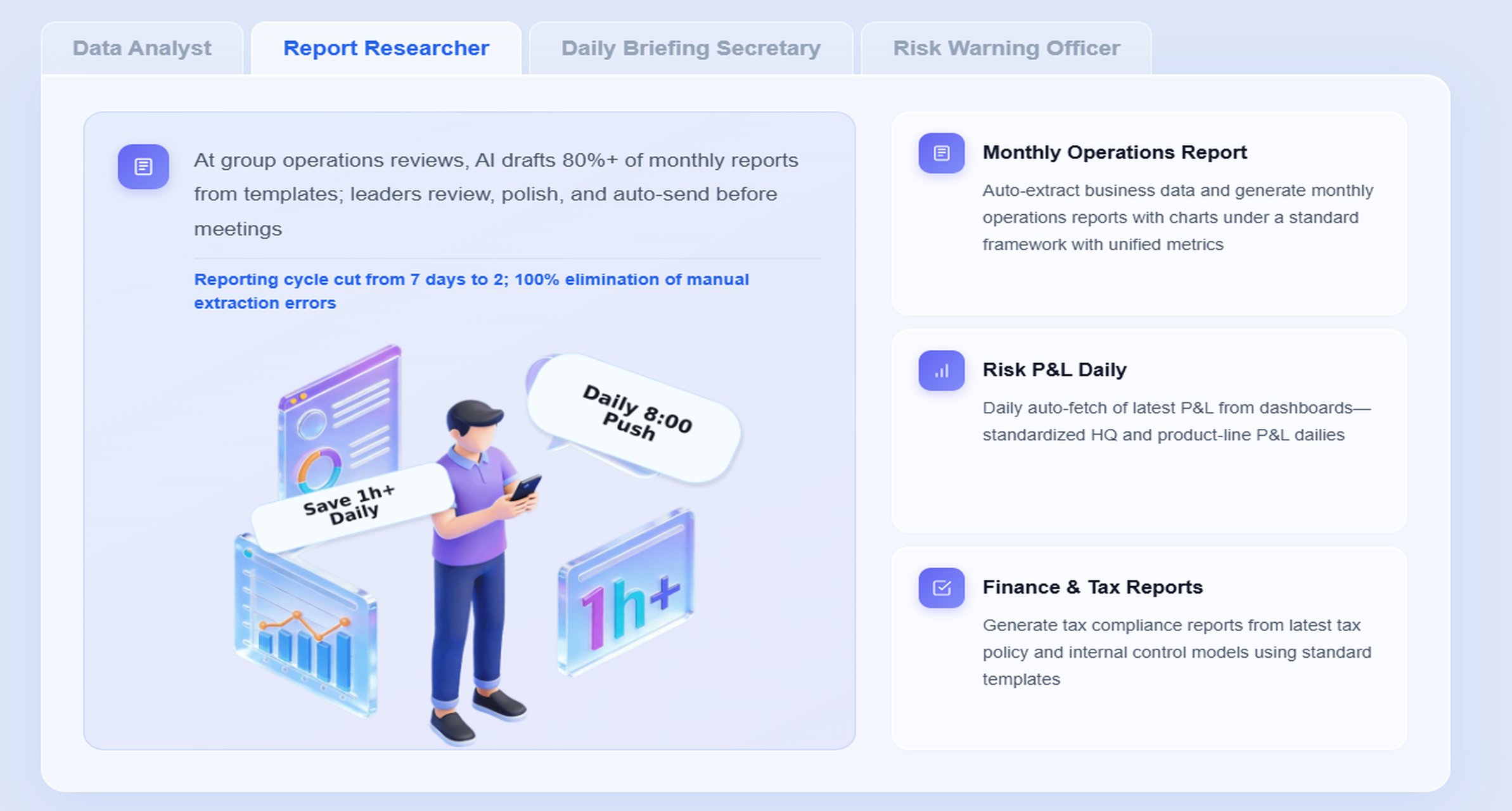
5. Data quality, validation, and monitoring
Many teams focus heavily on initial cleansing and underestimate what happens after go-live. Data quality decays unless validation and monitoring are built into the operating process.
What to evaluate
- Profiling and discovery of existing issues
- Standardization rules for names, addresses, codes, and classifications
- Validation checks for completeness, consistency, and format
- Exception handling workflows
- Ongoing monitoring of data quality metrics
Why it matters
The real test of a master data management platform is whether it helps teams sustain trusted data over time. Data quality is not a one-time migration task. It is a continuous discipline.
KPI framework for this area
-
Metric Name: Data completeness rate
Definition: Percentage of required fields populated for mastered records.
Business value: Better completeness improves downstream processing and analysis.
AI use: Dora can answer chat questions such as “Which supplier records in APAC are below completeness threshold?” -
Metric Name: Validation failure rate
Definition: Percentage of records failing business validation rules.
Business value: Helps teams prioritize remediation before poor data spreads.
AI use: Dora can generate chart-based answers showing failure trends by domain, source, or region. -
Metric Name: Data health score
Definition: Composite score based on completeness, uniqueness, consistency, and timeliness.
Business value: Gives leaders a practical view of MDM operating health.
AI use: Dora can include this score in scheduled IT governance or executive briefings.
6. Deployment model, scalability, and performance
MDM architecture must reflect enterprise operating realities. That includes security constraints, regional data residency, integration proximity, and user concurrency.
What to evaluate
- Cloud, on-premises, and hybrid deployment options
- Regional architecture support
- Performance under high data volume and concurrent stewardship activity
- Scalability for global hierarchies and multidomain complexity
- Operational tooling for resilience and monitoring
Why it matters
A platform may look strong in a controlled demo but struggle with global complexity, especially when multiple domains, languages, legal entities, and consuming systems are involved.
IT teams should validate not just theoretical scale, but how the platform behaves under realistic operational conditions.
KPI framework for this area
-
Metric Name: Record processing throughput
Definition: Volume of records processed within a defined period.
Business value: Helps estimate scale readiness and operational headroom.
AI use: Dora can summarize throughput trends and correlate them with exception volumes. -
Metric Name: Steward concurrency support
Definition: Number of simultaneous users or workflows supported without material degradation.
Business value: Indicates fit for enterprise-wide operations.
AI use: Dora can compile usage patterns from FineBI operational dashboards.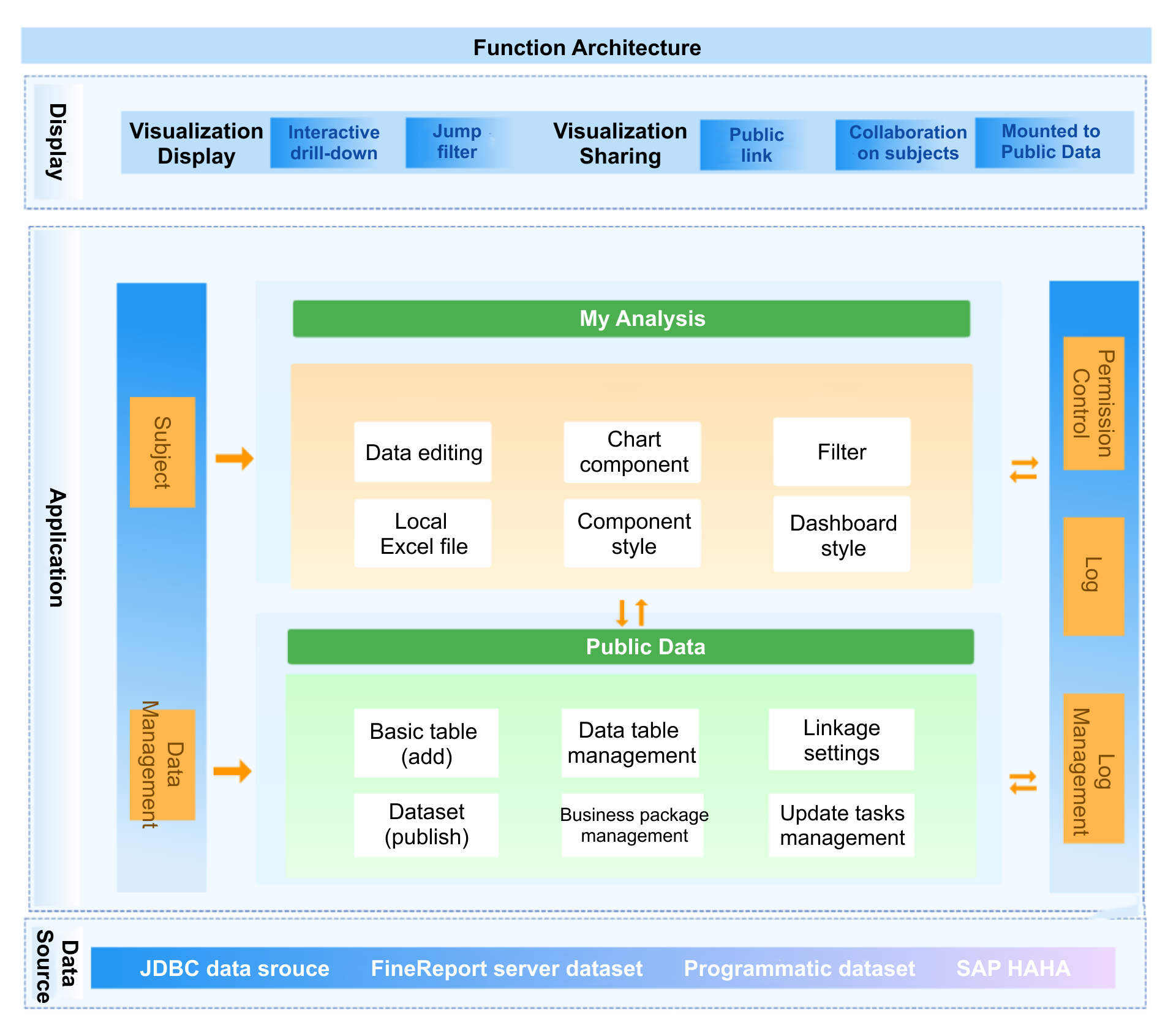
7. Security, privacy, and compliance readiness
For many enterprises, MDM becomes a high-value concentration point for sensitive and regulated data. Security and compliance should be evaluated as design requirements, not procurement checkboxes.
What to evaluate
- Role-based access controls
- Encryption at rest and in transit
- Consent and privacy management support
- Retention and deletion policy support
- Lineage and auditability for regulatory reporting
Why it matters
Customer, supplier, employee, and location data often sit inside regulatory boundaries. If the platform cannot support defensible controls, governance becomes difficult and enterprise risk increases.
This also affects AI usage. Dora works best in enterprise settings because governed AI workflows can respect permissions, semantic rules, and approved BI assets rather than exposing ungoverned outputs.
KPI framework for this area
-
Metric Name: Access policy coverage
Definition: Percentage of sensitive master data objects governed by explicit access policies.
Business value: Reduces exposure and audit risk.
AI use: Dora can summarize control gaps from governance dashboards. -
Metric Name: Lineage traceability rate
Definition: Percentage of critical records with documented source-to-consumption lineage.
Business value: Supports compliance, investigation, and trust in reporting.
AI use: Dora can help answer questions about where a governed metric or record originated through FineBI-linked semantic assets.
8. Implementation effort and operating model
A strong product can still fail if the implementation model is unrealistic. IT leaders should pressure-test the full operating picture, not just licensing and features.
What to evaluate
- Time to value for the first domain
- Required internal roles and skills
- Dependence on implementation partners
- Availability of templates, accelerators, and best practices
- Change management expectations for business users and data owners
Why it matters
MDM requires process changes, ownership decisions, stewardship accountability, and new operating rhythms. Vendors that provide usable templates and practical implementation guidance tend to reduce rollout friction.
For IT teams, the role shift matters. In the AI era, IT should spend less time manually answering every business data question and more time strengthening data connections, semantic layers, data quality, permissions, and reusable agent Skills.
KPI framework for this area
-
Metric Name: Time to first governed domain
Definition: Time required to launch the first production domain with governance and consumption in place.
Business value: Gives a realistic measure of deployment efficiency.
AI use: Dora can track implementation milestones and prepare status summaries for steering committees. -
Metric Name: Post-launch stewardship load
Definition: Ongoing effort required to maintain quality, approvals, and exceptions.
Business value: Prevents underestimating operational cost.
AI use: Dora can schedule periodic operating summaries showing workload by owner and domain.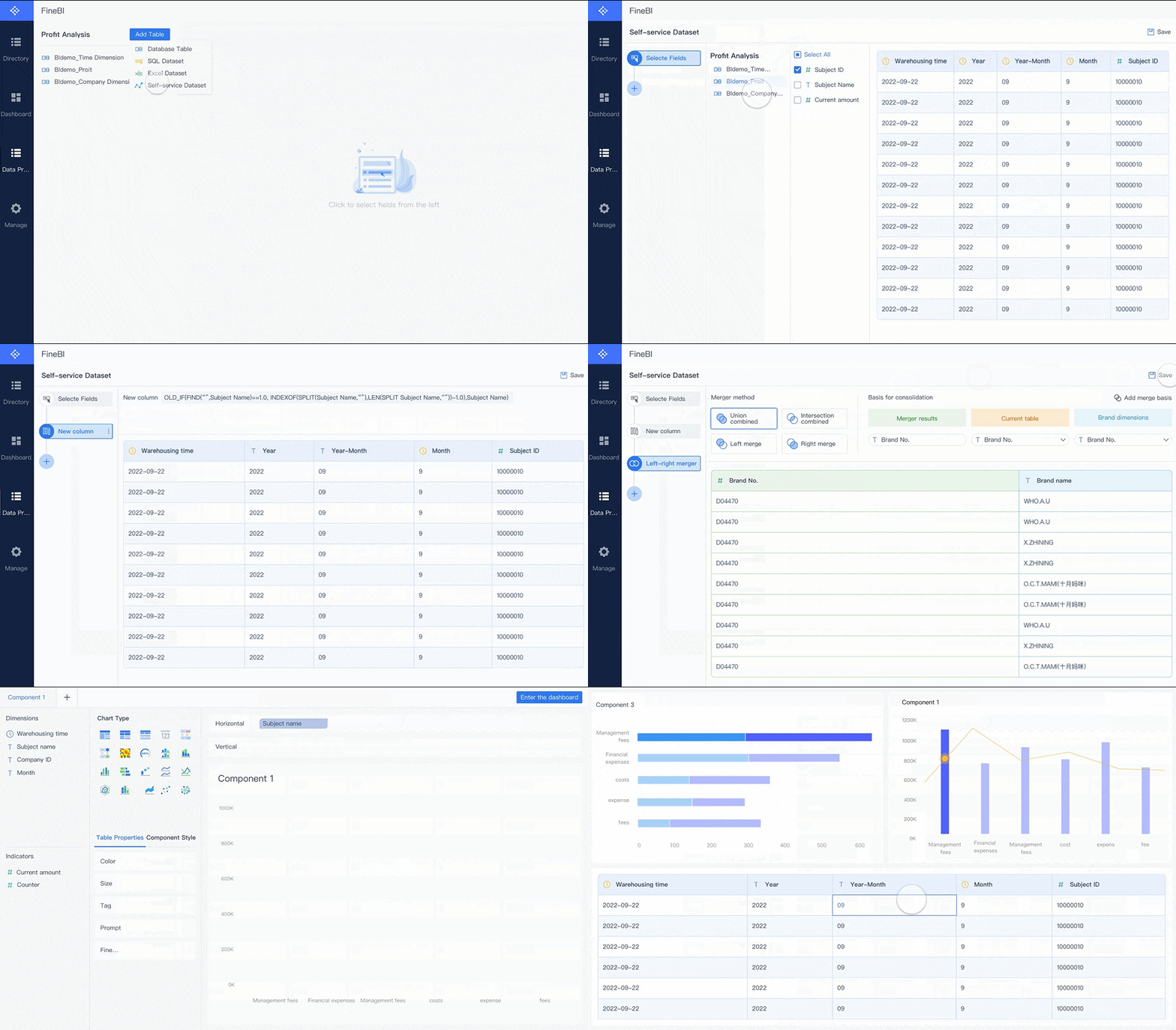
9. Vendor viability and roadmap fit
MDM is long-lived infrastructure. A platform decision should align with where your enterprise data strategy is going, not just what is easiest to buy this quarter.
What to evaluate
- Product maturity and referenceability
- Support model and service quality
- Ecosystem strength and implementation partner availability
- Roadmap transparency
- Alignment with broader governance, analytics, and AI directions
Why it matters
A vendor may score well on features yet still be a poor strategic fit if its roadmap is unclear or disconnected from your architecture direction. This is particularly important as enterprises shift from dashboard consumption to AI-assisted execution.
An MDM platform does not need to do everything itself. But it should fit cleanly into a stack where trusted data can support BI and governed AI workflows over time.
KPI framework for this area
- Metric Name: Roadmap alignment score
Definition: Internal assessment of vendor fit against 2- to 3-year architecture priorities.
Business value: Reduces future replatforming risk.
AI use: Dora can compile evaluation scorecards and summarize decision criteria from FineBI selection dashboards.
How to compare tools without getting lost in feature lists
Feature comparisons often create false confidence. Most platforms can show matching engines, workflows, APIs, and dashboards. The real question is whether the tool fits your operating model and use cases.
Build a use-case-led evaluation framework
Start with business outcomes, not category jargon.
Good examples include:
- Improve customer trust by unifying billing and service identities
- Increase supply chain visibility through standardized supplier and location data
- Reduce month-end reporting friction with consistent product hierarchies
- Support compliance reporting with traceable, approved master records
Then separate:
- Must-have requirements: architecture fit, domain support, governance, integration, security
- Nice-to-have features: advanced UI preferences, secondary automation options, marginal extras
This keeps the shortlist focused and helps avoid buying the broadest suite when a tighter fit would deliver faster value.
Use realistic proof-of-concept scenarios
A proof of concept should reflect your environment, not a vendor’s clean sample dataset.
Use:
- Messy, cross-system records
- Real duplicate patterns
- Conflicting source priorities
- Incomplete and region-specific attributes
- Actual governance approval paths
Measure outcomes such as:
- Match accuracy
- Stewardship effort
- Integration speed
- Business usability
- Data quality improvement after the first iteration
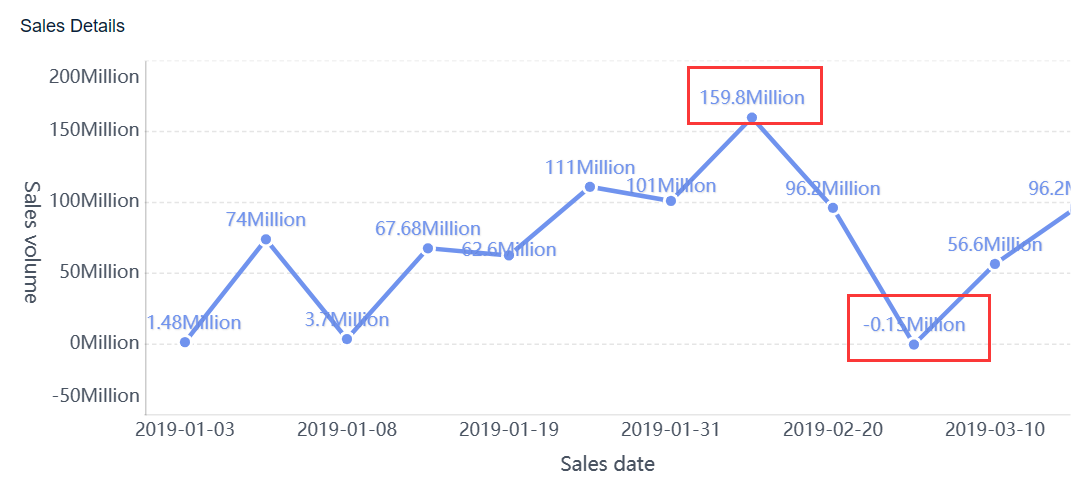
A useful extension is to connect the proof of concept to BI consumption. Can mastered data feed trusted FineBI dashboards with consistent dimensions? Can those governed assets later support Dora’s natural-language retrieval, chart-based answers, and scheduled summaries?
Read reviews and analyst comparisons critically
Market reviews are helpful for identifying patterns, but they should not replace architecture validation.
Pay attention to:
- Implementation complexity
- Hidden post-launch maintenance effort
- Domain-specific fit
- Support quality
- Governance usability for business stewards
Ignore superficial scoring if the platform does not align with your data landscape, compliance model, or long-term AI and analytics goals.
How an AI Data Agent Handles This Scenario
Choosing and operating a master data management platform is not only a data architecture project. It is also a recurring analysis and governance scenario. IT leaders need frequent answers to questions like:
- Which domains have the highest duplicate risk?
- Where are stewardship backlogs growing?
- Which regions have poor completeness or validation failures?
- What is delaying downstream reporting consistency?
- Which business owners need follow-up before the next governance meeting?
This is where Dora, FanRuan’s enterprise Data Agent platform, adds value on top of FineBI.
FineBI provides the trusted BI foundation: dashboards, governed metrics, semantic definitions, analysis subjects, and visual exploration. Dora turns those assets into a scenario-specific AI assistant or AI digital employee that can help IT and data leaders ask questions in natural language, retrieve the right governed metrics, summarize issues, push alerts, and follow up on recurring tasks.
Relevant Dora digital employee: Risk Alert Officer + Daily Briefing Secretary
For MDM operations, the most relevant digital employees are:
- Risk Alert Officer for threshold monitoring, anomaly detection, exception tracking, and owner notification
- Daily Briefing Secretary for periodic governance summaries, meeting preparation, and KPI briefings
- In more analytical scenarios, a Data Analyst digital employee can support follow-up exploration through natural-language query over trusted BI assets
Example chat query
“Show me this week’s master data quality status by domain, top duplicate sources, records failing validation in EMEA, and the stewardship backlog that could affect executive reporting.”
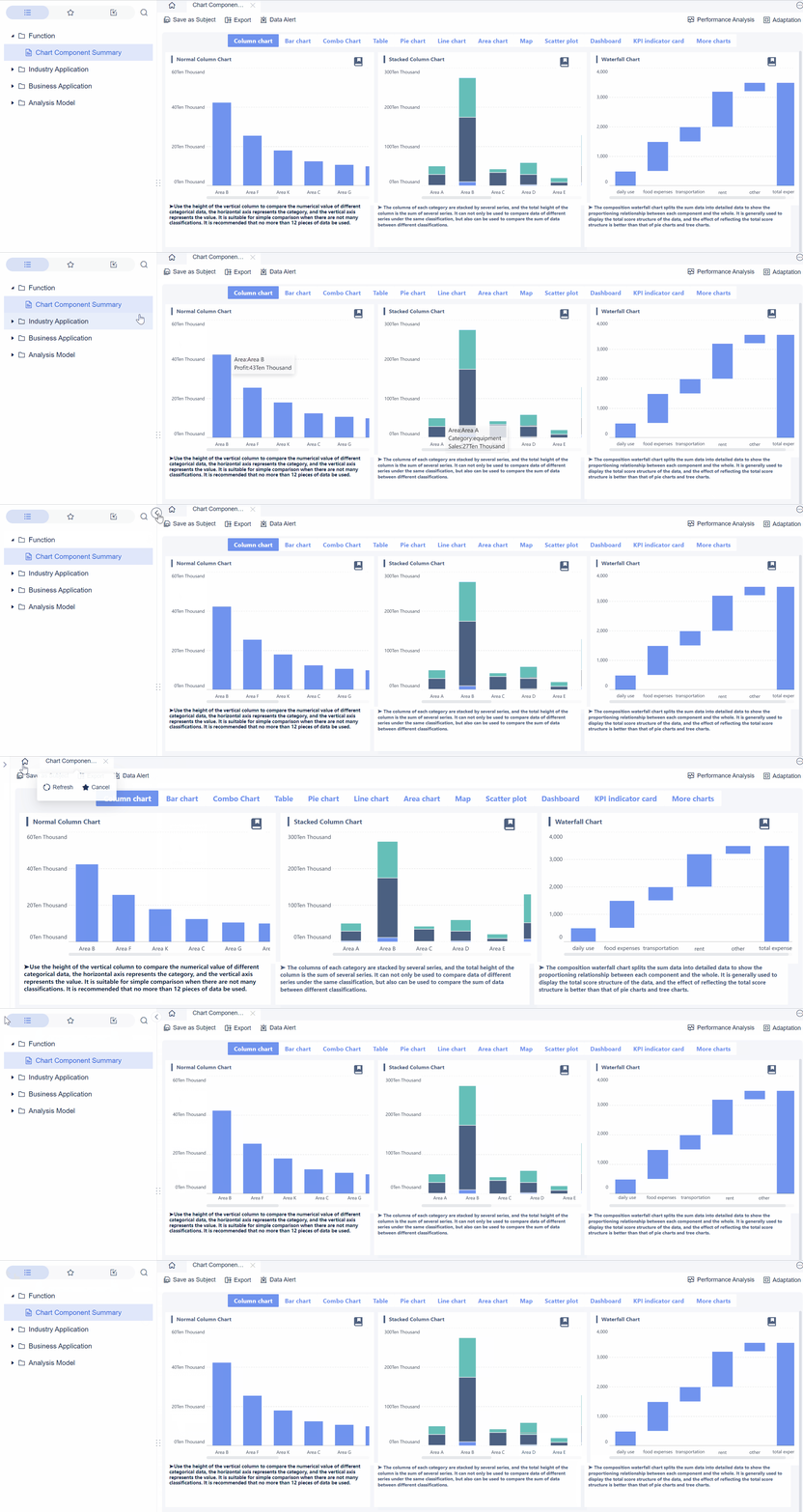
How the governed AI workflow works
-
Retrieve trusted FineBI dashboard or analysis-subject data
Dora accesses the approved FineBI dashboards and semantic assets related to MDM quality, stewardship workload, integration status, and exception trends. -
Understand KPI definitions, filters, business terms, and semantic rules
Dora interprets terms such as “duplicate rate,” “golden record coverage,” “validation failure,” or “steward backlog” using the governed metric layer instead of guessing from raw text. -
Generate chart-based answers or dashboard-style analysis views through chat
The user receives a concise answer with tables, trends, and breakdowns based on trusted BI assets, not an ungoverned free-form response. -
Detect abnormal changes or threshold breaches when relevant
Dora can identify a sudden increase in duplicate records, unusual approval cycle delays, or a drop in data completeness. -
Push insights, alerts, or suggested actions to responsible users
Relevant owners can receive scheduled summaries, risk alerts, or exception pushes before governance meetings or reporting deadlines. -
Produce follow-up summaries for management review
Dora can prepare a briefing for IT leadership or a cross-functional data council, highlighting what changed, what matters, and which owner should act next.
Why this matters in an enterprise setting
Many organizations already have dashboards, but users still struggle to turn those dashboards into timely action. Dora helps move from “people searching for the right report” to AI helping people ask, analyze, summarize, alert, and follow up.
For business users and operational owners, this lowers friction. They do not have to wait for an analyst every time they need a breakdown of data issues by source, region, or owner.
For IT, this is a more controlled path than deploying raw prompt-only agents. Dora is designed around governed AI workflows, reusable Skills, semantic rules, and permission boundaries. That means:
- better enterprise fit than a generic AI interface
- more controllable and auditable execution
- lower token waste than open-ended prompt chains
- faster and more stable workflow paths for repeatable data tasks
Most importantly, Dora is not positioned as a replacement for FineBI. FineBI remains the trusted BI and semantic foundation. Dora is the AI assistant layer that makes those assets easier to use in daily enterprise scenarios.
Common misconceptions that lead to poor platform choices
Several recurring assumptions lead enterprises into expensive MDM decisions that do not land well operationally.
Assuming MDM is only a data cleanup project
A one-time cleansing effort may improve records temporarily, but it does not create sustainable governance. MDM is an operating discipline that combines data model design, ownership, workflow, quality control, and system distribution.
Treating governance as optional until after deployment
This is one of the fastest ways to stall adoption. If ownership, approval logic, and stewardship responsibilities are unclear, the platform becomes a technical repository rather than a business control point.
Choosing the broadest feature set instead of the best fit
Bigger is not always better. A platform with every possible function may be less effective than one that fits your priority domains, architecture, operating model, and change capacity.
Underestimating business ownership
IT can build the platform, but it cannot own every business definition, survivorship rule, and exception resolution path. Sustainable master data quality requires domain ownership from the business.
A practical decision checklist for enterprise teams
Before selecting a master data management platform, use this short checklist to keep the decision grounded.
Define the domains and records that need a trusted source of truth first
Be explicit about which data matters most:
- customer
- product
- supplier
- asset
- location
- hierarchy
- reference data
Do not start by trying to master everything at once.
Align IT, data, compliance, and business owners early
Clarify:
- who owns definitions
- who approves changes
- who resolves exceptions
- who is accountable for compliance and auditability
- who consumes the mastered data in operations and reporting
Create selection criteria tied to architecture fit, operating effort, and measurable outcomes
Your evaluation should cover:
- domain flexibility
- rule transparency
- integration fit
- governance workflow
- quality monitoring
- deployment model
- security and privacy
- implementation effort
- vendor roadmap alignment
Then tie those capabilities to measurable outcomes such as duplicate reduction, approval cycle time, reporting consistency, or stewardship effort.
Pilot with a high-value use case before expanding
A focused pilot often works better than a broad transformation promise. Good pilots include:
- customer identity consistency for service and billing
- supplier master harmonization for procurement risk
- product hierarchy standardization for reporting and planning
- location data consistency for logistics or retail operations
If possible, connect the pilot to downstream analytics. When mastered data feeds FineBI dashboards and Dora-powered briefings, stakeholders can see business value much faster.
Actionable Best Practices
A successful MDM program is as much about operating design as product selection. These practices improve the odds of adoption and long-term value.
1. Standardize KPI definitions, synonyms, filters, and metric ownership
This is critical for both BI and AI. Terms like “active customer,” “valid supplier,” or “duplicate rate” must mean the same thing across teams. FineBI can provide the governed metric and semantic layer, while Dora can use those definitions to answer questions consistently in chat.
2. Build a semantic layer inside the BI workflow
Do not leave meaning buried inside SQL, spreadsheets, or tribal knowledge. A trusted semantic layer makes dashboards easier to scale and AI workflows easier to control. It is the bridge between MDM outputs and enterprise decision-making.
3. Treat data quality as part of the AI implementation
AI does not fix poor master data. If quality rules, completeness thresholds, and source priorities are weak, AI summaries will simply surface those weaknesses faster. Dora works best when FineBI is connected to trusted, governed data assets.
4. Start with high-value recurring workflows instead of automating everything
For AI adoption, choose repeatable scenarios such as:
- weekly data quality governance briefings
- duplicate risk monitoring
- stewardship backlog follow-up
- monthly domain health summaries
- exception alerting for critical records
These are easier to operationalize than vague “AI for data management” initiatives.
5. Preserve permission governance and use human review for expansion
AI outputs should respect FineBI access boundaries, approved semantics, and governance rules. Use human review for AI-generated summaries or reports at first, then expand Dora Skills gradually as confidence and process maturity improve.
FineBI + Dora Solution Pitch
Building this manually is complex. FineBI helps teams build trusted dashboards, metrics, and semantic assets. Dora turns those assets into an AI assistant that can answer questions in chat, generate dashboard-style analysis views, push scheduled summaries, monitor anomalies, and follow up with responsible owners.
In an MDM context, this matters because enterprise teams do not just need mastered data stored somewhere. They need that trusted data to become operationally usable:
- in dashboards for governance and quality monitoring
- in KPI briefings for IT and executives
- in natural-language analysis for business users
- in alerts when thresholds are breached
- in follow-up workflows that help issues get resolved
FineBI + Dora is not only a BI upgrade; it is a practical fourth-generation Agentic BI path. FineBI provides governed metrics and visual analysis. Dora provides the AI assistant layer for scenario execution, with more controlled Skills, lower token waste, faster execution paths, and more stable workflows than prompt-only agents.
For executives, the value is concrete. Dora is not an AI experiment. It is a landed digital employee for recurring data work such as governance briefing, quality anomaly alert, exception follow-up, and periodic reporting preparation.
For IT teams, the role shifts in a productive way. Instead of manually handling every report request, IT can focus on enterprise data connections, semantic layers, permission governance, data quality, and reusable AI Skills.
For business and data stewardship users, the benefit is timeliness. They get chat-based answers, scheduled summaries, chart-based views, and exception pushes without hunting through multiple dashboards or waiting for ad hoc analyst support.
Get Ready-to-Use Dashboard Templates in Fine Gallery
The strongest Dora pitch is scenario + product + service: FineBI provides the trusted BI foundation, Dora provides the AI digital employee, and implementation service connects data, governance, semantic setup, Skills, and rollout.
FAQs
A master data management platform creates and maintains trusted records for core business entities like customers, products, suppliers, and locations across multiple systems. It helps deduplicate, reconcile, govern, and distribute a consistent version of that data for operations, analytics, and AI.