

Google AI sustainability reporting is not just about drafting a better report faster. It is about building a controlled, traceable workflow that helps sustainability leaders, finance teams, legal reviewers, and data owners turn fragmented disclosures into a repeatable reporting system. If your current process depends on scattered spreadsheets, late-stage narrative rewrites, and manual fact-checking across dozens of stakeholders, the real opportunity is operational: reduce reporting friction, improve audit readiness, and free experts to focus on decision-making instead of document chasing.
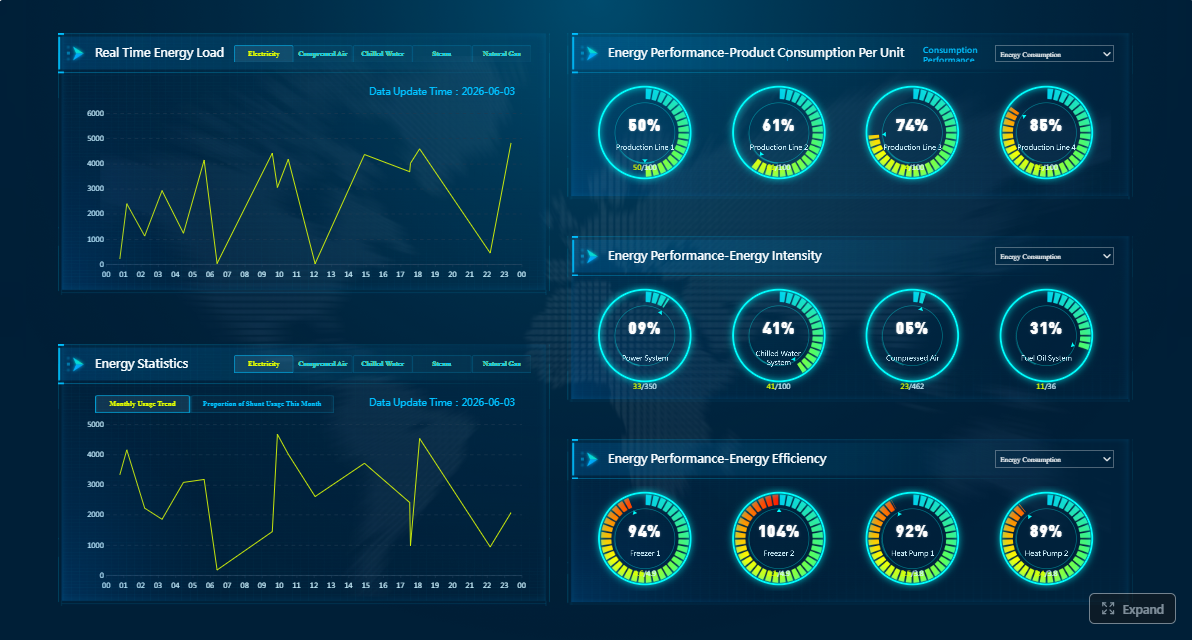 Click To Try The Dashboard
All reports in this article are built with FineReport
What Google AI sustainability reporting looks like in practice
A practical AI-powered sustainability reporting workflow combines data preparation, controlled narrative generation, human review, and publication governance. The goal is not to let AI replace reporting teams. The goal is to make reporting more accurate, faster to compile, easier to review, and more transparent for internal and external stakeholders.
For enterprise teams, this matters because sustainability reporting now affects far more than corporate communications. It shapes investor confidence, regulatory readiness, customer trust, procurement requirements, and board oversight. A weak workflow creates delays, inconsistent claims, and compliance risk. A strong workflow creates a reliable reporting engine.
To make this work, your reporting system needs to bring together three layers of information:
- Structured sustainability data such as emissions, energy, water, waste, supplier metrics, and operational KPIs
- Narrative content such as methodology explanations, performance commentary, risks, opportunities, and strategy summaries
- Disclosure logic such as framework mapping, approval status, evidence links, and version history
This is also a cross-functional process. In most organizations, the following teams are involved:
- Sustainability leads define the reporting agenda, material topics, and performance narrative
- Finance teams validate numeric accuracy, controls, and consistency with enterprise reporting standards
- Legal and compliance teams review claims, disclosures, and forward-looking language
- Data owners from operations, procurement, facilities, HR, and supply chain provide source data
- IT and analytics teams manage pipelines, permissions, integrations, and reporting infrastructure
Success should be measured with operational criteria, not just by whether the report gets published on time.
Key Metrics (KPIs)
- Accuracy rate: Percentage of reported metrics that match approved source data and calculation logic
- Traceability coverage: Share of disclosures with linked source records, methodology notes, and approval history
- Cycle time: Total time required to collect data, generate narratives, review content, and publish the final report
- Data completeness: Percentage of required fields, entities, sites, and reporting periods submitted on time
- Review turnaround time: Average time reviewers take to validate, edit, and approve assigned sections
- Exception rate: Number of flagged anomalies, unsupported claims, or missing disclosures per reporting cycle
- Version control integrity: Ability to identify the latest approved version and track all prior edits
- Audit readiness score: Degree to which evidence, calculations, prompts, edits, and approvals are documented
- Narrative consistency: Alignment of written commentary with actual metrics, charts, and framework requirements
- Time saved through AI assistance: Reduction in manual drafting, summarization, and comparison effort
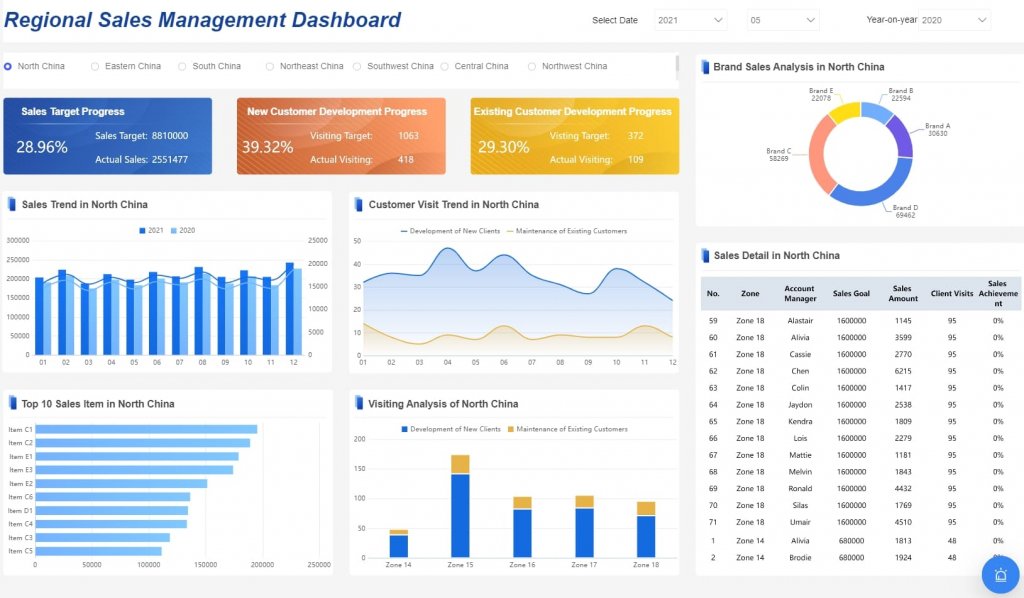
Build the workflow around Google’s playbook
A Google-inspired approach works best when you treat AI as part of a broader reporting operating model. That means defining scope first, structuring the data pipeline second, and applying AI only after the basics are stable.
Start with a reporting scope and governance model
Begin by locking down the boundaries of the reporting process. Many teams fail because they try to automate before deciding what is actually in scope.
Define:
- Reporting frameworks and standards in scope
- Reporting periods and cutoff dates
- Business units, geographies, and legal entities covered
- Required disclosures, appendices, and management commentary
- Review and approval checkpoints
Next, assign clear ownership across the workflow:
- Data collection owners for each metric or disclosure area
- Methodology owners for calculations and assumptions
- Section reviewers for narrative quality and consistency
- Approvers for finance, legal, and executive sign-off
- Publication owners for final assembly and release
Just as important, create governance rules around:
- Version control
- Evidence storage
- Source documentation
- Prompt usage standards
- Exception handling
- Escalation paths when data is late, incomplete, or disputed
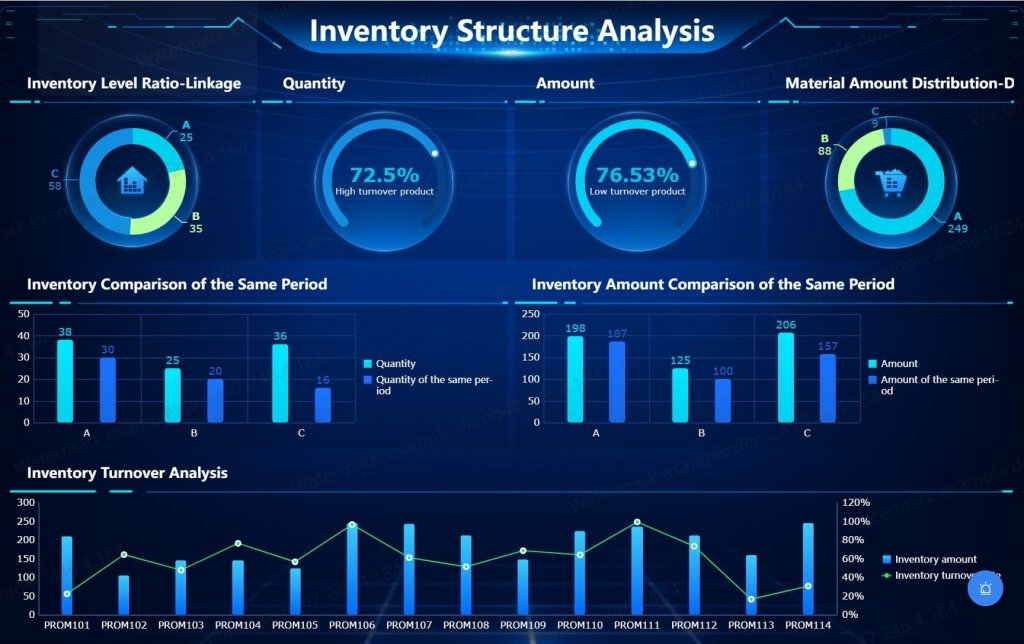
Design a structured data pipeline
This is where most sustainability reporting bottlenecks begin. Data often comes from ERP systems, utility platforms, procurement tools, site spreadsheets, consultant files, and supplier submissions. If those inputs are inconsistent, AI will only accelerate inconsistency.
Start by mapping every input source:
- Internal systems of record
- Manual spreadsheets
- Supplier questionnaires
- Facility-level logs
- Emissions factors and calculation tables
- Historical reports and benchmark datasets
Then standardize before applying AI:
- Naming conventions for business units, facilities, and metrics
- Reporting units and formats
- Time periods and cutoffs
- Calculation methods and assumptions
- Required metadata for lineage and auditability
Finally, build quality checks into the pipeline:
- Missing field detection
- Duplicate record checks
- Outlier identification
- Period-over-period variance flags
- Source-to-report reconciliation
- Lineage tracking from raw data to final disclosure
A structured pipeline is what makes AI trustworthy. Without it, narrative generation becomes expensive cleanup.
Use AI to turn data into narratives and insights
Once the data foundation is controlled, AI can create real leverage. This is where google ai sustainability reporting becomes practical rather than theoretical.
AI can assist with:
- First-draft summaries of performance by topic
- Trend explanations for year-over-year changes
- Variance commentary for spikes, reductions, or unusual movement
- Comparison of current results against prior disclosures
- Detection of gaps, missing context, and inconsistent statements
- Summarization of technical source documents into reporting language
In a mature workflow, AI does not write in isolation. It works from approved tables, charts, definitions, and source documents. That allows the final report to stay coherent across numbers and narrative.
Use AI to connect:
- Tables to commentary
- Charts to conclusions
- Methodology notes to disclosures
- Risks and opportunities to actual performance trends
- Supporting claims to documented evidence
Apply AI responsibly to stories and reports
The biggest mistake in sustainability reporting is confusing drafting assistance with validated disclosure. AI can accelerate writing and analysis, but responsibility for the final report still belongs to people.
Keep humans in the loop
Every AI-generated output should be reviewed for:
- Factual accuracy
- Materiality
- Context
- Alignment with source evidence
- Compliance with internal disclosure standards
Human sign-off is especially important for:
- Regulated disclosures
- Public claims
- Comparative statements
- Forward-looking language
- Statements involving supplier performance or third-party actions
A good rule is simple: AI can draft, summarize, compare, and flag. Humans must verify, decide, and approve.
Improve transparency and trust
Readers, auditors, and internal reviewers all want the same thing: confidence in where the numbers came from and how the story was written.
To build trust, your workflow should show:
- Source system for each metric
- Calculation logic and assumptions used
- Linked evidence files and reference records
- Prompt history for AI-assisted sections
- Edit history from draft to approval
- Named approvers and timestamps for each major disclosure
This kind of transparency does two jobs. Internally, it improves accountability and reduces rework. Externally, it makes your sustainability story more credible because the methodology is understandable, not hidden.
Choose the right tools, controls, and cloud foundation
Technology should match the reporting workflow, not dictate it. The right stack supports each stage while preserving control, security, and traceability.
Match tools to workflow stages
Different stages need different capabilities:
- Collection and transformation need data integration, cleansing, validation, and standardization
- Analysis and summarization need AI support for drafting, variance explanation, and document synthesis
- Review and collaboration need workflows, permissions, commenting, and approval routing
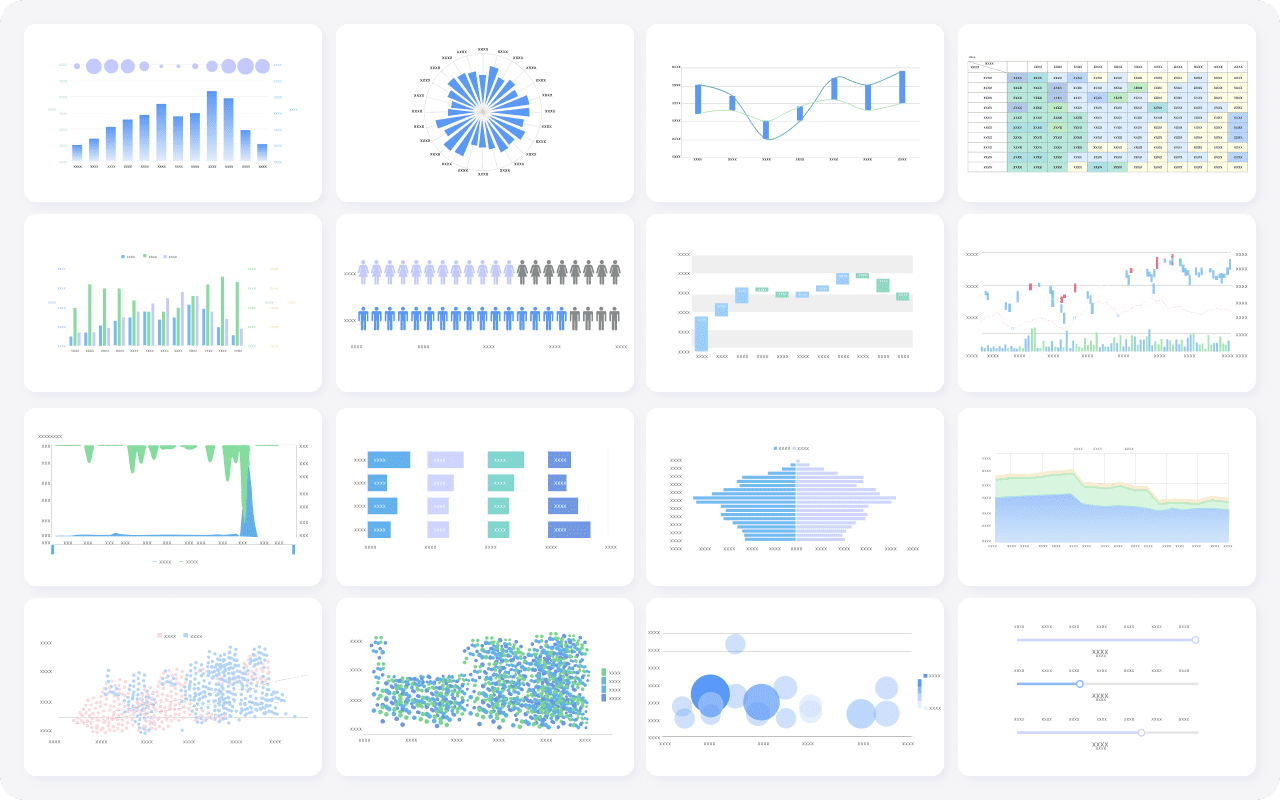
- Publication and dashboards need controlled output formatting, reusable templates, and distribution options
When evaluating tools, look for:
- Role-based permissions
- Audit trails
- Workflow orchestration
- Template management
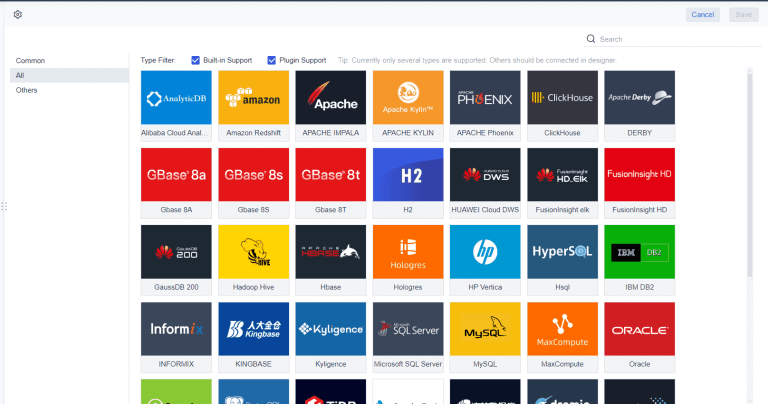
- API and system integration
- Multi-source data blending
- Scalable dashboarding and report distribution
Build security and compliance into the process
Sustainability data often includes sensitive operational information, supplier inputs, energy use details, and site-level performance data. That means security cannot be an afterthought.
Build in controls such as:
- Role-based access by team, region, and disclosure area
- Data retention and archival policies
- Environment separation for draft versus approved outputs
- Restrictions on what data AI tools can access
- Defined rules for when AI assistance is allowed
- Mandatory human review for sensitive or material disclosures
Your policy should explicitly define three zones:
- Can be automated: formatting, summarization, first-draft commentary, routine comparison
- Can be AI-assisted but must be reviewed: variance explanations, narrative synthesis, methodology descriptions
- Cannot be automated without direct expert ownership: legal claims, regulated statements, material assertions, final approval
Create a step-by-step implementation plan
The smartest path is to start small, prove value, and scale with controls. Here is the implementation approach I recommend to enterprise reporting teams.
Pilot the workflow on one section first
Choose a reporting area that is high-effort but manageable. Good candidates include:
- Emissions commentary
- Energy use reporting
- Supplier disclosures
- Waste and circularity summaries
- Annual variance explanations
Then run a controlled pilot:
- Document the current process
- Identify data sources, pain points, reviewers, and approval steps
- Standardize the inputs
- Clean the data structure, define naming conventions, and lock calculation logic
- Apply AI to one narrow task
- For example, generate first-draft emissions commentary from approved tables
- Measure operational outcomes
- Track time saved, error rates, reviewer confidence, and revision counts
- Review risks and lessons
- Capture where human intervention was still required and why
Scale with a repeatable operating model
Once the pilot works, scale with discipline rather than enthusiasm alone.
Build a repeatable model by:
- Training teams on prompt design and review expectations
- Creating reusable templates for recurring disclosures
- Standardizing executive summary structures
- Defining escalation paths for disputed data or unsupported claims
- Running post-mortems after each reporting cycle
- Updating rules, prompts, and templates based on review outcomes
This is where enterprise maturity shows up. The best teams do not just use AI. They institutionalize how AI fits into controlled reporting operations.
4 best practices from a seasoned consultant
-
Fix data inconsistency before automating narrative generation
If site names, units, or formulas vary across inputs, AI will mirror the confusion. -
Treat prompts like governed business assets
Save the best prompts, define usage standards, and connect them to approved templates and disclosure contexts. -
Separate drafting speed from disclosure accountability
Faster text generation is useful, but every public statement still needs a source-backed owner. -
Design for auditability from day one
If you cannot show where a sentence came from, who edited it, and what data supports it, the workflow is not enterprise-ready.
Common pitfalls and what to do next
Most failures in google ai sustainability reporting are not model failures. They are process failures. The most common pitfalls are predictable and avoidable.
Avoid these mistakes:
- Treating AI output as final without verifying it against source data
- Automating weak or inconsistent data processes before standardizing inputs
- Allowing unsupported comparisons or exaggerated claims into public narratives
- Using AI without documenting prompts, edits, and approvals
- Failing to align finance, legal, and sustainability teams on review standards
- Publishing metrics without clear lineage or methodology explanation
A practical next step is to use a checklist before redesigning your workflow.
Practical checklist for a Google-inspired reporting workflow
- Scope defined: Frameworks, periods, entities, and disclosures are clearly in scope
- Owners assigned: Data, review, approval, and publication responsibilities are explicit
- Data mapped: All source systems, spreadsheets, and supplier inputs are identified
- Standards set: Naming, units, methods, and templates are standardized
- Quality controls active: Completeness, anomaly, reconciliation, and lineage checks are in place
- AI use cases limited and clear: Drafting, summarization, and comparison tasks are separated from approvals
- Human review mandatory: Material statements and public claims require expert sign-off
- Transparency documented: Metrics, prompts, edits, and approvals are traceable
- Pilot measured: Time savings, error reduction, and reviewer confidence are tracked
- Scale plan ready: Templates, training, governance, and feedback loops are prepared
Building this workflow manually is complex. FineReport can automate it.
Building this manually is complex; use FineReport to utilize ready-made templates and automate this entire workflow. For enterprise teams managing sustainability data, narratives, approvals, and audit trails, FineReport provides the reporting layer that turns fragmented inputs into governed dashboards and publishable outputs.
FineReport helps teams:
- Consolidate multi-source sustainability data into one reporting environment
- Build dashboard views for KPI tracking, completeness checks, and audit readiness
- Standardize recurring report sections with reusable templates
- Control permissions, approval flows, and version tracking
- Deliver executive dashboards, board reports, and disclosure-ready outputs faster
Get Ready-to-Use Dashboard Templates in Fine Gallery
If your team wants the benefits of google ai sustainability reporting without building a fragile manual process around spreadsheets and disconnected review cycles, FineReport gives you a more scalable path.
FAQs
It is a structured process that combines sustainability data, AI-assisted narrative drafting, human review, and governance controls. The aim is to make reporting faster, more consistent, and easier to trace back to approved source evidence.