Month-end close is where finance teams feel process debt most painfully. Data arrives late, reconciliations drag, journal approvals stall, and reporting packs get rebuilt manually under deadline pressure. Financial reporting automation addresses this bottleneck by reducing repetitive work, tightening control points, and giving controllers, CFOs, and finance operations leaders a faster path from transaction data to trusted reporting. The business value is simple: shorten the close, improve auditability, and free experienced staff to focus on analysis instead of chasing files and fixing preventable errors.
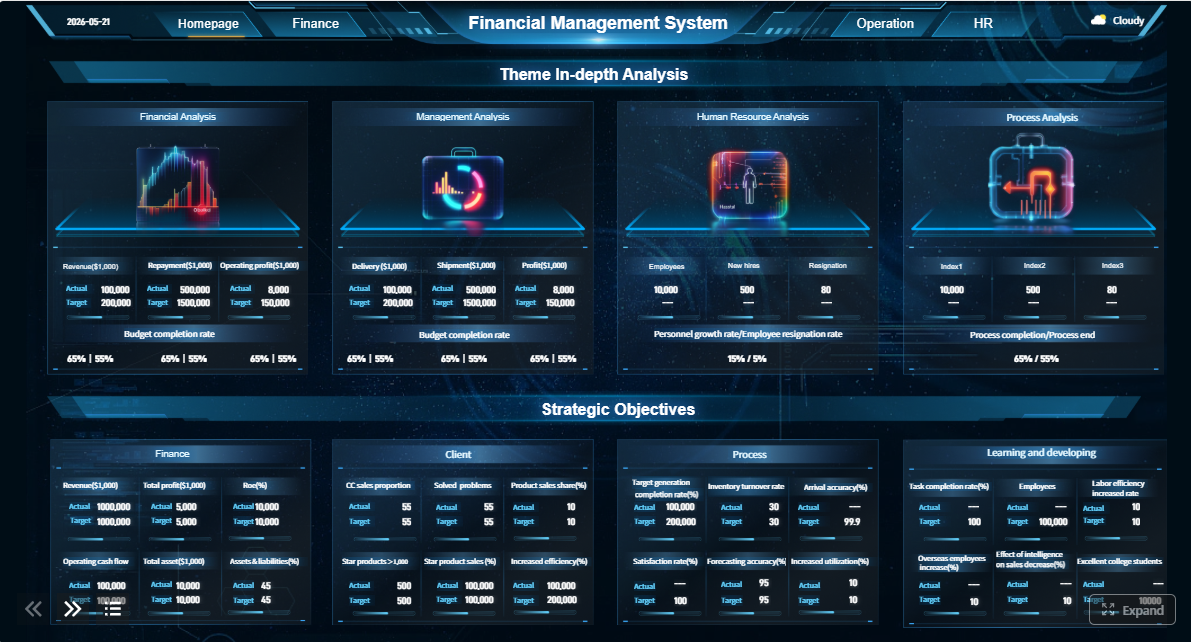 Click To Try The Dashboard
All reports in this article are built with FineReport
Why financial reporting automation matters at month-end
Traditional close processes slow reporting because they depend on too many manual handoffs. Teams export data from ERPs, reformat spreadsheets, reconcile balances line by line, circulate files by email, and rebuild the same management pack every cycle. The result is not just delay. It is rework, version confusion, and a higher risk of control breakdowns.
For finance leaders, a faster close does not mean rushing. It means removing low-value activity that consumes time without improving judgment. A high-performing close is one where the team spends less time collecting and validating numbers and more time reviewing exceptions, assessing business drivers, and confirming disclosure quality.
This is exactly where financial reporting automation helps most. It is strongest in structured, repeatable, rules-based processes:
- Data collection from source systems
- Account mapping and formatting
- Matching and reconciliation workflows
- Journal routing and approvals
- Reporting pack generation
- Close task tracking and escalations
- Variance flagging and first-pass commentary
Human review still matters in areas requiring materiality assessment, technical accounting interpretation, disclosure judgment, and executive narrative. The goal is not a touchless close. The goal is a controlled, faster, better-managed close.
What financial reporting automation is and what it is not
Financial reporting automation is the use of software to streamline recurring close and reporting activities across the finance workflow. In practice, that includes:
- Collecting financial data from ERP, subledger, and operational systems
- Standardizing and validating inputs
- Automating reconciliations and match rules
- Routing journal entries for approval and posting
- Building management reports from live data
- Tracking tasks, sign-offs, and dependencies
- Preserving audit trails for changes, approvals, and outputs
What it is not is a magical “hands-off close” that removes the need for experienced accountants. Any platform promising that complex close activities can run without review should raise governance concerns.
Rules-based automation vs. expert judgment
The smartest implementations separate repeatable tasks from judgment-heavy ones.
Best suited for automation:
- Data imports and scheduled refreshes
- Standard account mappings
- Intercompany matching rules
- Low-risk reconciliation matches
- Journal approval routing
- Report formatting and distribution
- Close calendars and reminders
- Variance thresholds and anomaly alerts
Best suited for human review:
- Materiality decisions
- Complex accrual assessments
- Revenue recognition edge cases
- Lease, impairment, or consolidation judgments
- Disclosure interpretation
- Final management commentary
- Escalation of unusual transactions
Key Metrics (KPIs)
To manage month-end close effectively, finance teams need a tight KPI framework. The following metrics are essential:
- Close cycle time: Total business days from period end to final close completion.
- Time to first draft reporting pack: How quickly the first reliable management report is generated.
- Reconciliation completion rate: Percentage of assigned reconciliations completed by deadline.
- Exception rate: Share of transactions or balances that fail matching or validation rules.
- Journal entry turnaround time: Average time from journal preparation to approval and posting.
- Late task rate: Percentage of close tasks completed after due date.
- Post-close adjustment count: Number of corrections made after the close is considered complete.
- Manual touch count: Number of manual interventions required in key workflows.
- Audit trail completeness: Extent to which changes, approvals, and report outputs are fully traceable.
- Variance resolution time: Time required to investigate and explain unusual movements.
- Template compliance rate: Degree to which submissions follow standard formats and mapping rules.
- Control exception count: Number of governance breaches, override events, or unauthorized changes identified during close.
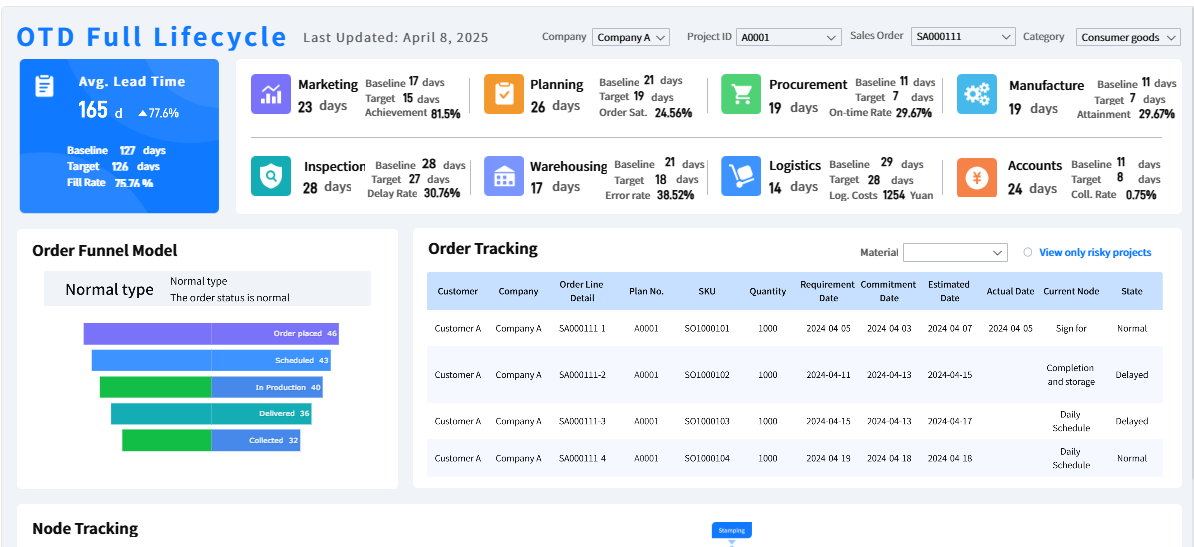
9 ways to cut close cycles without losing control
Standardize inputs before the close starts
The close gets slower when bad inputs enter the process upstream. If business units submit trial balances, accrual support, or commentary in inconsistent formats, finance wastes critical time cleaning data instead of reviewing it.
Standardization should include:
- Common templates across entities and departments
- Consistent chart of accounts mappings
- Submission cutoffs and validation rules
- Required supporting fields and attachments
This reduces downstream confusion and improves comparability across reporting units.
Automate reconciliations and exception matching
Manual reconciliation is one of the biggest close bottlenecks. Many accounts contain high volumes of low-risk transactions that can be matched automatically using rules, thresholds, and historical patterns.
The value is not just speed. It is focus. Let the system clear routine matches so reviewers can spend their time on breaks, aging exceptions, and suspicious items that actually require attention.
Strong reconciliation automation should support:
- Auto-matching by amount, date, reference, or counterparty
- Tolerance thresholds for near-matches
- Exception queues for unresolved items
- Escalation rules for aged breaks
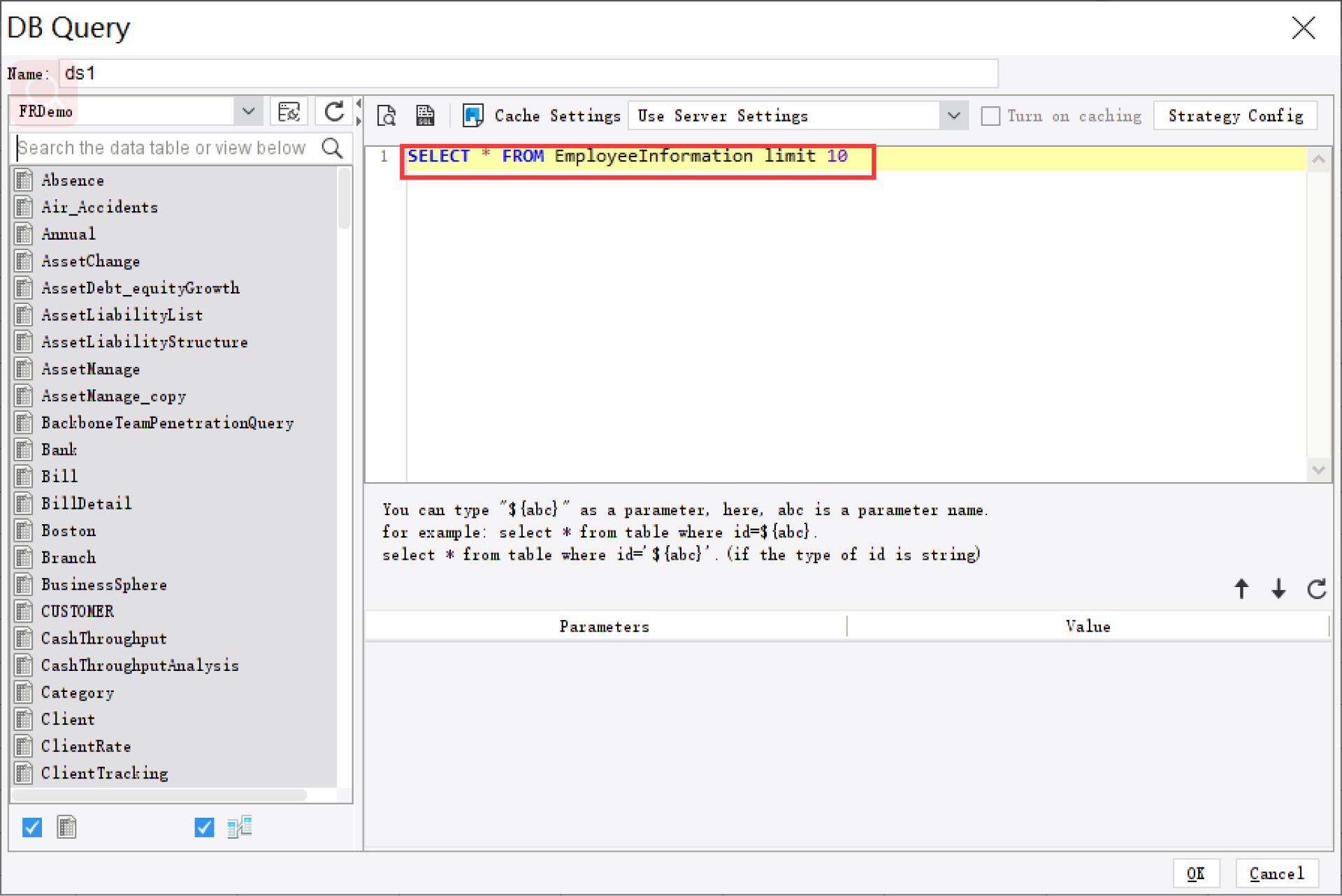
Streamline journal entry workflows
Journals often slow the close because approvals rely on email chains, missing support, or unclear ownership. Workflow automation fixes this by enforcing routing logic, documentation standards, and segregation of duties.
Effective journal automation should:
- Route entries based on amount, account, or legal entity
- Require attachments before submission
- Track reviewer comments and approvals
- Prevent unauthorized posting
- Maintain a full audit trail
The result is fewer approval bottlenecks and stronger control over posting activity.
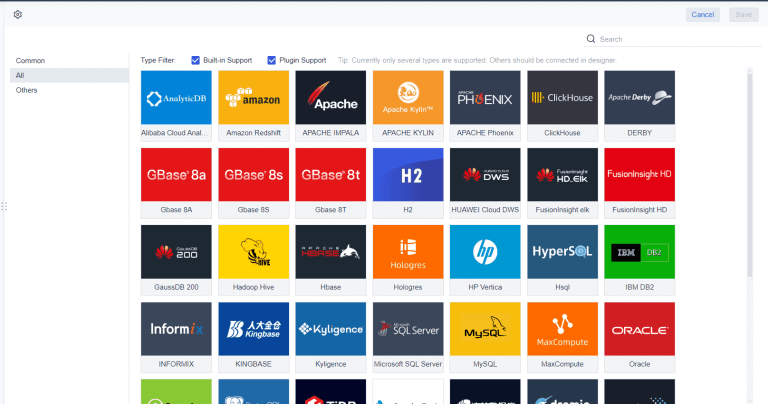
Build reporting packs from live source data
Many finance teams have automated data preparation but still assemble reporting packs manually. That last mile is costly. It creates version control issues and introduces copy-paste risk at the most visible stage of reporting.
Using live source data to populate reporting packs eliminates repetitive assembly work and ensures stakeholders see numbers that reflect the current system of record. It also makes recurring board packs, flash reports, and management reviews easier to produce on schedule.
Use task orchestration and close calendars
A close is a dependency chain, not a list of disconnected tasks. Delays usually happen because no one can see blockers clearly across teams, entities, and approvals.
A centralized close calendar should track:
- Task ownership
- Due dates
- Dependencies
- Status updates
- Escalations for late items
- Readiness by entity or workstream
This gives controllers and finance operations leaders a real-time operational view of close progress.
Apply controls to master data and rule changes
Close quality is only as good as the rules behind it. If account mappings, entity hierarchies, thresholds, or automation rules change without governance, errors scale quickly.
Finance teams should implement controls around:
- Master data changes
- Mapping updates
- Workflow rule edits
- Approval hierarchy changes
- Threshold overrides
Every change should be logged, reviewed, and attributable. Automation without governance just accelerates bad outcomes.
Automate variance analysis and management commentary drafts
Variance analysis is often delayed because teams first need to gather actuals, compare to plan or prior period, and identify meaningful movements manually. Automation can surface unusual deltas instantly and generate a first draft explanation structure.
This does not replace finance judgment. It speeds the first pass by identifying where attention is needed and providing a framework for commentary. That helps finance business partners and controllers respond faster with better explanations.
Connect technical accounting with reporting workflows
Some of the worst close delays happen when technical accounting conclusions are made outside the reporting workflow. A lease reassessment, revenue treatment decision, or impairment conclusion can materially affect disclosures, but the handoff often depends on email or late-stage file sharing.
Connecting technical accounting to the reporting process reduces this lag. It ensures the right stakeholders are notified, related disclosures are updated, and open judgments are visible before reporting deadlines are missed.
Measure close performance and refine each cycle
The fastest finance teams treat close improvement as a recurring operational discipline. They do not just complete the close. They analyze it.
After each cycle, review where time was lost:
- Which tasks repeatedly finished late
- Which reconciliations generated the most exceptions
- Which journals stalled approvals
- Which entities had recurring submission issues
- Which manual workarounds remained in the process
That KPI-driven feedback loop turns close automation into a continuous improvement program rather than a one-time project.
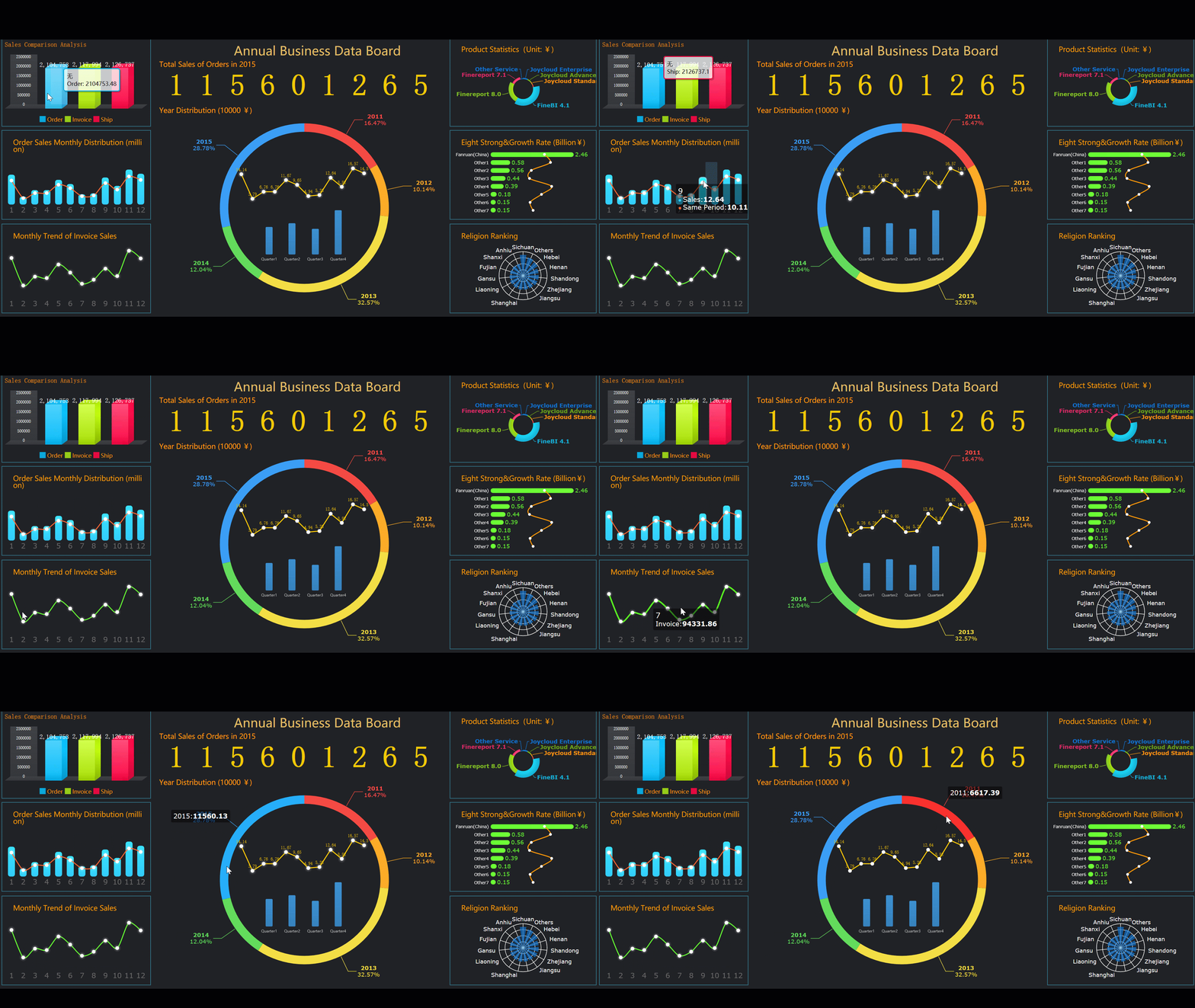
Benefits, limits, and best practices for finance teams
The biggest benefits finance leaders should expect
When implemented well, financial reporting automation delivers measurable gains across speed, control, and team productivity.
Key benefits include:
- Shorter close timelines through fewer manual handoffs
- Fewer manual errors caused by rekeying, copying, and version confusion
- Stronger auditability with traceable approvals and changes
- Better visibility into task status, blockers, and exceptions
- Improved finance capacity by shifting staff time from processing to analysis
- Greater consistency across entities, reports, and recurring cycles
For enterprise finance functions, this translates into a more resilient close process and more reliable executive reporting.
What automation fixes and what it does not
Automation is highly effective at solving process friction. It is less effective where the real problem is ambiguity, weak policy design, or poor ownership.
What automation fixes well:
- Repetitive data movement
- Formatting and mapping inconsistency
- Workflow delays
- Low-risk matching and validation
- Report generation from governed data
- Status tracking and reminders
- Audit trail capture
What automation does not fix by itself:
- Poor chart of accounts design
- Unclear close ownership
- Weak technical accounting policies
- Inconsistent KPI definitions
- Lack of executive alignment
- Judgment-heavy accounting decisions
The practical takeaway: fix the process foundation first, then automate stable, repeatable parts of it.
Best practices for successful rollout
A strong rollout is phased, risk-aware, and finance-led. Based on what works in real organizations, follow these steps:
-
Start with high-volume pain points
Target reconciliations, reporting packs, and journal workflows where repetitive effort is highest and business rules are already defined. -
Define control ownership early
Clarify who owns mappings, workflow rules, exception thresholds, approvals, and post-go-live monitoring. -
Standardize before automating
If each entity uses different templates or definitions, automation will multiply inconsistency rather than remove it. -
Phase implementation by risk and impact
Begin with lower-risk workflows that offer visible time savings, then expand into more complex areas. -
Track value realization after go-live
Measure cycle time reduction, exception rates, post-close adjustments, and manual touches to prove the return.
The most successful finance transformations are not the most ambitious on paper. They are the most disciplined in execution.
How to evaluate tools and build the right roadmap
Features to prioritize in financial reporting automation tools
Finance teams should evaluate tools based on operational fit, governance strength, and reporting flexibility. Priority capabilities include:
- ERP and source system connectivity for reliable data integration
- Workflow controls for approvals, routing, and segregation of duties
- Audit trails for changes, sign-offs, and report outputs
- Exception management to isolate breaks and anomalies quickly
- Flexible reporting for management packs, dashboards, and drill-down analysis
- Role-based access to protect sensitive data and approvals
- Template standardization for recurring submissions and outputs
- Scheduling and orchestration for close tasks and reporting refreshes
How to compare platforms without chasing hype
Do not evaluate platforms based on generic automation claims. Compare them based on their ability to improve your actual close process.
Ask practical questions:
- How much time will this save in our current month-end workflow?
- How much implementation effort is required from finance and IT?
- Does the governance model fit our internal controls?
- Can finance users maintain templates and workflows without constant technical support?
- How well does the tool handle exceptions, not just happy-path automation?
- Can it produce both operational dashboards and formal reporting outputs?
A platform that demos well but cannot support enterprise governance or finance usability will create new friction instead of removing it.
How to build a practical adoption roadmap
A workable roadmap starts with quick wins and scales with confidence.
Recommended rollout sequence:
-
Assess the close baseline
Document current close cycle time, recurring bottlenecks, exception volumes, and manual work hotspots. -
Prioritize quick wins
Focus first on reconciliations, close tracking, and recurring reporting packs. -
Align stakeholders early
Bring together controllership, FP&A, IT, internal audit, and entity finance leads to agree ownership and objectives. -
Pilot in one scope area
Choose one entity, one report family, or one close workstream to prove the model. -
Expand with governance
Add more workflows only after templates, controls, and escalation rules are stable. -
Review KPI improvements after each cycle
Use measurable outcomes to guide the next wave of automation.
Conclusion: faster close, stronger control, smarter finance operations
Month-end close does not need to remain a cycle of spreadsheet firefighting, delayed approvals, and manual reporting assembly. The most effective approach to financial reporting automation is pragmatic: standardize inputs, automate repeatable reconciliation and workflow steps, build reports from live data, govern rule changes tightly, and measure close performance every cycle.
The payoff is substantial. Finance teams close faster, make fewer errors, improve audit readiness, and create more capacity for analysis and decision support. Just as important, they do it without giving up control. That is the real promise of automation in finance: not replacing judgment, but protecting it by removing low-value manual work.
Building this manually is complex; use FineReport to utilize ready-made templates and automate this entire workflow.
Get Ready-to-Use Dashboard Templates in Fine Gallery
FAQs
Financial reporting automation uses software to handle recurring close tasks such as data collection, validation, reconciliations, approvals, and report generation. It helps finance teams close faster while keeping audit trails and control points intact.