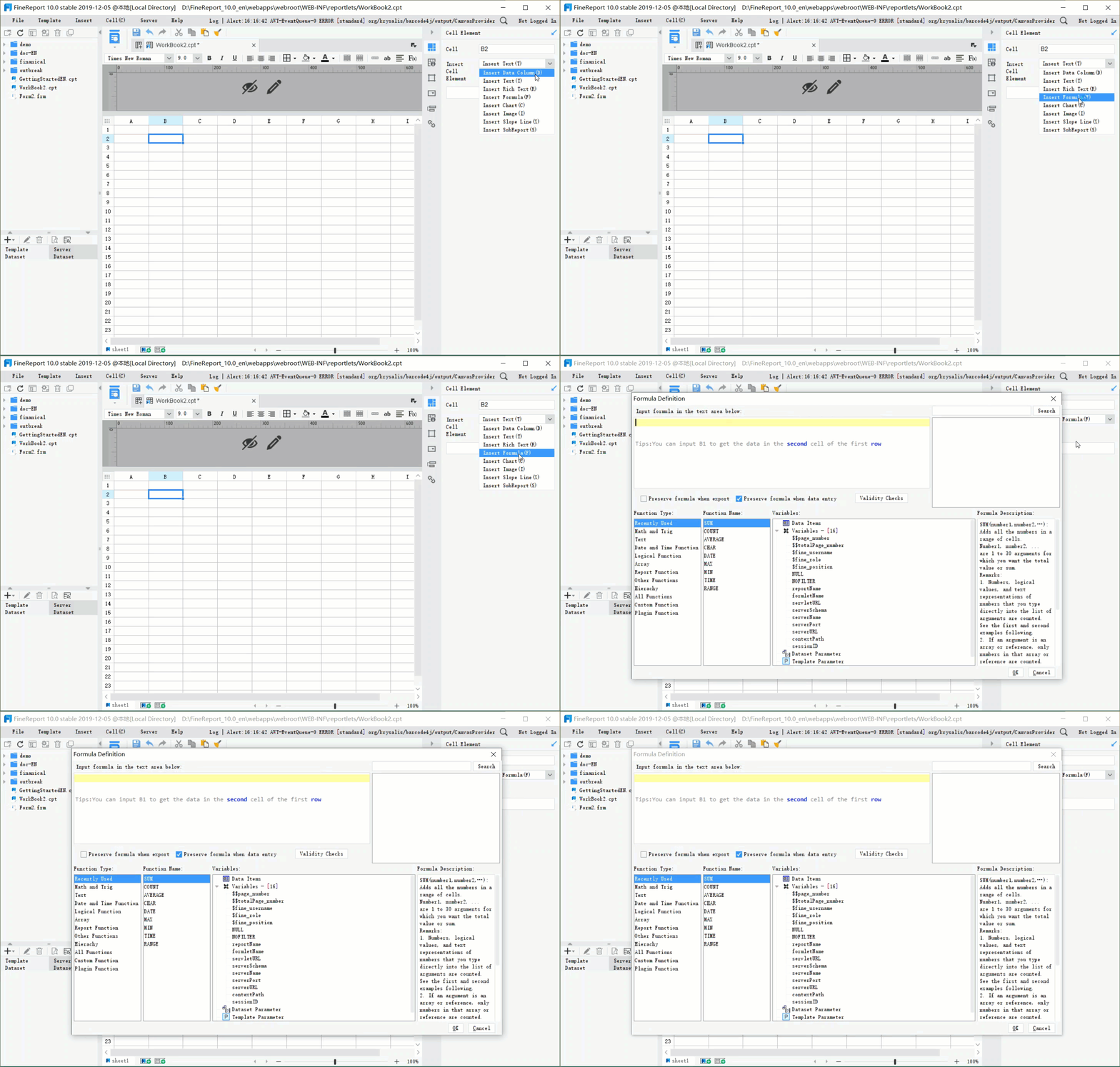
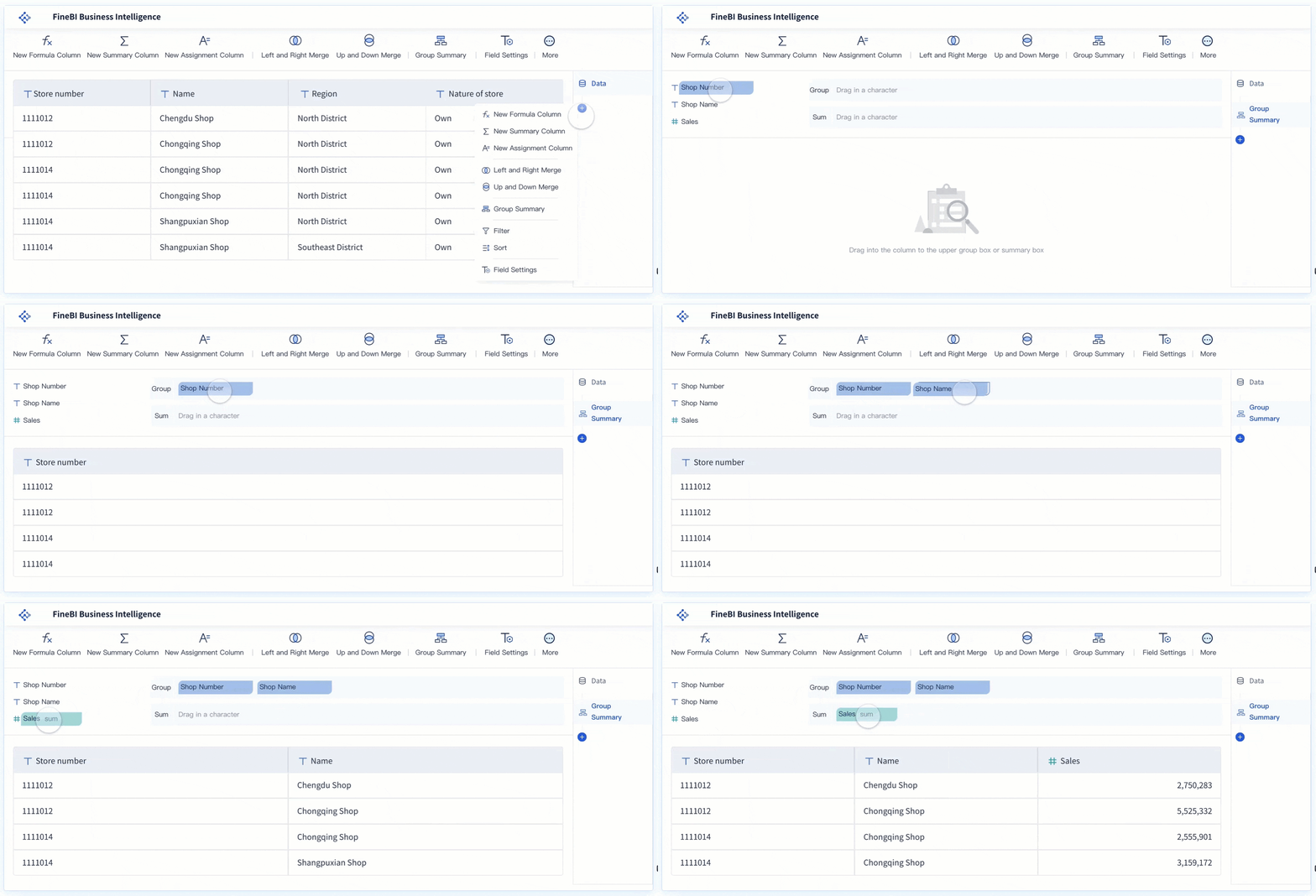
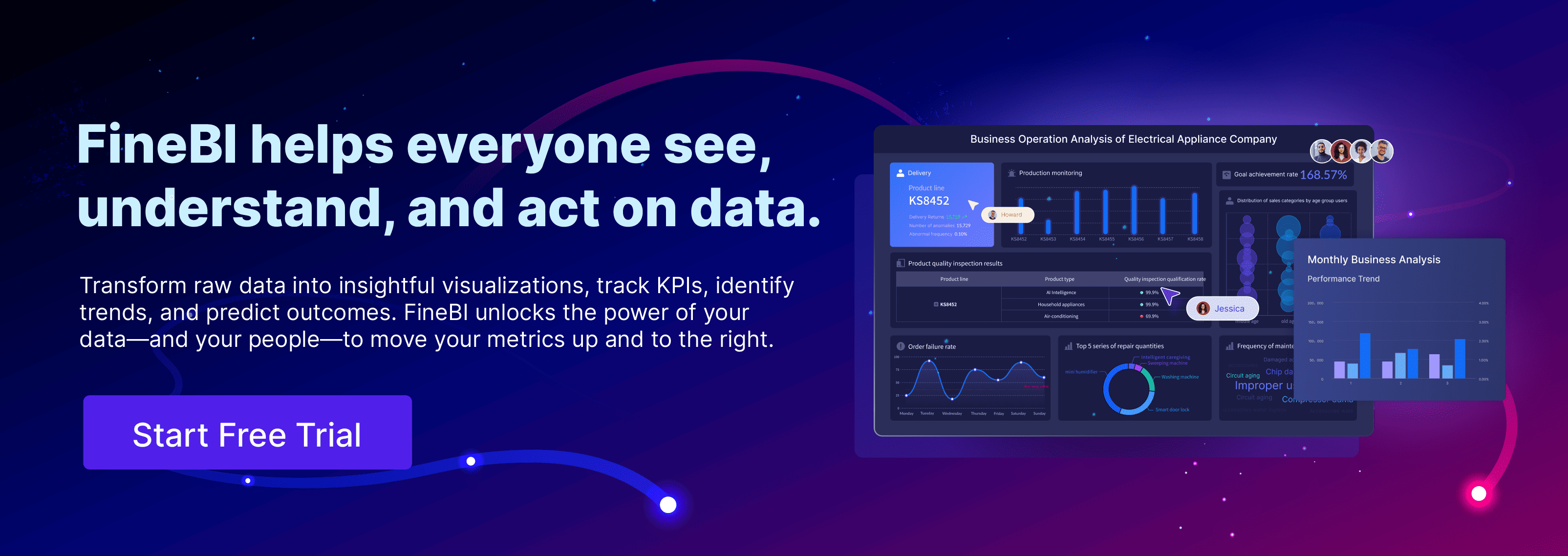
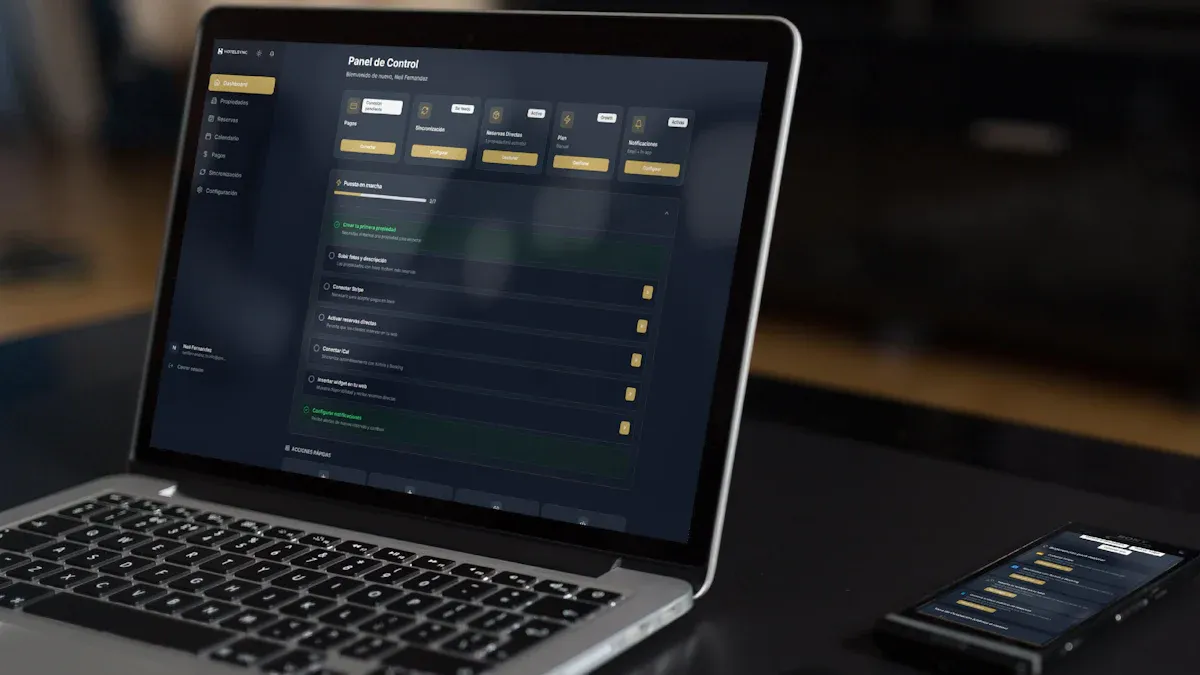
An embedded dashboard is a tool that shows data pictures inside the apps you use at work. You can see live data right away, where you are working. This helps you make fast choices without leaving your work screen. You do not need to go to another program. You can look deeper into details, use filters, and work with reports all in one spot. Companies like FanRuan are leaders in this area with products like FineBI and FineReport. These let you see and study data right inside your favorite systems.
Embedded Dashboard Basics
What Is an Embedded Dashboard
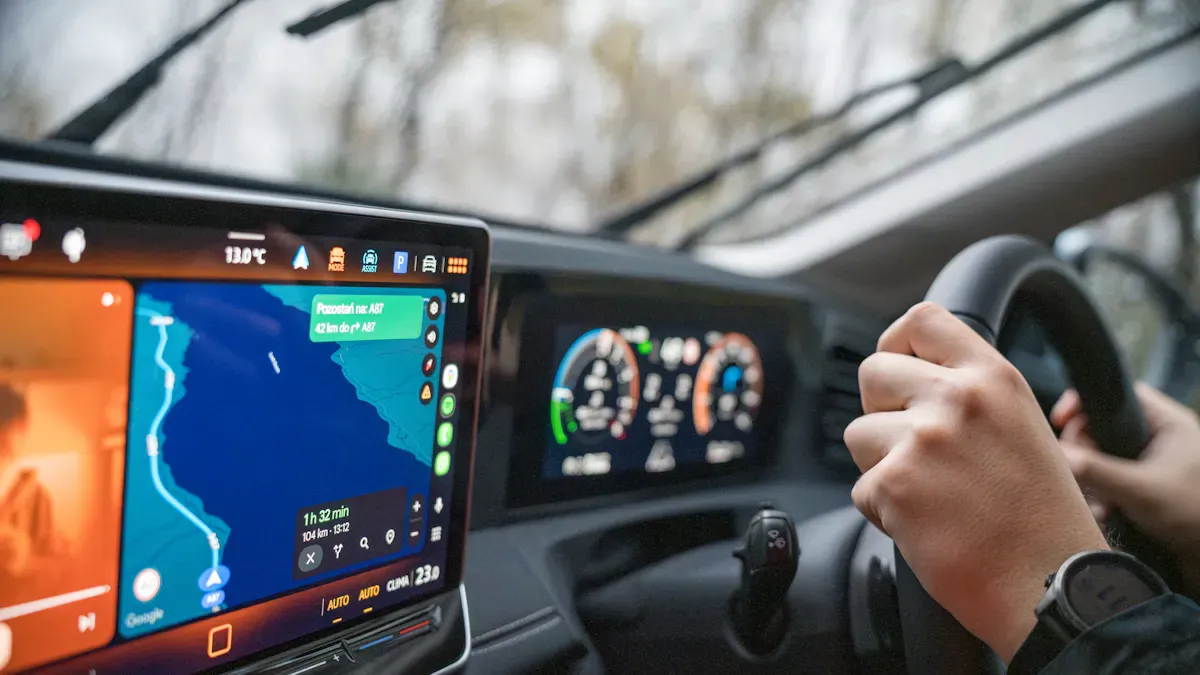
When you use your everyday software, you might see charts or reports inside it. This is an embedded dashboard. It brings embedded analytics right into your work. You do not have to open another program. You get live updates and can look at data without leaving your main screen.
An embedded dashboard has some key parts that help with business intelligence:
Data Connectivity: You can link to many data sources. This lets you see real-time info from different places.
Customizable Design: You can change how it looks. The dashboard matches your main app’s style.
Interactivity: You can click, filter, and sort data. This helps you find answers fast.
Security Controls: Your data stays safe. Only the right people can see or use it.
Integration via API: You connect the dashboard to other systems. This makes data move quickly and easily.
You can find embedded dashboards in lots of places. E-commerce sites use them to watch sales and stock. Project management tools show team progress and resource use. CRM systems let you see customer actions and sales forecasts in real time. Logistics companies use embedded analytics to track deliveries and shipments. Customer service teams spot trends and find new sales chances. Human resources teams use dashboards to manage employee data from many sources.
How Embedded Dashboards Differ from Traditional Dashboards
You might wonder how embedded dashboards are different from traditional dashboards. The biggest difference is how and where you use them. Here is a simple table to show the differences:
Feature
Embedded Dashboards
Traditional Dashboards
Analytics Type
Real-time analytics
Static reporting and historical data analysis
User Interaction
Seamless data exploration within applications
Limited interaction, often predefined reports
Integration
Integrated into applications for a frictionless experience
Standalone tools requiring platform switching
With embedded dashboards, you get embedded analytics right inside your favorite tools. You do not need to switch programs. You can explore data and get answers right away. Traditional dashboards often make you open a different tool. You might only see old data or fixed reports.
Many companies pick embedded dashboards to help teams use data analytics better. But some studies say not everyone thinks dashboards help them make better choices. For example, Gartner found only 26% of dashboard users felt dashboards changed their decisions. This means you need dashboards that fit your daily work and give you answers when you need them.
How Embedded Dashboards Work in Applications
Core Components and Architecture
When you use an embedded dashboard, you work with different parts. These parts help bring data into your daily tasks. The setup makes sure you see the right info at the right time in your main app. Here is how it usually works:
You or your team copy the embed code from the dashboard tool, like FineBI or FineReport. You put this code inside your business app.
The app checks if you can view the dashboard. If you are not logged in, you must sign in.
After you log in, the dashboard shows up in your app. You see live data right away.
The system uses row and column permissions. You only see data you are allowed to see.
Some tools let you embed dashboards without using code. But if you want more features, like filters or actions that change when you click, you need to use code. This gives you more control and a better experience.
Data Integration with FineBI and FineReport
FanRuan’s FineBI and FineReport make dashboard embedding easy and dependable. These tools help you connect to many data sources. They keep your dashboards updated. Here is a simple table that shows the steps for connecting data between FineBI and FineReport:
Step
Description
Check FineReport Version
Make sure your FineReport version fits your needs.
Check External Database Configuration
Copy the right files if you use an outside database.
Check Project License
Make sure you have the correct licenses for both FineReport and FineBI.
Copying JAR Packages
Move JAR packages from FineReport to FineBI to keep things working.
Copying Plugins
Move plugin files to FineBI for full features.
Maintaining Datasets and Dashboards
Export and import datasets and dashboards as needed.
To embed a dashboard with FineBI and FineReport, follow these steps:
Upload your FineReport template to the right folder.
Set up the data connection in FineBI to match your FineReport template.
Make a dashboard in FineBI and add a web part.
Add a link in the web part that goes to your FineReport template.
This process keeps your dashboards connected to the newest data.
Real-Time Analytics and User Interactivity
Embedded dashboards give you real-time analytics and interactive features right where you work. You do not need to switch between tools. You can filter data, look deeper into details, and see updates right away. Most people like to stay in one app. In fact, 83% of users prefer using one app instead of moving between programs.
With embedded analytics, you can manage, view, and report on data without leaving your main system. This makes your work easier and helps you make better choices. You get answers in your workflow, so you do not lose focus or waste time switching screens. Embedded BI software becomes a normal part of your daily tasks. Dashboard embedding is now a key part of modern business intelligence.
Embedded Dashboard Methods and Key Features
Integration Approaches (APIs, SDKs, iFrames)
You can add embedded dashboards to your business apps in different ways. Each way gives you a different amount of control and options. Here is a table that shows the main choices:
Method
Description
Pros
Cons
IFrame
Puts a dashboard as a web page inside your app
Simple to use
Not much you can change
Embed SDK
Adds code for more features and lets you handle events
Lets you filter some things
You need to know how to code
JavaScript
Puts dashboards and widgets in with full control
Very strong and flexible
You must be good at coding
FineBI and FineReport let you use these ways to embed dashboards. You can pick the one that works best for you. APIs and SDKs help you connect dashboards to your data and add interactive dashboards to your work. iFrames are good if you want to add a dashboard quickly and see results fast.
Security and Access Control
It is very important to keep your data safe when you use embedded dashboards. You can set up user roles so each person only sees the data they should. This keeps your business safe and protects private info. Here are some ways you can control who sees what:
Make user roles for different levels of access.
Block or allow some dashboards for certain users or groups.
Use row-level security so people only see data for their job.
Connect to your company’s login system for safe and easy access.
Store dashboard pictures in locked formats for extra safety.
FineBI and FineReport help you manage these settings easily. You can trust your embedded analytics will follow strong business intelligence rules.
Customization and Responsive Design
You want your dashboards to look nice and work well on any device. Customization lets you match the dashboard to your brand. You can change colors, backgrounds, and layouts. Drag-and-drop tools help you set up data pictures the way you want. Role-based access control gives each user the right view.
Responsive design means your dashboards fit desktops, tablets, and phones. This makes it easier for more people to use your dashboards. Companies that care about design and making things easy to use often get better results and more people using their dashboards.
Benefits of Creating Embedded Dashboards with FanRuan
Enhanced User Experience and Productivity
When you use embedded dashboards from FanRuan, your work gets easier and faster. You see real-time data right in your main app. You do not have to switch between tools. This saves time and helps you stay focused. Here are some ways embedded dashboards help you get more done:
You see real-time insights while you work, so you decide faster.
You spend less time making reports or looking for data.
You break down data silos, so your team always has the newest info.
You can change your plans quickly because you see live reports.
Making embedded dashboards with FineBI and FineReport helps you work smarter. You get the right data when you need it, so you get better results.
Improved Decision-Making with Real-Time Data
You want to make the best choices for your business. Embedded dashboards help by giving you real-time analytics and useful insights. You see the newest numbers and trends as they happen. This helps you react fast and make smart choices. The table below shows how embedded analytics helps you reach your goals:
Benefit
Description
Improved Decision-Making
Real-time analytics in your daily tools help you make faster, data-driven decisions.
Enhanced Customer Experience
Customer apps show live dashboards and insights, making service more personal.
Increased User Engagement
Using analytics in your main tools makes you use data more and trust your decisions.
With dashboard embedding, you do not wait for reports. You see what is happening now and act right away. This helps you make better choices and build stronger business intelligence.
Use Cases: Manufacturing, Logistics, and More
Embedded dashboards work in many industries. In manufacturing, you can watch production, spot problems, and handle supply chain changes. For example, the semiconductor industry uses dashboard embedding to check equipment and quality in real time. This helps you fix supply chain issues and keep things running well.
In logistics, companies like Kintetsu use embedded dashboards to manage customer data and shipments. You can see delivery times, track inventory, and make service better. The table below shows common use cases:
Industry
Use Case Description
Transportation
Use dashboards for route planning, fleet checks, and delivery analysis to boost efficiency.
Logistics
Track inventory, supplier performance, and costs to cut waste and improve operations.
Making embedded dashboards with FanRuan gives you a clear view of your business. You get data-driven choices, faster actions, and better results. Dashboard embedding with FineBI and FineReport brings embedded analytics to your daily work, so you stay ahead in any industry.
Challenges and Considerations in Dashboard
Technical Hurdles and Data Governance
When you start dashboard embedding, you will face some technical problems. You need to set up cross-origin resource sharing, or CORS. This lets your embedded analytics talk to your main app, but it can be hard to set up. You also have to manage authentication between the dashboard and your main system. This means users must log in the right way in both places. State synchronization is another problem. Your embedded analytics should know what the user is doing in the main app. Iframe security rules in browsers can block features if you do not set them up right.
For data governance, you need clear rules. Use role-based access controls so only the right people see the right data. Keep your main datasets in one place so everyone trusts the numbers. Give your team training and help so they know how to use embedded analytics. You also need to keep logs of who looks at the data, especially if you have outside users.
Scalability and Maintenance
As your company gets bigger, dashboard embedding can have scaling problems. You might notice dashboards load slowly when you use big datasets. Different teams may see different numbers if you do not have one main source of truth. Security risks can get worse if you do not manage sharing well. Your IT team might get too many custom requests, which can cause delays.
Scalability Issue
Description
Slow load times
Dashboards that used to load fast may slow down or time out with big data.
Data chaos
Different numbers in different places can cause confusion.
Security risks
Poor sharing rules can let sensitive data leak.
IT bottlenecks
Too many requests can slow down your data team.
To keep your embedded analytics working well, follow a few steps. Start by asking what questions your dashboard should answer. Check your data quality often. Set clear goals for your key metrics. Review your dashboards on a regular schedule. Fix problems when you find them. Always listen to user feedback and make your dashboards better over time.
Ensuring Data Privacy and Compliance
You must keep user data safe when you use embedded analytics. Set up fine-grained access control so only the right people see private information. Encrypt your data when it is stored and when it moves between systems. Keep audit trails so you can show who looked at what data. Make sure your tools can follow rules like GDPR, HIPAA, or PCI DSS. As you add more users, keep your security strong.
Compliance Requirement
Description
Fine-grained access control
Use roles and row-level security to protect data.
Encryption and auditability
Encrypt data and keep full logs for checks.
Configurable compliance
Make sure your tools fit rules like GDPR or HIPAA.
Scalability with control
Grow your user base without losing security.
You have learned that an embedded dashboard puts live data and analytics in your daily tools. This helps you do your job better and make smarter choices. FineBI and FineReport help you build dashboards that show real-time insights. These dashboards support your business goals. Many companies use dashboards to watch costs, manage supply chains, and look at data.
Access a wealth of case studies, industry insights, and solution guides to accelerate digital transformation.
FAQ
What is the main benefit of using an embedded dashboard?
You see live data right inside your work app. This helps you make quick decisions without switching screens. You save time and stay focused on your tasks.
Can I use embedded dashboards on my phone or tablet?
Yes! Most embedded dashboards, like those from FineBI and FineReport, use responsive design. Your dashboards fit any device, so you can check data on your phone, tablet, or computer.
How do I keep my data safe with embedded dashboards?
You set user roles and permissions. Only the right people see the right data. FineBI and FineReport use strong security features to protect your information.
Do I need to know how to code to use embedded dashboards?
No, you do not need coding skills for basic use. Drag-and-drop tools help you build dashboards easily. For advanced features, you might use some code, but it is not required for most users.