
Data pipeline architecture plays a pivotal role in modern data management. It ensures the seamless flow of data from diverse sources to target systems. This architecture is essential for effective data processing and analytics, enabling organizations to make informed decisions swiftly. A well-designed data pipeline can handle increased workloads without compromising performance. Tools like FineDataLink and FineBI enhance this process by offering real-time data integration and insightful analytics. By optimizing data pipelines, businesses can achieve greater efficiency, scalability, and adaptability, ultimately extracting substantial value from their data.

Understanding Data Pipeline Architecture
Data pipeline architecture serves as the backbone of modern data management. It enables the seamless flow of data from diverse sources to target systems, ensuring that organizations can derive valuable insights and make informed decisions. This architecture comprises several key components, each playing a crucial role in processing and transforming raw data into actionable information.
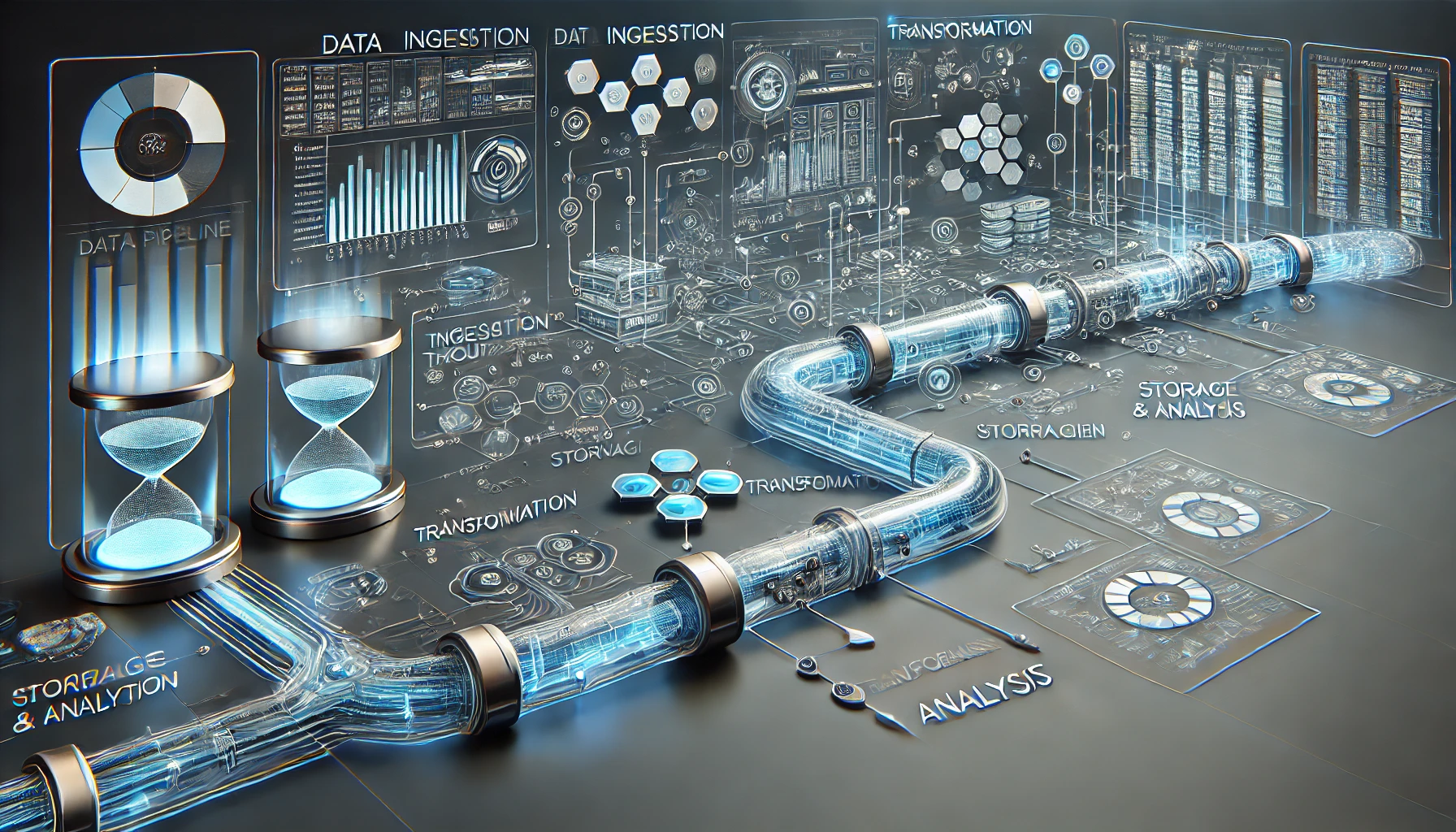
Key Components of Data Pipeline Architecture
- Data Ingestion: This component involves collecting data from various sources, such as databases, APIs, and file systems. It ensures that data enters the pipeline efficiently and in a format suitable for further processing.
- Data Transformation: Once ingested, data undergoes transformation processes. These processes clean, enrich, and convert raw data into a usable format. Techniques like ETL (Extract, Transform, Load) or ELT (Extract, Load, Transform) are commonly employed to prepare data for analysis.
- Data Storage: Efficient storage solutions are necessary to hold both raw and processed data. Options include data warehouses and data lakes, which support scalability and performance.
- Data Integration: Integrating data from multiple sources is essential for creating a unified view. This component guarantees real-time data synchronization and maintains data consistency across various platforms.
- Data Orchestration: Managing and scheduling tasks within the data pipeline falls under this component. Automation tools help orchestrate these processes, reducing manual intervention and improving efficiency.
- Data Quality Management: Ensuring data accuracy, completeness, and reliability is critical. This involves implementing validation, error handling, and monitoring mechanisms to maintain high data quality.
- Data Access and APIs: Providing interfaces for accessing and sharing data between systems is important for enabling seamless data flow and integration.
- Monitoring and Logging: Continuous monitoring and logging of pipeline activities help identify issues, optimize performance, and ensure smooth operation.
- Security and Compliance: Robust security measures protect data and ensure compliance with regulatory requirements, safeguarding sensitive information.

Importance of Data Pipeline Architecture in Business Intelligence
Data pipeline architecture plays a pivotal role in business intelligence by transforming raw data into valuable insights. Well-designed pipelines support analytics, reporting, and other data-driven applications, providing organizations with a robust framework for handling diverse data sources. By aligning the architecture with specific use cases, businesses can ensure data quality and accuracy, driving innovation and optimizing operations.
15 Organizations that harness the power of data pipeline architecture gain a competitive edge in their respective sectors. They can unlock their full potential and turn data into powerful insights by choosing the best-fitting data pipeline tools like FineDataLink and FineBI. Tools like FineDataLink and FineBI enhance this process by offering real-time data integration and insightful analytics, enabling businesses to achieve greater efficiency, scalability, and adaptability.
Overview of Data Pipeline Architecture
Data pipeline architecture serves as the framework for managing data flow from various sources to target systems. This section delves into the core components of this architecture, focusing on data ingestion, processing, and storage.
Data Ingestion
Data ingestion marks the initial phase of the data pipeline, where data enters the system from multiple sources. This step is crucial for ensuring that data is available for subsequent processing and analysis.

Sources of Data
Data can originate from a variety of sources, including:
- Databases: Structured data from relational databases like MySQL or PostgreSQL.
- APIs: Real-time data from web services and applications.
- File Systems: Unstructured data from files stored in systems like Hadoop Distributed File System (HDFS).
Methods of Data Collection
The methods employed for data collection can vary based on the source and the nature of the data:
- Batch Processing: Collects data at scheduled intervals, suitable for large volumes of data.
- Streaming: Captures data in real-time, ideal for time-sensitive applications.
Tools like Apache NiFi and AWS Glue facilitate efficient data ingestion by supporting both batch and streaming processes, ensuring seamless data flow into the pipeline.
Data Processing
Once ingested, data undergoes processing to transform it into a format suitable for analysis. This stage involves several techniques and processes to enhance data quality and usability.
Transformation Techniques
Data transformation involves converting raw data into a structured format. Common techniques include:
- ETL (Extract, Transform, Load): Extracts data from sources, transforms it into a desired format, and loads it into a data warehouse.
- ELT (Extract, Load, Transform): Loads data into a storage system first, then transforms it as needed.
Apache Spark stands out as a powerful tool for large-scale data processing, offering robust solutions for complex workflows.
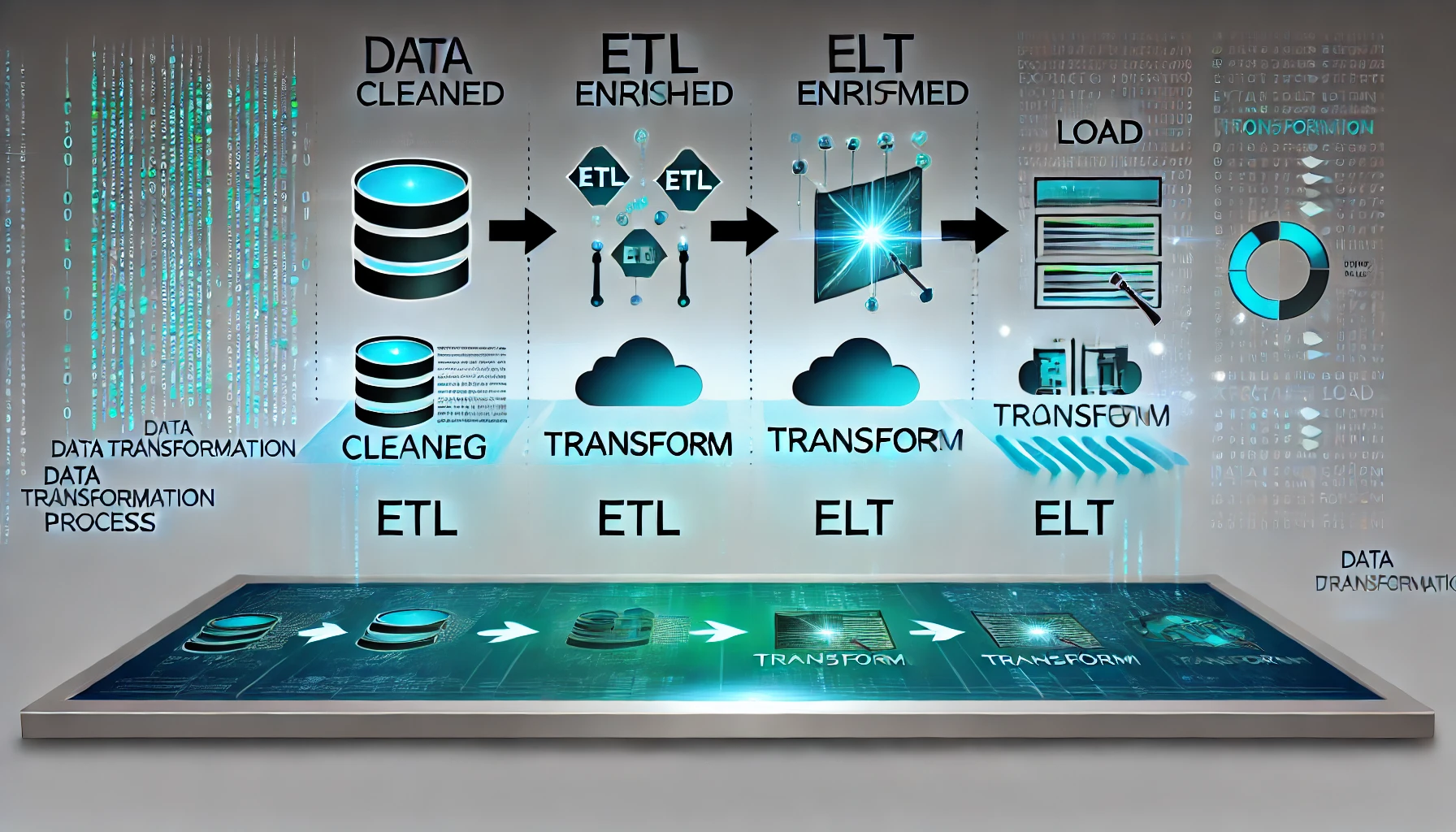
Data Cleaning Processes
Data cleaning ensures the accuracy and consistency of data by removing errors and inconsistencies. Key processes include:
- Deduplication: Eliminates duplicate records.
- Normalization: Standardizes data formats.
Talend Open Studio provides a unified environment for executing data cleaning tasks, enhancing data quality across the pipeline.
Data Storage
Efficient data storage is vital for holding both raw and processed data. The choice of storage solutions impacts the scalability and performance of the data pipeline.

Storage Solutions
Several storage solutions cater to different data needs:
- Data Warehouses: Structured storage for processed data, such as Amazon Redshift.
- Data Lakes: Flexible storage for raw data, exemplified by AWS S3.
Data Organization Strategies
Organizing data effectively within storage systems ensures easy retrieval and analysis. Strategies include:
- Partitioning: Divides data into manageable segments.
- Indexing: Speeds up data retrieval by creating indexes on key attributes.
Apache Hive offers SQL-like syntax for interacting with data stored in Hadoop clusters, simplifying data organization and access.
By understanding these components, organizations can design a robust data pipeline architecture that supports efficient data management and analysis.

Data Analytics
Data analytics forms a crucial part of the data pipeline architecture. It transforms raw data into meaningful insights, enabling organizations to make informed decisions. This section explores the tools and techniques that facilitate effective data analytics.
Analytical Tools
Analytical tools play a vital role in processing and analyzing data within a pipeline. They help extract valuable insights from vast datasets. Here are some popular tools used in data analytics:
- Apache Spark: Known for its large-scale data processing capabilities, Apache Spark offers robust solutions for complex workflows. Its distributed nature makes it ideal for handling big data analytics and machine learning tasks.
- AWS Glue: This fully managed ETL service integrates seamlessly with various AWS services. It supports both batch and streaming processing, making it a versatile choice for data analytics.
- Talend Open Studio: An open-source platform, Talend Open Studio supports data integration and quality management. It provides a unified environment for executing ETL tasks, enhancing data analytics efficiency.
These tools enable organizations to process data efficiently, ensuring that analytics remain accurate and timely.
Reporting and Visualization
Reporting and visualization are essential components of data analytics. They present data in an understandable format, allowing stakeholders to grasp insights quickly. Effective reporting and visualization involve:
- Data Visualization Tools: Tools like Tableau and Power BI offer interactive dashboards and visualizations. They help users explore data through charts, graphs, and maps, making complex data more accessible.
- Reporting Platforms: Platforms such as FineBI provide self-service business intelligence capabilities. They empower users to create reports and dashboards without extensive technical knowledge, facilitating data-driven decision-making.
- Real-Time Reporting: Real-time reporting tools ensure that data remains up-to-date. They allow organizations to respond swiftly to changes, maintaining a competitive edge.
By leveraging these tools, businesses can transform data into actionable insights, driving strategic growth and innovation.
Detailed Steps to Design Data Pipeline Architecture
Designing a data pipeline architecture involves several crucial steps. Each step ensures that the pipeline efficiently manages data flow from diverse sources to destinations, transforming raw data into valuable insights for analytics and reporting.

Define Objectives and Requirements
- Identifying Business Needs: Organizations must first understand their specific business needs. They should determine what data they require and how it will support their goals. This understanding helps in setting clear objectives for the data pipeline.
- Setting Data Goals: After identifying business needs, organizations should set precise data goals. These goals guide the design of the pipeline, ensuring it meets the organization's analytical and reporting requirements.
Choose the Right Architecture
- Batch vs. Stream Processing: Organizations must decide between batch and stream processing. Batch processing collects data at scheduled intervals, suitable for large volumes. Stream processing captures data in real-time, ideal for time-sensitive applications. The choice depends on the organization's specific needs and the nature of the data.
- Scalability Considerations: Scalability is vital for handling growing data volumes. Organizations should design pipelines that can scale efficiently without compromising performance. This ensures the pipeline remains effective as data sources and volumes increase.
Implement Data Security Measures
- Data Encryption: Protecting data is crucial. Organizations should implement data encryption to safeguard sensitive information. Encryption ensures that data remains secure during transmission and storage.
- Access Control: Access control measures are essential for maintaining data integrity. Organizations should establish strict access controls to ensure only authorized personnel can access sensitive data. This prevents unauthorized access and potential data breaches.
"Data pipeline tools are crucial for managing the flow of information from growing sources, reducing manual intervention, and ensuring accurate data movement for analysis and decision-making."
By following these detailed steps, organizations can design a robust data pipeline architecture. This architecture will efficiently manage data flow, transforming raw data into actionable insights that drive informed decision-making.
Test and Optimize the Pipeline
Testing and optimizing a data pipeline architecture ensures its efficiency and reliability. These processes help organizations maintain smooth data flow and accurate data transformation, which are crucial for analytics and decision-making.
Performance Testing
Performance testing evaluates the pipeline's ability to handle data efficiently. It involves simulating various data loads to assess how the pipeline performs under different conditions. Engineers measure the speed and accuracy of data processing during these tests. They identify bottlenecks and areas that require improvement. By doing so, they ensure the pipeline can manage increased data volumes without compromising performance.
- Load Testing: This test checks how the pipeline handles large volumes of data. It helps identify any slowdowns or failures when the system is under stress.
- Stress Testing: Engineers push the pipeline beyond its normal capacity to see how it behaves under extreme conditions. This test reveals the maximum limits of the pipeline.
- Scalability Testing: This test assesses the pipeline's ability to scale up or down based on data volume changes. It ensures that the pipeline remains efficient as data sources grow.
"Data pipeline tools are crucial for managing the flow of information from growing sources, reducing manual intervention, and ensuring accurate data movement for analysis and decision-making."
Continuous Monitoring
Continuous data monitoring involves keeping a close watch on the pipeline's performance in real-time. It helps detect issues early and ensures the pipeline operates smoothly. Monitoring tools track various metrics, such as data throughput and error rates. They provide alerts when anomalies occur, allowing engineers to address problems promptly.
- Real-Time Alerts: Monitoring systems send notifications when they detect unusual activity. This feature enables quick responses to potential issues.
- Error Tracking: Engineers use monitoring tools to log errors and analyze their causes. This process helps in identifying recurring problems and finding long-term solutions.
- Performance Metrics: Continuous data monitoring provides insights into the pipeline's efficiency. Engineers use these metrics to make informed decisions about optimizations.
By implementing performance testing and continuous monitoring, organizations can optimize their data pipeline architecture. These practices ensure that the pipeline remains robust and capable of transforming raw data into valuable insights efficiently.

Challenges and Solutions in Data Pipeline Architecture Design
Designing a data pipeline architecture presents several challenges that organizations must address to ensure efficiency and reliability. This section explores common issues and offers solutions to overcome them.
Data Quality Issues
Data quality remains a significant concern in data pipeline architecture. Ensuring accuracy and completeness is vital for reliable analytics and decision-making.

Ensuring Data Accuracy
Organizations must implement robust validation mechanisms to maintain data accuracy. These mechanisms include:
- Automated Validation: Use automated tools to check data against predefined rules. This process helps identify discrepancies early.
- Regular Audits: Conduct regular audits to verify data integrity. Audits ensure that data remains consistent and accurate over time.
"Proper data pipeline design plays a pivotal role in ensuring data integrity and quality are preserved and continuously validated."
Handling Incomplete Data
Incomplete data can hinder analysis and lead to incorrect conclusions. To address this, organizations should:
- Data Imputation: Use statistical methods to estimate missing values. This approach helps fill gaps without compromising data quality.
- Data Enrichment: Integrate additional data sources to supplement incomplete datasets. Enrichment provides a more comprehensive view.
Scalability Challenges
Scalability is crucial for managing growing data volumes and maintaining system performance.
Managing Large Data Volumes
Handling large data volumes requires careful planning and the right technology. Organizations should:
- Distributed Systems: Implement distributed systems like Apache Hadoop. These systems efficiently process and store vast amounts of data.
- Data Partitioning: Divide data into smaller, manageable segments. Partitioning improves processing speed and reduces bottlenecks.
Ensuring System Performance
Maintaining system performance involves optimizing resources and processes. Key strategies include:
- Load Balancing: Distribute workloads evenly across servers. Load balancing prevents any single server from becoming overwhelmed.
- Resource Allocation: Allocate resources dynamically based on demand. This approach ensures optimal performance during peak times.
Integration with Existing Systems
Integrating new data pipelines with existing systems poses compatibility and data flow challenges.
Compatibility Concerns
Ensuring compatibility between systems requires careful consideration. Organizations should:
- Standardized Protocols: Use standardized protocols for data exchange. Protocols like RESTful APIs facilitate seamless integration.
- Middleware Solutions: Employ middleware to bridge different systems. Middleware ensures smooth communication and data transfer.
Seamless Data Flow
Achieving seamless data flow involves minimizing disruptions and ensuring consistency. Solutions include:
- Real-Time Synchronization: Implement real-time synchronization tools. These tools keep data updated across all systems.
- Error Handling: Develop robust error-handling mechanisms. Effective error handling prevents data loss and maintains flow continuity.
By addressing these challenges, organizations can design a data pipeline architecture that supports efficient data management and analysis. This architecture enables businesses to transform raw data into valuable insights, driving informed decision-making and strategic growth.
Best Practices for Effective Data Pipeline Architecture
Designing an efficient data pipeline architecture requires adherence to best practices that ensure reliability, scalability, and performance. These practices help organizations manage data flow effectively, transforming raw data into actionable insights.

Modular Design
Modular design plays a crucial role in creating flexible and maintainable data pipelines. By breaking down the pipeline into smaller, independent modules, organizations can enhance adaptability and simplify troubleshooting.
Benefits of Modularity
- Scalability: Modular pipelines allow for easy scaling. Organizations can add or remove modules without disrupting the entire system.
- Maintainability: Isolating components simplifies maintenance. Engineers can update or fix individual modules without affecting others.
- Reusability: Modules can be reused across different projects, saving time and resources.
Implementation Strategies
- Define Clear Interfaces: Establish clear input and output interfaces for each module. This ensures seamless integration and communication between components.
- Use Standardized Protocols: Implement standardized protocols for data exchange. This facilitates compatibility and reduces integration challenges.
- Document Each Module: Maintain comprehensive documentation for each module. This aids in understanding functionality and assists in future modifications.
Automation and orchestration
Automation and orchestration streamline data pipeline operations, reducing manual intervention and enhancing efficiency.
Tools for Automation
- Apache Airflow: A popular tool for orchestrating complex workflows. It automates task scheduling and execution, ensuring timely data processing.
- Kubernetes: Manages containerized applications, providing automated deployment and scaling. It optimizes resource utilization and enhances pipeline resilience.
Workflow Management
- Define Clear Workflows: Establish clear workflows for data processing tasks. This ensures consistency and reduces errors.
- Monitor Task Dependencies: Track dependencies between tasks to prevent bottlenecks. This ensures smooth data flow and timely completion.
- Implement Error Handling: Develop robust error-handling mechanisms. This minimizes disruptions and maintains data integrity.
Regular Maintenance and Updates
Regular maintenance and updates are vital for sustaining the performance and reliability of data pipelines.
Importance of Maintenance
- Ensure Data Quality: Regular checks and updates maintain data quality. This prevents errors and inconsistencies from affecting analytics.
- Optimize Performance: Continuous monitoring and optimization enhance pipeline efficiency. This involves identifying bottlenecks and fine-tuning configurations.
"Embrace a culture of continuous improvement by monitoring pipeline performance metrics, identifying bottlenecks, and fine-tuning configurations to optimize resource utilization, minimize latency, and enhance overall efficiency."
Update Strategies
- Schedule Regular Updates: Plan regular updates to incorporate new features and improvements. This keeps the pipeline aligned with evolving business needs.
- Test Before Deployment: Conduct thorough testing before deploying updates. This ensures reliability and prevents disruptions.
- Monitor Post-Update Performance: Track performance metrics after updates. This helps identify any issues and ensures the pipeline operates as expected.
By following these best practices, organizations can design a robust data pipeline architecture that supports efficient data management and analysis. This architecture enables businesses to transform raw data into valuable insights, driving informed decision-making and strategic growth.
Tools and Technologies Commonly Used in Data Pipeline Architecture
Data pipeline architecture relies on various tools and technologies to ensure efficient data flow from sources to destinations. These tools facilitate data ingestion, processing, and storage, enabling organizations to derive valuable insights.

Data Ingestion Tools
Data ingestion tools play a crucial role in collecting data from diverse sources. They ensure that data enters the pipeline efficiently and is ready for processing.
Popular Tools and Platforms
- Apache NiFi: This tool automates the movement of data between systems. It offers a user-friendly interface for designing data flows and supports real-time data ingestion.
- AWS Glue: A fully managed ETL service, AWS Glue integrates seamlessly with other AWS services. It supports both batch and streaming data ingestion, making it versatile for various applications.
- Kafka: Known for its high throughput, Kafka handles real-time data streams effectively. It is ideal for applications requiring low-latency data ingestion.
Selection Criteria
When selecting data ingestion tools, organizations should consider:
- Scalability: The tool must handle increasing data volumes without compromising performance.
- Compatibility: It should integrate smoothly with existing systems and data sources.
- Ease of Use: A user-friendly interface simplifies the design and management of data flows.
Data Processing Frameworks
Data processing frameworks transform raw data into a format suitable for analysis. They enhance data quality and usability, ensuring accurate insights.
Overview of Leading Frameworks
- Apache Spark: This framework excels in large-scale data processing. Its distributed nature makes it suitable for big data analytics and machine learning tasks.
- Hadoop MapReduce: Known for its reliability, Hadoop MapReduce processes vast amounts of data efficiently. It is ideal for batch processing tasks.
- FineDataLink: FineDataLink simplifies complex data integration tasks with its low-code platform. It supports real-time data synchronization and advanced ETL processes, enhancing overall efficiency.

Use Cases and Applications
- Batch Processing: Apache Spark and Hadoop MapReduce are ideal for processing large datasets at scheduled intervals.
- Real-Time Processing: FineDataLink and Kafka excel in handling real-time data streams, ensuring timely insights for decision-making.
Storage Solutions
Efficient storage solutions are vital for holding both raw and processed data. The choice between cloud and on-premises storage impacts scalability and performance.
Cloud vs. On-Premises
- Cloud Storage: Offers flexibility and scalability. Services like AWS S3 provide cost-effective solutions for storing large volumes of data.
- On-Premises Storage: Provides greater control over data security. It is suitable for organizations with specific compliance requirements.
Cost and Performance Considerations
- Cost: Cloud storage often reduces upfront costs but may incur ongoing expenses based on usage. On-premises storage requires significant initial investment but offers predictable costs.
- Performance: Cloud storage provides high availability and redundancy. On-premises storage offers faster data retrieval for local applications.
By understanding these tools and technologies, organizations can design a robust data pipeline architecture. This architecture supports efficient data management and analysis, transforming raw data into valuable insights.
FanRuan's FineDataLink and FineBI
FanRuan offers two powerful tools, FineDataLink and FineBI, which enhance data pipeline architecture by providing real-time data integration and advanced business intelligence capabilities.

Real-Time Data Integration with FineDataLink
FineDataLink serves as an all-in-one enterprise-level data integration platform. It simplifies complex data integration tasks with its low-code approach. Users can synchronize data across multiple tables in real-time, ensuring minimal latency. This capability proves essential for database migration, backup, and constructing real-time data warehouses. FineDataLink supports diverse data sources, including SaaS applications and cloud environments, making it a versatile choice for organizations seeking efficient data management.

- Real-Time Synchronization: FineDataLink excels in synchronizing data with minimal delay. This feature allows businesses to maintain up-to-date information across systems.
- Low-Code Platform: The platform's low-code nature reduces the need for extensive coding. Users can perform complex data integration tasks with ease, enhancing overall efficiency.
- Diverse Data Source Support: FineDataLink integrates seamlessly with over 100 common data sources. This flexibility ensures that organizations can connect and synchronize data from various platforms effortlessly.
"FineDataLink's real-time data integration capabilities enable organizations to build efficient data pipelines, ensuring seamless data flow and accurate insights."
Business Intelligence with FineBI
FineBI empowers business users and data analysts by transforming raw data into insightful visualizations. It facilitates informed decision-making through its self-service business intelligence features. FineBI connects to various data sources, enabling users to analyze and share data across the organization.
- Self-Service Analytics: FineBI allows users to create reports and dashboards without extensive technical knowledge. This feature democratizes data analysis, making it accessible to a broader audience.
- High-Performance Computing: The software's computing engine processes massive datasets efficiently. It supports real-time analysis, ensuring that users can access the latest insights promptly.
- Role-Based Access Control: FineBI provides flexible access control, allowing organizations to assign permissions based on roles and responsibilities. This ensures data security and compliance.
"FineBI's business intelligence capabilities empower organizations to leverage data effectively, driving strategic growth and innovation."

By integrating FineDataLink and FineBI into their data pipeline architecture, organizations can achieve greater efficiency and adaptability. These tools provide the necessary infrastructure for real-time data integration and insightful analytics, enabling businesses to extract substantial value from their data.
Designing a data pipeline architecture involves several key steps and considerations. Organizations must focus on defining clear objectives, selecting appropriate tools, and ensuring data security. Tools like AWS Glue offer robust solutions for both batch and streaming processing, enhancing the efficiency of data pipelines. Readers are encouraged to explore further resources and tools to refine their strategies. Data pipeline optimization remains an ongoing process, adapting to new technologies and evolving business needs. By staying informed and proactive, businesses can harness the full potential of their data.
Click the banner below to experience FineBI for free and empower your enterprise to convert data into productivity!
Continue Reading about Data Pipeline
Mastering Data Pipeline: Your Comprehensive Guide
How to Build a Python Data Pipeline: Steps and Key Points
Frequently asked questions
Data pipeline architecture refers to the structured design that manages the flow of data from various sources to target systems. It involves collecting, processing, and storing data to ensure it is ready for analysis and decision-making. This architecture plays a crucial role in modern data management by enabling seamless data integration and transformation.