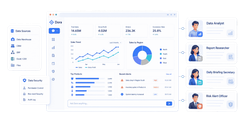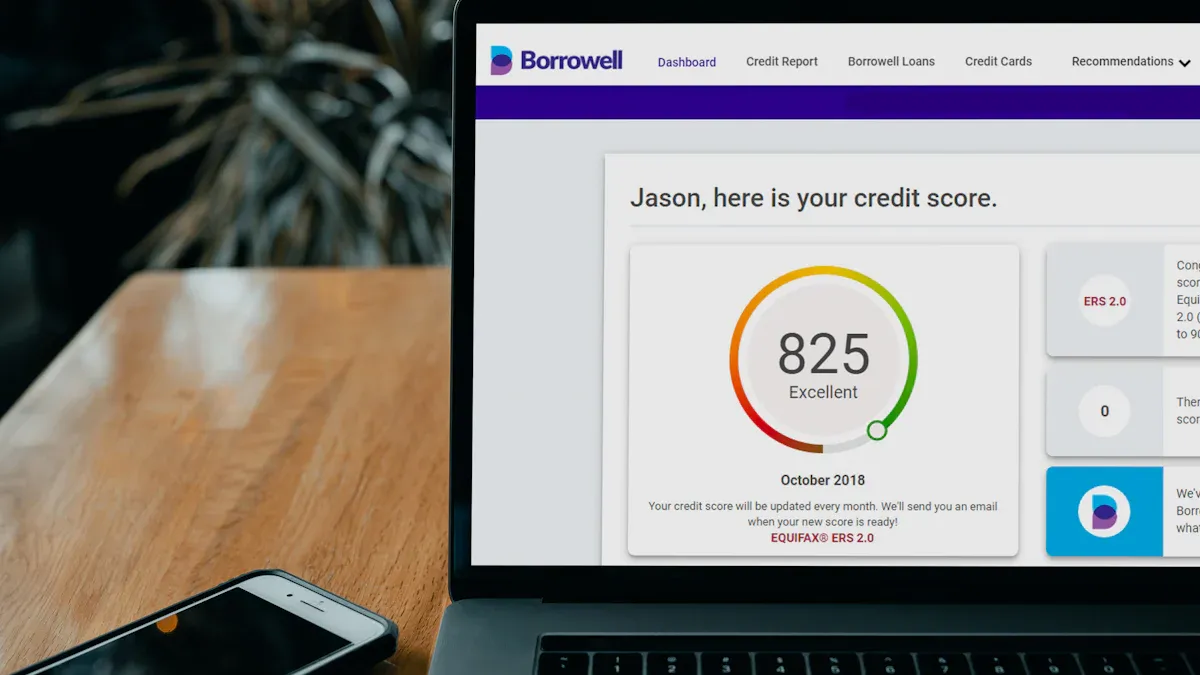

Portfolio reporting software is a platform that consolidates investment data, calculates performance, and delivers client-ready reports, dashboards, and oversight across accounts, households, and entities.
12 Best Portfolio Reporting Software Tools for 2026
1. FineReport
- One-sentence overview: FineReport is a highly flexible reporting and analytics platform that firms can use to build customized portfolio reporting workflows, dashboards, and multi-source data views when off-the-shelf templates are too restrictive.
- Key Features:
- Pixel-level report design for branded portfolio statements
- Dashboard building for portfolio monitoring and executive oversight
- Strong data integration across databases, internal systems, and APIs
- Role-based access for advisors, operations teams, and management
- Scheduling, automated distribution, and mobile-friendly viewing
- Support for multi-entity, cross-department, and custom KPI reporting
- Pros & Cons:
- Pros: Extremely customizable; strong for firms needing tailored reporting logic; useful for combining investment, operational, billing, and management views; supports broader business intelligence needs beyond portfolio reporting.
- Cons: Not a pure-play advisor platform; may require more setup and data modeling than turnkey wealth-specific tools; feature depth depends on implementation quality.
- Best For: Firms that want to build a customized portfolio reporting software environment, especially enterprises, family offices, and advisory businesses with complex internal reporting requirements.
FineReport stands out because it is not limited to standard wealth management report templates. If your team needs to unify portfolio reporting with compliance metrics, fee reporting, CRM data, and operational dashboards, it offers much more design freedom than many advisor-first platforms. That makes it especially relevant for organizations that want one reporting layer across investment and business systems rather than another isolated tool.
2. Addepar
Website: https://addepar.com/
- One-sentence overview: Addepar is a leading platform for complex portfolios, alternative investments, and highly customizable reporting across sophisticated client structures.
- Key Features:
- Multi-asset and alternative investment reporting
- Household and entity-level aggregation
- Performance analytics and benchmark reporting
- Custom report building and client portal capabilities
- Integrations with custodians, planning tools, and advisor systems
- Pros & Cons:
- Pros: Strong data architecture; well suited for complex ownership structures; robust reporting depth; widely used by firms serving ultra-high-net-worth clients.
- Cons: Pricing is not typically public; implementation can be resource-intensive; may be more platform than smaller firms need.
- Best For: Family offices, large RIAs, and firms managing alternatives, private investments, and complex entities.
Addepar is often shortlisted when reporting complexity is the main priority. It is particularly strong for firms that need to consolidate illiquid assets, private funds, and multi-entity relationships into one reporting framework. For teams comparing enterprise-grade portfolio reporting software, Addepar is usually a benchmark product.
3. Black Diamond

Website: https://www.bdcm.com/
- One-sentence overview: Black Diamond delivers a polished client reporting experience with strong advisor workflow integrations and broad appeal across advisory firms.
- Key Features:
- Performance reporting and portfolio accounting
- Client portal and mobile access
- Advisor dashboards and workflow support
- Trading and rebalancing ecosystem connections
- CRM and planning software integrations
- Pros & Cons:
- Pros: Strong client-facing experience; widely adopted in advisor environments; good integration fit for common RIA tech stacks; reporting is intuitive and presentation-friendly.
- Cons: Pricing transparency is limited; some firms may want deeper customization for highly complex reporting; enterprise flexibility can vary by use case.
- Best For: RIAs and independent advisors that want a mature, advisor-friendly reporting platform with solid client portal capabilities.
Black Diamond is often favored for balancing usability and reporting quality. Firms that care about clean client presentations, accessible dashboards, and strong day-to-day advisor workflows will usually find it competitive.
4. Orion

Website: https://orion.com/
- One-sentence overview: Orion provides well-rounded reporting and portfolio management capabilities for growing advisory firms that want a broad operational platform.
- Key Features:
- Portfolio accounting and performance reporting
- Trading, rebalancing, and billing support
- Client portal and reporting dashboards
- Integration with planning, CRM, and custodial systems
- Business intelligence and practice management tools
- Pros & Cons:
- Pros: Broad functionality; suitable for firms that want reporting tied to portfolio operations; strong ecosystem; scalable for growing advisor businesses.
- Cons: Can feel expansive for firms seeking only reporting; pricing is usually custom; implementation and module selection may require careful planning.
- Best For: Growing RIAs that want portfolio reporting software tied closely to broader portfolio management and advisor operations.
Orion is appealing when firms want more than statements and dashboards. It supports reporting, billing, trading, and operational visibility in a single ecosystem, which can reduce tech stack fragmentation.
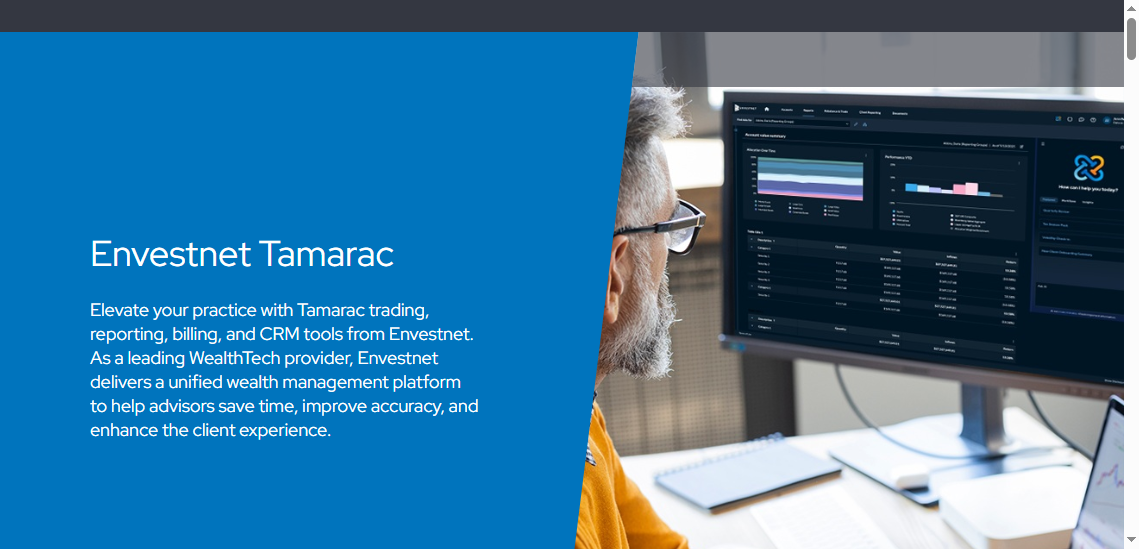
5. Tamarac
Website: https://www.envestnet.com/tamarac
- One-sentence overview: Tamarac is a good fit for firms that want reporting tied closely to rebalancing, trading, and advisor operations.
- Key Features:
- Performance reporting and client communications
- Rebalancing and trading workflow support
- CRM and advisor workflow integration
- Household-level reporting and account aggregation
- Custodian connectivity
- Pros & Cons:
- Pros: Operationally strong; useful for firms that want investment management and reporting in one environment; established in the RIA market.
- Cons: Public pricing is limited; some firms may find the interface less modern than newer products; customization may depend on implementation scope.
- Best For: RIAs that prioritize operational integration between reporting, rebalancing, and day-to-day advisor workflows.
Tamarac tends to perform best in firms where portfolio reporting is part of a larger managed-account process rather than a standalone presentation layer.
6. Advyzon
Website: https://www.advyzon.com/
- One-sentence overview: Advyzon combines portfolio reporting, portfolio management, and CRM capabilities in a unified platform for small to mid-sized advisory firms.
- Key Features:
- Portfolio performance reporting
- Client portal and document sharing
- CRM and workflow tools
- Rebalancing support
- Custodian and third-party integrations
- Pros & Cons:
- Pros: All-in-one positioning; practical for firms that want fewer vendors; strong appeal for mid-market advisory teams.
- Cons: May not match enterprise platforms for the most complex reporting structures; pricing is generally quote-based.
- Best For: Small and mid-sized RIAs looking for integrated portfolio reporting software without assembling a highly fragmented stack.
Advyzon is often considered by firms that want simplicity and broad functionality over deep enterprise customization.
7. Morningstar Office / Successor Ecosystem Options

Website: https://www.morningstar.com/
- One-sentence overview: Morningstar-linked advisor reporting environments remain relevant for firms that value research adjacency, familiar workflows, and reporting tied to advisor analysis tools.
- Key Features:
- Portfolio reporting and performance analysis
- Benchmarking and investment research context
- Advisor dashboard functionality
- Client presentation support
- Pros & Cons:
- Pros: Familiar brand ecosystem; useful for firms already using Morningstar data and research tools; reporting can be effective for advisor conversations.
- Cons: Product direction and migration paths should be reviewed carefully; functionality varies depending on the exact solution in use.
- Best For: Advisors already invested in Morningstar-centric workflows who want continuity between analysis and reporting.
This category matters because many firms do not buy reporting software in isolation; they buy into an ecosystem that includes research, planning, and proposal generation.
8. Addepar Alternatives for Institutional Needs: FIS Portfolio Management
Website: https://www.fisglobal.com/products/fis-portfolio-management
- One-sentence overview: FIS Portfolio Management is designed for firms that need real-time portfolio oversight, compliance support, and institutional-grade operational controls.
- Key Features:
- Real-time portfolio monitoring
- Compliance workflows and alerts
- Performance reporting
- Trade and order management support
- SaaS deployment with integration flexibility
- Pros & Cons:
- Pros: Strong institutional orientation; real-time insight; suitable where compliance and operational control matter as much as presentation quality.
- Cons: Less advisor-marketing oriented than some RIA platforms; pricing is generally custom; implementation may be heavier than advisor-first tools.
- Best For: Institutional investment teams, asset managers, and firms with advanced oversight and compliance needs.
For organizations that need portfolio monitoring and valuation discipline alongside reporting, platforms like FIS can be more relevant than advisor-centric solutions.
9. FinFolio
Website: https://www.finfolio.com/
- One-sentence overview: FinFolio offers advisors and family offices a broad portfolio management and reporting platform with flexibility across asset classes and account structures.
- Key Features:
- Portfolio reporting and accounting
- Multi-currency support
- Rebalancing and trading tools
- Billing capabilities
- Integrations across advisor technology stacks
- Pros & Cons:
- Pros: Broad functionality; useful for firms with more specialized structures; combines reporting with operational tools.
- Cons: Interface and usability perceptions vary by firm; public pricing is limited.
- Best For: Advisors, wealth managers, and family offices needing more flexibility than entry-level tools usually provide.
FinFolio tends to appeal to firms that want detailed control without necessarily moving into the largest enterprise platforms.
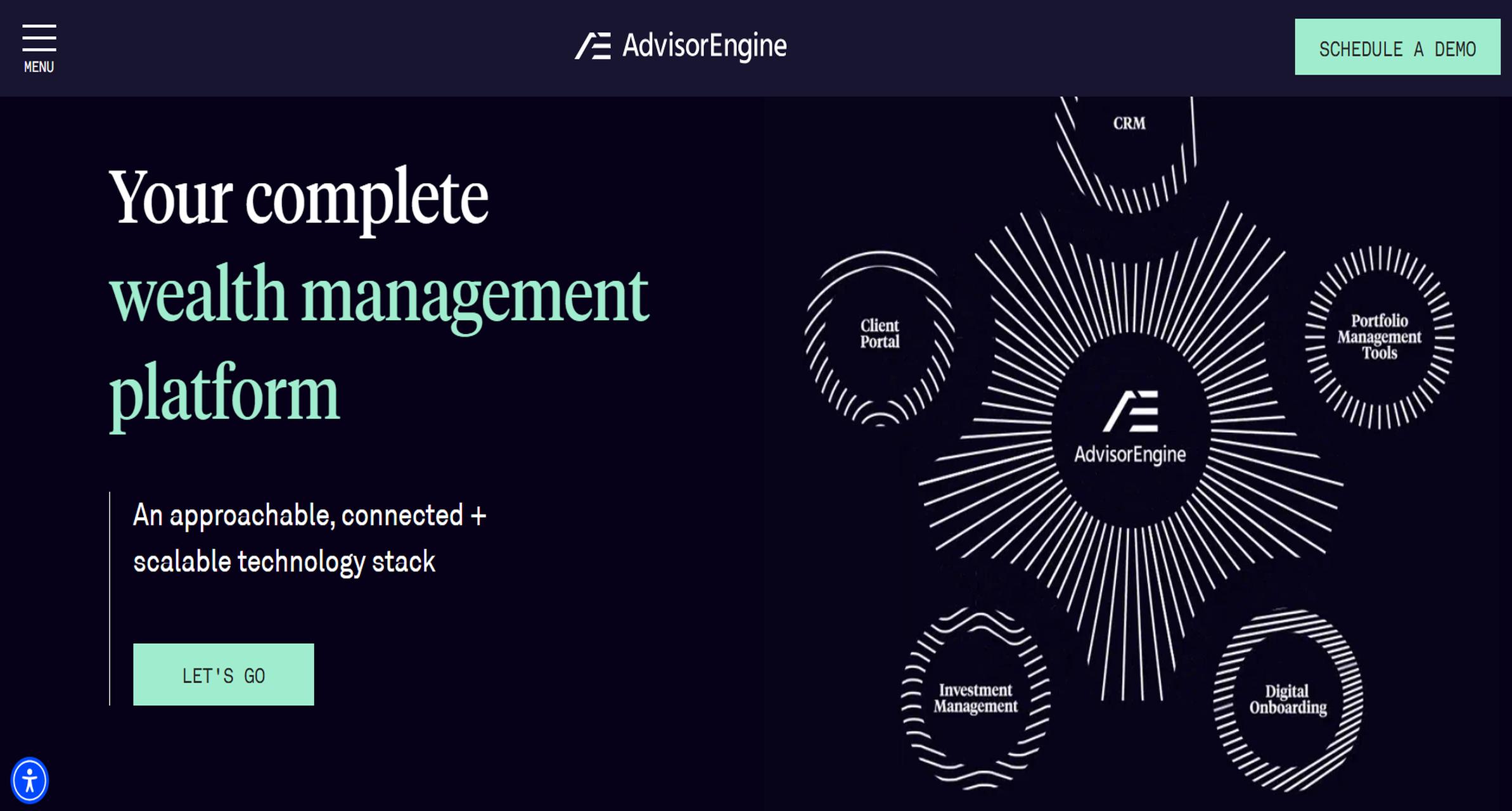
10. AdvisorEngine
Website: https://www.advisorengine.com/
- One-sentence overview: AdvisorEngine provides digital portfolio management and reporting tools aimed at firms seeking modern workflows and scalable advisor operations.
- Key Features:
- Customizable performance reports
- Client-facing portal capabilities
- Trading and rebalancing support
- Custodian connectivity
- Data aggregation and integrations
- Pros & Cons:
- Pros: Broad operational support; scalable for advisory firms; useful digital experience for internal teams and clients.
- Cons: Pricing is custom; firms should validate reporting flexibility against their exact use cases.
- Best For: Advisory firms that want portfolio reporting as part of a broader digital advisor platform.
AdvisorEngine is usually strongest when reporting must fit tightly with model management, execution, and client experience.
11. Dynamo Software
Website: https://mydemo.dynamosoftware.com/
- One-sentence overview: Dynamo Software is a strong option for firms that need portfolio monitoring and valuation workflows alongside investor or stakeholder reporting.
- Key Features:
- Portfolio monitoring and valuation support
- Alternative investment oversight
- Workflow management for complex assets
- Reporting across investment entities
- Institutional data handling
- Pros & Cons:
- Pros: Good fit for alternatives and institutional complexity; useful where valuation governance matters; supports detailed oversight processes.
- Cons: Not aimed at mainstream advisor reporting use cases; may be too specialized for smaller RIAs.
- Best For: Private capital, institutional, and alternative investment teams requiring deeper monitoring and valuation capabilities.
Dynamo belongs in this comparison because some buyers searching for portfolio reporting software actually need more advanced portfolio monitoring and valuation capabilities than advisor reporting tools provide.
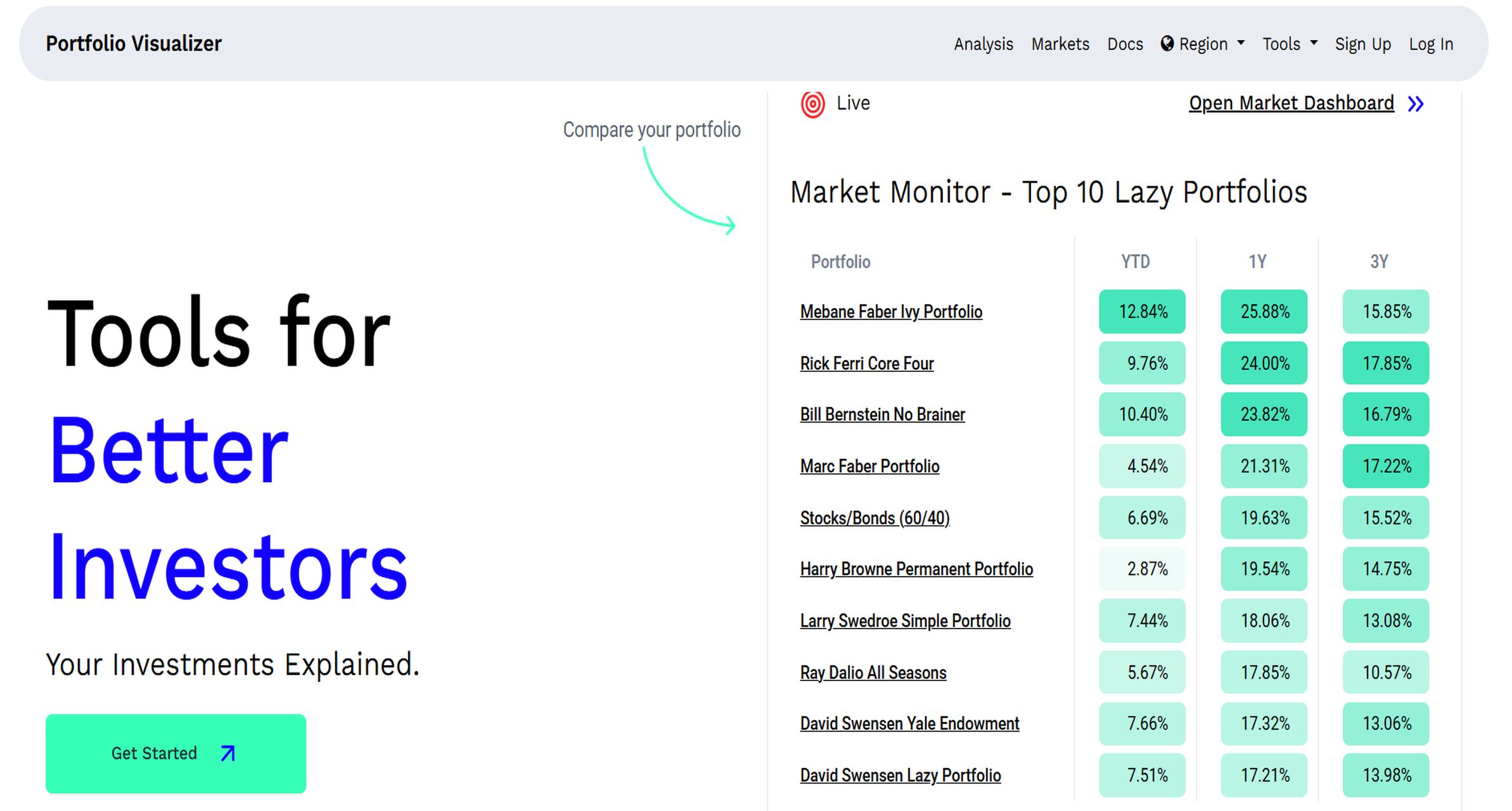
12. Portfolio Visualizer
Website: https://www.portfoliovisualizer.com/
- One-sentence overview: Portfolio Visualizer is primarily an analytics and scenario-testing platform rather than a full client reporting system, but it remains valuable for performance breakdowns, allocation analysis, and what-if modeling.
- Key Features:
- Backtesting and simulation tools
- Asset allocation analysis
- Factor analysis and attribution-style views
- Monte Carlo and optimization tools
- Performance comparison capabilities
- Pros & Cons:
- Pros: Strong analytical depth; useful for scenario testing and investment research; helpful for validating assumptions and portfolio construction ideas.
- Cons: Not a full-featured enterprise portfolio reporting software platform for advisor operations; limited as a client reporting hub compared with dedicated wealth tools.
- Best For: Analysts, investment teams, and advisors who want deeper portfolio analysis alongside a separate reporting system.
Portfolio Visualizer is best viewed as an adjacent tool. It can enhance investment analysis, but most firms will still need a dedicated portfolio reporting software platform for client statements, billing support, and workflow integration.
How to Choose the Best Portfolio Reporting Software in 2026
Choosing the right portfolio reporting software starts with fit, not brand recognition. The best platform for a fast-growing RIA is often very different from the right choice for a family office or institutional investment team.
Define your reporting needs first
Start by identifying what your reports must actually do.
Common requirements include:
- Household-level reporting across multiple accounts
- Performance attribution and benchmark comparisons
- Client portals with self-service access
- Billing support and fee reporting
- Multi-entity consolidation
- Alternative investment visibility
- White-labeled presentations for client meetings
If your firm needs highly personalized outputs, a customizable platform like FineReport may be more suitable than a template-driven advisor system. If you mainly need polished advisor reports with minimal setup, a turnkey wealth platform may be the better choice.
Prioritize integration fit
Reporting quality depends heavily on connected data. Before selecting any platform, review how well it integrates with:
- Custodians
- CRMs
- Financial planning tools
- Rebalancers
- Accounting systems
- Data aggregation providers
- Internal databases and data warehouses
A platform with impressive reports but weak integration support can create manual work, reconciliation risk, and slow implementation. This is one reason firms often compare advisor-first systems with more flexible reporting platforms such as FineReport, which can pull data from many business systems for a more unified view.
Compare pricing transparency and implementation effort
Many leading portfolio reporting software vendors rely on custom pricing. That is not necessarily a problem, but it makes direct comparison harder.
Evaluate:
- Whether pricing is publicly available
- Whether onboarding fees apply
- Data migration costs
- Minimum platform fees
- Support and training inclusions
- Time to go live
Transparent pricing is often easier to find in lighter tools, while enterprise platforms usually require custom scoping. The trade-off is straightforward: more flexibility often means less pricing visibility and a longer implementation process.
Match the platform to your firm type
Clarify whether you need:
- Advisor-focused reporting
- Institutional oversight
- Family office consolidation
- Multi-entity visibility
- Portfolio monitoring and valuation controls
- Broader business intelligence layered onto investment data
This distinction matters because the phrase portfolio reporting software covers several adjacent categories. Some tools focus on advisor reporting and client communication, while others are closer to institutional portfolio oversight or enterprise analytics.
Portfolio Reporting Software Feature Comparison: Reporting Depth, Integrations, and Real-Time Oversight
Reporting depth and visualization quality
Not all reporting engines offer the same level of depth. Some are optimized for standard quarterly reports, while others support advanced breakdowns and custom visualizations.
Key areas to compare:
- Dashboard flexibility
- Performance attribution
- Benchmark reporting
- Fee and billing reporting
- White-label presentation options
- Multi-period performance views
- Custom calculations and data fields
Addepar and FineReport are especially strong when customization matters. Black Diamond and Orion generally score well for advisor-friendly presentations and client-ready visuals. Institutional tools may emphasize control and exception reporting over polished retail-facing design.
Some firms also want reporting environments that resemble analytics platforms such as Portfolio Visualizer, particularly for scenario testing, risk-return breakdowns, and performance decomposition. In those cases, it helps to separate two needs:
- Client reporting and oversight
- Analytical modeling and scenario analysis
A single platform rarely dominates both equally.
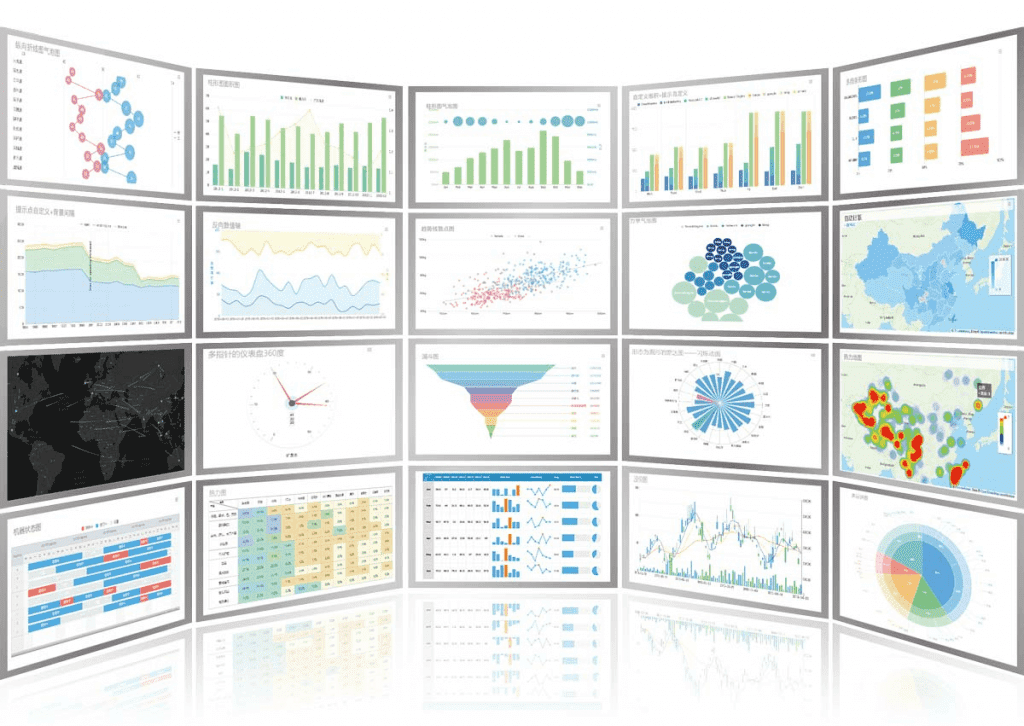 FineReport's Visualization Quality
Integration ecosystem and workflow fit
The best portfolio reporting software should reduce operational friction, not create another silo.
Review integration strength across:
- Custodian feeds
- CRM synchronization
- Financial planning software
- Data aggregation layers
- Rebalancing systems
- Accounting and billing tools
- APIs for custom automation
Black Diamond, Orion, and Tamarac are generally strong for RIAs with common advisor tech stacks. Addepar performs well where sophisticated data consolidation is required. FineReport is particularly useful when firms need to connect investment reporting with internal BI, operational systems, or cross-system automation.
This distinction matters by firm type:
- RIAs often prioritize advisor workflow integrations and client portals
- Multi-advisor firms need consistent reporting across books of business
- Family offices need entity-level data architecture
- Institutional teams care more about oversight, controls, and real-time monitoring
- Enterprise organizations may require API flexibility and embedded reporting across systems
Compliance, monitoring, and valuation capabilities
For some firms, reporting is only part of the requirement. They also need:
- Real-time portfolio monitoring
- Exception alerts
- Valuation workflows
- Audit trails
- Compliance readiness
- Approval and review controls
Advisor-focused products usually offer enough oversight for standard wealth management use cases. But firms handling alternatives, private assets, or institutional mandates often need deeper portfolio monitoring and valuation support.
This is where platforms such as FIS Portfolio Management and Dynamo Software become more relevant. They are not always the first names in advisor software comparisons, but they fit organizations where valuation governance and monitoring discipline are essential.
Pricing transparency and total cost
Pricing comparison in this market is often difficult because many vendors use quote-based models. When evaluating total cost, look beyond subscription fees.
Include:
- Implementation services
- Data migration
- User-based pricing
- AUM-based pricing
- Support tiers
- Training costs
- Custom reporting setup
- Ongoing integration maintenance
In general:
- Advisor-focused platforms may be easier to estimate but still often require demos for pricing
- Enterprise-grade platforms provide more flexibility but lower transparency
- Customizable reporting layers like FineReport may reduce long-term reporting constraints, but can require more planning at the outset
The most affordable platform upfront is not always the lowest-cost choice over three to five years if it forces manual reporting work or future system replacement.
Which Portfolio Reporting Software Fits Different Firm Types
Best options for RIAs and independent advisors
RIAs and independent advisors usually need:
- Streamlined reporting
- Advisor dashboards
- Client-friendly portals
- Custodian integrations
- Billing and performance reporting
- Easy adoption by client service teams
Best-fit options often include:
- Black Diamond for client experience and reporting presentation
- Orion for broad operational coverage
- Tamarac for firms linking reporting tightly to rebalancing workflows
- Advyzon for firms wanting all-in-one functionality
These platforms differ from broader portfolio management software for RIAs in one important way: some are report-first, while others are platform-first. If your reporting requirements are relatively standard, integrated advisor platforms are often enough. If reporting logic is more specialized, a customizable layer like FineReport may be worth considering.
Best options for institutional teams and family offices
Institutional teams and family offices usually care more about:
- Complex entities
- Alternatives
- Consolidated reporting
- Valuation controls
- Multi-currency visibility
- Deep data modeling
Best-fit options often include:
- Addepar for complex portfolio reporting and alternative assets
- FIS Portfolio Management for real-time oversight and compliance-heavy use cases
- Dynamo Software for monitoring and valuation-centric environments
- FineReport for building tailored multi-entity reporting environments across internal systems
In these scenarios, deeper data architecture often matters more than out-of-the-box simplicity. A platform that looks easy in a demo can become limiting when legal entities, partnerships, private funds, and operational reporting all need to be consolidated.
Best options for firms that need project, portfolio, and operational oversight
Some organizations searching for portfolio reporting software are actually balancing investment reporting with broader operational or enterprise reporting needs.
That overlap appears in firms that need:
- Investment dashboards
- Executive scorecards
- Compliance views
- Billing and revenue reporting
- Team productivity or service KPIs
- Cross-system reporting across finance and operations
This is where it helps to distinguish:
- Investment portfolio reporting software
- Project and portfolio management software used outside wealth management
They are not the same category. However, some firms do need a reporting layer that can bridge both. FineReport is particularly useful in that situation because it can support investment reporting while also serving broader enterprise dashboard and reporting needs.
Final Portfolio Reporting Software Comparison and Shortlist Recommendations
Best overall picks by use case
Here is a practical shortlist based on common buying priorities:
-
Best for customization: FineReport
- Best when your firm needs tailored report design, cross-system dashboards, and multi-entity reporting beyond standard advisor templates.
-
Best for integration breadth in advisor workflows: Black Diamond
- Strong choice for RIAs prioritizing client experience and integration with familiar advisor tools.
-
Best for balanced advisor operations: Orion
- Good fit for firms wanting portfolio reporting software embedded in a broader operating platform.
-
Best for enterprise complexity: Addepar
- Excellent for complex portfolios, alternatives, and sophisticated ownership structures.
-
Best for operationally linked rebalancing and reporting: Tamarac
- Strong option for firms wanting reporting tied closely to investment operations.
-
Best for institutional monitoring and compliance: FIS Portfolio Management
- Better suited to firms where oversight and control matter as much as presentation.
-
Best for monitoring and valuation workflows: Dynamo Software
- Relevant for alternative and institutional environments requiring more than advisor-style reports.
-
Best for scenario testing and analytics support: Portfolio Visualizer
- Useful as an analytical companion, not a replacement for full portfolio reporting software.
Questions to ask before booking a demo
Before committing to any platform, ask these questions directly:
-
What reporting data is native versus manually maintained?
- This reveals how much operational effort is hidden behind polished reports.
-
Which integrations are standard, and which require extra fees or middleware?
- Integration assumptions often drive total cost more than subscription pricing.
-
How long does implementation typically take, and what support is included?
- Ask for real timelines by firm type, not ideal-case estimates.
-
Can the platform scale as reporting, compliance, and valuation needs become more complex?
- A platform that fits today may not support multi-entity structures or more demanding oversight later.
A final practical takeaway: if your priority is a ready-made advisor experience, focus on Black Diamond, Orion, Tamarac, and Advyzon. If your priority is enterprise-grade complexity, focus on Addepar, FIS, and Dynamo. If your priority is building a more flexible reporting environment that can combine investment, operational, and executive reporting, FineReport deserves a place at the top of your evaluation list.
FAQs
Portfolio reporting software brings investment data into one place, calculates performance, and produces reports, dashboards, and client-ready views. Firms use it to improve oversight, reduce manual reporting work, and communicate results more clearly.