
Funnel analysis helps businesses understand user behavior by examining the steps users take before completing a desired action. Companies can identify where users fall off, which allows for improvements in user experience and business outcomes. Understanding user behavior through funnel analysis provides insights into conversion variations and highlights areas needing optimization. This method finds applications in digital marketing and product management, helping to drive better results and enhance overall performance.
What is Funnel Analysis
What is a funnel in digital terms
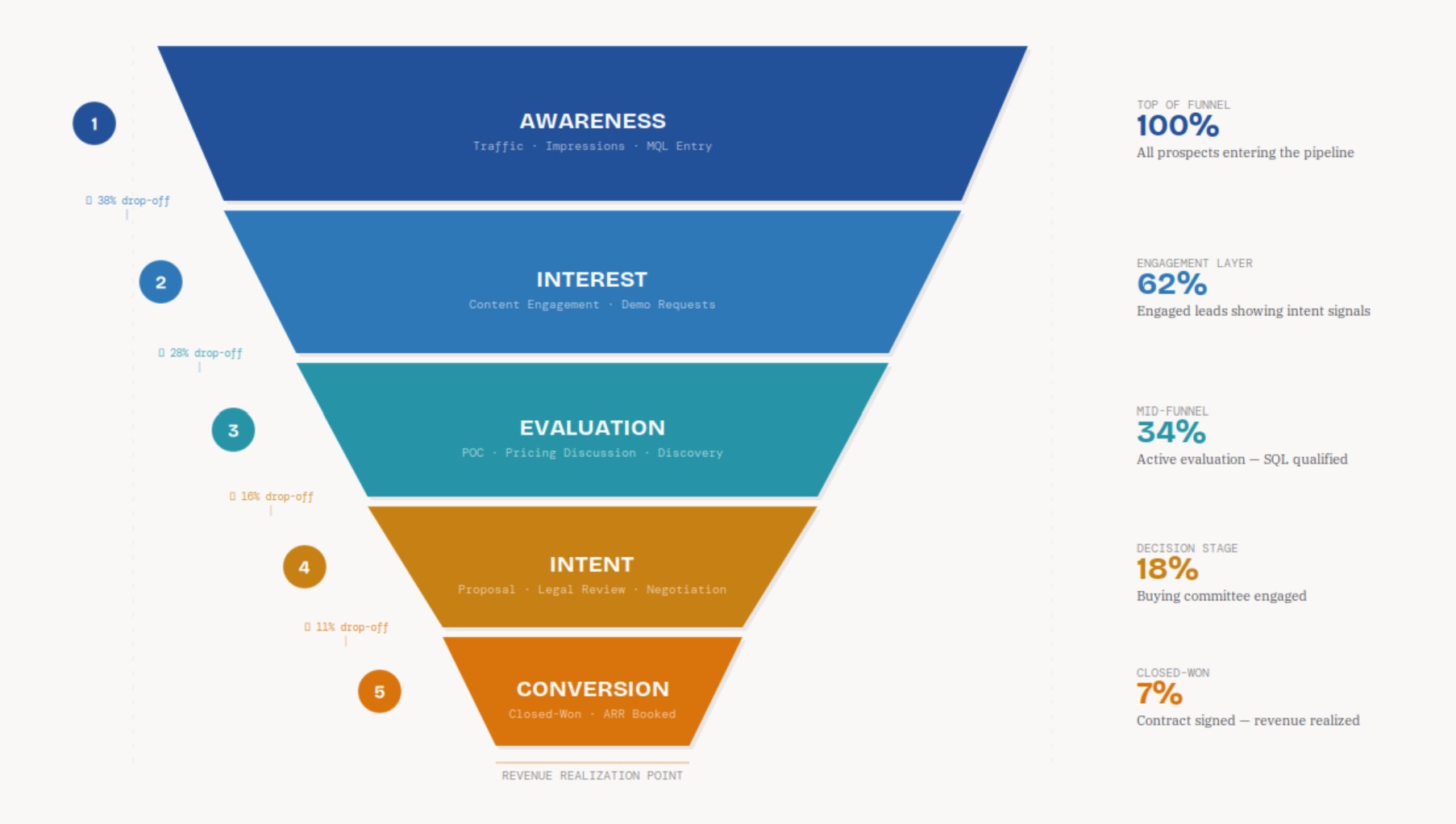
A funnel in digital terms represents the journey users take from the initial interaction to the final conversion. This journey involves multiple stages, each designed to guide users toward a specific goal. Funnel analysis visualizes this journey, making it easier to understand user behavior and identify areas for improvement.
Key components of a funnel
Funnel analysis consists of several key components:
- Stages: Each step users take, from awareness to action.
- Metrics: Data points that measure performance at each stage.
- Conversion Rates: The percentage of users who move from one stage to the next.
- Drop-off Points: Stages where users exit the funnel without converting.
Why Funnel Analysis matters
Benefits for businesses
Funnel analysis offers numerous benefits for businesses. It helps identify where users drop off, allowing companies to address issues and improve the user experience. By understanding conversion rates at each stage, businesses can optimize their strategies to increase overall conversions. Funnel analysis also provides insights into the effectiveness of marketing campaigns and product features.
Insights into user behavior
Funnel analysis reveals valuable insights into user behavior. Companies can see how users interact with their website or app, which helps in understanding user preferences and pain points. This information is crucial for making data-driven decisions that enhance user satisfaction and engagement. By pinpointing specific stages where users face challenges, businesses can implement targeted improvements.
How to Do Funnel Analysis
Identifying Key Stages of Funnel Analysis
Awareness
Awareness represents the initial stage where users first encounter a product or service. This can occur through various channels such as social media, search engines, or advertisements. Businesses need to track how many users enter the funnel at this stage.
Interest
Interest follows awareness and involves users showing curiosity about the product or service. Users may visit the website, read blog posts, or watch videos. Tracking user engagement at this stage helps businesses understand what captures user interest.
Decision
Decision is the stage where users evaluate the product or service and consider making a purchase. Users might compare features, read reviews, or look for discounts. Monitoring user actions during this stage helps identify factors influencing their decision-making process.
Action
Action is the final stage where users complete the desired action, such as making a purchase or signing up for a service. This stage is crucial for measuring conversion rates. Businesses need to ensure a seamless experience to maximize conversions.
Setting Up the Funnel
You need to set up your funnel before you start tracking user behavior. Begin by defining the key steps users take to reach your goal. Map out each stage, such as landing on your site, signing up, or making a purchase. Make sure you understand the customer journey. Many marketers make mistakes during this process.
- Some focus too much on tactics and forget to look at the whole journey.
- Others do not map the user journey accurately, which means they miss important drop-off points.
- Some fail to analyze drop-off points, so they lose chances to improve conversion rates.
Tip: Always check each step in your funnel. This helps you spot where users leave and where you can make improvements.
Choosing Tools and software
Several tools and software options are available for setting up and analyzing funnels. Mixpanel, Amplitude, and Statsig’s Metrics Explorer offer advanced features for tracking user interactions. These tools help visualize user journeys and identify drop-off points.
Defining metrics and KPIs
Defining metrics and Key Performance Indicators (KPIs) is essential for effective funnel analysis. Metrics could include the number of users at each stage, conversion rates, and average time spent in each stage. KPIs help measure the success of the funnel and guide optimization efforts.
Data Analysis
Interpreting results
Interpreting results involves examining the data collected from the funnel. Businesses need to look at conversion rates, drop-off points, and user behavior patterns. This analysis helps identify areas needing improvement.
Identifying drop-off points
Identifying drop-off points is crucial for optimizing the funnel. Drop-off points indicate stages where users exit the funnel without converting. Tools like Userpilot and UXCam help pinpoint these areas, allowing businesses to address issues and improve user experience.
Making data-driven decisions
Making data-driven decisions involves using insights gained from funnel analysis to implement changes. Businesses can optimize marketing strategies, enhance product features, and improve user interfaces. This approach leads to higher conversion rates and better business outcomes.
Common Use Cases of Funnel Analysis

E-commerce
In e-commerce, funnel analysis helps track the customer journey from browsing products to completing a purchase. Businesses can identify stages where customers abandon their carts and implement strategies to reduce these drop-offs. This leads to higher conversion rates and increased sales.
SaaS products
For SaaS products, funnel analysis monitors the user journey from signing up for a trial to becoming a paying customer. This analysis helps identify friction points in the onboarding process. By addressing these issues, SaaS companies can improve user retention and conversion rates.
Mobile apps
Mobile apps benefit from funnel analysis by tracking user interactions from app installation to in-app purchases or other desired actions. This analysis helps app developers understand user behavior and optimize the app experience. By identifying and addressing drop-off points, developers can enhance user engagement and increase revenue.
Future Trends of Funnel Analysis
Emerging Technologies
Emerging technologies will shape the future of funnel analysis. Artificial intelligence (AI) and machine learning (ML) offer advanced capabilities for analyzing user behavior. These technologies can predict user actions and provide personalized recommendations. AI-driven chatbots enhance user interaction and support throughout the funnel.
Blockchain technology ensures secure and transparent transactions. This technology builds trust among users and reduces concerns about data privacy. Integrating blockchain into the funnel process can enhance user confidence and drive conversions.
Evolving User Behaviors
User behaviors continue to evolve with technological advancements. Mobile usage is on the rise, making mobile optimization crucial for funnel success. Users expect seamless experiences across all devices. Businesses must ensure that their funnels are mobile-friendly and responsive.
Social media platforms play a significant role in influencing user decisions. Integrating social proof, such as user-generated content and reviews, into the funnel can boost credibility. Understanding and adapting to changing user behaviors will help businesses stay ahead in the competitive landscape.
Funnel analysis plays a crucial role in understanding user behavior and optimizing conversion rates. Businesses can leverage funnel analysis to identify drop-off points and enhance the user experience. Implementing funnel analysis can drive significant business growth by providing actionable insights. Staying updated with emerging technologies like AI and machine learning will ensure continued success. Companies must remain proactive in adapting to evolving user behaviors and trends.
FanRuan
https://www.fanruan.com/en/blogFanRuan provides powerful BI solutions across industries with FineReport for flexible reporting, FineBI for self-service analysis, and FineDataLink for data integration. Our all-in-one platform empowers organizations to transform raw data into actionable insights that drive business growth.
FAQ
What is the main goal of funnel analysis?
You use funnel analysis to find out where users leave your site or product. This helps you fix problems and guide more people to your goal, like making a purchase.
How often should you review your funnel?
You should check your funnel every month. Regular reviews help you spot new issues and keep your conversion rates high.
Which tools work best for funnel analysis?
You can use tools like Mixpanel,Statsig’s Metrics Explorer, or Amplitude. These tools show you where users drop off and help you track their actions.
Can funnel analysis help small businesses?
Yes! Funnel analysis works for any business size. You can use it to improve your website, boost sales, and create a better experience for your customers.