

Data inconsistency means the same data shows different values, formats, or meanings across systems, databases, reports, or teams. For example, a customer name, sales amount, inventory level, or KPI may look correct in one system but appear differently in another, causing reporting errors and poor business decisions.
Data consistency, on the other hand, serves as the foundation for strategic insights. It ensures that businesses make accurate decisions based on reliable data. Even a small amount of inconsistent data can ripple through an organization, impacting productivity, increasing costs, and damaging reputations. Therefore, maintaining data consistency is crucial for effective data management and business success.

Common Causes of Data Inconsistency
Data inconsistency rarely has a single cause. Most organizations face a combination of the following:
Human error and system integration gaps are the two most frequent root causes. Addressing only one without the other leaves the problem unresolved. For a deeper look at the foundation that prevents these issues, see our glossary entry on data consistency.
Case Studies and Examples of Data Inconsistency

Real-world Examples
Industry-specific cases
Data inconsistency can have profound effects across various industries. In the healthcare sector, IBM Watson encountered significant challenges while developing AI solutions. The data from different healthcare providers often lacked standardization and consistency. This inconsistency hindered the AI's ability to provide accurate insights, highlighting the critical need for uniform data practices in healthcare.
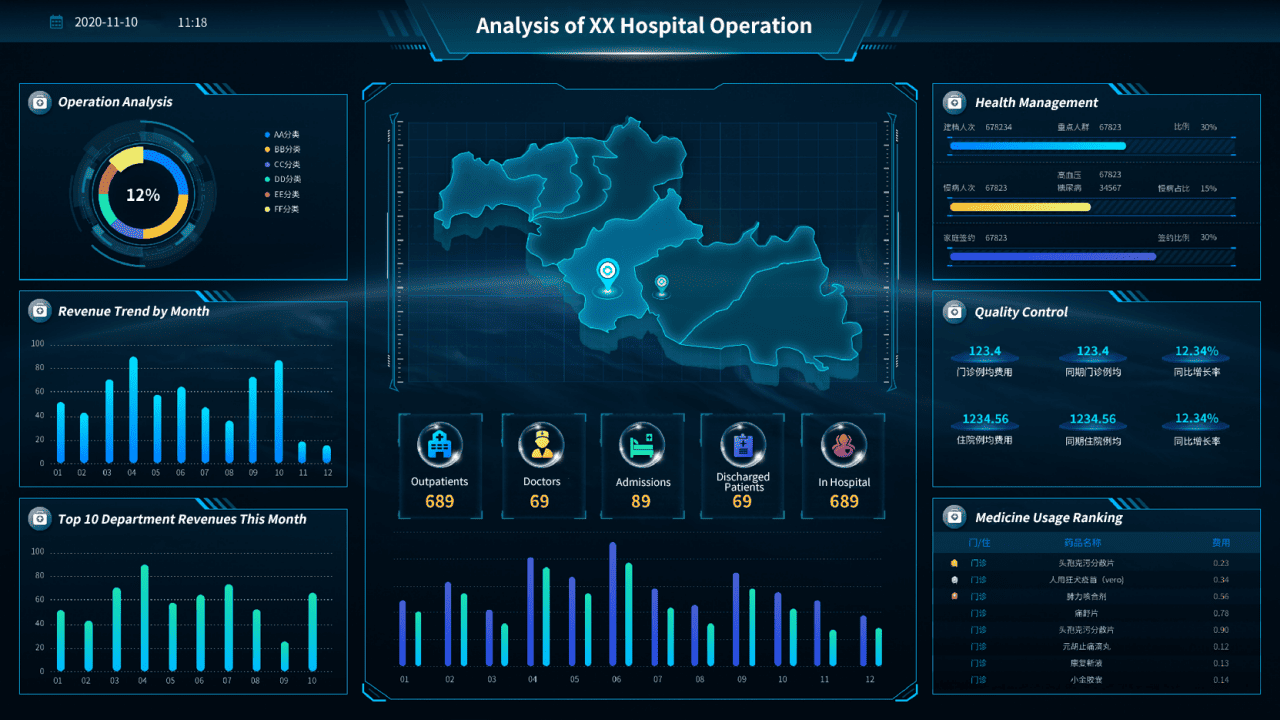
Feel free to click to interact
In the financial industry, inconsistent data can lead to compliance issues. Financial institutions must adhere to strict regulatory standards. Inaccurate data can inadvertently cause these organizations to fall short of compliance requirements, resulting in legal and financial repercussions. This underscores the importance of maintaining consistent and accurate data records.
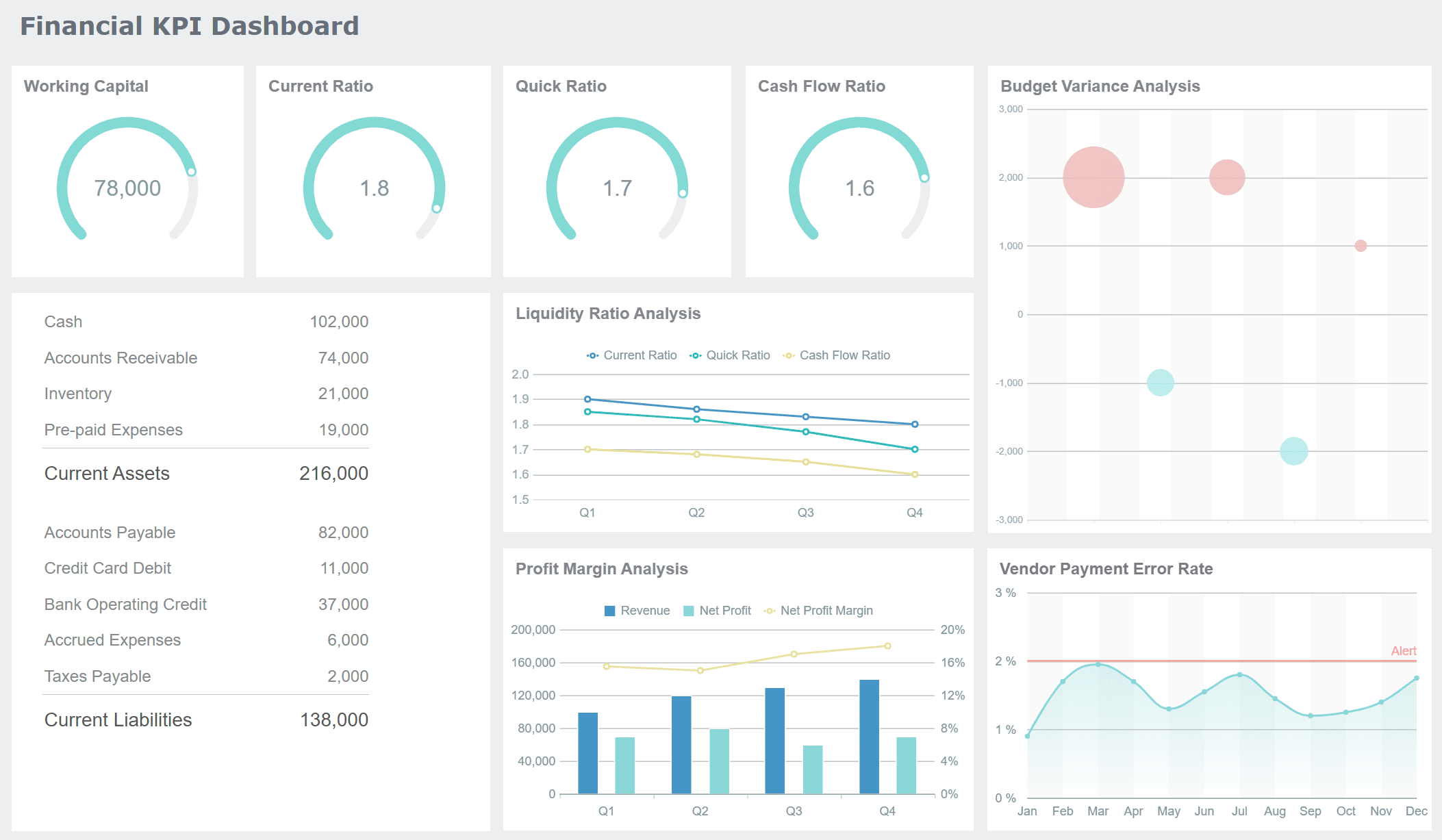
Lessons learned
From these industry-specific cases, several lessons emerge. First, organizations must prioritize data standardization to ensure consistency across all platforms. Second, regular audits and validation processes are essential to identify and rectify inconsistencies early. Lastly, investing in robust data governance frameworks can prevent compliance issues and enhance data reliability.
Success Stories
Companies that overcame data inconsistency
Several companies have successfully tackled data inconsistency challenges. For instance, a leading retail company faced discrepancies in its inventory records across multiple systems. By implementing data integration tools, the company synchronized its data, ensuring consistency and accuracy. This approach not only improved inventory management but also enhanced customer satisfaction.
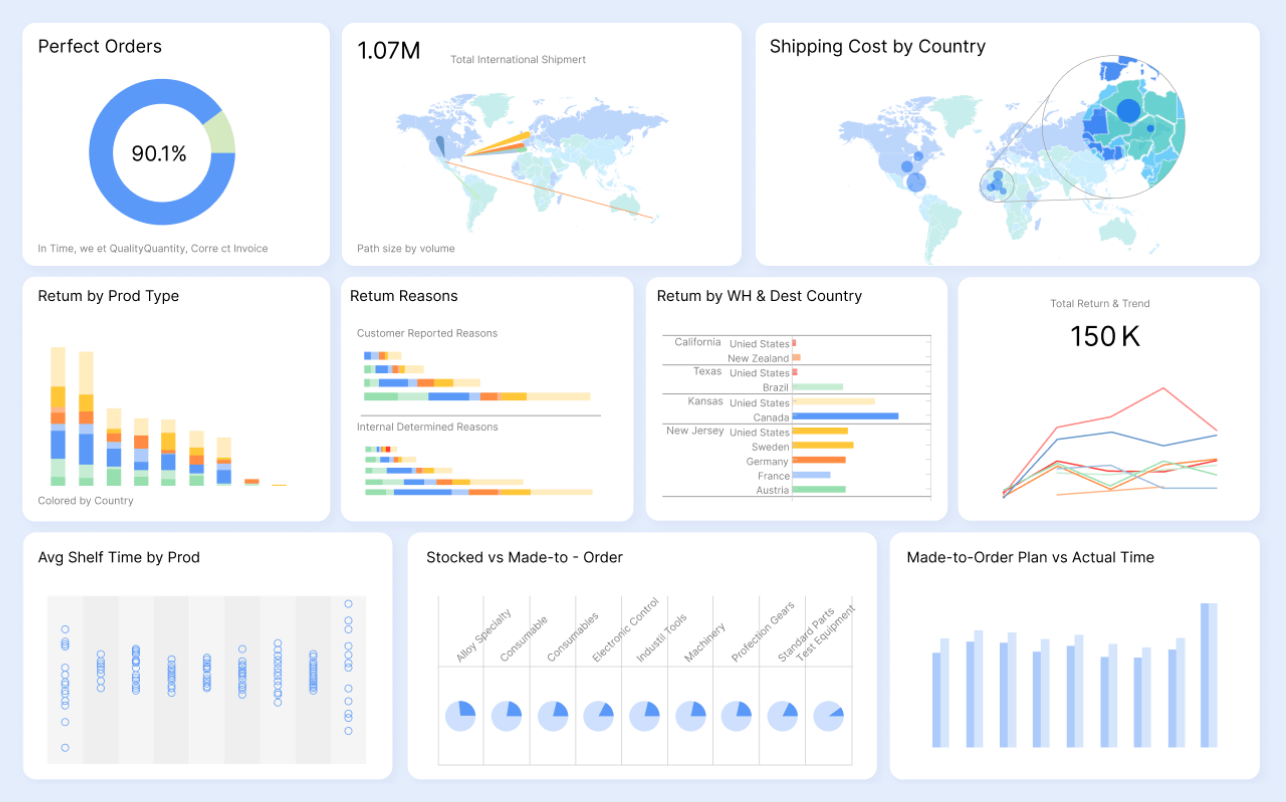
Another example involves a global logistics firm that struggled with conflicting data entries. The company adopted automated data entry systems, significantly reducing human errors. This automation ensured that data remained consistent across all departments, leading to improved operational efficiency and decision-making.
Best practices adopted
These success stories highlight several best practices for overcoming data inconsistency. Companies should:
- Implement data integration tools to synchronize data across platforms.
- Adopt automated data entry systems to minimize human errors.
- Conduct regular data audits to identify and address inconsistencies promptly.
- Establish clear data governance policies to maintain data integrity and compliance.
By following these best practices, organizations can effectively manage data inconsistency, ensuring that their data remains accurate, reliable, and trustworthy for informed decision-making.
Data Inconsistency vs. Data Inaccuracy vs. Data Redundancy
These terms are often used interchangeably, but they describe distinct problems. Confusing them leads to wrong fixes:
Key distinction: inconsistent data can be individually accurate in each system yet still wrong in aggregate. Inaccurate data is wrong regardless of where it lives. Redundant data may be consistent and accurate but still creates maintenance burden and reconciliation risk. Integrity issues violate structural rules even when individual values look plausible.
For more on related concepts, see our entries on data accuracy and data integrity.

Why Data Inconsistency Hurts Business Decisions
The cost of data inconsistency extends far beyond inconvenient report discrepancies:
- Eroded trust in analytics: When stakeholders repeatedly encounter conflicting numbers, they stop trusting dashboards and revert to gut feeling or personal spreadsheets.
- Slower decision cycles: Teams spend meeting time reconciling data rather than discussing strategy. Decision latency compounds across quarters.
- Operational waste: Duplicate orders, misrouted shipments, redundant marketing outreach, and manual reconciliation consume resources that could fund growth.
- Compliance and audit risk: Regulators expect consistent records. Inconsistent financial or customer data can trigger findings, penalties, or lost certifications.
- Poor customer experience: Customers receive contradictory communications when front-office and back-office systems disagree on their status, preferences, or history.
- AI and automation failure: Machine learning models trained on inconsistent data learn conflicting patterns. Automated workflows built on unreliable inputs produce unreliable outputs.
The common thread is that inconsistency converts data from an asset into a liability. The longer it persists, the more expensive it becomes to remediate.
How to Detect Data Inconsistency
Detection requires both proactive monitoring and reactive investigation:
- Cross-system reconciliation reports: Build scheduled comparisons between source systems for key entities (customers, products, transactions). Flag row-level mismatches, not just aggregate totals.
- Data profiling: Run automated scans on critical fields to identify format variations, null rates, outlier distributions, and unexpected value patterns.
- KPI variance analysis: When the same metric produces different results across dashboards, trace the calculation logic back to source definitions and data pipelines.
- User-reported discrepancies: Create a lightweight intake channel for business users to flag numbers that "look wrong." These signals often surface issues before automated checks catch them.
- Audit logs and lineage tracking: Review data transformation histories to identify where and when divergence was introduced. Lineage visibility is essential for root-cause analysis.
- Schema change monitoring: Track DDL changes, API version updates, and ETL modifications that may silently alter data semantics.
Detection alone does not fix anything, but it converts invisible problems into visible work items. Without detection, prevention is guesswork.
How to Fix and Prevent Data Inconsistency
Fixing existing inconsistencies and preventing future ones require overlapping but distinct actions:
Immediate Remediation
- Identify the authoritative source for each conflicted entity and reconcile non-authoritative copies against it.
- Document the root cause of each major discrepancy to prevent recurrence.
- Communicate resolved inconsistencies to affected stakeholders to restore trust.
Structural Prevention
- Unified data integration: Connect source systems through a governed integration layer so data flows from a single authoritative pipeline rather than parallel manual exports. FineDataLink provides ETL/ELT capabilities designed for this purpose.
- Centralized metric definitions: Maintain a shared data dictionary with business-approved calculation logic for every KPI. Enforce these definitions at the BI layer so self-service users cannot create shadow metrics. FineBI supports governed semantic models that encode approved definitions.
- Standardized report output: Ensure all distributed reports pull from the same curated datasets and apply consistent formatting, filters, and aggregation rules. FineReport centralizes report design and distribution to eliminate version drift.
- Data validation at ingestion: Apply format checks, referential integrity rules, and business logic validation before data enters analytical systems. Reject or quarantine bad records rather than letting them propagate.
- Data governance policy: Define ownership, stewardship roles, change-control processes, and quality SLAs. Governance is the organizational infrastructure that makes technical controls stick.
- Scheduled quality monitoring: Automate recurring data quality checks and alert responsible teams when thresholds are breached. Treat data quality as an operational metric, not a periodic audit exercise.
Prevention is cheaper than remediation. Organizations that invest in integration, governance, and monitoring upfront avoid compounding technical debt that becomes exponentially harder to unwind later.
How FineDataLink, FineBI, and FineReport Help Reduce Data Inconsistency
Each product addresses a different layer of the inconsistency problem:
These tools work together: FineDataLink ensures clean, consolidated source data; FineBI enables trusted self-service analysis on that data; FineReport delivers standardized outputs to stakeholders who need formatted, scheduled reports. The combination addresses inconsistency at the integration, analysis, and consumption layers simultaneously.
Where Dora Can Help Monitor Data Quality Issues
Dora should not be treated as a replacement for data governance, data integration, or data quality rules. It works best when an enterprise already has trusted data assets, clear KPI definitions, permission rules, and governed BI resources.
In that setup, Dora can help business teams ask natural-language questions, surface inconsistent KPI results, summarize unusual data changes, monitor risk signals, and push follow-up tasks to the right owners. For example, if sales revenue differs between a CRM dashboard and a finance report, Dora can help retrieve related BI assets, explain possible causes, and prepare a follow-up summary for review.
Example Dora question: "Why does this month's revenue differ between the sales dashboard and the finance report? Show the related data sources, possible causes, and responsible team."
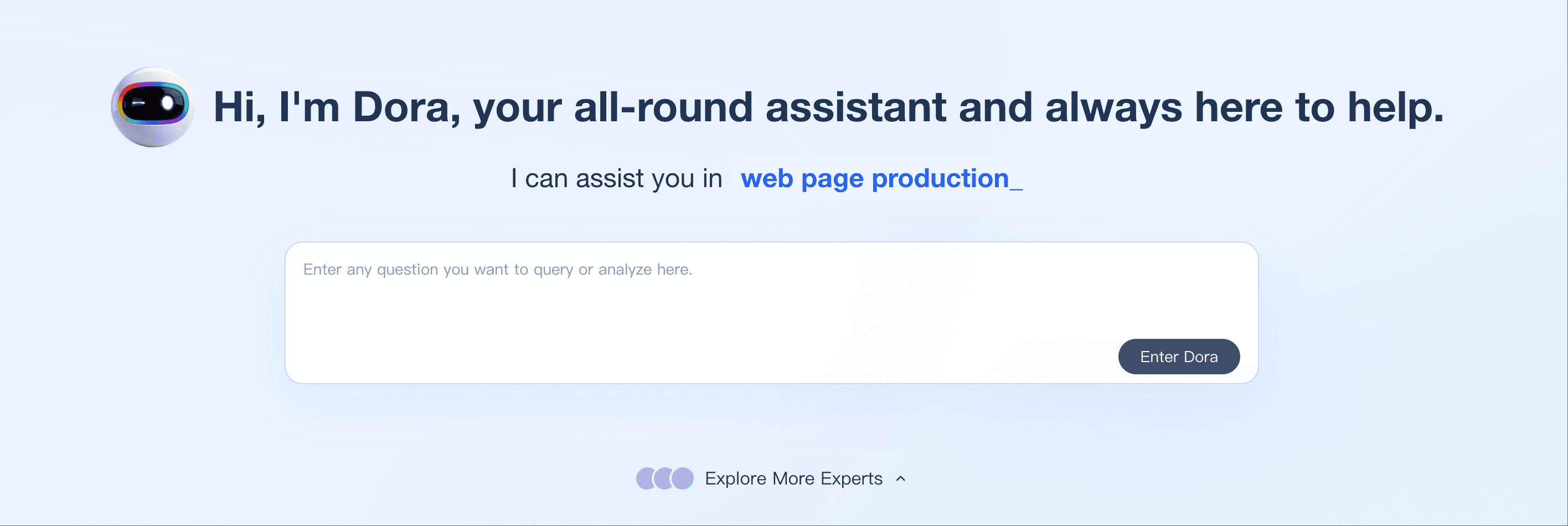
Dora accelerates the detection-to-resolution cycle for data quality issues, but it depends on the foundation that FineDataLink, FineBI, and FineReport provide. Without governed data and defined metrics, AI-generated explanations risk amplifying confusion rather than resolving it.
FanRuan
https://www.fanruan.com/en/blogFanRuan provides powerful BI solutions across industries with FineReport for flexible reporting, FineBI for self-service analysis, and FineDataLink for data integration. Our all-in-one platform empowers organizations to transform raw data into actionable insights that drive business growth.
FAQ
What is data inconsistency?
Data inconsistency occurs when the same data appears differently across various systems or databases. This lack of uniformity can lead to errors and unreliable information.
Why does data inconsistency matter?
Data inconsistency affects decision-making and operational efficiency. Inconsistent data can lead to incorrect analysis, poor decisions, and hindered business growth.
What causes data inconsistency?
Several factors contribute to data inconsistency:
Human error: Mistakes during data entry or handling.
Lack of standardization: Different formats across systems.
Multiple data sources: Conflicting information from various origins.
Lack of synchronization: Internal data sources not updated simultaneously.
Inadequate data governance: Absence of policies and procedures.
How can organizations prevent data inconsistency?
Organizations can adopt several strategies to prevent data inconsistency:
Regular data audits: Identify and correct discrepancies early.
Implement data standards: Ensure uniformity in data formats.
Use data integration tools: Synchronize data across platforms.
Automate data entry: Reduce human errors.
What are the consequences of data inconsistency?
Data inconsistency can lead to:
Inaccuracies: Misleading information affecting decisions.
Operational inefficiencies: Increased costs and reduced productivity.
Compliance issues: Legal and regulatory challenges.
Reputational damage: Loss of trust among stakeholders.
How does data governance help in managing data inconsistency?
Data governance provides a structured framework for data management. It establishes clear policies and roles to ensure data accuracy and reliability. By implementing data governance, organizations can effectively address data inconsistency issues.