

You use data enrichment to add relevant information to your existing customer record. Data enrichment helps you create an actionable customer profile. You rely on enrichment to improve the quality of your data. You unlock business insight and support data-led decision-making with enriched data. Data enrichment makes data-driven marketing possible. FineDataLink gives you access to enrichment tools that process data in real time. You see measurable impact from data enrichment. You achieve better decision-making and data-driven decision making when you integrate enrichment into your workflow.
What Is Data Enrichment?
Core Concepts
You use data enrichment to make your information more complete and useful. When you enrich your data, you add new details from other sources. This process helps you fill in missing pieces and correct errors. You can think of data enrichment as giving your data a boost, so it becomes more valuable for your business.
Many leading organizations define data enrichment in similar ways. The table below shows how two well-known companies describe it:
You can see that both definitions focus on adding information to make your data more accurate and meaningful. You might use data enrichment to update customer records, add missing contact details, or include social media profiles. This process helps you create a more complete view of your customers or business operations.
Data enrichment involves several important steps. You can break down the process into three main components:
You might verify addresses, add demographic information, or combine data from different departments. Each step helps you build a stronger foundation for your analytics and business decisions.
Why It Matters
You need data enrichment because it improves the quality of your information. High-quality data leads to better business results. When you enrich your data, you fill in gaps, correct mistakes, and add new details. This process gives you more confidence in your data and helps you make smarter choices.
You gain several important benefits from data enrichment. The table below highlights some of the most valuable outcomes:
You can see that data enrichment not only improves accuracy but also builds trust in your information. You get better results from your analytics and artificial intelligence tools. You also support compliance with important regulations.
Many industries now use data enrichment to stay competitive. For example, IT and telecom companies lead in adoption because they handle large amounts of information every day. Small and medium enterprises also benefit from affordable cloud-based enrichment platforms. The table below shows how different sectors use data enrichment:
You face risks if you ignore data enrichment or use poor practices. Data loss, human error, and financial losses can hurt your business. The table below lists some of the main risks:
You protect your business from these risks by investing in data enrichment. You improve your data quality, gain deeper insights, and support your business goals. You also prepare your organization for future growth and innovation.
Tip: Start with small enrichment projects. You can see quick wins and build support for larger data initiatives.
How Data Enrichment Works
Process Overview
You start the data enrichment process by identifying the sources you want to use. These sources can include your internal databases, customer relationship management systems, or external providers. You select the best method to bring this information into your system. You might use batch uploads, real-time streaming, or API connections.
Here is a typical step-by-step workflow for data enrichment:
- Identify data sources that contain valuable information.
- Select the ingestion method that fits your needs, such as real-time sync or scheduled batch processing.
- Choose the right tool for data ingestion. FineDataLink offers a low-code platform with drag-and-drop features, making this step simple.
- Extract data from your chosen sources.
- Validate and clean the data to ensure accuracy and consistency.
- Transform the data if needed. You might standardize formats, merge records, or enrich fields with new attributes.
You use these steps to improve data quality and create a more complete view of your customers or operations. Data enrichment processes help you fill gaps, correct errors, and add new details that drive better business decisions.
Many businesses face challenges during data enrichment. You may struggle with data quality, privacy, integration, analysis, and communication. The table below shows common challenges and their descriptions:
You may also encounter cost concerns, data formatting issues, and resource-intensive onboarding. These obstacles can slow down your data enrichment practices and reduce the value you gain from your data.
Tip: You can overcome many of these challenges by using a platform that automates and streamlines the enrichment process.
FineDataLink Integration
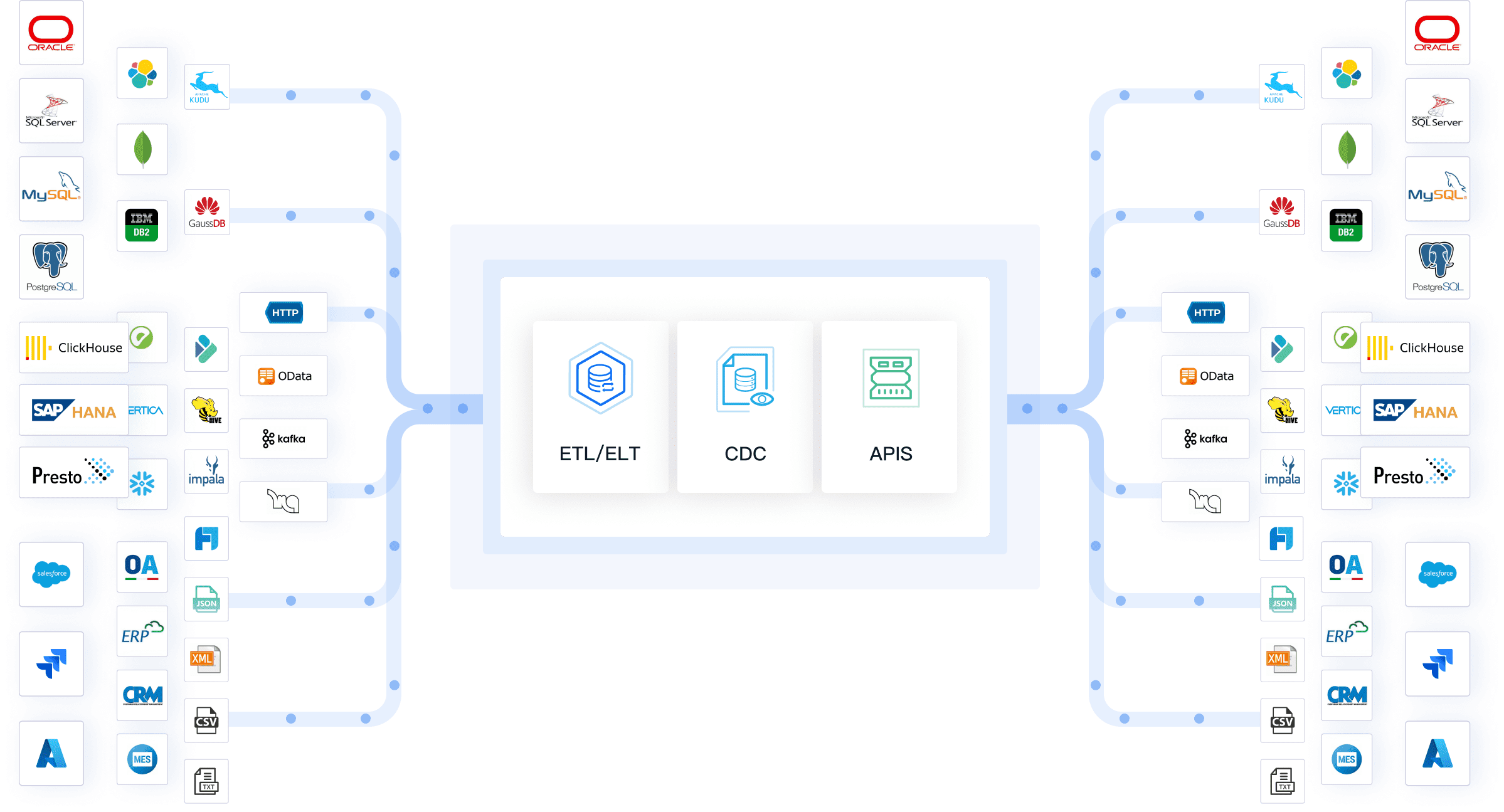
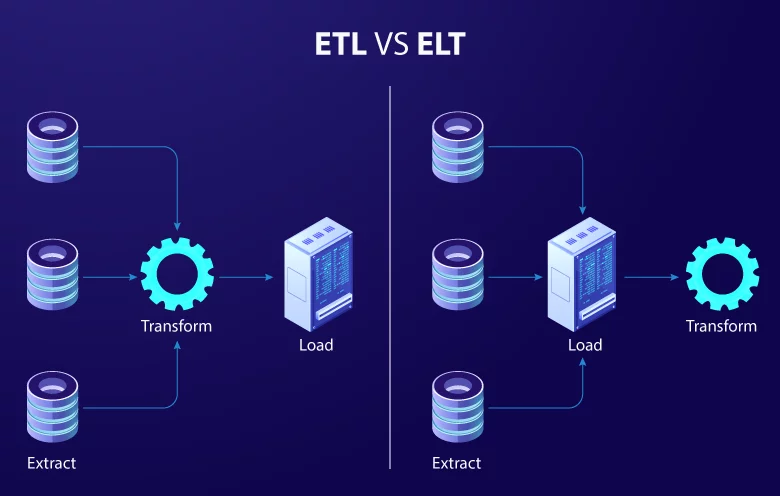
You can simplify data enrichment by using FineDataLink. This platform addresses the most common pain points in data integration and enrichment. FineDataLink supports real-time data synchronization, advanced ETL and ELT development, and easy API integration. You can connect over 100 different data sources, including SaaS applications and cloud environments.
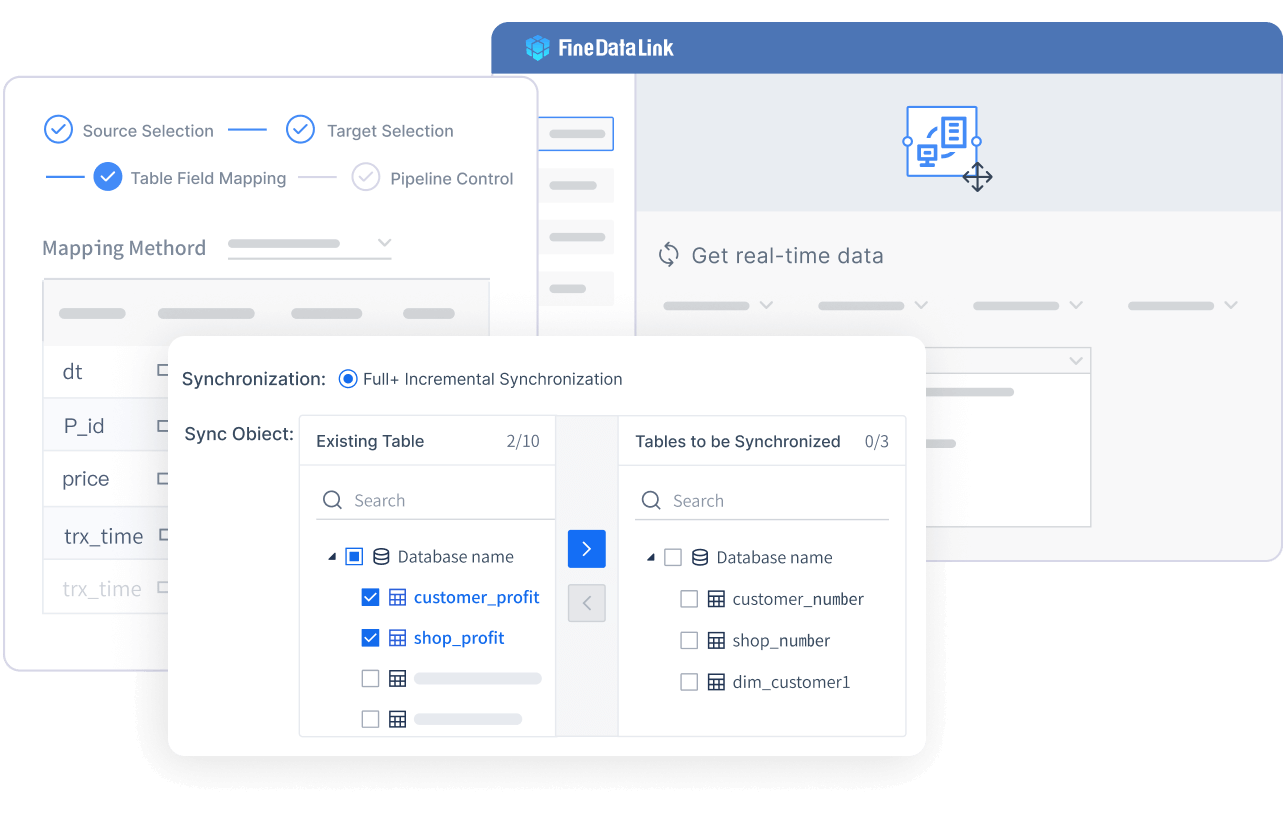
FineDataLink’s visual interface lets you build data pipelines with drag-and-drop tools. You do not need to write code. You can synchronize data across multiple tables in real time, which helps you keep your information up to date with minimal latency. This feature is important for database migration, backup, and building real-time data warehouses.
You can use FineDataLink to automate data calculation and synchronization. The platform supports data preprocessing, which is a key part of the ETL process. You can also create and launch API interfaces in minutes. This makes it easy to share enriched data between different systems and applications.
Here is how FineDataLink adds value to your data enrichment processes:
- You break down data silos by integrating information from many sources.
- You improve data quality by validating and transforming records automatically.
- You save time with automation and low-code tools.
- You scale your data enrichment as your business grows, without worrying about performance.
- You connect your enriched data to business intelligence and analytics platforms, so you can see insights in real time.
The table below shows how data enrichment solutions like FineDataLink integrate with analytics platforms:
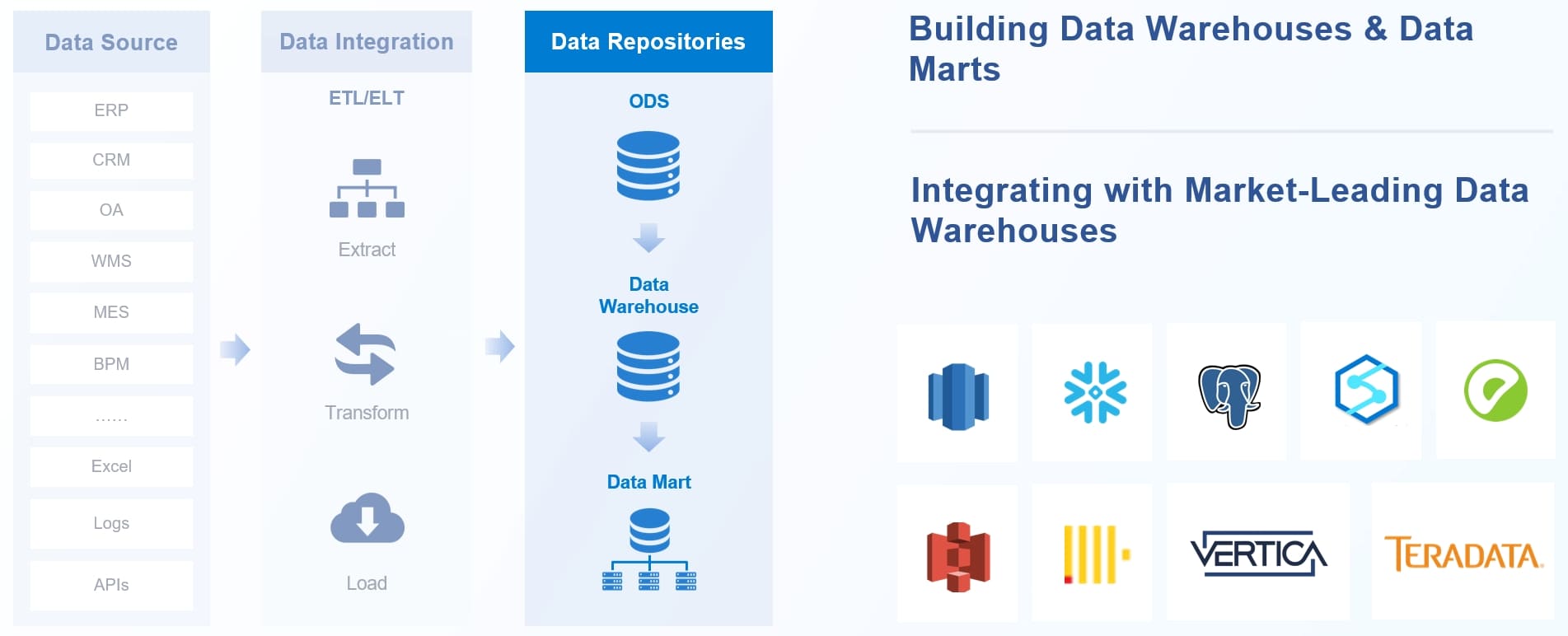
You can see that FineDataLink helps you get the most value from your data. You improve data accuracy, support compliance, and enable smarter business decisions. You also make it easier for non-technical users to access and use enriched data.
Note: FineDataLink offers detailed documentation and step-by-step videos to help you get started quickly.
By following strong data enrichment practices and using a platform like FineDataLink, you can unlock the full potential of your data. You gain deeper insights, improve operational efficiency, and drive business growth.
Data Enrichment Sources
You rely on many sources to make data enrichment successful. You can use both internal data and external providers to improve your information. By combining these sources, you create a stronger foundation for analytics and decision-making.
Internal Data
You start with your own data. Internal sources give you a reliable base for enrichment. You collect information from customer records, sales transactions, and business operations. You use data enrichment tools to add new details and fill gaps.
Here are the most common types of internal data you use for enrichment:
You use demographic data for customer segmentation. You rely on firmographic data for B2B targeting. You analyze behavioral data to predict future actions. You use geographic data for market analysis. You apply contextual data for risk assessment.
Tip: You can use data enrichment tools to combine these internal sources and create a complete customer profile.
External Providers
You often need more than your own data. External providers supply valuable information for enrichment. You use these sources to add missing details, verify records, and expand your reach.
Many industry leaders offer data enrichment services. You can choose from a wide range of providers based on your needs:
You use external data enrichment tools to access technographics, B2B lead lists, and identity resolution services. You can enrich your customer records with verified emails, company details, and behavioral insights.
You ensure the reliability and accuracy of external data by following best practices:
- You define your objectives and align enrichment strategies with your business goals.
- You validate the quality of external data before integration.
- You follow data privacy regulations and ethical standards.
- You set up efficient data integration processes.
- You use strong data governance for transparency.
- You monitor and evaluate the impact of your enrichment efforts.
- You stay updated with new technologies and sources.
Note: You can combine internal and external sources with data enrichment tools to create a powerful data ecosystem.
Key Benefits of Data Enrichment
Data Quality
You improve your data quality when you use data enrichment. You fill gaps, correct errors, and add new details to your records. This process helps you trust your information and make better decisions. Many companies see big improvements after they start using enrichment solutions. You can see the main benefits in the table below:
You also support compliance with important regulations. In industries like finance and healthcare, data enrichment helps you meet rules such as HIPAA and GDPR. You protect sensitive information and avoid costly mistakes.
Note: 92% of healthcare companies plan to invest more in AI and enrichment solutions to keep patient data secure.
Customer Insights
You gain deeper customer insights with data enrichment. You build a complete view of your customers by combining information from many sources. This helps you understand interests, preferences, and behaviors. You can segment your audience and create detailed personas. Here are some ways enrichment improves customer insights:
- You identify common characteristics among customers for better segmentation.
- You personalize experiences that match customer needs.
- You activate enriched personas in your marketing strategies.
You see these benefits in real-world solutions. Retailers use membership management systems to analyze customer behavior and target promotions. You can segment customers based on demographics and purchase history. You create detailed personas and use them to drive engagement and retention.
Operational Efficiency
You boost operational efficiency with data enrichment. You automate manual tasks and streamline your workflows. Organizations using enrichment platforms report big gains:
- You reduce campaign preparation time by 60-80%.
- You improve response rates by 25-40%.
- You manage more clients without adding more staff.
You also see higher conversion rates and better customer satisfaction. Companies like BOE improved operational efficiency by 50% after using data enrichment tools. You save time, cut costs, and focus on your core business.
Tip: Companies investing in AI contact enrichment report an average ROI of 300%. Some reach up to 500%.
You use data enrichment to enhance customer experiences, meet compliance requirements, and drive business growth. You unlock the full value of your data and stay ahead in your industry.
Use Cases and Industry Applications
Retail Solutions
You see data enrichment play a major role in the retail industry. Retailers use enrichment to improve every part of their business. When you apply data enrichment, you can:
- Improve inventory management by tracking stock levels and predicting demand.
- Optimize your supply chain for faster deliveries and lower costs.
- Build meaningful connections with your customers by understanding their preferences.
- Set more effective pricing strategies using real-time market and customer data.
- Create marketing campaigns that increase your return on investment.
You can also use data enrichment to manage membership and loyalty programs. Many retailers create detailed customer profiles by combining data from different sources. You personalize customer interactions based on insights from enriched data. Loyalty programs track every point and transaction, syncing with CRM data for precise targeting. You gain a better understanding of shopping behaviors and preferences. By working with third-party data providers, you enhance your insights and optimize your marketing strategies. You can offer personalized incentives to increase your share of wallet and boost customer loyalty.
Tip: Data enrichment helps you deliver the right message to the right customer at the right time.
Enterprise Success Stories
Many large companies have transformed their operations with data enrichment. You can see the impact in several well-known organizations:
You can also look at the Bank of East Asia. The bank launched a Data Literacy Empowerment Programme to improve operational efficiency and decision-making. Over half of the staff joined the program. The bank built a strong data community and used cloud computing, big data analysis, and AI technologies. A dedicated team led the project, helping the bank use data enrichment to drive better results.
You can follow these examples to unlock the full value of your data. Data enrichment gives you the tools to innovate, improve efficiency, and stay ahead in your industry.
You need data enrichment to keep your business competitive. With data enrichment, you improve data quality, gain valuable context, and make your data more reliable. You also enable better decision-making and create actionable databases for your team. FineDataLink helps you overcome data integration challenges by breaking down silos and supporting real-time data synchronization. To get started, you should:
- Review your current data processes.
- Evaluate vendors for data enrichment.
- Align on privacy and integration needs.
- Try FineDataLink for a seamless experience.
Data enrichment turns your raw data into a powerful asset for growth.
FanRuan
https://www.fanruan.com/en/blogFanRuan provides powerful BI solutions across industries with FineReport for flexible reporting, FineBI for self-service analysis, and FineDataLink for data integration. Our all-in-one platform empowers organizations to transform raw data into actionable insights that drive business growth.
FAQ
What is data enrichment?
Data enrichment involves augmenting existing datasets with additional information to improve their value, accuracy, and usability. This process transforms raw data into actionable insights, allowing companies to better understand their customers, markets, and competitors.
Why is data enrichment important?
Data enrichment plays a crucial role in today's data-driven business environment. It enhances the utility, accuracy, and richness of raw data, which is essential for maintaining data integrity and gaining competitive advantages. Enriched data helps organizations unravel meaningful patterns and identify hidden trends.
How does data enrichment improve customer experience?
Enriched data provides unique insights into customer behaviors, needs, and preferences. This information enables personalized marketing strategies, enhancing customer experiences and fostering stronger relationships. Companies can tailor their offerings to meet individual customer needs more effectively.
What types of data are used in enrichment?
Data enrichment utilizes various types of data, including demographic, geographic, and behavioral data. By combining these data types, organizations gain a holistic view of their customers, enabling more personalized and effective strategies.
How has the use of data enrichment evolved?
The use of data enrichment has seen significant growth, with a 22% increase in its application as a key strategy for improving data integrity year over year. Technological advancements have automated many aspects of data enrichment, making it more efficient and accurate.
What challenges do organizations face in data enrichment?
Organizations often encounter challenges such as data silos, complex data formats, and manual processes. Overcoming these challenges requires robust data integration platforms like FineDataLink, which offers real-time data synchronization and advanced ETL/ELT capabilities.
How does data enrichment contribute to business success?
Data enrichment turns raw data into valuable insights, empowering businesses to make informed decisions and adapt to changing market conditions. By leveraging enriched data, companies can enhance customer experiences, optimize operations, and achieve sustained success.