A data custodian is the technical guardian of an organization's data assets. While data owners set business policy and data stewards define quality standards, the data custodian implements and maintains the systems that keep data secure, accessible, accurate, and compliant. Without effective custodianship, even well-designed governance frameworks fail at execution—and AI analytics built on ungoverned data produce unreliable results.
This guide defines the data custodian role, clarifies how it differs from data owners and stewards, outlines core responsibilities and skills, and explains how tools like FineDataLink and Dora depend on strong custodianship to deliver trusted insights.
What Is a Data Custodian?
A data custodian is a technical role responsible for the safe storage, transport, protection, and operational management of enterprise data. The custodian does not decide what data means or who should use it for business decisions—those are the data steward's and data owner's domains. Instead, the custodian ensures that the infrastructure, access controls, integration pipelines, backups, and security mechanisms function correctly so that governed data is available when and where it is needed.
In regulated industries (finance, healthcare, government), the data custodian role is often formally defined in compliance frameworks. In smaller organizations, the responsibilities may fall to database administrators, platform engineers, or IT operations staff—even if the title "data custodian" is not used explicitly.
What Does a Data Custodian Do?
The data custodian translates governance policies into technical reality. Day-to-day activities span six areas:
The custodian works with data stewards and owners but operates at the infrastructure and system level. When a steward identifies a data quality issue, the custodian investigates whether the root cause is a pipeline failure, schema change, or source system error—and fixes it.
Data Custodian vs Data Steward vs Data Owner
Confusion between these roles is one of the most common data governance failures. Each has a distinct focus, and all three are necessary for trustworthy data.
Key distinctions:
- Owner vs. Custodian: The owner says "only finance managers can see payroll data." The custodian configures the IAM policy, encryption, and audit logging that enforces that rule. Owners are accountable; custodians are responsible for implementation.
- Steward vs. Custodian: The steward defines "customer email must be validated against RFC 5322 format." The custodian builds the validation check into the ingestion pipeline and sets up alerting when violations occur. Stewards govern meaning; custodians govern mechanics.
- User vs. Custodian: Users consume data within permitted boundaries. Custodians ensure those boundaries exist, are enforced, and are auditable.
In mature governance programs, these roles are documented in a RACI matrix that maps each data domain to specific individuals. In smaller organizations, one person may hold multiple roles—but the functions must still be distinguished to avoid gaps.
Key Responsibilities of A Data Custodian
Data custodians play a vital role in managing and safeguarding an organization's data assets. They ensure that data remains secure, accessible, and compliant with regulations. Their responsibilities encompass several critical areas:
Data Security and Privacy
Data custodians act as the guardians of enterprise data, much like a bank safeguards its clients' money. They implement industry-standard physical and digital security policies to protect data from unauthorized access and breaches. By ensuring that access to data is authorized and controlled, they maintain the privacy and confidentiality of sensitive information. This responsibility extends to developing and maintaining security safeguards for specific data collections, fulfilling data governance policies.
Data Integrity and Quality
Maintaining data integrity and quality is another crucial responsibility of data custodians. They ensure that technical processes sustain data integrity, meaning that data remains accurate, consistent, and reliable over time. Data custodians work closely with data stewards to resolve data quality issues and ensure that data added to datasets aligns with the common data model. They also apply change management practices to maintain database integrity and audit data content and changes.
Skills and Qualifications of A Data Custodian

Effective data custodians combine technical depth with governance awareness.
Technical Skills
- Database administration (SQL Server, PostgreSQL, Oracle, cloud-native databases)
- ETL/ELT pipeline development and monitoring (FineDataLink, dbt, Airflow, SSIS)
- Cloud data platforms (AWS, Azure, GCP) and storage services
- Identity and access management (IAM, RBAC, SSO, LDAP)
- Data encryption, key management, and network security fundamentals
- Backup/recovery architecture and disaster planning
- Scripting and automation (Python, PowerShell, Bash)
Governance and Soft Skills
- Understanding of data governance frameworks (DAMA-DMBOK, COBIT, NIST)
- Familiarity with regulatory requirements relevant to the organization's industry
- Ability to translate steward-defined policies into technical implementations
- Clear communication with non-technical stakeholders about system constraints and trade-offs
- Incident response coordination and documentation discipline
- Attention to detail in configuration, logging, and change management
Certifications (Valuable but Not Mandatory)
- DAMA Certified Data Management Professional (CDMP)
- Cloud platform certifications (AWS/Azure/GCP Data Engineering or Security)
- Information security certifications (CISSP, CISM, CompTIA Security+)
- Vendor-specific certifications for ETL/database platforms in use
Data Custodian Role in Data Governance
Data custodians are the operational layer of any governance framework. Without them, policies remain documents rather than enforced practices.
In a typical governance structure:
- Data governance council sets strategic priorities and approves policies.
- Data owners accept business accountability for specific data domains.
- Data stewards define standards, quality rules, and metadata.
- Data custodians implement, operate, and maintain the technical controls.
- Data users consume governed data within authorized boundaries.
The custodian's position at step 4 makes them critical to trust. If access controls are misconfigured, pipelines fail silently, or backups are untested, every downstream consumer—including BI dashboards and AI agents—operates on compromised foundations.
Custodians also feed back into governance improvement. Operational metrics (pipeline failure rates, access request volumes, incident response times) reveal where policies are impractical or under-resourced, enabling the council to adjust priorities based on evidence rather than assumption.
Common Challenges for Data Custodians
Tools and Resources for Data Custodian
Data custodians play a vital role in managing and safeguarding an organization's data assets. To excel in their responsibilities, they can leverage advanced tools and resources that enhance data integration and analysis. FineDataLink and FineBI are two powerful solutions that support data custodians in their tasks.
Leveraging FanRuan's FineDataLink
FineDataLink offers a comprehensive platform for data integration, enabling data custodians to manage data efficiently across various sources and systems.
Enhancing Data Integration
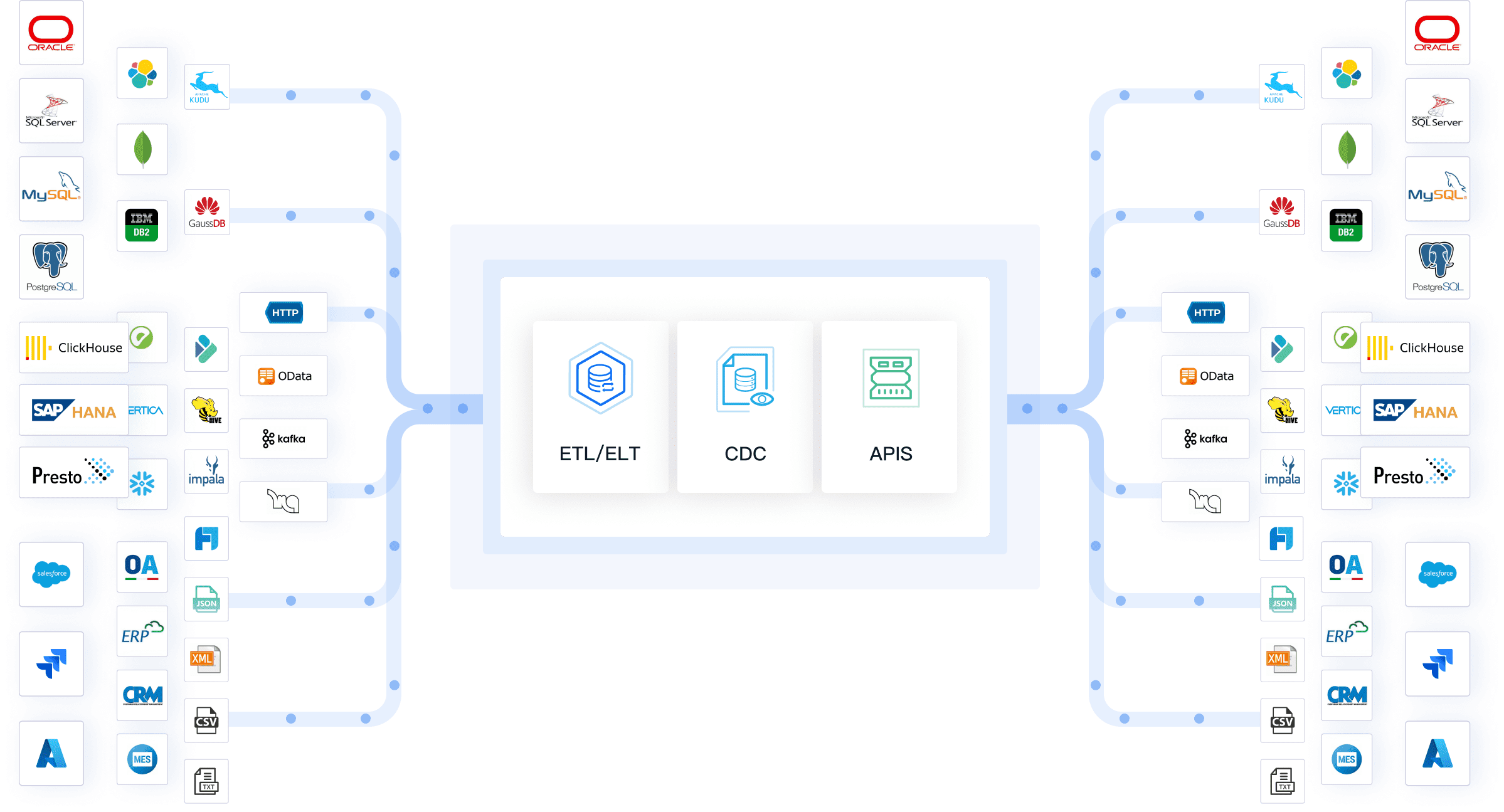
FineDataLink simplifies complex data integration tasks with its flexible ETL (Extract, Transform, Load) and ELT (Extract, Load, Transform) capabilities. Data custodians can use these features to ensure high data quality and seamless integration. The platform's low-code approach allows for easy data manipulation, making it accessible even to those with limited technical expertise. By utilizing FineDataLink, data custodians can create a robust data analytics platform that supports informed decision-making.
Real-Time Data Synchronization
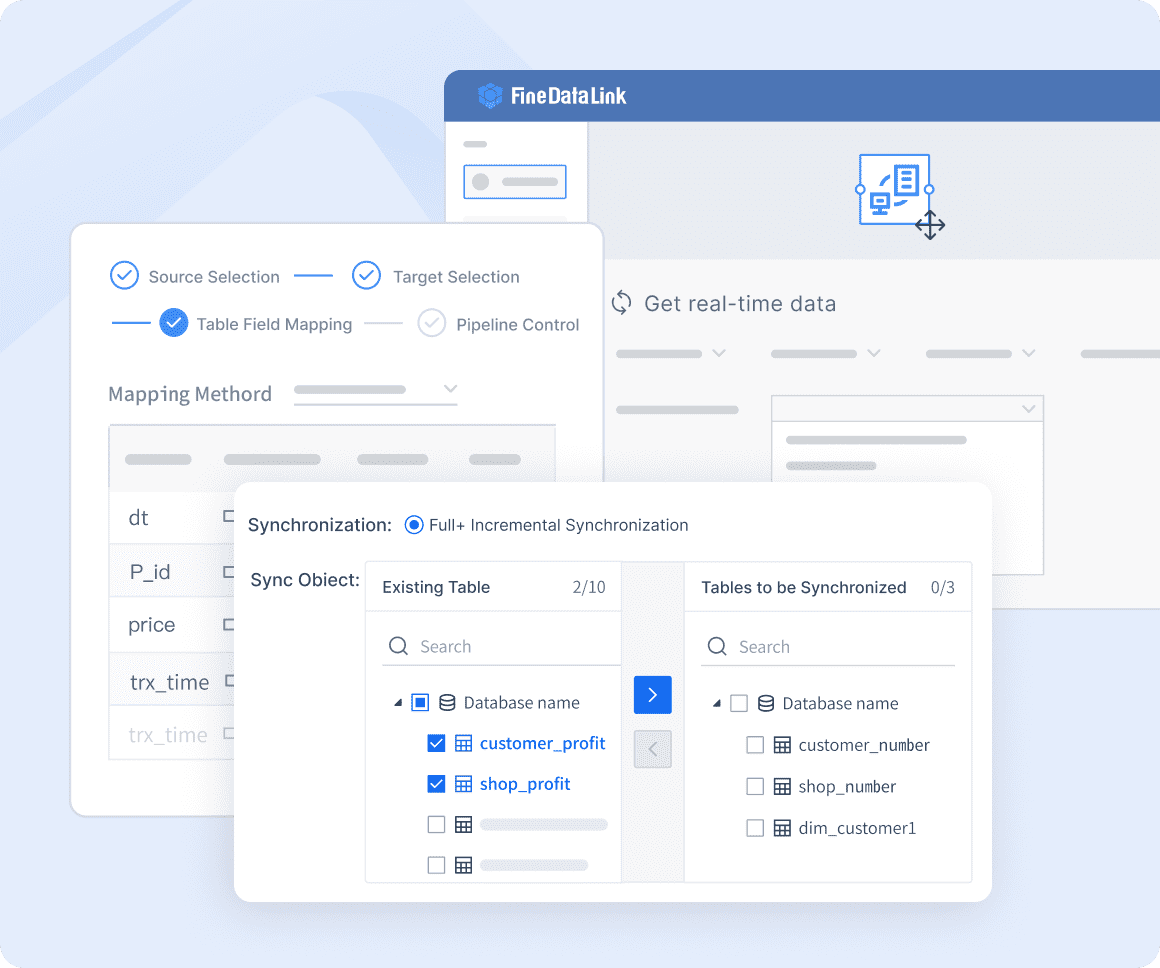
Real-time data synchronization is crucial for maintaining up-to-date information. FineDataLink excels in this area by providing tools that enable data custodians to synchronize data across multiple systems with minimal latency. This capability ensures that data remains current and accurate, allowing organizations to respond swiftly to changes and make timely decisions. With FineDataLink, data custodians can efficiently manage data flows and enhance the overall data management process.
Utilizing FineBI for Data Analysis
FineBI empowers data custodians with self-service analytics and visual data interpretation, facilitating better data-driven insights.
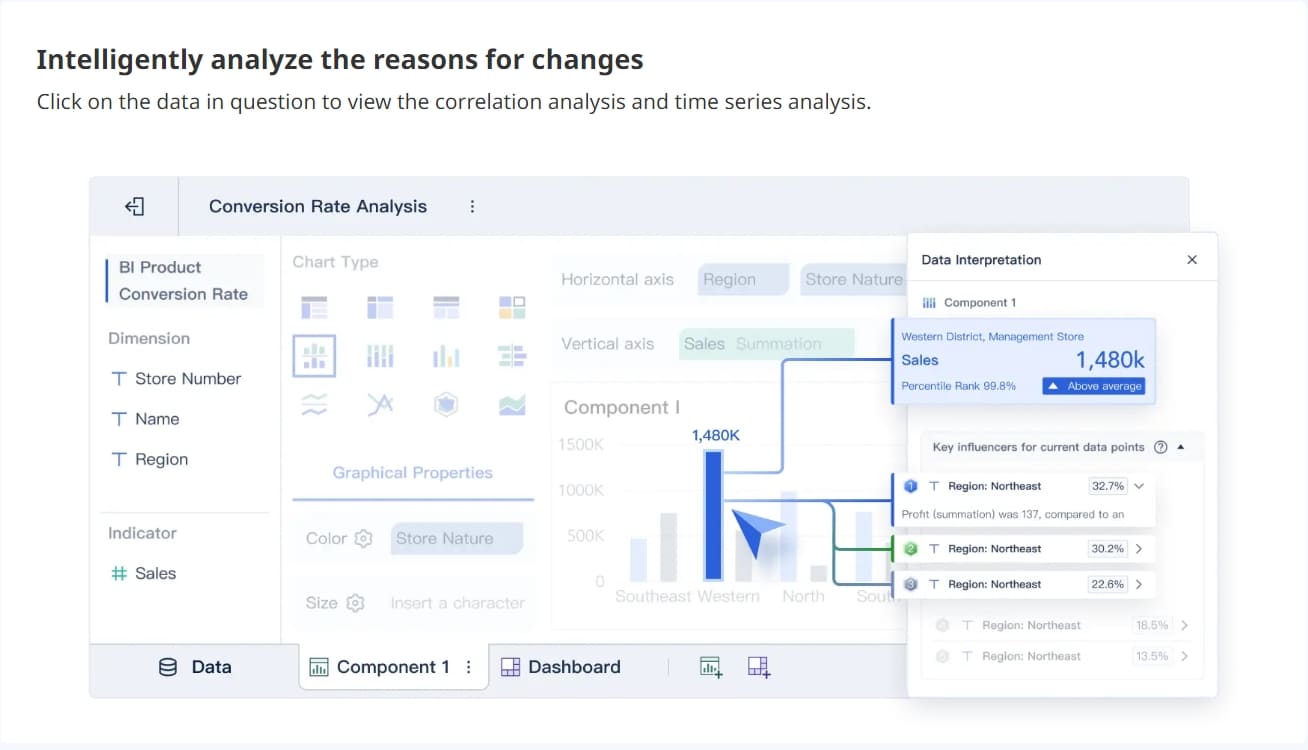
Self-Service Analytics
FineBI enables data custodians to perform self-service analytics, allowing them to explore and analyze data independently. This feature reduces reliance on IT departments and speeds up the decision-making process. FineBI's intuitive interface and powerful analytics tools make it easy for users to generate reports and dashboards, providing actionable insights that drive business growth.
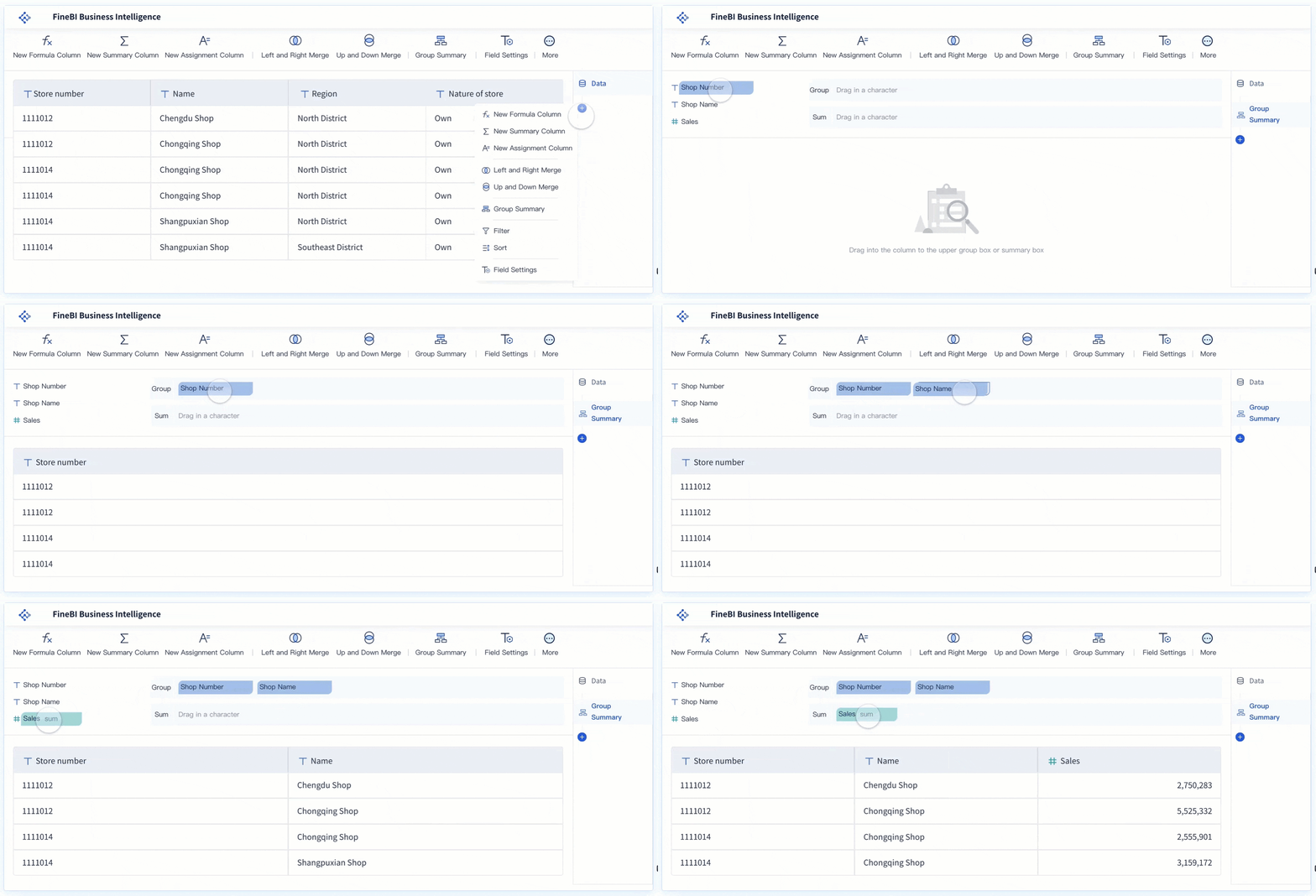
Visual Data Interpretation
Visual data interpretation is a key strength of FineBI. The platform offers a wide range of visualization options, enabling data custodians to present data in a clear and understandable manner. By transforming raw data into insightful visualizations, FineBI helps organizations track key performance indicators, identify trends, and predict future outcomes. This visual approach enhances communication and understanding among stakeholders, supporting effective data management and strategic planning.
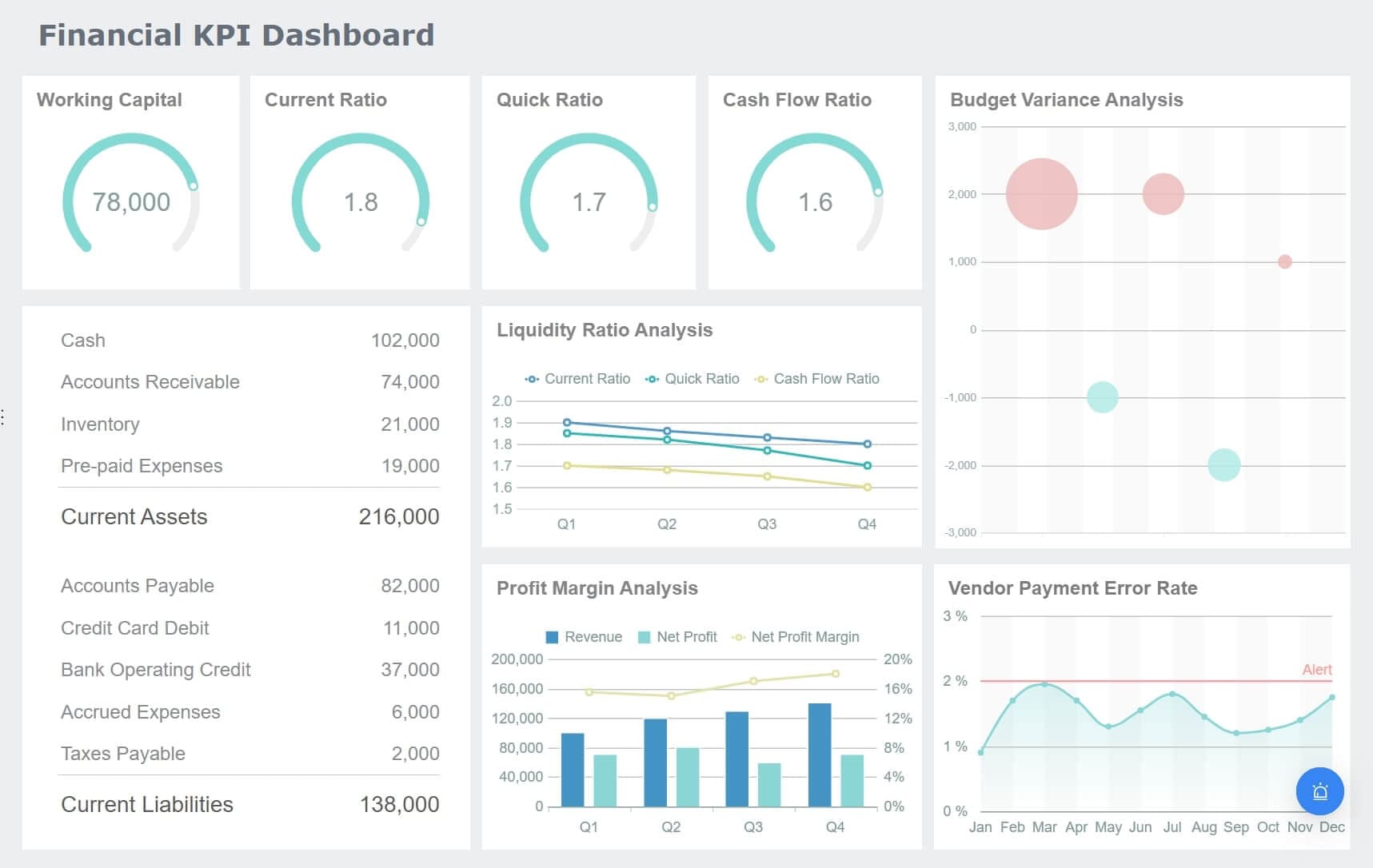
By leveraging FineDataLink and FineBI, data custodians can enhance their data management capabilities, ensuring data quality and accessibility. These tools provide valuable support in the ever-evolving landscape of data management, empowering data custodians to fulfill their roles effectively.
Data custodians play a pivotal role in ensuring the integrity, accuracy, and consistency of an organization's data. They manage data repositories, enforce security protocols, and maintain data quality, which are essential for effective data governance. Their efforts in safeguarding data assets contribute significantly to organizational success. By leveraging tools like FineDataLink and FineBI, data custodians enhance their capabilities in data integration and analysis. For those interested in delving deeper into this field, exploring further resources and staying updated on emerging trends will prove invaluable.
From Data Custodianship to Dora AI Data Agent
A data custodian helps ensure that enterprise data is secure, accessible, and governed. This trusted foundation is essential for AI-powered analytics. Dora helps business users ask natural-language questions, summarize data changes, detect anomalies, and generate management-ready briefings—but the answers are only reliable when access permissions, data quality, lineage, and governance rules are already well managed.
Dora depends on custodian-maintained infrastructure in three ways:
- Trusted data sources. Dora queries governed dashboards and reports built on FineBI and FineReport, which in turn consume data prepared through FineDataLink pipelines maintained by custodians. Without this chain, AI responses reference inconsistent or stale information.
- Enforced access boundaries. Dora respects the same role-based permissions custodians configure. A sales manager asking about HR compensation data receives appropriate restrictions—not because Dora independently judges sensitivity, but because custodian-implemented controls propagate through the stack.
- Auditable lineage. When Dora explains why a metric changed, it references traceable data flows. Custodian-maintained lineage documentation ensures those explanations are verifiable, not hallucinated.
Strong custodianship does not make Dora optional—it makes Dora trustworthy. Organizations investing in AI analytics should view custodian capacity as a prerequisite, not a parallel workstream.
Learn More Abour Dora.
FanRuan
https://www.fanruan.com/en/blogFanRuan provides powerful BI solutions across industries with FineReport for flexible reporting, FineBI for self-service analysis, and FineDataLink for data integration. Our all-in-one platform empowers organizations to transform raw data into actionable insights that drive business growth.
FAQ
What is the main role of a Data Custodian?
Data custodians are responsible for the safekeeping, maintenance, and management of data assets within an organization. They ensure that data remains accessible, private, and compliant with regulations. Their role involves implementing data governance policies, maintaining data integrity, and facilitating access to information while safeguarding privacy and security standards.
What is the difference between a data custodian and a data steward?
A data steward focuses on data meaning: defining business terms, setting quality standards, establishing business rules, and ensuring data aligns with organizational definitions. A data custodian focuses on data mechanics: managing storage, access controls, pipelines, backups, and security infrastructure. Stewards govern what data represents; custodians govern how data is stored, moved, and protected. Both roles are necessary and complementary—neither can substitute for the other.
**Is a data custodian the same as a data owner?**
No. A data owner holds business accountability for a data domain. They decide who should access the data, approve sharing requests, and accept responsibility for data-related business outcomes. A data custodian holds technical responsibility for implementing the owner's decisions through access controls, security measures, and infrastructure management. Owners set policy; custodians execute it. In small organizations, one person may serve both roles, but the functions remain distinct.
What skills does a data custodian need?
Technical skills include database administration, ETL/ELT pipeline development (e.g., FineDataLink), cloud platform operations, IAM/RBAC configuration, encryption and key management, backup/recovery architecture, and scripting. Governance skills include familiarity with frameworks like DAMA-DMBOK, understanding of relevant regulations, ability to translate policies into technical controls, and clear communication with non-technical stakeholders. Certifications such as CDMP, cloud data engineering, or information security credentials are valuable but not mandatory.
How does a data custodian support data governance?
Data custodians are the operational execution layer of governance. They implement access controls defined by data owners, build quality infrastructure specified by data stewards, maintain audit trails required by compliance teams, and provide operational metrics that inform governance improvements. Without effective custodianship, governance policies remain aspirational documents rather than enforced practices. Custodians also identify practical constraints and feed them back to governance councils, ensuring policies remain achievable as data environments evolve.
How do Data Custodians ensure data security?
Data custodians implement robust security measures to protect data from unauthorized access and breaches. They manage access controls, ensuring only authorized personnel can access sensitive information. By enforcing these protocols, they prevent data breaches and adhere to data regulations, enhancing the organization's security posture.
How do Data Custodians maintain data quality?
Maintaining data quality involves ensuring that data remains accurate, consistent, and reliable. Data custodians use data validation techniques to verify that data meets predefined standards and criteria. Regular data audits help identify inconsistencies and errors, ensuring that data remains up-to-date and accurate for analysis and decision-making.
What tools do Data Custodians use to manage data?
Data custodians leverage advanced tools and resources to enhance data integration and analysis. Solutions like FineDataLink and FineBI support data custodians by simplifying complex data integration tasks and providing self-service analytics. These tools enable data custodians to manage data efficiently across various sources and systems, ensuring high data quality and accessibility.