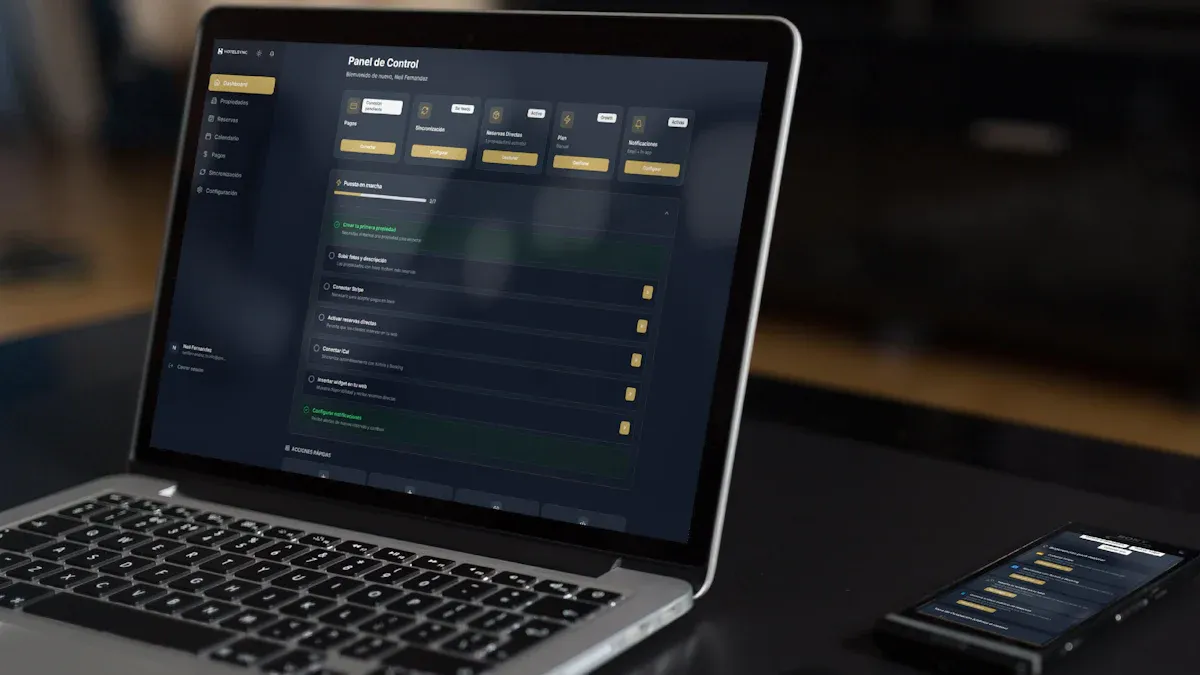
Looking for the best supply chain dashboard software for 2025? You need tools that deliver real-time visibility, smart analytics, and easy-to-use dashboards. Real-time insights let you spot issues early, keep everyone updated, control costs, and make quick decisions. Take a look at how analytics tools shape supply chain management:
| Use Case | Description |
|---|---|
| Inventory Optimization | Balances stock levels and reduces costs. |
| Supply Chain Network Design | Helps you choose the best facility locations and streamline product movement. |
| Enhancing Seasonal Demand Planning | Forecasts demand and cuts risk using sales history. |
| Enhancing Retail Performance | Spots delays and helps you avoid disruptions. |
FineReport stands out as a top supply chain management software. Companies like BOE and Bifido Foods trust it for flexible dashboards, seamless data integration, and real results.
Why Visibility Matters in Supply Chain Management
Impact on Efficiency and Decisions
You want your supply chain to run smoothly. When you can see what’s happening in real-time, you spot problems before they grow. This helps you avoid costly mistakes and keeps your business moving forward. Supply chain management software gives you the power to track shipments, monitor inventory, and react quickly to changes.
Here’s how better visibility boosts efficiency and decision-making:
| Benefit | How It Helps Your Supply Chain |
|---|---|
| Dramatic Stockout Reduction | Cuts stockouts by up to 50% with real-time alerts and fast action. |
| Emergency Shipping Cost Elimination | Reduces last-minute shipping costs by 30% or more. |
| Service Level Excellence | Achieves on-time delivery rates of 98% or higher. |
| Inventory Optimization | Lowers inventory carrying costs by 15-25%. |
| Market Responsiveness | Lets you adjust strategies instantly as demand shifts. |
| Customer Experience Enhancement | Improves communication and satisfaction with proactive updates. |
| Supplier Relationship Optimization | Builds trust and solves problems faster with suppliers. |
| Risk Management and Resilience | Helps you spot and handle disruptions before they hurt your business. |
You get faster, more accurate decisions when you have real-time data at your fingertips. You can monitor shipments, check inventory, and respond to changes right away. This means you act quickly and avoid delays. You also use data-driven insights to spot trends and fix issues before they become big problems.
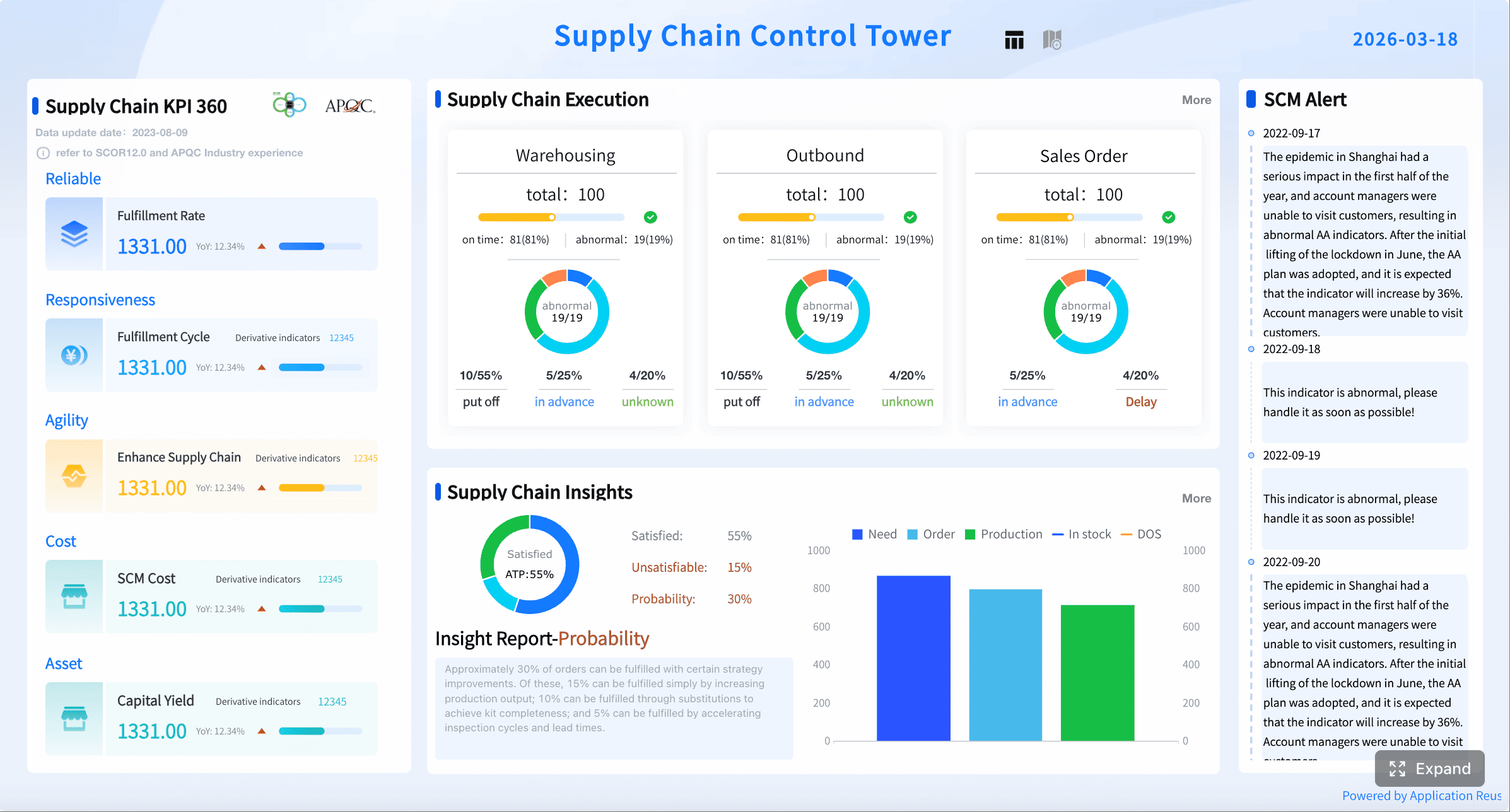
- Real-time information keeps you updated on every part of your supply chain.
- You make decisions faster because you see what’s happening as it unfolds.
- You can react to problems before they affect your customers.
- Machine learning and analytics help you find weak spots and improve your process.
Common Visibility Challenges
Even with the best supply chain management software, you might face some hurdles. Many companies struggle with these common issues:
- Lack of transparency from sub-tier suppliers, often due to regulations or confidentiality.
- Complex supply chains make it hard to track every supplier.
- Not enough internal technology or expertise to get full visibility.
You need the right tools and skills to overcome these challenges. When you solve them, you unlock the full power of supply chain visibility and set your business up for success.
Key Criteria for Supply Chain Dashboard Software
Choosing the right supply chain dashboard tool can feel overwhelming. You want a solution that helps you see everything in your supply chain, make smart moves fast, and grow with your business. Let’s break down what matters most when you compare supply chain management systems.
Real-Time Data and Analytics
You need real-time data to stay ahead. When you see updates as they happen, you can react quickly to changes and avoid surprises. Real-time analytics help you spot trends, track inventory, and make data-driven decisions. You get to optimize efficiency, reduce costs, and keep your customers happy with accurate delivery updates.
- Real-time information lets you respond to challenges before they become problems.
- You can use predictive analytics to forecast demand and prevent stockouts or overstocking.
- Interactive dashboards show you key metrics and performance analytics at a glance, so you always know what’s going on.
Tip: Look for tools that offer interactive dashboards with up-to-the-minute data insights. This will enhance visibility and help you make smarter, faster choices.
Integration and Usability
You want your dashboard to work with the tools you already use. Integration with ERP, CRM, and other business systems is a must. This way, you get unified, integrated data dashboards that pull information from everywhere you need. Real-time integration means you never miss a beat.
| Integration Capability | Description |
|---|---|
| Integration with Other Systems | Connects with ERP, CRM, and more for seamless supply chain management. |
| Real-Time Data Integration | Uses APIs and connectors to unify data from multiple sources instantly. |
Easy-to-use software means you spend less time training and more time making data-driven insights. Interactive dashboards should be simple to customize, so you can focus on what matters most—tracking shipments, monitoring inventory, and making quick decisions.
Scalability and Support
Your business will grow. You need supply chain management software that grows with you. Cloud-based and modular solutions handle more users and data without slowing down. Scalable analytics let you turn data into actionable insights for your whole team, no matter how big you get.
- Choose tools that support thousands of users and large data volumes.
- Look for out-of-the-box features like ready-made dashboards and workflows to save time.
- Good support and training help you get the most from your software.
Note: The best supply chain management tools offer strong planning capabilities, integrated planning, and transparency. They help you build a data-driven, connected supply chain that’s ready for anything.
No matter your company size, these features help you enhance visibility, make better data-driven decisions, and stay competitive.
Top 10 Supply Chain Dashboard Software for 2025
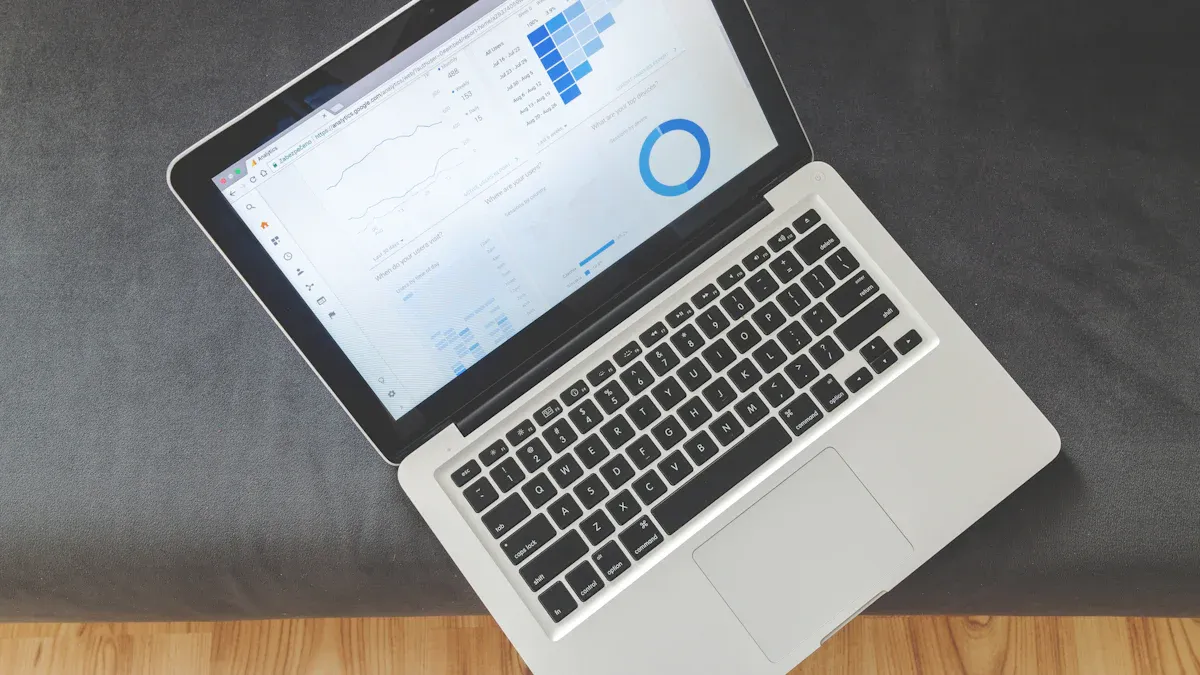
1.FineReport – Real-Time Dashboards and Analytics
Website: https://www.fanruan.com/en/finereport
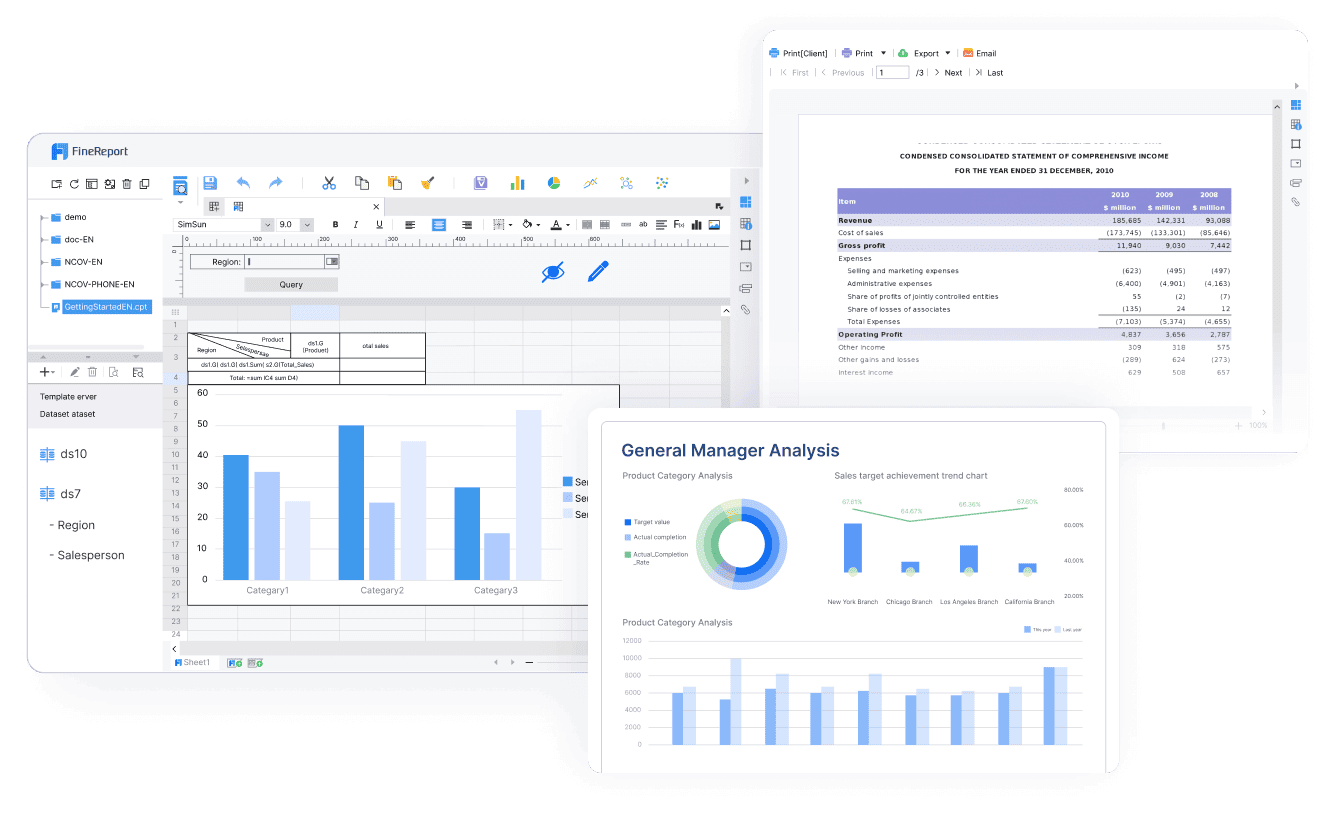
If you want a flexible, powerful supply chain dashboard software, FineReport should at the top of your list. You get real-time dashboards that connect data from every part of your supply chain. FineReport stands out because you can build custom dashboards with a simple drag-and-drop interface. You can track shipments, inventory, and supplier performance in one place. The mobile BI access means you can check dashboards on your phone or tablet, so you never miss an update.
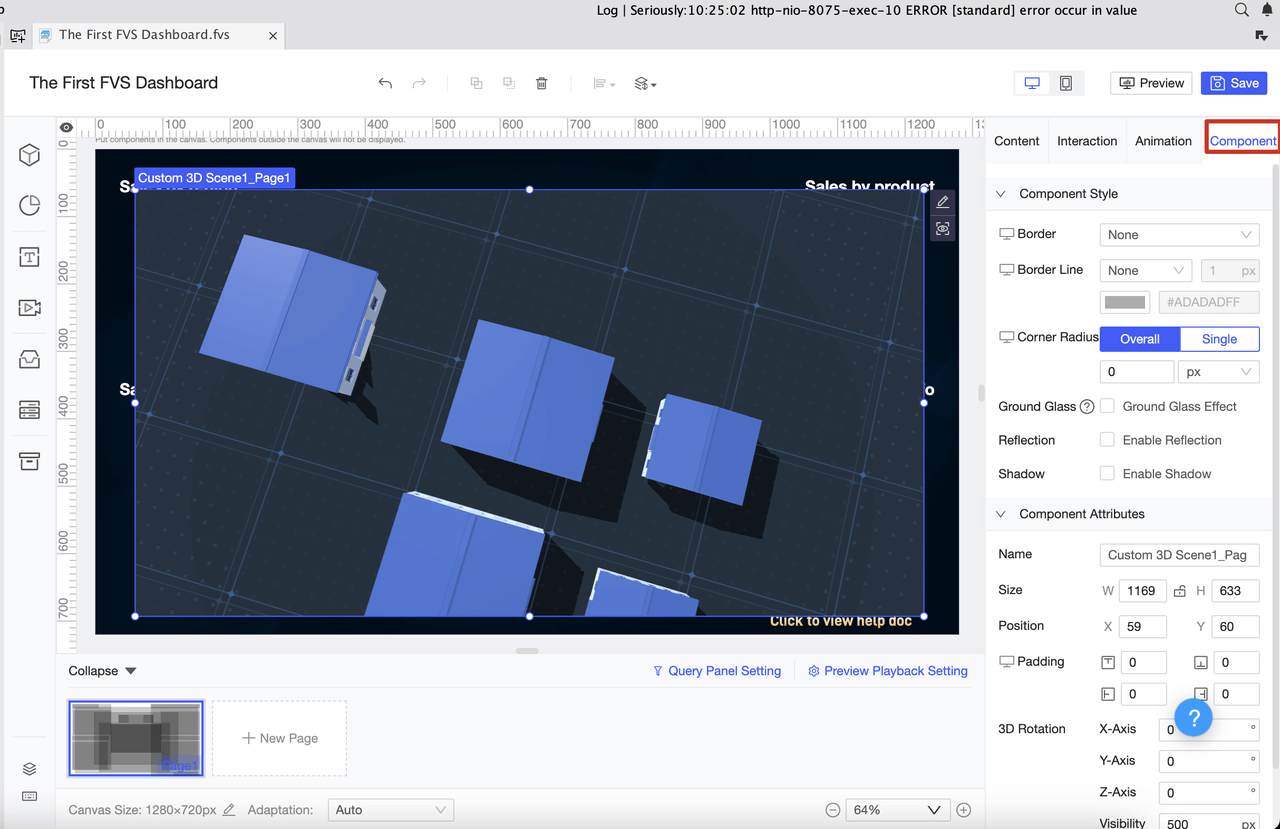
Here’s a quick look at what makes FineReport different:
| Feature | Description |
|---|---|
| Real-Time Data Integration | Connects data from various systems, providing updates in milliseconds for tracking shipments and inventory. |
| Customizable Dashboards | Lets you create tailored views with drag-and-drop for key metrics and trends. |
| Mobile BI Access | Access reports and dashboards on mobile devices, so you manage on the go. |
| AI-Powered Analytics | Automates data collection and analysis, boosting decision-making and efficiency. |
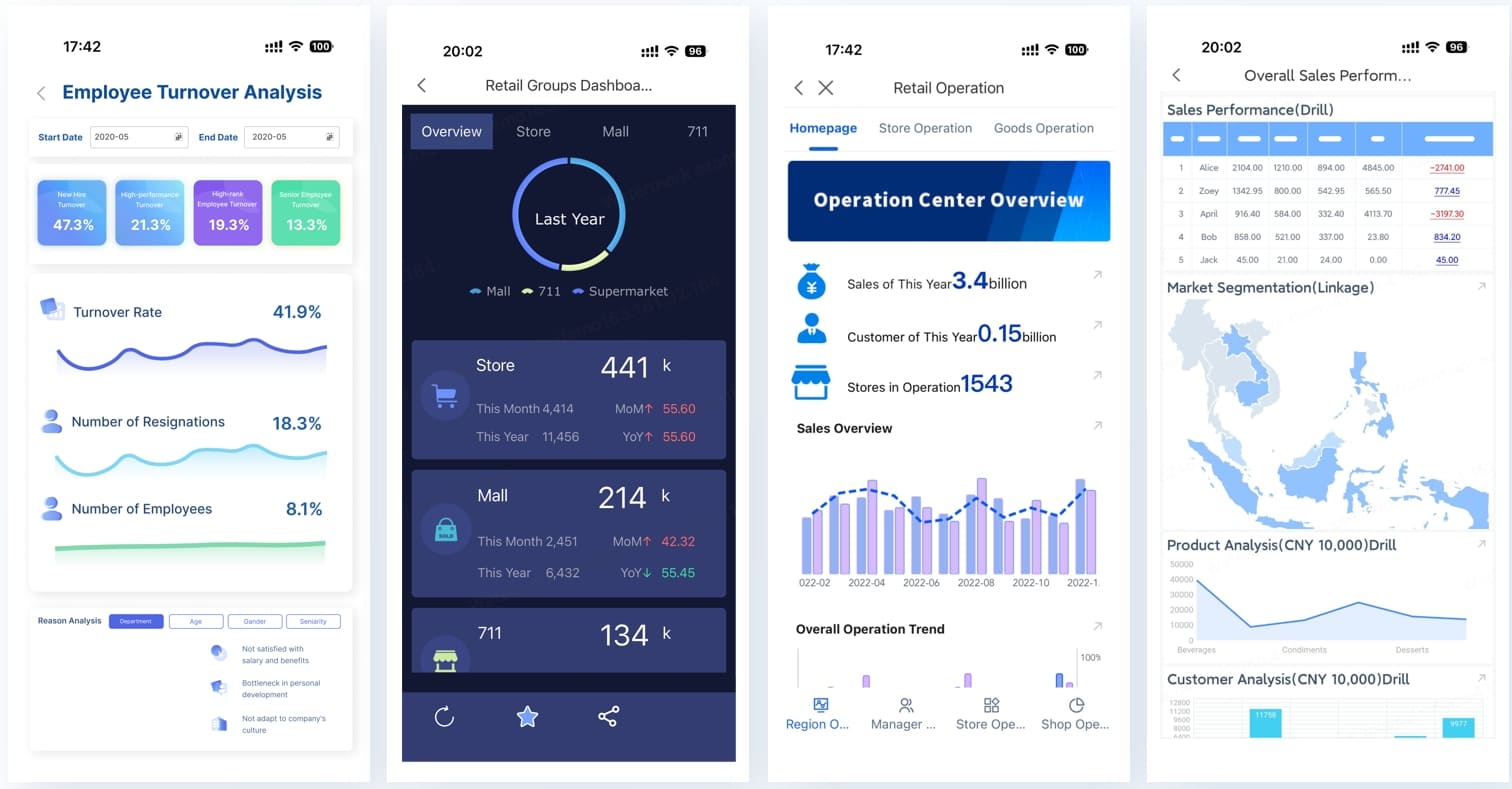
You can use FineReport for everything from inventory optimization to supplier management. Companies like BOE and Bifido Foods have seen big improvements. BOE cut inventory costs by 5% and boosted operational efficiency by 50% after switching to FineReport. Bifido Foods used FineReport to connect data from different sales channels and product lines, making their dashboards more interactive and their decisions more data-driven.

FineReport works well for manufacturers, retailers, and logistics companies. If you want to improve supply chain visibility, automate reporting, and make smarter decisions, this tool gives you the flexibility and speed you need.
Tip: FineReport’s dashboards help you spot trends, track KPIs, and respond to changes in real-time. You can scale up as your business grows, and the support team is always ready to help.

2.SAP Integrated Business Planning
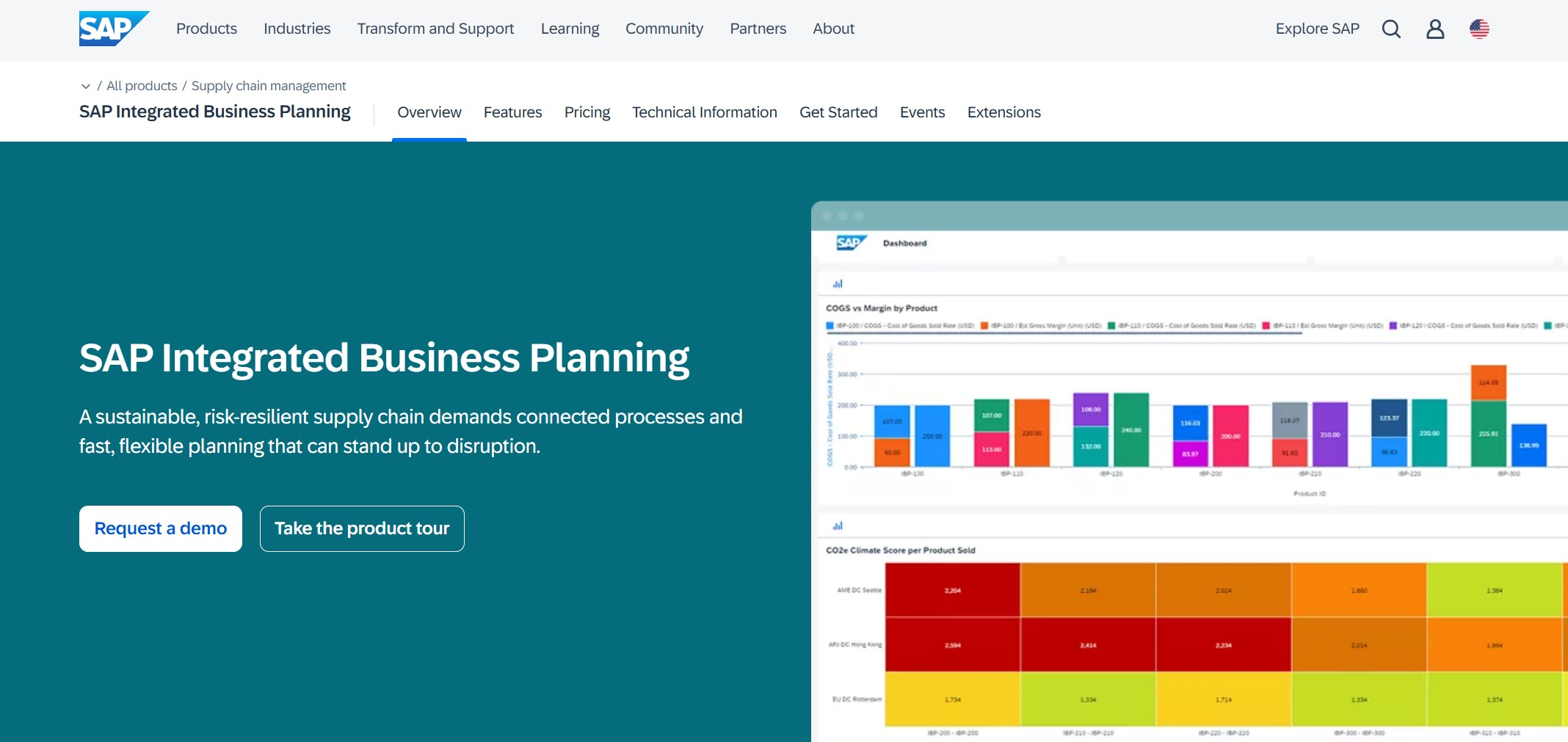
Website: https://www.sap.com/products/scm/integrated-business-planning.html
SAP Integrated Business Planning is a top choice for large organizations that need advanced supply chain management software. You get a full suite for demand planning, sales and operations, inventory optimization, and more. The dashboards let you see every part of your supply chain in real-time.
| Use Case | Description | Example |
|---|---|---|
| Demand Planning | Advanced analytics for accurate forecasts. | Improved forecast accuracy by 30% for electronics companies. |
| Sales & Operations | Aligns teams for better collaboration. | Reduced production costs by 20% for beverage manufacturers. |
| Inventory Optimization | Keeps inventory at the right level, cuts costs. | 15% reduction in holding costs for pharma companies. |
| Supply Planning | Builds realistic supply plans. | 25% better on-time delivery for automakers. |
| Scenario Planning | Simulates scenarios to test strategies. | Retailers use it for market change planning. |
| Collaboration | Improves communication with partners. | Food companies cut lead times by 30%. |
SAP’s dashboards are ideal for global supply chain management systems that need scenario planning and collaboration. You can use it to align teams, optimize inventory, and plan for any situation.
3.Oracle SCM Cloud
Website: https://www.oracle.com/scm/
Oracle SCM Cloud gives you a complete set of tools for supply chain management. You get real-time dashboards, advanced analytics, and AI-powered applications. The dashboards help you track inventory, lead times, and order fulfillment. You can customize reports and monitor KPIs with ease.
- Oracle Transactional Business Intelligence (OTBI) lets you analyze and report on supply chain status in real-time.
- Advanced analytics and reporting help you monitor KPIs and track performance.
- AI-powered apps provide predictive analytics and optimized workflows.
- You get real-time insights to improve efficiency and reduce costs.
- The dashboards help you increase revenue, cut costs, and keep customers happy.
Oracle SCM Cloud works best for companies that want a cloud-based solution with strong analytics and real-time dashboards.
4.Kinaxis RapidResponse
Website: https://www.kinaxis.com/en/solutions/platform
Kinaxis RapidResponse is all about speed and visibility. You get real-time dashboards that show every part of your supply chain. The software helps you manage inventory, customer demand, supplier performance, and production schedules.
- Real-time visibility across all operations lets you make quick, accurate decisions.
- Seamless integration with ERP systems like SAP and Microsoft Dynamics ensures automatic data flow.
- You can track purchase orders, production schedules, shipment status, and inventory transactions in real-time.
- The platform boosts collaboration with suppliers, logistics providers, and customers.
- End-to-end visibility helps you build a resilient supply chain and respond fast to changes.
Kinaxis RapidResponse is a great fit for companies that need fast, data-driven insights and strong supply chain visibility.
5.Microsoft Dynamics 365
Website: https://www.microsoft.com/en-us/dynamics-365
Microsoft Dynamics 365 is a flexible supply chain dashboard software that connects with many other systems. You get real-time dashboards, easy integration, and automation for your supply chain processes.
| Integration Capability | Description |
|---|---|
| Real-time Data Exchange | Keeps information up-to-date across all systems. |
| Integration with Third-party | Works with other supply chain management systems for more functionality. |
| Use of APIs | Uses APIs for smooth integration with other apps and services. |
Field Service is built on Dataverse, so changes in Supply Chain Management show up instantly in Field Service. You can also connect with manufacturing execution systems (MES) to automate data exchange. This is perfect for companies with advanced manufacturing needs.
6.Blue Yonder

Website: https://blueyonder.com/
Blue Yonder brings advanced AI and machine learning to supply chain dashboards. You get real-time visibility across all tiers and trading partners. The dashboards help you understand your supply chain quickly and make smart decisions.
| Feature | Description |
|---|---|
| Advanced AI and ML | Delivers over 20 billion predictions daily for supply chain optimization. |
| Common Data Cloud | Gives real-time visibility across all partners and tiers. |
| Multi-Enterprise Network | Shares data across all partners, so plans match actions in real-time. |
| Generative AI Agents | Includes agents for inventory, logistics, and warehouse management to optimize operations. |
You can use Blue Yonder for inventory management, logistics, and warehouse operations. The dashboards help you match supply with demand, optimize routes, and manage risks.
7.Coupa Supply Chain
Website: https://www.coupa.com/products/supply-chain-design/
Coupa Supply Chain focuses on spend management and supply chain visibility. The dashboards give you real-time insights into procurement, inventory, and supplier performance. You can track spending, manage contracts, and optimize sourcing. Coupa’s cloud-based platform makes it easy to scale as your business grows.
You get dashboards that help you spot savings, reduce risks, and improve supplier relationships. Coupa is a good choice for companies that want to control costs and boost efficiency with data-driven insights.
8.Anaplan
Website: https://www.anaplan.com/
Anaplan is a flexible platform for supply chain planning. You can customize dashboards without the limits of traditional software. The platform connects all your planning processes, so you get a single source of truth.
- Customize your planning dashboards for your unique needs.
- Connect all your processes for better collaboration.
- Work with your team in real-time and see updates instantly.
- Use scenario planning to test strategies and forecast demand.
Anaplan helps you optimize inventory, respond quickly to changes, and reduce costs. You get real-time collaboration between departments, suppliers, and customers. The dashboards make it easy to see what’s happening and act fast.
9.Tableau for Supply Chain Analytics
Website: https://www.tableau.com/solution/supply-chain-analytics
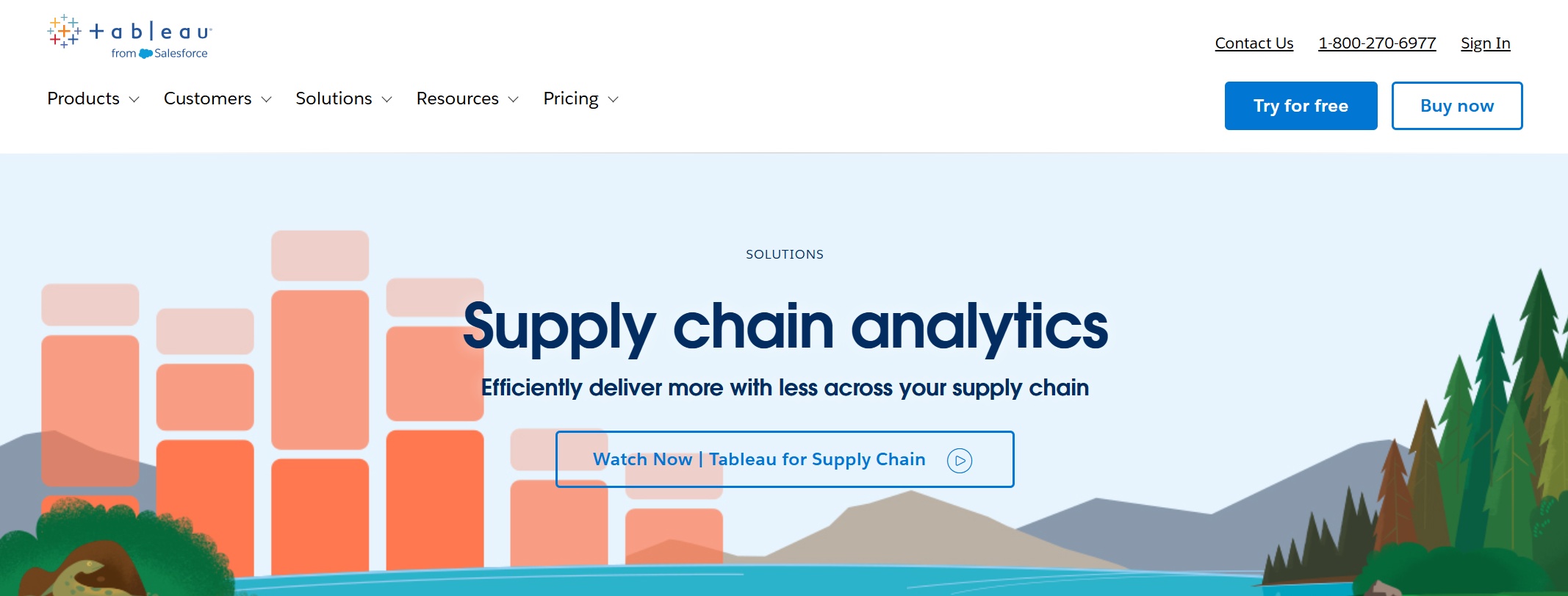
Tableau is known for its easy-to-use dashboards and advanced analytics. You can connect data from all your systems and get a real-time view of your supply chain. The dashboards help you spot issues, get recommendations, and share insights across your network.
- Integrates data for a single source of truth.
- Lets you identify and fix problems quickly.
- Adapts forecasts to manage demand and reduce errors.
- Shares real-time insights to boost collaboration and cut inefficiencies.
Tableau is a great choice if you want flexible dashboards and strong analytics for supply chain management.
10.Qlik Sense
Website: https://www.qlik.com/us/products/qlik-sense
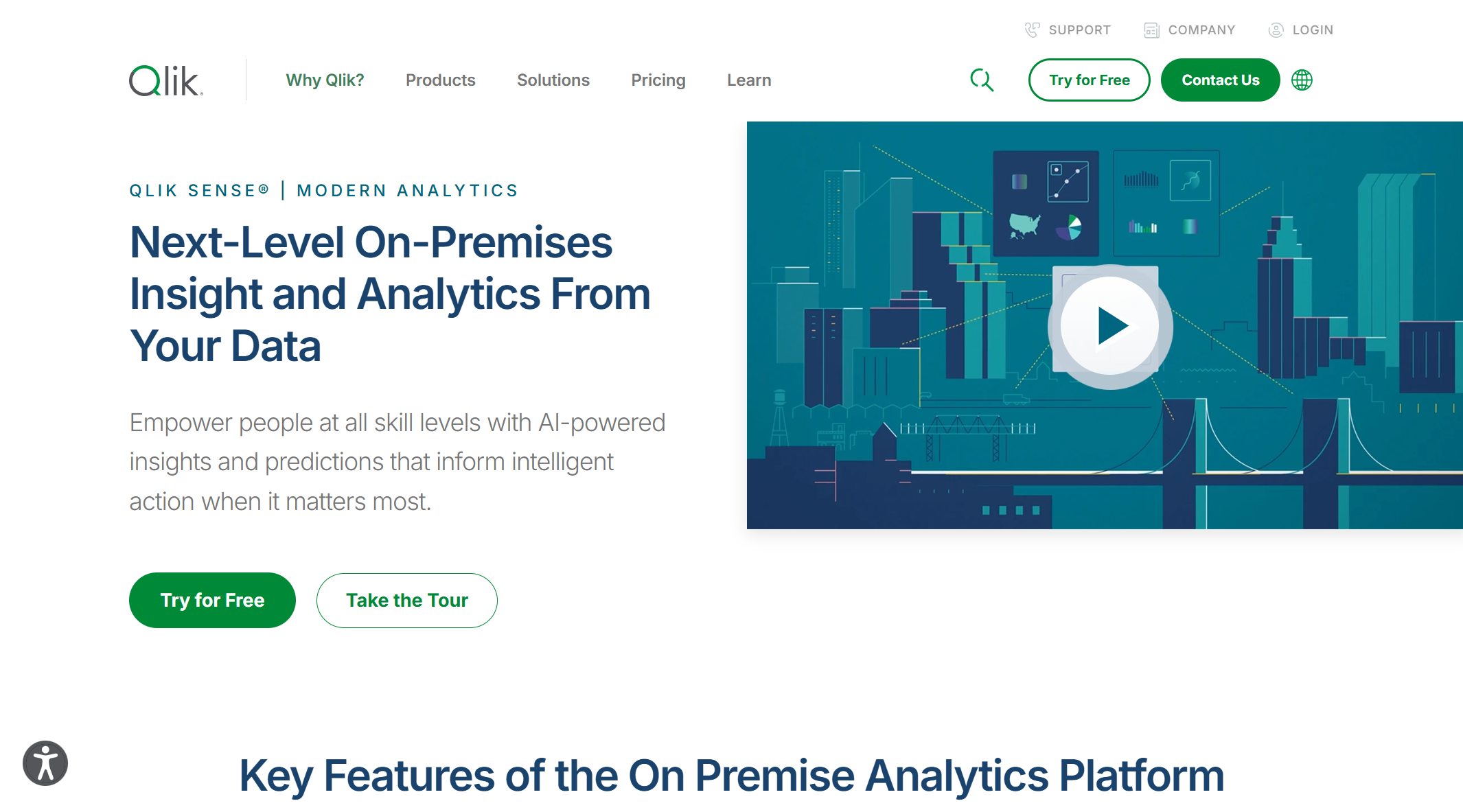
Qlik Sense offers powerful dashboards for supply chain management. You can connect and explore data from multiple systems without fixed steps. The dashboards are mobile-first, so your team can access them anywhere.
| Feature | Description |
|---|---|
| Associative Engine | Lets you connect and explore data flexibly for deeper insights. |
| Augmented Analytics | Finds hidden patterns, like trends in delivery timing. |
| Scalable Architecture | Handles large data volumes without slowing down. |
| Mobile-First Dashboards | Gives field teams and drivers access to personalized dashboards on their devices. |
Qlik Sense is perfect for companies that want flexible, scalable dashboards and mobile access for their teams.
You have many options when it comes to supply chain dashboard software. Each tool offers unique dashboards, real-time analytics, and integration features. Think about your business needs, the size of your team, and how much you want to customize your dashboards. The right supply chain management software will help you boost supply chain visibility, make better decisions, and stay ahead in a fast-changing world.
Comparing Supply Chain Analytics Tools
Choosing the right supply chain analytics tools can feel tricky. You want to see how each option stacks up before you decide. Let’s break it down with a simple table. You’ll find the most important features, strengths, and best-fit scenarios for each tool. This way, you can pick the supply chain management software that matches your needs.
| Tool | Key Features | Strengths | Best Fit For |
|---|---|---|---|
| FineReport | Real-time dashboards, mobile access, data integration, AI-driven insights | Fast setup, flexible tracking, strong supply chain visibility | Manufacturers, retailers, logistics teams |
| SAP IBP | Predictive demand forecasting, scenario planning, cloud integration | Advanced analytics, global reach | Large enterprises, complex supply chain management systems |
| Oracle SCM Cloud | Real-time tracking, inventory optimization, AI dashboards | Customizable, scalable, cloud-based | Growing businesses, multi-site operations |
| Kinaxis RapidResponse | Real-time logistics, scenario simulations, supply chain management | Speed, collaboration, instant tracking | Teams needing quick decisions and data-driven planning |
| Microsoft Dynamics 365 | Integration with ERP, real-time logistics, mobile dashboards | Easy to use, strong tracking | Companies with existing Microsoft tools |
| Blue Yonder | AI-driven insights, real-time logistics, predictive analytics | Machine learning, partner network | Businesses focused on automation and forecasting |
| Coupa Supply Chain | Spend management, supplier tracking, contract optimization | Cost control, supplier insights | Procurement teams, cost-focused organizations |
| Anaplan | Scenario planning, collaborative dashboards, cloud platform | Flexible, team-friendly | Teams needing custom planning and tracking |
| Tableau | Data visualization, real-time dashboards, easy sharing | User-friendly, strong analytics | Companies wanting visual insights and fast reporting |
| Qlik Sense | Mobile-first dashboards, associative engine, real-time tracking | Flexible, scalable, mobile access | Field teams, mobile users, fast-moving operations |
When you compare supply chain analytics tools, look for features like predictive demand forecasting, real-time data visibility, inventory optimization algorithms, and scenario planning. You want dashboards that deliver instant insights and help you make smart choices.
FineReport stands out for its seamless data integration. You can connect data from multiple sources and see everything in one dashboard. Real-time visualization lets you track shipments, inventory, and supplier performance as it happens. Mobile access means you can check your supply chain from anywhere, keeping you in control even when you’re on the move.
Tip: If you want supply chain analytics tools that grow with your business, choose one with cloud support and strong real-time logistics features. You’ll get better tracking and faster decisions.
You’ll find that supply chain analytics tools help you boost supply chain visibility, improve tracking, and make data-driven decisions. Pick the tool that fits your team and watch your supply chain management get easier.
How to Choose the Right Supply Chain Management Software
Assessing Business Needs
Start by looking at what your business really needs from supply chain management software. Every company is different, so your dashboard should fit your unique goals. Make a list of the most important attributes for your supply chain dashboard. Here’s a simple way to get started:
- List the key things you want to track:
- Inventory levels
- Supplier performance
- Order and shipment tracking
- Lead times and delays
- Demand forecasting
- Risk assessments
- Make sure your dashboard acts as a single source of truth. Look for features like:
- User authentication and access control
- Real-time data visualization
- Integration with ERP or procurement systems
- Reporting and analytics tools
Think about your industry, company size, and digital transformation goals. If you work in manufacturing, you might need more advanced tracking for inventory and suppliers. Retailers may focus on real-time tracking and demand forecasting. The right supply chain management systems will help you boost supply chain visibility and make smarter, data-driven decisions.
Integration and Growth
You want your software to work well with the tools you already use. Seamless integration with ERP, CRM, and logistics management systems keeps your data flowing smoothly. Most supply chain professionals agree that integrated systems are key to success. When your software connects everything, you can automate workflows—like triggering reorders when inventory runs low. This cuts down on manual errors and speeds up your processes.
Choose a solution that grows with you. A scalable platform lets you add new features and users as your business expands. Cloud-based options make updates and upgrades easy, so you stay ready for new challenges. Picking innovative, high-quality software helps you avoid falling behind as technology changes.
Budget and ROI
You want to get the most value for your investment. Supply chain dashboard software can deliver big returns if you choose wisely. Here’s what you can expect:
| ROI Component | Description | Example |
|---|---|---|
| Cost Savings | Cuts inventory, transportation, and production costs. | A manufacturer saved millions by reducing inventory by 20%. |
| Revenue Growth | Improves forecasting and product availability for more sales. | A retailer boosted sales by 15% by reducing stockouts. |
| Enhanced Efficiency | Automates and optimizes supply chain processes. | A logistics provider cut order cycle times by 30%. |
| Risk Mitigation | Uses predictive analytics to spot risks early. | A company avoided $500,000 in losses by finding supplier risks. |
| Long-Term Value | Builds trust and better decisions over time. | Reliable operations strengthen customer relationships. |
Look for software that offers clear insights and real-time tracking. This helps you see results quickly and supports long-term growth. When you match your needs, integration, and budget, you set your business up for success.
Supply chain dashboard software gives you end-to-end visibility and helps you make smarter decisions in supply chain management. FineReport stands out with real-time data, flexible dashboards, and cloud support. You get data-driven insights that boost supply chain visibility and keep your team ahead. Try a demo to see how supply chain management systems fit your needs. Keep optimizing by using real-time and historical data:
- Respond to alerts for in-transit shipments.
- Spot trends and improve quality control over time.
Stay focused on growth and keep your supply chain management strong.
Continue Reading About dashboard
What is a Supply Chain Control Tower Dashboard
Why Consistent Reporting Is Essential for Business
7 Must-See Supply Chain Dashboard Designs for Modern Businesses
Frequently asked questions
A supply chain dashboard gives you a real-time view of your supply chain. You can track shipments, inventory, and supplier performance all in one place. It helps you spot problems and make quick decisions.