

You don’t need to be a math whiz to solve statistics problems fast. Maybe you’ve stared at a confusing dataset, wondering where to begin. With statistics ai tools, you can get answers quickly—no coding or advanced math required. You simply ask your question and let the tool handle the rest. Take a look at how much faster you can get results:
| Method | Speed of Problem-Solving |
|---|---|
| Traditional | Manual coding, reviews, and testing—problems found later. |
| AI-Driven | Predictive analytics and automation—solutions found early. |
You get speed, simplicity, and accessibility. Anyone can do it.
What Is Statistics AI?

Statistics AI Made Simple How Anyone Can Solve Problems Fast means you can tackle data questions without feeling lost or overwhelmed. You don’t need to memorize formulas or spend hours crunching numbers. With statistics ai, you just describe your problem, and the tool guides you to a solution in minutes. This approach makes statistics accessible to everyone, whether you’re a student, a business analyst, or just curious about your data.
How Statistics AI Tools Work
Statistics ai tools use smart algorithms and models to process your questions and data. You might see terms like linear regression, decision trees, or deep neural networks. These are methods that help the tool find patterns and answers in your data. Most tools rely on popular frameworks such as TensorFlow, Scikit-learn, or XGBoost. You don’t need to know how these work behind the scenes. You just ask your question, and the tool does the heavy lifting.
- Linear Regression
- Logistic Regression
- Decision Trees
- K-Nearest Neighbors
- Random Forests
- Deep Neural Networks
- Reinforcement Learning Algorithms
Key Benefits for Users
When you use statistics ai, you notice how much easier your workflow becomes. The tool fits right into your daily routine, boosting your productivity and making data analysis feel natural. You gain confidence in your work, save time on routine tasks, and handle complex problems with less stress.
- Increased competence in job performance
- Enhanced autonomy in work tasks
- Improved relationships with colleagues and customers
- Significant time savings in routine tasks
- Efficient management of complex tasks
- AI tools enhance your skills, not replace them.
- They help you draft first versions, so you can refine and improve.
- You get more creative, work faster, and produce better results.
FineChatBI and Other Leading Tools
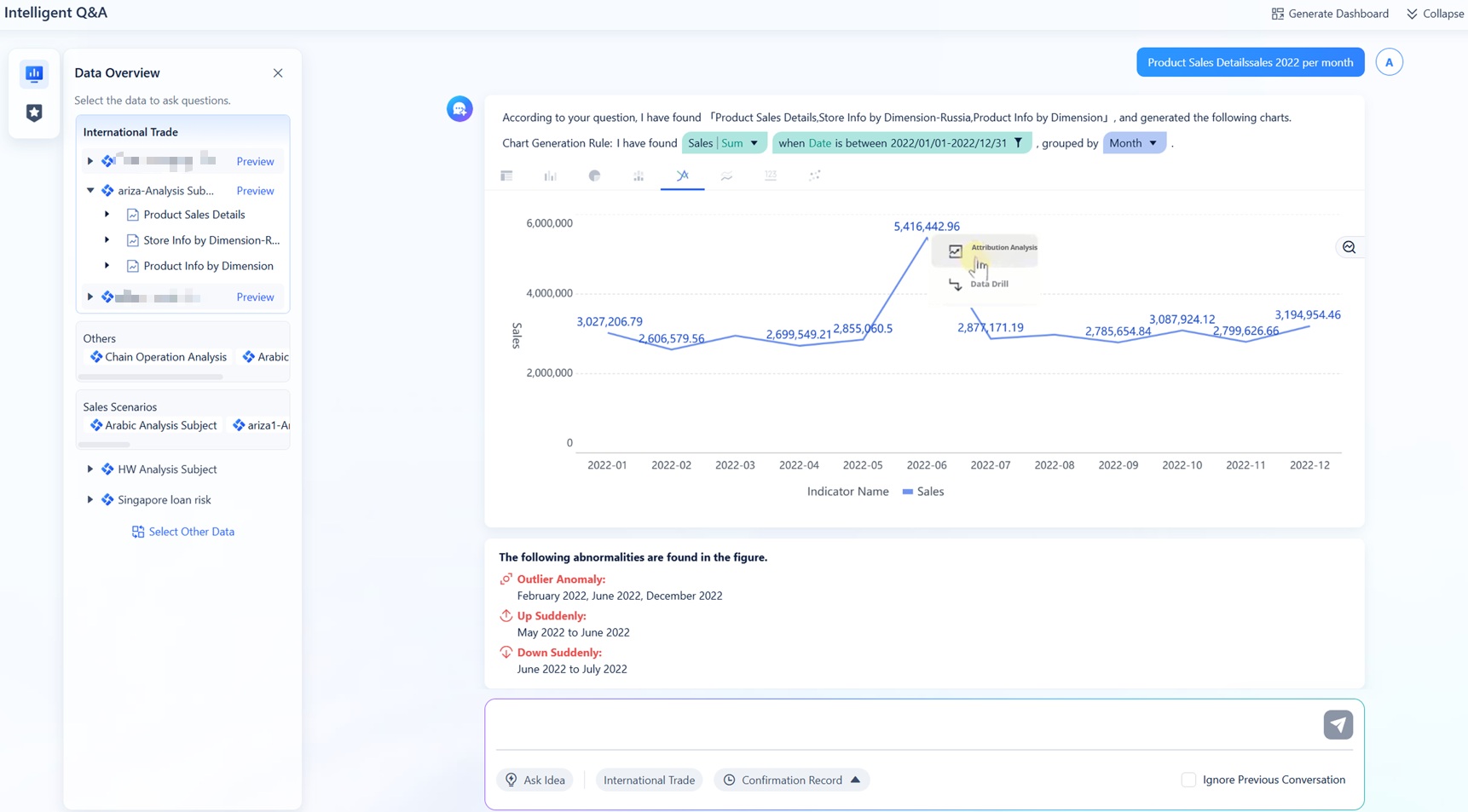
FineChatBI stands out among statistics ai tools. It lets you talk to your data and get real-time answers. You don’t need technical skills—just ask your question in plain language. FineChatBI uses Text2DSL technology, which means you can check how the system understands your query. This builds trust and gives you control over your analysis. Here’s how FineChatBI compares to other tools:
| Feature | FineChatBI | Other Tools |
|---|---|---|
| Real-time Analytics | Yes, you get answers by talking | Drag-and-drop interface |
| User Accessibility | Focuses on talking to your data | Easier for non-tech users |
| Advanced Analytics | Talking analytics with Text2DSL | Full analytics capabilities |
FineChatBI combines rule-based and large models, so you get both accuracy and depth. You can solve simple or complex problems quickly, making it a top choice for anyone who wants reliable statistics ai.
Using Statistics AI Tools
Choosing the Right Tool (FineChatBI, ChatGPT, Wolfram Alpha)
You have a lot of options when it comes to picking a statistics ai tool. Each one has its strengths. FineChatBI, ChatGPT, and Wolfram Alpha are some of the most popular choices. You want to choose the tool that fits your needs and comfort level.
Here’s a simple checklist to help you decide:
- Use generative language models like ChatGPT or FineChatBI to speed up routine tasks and save time.
- Always give enough context when you ask your question. The more details you provide, the better the answer.
- Double-check the results. AI tools can make mistakes, so compare the answer with your own understanding or another trusted source.
- Look at the results in both the AI’s response and any data analysis mode the tool offers.
- If you spot an error, tell the tool. Many AI tools can learn from your feedback and improve their answers.
- Remember, AI tools can sometimes give different answers if you ask the same question in a new chat. Try running your problem more than once to see if the results stay the same.
- Be aware that the programming language used by the tool can affect the results.
- AI tools get better over time. Stay updated on new features and best practices.
Wolfram Alpha works differently from chatbots. It uses mathematical rules and algorithms to compute results, not just generate text. This makes it a reliable choice for students who want clear, step-by-step solutions.
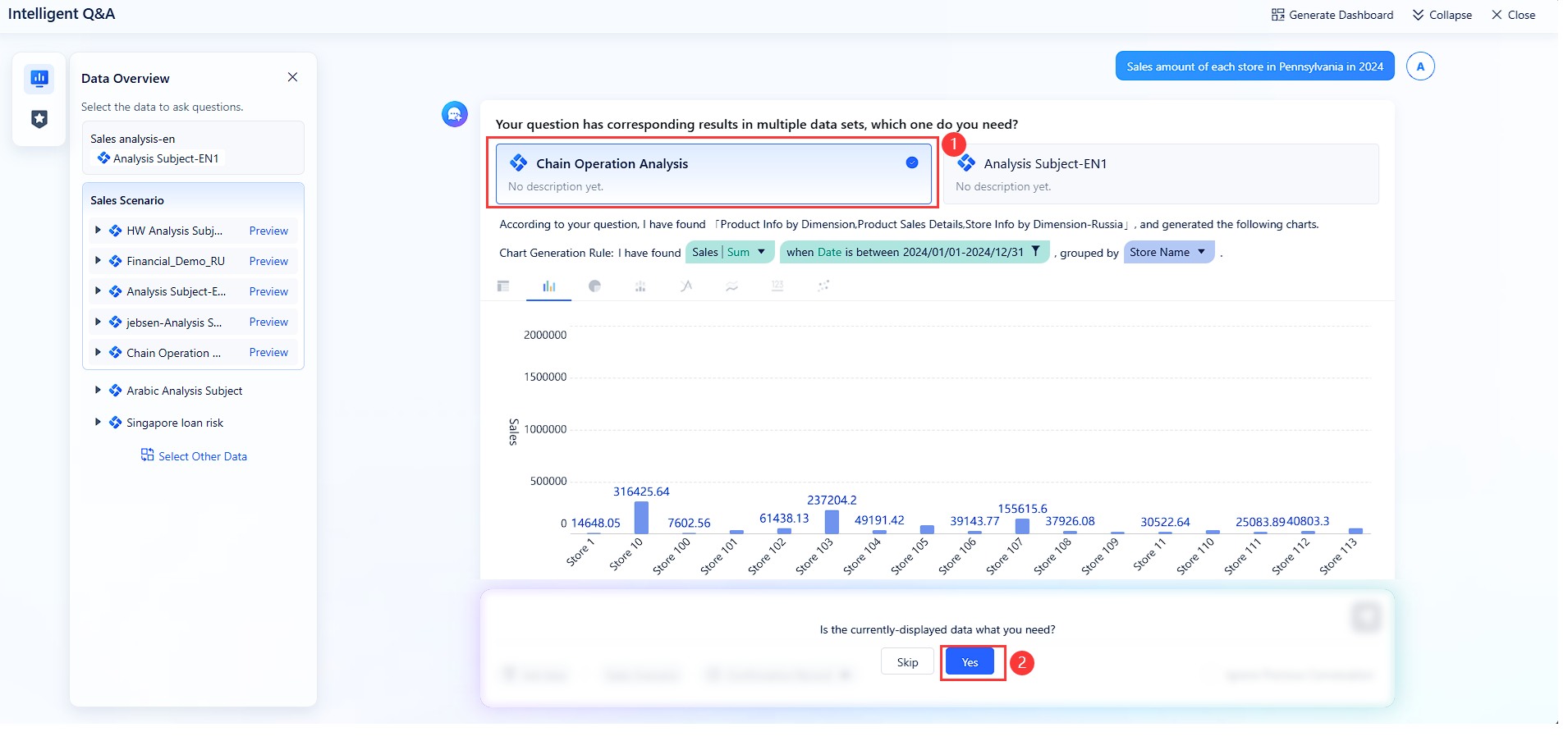
FineChatBI stands out if you want a conversational experience. It uses Text2DSL technology, which means you can see exactly how the tool understands your question. This gives you more control and helps you trust the results. If you prefer a tool that explains its reasoning and lets you verify every step, FineChatBI is a strong option.
Inputting Your Problem Clearly
Getting the right answer starts with asking the right question. When you use statistics ai tools, clear input is key. If your question is vague or missing details, the tool might misunderstand you.
Here are some common mistakes people make when entering their problems:
- Misinterpretation of intent. The AI might not get what you really want if your question is unclear.
- Entity recognition errors. The tool could mix up important parts of your question, like numbers or variables.
- Context handling failures. If your problem has multiple steps, the AI might lose track of what you’re asking.
- AI hallucination. Sometimes, the tool gives answers that sound right but are actually wrong.
You can avoid these issues by following a few tips:
- Be specific. Instead of saying “Find the average,” say “What is the mean of these numbers: 10, 15, 20, 25?”
- Include all relevant data. List out your numbers, categories, or any other details the tool needs.
- Break down complex problems. If you have a multi-step question, ask one part at a time.
- Review the tool’s interpretation. FineChatBI’s Text2DSL feature lets you check how it understood your question before it runs the analysis.
If you take a moment to phrase your question clearly, you’ll get better, more accurate answers from your statistics ai tool.
Understanding AI Solutions
Once you get a solution from your statistics ai tool, you need to know how to read and use it. AI tools do more than just spit out numbers. They automate data processing, boost precision, and help you spot patterns you might miss on your own. This makes your analysis faster and more reliable.
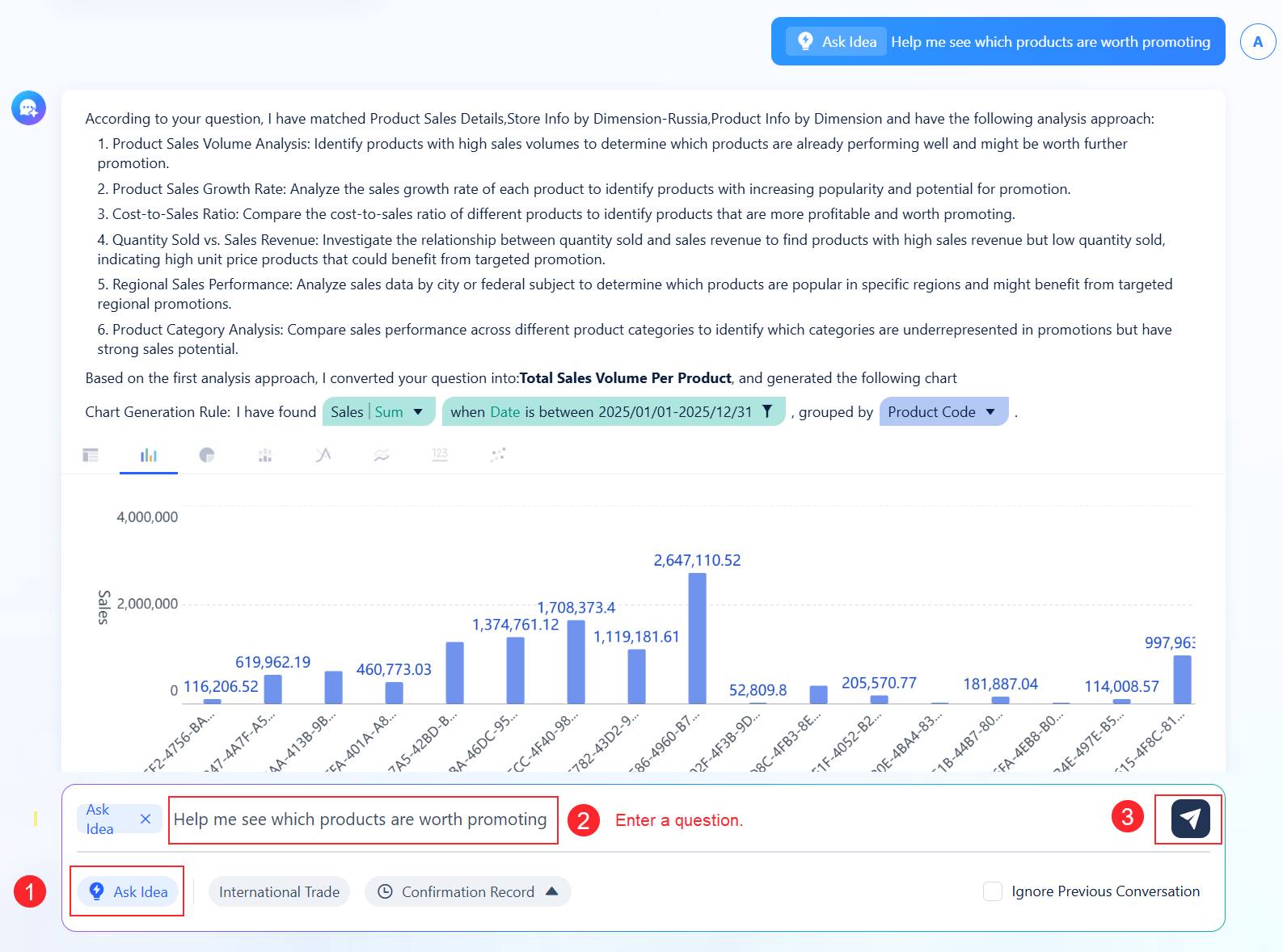
You’ll often see step-by-step explanations, charts, or even downloadable reports. FineChatBI, for example, guides you through the entire analysis process. You can see how it moves from describing your data to making recommendations. This helps you learn as you go.
But not all tools are equally accurate. Take a look at how different AI tools perform:
| AI Tool | Accuracy Rate | Notes |
|---|---|---|
| Claude Max | 60% | Provided detailed solutions and could generate downloadable documents. |
| R2 Copilot | 60% | Sometimes provided methods instead of actual solutions; inconsistent for complex cases. |
| Quadratic | 60% | Generated code and visuals automatically, but slower in response time. |
| Tryshortcut | 40% | Offered detailed explanations and supplementary analysis, but slower data analysis. |
| Formula Bot | 40% | Misunderstood questions, but provided detailed step-by-step explanations. |
| GPTExcel | 40% | Often misunderstood questions; multi-language support was effective. |
| Paradigm | 40% | Reliability issues; inconsistent responses and little explanation. |
| AJELIX | 20% | Errors due to wrong calculations; limited explanations unless requested. |
| AI sheet | 20% | Experimental performance; limited practical use. |
| ExcelAIBot | 0% | Did not correctly answer any questions; clear but not detailed explanations. |
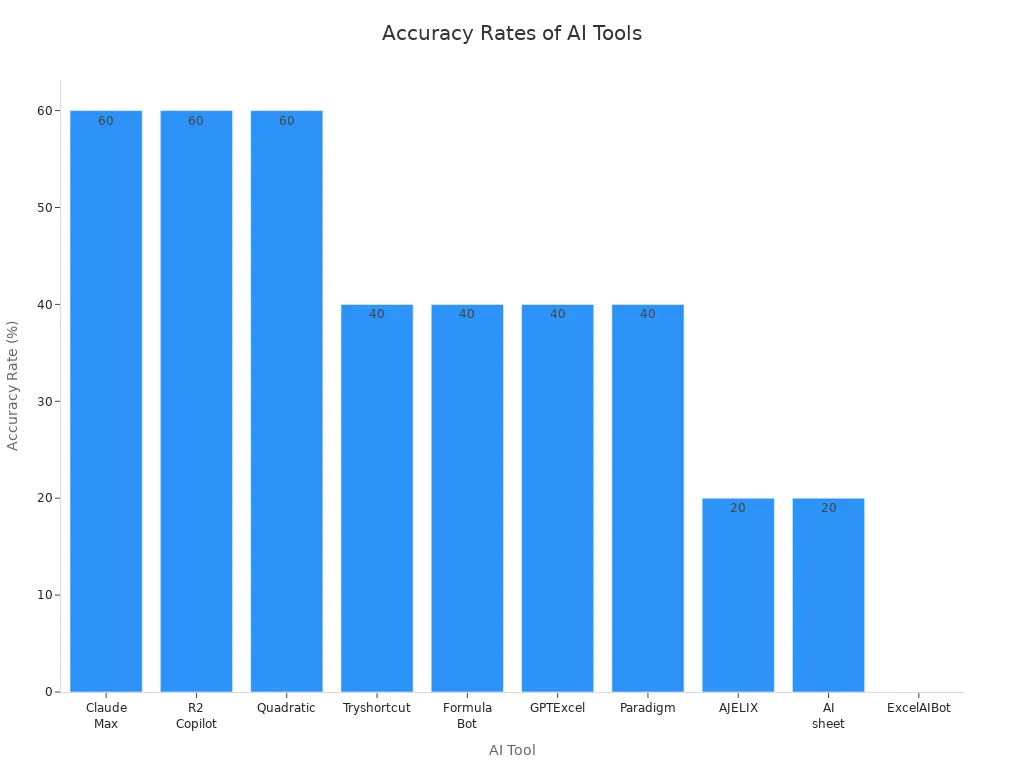
You can see that not every tool gets it right every time. That’s why it’s smart to double-check the answers, especially for important decisions. If something doesn’t look right, try rephrasing your question or using another tool for comparison.
Training and tutorials also make a big difference. In fact, 84% of organizations say training is a major challenge when adopting new technology. Most workers are willing to learn new AI skills, and AI-powered training can boost learning efficiency by 57%. So, don’t skip the tutorials or help guides. They can help you get the most out of your statistics ai tool and avoid common mistakes.
When you use these tools thoughtfully, you can solve problems faster and with more confidence. You don’t need to be an expert—just curious and willing to learn.
Statistics AI in Action

Solving Basic Problems (Mean, Median, Mode)
You can use statistics ai tools to solve everyday problems in just a few clicks. Let’s look at how these tools help in different fields:
| Field | Mean Calculation Example | Median Calculation Example | Mode Calculation Example |
|---|---|---|---|
| Healthcare | Calculate the mean age of insured individuals. | Find the median amount spent on healthcare. | Identify the most common age of customers. |
| Real Estate | Find the mean price of houses in an area. | Determine the median home price. | Spot the most common number of bedrooms. |
| Human Resources | Calculate the mean salary for a job field. | Find the median salary for typical pay. | Identify the most common job positions. |
| Marketing | Find the mean revenue per advertisement. | Assess the median revenue for ad performance. | Discover the most common types of ads used. |
You just enter your data, ask your question, and the tool does the rest. No need to remember formulas or do manual calculations.
Advanced Analysis (Regression, Hypothesis Testing)
When you need deeper insights, statistics ai tools step up. Here’s what you can do:
- Run continuous tests as new data arrives, so your analysis stays current.
- Get suggestions for new hypotheses based on trends in your data.
- Let the tool pick and optimize the best regression models for you.
- Explore complex relationships between several variables at once.
- Make decisions faster with real-time analysis and clear results.
You can handle tasks that once took hours in just a few minutes.
Real-World Success with FineChatBI
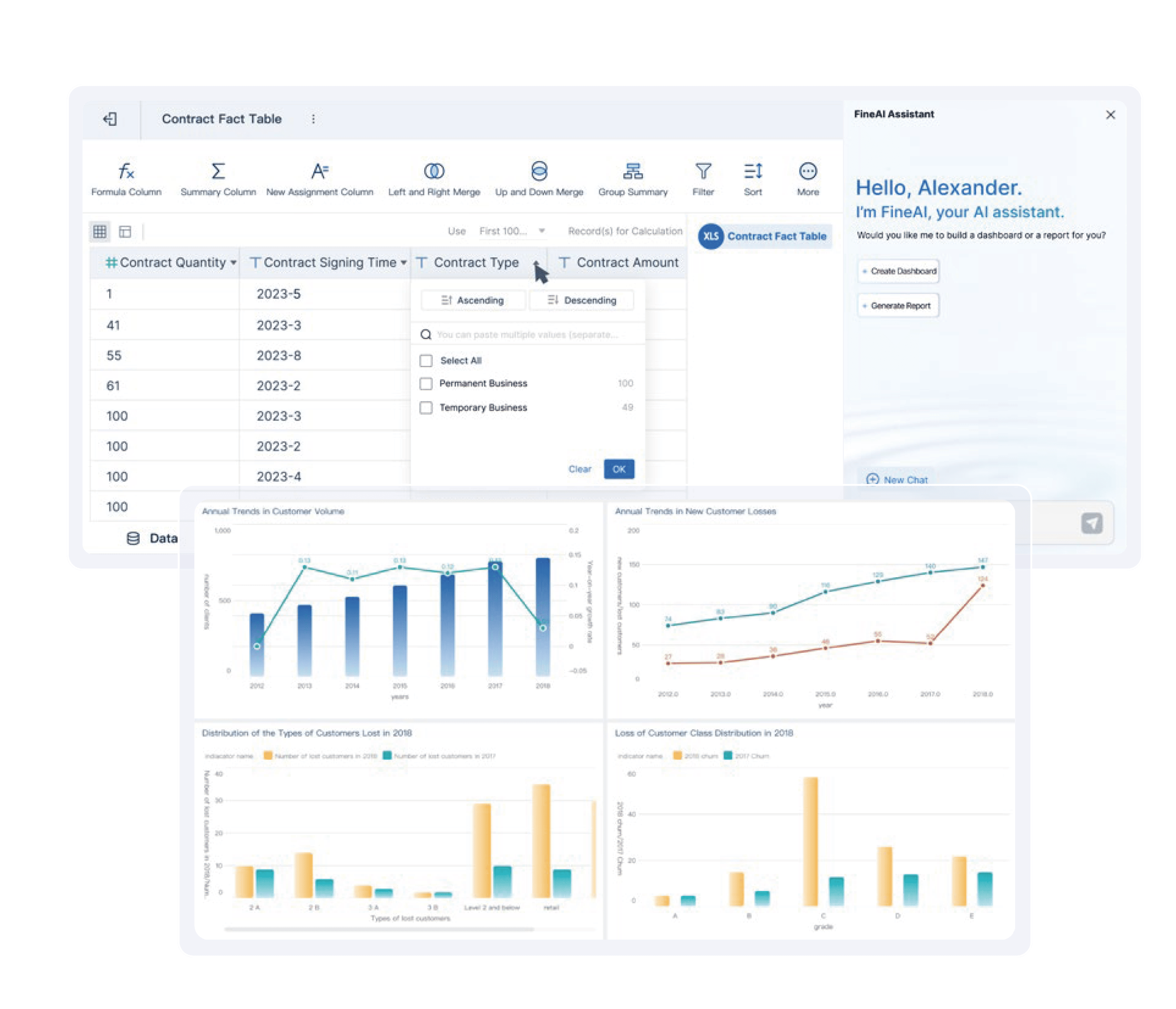
FineChatBI brings these capabilities to life in business settings. For example, BOE Technology Group used FineChatBI to unify data from different departments, standardize metrics, and create dashboards for real-time monitoring. This led to a 5% drop in inventory costs and a 50% boost in operational efficiency. You can see how a conversational tool like FineChatBI helps you move from raw data to actionable insights, making your work easier and your decisions smarter.
Tips and Limitations of Statistics AI
Common Mistakes to Avoid
When you use Statistics AI Made Simple How Anyone Can Solve Problems Fast, you want to get the best results. Many users run into similar issues. Here are some mistakes you should watch out for:
- Noise Errors: Sometimes, the AI adds information that doesn’t fit your question. This can make you doubt the results.
- Miss Errors: The AI might skip important details, which leads to incomplete answers.
- Hallucinations: You may see answers that look correct but are actually made up.
- Bias in AI Outputs: AI can reflect biases from its training data, which may cause unfair results.
You can avoid these problems by setting clear goals, keeping your questions specific, and checking the AI’s reasoning. Make sure your project aligns with your business needs and use explainable models when possible.
Double-Checking AI Results
Statistics AI Made Simple How Anyone Can Solve Problems Fast gives you quick answers, but you should always verify them. Here are some ways to double-check your results:
- Cross-check with trusted sources like academic databases or government websites.
- Look for citations and sources in the AI’s output.
- Spot inconsistencies or contradictions in the information.
- Verify that the data is current and relevant.
- Test the AI’s solution with your own calculations or another tool.
Tip: If you work on a big project, set measurable accuracy rates and test the AI’s model extensively. Regular updates and independent testing help you catch errors early.
When to Seek Expert Help
Statistics AI Made Simple How Anyone Can Solve Problems Fast works well for most tasks, but sometimes you need a human touch. Consider reaching out to an expert in these situations:
| Scenario | Why You Need an Expert |
|---|---|
| Contextual Understanding | Humans see the bigger picture and interpret data in context. |
| Adaptability | Experts adjust quickly to new requirements or unexpected changes. |
| Critical Thinking | Creative problem-solving needs human judgment. |
| Ethical Judgment | Legal and ethical issues require human oversight. |
| Complex Data Interpretation | Experts handle unclear or ambiguous data better than AI. |
| Business Strategy Alignment | Humans connect insights to your company’s goals. |
AI tools have limits. They may not fully understand your intent, search as widely as a person, or keep up with the latest trends. When your analysis gets complicated or involves sensitive decisions, a human expert can help you make the right call.
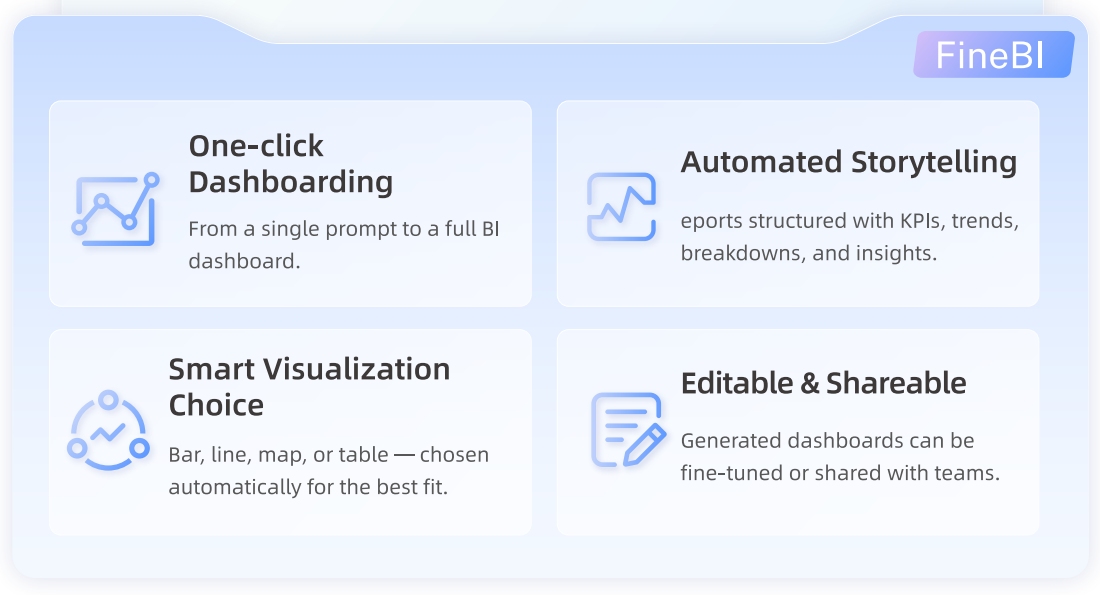
Ready to tackle your next statistics challenge? Statistics AI Made Simple How Anyone Can Solve Problems Fast gives you the power to solve problems quickly, even if you’re not an expert. You just ask your question and let tools like FineChatBI do the heavy lifting. You get clear answers, save time, and make smarter decisions.
Try FineChatBI today and see how easy data analysis can be. Take the first step and experience the benefits for yourself.
Continue Reading About Statistics AI
Understanding Perplexity AI Data Privacy and Practices
How Will Data Science Be Replaced by AI Shape the Future
What Data Readiness for AI Means and Why It Matters
What is AI Data Cleaning and How Does it Work
Frequently asked questions
You just pick a tool like FineChatBI, enter your question, and follow the prompts. You don’t need coding skills. The tool guides you step by step, making data analysis simple and quick.