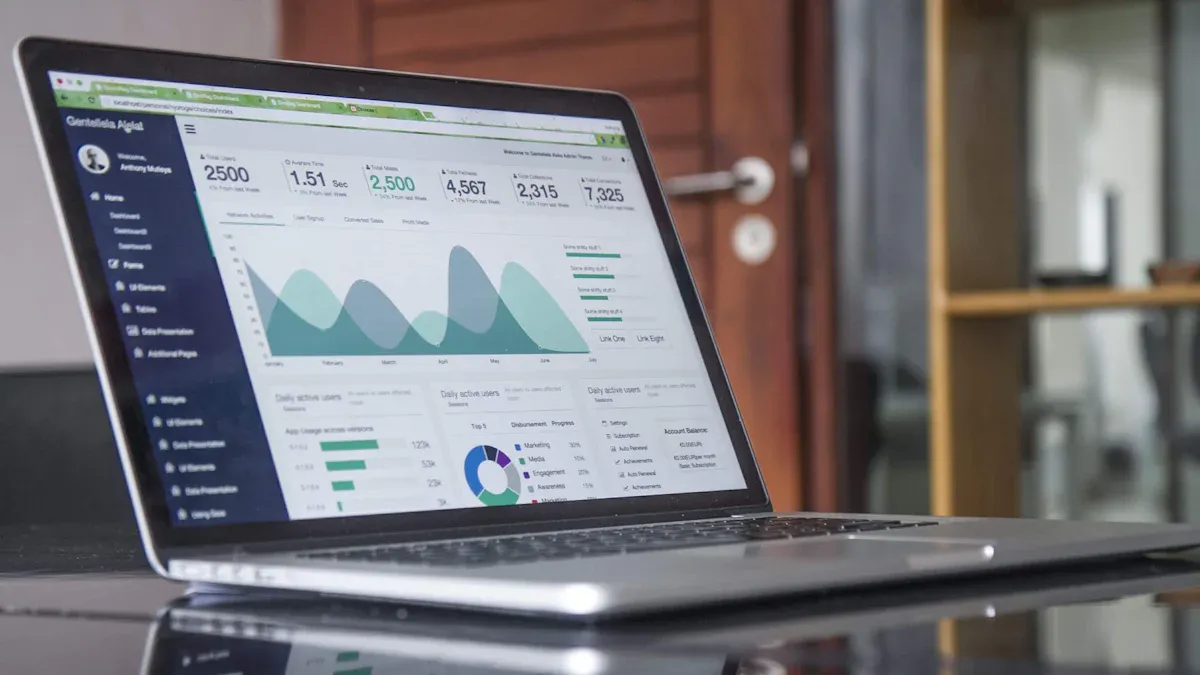
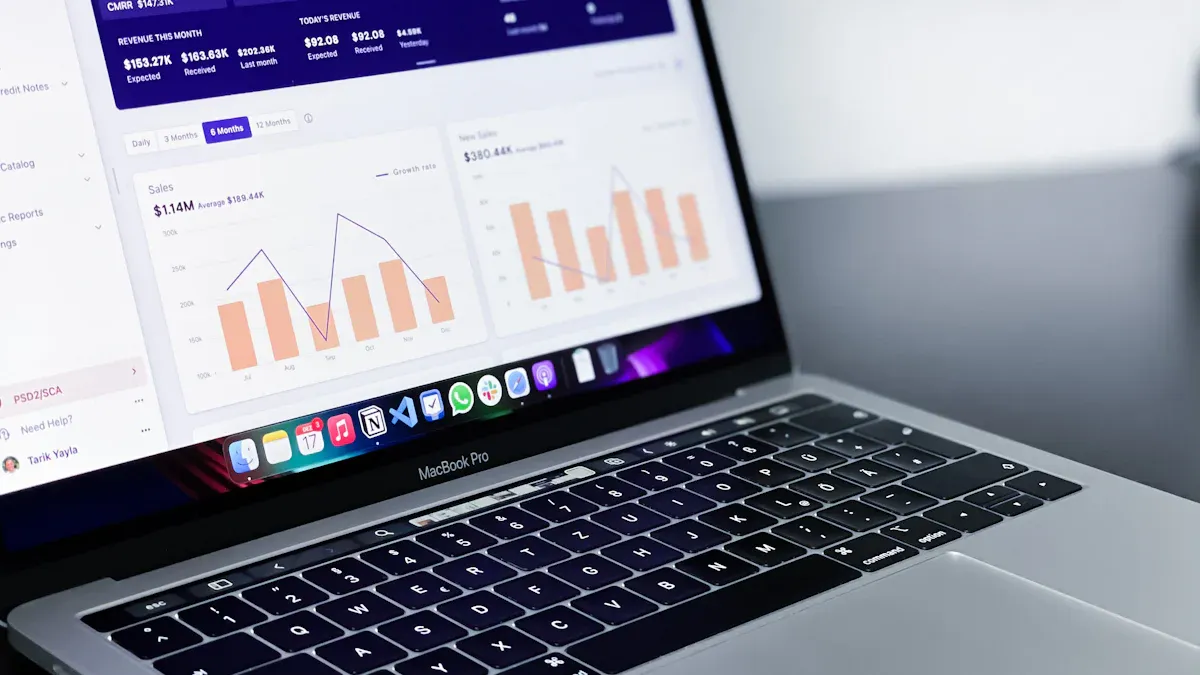
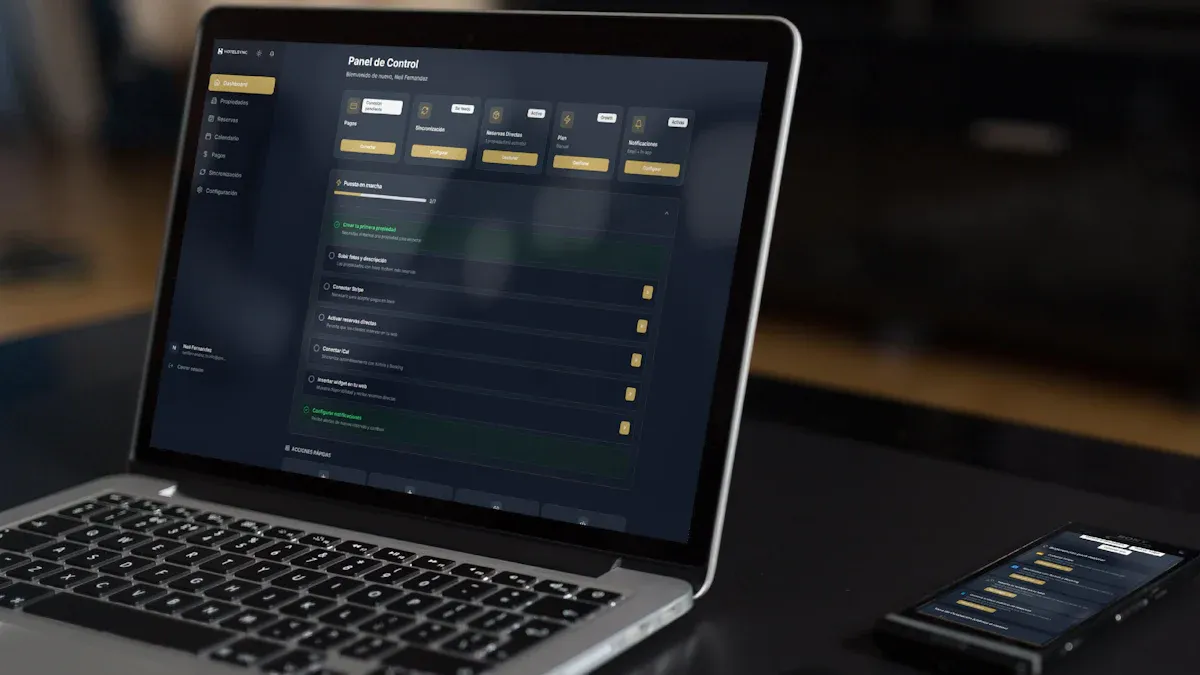
What is an SLA dashboard? An SLA dashboard is a digital tool that helps you track and visualize your service level agreement metrics in real time. You use this dashboard to make sure your team meets clear expectations for service delivery and performance.
You rely on a service level agreement to set standards for response times, issue resolution, and service quality. Monitoring these metrics helps you identify performance gaps, respond quickly to customer needs, and maintain trust. Customers who receive timely service often feel more satisfied, which can lead to repeat business and positive feedback.
SLA Dashboard Basics
What Is an SLA Dashboard
You use anSLA dashboardto monitor and manage your service level agreement commitments. This dashboard acts as a central hub for tracking the most important aspects of your service delivery. You see real-time updates on how your team performs against agreed standards. You gain instant visibility into areas that need attention.
An SLA dashboard typically includes several core components. You can view these elements in a structured table:
Component
Scope Of Service
What It Covers
Service Scope
Defines the services included, availability hours, and exclusions
Lists helpdesk support, on-site visits, and maintenance for specific systems
Shows uptime, response times, and resolution targets
Reporting Obligations
Specifies reporting frequency and delivery method
Displays monthly compliance, resolution time, escalation rates, CSAT scores
Escalation Procedures
Details steps for unresolved issues
Flags overdue tickets for priority handling
Remedies Or Penalties
Defines compensation or corrective actions
Issues service credits or additional support hours for missed targets
Review & Revision Schedule
Sets review frequency and process
Schedules semi-annual reviews to adjust targets or scope
You interact with this dashboard to check if your team meets the standards set in your service level agreement. You can quickly identify gaps and take action before small issues become major problems.
Purpose of Service Level Agreement Tracking
You track service level agreements using a dashboard to improve visibility and accountability. This dashboard helps you see performance metrics at a glance. You can spot trends and patterns that affect your service delivery.
You use the dashboard to:
Proactively monitor service performance and identify potential breaches before they happen.
Optimize workflows and prioritize service requests to minimize downtime.
Detect SLA breaches in real time and take immediate corrective action.
You rely on the dashboard to centralize data and visualize compliance. This approach enables you to assess how well your team meets expectations. You can hold support teams accountable and encourage continuous improvement.
Tip: When you use an SLA dashboard, you empower your team to respond faster and more effectively to customer needs. You reduce the risk of service downtime and build trust with your clients.
You benefit from tracking service level agreements because you gain control over your operations. You can measure success using clear performance metrics. You make informed decisions that support your business goals.
You rely on anSLA dashboardto maintain high service quality across your organization. This dashboard gives you instant access to performance metrics that show how well your team meets expectations. You see which tasks finish on time and which ones fall behind. You can compare tasks completed just before the deadline with those finished ahead of schedule. This comparison helps you understand the true quality of your service delivery.
Here is a table that shows how an SLA dashboard tracks service quality:
Metric
Description
SLA Success Rate
Percentage of tasks completed on time versus those that failed.
Met vs Exceeded
Comparison of tasks completed just on time versus those completed early.
Breach Registry
Focused report on SLA breaches for retrospective analysis.
You use these metrics to identify patterns and trends. When you see a drop in the SLA success rate, you can investigate the root causes. The breach registry helps you analyze failures and prevent them from happening again. You improve service quality by acting on real-time data and making informed decisions.
SLA dashboards provide real-time visibility into keyperformance metrics. You can manage support operations proactively. You spot potential issues before they become breaches. You take corrective actions quickly. By consolidating data and integrating alert systems, you prioritize workloads and make decisions faster. This approach keeps your service quality high and reduces downtime.
Accountability and Performance
You use an SLA dashboard to promote accountability within your team. The dashboard displays clear metrics that show how each member performs against defined service level agreements. You see real-time updates, which foster transparency and encourage everyone to take responsibility for their work.
You monitor team performance using defined metrics.
You facilitate communication and transparency by sharing real-time results.
You manage expectations and reduce conflicts with regular reporting.
You quantify service level performance with concrete data. This information helps you make business decisions. You identify training needs and adjust workflows based on performance metrics. You create a culture that values performance and seeks continuous improvement.
You establish accountability and performance standards by tracking service level agreements.
You integrate the dashboard with workforce management systems to optimize operations.
You transform SLA data into actionable intelligence for informed decision-making.
Strong SLAs depend on data workflows designed for consistency and visibility. When data flows clearly from source to dashboard, you support shared understanding across teams. This clarity prevents confusion and promotes accountability during SLA reviews.
Customer Satisfaction
You improve customer satisfaction by using an SLA dashboard to monitor service delivery. The dashboard gives you real-time insights into service level metrics. You respond to customer complaints more effectively because you see issues as they arise. You intervene quickly and resolve problems before they escalate.
SLA dashboards help you deliver better customer support. You track performance metrics and ensure your team meets expectations. You build trust with customers by providing reliable and timely service. When you address complaints promptly, you increase customer loyalty and encourage positive feedback.
Note: You gain control over your operations and enhance customer satisfaction by using an SLA dashboard. You make informed decisions that support your business goals and maintain high service quality.
When you set up an sla dashboard, you need to decide whichperformance metricsmatter most for your business. You start by aligning key indicators with your company’s goals. You involve IT service management teams to make sure the metrics match your operational needs. The technology and workflows you use for customer interactions also shape your choices.
Here are some common metrics you might track on your dashboard:
Response time for support tickets
Resolution time for incidents
Uptime percentage
Customer satisfaction scores
Number of SLA breaches
You use these metrics to measure how well your team meets service level agreement commitments. You can spot trends and make changes that improve your results.
FineReport’s Dashboard Capabilities
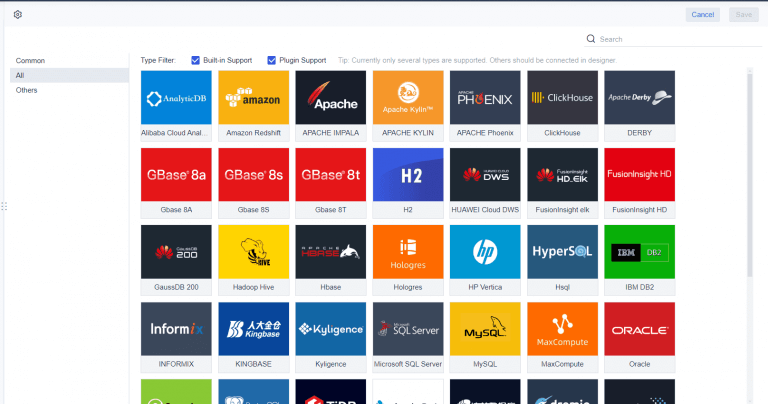
FineReportgives you powerful tools to build and manage your sla dashboard. You can connect FineReport to your existing ERP, CRM, or data warehouse systems. Thisseamless integration helps you avoid data silos and ensures you always have real-time data for sla monitoring.
Integration Feature
Importance
Seamless Integration
Connects with ERP, CRM, and data warehouses for unified reporting.
APIs and Pre-built Connectors
Provides real-time data access for your dashboard.
Quality Assurance Practices
Maintains stability and reliability in your reporting processes.
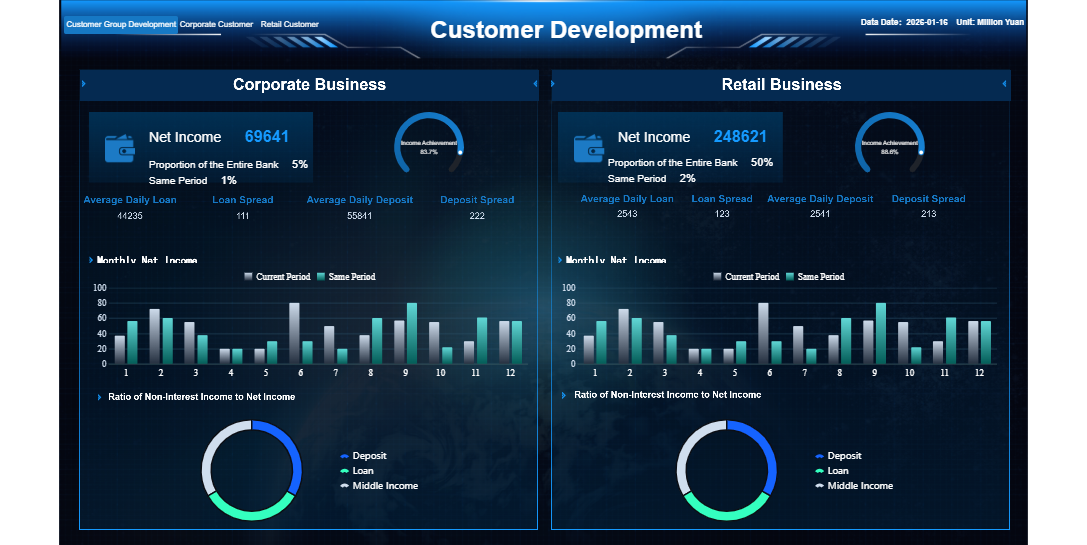
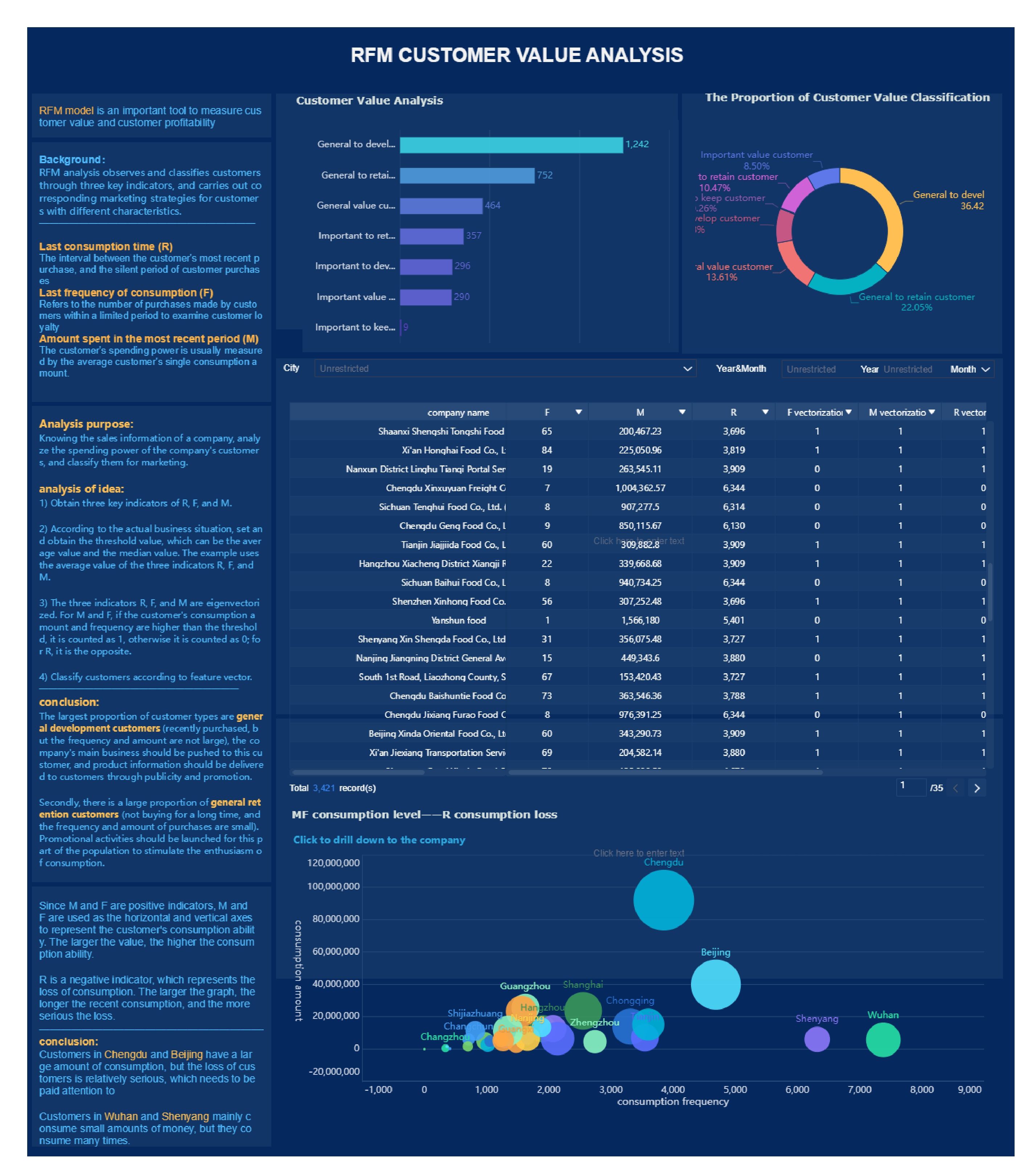
You use FineReport’s drag-and-drop interface to design dashboards that show all your key performance metrics. You can set up real-time alerts for SLA breaches and automate reporting so your team stays informed. FineReport supports mobile dashboards, so you can check your metrics anywhere.
You see the value of an sla dashboard in industries like semiconductor manufacturing. Companies use dashboards to monitor production efficiency, equipment status, and quality control. For example, BOE Technology Group used FineReport to unify their data, standardize metrics, and create KPI dashboards. This led to faster decision-making and improved operational efficiency.
You can apply these features to your own business. With FineReport, you track SLAs, receive real-time alerts, and use reporting to drive continuous improvement. Your dashboard becomes a central tool for managing performance and supporting business growth.
You start by following a clear process to set up yourSLA dashboard. First, you list out the attributes that matter most for your service level agreement, such as compliance tracking and communication tools. Next, you focus on creating an intuitive interface that connects directly to your data. You make sure the dashboard is easy to use so your team can access information quickly.
Here are the recommended steps for setting up your dashboard:
Sign up for access to a dashboard platform that fits your needs.
List the attributes you want to track, including compliance and communication features.
Design a user-friendly interface that links to your data sources.
You avoid common challenges by planning ahead. You addressdata visibility gapsand prevent tool fragmentation by integrating all your systems. You also consider seasonal staffing issues and align agent skills with ticket complexity.
Challenge
Description
Data Visibility Gaps
Lack of insights into factors driving SLA performance.
Integration and Tool Fragmentation
Poor integration leads to delays and inefficiencies.
Skills Gap
Misalignment of agent skills with ticket complexity.
Expectation Management Crises
Customers may have unrealistic expectations about resolution timelines.
Interpreting Data and Taking Action
You interpret dashboard data by focusing on key metrics. You track response time to see how quickly your team acknowledges issues. You measure resolution time to evaluate problem-solving efficiency. You monitor customer satisfaction to understand how clients perceive your service.
Metric
Importance
Actionable Insight
Response Time
Shows how quickly issues are acknowledged.
Identify areas for faster responsiveness.
Resolution Time
Measures efficiency in solving problems.
Enhance training for quicker resolutions.
Customer Satisfaction
Reflects service quality perceptions.
Adjust services to improve satisfaction.
You use analytics tools to track these metrics. You conduct regular audits to ensure compliance. You visualize performance trends to uncover insights. You implement proactive strategies, such as monitoring metrics and adjusting training programs, to improve compliance and service delivery.
Continuous Improvement
You support continuous improvement by regularly reviewing your SLA goals. You adjust targets if you notice frequent breaches. You optimize workloads to prevent agent burnout and improve automation rules to enhance response times.
Adjust SLA goals when breaches occur often.
Optimize workloads to keep agents productive.
Improve automation to respond faster.
By maintaining communication through linked issues, you ensure transparency and accountability. You keep full control over SLA compliance.
You measure effectiveness by comparing KPIs and historical data against your SLA baselines. You use these benchmarks to review performance and drive ongoing improvements.
FineReport'sMultiple Built-in Charts For Visualization
You improve service delivery and business performance by using dashboards that provide real-time monitoring and clear communication. FineReporthelps you build dashboards tailored to your needs, supporting automation and transparency. Tracking metrics and following best practices lead to ongoing improvement and stronger customer relationships.
Benefit
Result
Real-time monitoring
Faster response to service issues
Automation and clear roles
Higher standards and accountability
Regular reviews and tracking
Continuous improvement and customer trust
You gain a reliable framework for measuring quality and managing expectations.
Access a wealth of case studies, industry insights, and solution guides to accelerate digital transformation.
FAQ
What is an SLA dashboard?
An SLA dashboard is a tool that lets you track service level agreement metrics in real time. You use it to monitor performance, spot issues, and ensure your team meets service standards.
How do you set up an SLA dashboard?
You start by choosing the metrics that matter most for your business. You connect your data sources, design a clear interface, and set up alerts for SLA breaches.
Why should you use an SLA dashboard?
You use an SLA dashboard to improve service quality, boost accountability, and increase customer satisfaction. It helps you make decisions based on real-time data.
Can you access your SLA dashboard on mobile devices?
Yes, you can view your SLA dashboard on smartphones and tablets. FineReport supports mobile dashboards, so you stay informed wherever you go.
What industries benefit most from SLA dashboards?
Industries like IT, manufacturing, and customer support use SLA dashboards to monitor performance, manage compliance, and drive continuous improvement.