Retail sustainability reporting in 2026 is no longer just a brand communications exercise. It is a management system for proving operational discipline, supply chain accountability, and climate progress across stores, logistics, sourcing, packaging, and workforce practices. ESG leaders now need reports that satisfy investors, regulators, customers, and internal decision-makers at the same time.
For retail organizations, that means building a reporting foundation that can handle store-level operations, supplier data variability, packaging and waste complexity, and growing scrutiny around claims quality. It also means upgrading report consumption. With FineReport + Dora, teams can ask for a report summary in chat, generate structured narratives from trusted report assets, receive scheduled briefings, and push exceptions to the right owner.
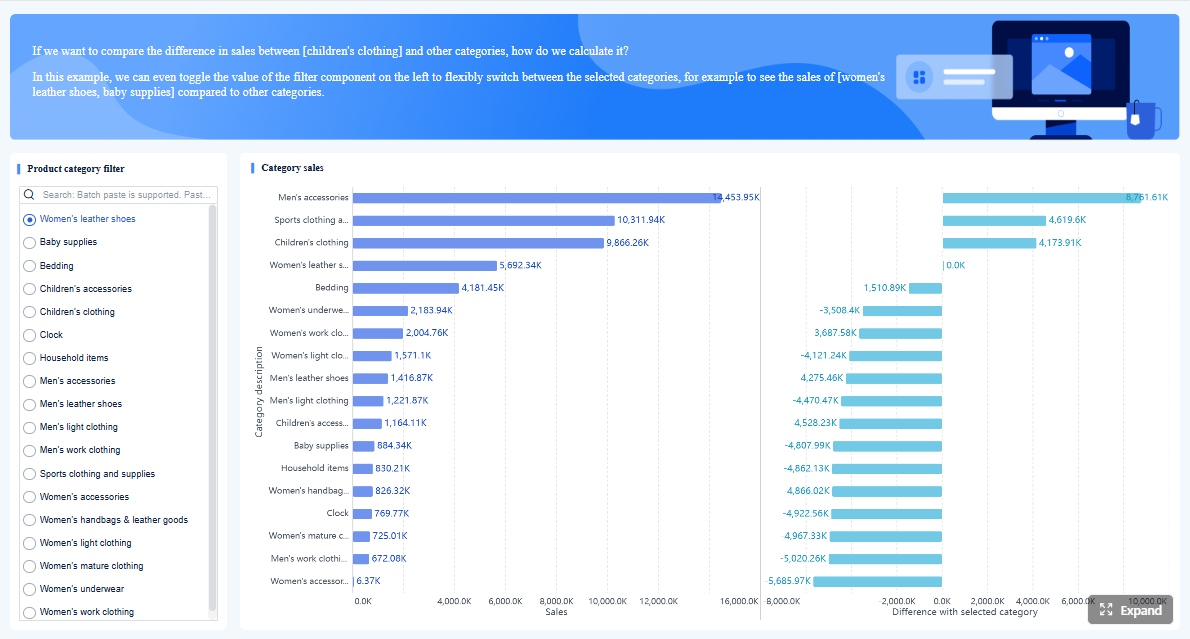 Click To Try The Dashboard
All reports in this article are built with FineReport
What retail sustainability reporting needs to cover in 2026
Retail sustainability reporting must translate a wide range of environmental, social, and governance data into a decision-useful narrative. The goal is not to report everything. The goal is to report what matters, explain why it matters, and show how the business is managing progress and risk.
For investors, the report should clarify exposure to climate transition risk, supply chain disruption, labor issues, regulatory compliance, and operating efficiency. For regulators, it should provide consistent disclosures, defined boundaries, and defensible methodologies. For customers, it should support trust in sourcing, packaging, waste reduction, and product claims. For internal decision-makers, it should function as a management report tied to budgets, supplier programs, store operations, and executive accountability.
Retail sustainability reporting differs from reporting in manufacturing or heavy industry in several important ways:
- Retail emissions profiles often lean more heavily on purchased energy, logistics, refrigeration, and relevant Scope 3 categories.
- Store networks create thousands of operational data points, often with uneven reporting maturity.
- Product and packaging claims directly affect customer trust and category performance.
- Supplier visibility can be fragmented across geographies, categories, private label programs, and indirect procurement.
- Waste and circularity reporting may involve stores, fulfillment centers, distribution, and third-party recovery partners.
In 2026, the context is stricter. Disclosure expectations continue to rise. Supply chain scrutiny is deeper. Data quality expectations are higher. Stakeholders increasingly expect traceability from headline targets down to metric definitions, evidence sources, and ownership. A retail sustainability report must therefore do two things well:
- Provide credible public disclosure
- Enable repeatable internal management follow-up
That second requirement is where many ESG teams struggle. Reports are often assembled manually across spreadsheets, store submissions, procurement systems, audits, logistics data, and utility records. The result is slow reporting cycles and limited ability to answer follow-up questions. A stronger approach is to use FineReport as the trusted reporting and operational cockpit foundation, then use Dora as the enterprise Data Agent layer that helps teams query, summarize, push, and follow up on report insights through governed AI workflows.
Core metrics ESG leaders must measure
A 2026 retail sustainability reporting framework should focus on a core set of metrics that are material, decision-relevant, and operationally actionable.
Climate and energy performance
Climate and energy metrics remain central because they affect cost, compliance, investor confidence, and transition readiness.
-
Scope 1, 2, and relevant Scope 3 emissions
Definition: Direct emissions from owned or controlled operations, indirect emissions from purchased energy, and relevant value chain emissions such as logistics, purchased goods, business travel, and product use or end-of-life where material.
Business value: These metrics show transition exposure, decarbonization progress, and hotspots across the retail footprint.
AI use: Dora can summarize emissions changes by source, explain variances against prior periods, and generate structured management narratives from FineReport sustainability dashboards. -
Energy consumption, renewable electricity use, and operational efficiency trends
Definition: Total energy use across stores, warehouses, offices, and related facilities, with breakdowns for renewable electricity share and intensity trends where relevant.
Business value: Energy reporting links sustainability with operating margin, resilience, and capital planning.
AI use: Dora can answer chat-based questions such as which regions improved efficiency, which sites missed targets, and what operational patterns may be driving variance. -
Refrigerants, logistics emissions, and store-level hotspots where relevant
Definition: Emissions from refrigerant leakage, outbound and inbound transportation, and specific high-consumption stores or facilities.
Business value: These categories often represent practical intervention areas for retail operators.
AI use: Dora can monitor exception thresholds, highlight abnormal refrigerant loss or logistics intensity, and push alerts to responsible owners using governed AI workflows.
Product, packaging, and waste indicators
For many retailers, packaging, waste, and product sustainability attributes are among the most visible ESG topics.
-
Packaging intensity, recyclability, and reduction progress
Definition: Packaging volume or weight relative to product units or revenue, share of recyclable or reusable packaging, and progress against reduction targets.
Business value: Packaging metrics support cost control, brand trust, regulatory readiness, and category innovation.
AI use: Dora can summarize category-level packaging trends, identify lagging business units, and include packaging performance in a scheduled executive briefing. -
Waste generation, diversion, food waste, and circularity outcomes
Definition: Total waste produced, diversion from landfill, food waste volumes, recovery outcomes, and circularity measures such as reuse or resale where applicable.
Business value: Waste metrics connect directly to cost, compliance, operational efficiency, and sustainability credibility.
AI use: Dora can compare waste trends across stores or regions, explain anomalies in waste diversion rates, and push follow-up tasks when threshold breaches occur. -
Product sustainability attributes that matter to category performance and customer trust
Definition: Category-relevant indicators such as certified sourcing, lower-impact materials, repairability, ingredient transparency, or sustainable assortment penetration.
Business value: These metrics affect customer loyalty, category differentiation, and claim defensibility.
AI use: Dora can generate structured report summaries that connect product sustainability metrics to category performance and customer-facing reporting needs.
Supply chain and social impact measures
Retail ESG leaders cannot treat supply chain and social indicators as secondary. In 2026, they are central to credibility.
-
Supplier standards, audit coverage, and corrective action progress
Definition: Share of suppliers subject to standards, audited suppliers, severity of findings, and remediation completion rates.
Business value: These measures show whether the company has real oversight over sourcing risks.
AI use: Dora can retrieve supplier compliance reports from FineReport assets, summarize corrective action bottlenecks, and create periodic follow-up briefings for sourcing leaders. -
Labor conditions, human rights risks, and traceability in priority sourcing areas
Definition: Indicators tied to forced labor risk, grievance handling, traceability coverage, and oversight in high-risk sourcing categories or regions.
Business value: These metrics reduce legal, reputational, and supply continuity risks.
AI use: Dora can support natural-language query over trusted compliance and sourcing reports, helping teams quickly identify gaps by category, geography, or supplier tier. -
Diversity, equity, inclusion, health, and safety indicators across operations
Definition: Workforce representation, inclusion indicators, training, incident rates, lost-time incidents, and other employee well-being metrics across stores, logistics, and corporate teams.
Business value: Social metrics affect talent retention, operational continuity, and governance maturity.
AI use: Dora can explain trend changes, generate management-ready summaries, and support recurring briefing workflows for HR and operations leaders.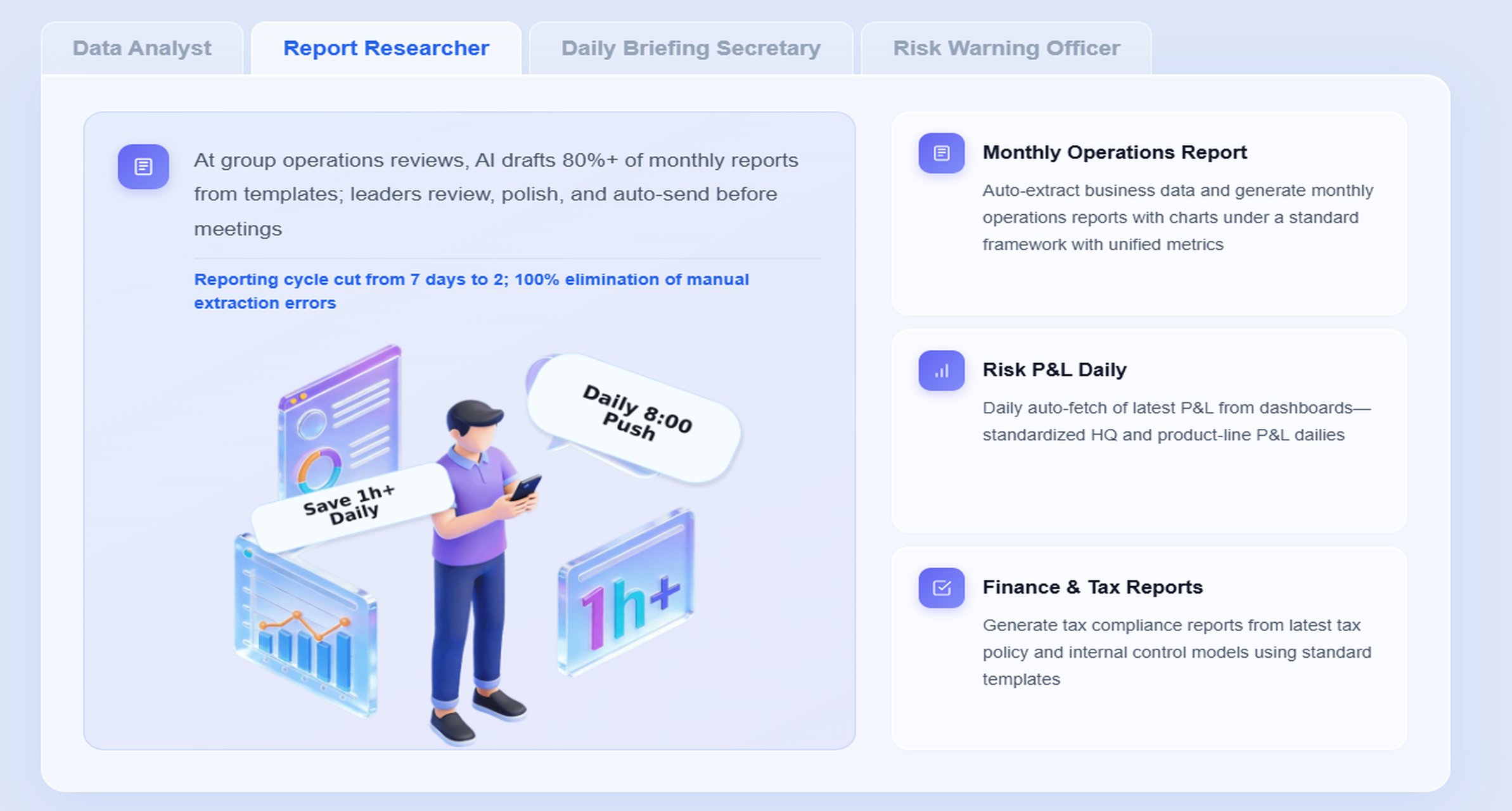
How to structure the report for clarity and credibility
A credible retail sustainability report should be easy to navigate, transparent in its assumptions, and clear about ownership.
Start with governance and material topics
Begin with governance because it shows whether sustainability is managed or merely described.
Explain:
- Board oversight
- Executive accountability
- Cross-functional ownership
- Decision forums
- Escalation mechanisms for major ESG risks
Then summarize the material topics that shape the report. Stakeholders need to understand not just what is included, but why it was prioritized. This section should show how the organization assessed significance across risk exposure, stakeholder expectations, operational relevance, and strategic value.
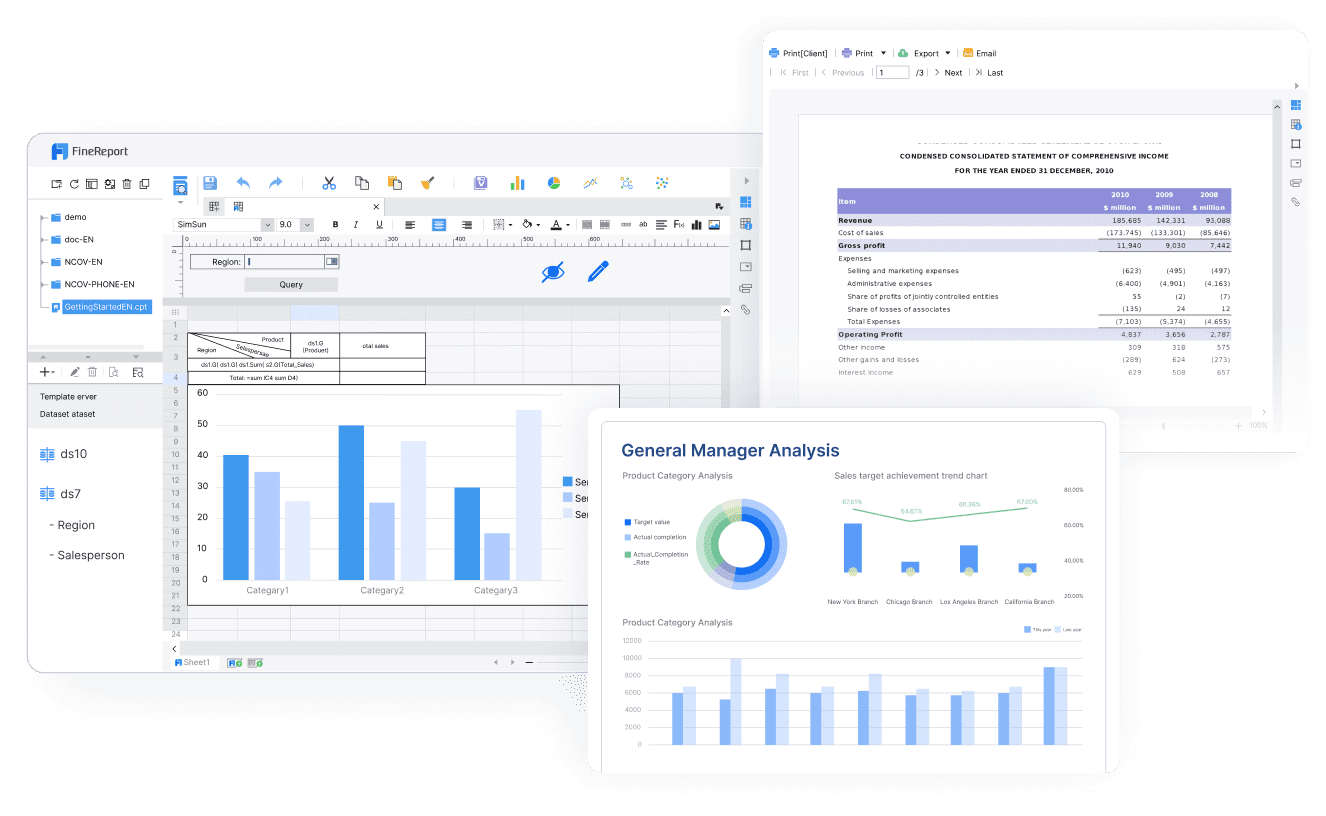
From a reporting operations perspective, governance also matters because it defines who owns each metric and who approves disclosures. FineReport can consolidate these metric views into role-based management reports and operational cockpits. Dora can then turn those governed assets into scenario-specific AI assistants that help users retrieve the right sustainability report, explain KPI logic, and prepare management summaries without bypassing controls.
Present targets, baseline years, and progress logic
Targets without baseline logic are not persuasive. Every major metric should show:
- Baseline year
- Current year result
- Year-over-year trend
- Target year
- Progress status
- Owner or accountable function where appropriate
This is especially important in retail, where portfolio changes, store openings and closures, sourcing shifts, and methodology updates can distort trends if not explained carefully.
Distinguish long-term ambition from near-term milestones. For example, a long-range climate commitment should be paired with annual or multi-year operational steps such as store energy retrofits, logistics optimization, refrigerant management, or packaging redesign targets.
FineReport is well suited for this because it supports formatted management reports, complex reports, and operational cockpits that present progress with consistent templates. Dora strengthens execution by enabling chat-based AI assistant access to those reports. Instead of waiting for analysts to prepare another explanation, leaders can ask for a structured progress summary and receive a governed answer based on trusted report assets.
Explain methodology, boundaries, and assumptions
This section is essential for trust.
Define:
- Organizational boundaries
- Reporting period
- Consolidation method
- Metric definitions
- Calculation methods
- Estimation rules
- Restatements
- Data limitations
- Assurance status
Retail ESG teams often manage mixed data quality across stores, logistics partners, and suppliers. That reality should be disclosed clearly rather than hidden. Honest disclosure of limitations can increase confidence because it shows governance discipline.
This is also where a semantic layer matters. FineReport helps standardize report templates, KPI definitions, business terms, and reporting logic. Dora relies on that trusted semantic foundation to provide more controllable and auditable AI workflows. That is a major difference between enterprise Data Agent execution and raw prompt-only tools. The AI assistant works from governed metrics and report structures, not from loose, unverified text alone.
Reporting frameworks and disclosure expectations to align with
Retail organizations rarely report to a single audience. The challenge is aligning one evidence base with multiple frameworks and expectations.
Map the report to leading standards and regulatory needs
The right alignment depends on business footprint, operating regions, investor profile, and product categories. In practice, ESG leaders should map retail sustainability reporting to the standards and regulatory requirements most relevant to their business.
This mapping should show how climate, social, and governance disclosures connect across requirements. For example, climate targets, supply chain due diligence, packaging claims, and workforce indicators may sit under different external frameworks but rely on overlapping internal data sources.
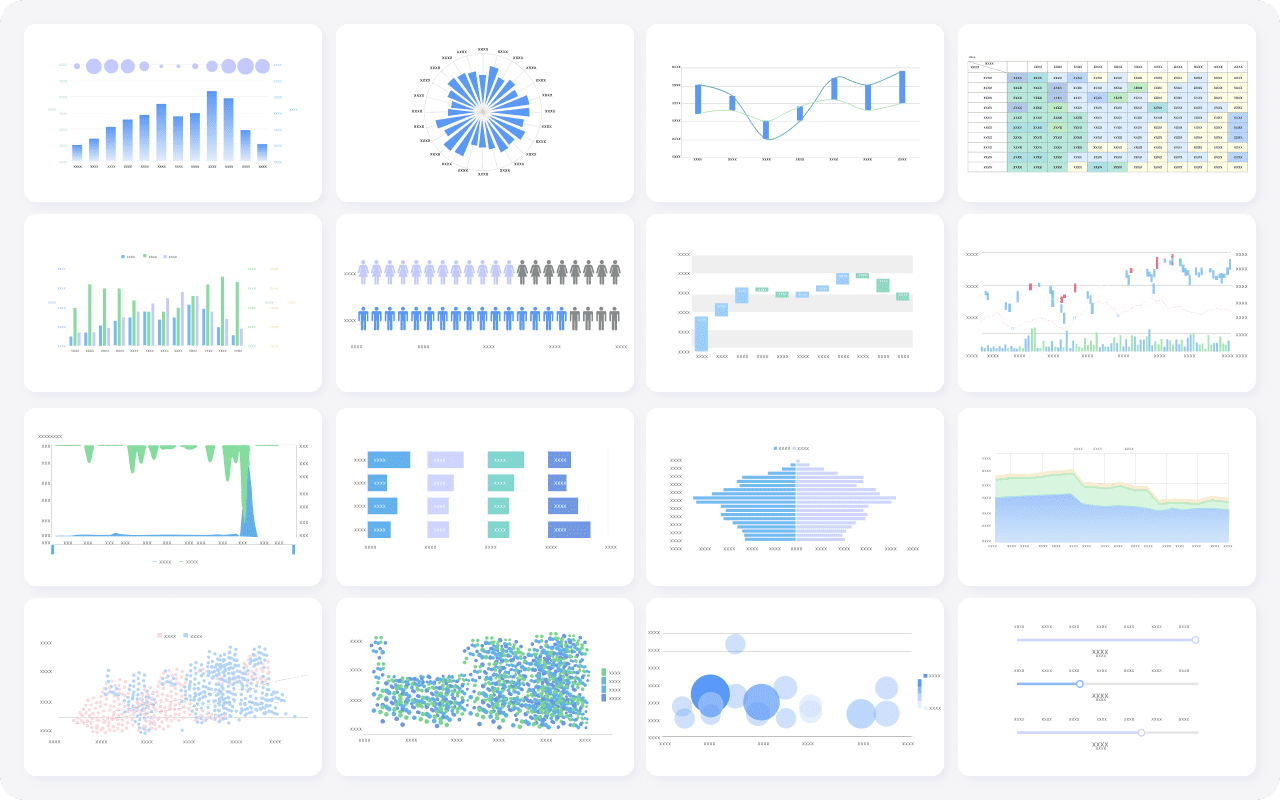
The practical benefit of this approach is consistency. Instead of creating separate disclosure processes for every audience, teams maintain one trusted reporting foundation and reuse it. FineReport can support this by structuring reusable reporting assets, while Dora can help users retrieve framework-specific answers, summarize changes for different audiences, and prepare briefing outputs for executives, legal, sustainability, and investor relations teams.
Build a practical reporting crosswalk
A crosswalk is one of the most useful tools in a mature reporting process. It links each metric to:
- Relevant standard or regulation
- Internal policy or target
- Data source
- Owner
- Review status
- Evidence location
This reduces duplication and makes assurance and review more manageable. It also improves handoffs between sustainability, finance, legal, procurement, operations, and IT.
In an enterprise setting, Dora can play a meaningful role here as a Report Researcher or Data Analyst digital employee. Teams can ask natural-language questions over trusted reporting assets, such as which disclosed packaging metric is missing evidence, which supply chain indicator lacks owner approval, or which climate KPI changed methodology this year. Because the workflow is governed through FineReport assets and permissions, the result is more enterprise-ready than relying on feature-only agent comparisons or uncontrolled document search.
How an AI Data Agent Automates Report Consumption
Retail sustainability reporting does not end when the report is published. The real operational challenge is report consumption: answering follow-up questions, explaining KPI changes, identifying exceptions, and pushing next actions to the right teams.
This is where Dora, FanRuan’s enterprise Data Agent platform, becomes valuable. Dora is not positioned as a replacement for FineReport. FineReport builds the trusted reporting and operational cockpit foundation. Dora turns that foundation into a scenario-specific AI assistant or digital employee.
For this scenario, the most relevant Dora digital employees are:
- Report Researcher for structured report generation from FineReport outputs, templates, charts, and business knowledge
- Daily Briefing Secretary for recurring sustainability summaries and executive preparation
- Risk Alert Officer for exception monitoring and owner notification
- Data Analyst digital employee for natural-language report query and metric explanation
A concrete chat example might look like this:
“Summarize this quarter’s retail sustainability reporting dashboard, highlight stores with abnormal energy intensity, list packaging reduction metrics that are behind target, and identify supplier audit gaps that need follow-up.”
Here is a practical 6-step AI workflow:
-
Retrieve trusted FineReport sustainability reports or operational cockpits
Dora pulls the relevant climate, packaging, waste, supplier, or workforce report assets already governed in FineReport. -
Understand KPI definitions, templates, filters, and semantic rules
Dora uses the trusted semantic layer: metric definitions, business terms, report templates, store filters, category mappings, and permission rules. -
Generate a structured report summary through chat
Dora produces a chart-based answer or management narrative, such as climate progress, top waste hotspots, or supply chain compliance gaps. -
Detect exceptions and abnormal changes
Dora identifies threshold breaches, missing submissions, unusual store-level variances, overdue corrective actions, or changes that need explanation. -
Push summaries, alerts, and suggested follow-up actions
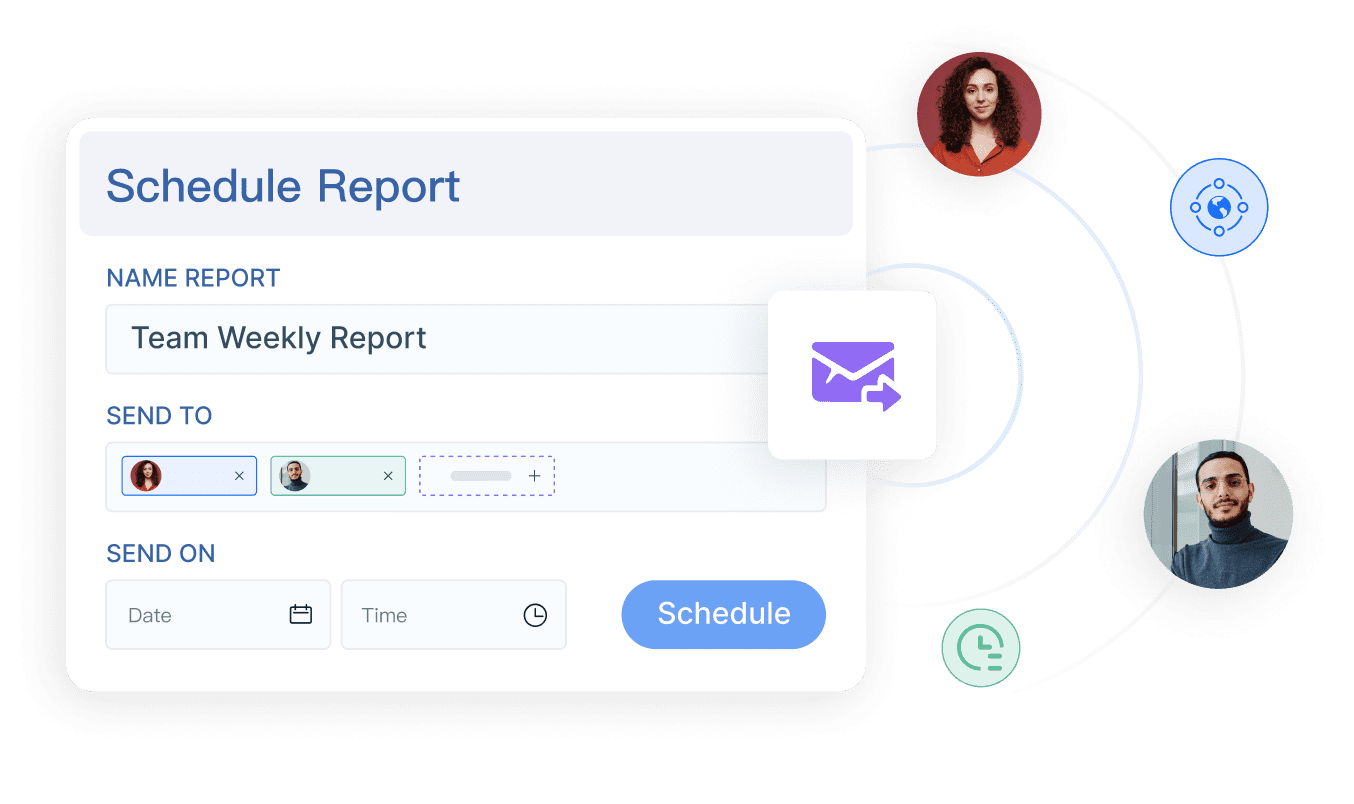
The Daily Briefing Secretary can send periodic briefings to executives, while the Risk Alert Officer can notify sourcing, operations, or ESG owners about exceptions. -
Create follow-up records for review
Dora supports governed AI workflows by documenting what was flagged, who received the alert, and what needs review in the next reporting cycle.
This matters because many ESG teams spend more time consuming and explaining reports than generating them. Business users ask repeated questions. Executives want briefing-ready summaries. Operations teams need a list of sites requiring intervention. Procurement wants supplier exceptions routed to the right owner. Dora helps reduce that friction through natural-language query over trusted reporting assets, structured report summaries, scheduled briefings, exception alerts, and controlled Skills-based execution.
It also has stronger enterprise fit than raw prompt-based tools because it works with permissions, KPI governance, report templates, semantic rules, and data quality controls already embedded in the reporting process. That design helps reduce token waste, improve response speed, and increase workflow stability compared with prompt-only agents, especially in recurring, template-driven reporting scenarios.
For executives, the value is concrete: Dora is not an AI experiment. It is a landed digital employee for recurring work such as sustainability management summaries, packaging exception alerts, supplier compliance follow-up, and quarterly ESG briefing preparation.
For IT teams, the role shifts productively: IT no longer has to manually answer every reporting request. Instead, IT can optimize enterprise data connections, semantic layers, data quality, permission governance, report templates, and reusable agent Skills.
For business users, the experience is simpler: they get timely report summaries, chat-based answers, scheduled briefings, and exception pushes without searching through dashboards or waiting for analysts.
Common reporting gaps and how ESG teams can avoid them
Retail sustainability reports often fail not because teams lack effort, but because the reporting model is not structured for clarity and follow-through.
One common gap is reporting too many metrics without explaining decision relevance. A long metric list does not equal a useful report. Each metric should connect to cost, risk, compliance, customer trust, resilience, or strategic growth.
Another issue is treating supplier data as complete when coverage and quality are still uneven. ESG leaders should clearly disclose coverage, assumptions, and data gaps. Overstating confidence creates more risk than acknowledging limitations.
A third gap is publishing goals without baselines, ownership, or implementation detail. Targets need baseline years, operational milestones, owners, and a realistic path to execution.
A fourth problem is failing to connect sustainability performance with commercial risk, resilience, and value creation. In retail, sustainability must be tied to store efficiency, supply continuity, packaging cost, customer preference, category performance, and regulatory readiness.
From an execution standpoint, many teams also struggle because report follow-up remains manual. Exceptions sit in dashboards but are not pushed. Management summaries are rewritten every cycle. KPI interpretation varies by audience. FineReport + Dora addresses these gaps by combining a trusted reporting foundation with a governed AI assistant layer for report consumption and follow-up.
A practical roadmap for the 2026 reporting cycle
A strong 2026 retail sustainability reporting process should improve both disclosure quality and operating usefulness.
Strengthen data systems and accountability
Start by assigning clear metric ownership. Every key indicator should have:
- Data owner
- Review owner
- Approval owner
- Evidence location
- Update frequency
- Escalation path for issues
Then improve consistency across stores, distribution, procurement, sustainability, HR, and corporate functions. This usually requires template standardization, validation rules, workflow discipline, and better documentation.
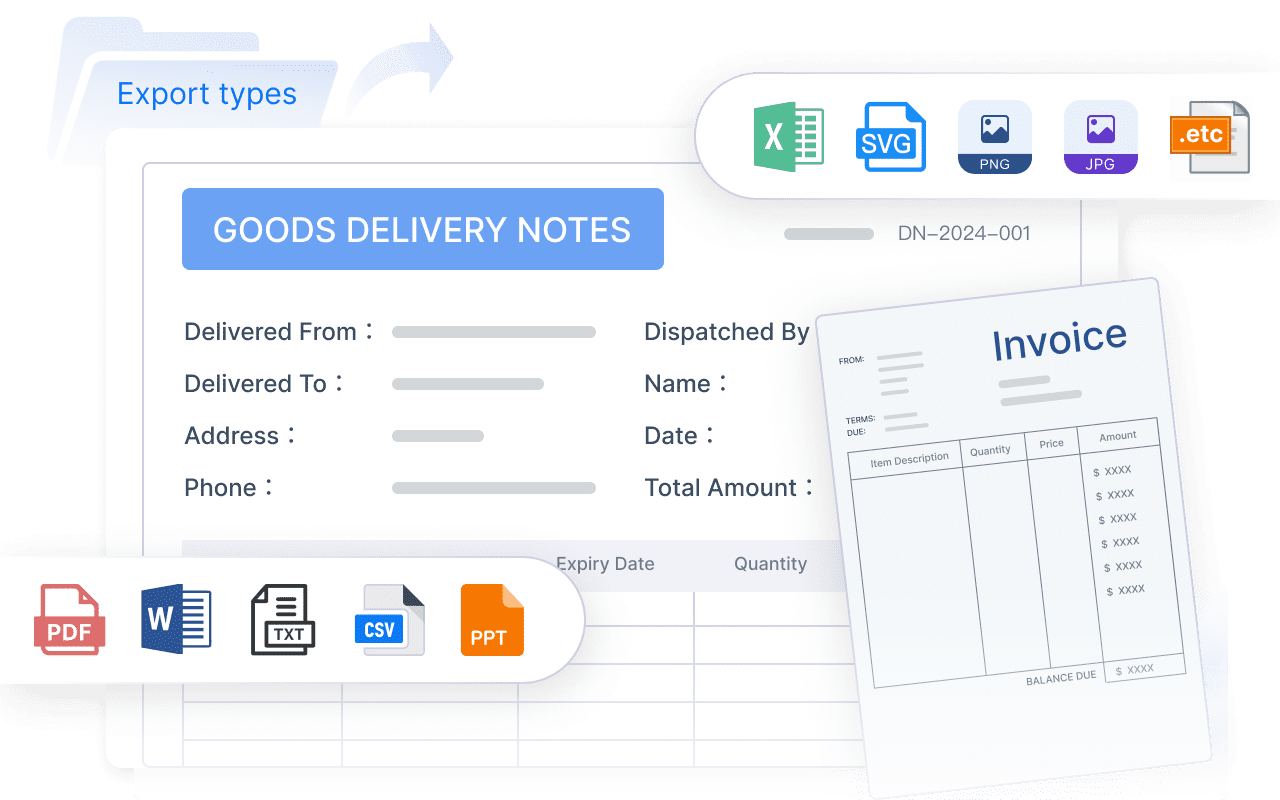
FineReport can serve as the reporting backbone for this process by supporting formatted reports, management reports, data entry workflows, and reporting automation. Dora adds an AI assistant layer that helps users consume the outputs more efficiently through summaries, Q&A, scheduled pushes, and exception follow-up.
Turn the report into a management tool
The best retail sustainability reporting frameworks do not stop at annual disclosure. They support capital allocation, supplier engagement, operating improvement, and leadership review throughout the year.
A practical management model uses report outputs to answer questions such as:
- Which stores need energy efficiency investment first?
- Which packaging categories are behind reduction targets?
- Which supplier programs need corrective action follow-up?
- Which workforce indicators require intervention in specific regions?
- Which reported claims need stronger evidence before publication?
This is where Agentic BI becomes useful in a real enterprise. FineReport provides governed reports and operational cockpits. Dora enables scenario execution on top of them through natural-language requests, controlled Skill execution, structured report summaries, exception push, and follow-up support.
Actionable best practices
To make retail sustainability reporting more credible and more usable in 2026, focus on these practical steps:
-
Standardize report templates, KPI definitions, business terms, and exception rules
This creates consistency across store operations, procurement, logistics, HR, and sustainability functions. It also gives Dora the trusted semantic layer needed for more accurate report summaries and chart explanations. -
Build a semantic layer inside the reporting workflow
Do not treat AI as a front-end shortcut. Define boundaries, filters, metric logic, and business meanings in the reporting system itself. FineReport provides the foundation; Dora uses it to support governed AI workflows and more auditable answers. -
Treat data quality as part of the AI implementation
AI cannot compensate for weak source data. Before expanding AI assistant use cases, improve validation, approval flows, evidence tracking, and exception handling in the reporting process. -
Start with high-value recurring reports instead of automating everything
Good starting points include quarterly sustainability management reports, monthly store energy summaries, supplier compliance follow-up packs, and packaging or waste exception monitoring. This helps the organization land a practical use case with clear ownership. -
Preserve permission governance and human review
AI outputs should respect FineReport access boundaries. Use human review for AI-generated report narratives, especially in external disclosures, and gradually expand Dora Skills as governance maturity improves.
FineReport + Dora solution pitch
Building this manually is complex. FineReport helps teams standardize trusted reports, operational cockpits, templates, and reporting workflows. Dora turns those assets into an AI assistant that can answer report questions in chat, generate structured summaries, push scheduled briefings, monitor exceptions, and follow up with responsible owners.
For retail sustainability reporting, this combination is especially practical because the scenario is inherently cross-functional. ESG leaders need climate dashboards, packaging reports, waste summaries, supplier audit tracking, and workforce indicators to come together in one governed reporting environment. FineReport provides that trusted reporting foundation. Dora adds the enterprise Data Agent layer so teams can consume those assets faster and more consistently.
FineReport + Dora is not only a reporting upgrade; it is a practical fourth-generation Agentic BI path. FineReport provides governed reports and operational cockpits. Dora provides the AI assistant layer for scenario execution, with more controlled Skills, lower token waste, faster execution paths, and more stable workflows than prompt-only agents.

Get Ready-to-Use Dashboard Templates in Fine Gallery
The strongest Dora pitch is scenario + product + service: FineReport provides the trusted reporting foundation, Dora provides the AI digital employee, and implementation service connects data, governance, semantic setup, Skills, report templates, permissions, and rollout.
For ESG leaders preparing for 2026, the priority is clear: build a retail sustainability reporting framework that is decision-useful, evidence-based, and operationally repeatable. Then make that framework easier to use with an enterprise AI assistant that helps people query, summarize, alert, and follow up on trusted reporting assets.
FAQs
It should cover material ESG metrics across stores, logistics, sourcing, packaging, waste, and workforce practices. It also needs clear boundaries, reliable methods, and evidence that supports both disclosure and operational follow-up.