
Record to report automation helps finance teams reduce close-cycle delays, eliminate spreadsheet-heavy handoffs, and improve confidence in every number that reaches management, auditors, and regulators. If you are an accounting manager, controller, finance transformation lead, or shared services director, the core challenge is familiar: too many repetitive tasks, too many reconciliations done late, too many controls documented after the fact, and too little time left for analysis. The business value is straightforward—faster close, fewer errors, stronger compliance, and better decision-making across the entire R2R process.
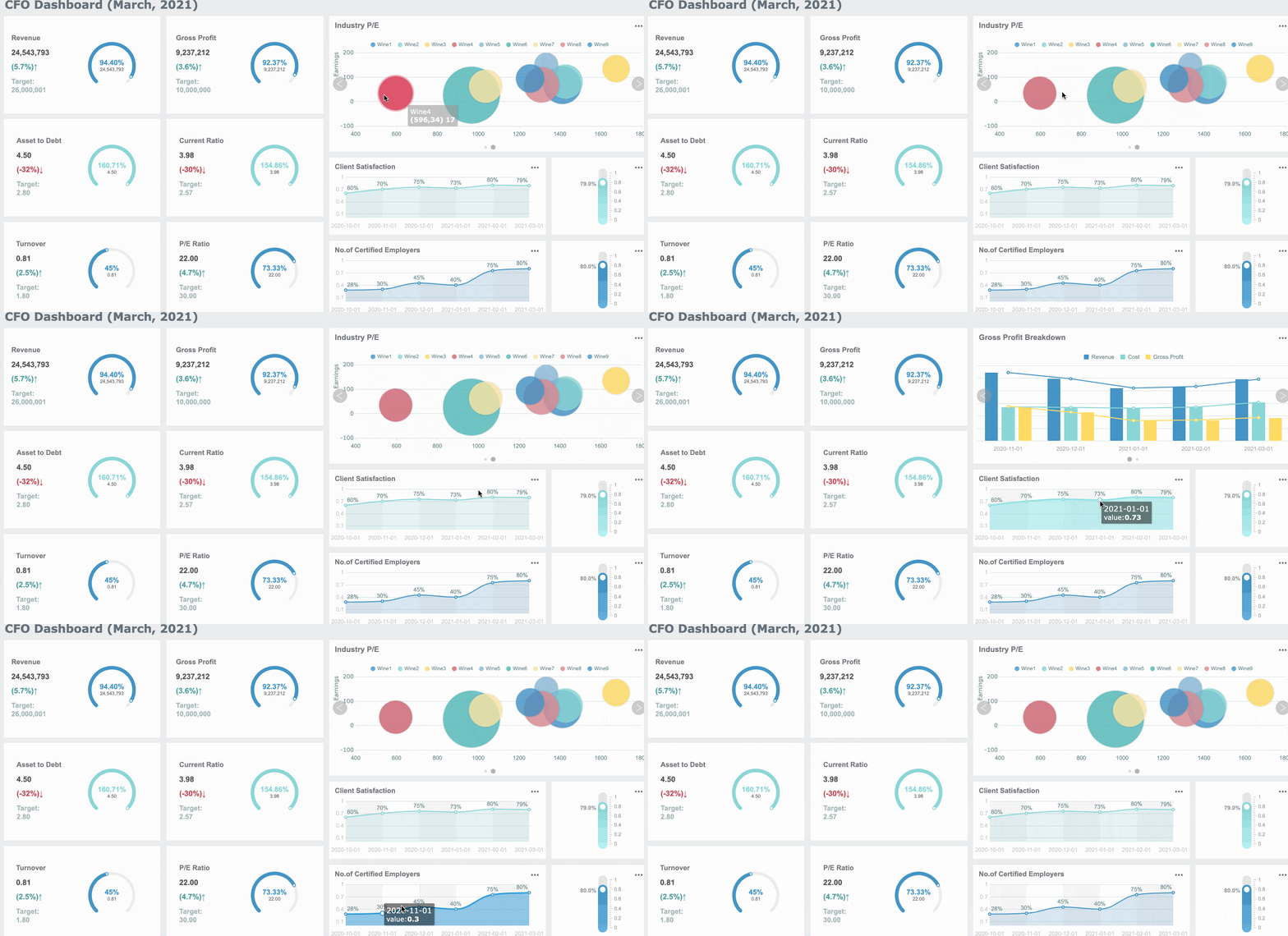
All reports in this article are built with FineReport.
What record to report automation means and why it matters
The record-to-report cycle covers the end-to-end finance process of collecting transaction data, posting journals, reconciling accounts, managing close activities, consolidating results, and producing financial reports. In many organizations, these steps still rely on email approvals, spreadsheet calculations, manual downloads from ERP systems, and disconnected status tracking. That is exactly where record to report automation delivers measurable value.
Automation removes effort from high-volume, repeatable tasks such as recurring journal creation, reconciliation matching, close checklist management, and report population. More importantly, it reduces operational risk. Manual R2R processes often break down at month-end because teams are chasing missing files, correcting mapping issues, and validating balances too late in the cycle.
A well-designed automation approach unifies record-to-report activities so finance leaders can see what is complete, what is blocked, and where exceptions need review. Instead of managing the close through inboxes and status calls, teams can work from a controlled workflow with clear ownership, timestamps, and drill-through evidence.
This matters because finance performance is no longer judged only on accuracy. Enterprise stakeholders now expect:
- Shorter close cycles
- Stronger auditability
- Real-time visibility into exceptions
- Standardized execution across entities
- Faster insight for business decisions
This article ranks the top automation use cases using a practical model: business impact versus implementation effort. That lens helps finance teams prioritize use cases that create quick wins first, while planning for more complex transformations later.
How to compare record to report automation use cases by impact and effort
Not every R2R automation initiative delivers the same return, and not every use case requires the same level of effort. The smartest roadmap starts by evaluating use cases against four criteria.
Scoring criteria for prioritization
Use a simple 1-to-5 scoring framework across these dimensions:
- Business impact: How much the use case reduces manual effort, accelerates close, improves accuracy, or strengthens control.
- Implementation complexity: How difficult it is to design rules, integrate systems, manage approvals, and standardize process execution.
- Time to value: How quickly the business can realize measurable benefits after deployment.
- Data dependencies: How much the use case depends on clean master data, chart of accounts consistency, or multi-system data integration.
A high-impact, low-effort use case is the ideal starting point. A high-impact, high-effort use case may still be worth pursuing, but usually after governance and data foundations are in place.
Key Metrics (KPIs) to evaluate record to report automation
For enterprise decision-makers, these are the most important KPIs to track:
- Close cycle time: The number of business days required to complete period-end close.
- Manual journal volume: The count of journals created or uploaded manually.
- Reconciliation completion rate: The percentage of reconciliations completed on time.
- Exception rate: The share of transactions or balances that fail matching or validation rules.
- Intercompany break rate: The percentage of intercompany items not matched by entity or counterpart.
- Approval turnaround time: The average time required for journal, accrual, or report review and approval.
- Reporting pack preparation time: The time needed to produce management or statutory reporting packages.
- Audit evidence retrieval time: The time required to gather supporting documentation during internal or external audits.
- Data refresh latency: The delay between source-system updates and dashboard or report availability.
- Control compliance rate: The percentage of required controls executed and documented on time.
How to choose the right automation journey
The right sequence depends on three realities inside your finance organization.
1. Process maturity
If your chart of accounts, journal policies, and reconciliation procedures vary by entity, automation should begin with standardization. Automating broken processes only scales inconsistency.
2. Systems landscape
If you operate across multiple ERPs, legacy sub-ledgers, and offline spreadsheets, focus first on use cases that can work with limited integration or structured file-based ingestion. More advanced automations like consolidation data collection or anomaly detection will require deeper connectivity.
3. Team capacity
Some organizations have strong finance systems teams and change management support. Others do not. Choose use cases that your team can realistically implement, govern, and sustain.
The role of record to report software in scalable R2R automation
Automating record to report at scale requires more than scripts or isolated bots. You need record to report software that can combine workflow, data integration, approvals, controls, dashboards, and reporting in one manageable environment.
At minimum, effective R2R process automation software should support:
- Workflow orchestration across close tasks
- Data collection from ERP and non-ERP sources
- Rule-based calculations and validations
- Exception routing and approval logic
- Audit trails with full traceability
- Interactive reporting and management dashboards
Top 12 record to report automation use cases ranked by impact vs. implementation effort
Below is a practical ranking of the top 12 record to report automation use cases, based on typical enterprise value and implementation effort.
| Rank | Use Case | Business Impact | Implementation Effort | Why It Matters |
|---|---|---|---|---|
| 1 | Account reconciliations | Very High | Medium | Reduces close delays and exception risk quickly |
| 2 | Journal entry automation | Very High | Low-Medium | Cuts repetitive posting work and strengthens control |
| 3 | Close task orchestration | High | Low | Improves visibility, accountability, and timing |
| 4 | Financial reporting package creation | High | Medium | Speeds stakeholder reporting and reduces formatting work |
| 5 | Intercompany transaction matching | High | Medium-High | Reduces cross-entity breaks before consolidation |
| 6 | Accruals and provisions | High | Medium | Standardizes calculations and support schedules |
| 7 | Management dashboard refreshes | High | Low-Medium | Delivers faster decision-ready financial insight |
| 8 | Variance analysis and anomaly detection | Medium-High | Medium-High | Focuses analyst time on meaningful changes |
| 9 | Revenue and expense allocations | Medium-High | Medium-High | Improves consistency across entities and periods |
| 10 | Consolidation data collection | Medium-High | High | Reduces manual handoffs from multiple systems |
| 11 | Compliance controls and audit support | Medium | Medium | Strengthens traceability and evidence capture |
| 12 | Fixed asset accounting | Medium | Medium | Improves policy consistency and depreciation accuracy |
1. Journal entry automation
Recurring journals are one of the easiest areas to automate because the logic is often rule-based and repeatable. Standard accruals, reversals, reclasses, payroll postings, and scheduled adjustments can be generated automatically with predefined account mappings, approval paths, and posting windows.
Key benefits include:
- Reduced manual entry and upload effort
- Standardized approval workflows
- Consistent supporting documentation
- Better audit trails for every posted journal
2. Account reconciliations
This is often the strongest first move in R2R automation. Reconciliations consume significant time, especially when teams compare balances manually across general ledger, sub-ledger, and external source data. Automation can match balances continuously, identify breaks early, and push only exceptions to reviewers.
Business value includes:
- Faster account certification
- Lower risk of unresolved discrepancies
- Shorter period-end review cycles
- Better visibility into aging reconciling items
3. Intercompany transaction matching
Intercompany issues become expensive when they are discovered late in the close. Automated matching helps identify amount mismatches, timing differences, and missing counterpart entries earlier, before consolidation is blocked.
This use case is particularly valuable for multi-entity and multinational organizations because it improves:
- Consolidation readiness
- Dispute resolution speed
- Currency and counterparty consistency
- Cross-entity control discipline
4. Close task orchestration
Many close problems are not accounting problems at all. They are coordination problems. Teams struggle with task dependencies, reminders, sign-offs, and deadline tracking. Automation solves this by turning the close calendar into a governed workflow.
It can automate:
- Task assignment
- Due date reminders
- Dependency sequencing
- Escalations for overdue items
- Real-time close status tracking
This is usually a low-effort, high-visibility automation with immediate adoption value.
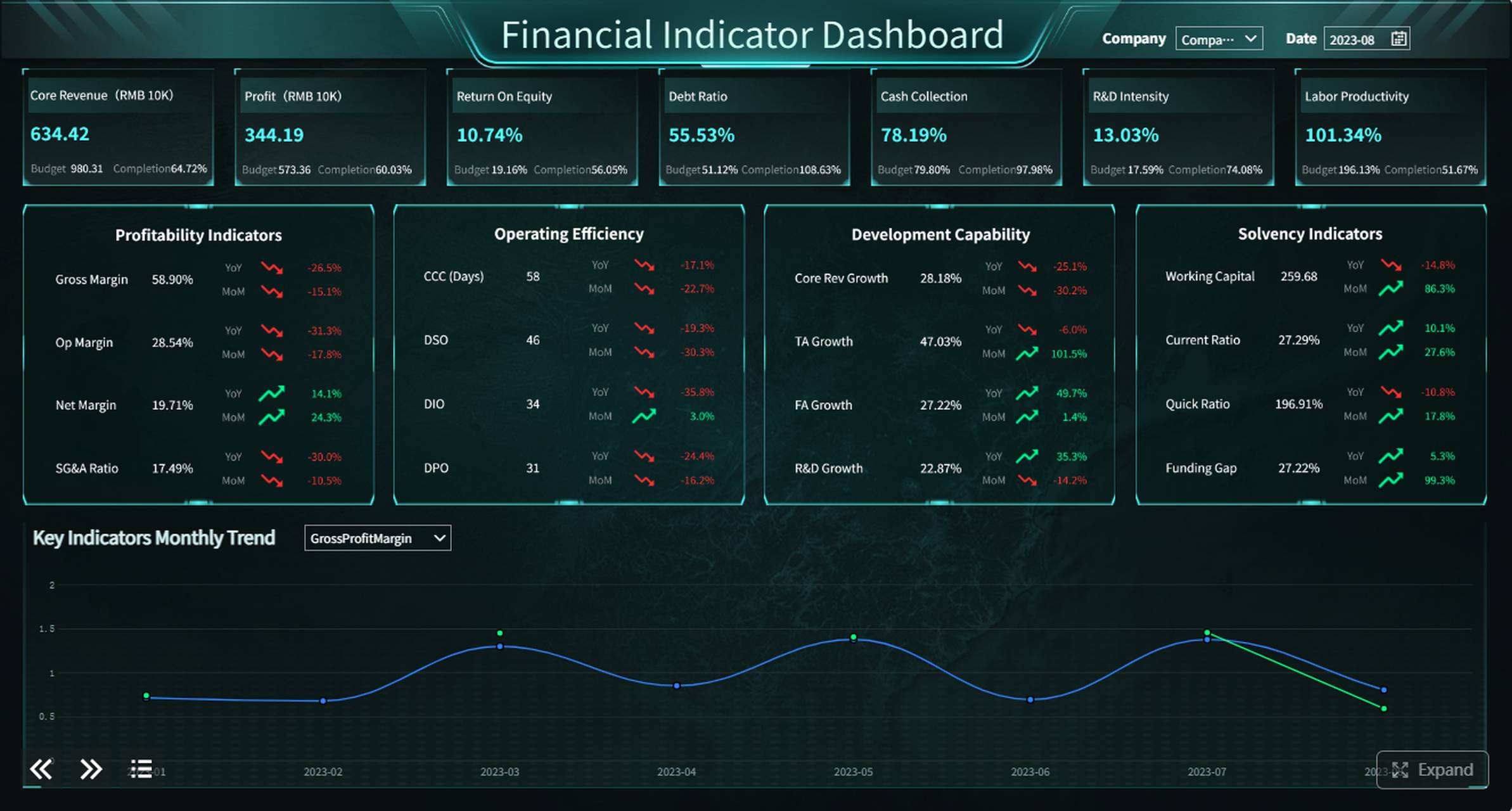
5. Variance analysis and anomaly detection
Finance teams spend too much time searching for the few movements that matter. Intelligent automation can compare current results to budget, forecast, prior period, or historical patterns and highlight anomalies that exceed defined thresholds.
Typical applications include:
- P&L line movement analysis
- Unusual account balance shifts
- Sudden cost center spikes
- Revenue pattern irregularities
6. Accruals and provisions
Accruals and provisions are highly repeatable, but often managed in spreadsheets with inconsistent review practices. Automation applies calculation rules, loads source data, generates schedules, routes approvals, and prepares journal outputs.
That leads to:
- More consistent period-end treatment
- Reduced spreadsheet dependency
- Stronger documentation and evidence retention
- Faster review by controllers and finance managers
7. Fixed asset accounting
Fixed asset processes are rule-heavy and policy-dependent, making them suitable for automation once accounting policies are standardized. Capitalization thresholds, depreciation runs, transfers, impairments, and disposals can all be executed with system-driven logic.
This helps organizations improve:
- Asset register accuracy
- Policy compliance
- Depreciation consistency
- Reporting alignment across entities
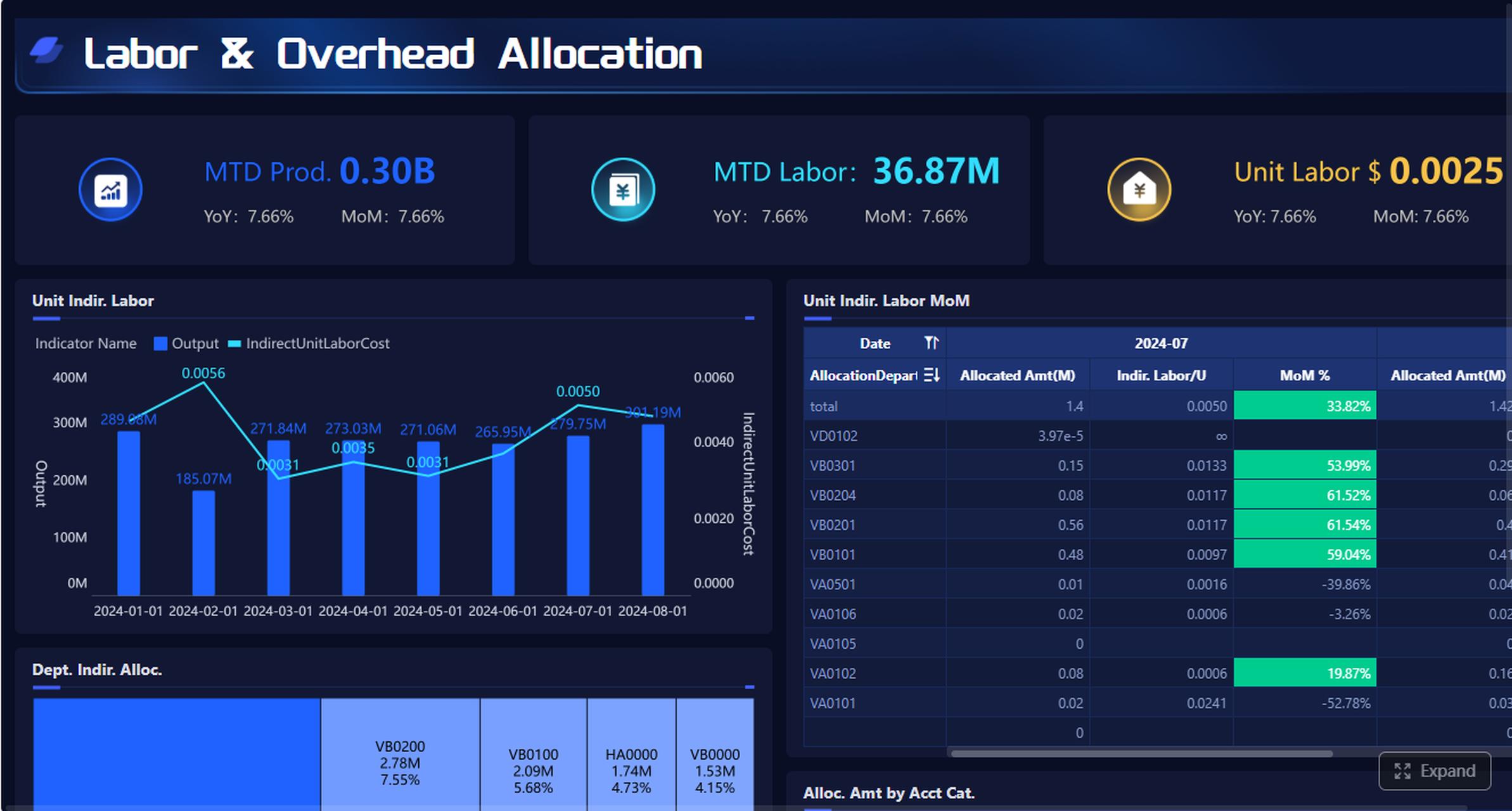
8. Revenue and expense allocations
Allocations are often difficult to scale manually, especially in matrix organizations with many entities, cost centers, shared services pools, or project structures. Automation allows finance teams to apply driver-based or rule-based allocations consistently.
Use cases include:
- Shared cost allocations
- Corporate overhead distribution
- Project or business unit recharges
- Departmental expense allocations
9. Consolidation data collection
When trial balances and supporting schedules are pulled from different systems, the reporting team can lose days chasing files and validating formats. Automation streamlines data collection by enforcing templates, validating submissions, and centralizing inputs.
It is especially useful when organizations face:
- Multiple ERP environments
- Regional reporting variations
- Manual spreadsheet submissions
- Frequent mapping or completeness errors
10. Financial reporting package creation
Finance teams often rebuild the same reporting packs every month. Automation can populate templates, refresh numbers, prompt commentary owners, and produce distribution-ready management or board packs.
Benefits include:
- Faster management reporting
- Fewer copy-paste errors
- Consistent metric definitions
- Better narrative collaboration across stakeholders
11. Compliance controls and audit support
R2R automation strengthens compliance by embedding controls directly into process execution. Instead of documenting controls after the fact, the platform captures approvals, timestamps, supporting files, and user actions as work happens.
This improves:
- Segregation of duties enforcement
- Evidence capture
- Control execution consistency
- Audit readiness for internal and external reviews
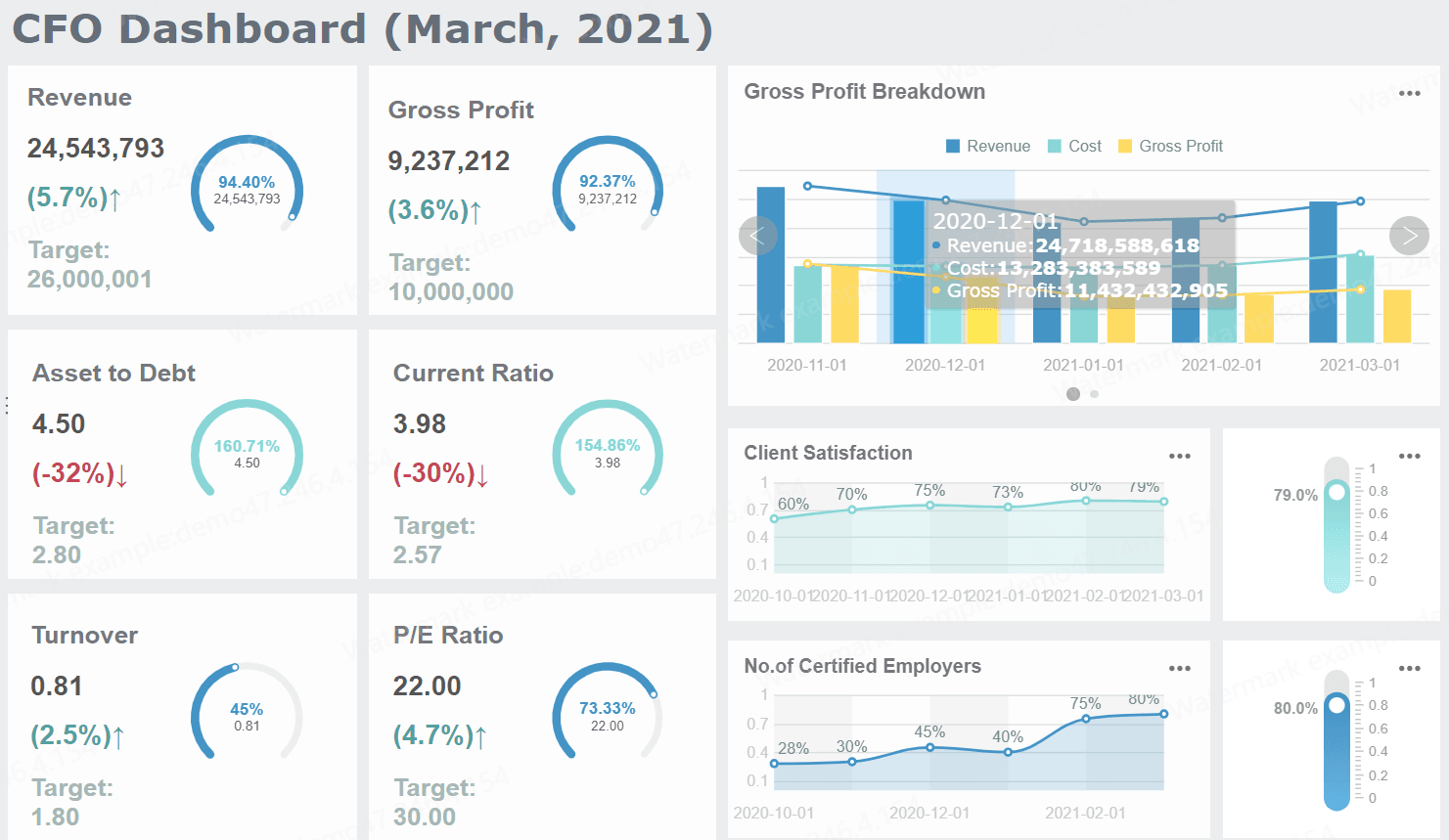
12. Management dashboard refreshes
Dashboards lose value when the underlying data is stale or inconsistently refreshed. Automated refresh workflows ensure executives and finance leaders see current KPIs without waiting for manual report preparation.
Common dashboard outputs include:
- Close status by entity
- Cash and working capital trends
- Budget versus actual results
- Exception and risk indicators
- Revenue and expense performance snapshots
Which record to report automation use cases deliver the quickest wins first
The fastest way to build momentum is to start where the process is repetitive, visible, and easy to standardize.
Low effort, high impact opportunities
These use cases often generate quick returns:
- Account reconciliations: High labor savings and strong close impact
- Close task orchestration: Immediate visibility and accountability gains
- Journal entry automation: Easy to standardize for recurring postings
- Management dashboard refreshes: Quick executive value with relatively light automation effort
Why these work well first:
- Clear process boundaries
- High repetition
- Measurable benefits within one or two close cycles
- Lower dependency on advanced AI or deep transformation
Medium effort, strategic scale opportunities
Once governance is stable, prioritize use cases that improve cross-entity consistency and reporting scalability:
- Intercompany transaction matching
- Revenue and expense allocations
- Financial reporting package creation
- Accruals and provisions
These deliver broader process value because they reduce friction across business units, finance centers, and reporting teams.
Higher effort, transformation-focused opportunities
Some use cases are worth pursuing when the organization is ready for deeper change:
- Variance analysis and anomaly detection
- Consolidation data collection
- Complex multi-system compliance automation
- Advanced fixed asset policy automation across regions
These projects usually require stronger data governance, cleaner master data, and more mature finance operations, but they can unlock significant enterprise-wide value.
How to choose the right record to report automation solution and roadmap
Selecting the right solution is not just a software decision. It is an operating model decision. You need a platform and roadmap that fit your finance complexity, governance expectations, and reporting needs.
Capabilities to look for in automated record to report software
When evaluating record to report software, focus on these capabilities:
- Workflow automation for close tasks, approvals, and escalations
- Data integration across ERP, sub-ledger, spreadsheet, and operational systems
- Validation rules for balances, mappings, and submission completeness
- Exception management to route non-standard items for review
- Audit controls with timestamps, approvals, and evidence logs
- Analytics and dashboards for close performance and financial visibility
- Template-driven reporting for management and statutory packs
- Scalability across entities, regions, and reporting structures
How to evaluate a record to report R2R process automation solution
From a consulting perspective, evaluate solutions against three enterprise criteria.
Governance
Can the platform support approval hierarchies, control ownership, role-based access, and evidence retention without adding extra manual administration?
Scalability
Can it handle multi-entity reporting, changing business structures, larger data volumes, and evolving close requirements without redesigning everything?
Change management
Can business users adopt it easily? Does it support low-code or configurable workflows? Can finance own report changes without depending on IT for every update?
4 best practices to automate record to report successfully
1. Standardize before you automate
Document current-state workflows, identify policy variations, and remove unnecessary manual steps. Standardization creates the foundation for sustainable automation.
2. Start with one high-value use case
Pick a use case with clear ROI, visible business pain, and manageable dependencies. Reconciliations or recurring journals are usually strong starting points.
3. Build control points into the workflow
Do not treat controls as separate documentation tasks. Embed approvals, validations, exception flags, and audit logs directly into the process.
4. Measure outcomes every close cycle
Track before-and-after metrics such as close days, exception count, reconciliation completion, and reporting pack turnaround. This creates internal proof of value and supports the next rollout.
Build a smarter record to report automation by using FineReport
At this stage, the strategic conclusion is clear: the challenge is not identifying good record to report automation use cases. The challenge is executing them consistently across data sources, reporting cycles, and stakeholder groups.
Building this manually is complex; use FineReport to utilize ready-made templates and automate this entire workflow.
FineReport helps finance teams move from fragmented spreadsheet reporting to governed, scalable R2R reporting operations by combining:
- Automated data collection from multiple systems
- Interactive dashboards for close monitoring and KPI tracking
- Standardized report templates for management and finance reporting
- Drill-down analysis for variances, exceptions, and entity-level performance
- Scheduled refreshes for timely financial visibility
- Controlled distribution of reports to different stakeholders
For enterprise finance teams, this matters because automation is not only about faster execution. It is about creating a repeatable reporting environment where finance can trust the numbers, explain variances quickly, and support decisions without reworking data every period.
A simple roadmap to build momentum looks like this:
- Assess current R2R pain points and baseline KPI performance
- Prioritize one low-effort, high-impact automation use case
- Standardize data definitions, workflow steps, and ownership
- Automate with a scalable reporting and dashboard platform
- Expand into adjacent use cases once value is proven
That is how modern finance organizations automate record to report for faster close, better accuracy, and stronger compliance—without losing control along the way.
FAQs
Record to report automation uses workflows, rules, and system integrations to handle repetitive close activities such as journal entries, reconciliations, approvals, consolidation, and reporting. Its goal is to make the R2R process faster, more accurate, and easier to audit.