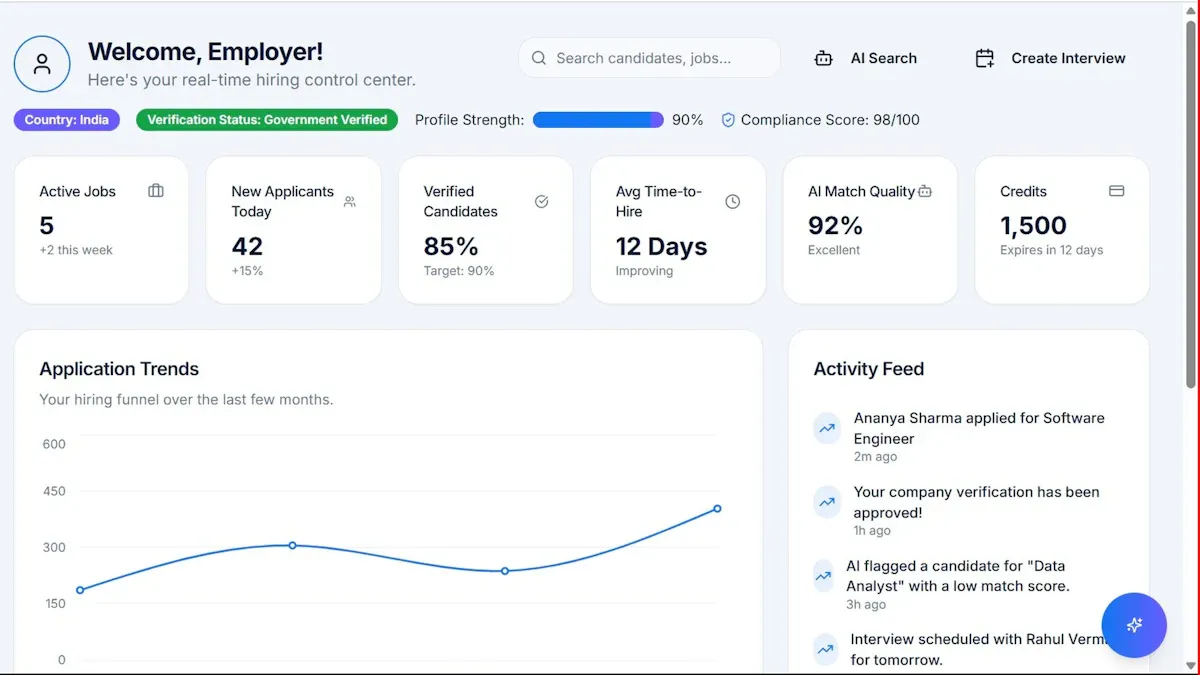

A strong marketing report example does one thing exceptionally well: it helps the right stakeholder make the right decision faster. For agency account managers, marketing directors, RevOps leaders, and internal specialists, the real challenge is not gathering data. It is turning fragmented channel metrics into a report that clients trust, executives understand, and teams can act on immediately. If your current reporting is too detailed for leadership, too vague for specialists, or too generic for clients, you are likely losing time, credibility, and momentum.
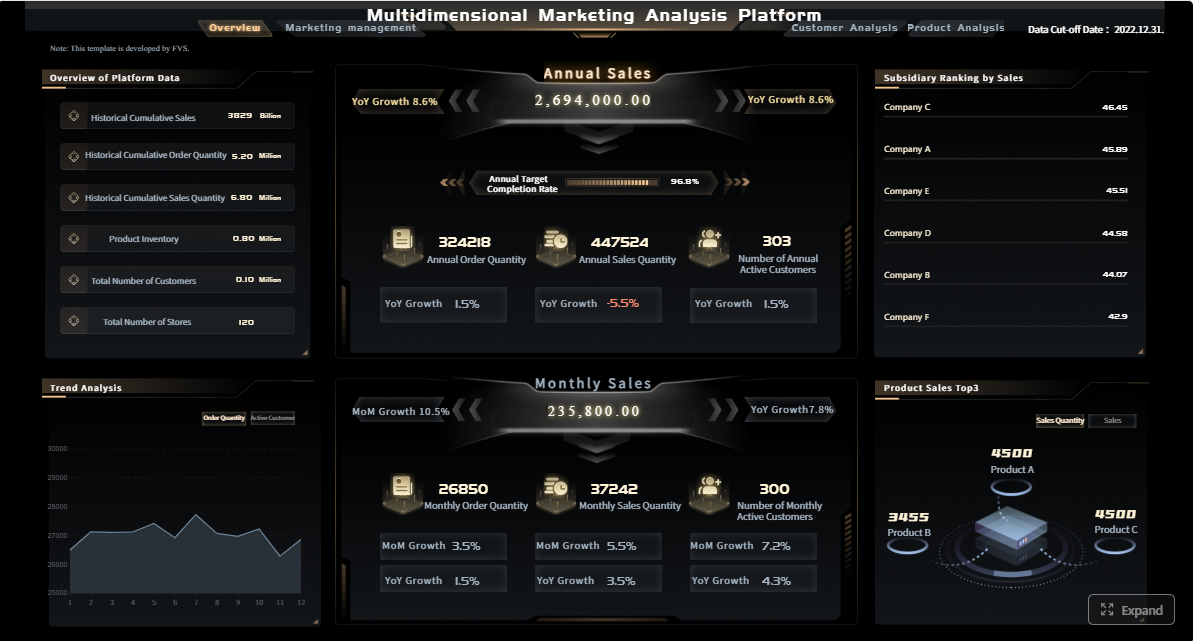
All reports in this article are built with FineReport.
What makes a strong marketing report example for each audience
A useful marketing report is not defined by how many charts it includes. It is defined by how clearly it answers stakeholder questions. Clients want reassurance and direction. Executives want business impact and decision points. Internal teams want operational detail and accountability.
That is why the best marketing report example is always audience-specific.
Why clients, executives, and internal teams need different report formats
Different audiences consume information differently because they own different decisions.
- Clients want a performance narrative they can understand quickly
- Executives want a concise overview tied to revenue, efficiency, and strategic risk
- Internal teams want granular data that helps them improve execution
A client report overloaded with technical breakdowns can confuse and distract. An executive report with too much channel-level detail can bury the business story. An internal report without task ownership or testing insights becomes a passive recap instead of a working tool.
The common structure shared by effective reports
Even though formats differ, effective reports usually share the same foundation:
- Reporting period: What time frame the report covers
- Goals: What the team aimed to achieve
- KPIs: Which metrics define success
- Performance summary: What happened
- Insights: Why it happened
- Recommendations: What should change
- Next steps: Who does what next
This structure keeps reporting consistent without forcing every audience into the same level of detail.
How to choose the right reporting format
The right reporting format depends on three factors:
- Audience
- Decision speed required
- Level of strategic importance
Use a one-page summary when stakeholders need quick direction. Use a multi-section report when they need context, root-cause analysis, and execution planning. In enterprise environments, the smartest reporting model is usually layered: dashboard first, summary second, deep dive on demand.
The core framework behind a high-performing marketing report example
Before selecting a template, define the essential building blocks that make any report useful.
Key Metrics (KPIs)
Below are the core KPIs most marketing reports should consider. Not every audience needs all of them, but every metric should connect directly to a business objective.
- Traffic: The number of users visiting your website or landing pages
- Source/Channel Mix: Where traffic comes from, such as organic, paid, email, referral, or social
- Conversion Rate: The percentage of users completing a desired action
- Cost Per Lead (CPL): The average spend required to generate one lead
- Customer Acquisition Cost (CAC): Total acquisition cost divided by new customers acquired
- Return on Investment (ROI): Profitability of marketing spend relative to cost
- Pipeline Contribution: The value of opportunities influenced or generated by marketing
- Revenue Attribution: Revenue connected to campaigns, channels, or programs
- Engagement Rate: The level of interaction with content, ads, or social posts
- Click-Through Rate (CTR): The percentage of users who click after seeing an ad or email
- Lead-to-Customer Rate: The percentage of leads that become paying customers
- Budget Pacing: Whether spend is tracking above, below, or on plan
- Forecast Accuracy: How close projected outcomes are to actual performance
- Campaign Velocity: The speed at which campaigns move from launch to measurable impact
- Retention or Repeat Conversion: Ongoing performance from returning customers or existing accounts
Core elements every report should include
A practical report should also include these operational elements:
- Clear objective statement
- Data definitions
- Time comparison period
- Visual trend indicators
- Interpretation of results
- Recommended actions
- Owner and timeline for follow-up
7 marketing report example templates by audience and use case
Below are seven proven templates you can adapt based on reporting context, stakeholder expectations, and business maturity.
Client performance report template
This template is ideal for agencies, consultants, and in-house teams reporting to external stakeholders. It should focus on outcomes, not platform noise.
Best for: monthly client reviews, retainer updates, campaign check-ins
Recommended structure:
- Campaign goals
- Performance against agreed KPIs
- Budget spent vs plan
- Deliverables completed
- Wins and risks
- Recommended actions for the next period
What to include:
| Section | What to Show |
|---|---|
| Goal Summary | Leads, traffic, revenue, awareness, or conversion targets |
| Outcome Snapshot | ROI, conversions, CPL, engagement, pipeline impact |
| Work Completed | Ads launched, landing pages published, SEO work delivered |
| Insight Commentary | What improved, what dropped, and why it matters |
| Next Actions | Specific recommendations with expected outcome |
A client-friendly report should avoid unnecessary jargon. Explain performance in business terms. Instead of saying, "CTR improved 18% on branded campaigns," say, "Ad relevance improved, which lowered acquisition costs and increased lead volume."
Executive summary report template
Executives do not need a full channel audit. They need a fast read on impact, risk, and resource decisions.
Best for: CMO updates, board prep, leadership meetings
Recommended structure:
- Top-line performance
- Strategic trends
- Revenue and pipeline contribution
- Efficiency metrics
- Risks requiring attention
- Decisions needed
Keep it focused on:
- Revenue influenced by marketing
- Pipeline generated
- CAC trends
- Spend efficiency
- Forecast variance
- Strategic opportunities or threats
Use short commentary and strong visuals. The goal is to let an executive absorb the message in three to five minutes.
Internal team operations report template
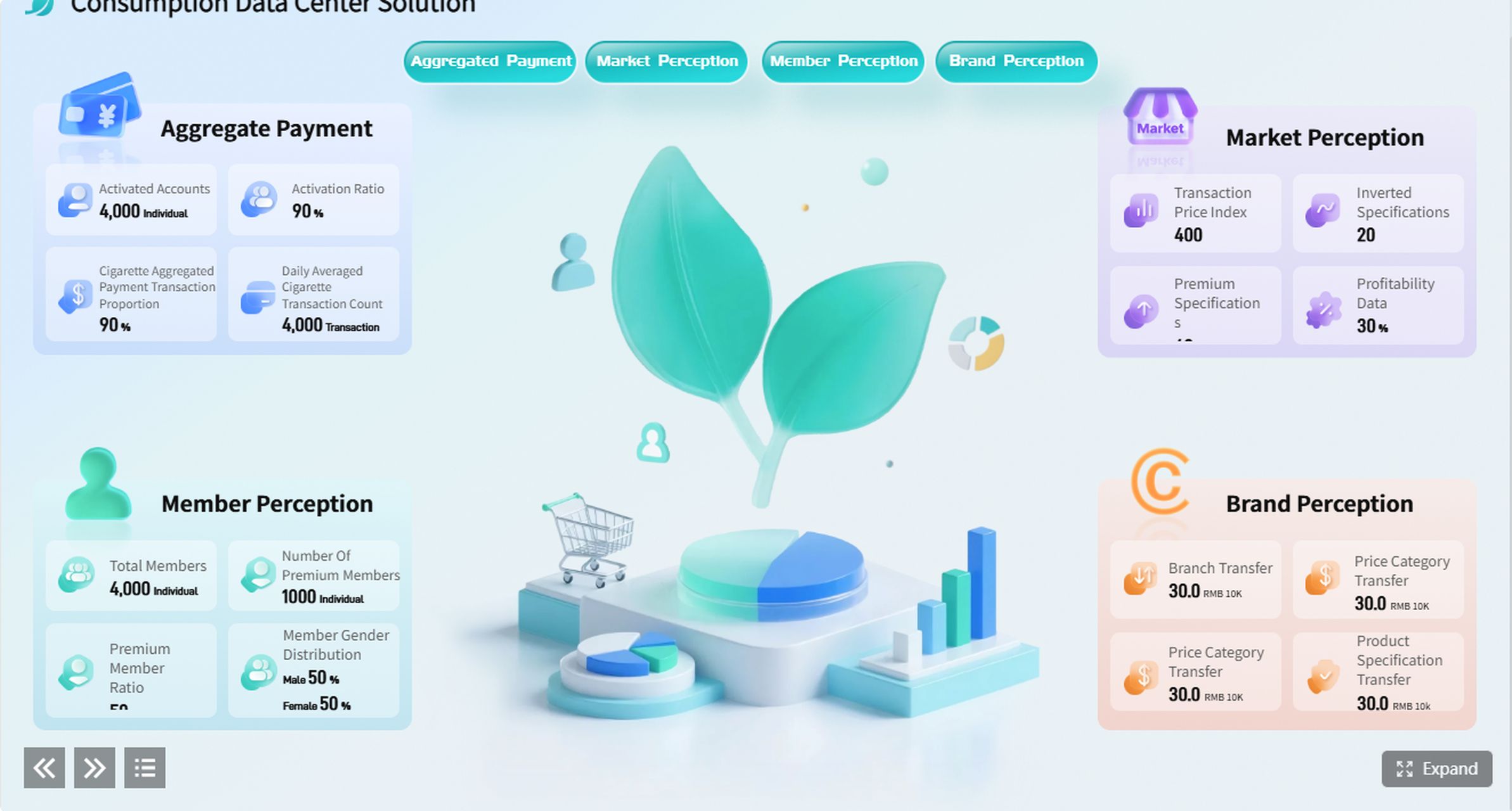
This report is built for action. It should help channel managers, analysts, creatives, and operations teams align around execution.
Best for: weekly standups, sprint reviews, campaign optimization meetings
Recommended structure:
- Channel-by-channel performance
- Experiment or A/B test results
- Blockers and dependencies
- Workflow progress
- Ownership by function
- Priorities for the next reporting cycle
Key inclusions:
- SEO ranking changes
- Paid media spend and efficiency shifts
- Email performance by campaign
- Social content performance
- Landing page conversion insights
- Open tasks and deadlines
This is where detail matters. Internal teams need enough granularity to understand what changed and what to do next.
Monthly channel report template
A monthly channel report provides a consistent snapshot across core marketing functions. It works well when teams want repeatability and clean month-over-month comparisons.
Best for: recurring reporting cadences across multi-channel programs
Suggested channels:
- SEO
- Paid media
- Social media
- Content marketing
Suggested monthly structure:
- Channel objective
- Key metrics for the month
- Month-over-month change
- Key insight
- Next optimization step
This format helps teams compare channels on equal footing without making the report messy.
Campaign post-mortem report template
A post-mortem report is essential for campaign learning. Too many teams stop at "results achieved" and fail to capture why outcomes happened.
Best for: launches, seasonal campaigns, paid media initiatives, ABM programs
Core sections:
- Original objectives
- Target audience and assumptions
- Final results
- What worked
- What failed
- Lessons learned
- Process improvements for future campaigns
A useful post-mortem should document not only marketing metrics but also execution realities. If approval delays, tracking gaps, or creative bottlenecks impacted results, include them.
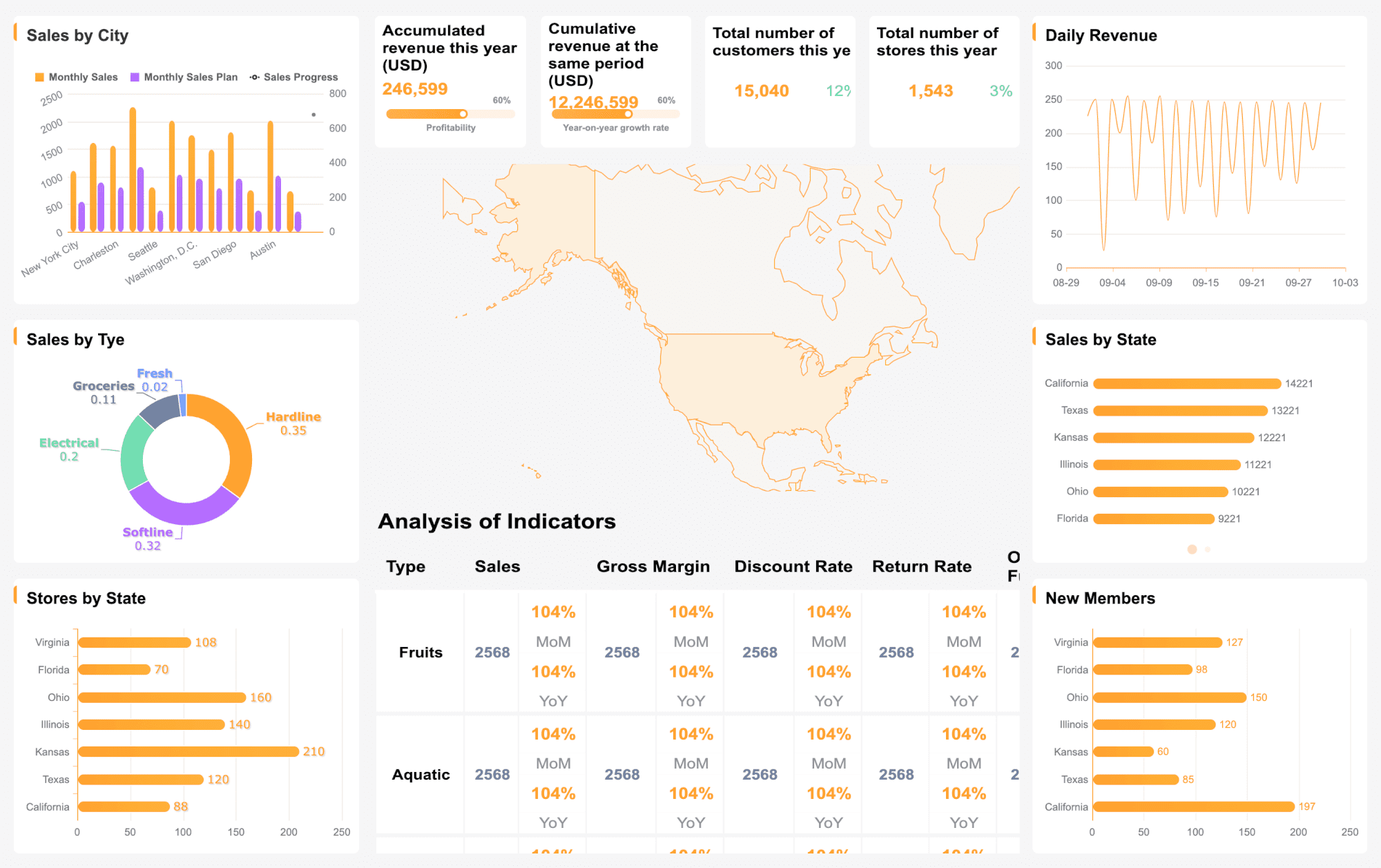
Digital marketing dashboard report template
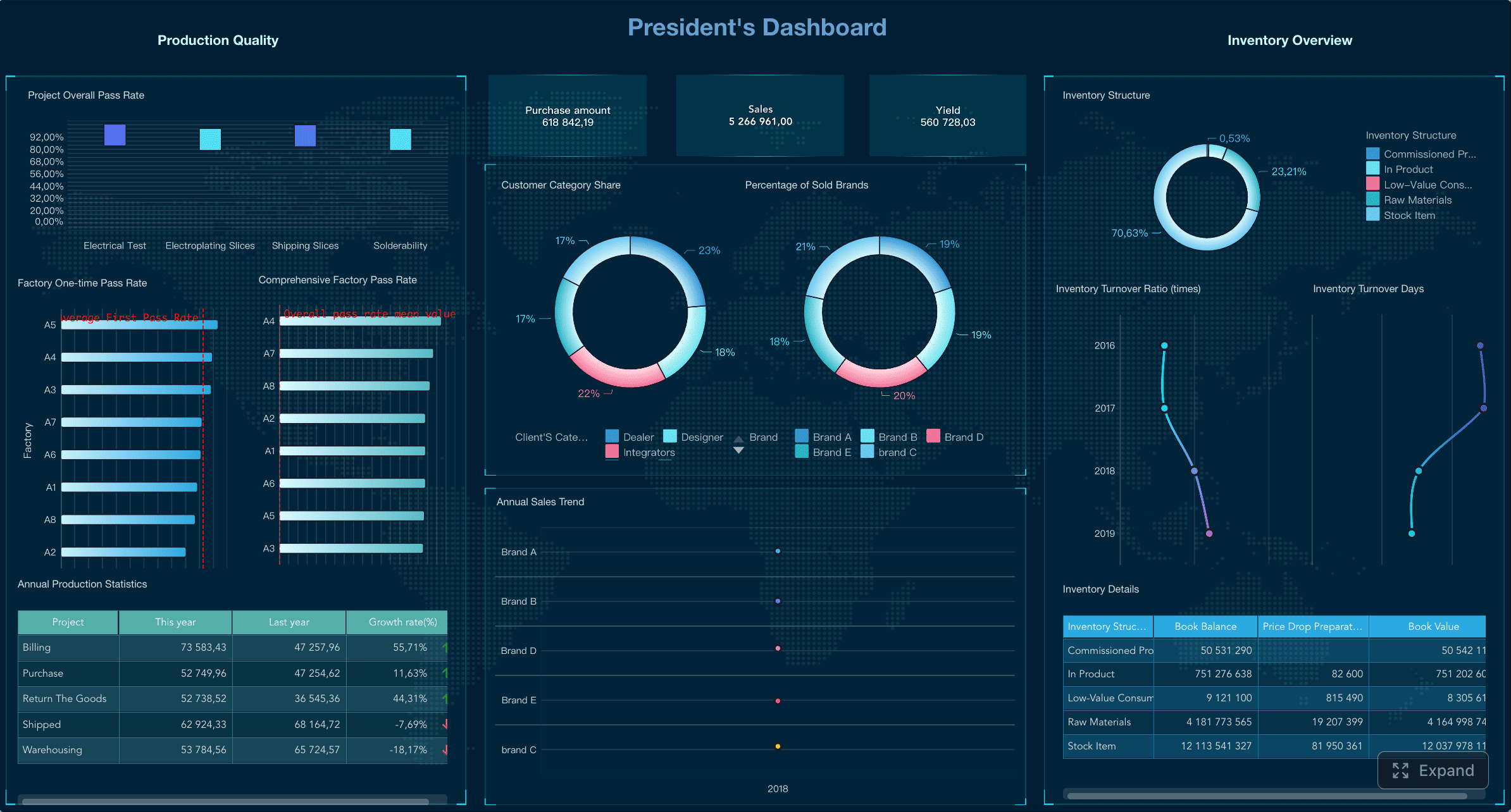
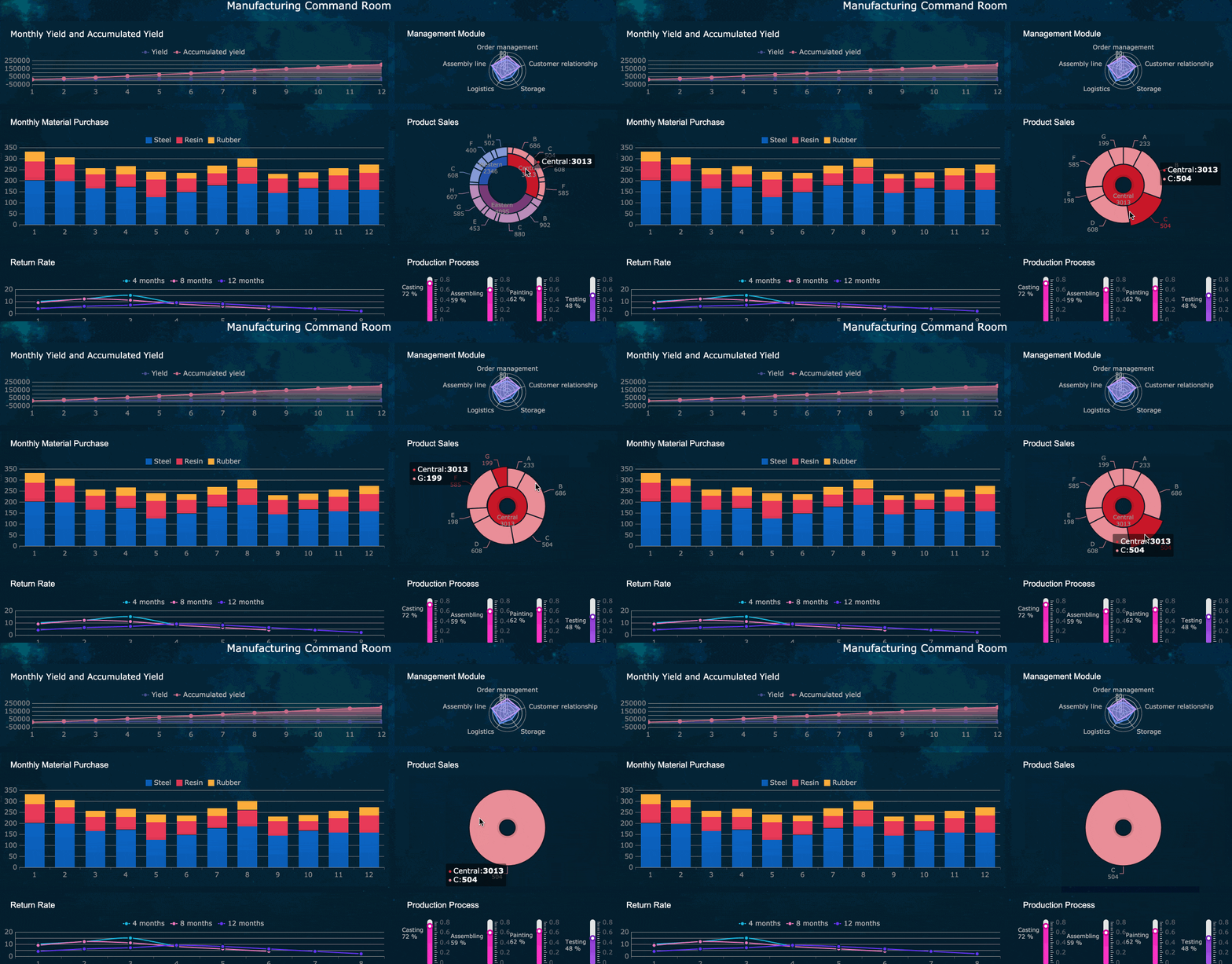
This is the most scalable marketing report example for organizations that want faster visibility and less manual reporting work. A dashboard centralizes KPIs into one view so stakeholders can monitor performance without waiting for slide decks.
Best for: always-on monitoring, stakeholder updates, operational visibility
Must-have dashboard elements:
- Cross-channel KPI summary
- Trend lines by reporting period
- Spend vs return view
- Conversion funnel
- Lead source breakdown
- Alerts for underperformance or anomalies
The real value of a dashboard is not only speed. It is consistency. When definitions, formulas, and visual layouts are standardized, reporting becomes more trustworthy across teams.
Lead generation and pipeline report template
This template is crucial for B2B organizations and growth teams that need to prove marketing’s revenue impact.
Best for: demand generation reviews, pipeline meetings, sales and marketing alignment
Core sections:
- Lead volume by source
- Lead quality indicators
- MQL to SQL conversion
- Opportunity creation
- Pipeline influenced
- Revenue closed-won
- Campaign contribution by segment
This report helps stakeholders move beyond vanity metrics. Traffic and clicks matter, but pipeline and revenue determine business confidence.
How to tailor marketing report example content for clients, executives, and internal teams
The same underlying data can be useful or useless depending on how it is presented.
What clients expect to see
Clients want confidence that progress is happening and that their investment is being managed well.
They typically expect:
- Progress against agreed goals
- Major campaign highlights
- Budget usage
- Clear explanation of results
- Practical recommendations for the next period
Use plain language. Translate technical changes into business outcomes. This builds trust and improves retention.
What executives expect to see
Executives expect a report that connects marketing to business performance.
They care most about:
- Revenue impact
- Efficiency trends
- Risk areas
- Forecast changes
- Strategic decisions needing approval
Keep jargon minimal. A report that reads like a platform export will fail with senior leadership.
What internal teams expect to see
Internal teams need enough detail to improve performance and coordinate work.
They expect:
- Granular metrics by channel
- Test results and experiment findings
- Root causes of performance changes
- Dependencies and blockers
- Action items with owners and timelines
A team report should be operational, not ceremonial.
How to build a marketing report example that saves time and improves decisions
The best report is the one your team can produce consistently without burning hours every cycle.
Core sections every template should include
No matter which template you use, keep these sections consistent:
- Reporting period
- Objectives
- KPIs
- Summary insights
- Recommendations
- Next steps
Consistency matters because it makes trends easier to spot over time and reduces confusion across stakeholders.
Common mistakes that weaken marketing reports
Most weak reports fail in one of these areas:
- Too much raw data with no interpretation
- Unclear narrative that does not explain what changed
- Mismatched KPIs that do not align to business goals
- No action plan after the summary
- One format for every audience regardless of need
A common mistake in enterprise reporting is over-collecting and under-explaining. More metrics do not automatically create more insight.
Tools and workflow tips for faster reporting
To speed up reporting without sacrificing quality:
-
Standardize templates by audience
Create a client version, executive version, and internal version instead of rewriting reports each time. -
Automate data pulls where possible
Use dashboards and scheduled refreshes to reduce manual extraction. -
Define metric logic once
Align teams on how CPL, CAC, attributed revenue, and pipeline contribution are calculated. -
Build reusable commentary blocks
For recurring patterns like spend pacing, conversion dips, or channel spikes, maintain structured explanation frameworks. -
Use visual hierarchy intentionally
Put the most decision-relevant information at the top, not buried halfway down the report.
Actionable best practices for implementing a better marketing reporting process
If you want reporting to drive decisions instead of administrative overhead, use this approach.
1. Start with the stakeholder decision, not the dataset
Ask first: what decision should this report support? Budget reallocation, campaign optimization, strategic approval, or client communication? Once that is clear, choose only the metrics that serve that decision.
2. Create one KPI dictionary across departments
Define every critical metric once. This avoids reporting conflicts between marketing, finance, and sales. In enterprise settings, inconsistent definitions destroy trust faster than weak performance.
3. Build reports in layers
Use a layered model:
- Dashboard for live visibility
- Summary page for leadership
- Deep-dive tabs for analysts and specialists
This approach satisfies multiple audiences without duplicating work.
4. Add recommendations to every report
A report without recommendations is just archived information. Every report should answer: what should we do next, why, and who owns it?
5. Review report usefulness quarterly
Stakeholder needs change. Reassess whether your current reports still support the decisions people actually make. Remove metrics no one uses. Add views for emerging priorities.
How to choose the right marketing report example for your reporting situation
If you are deciding which template to use, match the report to the situation.
| Reporting Situation | Best Template | Why It Fits |
|---|---|---|
| Monthly agency or client review | Client performance report | Balances results, trust-building, and recommended actions |
| Leadership update | Executive summary report | Highlights strategic impact and decisions needed |
| Weekly optimization meeting | Internal team operations report | Supports execution, ownership, and issue resolution |
| Ongoing channel oversight | Monthly channel report | Makes repeatable cross-channel comparisons easy |
| Campaign wrap-up | Campaign post-mortem report | Captures lessons and future improvements |
| Real-time visibility need | Digital marketing dashboard report | Enables faster monitoring and less manual reporting |
| B2B growth review | Lead generation and pipeline report | Connects marketing to pipeline and revenue |
A one-page summary is enough when the audience needs direction, not diagnosis. A detailed breakdown is necessary when teams must identify root causes, coordinate fixes, or justify strategic investment.
The seven templates above are not rigid formats. They are starting points. The strongest marketing report example is the one customized to your stakeholder goals, business model, and reporting cadence.
Final takeaway
A great marketing report does more than summarize performance. It creates alignment between data, decisions, and next actions. When you tailor the format for clients, executives, and internal teams, reporting becomes easier to consume, faster to produce, and far more valuable to the business.
If your current process still relies on disconnected spreadsheets, manual slide building, or one-size-fits-all reporting, now is the time to modernize it with standardized templates and automated dashboards.
FAQs
A strong marketing report should cover the reporting period, goals, KPIs, performance summary, insights, recommendations, and next steps. It should also explain what changed and why, not just show raw numbers.