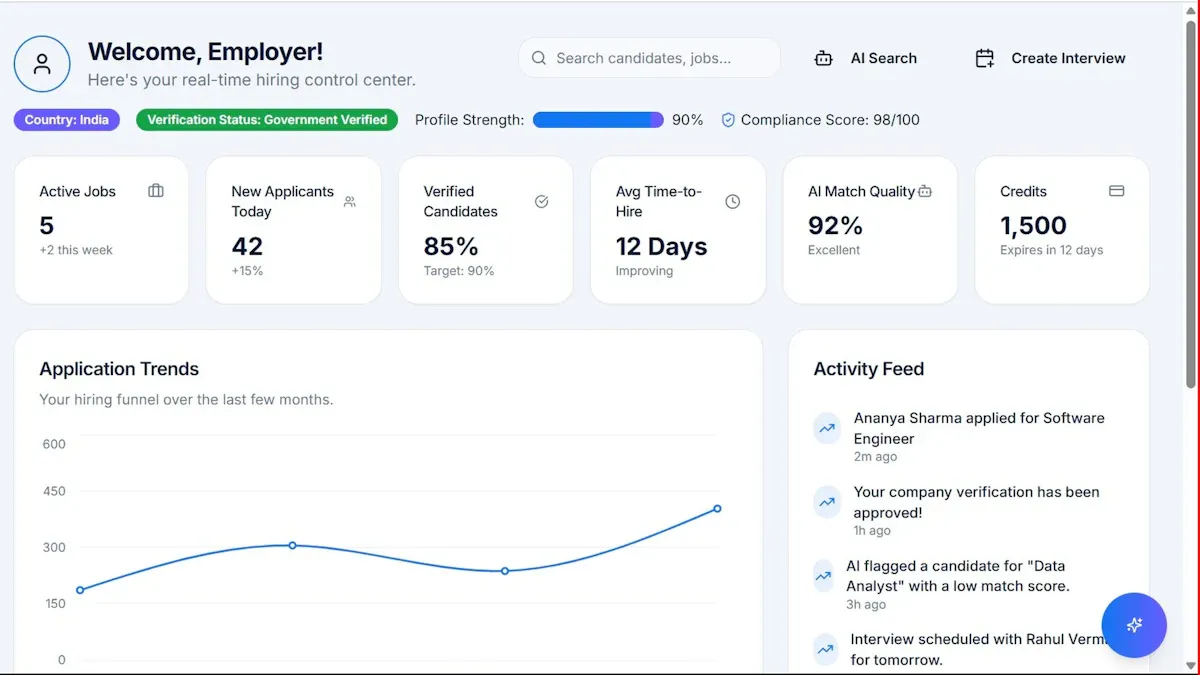
An expenses report is the document employees use to record business-related spending and request reimbursement, and for finance teams, it is the control point that keeps claims accurate, compliant, and easy to approve. If you manage reimbursements, you already know the pain points: missing receipts, vague descriptions, duplicate claims, delayed submissions, and time-consuming back-and-forth between employees, managers, and accounting. A clear expenses report process solves those issues by standardizing what gets submitted, how it is reviewed, and how fast employees get paid back.
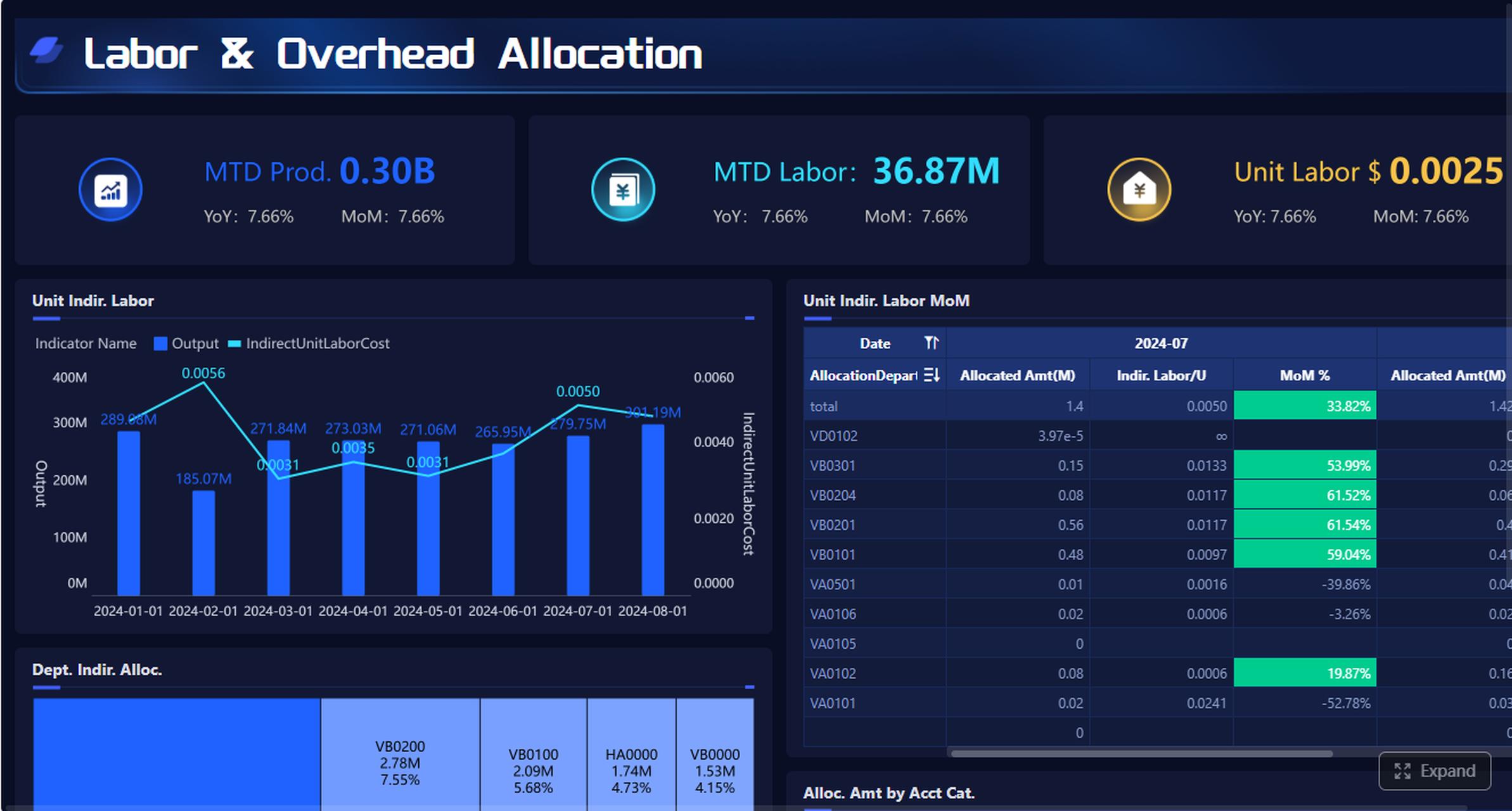
All reports in this article are built with FineReport.
How to Create an Expenses Report for Reimbursements
An expenses report helps businesses document employee spending for legitimate work purposes and convert those out-of-pocket costs into approved reimbursements. In practical terms, it gives finance teams a structured record of who spent money, when they spent it, why it was spent, and whether the expense complies with company policy.
This matters because reimbursements sit at the intersection of employee experience and financial control. Employees want fast repayment. Finance leaders want clean records, audit readiness, and visibility into spend patterns. A well-prepared expenses report supports both goals.
You typically need an expenses report when employees pay for approved business costs such as:
- Travel and hotel stays
- Client meals and entertainment
- Office and operational purchases
- Mileage and transportation
- Remote work supplies
- Project-related miscellaneous expenses
The process is straightforward when standardized: collect receipts, record each transaction, add the business purpose, verify policy compliance, attach proof, and submit for approval. The rest of this guide walks through exactly how to do that accurately.
What Is an Expenses Report?
An expenses report is a reimbursement document used to list business expenses paid by an employee on behalf of the company. Its main purpose is to support approval, reimbursement, accounting accuracy, and policy enforcement.
Unlike a casual list of purchases, an expenses report is typically itemized. Each line captures enough detail for a manager or finance reviewer to validate the claim without guesswork.
How an expenses report differs from other financial documents
Confusion often happens because several business documents track money, but they serve different purposes.
| Document | Main Purpose | Who Uses It | Key Difference |
|---|---|---|---|
| Expenses report | Request reimbursement for business spending | Employees, managers, finance | Tracks out-of-pocket business expenses |
| Invoice | Request payment from a customer | Vendors, suppliers | Used to collect payment, not reimbursement |
| Budget | Plan expected spending | Managers, finance leaders | Forecasts future spending rather than records completed purchases |
| Accounts payable record | Track company bills owed to suppliers | Finance, accounting | Covers vendor obligations, not employee claims |
An expenses report is therefore operational, not just administrative. It is the document that connects employee spending to approval workflows and reimbursement execution.
Common types of expenses reports
Most companies use one or more of the following report formats:
- Single-trip expenses report: For one business trip or event
- Monthly expenses report: For recurring employee reimbursements over a month
- Mileage expenses report: For personal vehicle use on business trips
- Departmental reimbursement report: For managers reviewing team-wide claims
- Project-based expenses report: For client, cost center, or project allocation
Common situations where an expenses report is used
Business travel and lodging
Travel is one of the most common reasons for an expenses report. Employees may need reimbursement for airfare, trains, taxis, rideshares, hotels, parking, baggage fees, and meals during approved travel.
Team meals and client entertainment
When employees host clients or attend approved team meals, companies usually require an expenses report that includes the date, attendees, purpose of the meal, vendor, and total amount.
Remote work supplies and office purchases
Employees may buy monitors, stationery, cables, printers, software subscriptions, or other approved items for work. These purchases should be categorized properly to avoid confusion during accounting review.
Mileage and transportation reimbursements
If employees use personal vehicles for business activities, an expenses report is often required to log trip dates, starting point, destination, business purpose, miles traveled, and reimbursement amount based on policy rates.
What to Include in an Expenses Report
A strong expenses report should give reviewers everything they need to approve or reject the claim quickly. Missing fields create friction, so your template or system should always capture the same core information.
Core elements every expenses report should include
- Employee name: Identifies who is requesting reimbursement
- Department: Helps route approval and allocate cost correctly
- Reporting period: Defines the date range covered by the report
- Expense date: Shows when each purchase occurred
- Vendor or merchant: Identifies where the money was spent
- Expense category: Labels the spend type such as travel, meals, supplies, or mileage
- Amount: Records the exact reimbursable value
- Business purpose: Explains why the expense was necessary
- Project, client, or cost center: Assigns the expense to the right operational bucket
- Receipt attachment: Provides proof for review and audit
- Approval fields: Documents manager or finance sign-off
- Reimbursement total: Shows the final amount owed to the employee
Key Metrics (KPIs)
For companies that want more than basic reimbursement processing, these are the most useful KPIs to track around the expenses report workflow:
- Total reimbursable amount: The full dollar value submitted for repayment in a report or period
- Approval cycle time: How long it takes from submission to final approval
- Receipt attachment rate: Percentage of expense lines with valid supporting documents
- Policy violation rate: Share of submitted claims that exceed limits or break policy rules
- Duplicate claim rate: Percentage of expense entries flagged as repeated submissions
- Average reimbursement time: Time between approval and payment to the employee
- Expense category mix: Distribution of spending across travel, meals, supplies, mileage, and other categories
- Manual correction rate: Frequency of edits needed after initial submission
- Late submission rate: Percentage of reports submitted after company deadlines
- Tax recovery accuracy: Reliability of tax, VAT, or currency treatment on expense claims
These KPIs are especially valuable for operations directors and finance managers trying to reduce reimbursement delays and strengthen audit readiness.
Required details for reimbursement approval
Clear descriptions for every line item
Each expense line should explain the purchase in plain business language. “Lunch” is weak. “Client lunch with ABC Corp to discuss contract renewal” is much better.
Matching receipts and payment proof
Amounts in the report should match the attached receipt or proof of payment. If your policy allows exceptions for small purchases, define them clearly to avoid inconsistent approvals.
Policy compliance checks for spending limits
Every claim should be reviewed against reimbursement rules such as daily meal caps, hotel limits, mileage rates, and approved categories.
Correct totals, taxes, and currency conversions
Math errors are one of the most common causes of delay. Reports should show correct subtotals, taxes where relevant, and standardized currency conversion if the expense was incurred abroad.
How to Create and Submit an Expenses Report
The best expenses report process is simple enough for employees to follow and structured enough for finance teams to control. Whether you use a spreadsheet or dedicated software, the mechanics are the same.
Step-by-step process
1. Collect receipts immediately after each purchase
Advise employees to save receipts in real time, not at the end of the month. The longer they wait, the more likely documents go missing or details become unclear.
Best practice:
- Take a photo of the receipt immediately
- Save digital receipts in a dedicated folder
- Label files by date and vendor for easier matching
2. Record expenses in the template or reporting system
Enter each expense line with:
- Date
- Vendor
- Category
- Amount
- Business purpose
- Project or client reference if applicable
Chronological entry usually makes review easier, while category grouping can help departmental analysis.
3. Double-check totals and reimbursement eligibility
Before submission, confirm that:
- Totals add up correctly
- No personal purchases are included
- Each expense is reimbursable under policy
- Currency and tax fields are accurate
- Receipts match each listed item
4. Send the completed report before the deadline
Late reporting creates accounting delays and hurts cash flow forecasting. Set a clear internal deadline, such as within 7, 14, or 30 days after the expense or end of month.
Common mistakes to avoid
Missing receipts or incomplete descriptions
If the reviewer cannot tell what the expense was for, approval slows down. Missing documentation is still the number one reimbursement bottleneck.
Mixing personal and business expenses
Employees should never combine personal and company costs on the same report. This complicates verification and creates compliance risk.
Submitting duplicate charges
Duplicates often happen when employees submit both a card statement line and the original receipt entry. A clean review process should catch this before reimbursement.
Waiting too long to file the report
Delayed submission causes forgotten details, lost receipts, and deadline misses. It also creates unnecessary pressure on finance teams during month-end close.
Free Downloadable Template and Tips to Make Expenses Report Writing Easier
A free downloadable expenses report template is the fastest way to standardize reimbursement requests, especially for small teams or companies still using spreadsheets. A good template reduces guesswork by showing employees exactly what fields to complete and what documentation to attach.
At minimum, your template should include:
- Employee information
- Reporting period
- Expense date
- Vendor
- Category
- Description and business purpose
- Amount
- Tax
- Currency
- Project or client reference
- Receipt status
- Approval signature area
- Reimbursement total
The biggest operational benefit of a template is consistency. When every employee uses the same format, managers approve faster, finance teams process faster, and reporting becomes easier to audit and analyze.
How to use the template effectively
Customize categories to match company policy
Your template should mirror your reimbursement policy. If your policy distinguishes between airfare, lodging, meals, mileage, and office supplies, your category fields should do the same.
Add automatic totals where possible
Even a basic spreadsheet can reduce errors with formulas for:
- Subtotals by category
- Tax calculations
- Mileage reimbursement
- Grand totals
Save digital copies of receipts in one folder
Create one folder per report period or trip. Name files consistently so the reviewer can match evidence to each expense line in seconds.
Review the report before submission
A final check should verify:
- All required fields are complete
- Receipts are attached
- Totals are correct
- Policy limits are respected
- Descriptions are business-specific
Practical consultant tips for smoother reimbursements
From an operations standpoint, these practices make a measurable difference:
- Set one policy owner. Finance should own the reimbursement standard so employees are not receiving mixed guidance from different managers.
- Use required fields, not optional ones. If business purpose and receipt upload matter, make them mandatory.
- Standardize category definitions. Avoid vague labels like “miscellaneous” unless there is a genuine exception path.
- Review exceptions separately. Claims outside policy should be escalated, not buried in normal approvals.
- Track bottlenecks monthly. If approvals stall at one manager or one department, fix the workflow, not just the symptom.
Choosing Tools and Software for Expenses Report Writing
The right tool depends on volume, complexity, and control requirements. A small business with occasional reimbursements may do fine with a spreadsheet template. But once claims become frequent, cross-departmental, multi-currency, or audit-sensitive, manual processes quickly become expensive.
Spreadsheet vs template vs dedicated software
| Option | Best For | Advantages | Limitations |
|---|---|---|---|
| Spreadsheet | Small teams, low claim volume | Low cost, easy to start | Prone to errors, weak workflow control |
| Shared template | Teams needing standardization | Consistent format, simple adoption | Manual approval tracking, limited automation |
| Expense reporting software | Growing or enterprise organizations | Faster processing, stronger compliance, better visibility | Requires setup and process design |
If finance teams are spending too much time chasing receipts, checking duplicates, or reconciling claims manually, software becomes the better operational choice.
Features to look for in expense reporting software
Mobile receipt scanning
Mobile capture helps employees log expenses in real time instead of reconstructing them later from memory.
Automated policy checks
The best systems flag out-of-policy claims automatically, reducing manual review effort and inconsistent approvals.
Approval routing and status tracking
Managers and finance teams need visibility into where each expenses report sits in the workflow and what action is pending.
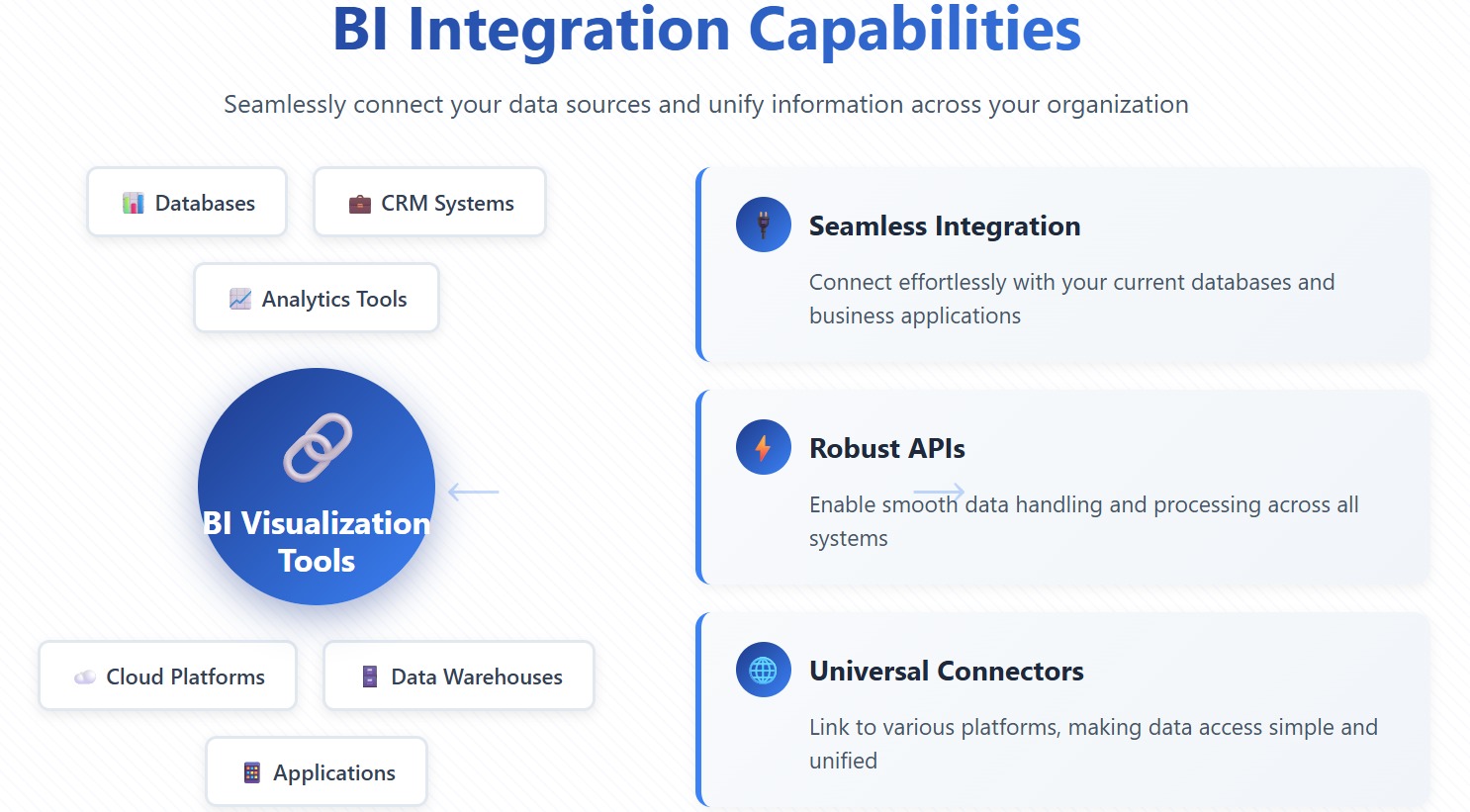
Integration with accounting or payroll systems
When reimbursement data flows directly into accounting or payroll, teams eliminate rekeying and reduce the risk of posting errors.
 BI Integration Capability
Turn Your Expenses Report Process Into a Scalable Reporting System
If your current expenses report process depends on spreadsheets, email threads, and manual follow-up, the real issue is not just reimbursement friction. It is a lack of reporting structure. As reimbursement volume grows, companies need more than a form. They need dashboards, validation rules, approval routing, exception tracking, and management visibility.
That is where FineReport becomes a practical enabler.
With FineReport, businesses can build expense reimbursement reports and dashboards that go beyond basic data entry. You can standardize templates, visualize reimbursement KPIs, monitor approval delays, track category-level spending, and create role-based dashboards for employees, managers, and finance teams. Instead of treating each expenses report as an isolated file, you turn reimbursements into a controlled, analyzable workflow.
 Get Ready-to-Use Dashboard Templates in Fine Gallery
FineReport is especially useful when you need to:
- Build reusable reimbursement templates
- Centralize receipt-backed reporting data
- Track approval and reimbursement status in real time
- Monitor policy violations and duplicate submissions
- Integrate reporting outputs with broader finance operations
- Give decision-makers a dashboard view of employee spending trends
For enterprise teams, that shift matters. Better expense reporting does not just speed up reimbursements. It improves compliance, strengthens financial visibility, and reduces administrative waste across the organization.
If you want a more scalable way to build and manage expense reporting workflows, FineReport is a strong place to start.
FAQs
An expenses report is used to record business-related purchases paid by an employee and request reimbursement. It also helps managers and finance teams review spending, enforce policy, and keep accurate records.