A travel expense report is the document employees use to record business-trip spending so finance teams can reimburse costs quickly, enforce policy, and maintain clean audit records. If you manage travel reimbursements, you already know the real pain points: incomplete submissions, missing receipts, vague business justifications, mileage disputes, and approval bottlenecks that frustrate both employees and accounting.
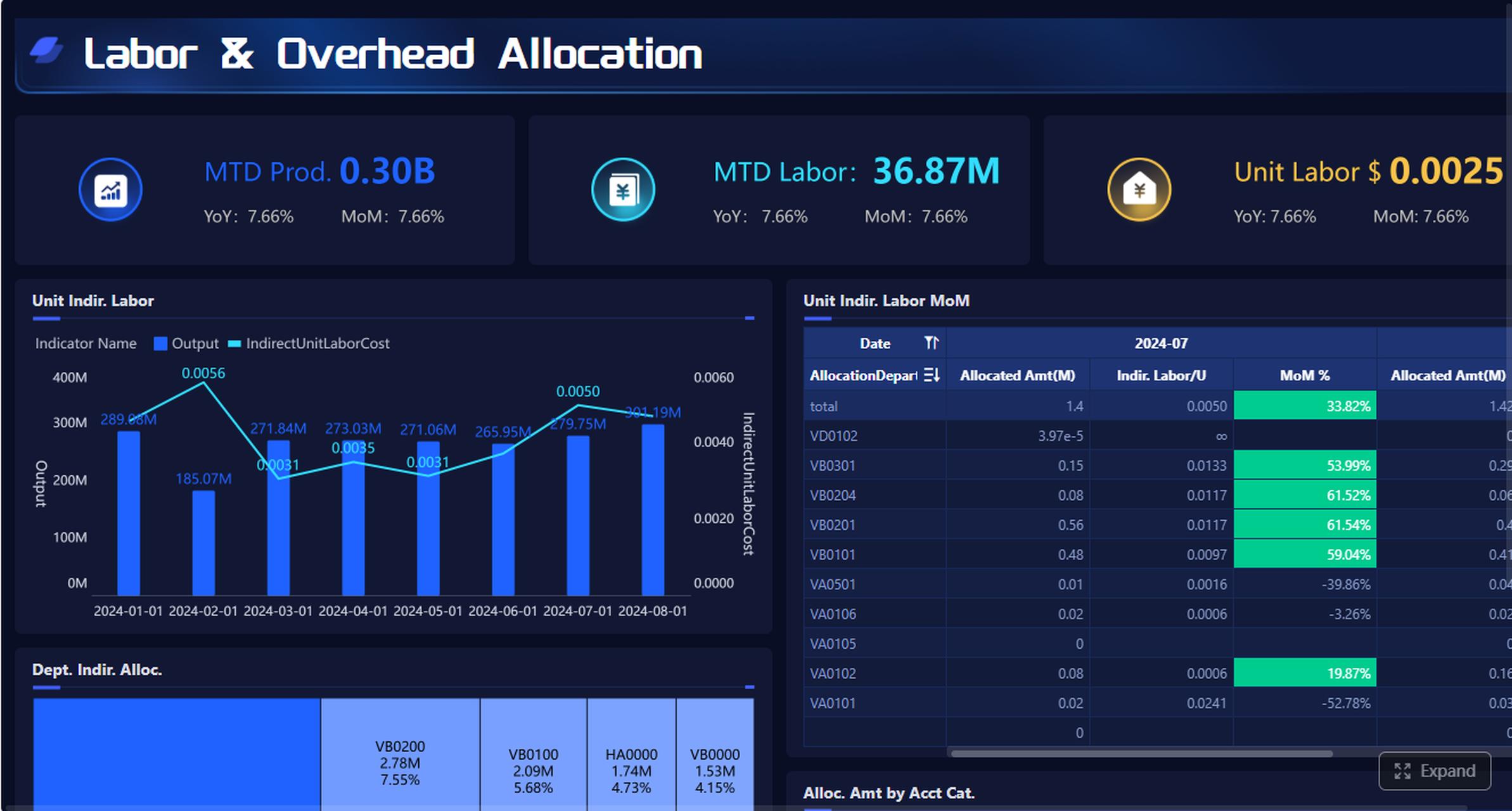
All reports in this article are built with FineReport.
What a travel expense report is and when you need one
A travel expense report is a structured record of all reimbursable costs incurred during a business trip. It connects employee spending to the company’s reimbursement process, accounting system, and compliance controls. In practice, it serves three purposes at once:
- It documents what the traveler spent
- It explains why the trip was business-related
- It gives approvers enough evidence to authorize reimbursement
For most organizations, travelers are expected to submit a report shortly after returning from a trip. Some companies require submission within 5 to 10 business days, while others align deadlines with month-end close or payroll cycles. The exact timing varies, but the business objective is consistent: capture expenses while details are still fresh and before documentation goes missing.
The review path is also fairly standard. The employee prepares the report, a direct manager or budget owner approves the business need, and finance or accounts payable verifies policy compliance, coding, and documentation before processing reimbursement. In larger enterprises, project managers, department heads, or cost center owners may also review the report.
Key Metrics (KPIs) for travel expense report management
If you want to improve the process, track these core metrics:
- Average submission time: The number of days between trip end and report submission.
- Approval cycle time: How long it takes from submission to final approval.
- Reimbursement turnaround time: The elapsed time before employees are paid back.
- Receipt compliance rate: The percentage of expense lines with valid supporting documents.
- Policy exception rate: The share of reports containing out-of-policy spend.
- Duplicate claim rate: The percentage of duplicate or potentially duplicate expense entries.
- Mileage claim accuracy: The consistency between claimed miles, approved routes, and reimbursement rules.
- First-pass approval rate: The percentage of reports approved without rework.
- Average cost per trip: Total trip spend divided by the number of completed trips.
- Category spend concentration: Which expense categories account for the largest share of travel costs.
For finance leaders, these KPIs are more than operational metrics. They reveal whether your process is scalable, compliant, and fair to employees.
Required fields every travel expense report should include
A strong travel expense report should be complete enough that an approver can understand the trip without asking follow-up questions. Missing fields create delays, while inconsistent coding creates accounting problems later.
Employee and trip identification fields
At minimum, every report should include:
- Traveler name
- Employee ID
- Department
- Job title, if required by policy
- Contact details
- Manager or approver name
It should also capture the trip overview:
- Trip start and end dates
- Destination city and country
- Client name, event name, or internal meeting name
- Business purpose
- Cost center, department code, or project code
These fields give finance and audit teams immediate context. Without them, even valid expenses can be hard to verify.
Expense line-item fields
Each expense entry should be itemized. Required line-item data usually includes:
- Expense date
- Expense category
- Vendor or merchant name
- Payment method
- Currency
- Original amount
- Reimbursable amount
- Tax, tip, or fee details if applicable
- Notes or comments for exceptions
The expense category matters because it affects budget tracking, policy checks, and tax treatment. Common categories include airfare, lodging, meals, ground transportation, parking, mileage, conference fees, and miscellaneous business expenses.
Totals and control fields
At the report level, include:
- Total number of expense lines
- Total claimed amount
- Cash advance amount, if any
- Net reimbursement due
- Submission date
- Approval date
- Final approver details
- Finance processing status
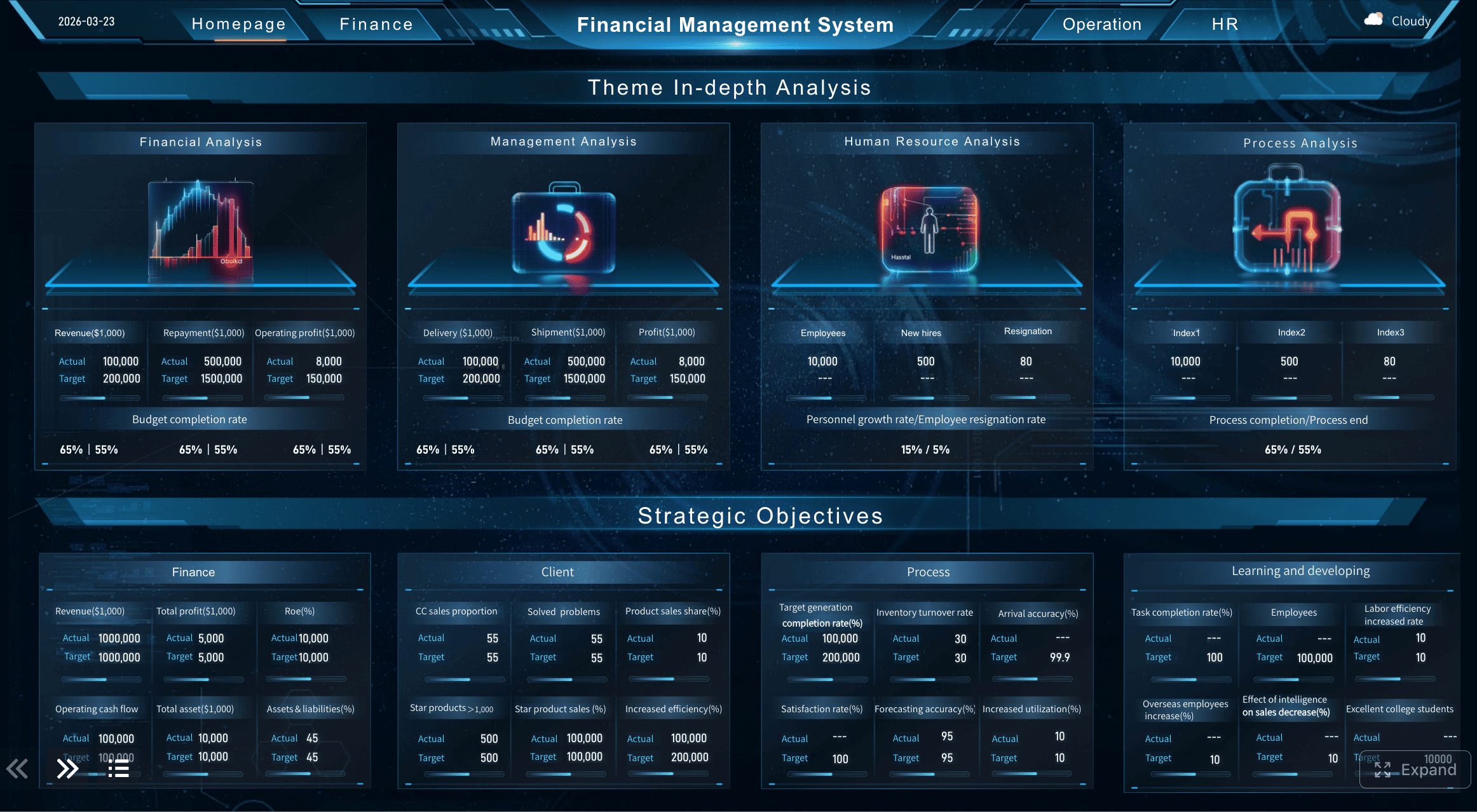
A practical best practice is to standardize these fields in one form across the company. That reduces training effort and makes downstream reporting far more reliable.
Receipt rules and documentation requirements when making a travel expense report
Receipts are the backbone of a compliant reimbursement process. They verify that an expense occurred, help confirm the amount, and show whether the charge aligns with policy. Weak documentation is one of the fastest ways to delay a travel expense report.
Which expenses usually require receipts
Most companies require receipts for major travel-related costs, including:
- Airfare
- Lodging
- Car rental
- Rail tickets
- Taxis and rideshare
- Parking
- Meals
- Conference or event registration fees
- Other reimbursable business costs above a policy threshold
Lodging receipts are especially important because they often need to show nightly rate, taxes, and additional charges separately. Meal receipts may also need to be itemized rather than summarized, depending on company policy.
When a missing receipt explanation may be accepted
There are cases where a missing receipt explanation is allowed, but this depends on company policy. Typical exceptions include:
- The expense is below the receipt threshold
- The receipt was lost and the employee completes a receipt affidavit
- A card or bank statement supports the transaction
- The manager provides written approval
- The expense can be corroborated through booking records or email confirmations
That said, companies should treat missing receipt approvals as controlled exceptions, not routine practice. Frequent exceptions usually indicate a weak process or poor employee training.
How to organize receipts for faster review
To speed up review and reduce back-and-forth, receipts should be organized with discipline:
- Match each receipt to a specific line item.
- Make sure every image is legible and fully captured.
- Include merchant name, date, and amount clearly.
- Note taxes, fees, and tips where relevant.
- Record exchange rates for foreign currency expenses.
- Keep digital file names consistent if submitting manually.
A clean receipt package helps approvers validate expenses in minutes instead of chasing corrections over multiple email rounds.
How to report mileage accurately in your travel expense report
Mileage claims are often simple in theory and messy in practice. The risk areas are overestimation, mixed personal use, vague destinations, and unsupported calculations. If your company reimburses personal vehicle use for business travel, mileage rules should be explicit and easy to follow.
What business mileage includes
Business mileage typically includes:
- Travel to client meetings
- Travel between company work locations
- Driving to airports or train stations for approved business travel
- Travel to conferences, events, or temporary work sites
- Other manager-approved driving directly related to business activity
Commuting from home to a regular office is generally not treated as reimbursable business mileage unless company policy states otherwise in special circumstances.
What information to record for mileage claims
Each mileage entry should include enough detail to validate the trip. Record:
- Travel date
- Starting point
- Destination
- Business purpose of the trip
- Distance driven
- Reimbursement rate
- Calculated reimbursement amount
- Route notes if needed
For stronger internal control, some organizations also require odometer readings, map-based route evidence, or automated GPS logs.
[Insert Dashboard Demo Here: Mileage reimbursement dashboard with trip date, start-end locations, miles claimed, reimbursement rate, and flagged exceptions]
Common mileage mistakes to avoid
Mileage claims are commonly delayed because of avoidable errors such as:
- Mixing personal miles with business miles
- Using unsupported estimates
- Omitting start and end locations
- Forgetting to note the business purpose
- Applying the wrong reimbursement rate
- Claiming round trips without route detail
- Double claiming fuel and mileage when policy allows only one method
A simple rule for employees: if another person cannot understand the route and business reason from your entry, the claim is not ready to submit.
How to write a clear business purpose in your travel expense report
The business purpose field is one of the most important and most underestimated parts of a travel expense report. Finance teams do not just need to know what was spent. They need to know why the company should reimburse it.
What a strong business purpose statement looks like
A strong business purpose statement is:
- Specific
- Business-focused
- Linked to a client, project, meeting, event, or operational objective
- Detailed enough for an approver or auditor to understand the necessity
Good statements answer at least one of these questions:
- Who was the trip for?
- What business activity took place?
- Why was travel required?
- What outcome or objective did the trip support?
For example, “Attended Q3 supplier negotiation meeting with ABC Components in Chicago to finalize pricing and delivery terms for plant expansion project” is much stronger than “business trip.”
Examples of weak vs. acceptable descriptions
Here are practical comparisons:
| Weak description | Acceptable description |
|---|---|
| Business meeting | Met with Delta Retail procurement team to review 2027 contract renewal terms |
| Client visit | On-site visit to inspect installation progress for Phoenix warehouse automation project |
| Conference | Attended Logistics Tech Summit 2026 to evaluate route optimization vendors and reporting tools |
| Internal meeting | Regional operations planning workshop for East Coast distribution network redesign |
| Sales trip | Customer presentation to propose enterprise reporting solution for finance transformation initiative |
The difference is clarity. A useful description ties the trip to a legitimate business activity and often hints at expected value.
Why business purpose matters for compliance
The business purpose field supports:
- Faster manager approvals
- Better audit readiness
- More consistent tax documentation
- Stronger policy enforcement
- Better spend analytics by trip type or business objective
When this field is vague, approvers hesitate, finance teams ask for rework, and auditors see unnecessary risk. Clear business purpose language reduces friction across the whole reimbursement chain.
Common errors, review tips, and useful templates of travel expense report
Even with clear policy, many reports still get rejected for basic quality issues. The good news is that most of these problems are preventable with better templates, stronger validation rules, and a pre-submission review habit.
Frequent reasons reports are delayed or rejected
The most common failure points include:
- Missing required fields
- Duplicate claims
- Unreadable or missing receipts
- Policy violations
- Incorrect math
- Wrong cost center or project code
- Inconsistent dates
- Unsupported mileage calculations
- Vague business purpose statements
- Expenses submitted outside the reporting deadline
In enterprise environments, these are not just employee mistakes. They are process design issues. If users repeatedly make the same errors, the form, workflow, or policy communication likely needs improvement.
A simple review checklist before submission
Before submitting a travel expense report, use this checklist:
- Confirm traveler and trip details are complete
- Verify every expense line has the correct date, category, and amount
- Attach all required receipts
- Check that receipt images are legible
- Confirm foreign currency conversions where applicable
- Verify mileage entries and reimbursement rates
- Review the business purpose for clarity and specificity
- Confirm totals and reimbursement amounts
- Make sure each expense supports the trip purpose
- Check coding for department, project, or cost center
- Remove duplicates or personal charges
This single review step can dramatically improve first-pass approval rates.
Actionable best practices to implement a better travel expense report process
If I were advising an operations director or finance systems owner, I would focus on these high-impact improvements first.
1. Standardize one company-wide travel expense report template
Do not let departments create their own forms. A single template improves data quality, accelerates training, and makes reporting comparable across the business. Build mandatory fields for trip details, receipt attachments, mileage entries, and approval routing.
2. Set policy-based validation rules at the point of entry
The fastest way to reduce rework is to stop bad submissions before they happen. Examples include:
- Requiring receipts above policy thresholds
- Blocking submission when business purpose is blank
- Flagging duplicate amounts, dates, and vendors
- Enforcing approved categories and reimbursement rates
- Requiring route details for mileage claims
3. Use dashboards to monitor bottlenecks and compliance trends
Finance should not wait until month-end to discover reporting issues. A dashboard can surface:
- Pending approvals by manager
- Reports missing receipts
- Out-of-policy spend by category
- Reimbursement aging
- Travel spend by department, project, or traveler
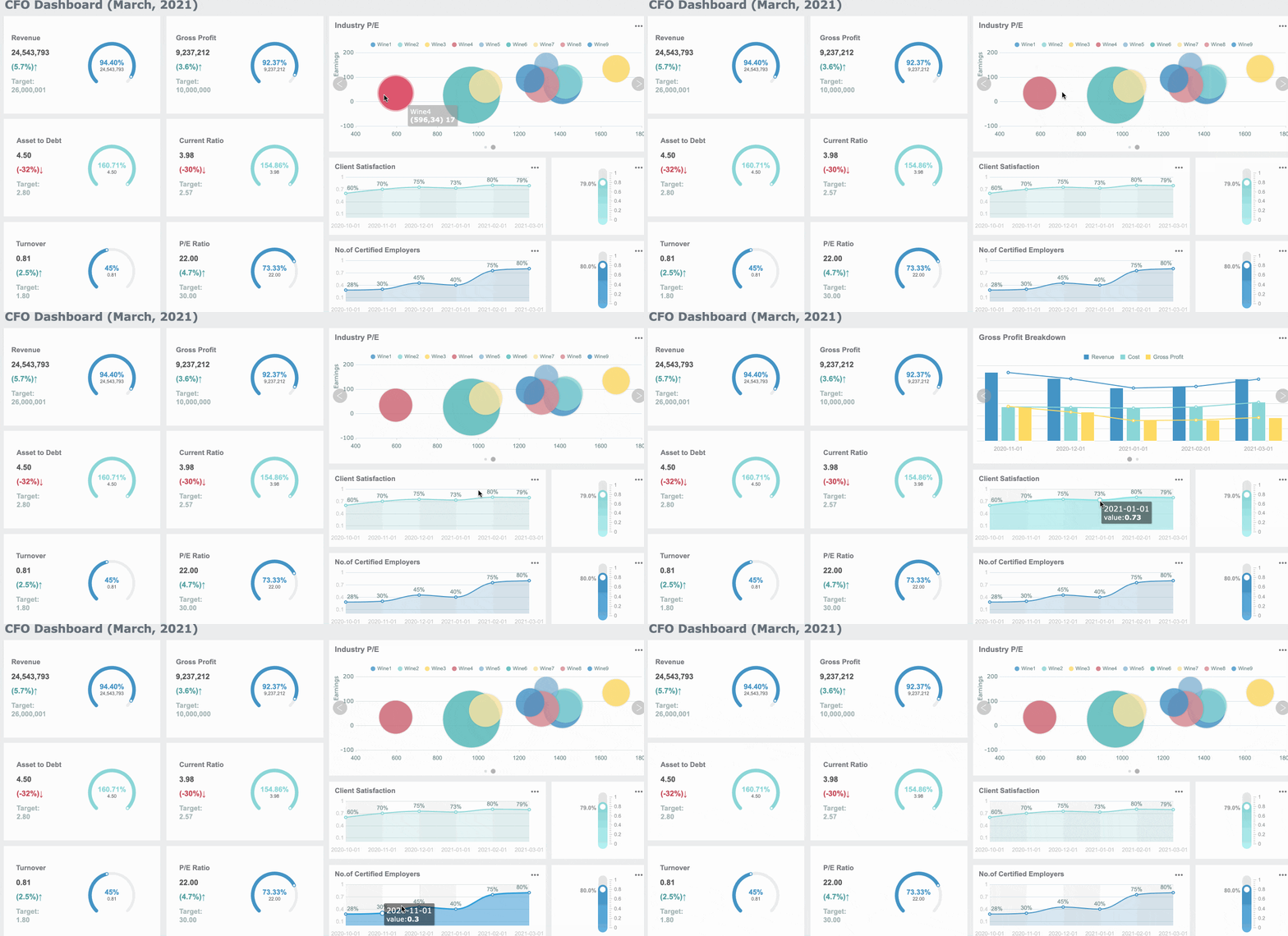
This is where FineReport can be a practical fit. Teams can build visual travel expense dashboards, track approval cycle times, monitor compliance exceptions, and unify data from forms, ERP systems, and reimbursement workflows in one reporting layer.
4. Train employees on examples, not just policy text
Most policy documents are too abstract. Show employees examples of acceptable business purpose statements, compliant meal receipts, valid mileage entries, and properly coded expense lines. Real examples reduce avoidable mistakes much faster than written rules alone.
5. Automate approval routing and audit checks
As volume grows, manual routing becomes a control risk. Route reports automatically based on department, amount, project code, or expense type. Add automated checks for missing receipts, duplicate claims, and threshold exceptions before the report reaches finance.
Where travel expense report templates and tools can help
Templates are useful when a company is starting from a manual process or needs a short-term standard form. A good template should include fields for employee information, trip details, expense categories, receipts, mileage, totals, and approvals. It should also include clear instructions for what documentation is required.
But templates alone do not solve scale problems. Once travel volume increases, finance teams need digital tools that can:
- Centralize submissions
- Attach and organize receipts
- Validate required fields automatically
- Track approval status in real time
- Report spend by category, department, and trip purpose
- Identify exceptions and reimbursement delays
For organizations trying to move beyond spreadsheets, a reporting platform like FineReport can help structure travel expense data into operational dashboards, reimbursement tracking views, and audit-ready reporting outputs. That is especially valuable for companies managing multiple business units, currencies, or approval paths.
Final takeaway
A well-prepared travel expense report is not just an administrative form. It is a control mechanism for reimbursement speed, budget visibility, compliance, and employee experience. The best reports are complete, itemized, supported by clear receipts, accurate on mileage, and anchored by a specific business purpose.
If you want fewer rejected submissions and faster reimbursements, focus on five things:
- Standard required fields
- Clear receipt rules
- Accurate mileage documentation
- Specific business purpose statements
- Strong review and approval workflows
When those elements are standardized and supported by the right reporting tools, travel expense reporting becomes far easier to manage at scale.
 Get Ready-to-Use Dashboard Templates in Fine Gallery
FAQs
A travel expense report should include employee details, trip dates and destination, business purpose, cost center or project code, and itemized expense lines. Each line usually needs the date, category, vendor, payment method, currency, amount, and any required notes or receipt.