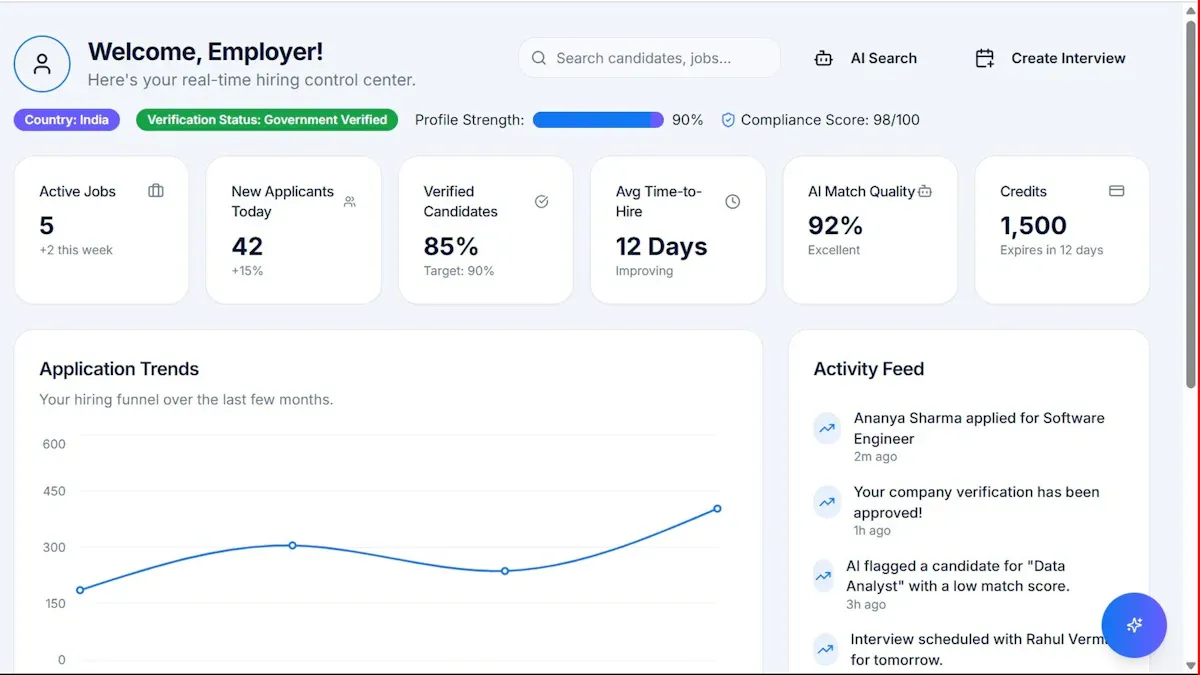

Cloud reporting lets you create, view, and share reports online using software as a service (SaaS). You can access your data and insights anytime, anywhere, from any device. Businesses worldwide now prefer cloud solutions, with over 90% using the cloud in some form.
| Statistic | Value |
|---|---|
| Organizations using the cloud | 90%+ |
| Respondents operating in public cloud | 66% |
| Respondents using private cloud | 45% |

Switching from traditional reporting to cloud-based systems improves speed, accuracy, and cost-efficiency. FineReport stands out as a leading platform, helping you manage and analyze your data with ease.
Cloud Reporting Overview

What is Cloud Reporting
Cloud reporting is a modern approach to business intelligence that uses the cloud to deliver financial and operational reports. You access these reports through a web browser, which means you do not need to install any software on your local device. This model falls under software as a service (SaaS), so you can use cloud reporting tools from anywhere, on any device, as long as you have an internet connection.
With cloud reporting, your data and reporting tools are hosted securely in the cloud. You control permissions and data models, while the cloud service provider manages the network and servers. This setup gives you flexibility and reduces the need for in-house IT resources. You can focus on analyzing your data and making decisions, rather than worrying about hardware or software maintenance.
Cloud reporting platforms stand out because they offer real-time data integration, automated workflows, interactive dashboards, and enhanced collaboration features. They also provide robust security and help you meet compliance requirements. These features make cloud reporting different from traditional, on-premise reporting tools.
How Cloud Reporting Works
Cloud reporting works by transforming raw data into actionable insights using cloud-based analytics tools and platforms. Here is how the process typically unfolds:
- You upload or connect your data sources to the cloud reporting platform.
- The platform integrates data from multiple sources in real time, giving you a single source of truth.
- You use automated workflows to collect, cleanse, and organize your data.
- The system applies AI-powered analytics to process large datasets and recognize patterns quickly.
- You create interactive dashboards and reports that update in real time.
- You share these reports with your team or stakeholders, who can access them from any device.
- The platform offers multilayered security and disaster recovery to protect your data.
- You can scale resources instantly to meet changing business needs.
- The cloud reporting platform simplifies collaboration, so multiple users can co-author and comment on reports.
- You gain fast, reliable access to insights, helping you make data-driven decisions.
Cloud reporting reduces costs by eliminating the need for large in-house servers. You do not have to worry about maintenance or energy expenses. Productivity increases because you can create and share reports quickly, without technical delays. Integration with other cloud applications and systems happens seamlessly, often in near real time.
Cloud reporting platforms also improve data quality. You get a single, accurate view of your business, which supports better decision-making. Real-time analytics and predictive capabilities allow you to forecast trends and optimize your strategies. You can implement these solutions quickly, and you always have access to your data, no matter where you are.
Note: Cloud reporting platforms use AI-driven tools to provide insights based on current data, not just historical reports. This approach helps you make faster, more informed decisions.
FineReport’s Role
FineReport serves as a leading example of a cloud reporting platform. You can use FineReport to connect to a wide range of data sources, including databases, spreadsheets, and cloud applications. The platform lets you design reports and dashboards with a simple drag-and-drop interface, so you do not need advanced technical skills.
With FineReport, you can access your reports on any device, including smartphones and tablets. The platform supports real-time analytics, so you always see the most up-to-date information. You can automate report generation and distribution, ensuring that stakeholders receive timely updates.
FineReport’s architecture includes a report designer and a report server. The designer helps you build custom reports, while the server manages report storage, distribution, and user permissions. FineReport also offers a decision-making platform, which centralizes all your reports and dashboards in one place. This platform supports user management, data security, and system operations, making it easy to oversee your entire reporting environment.
You benefit from FineReport’s ability to handle large datasets, integrate with multiple cloud analytics platforms, and provide advanced visualization options. The platform’s cloud-based analytics tools help you uncover actionable insights quickly and efficiently. FineReport empowers you to collaborate with your team, customize your dashboards, and scale your reporting as your business grows.

Benefits of Cloud Based Analytics in Cloud Reporting

Real-Time Data Access
Cloud based analytics platforms give you instant access to your data. You can view and analyze information as soon as it enters your system. This real-time insights capability helps you respond quickly to market changes and customer needs. You see the latest numbers, trends, and patterns without waiting for manual updates.
When you use cloud reporting, you benefit from several measurable advantages:
- Improved responsiveness: You react immediately to new opportunities or risks.
- Reduced risk: You make decisions based on current data, not outdated reports.
- Personalized customer experiences: You adapt your services to live customer behavior.
- Faster decision-making: You adjust strategies quickly as trends shift.
- Increased operational efficiency: You resolve issues as they happen, streamlining your processes.
- Competitive edge: You stay ahead of competitors by acting on timely insights.
- Confident decision-making: You minimize uncertainty with up-to-the-minute information.
- Seamless market response: You adapt your business strategies to stay relevant.
- Sustainable growth: You use continuous analysis to support long-term success.
Cloud analytics tools empower you to make smarter choices. You do not need to wait for IT teams to prepare reports. You access actionable insights directly through self-service dashboards, which update automatically.
Scalability and Flexibility
Cloud analytics platforms scale with your business. You do not need to buy new hardware or upgrade servers as your data grows. The cloud allocates resources dynamically, so you always have enough computing power.
Key features include:
- Elastic resource allocation: The cloud adjusts resources based on demand, keeping costs low and performance high.
- Load balancing: The system distributes traffic across servers, preventing slowdowns during busy periods.
- Auto-scaling: The platform increases or decreases resources automatically, based on real-time metrics.
You handle large data volumes without worrying about infrastructure limits. Cloud based analytics supports your growth, whether you expand quickly or need to adapt to seasonal changes. You maintain performance and cost efficiency as your needs evolve.
Collaboration and Security
Cloud based analytics makes teamwork easier and keeps your data safe. You share reports and dashboards with colleagues in real time. Everyone works on the latest version, providing feedback and making decisions together.
Collaboration features include:
- Real-time document sharing and co-editing: Your team edits and reviews reports at the same time.
- Centralized data and knowledge sharing: You store all project documents in one place, avoiding data silos.
- Increased flexibility and remote work capabilities: You collaborate from any location with internet access.
Security remains a top priority in cloud reporting. Cloud analytics platforms use strong protocols to protect your information:
- Encryption protocols like TLS and SSL secure data in transit.
- HTTPS encrypts web traffic, safeguarding sensitive details.
- Data encryption protects information both at rest and in transit.
- Identity and access management (IAM) controls user identities and authentication, including multi-factor authentication.
You control who sees your data and how they use it. The cloud ensures compliance with industry standards, giving you peace of mind.
FineReport Advantages
FineReport stands out among cloud reporting platforms. You access reports and dashboards on any device, including smartphones and tablets. The platform offers diverse report templates for mobile access, making it easy to interact with your data wherever you are.
| Feature | FineReport Advantages |
|---|---|
| Mobile Access | Diverse report templates on mobile devices enhance accessibility and user interaction. |
| User Interaction | You annotate, comment, share, email, and extract phone numbers from problematic data. |
| Dashboard Customization | The C/S designer supports flexible customization of complex reports and dashboards. |
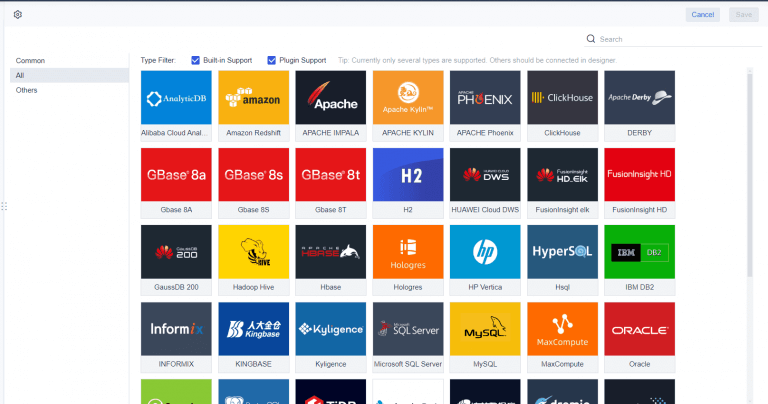
FineReport supports seamless integration with multiple data sources. You connect to databases like Oracle, SAP, and SQL, as well as Excel files and cloud services. Automated scheduling lets you generate and distribute reports at set intervals, ensuring timely delivery and reducing manual errors.
| Feature | Description |
|---|---|
| Seamless Integration | Integrates with various databases and third-party applications. |
| Automated Scheduling | Automates report generation and distribution for timely delivery. |
| Data Integration | Supports SQL databases, Excel files, and cloud services for comprehensive access. |
| Scheduled Reporting | Automates report generation at specified intervals. |
FineReport empowers you to create self-service dashboards with drag-and-drop tools. You customize layouts, add interactive charts, and drill down into details. The platform’s real-time analytics keeps your insights current, supporting confident decision-making. You streamline data entry, manage permissions, and collaborate securely across departments.

Cloud reporting with FineReport helps you unlock actionable insights, improve efficiency, and support business growth.
Cloud Reporting vs. Traditional Reporting
Infrastructure Differences
When you compare cloud reporting to traditional reporting systems, the infrastructure stands out as a major difference. Cloud solutions rely on third-party servers, while traditional systems use physical, on-premises hardware. You do not need to manage servers or worry about hardware failures with cloud platforms. The cloud provider handles maintenance, backups, and scaling for you.
Here is a table that highlights the key infrastructure differences:
| Key Factors | Cloud | On-Premise |
|---|---|---|
| Server Location | Third-party Cloud | Physical, On-premises |
| Maintenance | Off-site | On-site |
| Installation | Easy and fast | Time-consuming |
| Availability | On-demand | When bought/deployed |
| Investment | Less | High |
| Unlimited Memory | Yes | No |
| Back-up | Timely | Effort-intensive |
| Scalability | Easily scalable | Consumes time/effort |
| Business Risks | Low | High |
You gain flexibility and reduce risk when you choose cloud reporting. The cloud offers smooth process delivery and high availability, while traditional systems often face interruptions and require significant investment.
Speed and Maintenance
Cloud reporting platforms deliver reports much faster than traditional systems. You access real-time data and generate reports instantly from anywhere with an internet connection. This speed helps you make decisions quickly and keeps your business agile.
Maintenance requirements also differ. Cloud reporting tools require less effort from your IT team. The vendor manages updates and infrastructure, so you do not need to allocate resources for installation or upgrades. Traditional reporting platforms demand ongoing maintenance, which can slow down your operations and increase costs.
User Experience
You experience a more streamlined workflow with cloud reporting. The interface is user-friendly, and you can collaborate with your team in real time. You design, modify, and share reports remotely, adapting to various devices and screen sizes. Traditional reporting systems often limit you to specific locations and devices, making collaboration harder.
Cloud reporting platforms support interactive dashboards and dynamic reporting. You create visually appealing reports with drag-and-drop tools and advanced chart interactions. You view the latest data without waiting for manual updates, which improves your overall experience.
FineReport Comparison
FineReport overcomes the limitations of traditional reporting systems by offering dynamic reporting capabilities. You see reports update automatically as data changes, ensuring you always have the most current information. FineReport provides real-time data access, enhanced interactivity, and efficient data usage. You create complex reports and dashboards quickly, using flexible design tools.
Here is a table summarizing FineReport’s advantages:
| Feature | Description |
|---|---|
| Dynamic Reporting Capabilities | Reports update automatically with data changes |
| Real-Time Data Access | Immediate access to the latest information |
| Enhanced Interactivity | Advanced chart interactions and remote design |
| Efficient Data Usage | Less data required to view reports |
| Flexible Dashboard Creation | Quick dashboard creation with drag-and-drop components |
| Complex Report Aggregation | Supports multiple data partitions and statistics |
You benefit from remote design, intelligent layout, and adaptive visualization. FineReport's cloud reporting features help you collaborate, analyze, and make decisions faster than ever.

Practical Considerations in Cloud Reporting
Data Security
When you use cloud based analytics, data security becomes a top priority. Cloud reporting platforms face several challenges, including data breaches, misconfigurations, and insufficient identity management. You may also encounter risks like account hijacking, lack of visibility, and compliance issues. For example, companies such as Target and T-Mobile have experienced major breaches due to cloud vulnerabilities and a shortage of security professionals.
To protect your data, cloud reporting solutions use several strategies:
- Data encryption transforms sensitive information, keeping it confidential.
- Network security controls, such as firewalls, block unauthorized access.
- Regular security audits help you find and fix vulnerabilities.
- Backup and disaster recovery plans minimize downtime and data loss.
- Employee education reduces human error and strengthens your security posture.
These measures ensure your cloud environment remains secure and compliant.
Internet Dependency
Cloud reporting relies on a stable internet connection. If your connection drops, you may lose access to your reports and insights. Downtime can affect the reliability of cloud based analytics platforms. To reduce disruptions, you can:
- Deploy your applications across multiple regions for redundancy.
- Use multi-cloud or hybrid cloud strategies to avoid single points of failure.
- Create and test disaster recovery plans.
- Schedule regular backups and use real-time monitoring tools.
- Train your team and set clear access controls.
These steps help you maintain access to your cloud reporting tools and minimize the impact of outages.
Integration and Training
Integrating cloud reporting with your existing systems requires careful planning. Start by defining your business goals. Choose tools that match your needs and support scalability. Ensure data quality at the source and automate data orchestration for reliability. Test your integration thoroughly and seek feedback for continuous improvement. Training your team on new workflows and features ensures a smooth transition and maximizes the value of your cloud based analytics investment.
FineReport Implementation
FineReport makes cloud reporting adoption straightforward. You begin by logging in as a super admin to set up hierarchical authorization and data connection controls. Next, assign permissions to users, allowing them to create datasets securely. FineReport displays clear messages if users lack access, guiding them to contact administrators. The platform supports rapid report generation and centralized management, helping you make informed decisions. FineReport’s technical support and user management features ensure a smooth deployment and ongoing success.
Cloud reporting transforms how you manage business data. You gain operational efficiency, cost savings, and enhanced security. Recent case studies highlight these benefits:
| Key Takeaways | Description |
|---|---|
| Importance of Cloud Computing | Drives efficiency, cost savings, and security for all businesses. |
| Benefits of Cloud Adoption | Delivers scalability, supports remote work, and reduces IT costs. |
FineReport stands out for scalability and security, using data encryption and user authentication. To succeed with cloud reporting, you should:
- Define key metrics and KPIs.
- Consolidate data sources.
- Use data visualization.
- Automate reporting.
- Review KPIs regularly.
- Prioritize data security.
FineReport’s dashboarding tools help you discover insights quickly, supporting smarter decisions in modern business intelligence.
Continue Reading About Cloud Reporting
What Is a Quarterly Report and Why Investors Should Care
How to Use Inventory Report for Better Business Decisions
How to Build a Service Report Template for Your Business
What Is a Research Report and Why Does It Matter
What Is an Interview Report and Why Does It Matter
How to create a monthly sales report that drives results
Frequently asked questions
Cloud reporting lets you access, create, and share reports online using web-based tools. You do not need to install software or manage servers. Traditional reporting relies on local hardware and manual updates, which limits flexibility and speed.