If you are searching for carbon reporting software, you are likely trying to solve more than a simple emissions tracking problem. Most mid-market and enterprise teams need a system that can collect activity data across the business, calculate Scope 1, 2, and 3 emissions consistently, support disclosure requirements, and produce reporting that stands up to internal review, external assurance, and executive scrutiny.
For finance leaders, sustainability managers, operations teams, and procurement stakeholders, the challenge is rarely just “Can this platform calculate emissions?” The harder questions are usually these:
- Can it handle multiple entities, sites, and geographies?
- Can it pull data from ERP, utility, travel, and procurement systems?
- Can it document methodology and maintain audit trails?
- Can it help turn annual reporting into ongoing performance management?
- Can it deliver stakeholder-ready outputs without constant spreadsheet work?
This guide breaks down what to evaluate in 2026, where major platforms differ, and how to choose the right fit for your reporting maturity and organizational complexity.
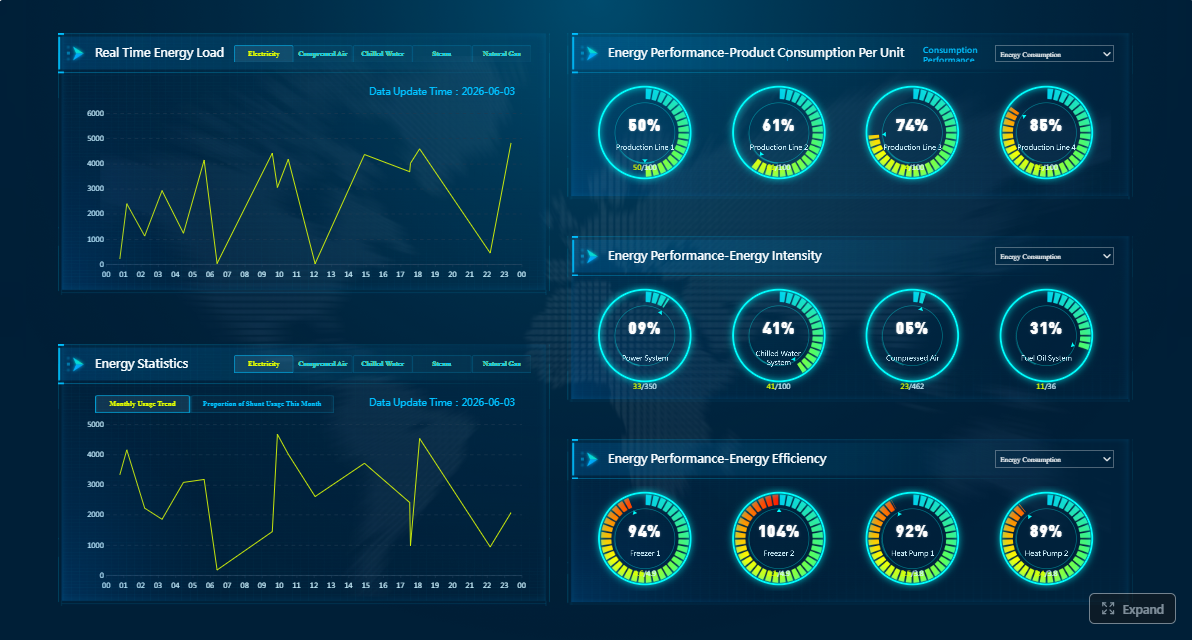 Click To Try The Dashboard
Quick Comparison Table
| Platform | Best for | Scope coverage | Reporting and assurance support | Supplier or value chain workflows | Enterprise scalability | Recommended users |
|---|---|---|---|---|---|---|
| Plan A | Teams seeking a broad sustainability platform with carbon accounting, target setting, and reporting workflows | Scope 1, 2, and 3 | Strong sustainability reporting orientation with decarbonization planning | Supplier engagement supported as part of broader sustainability workflows | Suitable for growing and multi-entity organizations | Sustainability teams wanting guided adoption |
| Gravity | Organizations prioritizing enterprise-grade emissions data management and detailed reporting controls | Scope 1, 2, and 3 | Strong focus on audit-ready disclosure and enterprise data controls | Includes supplier engagement and value chain data collection capabilities | Well suited to complex enterprises and high data volumes | Enterprise sustainability, operations, and finance teams |
| Workiva | Organizations that want carbon reporting tied closely to financial and assurance workflows | Scope 1, 2, and 3 | Strong audit trail, collaboration, and disclosure workflow alignment | Supports value chain data collection | Designed for complex, cross-functional reporting environments | Finance, sustainability, audit, and compliance teams |
| Sweep | Companies focused on cross-team collaboration and value chain visibility | Scope 1, 2, and 3 | Good support for sustainability reporting and governance | Strong emphasis on supplier and cross-functional collaboration | Suitable for multi-team and international use cases | Sustainability leaders and transformation teams |
| Other carbon platforms | Teams with industry-specific or regional requirements | Varies by vendor | Varies by methodology, controls, and disclosure outputs | Varies widely | Varies widely | Buyers with specific compliance or sector needs |
| FineReport | Teams that need highly structured reporting, governed disclosure packs, pixel-perfect reports, and operational reporting workflows alongside sustainability data | Depends on connected data sources and calculation layer | Strong for formatted reports, paginated outputs, scheduling, distribution, dashboards, and governed reporting workflows | Can support supplier and workflow reporting when integrated into enterprise reporting processes | Strong fit for enterprise reporting environments | Reporting teams, IT, finance, shared services, and operations teams that need robust reporting delivery |
What to look for in carbon reporting software for mid-market and enterprise teams
Choosing the right carbon reporting software starts with understanding what kind of reporting problem you actually have. A fast-growing company preparing its first structured emissions inventory has very different needs from a multinational managing assurance, regional regulations, and supplier data quality.
Define the reporting needs that matter most
For most mid-market and enterprise teams, the core reporting requirements include:
- Scope 1, 2, and 3 coverage
- Methodology transparency
- Audit readiness
- Global entity and subsidiary support
- Board, investor, and regulatory reporting
- Repeatable reporting cycles across business units
At a minimum, the platform should help your team create a defensible emissions inventory. That means clear data lineage, understandable calculation logic, controlled updates, and support for complex organizational boundaries.
If your business operates across legal entities, regions, or business units, entity-level consolidation becomes especially important. A tool may look strong in demos but struggle once you need to report by plant, country, division, or reporting perimeter.
Separate core requirements from nice-to-have features
Many buying teams get distracted by advanced functionality before locking in the fundamentals. It helps to divide requirements into two buckets.
Core requirements:
- Scope 1, 2, and relevant Scope 3 category support
- Flexible data collection methods
- Transparent emissions factor and methodology handling
- Audit trail and change history
- Multi-entity reporting and permissions
- Disclosure-ready reporting outputs
Nice-to-have features:
- Automated ingestion from multiple systems
- Supplier engagement portals or surveys
- Scenario planning and target modeling
- Decarbonization planning workflows
- AI-assisted categorization or anomaly detection
- Embedded collaboration features
These advanced capabilities can create real value, but only if the reporting foundation is already reliable.
Clarify who will use the platform
Carbon reporting is rarely owned by one function. In practice, platform usage often spans:
- Sustainability teams for methodology, inventory management, and disclosure
- Finance teams for governance, controls, and reporting alignment
- Operations teams for energy, fuel, and site-level activity data
- Procurement teams for supplier and Scope 3 inputs
- Leadership teams for performance monitoring and decision-making
- IT and reporting teams for data integration, security, and report delivery
A platform may be analytically strong but difficult for occasional contributors to use. That matters if data collection depends on dozens or hundreds of contributors across regions.
2026 comparison criteria for evaluating leading platforms
In 2026, the market is maturing. Buyers are no longer just comparing emissions calculators. They are comparing systems that support governance, traceability, cross-functional workflows, and ongoing reporting operations.
Data collection and emissions calculation
This is where most implementation success or failure is determined.
Assess how each tool handles operational data inputs
A practical carbon reporting platform should support a mix of data collection methods, including:
- Utility and meter data
- ERP and procurement data
- Travel and expense systems
- Fleet and fuel records
- Manual uploads for edge cases
- Supplier-provided data for Scope 3
Not every company can automate every input. That is normal. The better question is whether the platform can support a realistic hybrid model without creating reporting chaos.
For enterprise teams, manual upload support is not a weakness by itself. What matters is whether uploads are structured, validated, permissioned, and traceable.
Compare emissions factor libraries and methodology transparency
A strong system should make it clear:
- Which emissions factors are being used
- Which methodology applies to each category
- When assumptions or fallback methods are used
- How organizational and reporting boundaries are defined
- How updates are documented over time
Transparency matters because reporting teams increasingly need to explain not only the result but also how the result was produced.
Support for complex organizational boundaries
Multi-entity organizations often need to report using different views:
- Legal entity
- Operational control
- Financial control
- Region or country
- Business unit
- Facility or plant
- Investor or portfolio structure
This is where some lighter tools start to show limits. They may work well for a single reporting perimeter but become harder to manage when the reporting model changes.
Reporting, assurance, and compliance support
Once data is collected and calculated, the next challenge is turning it into reporting that stakeholders can actually use.
Review dashboards, disclosure exports, and audit trails
A good platform should support both analysis and formal reporting.
Dashboards are helpful for:
- monitoring trends
- spotting hotspots
- comparing business units
- tracking reduction progress
But many teams also need formal outputs such as:
- executive summary packs
- disclosure support files
- assurance review packages
- regional compliance reports
- board-ready or investor-ready formatted reports
Audit trails are equally important. Review whether the system records changes to source data, assumptions, factor selections, approvals, and report versions.
Support for evolving frameworks and regional requirements
Requirements continue to shift across jurisdictions and frameworks. Buyers should assess whether the software can help support reporting aligned to evolving disclosure expectations, whether those are mandatory or voluntary.
Instead of looking only for prebuilt templates, evaluate whether the system can adapt. Framework support is useful, but flexibility often matters more in the long run.
From annual reporting to continuous performance management
Leading organizations are moving beyond one annual reporting cycle. They want monthly or quarterly visibility into emissions performance, energy usage patterns, and business-unit trends.
That requires a platform that can support:
- recurring refresh cycles
- consistent KPIs
- exception monitoring
- operational follow-up
- executive dashboarding
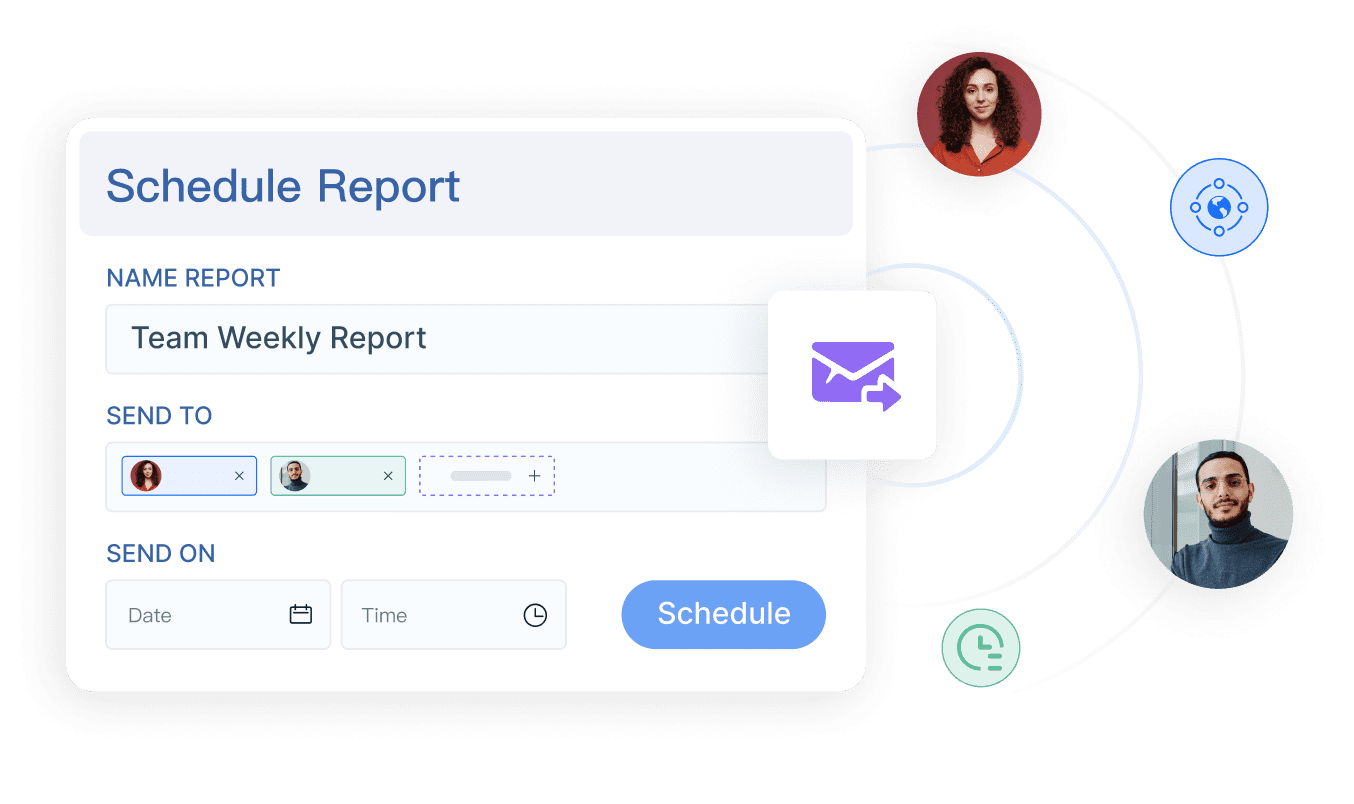
- scheduled distribution of updated reports
This is a key distinction. Some tools are strongest as carbon accounting systems. Others are stronger when carbon data must be operationalized into recurring business reporting.
Implementation, usability, and total cost
Even a strong platform can underperform if implementation is too complex for the available team.
Compare rollout timelines and internal resource needs
Ask each vendor:
- How long does first-value implementation usually take?
- What data preparation is required from our team?
- How much methodology setup is vendor-led versus self-service?
- What reporting outputs can be delivered in phase one?
- What internal roles are needed for success?
A fast rollout may be attractive, but only if governance and reporting quality remain strong.
Evaluate usability across business users
A platform used only by a small sustainability team may not scale well if data contributors struggle to participate. Assess usability for different personas:
- expert administrators
- occasional data contributors
- approvers
- executives
- finance reviewers
- report consumers
Ease of use should include report consumption, not just system configuration.
Consider pricing structure and long-term scalability
Total cost is more than software subscription. It often includes:
- implementation services
- integration effort
- training
- data cleanup
- ongoing support
- report customization
- scaling to new entities or regions
The least expensive option upfront may become costly if it cannot support future assurance, regional expansion, or recurring stakeholder reporting.
Best carbon reporting software options to compare in 2026
The best carbon reporting software depends heavily on your reporting maturity, cross-functional coordination needs, and enterprise complexity. Below are several strong options to shortlist based on common buying scenarios.
Plan A
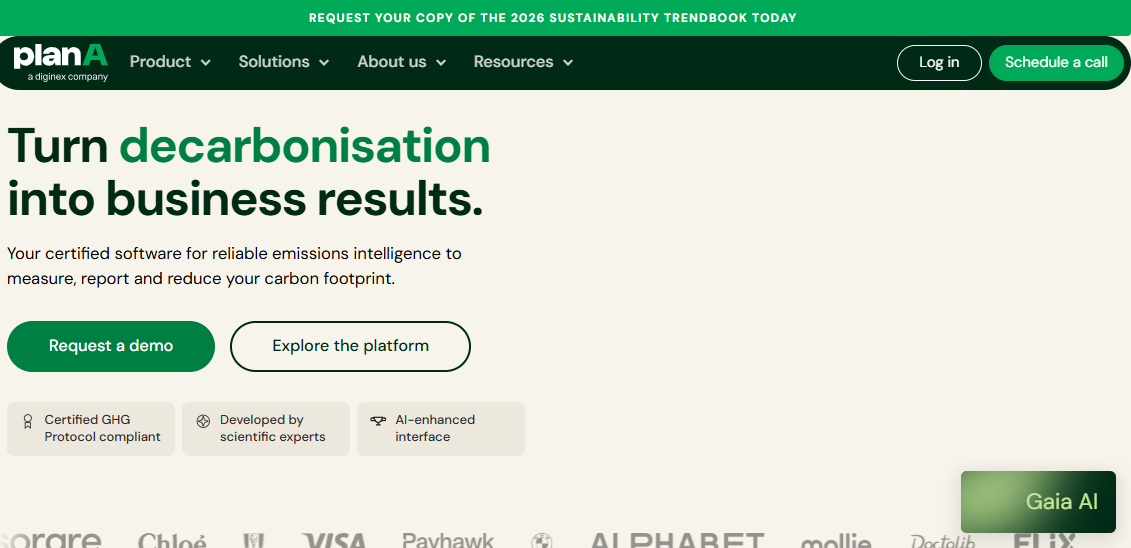
Plan A is commonly positioned as a broad sustainability platform that combines carbon accounting, reporting workflows, and decarbonization planning.
It may be a strong fit for organizations that want:
- a structured platform for carbon measurement
- support for reporting and target-setting
- guided implementation
- collaboration across sustainability-related functions
For teams earlier in their maturity curve, this kind of broader sustainability orientation can be appealing because it connects reporting with reduction planning rather than treating carbon accounting as an isolated exercise.
Potential evaluation points include:
- how well it fits your entity structure
- the depth of its Scope 3 workflows
- how much reporting customization you need
- whether your teams need highly formatted outputs beyond dashboards
Gravity
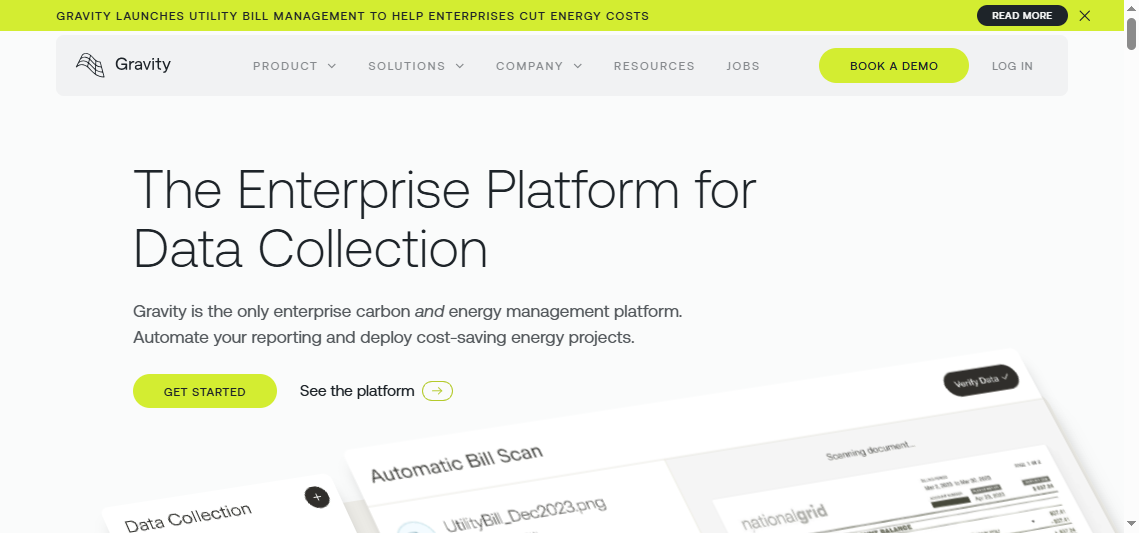
Gravity is often evaluated by organizations that need more enterprise-grade data management and detailed reporting controls, especially where reporting complexity is high.
It may be a strong fit for teams prioritizing:
- large-scale data collection
- structured enterprise controls
- audit-ready disclosures
- supplier engagement workflows
- energy and carbon management alignment
For enterprises with many facilities, large data volumes, or detailed governance requirements, these strengths can be especially relevant.
Potential evaluation points include:
- implementation effort for your internal team
- suitability for your reporting cadence
- how executive and formal reporting outputs are delivered
- whether the platform fits both sustainability and finance stakeholders
Other leading platforms worth shortlisting
Depending on your needs, other platforms may also deserve a place on the shortlist.
Workiva
 Workiva can be attractive for organizations that want carbon reporting closely tied to broader reporting, assurance, and financial disclosure workflows. It is often considered by enterprises that care deeply about data lineage, collaboration, and governance across finance, audit, and sustainability teams.
Sweep
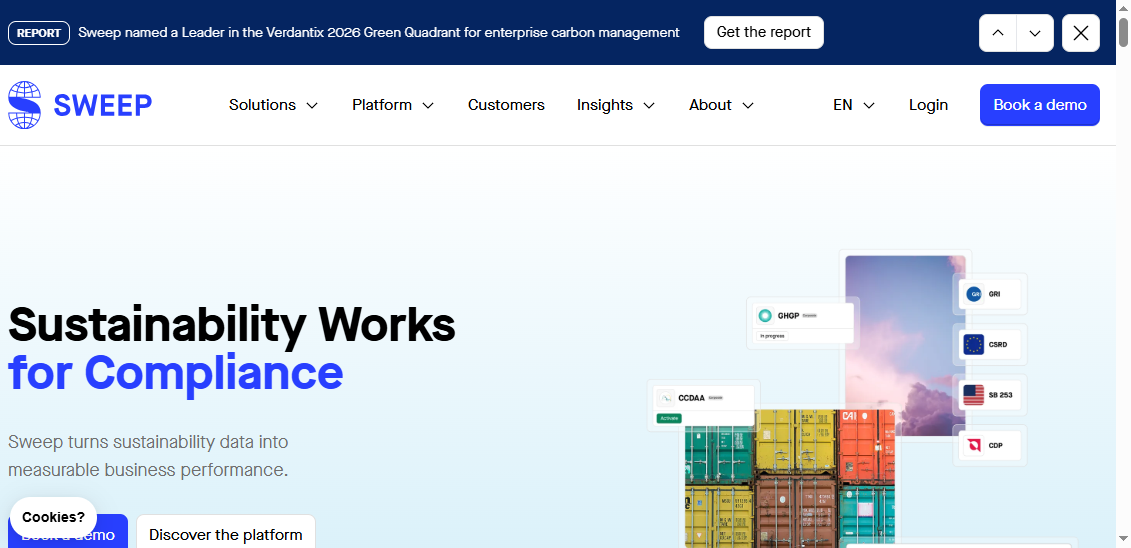 Sweep is often noted for collaboration, supply chain visibility, and sustainability data centralization. It can be worth evaluating if supplier engagement and cross-functional action tracking are central to your program.
Industry- or use-case-specific tools
Some organizations should also consider narrower solutions when their priorities are highly specific, such as:
- product carbon footprint workflows
- financed emissions
- manufacturing-heavy operational data
- regional compliance
- procurement-led Scope 3 programs
The key is not to over-index on category labels. A platform called “carbon management” may be great at data capture but weaker at formal reporting. Another may be strong at disclosure but lighter on operational workflows.
Pros, cons, and common trade-offs across platforms
Every carbon reporting platform involves trade-offs. The right choice depends on whether you need a specialist sustainability system, a broader enterprise reporting environment, or a combination of both.
Where enterprise tools stand out
Enterprise-oriented tools usually perform better in areas such as:
- governance and permissions
- multi-entity reporting
- system integration
- auditability
- cross-functional collaboration
- formal reporting controls
These strengths often justify higher cost and a longer setup period, especially for organizations with assurance requirements or complex reporting perimeters.
The trade-off is that enterprise tools may require more planning, stronger internal ownership, and more structured implementation.
Where mid-market teams may overbuy or underbuy
Mid-market teams can make two common mistakes.
Overbuying:
They select a platform built for highly complex multinational use cases before they have a stable reporting process. This can increase cost, slow adoption, and create unnecessary administrative burden.
Underbuying:
They choose a lightweight tool that works for early reporting cycles but lacks the controls, traceability, and scalability needed once reporting becomes more visible or assured.
The best way to avoid both extremes is to map current needs and near-term complexity together. Do not buy only for this year, but do not buy only for a hypothetical future either.
Questions to ask before making a final decision
Before signing with any vendor, ask:
- Who owns the underlying data and how easy is export access?
- How are methodology changes documented over time?
- What assurance support does the platform enable?
- How are emissions factors maintained and updated?
- What does implementation include versus exclude?
- How does the product scale across new entities or geographies?
- Can reports be customized for executives, auditors, and operational users?
- How are permissions managed across contributors and reviewers?
- What happens when your reporting structure changes?
These questions often reveal more than a feature list.
How to choose the right platform for your team
A good buying process is structured, practical, and based on real reporting scenarios.
First, match software capabilities to your current maturity:
- Early-stage structured reporting: focus on ease of adoption, core scope coverage, and defensible methodology
- Scaling mid-market reporting: focus on integrations, repeatability, and management reporting
- Enterprise and assured reporting: focus on governance, auditability, multi-entity controls, and formal disclosure outputs
Second, build a shortlist around must-have criteria. Avoid broad vendor demos that stay at the marketing level. Instead, ask vendors to show:
- a real data ingestion example
- a Scope 3 workflow
- entity-level consolidation
- audit trail and change log behavior
- executive reporting outputs
- disclosure or assurance export workflow
Third, use a scorecard. Compare vendors across:
- data collection flexibility
- methodology transparency
- reporting outputs
- assurance support
- usability by role
- implementation effort
- scalability
- vendor support quality
- long-term fit
That approach usually produces better decisions than relying on generic rankings.
Practical recommendations for evaluating carbon reporting software
Here are five practical recommendations from a reporting and platform selection perspective:
-
Start with reporting outputs, not just calculation features.
Define the exact board packs, audit files, disclosure reports, and management dashboards you need. This will quickly expose whether a platform is truly usable in your operating environment. -
Test with your own sample data.
Vendor demos look clean because the data is curated. Ask to see how the tool handles incomplete, inconsistent, or multi-source data similar to your actual reporting conditions. -
Separate sustainability analytics from enterprise reporting needs.
Some tools are excellent for emissions analysis but weaker at governed, formatted, recurring reporting. If your stakeholders expect highly structured outputs, evaluate that explicitly. -
Assess contributor workflows as carefully as admin workflows.
A platform can fail simply because site teams, procurement users, or finance reviewers find it difficult to participate consistently. -
Plan for year two, not just year one.
Consider what happens when assurance requirements grow, Scope 3 expands, or leadership wants monthly performance reporting rather than annual disclosure support.
When FineReport is a good fit in a carbon reporting stack
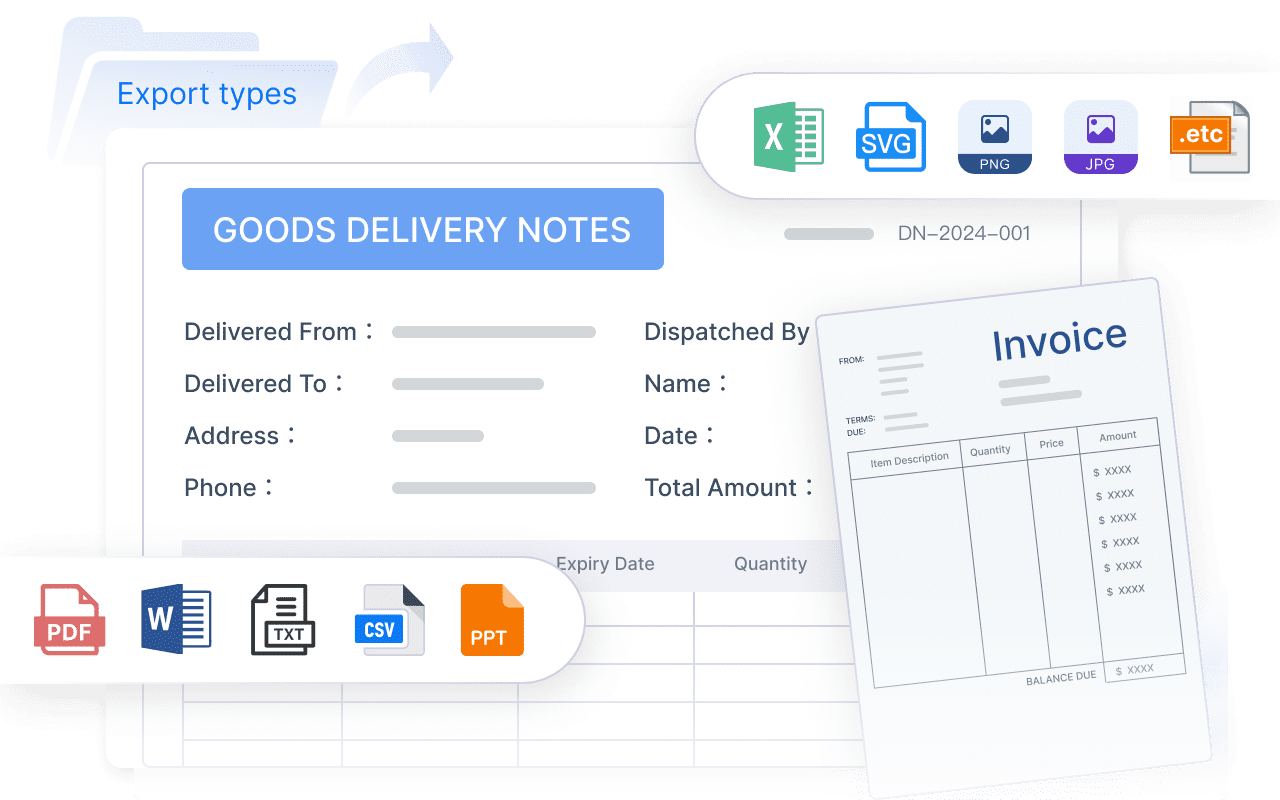
Tools like Plan A, Gravity, Workiva, and Sweep are widely used for carbon accounting, sustainability data management, and ESG workflows. But teams with complex reporting requirements may also need a dedicated enterprise reporting platform like FineReport.
This is especially relevant when the challenge is not only collecting carbon data, but also delivering it in the right format, to the right audience, on the right schedule.
FineReport is well suited for organizations that need:
- Pixel-perfect report design for formal sustainability and management packs
- Paginated and printable reports for board, audit, and compliance workflows
- Parameter queries so users can filter by entity, region, period, business unit, or emissions category
- Scheduled distribution for recurring monthly, quarterly, or annual reporting
- Dashboard and report integration so executives can move from KPI summaries into detailed reporting views
- Data entry and form workflows where teams need structured submission or correction processes
- Enterprise reporting governance with standardized templates and controlled distribution
For carbon reporting teams, that matters when sustainability data has to be consumed beyond the sustainability function. Finance teams, operations leaders, and senior executives often need highly formatted reports, not just dashboards.
In practice, FineReport can be valuable when an organization wants to:
- combine sustainability metrics with finance or operational data
- standardize reporting across sites or subsidiaries
- generate recurring executive packs
- support exception reporting and follow-up workflows
- create disclosure-supporting reports with consistent formatting
- give different stakeholders role-specific views of the same underlying data
It is not a replacement for every carbon accounting platform. Rather, it can be a strong fit where the organization needs robust report delivery, formatting, scheduling, and governed enterprise reporting around carbon and sustainability data.
Get Ready-to-Use Dashboard and Report Templates in Fine Gallery
Final thoughts
The best carbon reporting software in 2026 is the one that matches your reporting maturity, operational complexity, and stakeholder demands.
If your priority is broad sustainability management, platforms like Plan A or Sweep may be worth close review. If your focus is enterprise-grade controls and detailed data management, Gravity or Workiva may be stronger candidates. And if your biggest challenge is turning carbon data into reliable, recurring, stakeholder-ready reporting, FineReport deserves consideration as part of the solution.
The most successful teams do not choose software based on category labels alone. They choose based on how well the platform supports real reporting workflows, governance expectations, and cross-functional decision-making.
FAQs
Carbon reporting software helps organizations collect activity data, calculate Scope 1, 2, and 3 emissions, and produce disclosure-ready reports. It is typically used to replace fragmented spreadsheets with a more controlled and auditable reporting process.