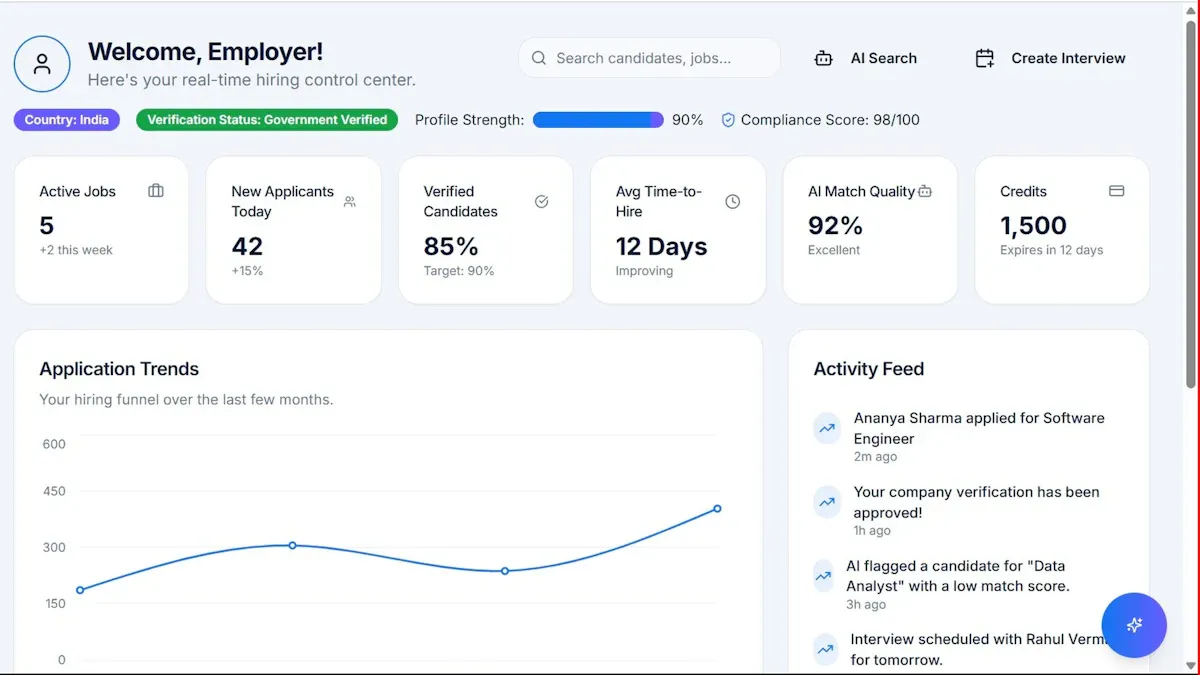

FineReport is an accounting reporting software and reporting platform built for teams that need highly customized, presentation-ready management reports across complex data sources.
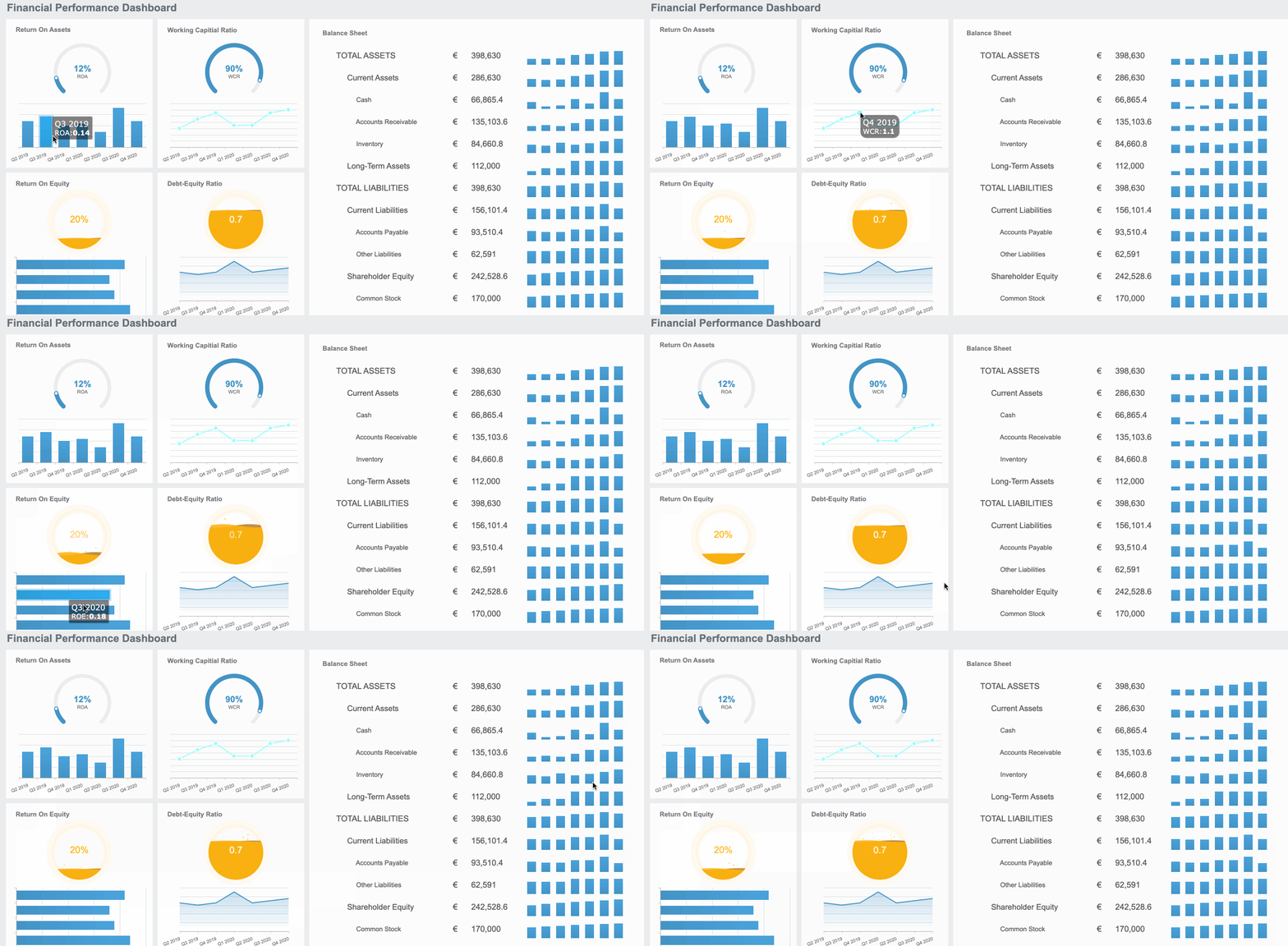
FineReport vs Fathom vs Reach Reporting at a Glance
If your goal is customized management reporting rather than basic financial statements, these three tools serve different priorities.
- FineReport is best for organizations that need deep customization, pixel-perfect layouts, flexible dashboards, and reporting across multiple systems.
- Fathom is best for finance teams and accounting firms that want strong financial analysis, forecasting, KPI tracking, and consolidation with a faster finance-oriented setup.
- Reach Reporting is best for firms that want simple, client-friendly reporting workflows with templates and faster recurring report production.
When evaluating accounting reporting software, the biggest decision is not just which tool has the most features. It is which platform matches your reporting style. Some teams need polished board packs with custom branding, complex layouts, and operational metrics pulled from multiple systems. Others mainly need fast monthly reporting, forecasting, and advisor-ready financial insights.
The most important decision factors usually include:
- Reporting depth: Can the software handle management packs, KPI dashboards, and drill-down analysis?
- Layout flexibility: Can you control formatting, branding, tables, and page-level design?
- Ease of use: How quickly can accountants and finance staff build reports without technical help?
- Setup effort: Does the platform work quickly out of the box, or does it require more implementation?
- Workflow automation: Can reports refresh, schedule, and distribute reliably each month?
- Scalability: Will the tool still work if reporting becomes more complex across entities, departments, or regions?
In practical terms, you can expect very different workflows:
- FineReport typically involves more setup and design effort, but offers much more control over the final reporting output.
- Fathom generally gets teams to insight faster, especially for financial analysis and consolidation.
- Reach Reporting keeps recurring reporting simple and accessible, especially for smaller firms and client reporting scenarios.
What to Look for in Accounting Reporting Software for Customized Management Reports
Not all accounting reporting software is designed for customized management reports. Many tools are strong at producing standard profit and loss statements, balance sheets, and cash flow reports, but become restrictive when finance leaders want reports tailored for executives, business unit heads, or external stakeholders.
For customized management reporting, the most important capabilities are usually the following.
- Flexible layouts: You should be able to control sections, visuals, commentary blocks, page formatting, and report structure.
- KPI tracking: Management reports often need more than accounting line items. They also need operational metrics, trend indicators, and target-versus-actual comparisons.
- Drill-down analysis: Summary dashboards are useful, but finance teams also need to investigate what is driving performance changes.
- Multi-entity reporting: For groups, franchises, or multi-division businesses, consolidated and segmented reporting is critical.
- Automation: Monthly packs should not require rebuilding reports from scratch.
- Presentation-ready outputs: Reports need to look polished enough for leadership meetings, board reviews, and client presentations.
Accountants and finance teams usually prioritize customization and automation because management reporting has a communication function, not just a calculation function. A strong report should help decision-makers understand performance quickly. That means the best reporting software must support not only accurate data but also clear presentation.
Other important buying criteria include:
- Integrations: The platform should connect to accounting systems, spreadsheets, databases, ERPs, or other operational data sources when needed.
- Data accuracy controls: A good reporting workflow depends on trustworthy and refreshable source data.
- Permissions: Sensitive financial information often needs role-based access for departments, executives, and external viewers.
- Collaboration: Recurring management packs often involve input from finance, operations, and leadership teams.
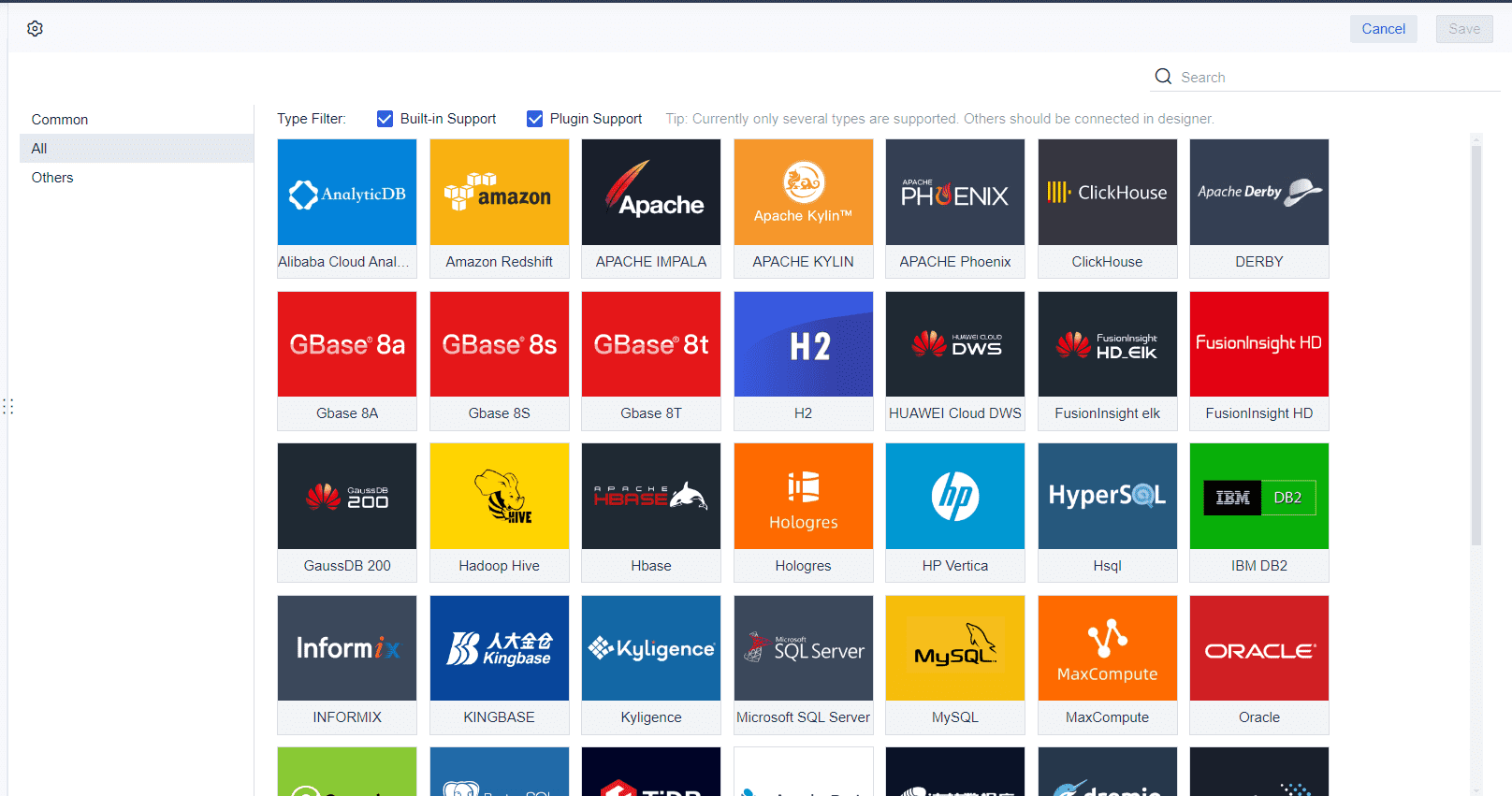
For teams with more advanced reporting needs, this is where FineReport often stands out. While finance-specific tools may be easier to deploy initially, FineReport is better suited to cases where management reporting must be deeply customized, highly branded, or built from varied datasets.
FineReport: Best for Highly Customized and Pixel-Perfect Reporting
- One-sentence overview: FineReport is a flexible reporting platform designed for teams that need highly customized management reports, dashboard layouts, and polished outputs beyond standard accounting templates.
- Key Features:
- Pixel-perfect report design
- Custom dashboards and visual layouts
- Multi-source data integration
- Interactive drill-down and filtering
- Scheduled reporting and distribution
- Role-based permissions
- Support for large-scale and cross-department reporting
- Pros & Cons:
- Pros: Exceptional formatting control, strong dashboard design, broad data connectivity, scalable for complex reporting environments
- Cons: Higher learning curve, more implementation effort, may require technical support compared with simpler finance-focused tools
- Best For (Target user/scenario): Mid-sized to large businesses, finance teams, and organizations that need branded, customized management packs or BI-style financial reporting across multiple systems
Reporting flexibility and dashboard design
FineReport is the strongest option in this comparison if your priority is reporting flexibility. Instead of forcing your management reporting process into a fixed template, it gives teams much more control over how reports are structured, formatted, and presented.
This matters when finance teams need to create:
- Executive dashboards with specific branding
- Board reporting packs with tightly controlled layout
- Department-level performance reports
- Reports combining financial and operational KPIs
- Management summaries with custom charts, tables, and commentary blocks
For many businesses, management reports are not just internal accounting outputs. They are communication tools used in leadership reviews, planning meetings, and investor discussions. FineReport is well suited to these cases because it supports more tailored report design than most accounting-first reporting tools.
A major advantage is its ability to produce pixel-perfect reporting. If your team cares about exact placement, formatting consistency, visual polish, and custom page design, FineReport has a clear edge. That is especially useful when standard dashboards feel too rigid or when exported reports need to look professionally designed.
Compared with Fathom and Reach Reporting, FineReport is generally the better fit for teams that want full control over both dashboard experience and print-ready output.
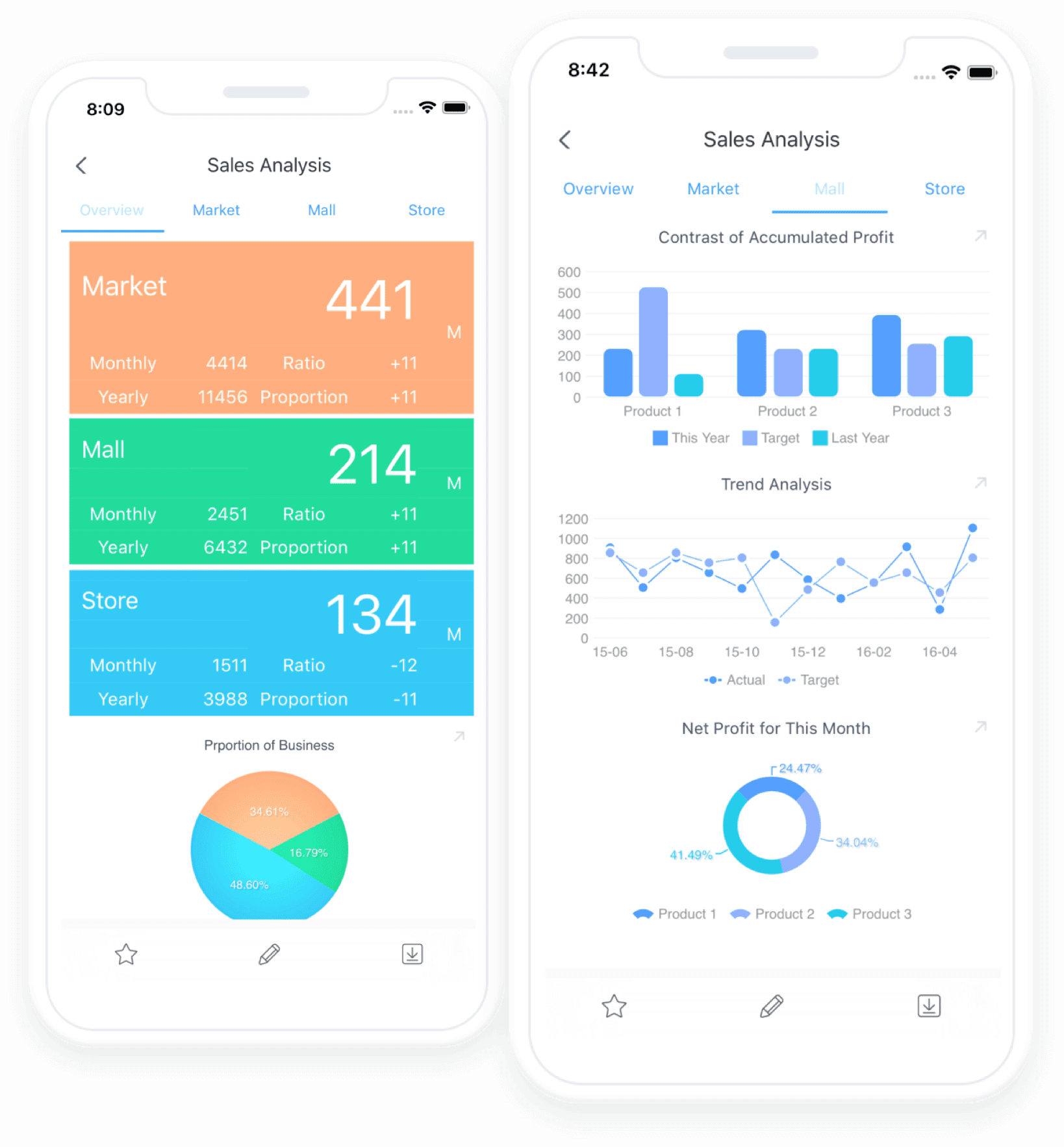
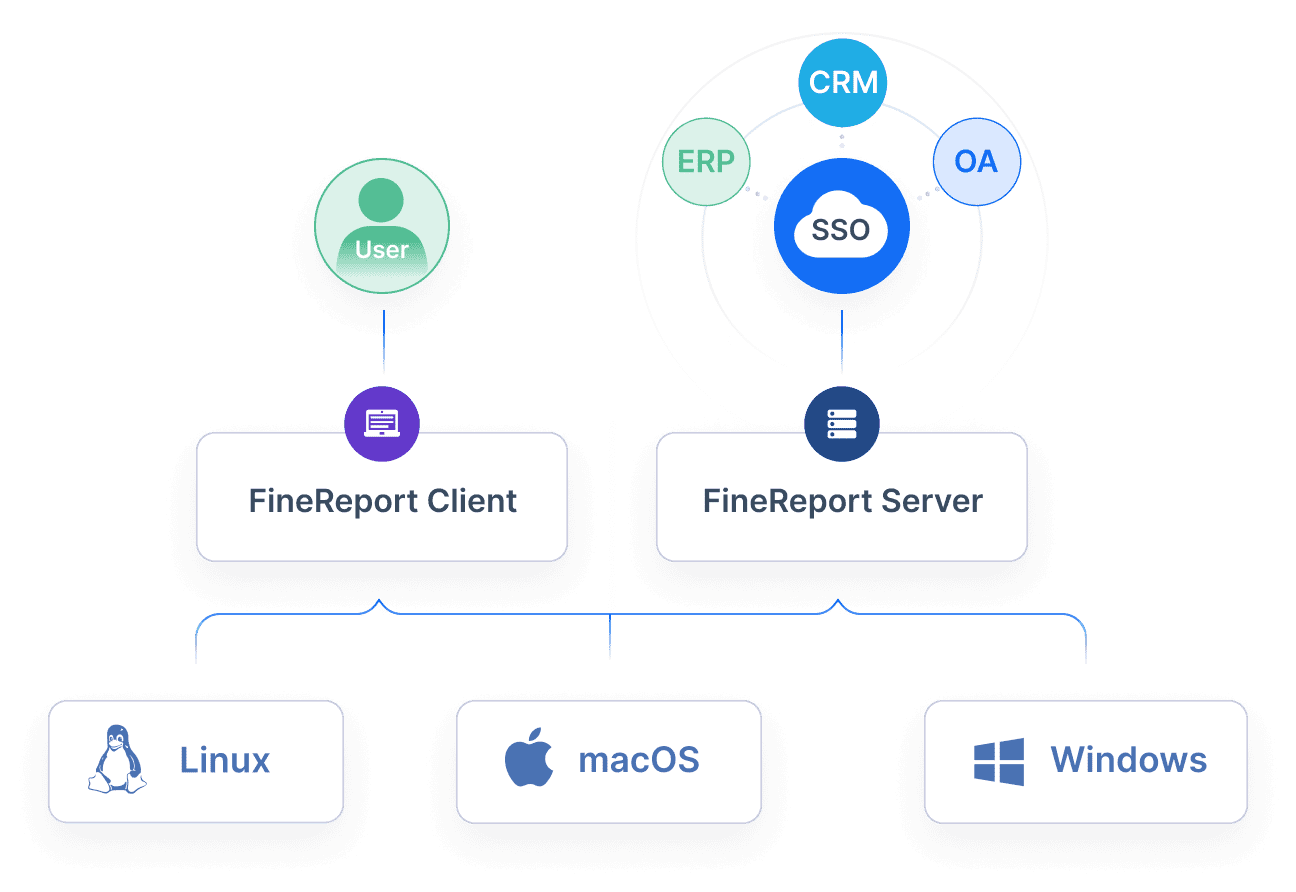
Data integration and scalability
Another major strength of FineReport is its ability to work in more complex reporting environments. Customized management reports often require data from more than one source. Finance teams may need general ledger data, budget files, operational KPIs, sales figures, or departmental datasets all in the same reporting layer.
FineReport is well suited to this broader reporting model because it can support multi-source data integration and more scalable reporting architecture. That makes it a strong choice for businesses that have outgrown reporting processes tied only to a single accounting platform.
This is particularly relevant for:
- Multi-entity organizations
- Companies with multiple departments contributing KPIs
- Businesses with ERP, database, and spreadsheet-based reporting inputs
- Finance teams building reports for different stakeholder groups
- Organizations standardizing reporting across locations or business units
As reporting needs expand, many finance-first tools become harder to adapt if the business wants wider BI-style visibility. FineReport is more future-ready in that sense. It can support both detailed management reports and broader analytical dashboarding across the organization.
For companies expecting reporting complexity to increase over time, FineReport offers a more scalable foundation than tools built mainly for lightweight financial report generation.
Trade-offs to consider
The trade-off is that FineReport usually requires more effort to implement well. It is not the lightest option in this comparison, and that should be considered honestly.
Potential trade-offs include:
- A steeper learning curve for report designers
- More time needed for initial configuration
- Greater technical involvement for advanced use cases
- More planning required for data model and report governance
For smaller firms that only need straightforward monthly management reports, this can feel like more capability than they currently need. But for organizations where reporting quality, flexibility, and scalability matter, that extra setup effort can be worthwhile.
In short, FineReport is the best choice when reporting is a strategic deliverable rather than a simple monthly export.
Fathom: Best for Financial Analysis, Forecasting, and Consolidation
- One-sentence overview: Fathom is an accounting reporting software platform focused on financial analysis, forecasting, KPI monitoring, and consolidated reporting for accountants, advisors, and business finance teams.
- Key Features:
- Financial analysis dashboards
- KPI and metric tracking
- Cash flow forecasting
- Scenario planning
- Consolidated reporting
- Benchmarking tools
- Management report creation and scheduling
- Pros & Cons:
- Pros: Strong finance-oriented workflows, faster setup, robust forecasting, useful consolidation features, well aligned with advisory reporting
- Cons: Less flexible for highly bespoke layouts, limited design freedom compared with FineReport, may feel constrained for pixel-perfect reporting needs
- Best For (Target user/scenario): Accounting firms, CFOs, advisors, and in-house finance teams that prioritize financial insight, forecasting, and group reporting over advanced report design flexibility
Core strengths for accountants and finance teams
Fathom is built much more directly around finance workflows. For many accountants and advisors, that makes it easy to adopt. The platform is designed to help users move quickly from accounting data to analysis, KPI monitoring, and recurring management reporting.
Its strengths are especially clear in areas such as:
- Budgeting and financial planning
- Cash flow visibility
- KPI tracking
- Variance analysis
- Advisory-focused management reporting
- Group and consolidated financial oversight
This makes Fathom attractive for finance teams that want a purpose-built reporting solution without building everything from scratch. Compared with FineReport, Fathom generally offers a more accountant-friendly starting point. Users focused on monthly reporting, financial performance reviews, and strategic planning can often get value faster.
The platform is a strong option when your reporting process is centered on financial statements and business performance analysis rather than custom-designed report presentation.
Where Fathom stands out
Fathom stands out most in forecasting and strategic finance use cases. If your team wants software that can support not only historical reporting but also forward-looking analysis, it is one of the stronger options in this comparison.
Areas where it performs especially well include:
- Forecasting: Useful for cash flow planning and future performance modeling
- Scenario planning: Helpful for evaluating best-case, expected, and downside outcomes
- Benchmarking: Useful for comparing entities, periods, or business units
- Consolidated group reporting: Valuable for multi-entity structures and accounting firms serving grouped clients
This makes Fathom particularly suitable for advisory services, outsourced finance functions, franchise reporting, and internal finance teams that need to combine reporting with planning. It also tends to support a smoother workflow for finance professionals who want analytical depth without moving into a full BI environment.
For teams that do not need extreme layout control, Fathom can be a very balanced option: easier to use than a highly customizable reporting platform, but much deeper than standard accounting software reporting.
Limitations for customized reporting
The main limitation of Fathom in this comparison is report design flexibility. It supports management reporting and customization, but there are practical limits if your team needs highly bespoke layouts or exact formatting control.
That can show up in use cases such as:
- Board packs with unusual formatting standards
- Reports requiring precise visual placement
- Highly branded executive documents
- Cross-functional reports mixing complex operational and financial datasets
- Custom presentation formats that do not fit standard reporting structures
So while Fathom is very capable as accounting reporting software, it is usually the better choice for finance-led analysis than for deeply custom report production. If reporting quality is defined mainly by insight, KPIs, and forecasting, Fathom is excellent. If reporting quality is defined by design precision and structure control, FineReport has the advantage.
Reach Reporting: Best for Simple, Client-Friendly Financial Reporting
- One-sentence overview: Reach Reporting is a streamlined reporting tool focused on fast, accessible financial reporting, template-based management packs, and client-friendly presentation.
- Key Features:
- Ready-made reporting templates
- Simple dashboards and visuals
- Recurring report workflows
- Forecasting and planning support
- Client-facing financial summaries
- Accessible setup for smaller teams
- Pros & Cons:
- Pros: Easy to use, quick adoption, practical recurring reporting, suitable for client communication, lighter setup burden
- Cons: Less advanced customization, fewer enterprise-scale capabilities, not ideal for highly complex or BI-style reporting needs
- Best For (Target user/scenario): Smaller accounting firms, bookkeepers, and finance teams that want simple management reporting and client-ready outputs without heavy implementation
Ease of use and reporting workflow
Reach Reporting is designed around simplicity. For many firms, that is its biggest advantage. If your reporting process depends on producing recurring reports efficiently, a lightweight and template-driven workflow can be more valuable than advanced customization.
This platform is well suited for users who want to:
- Build reports quickly
- Reuse templates across clients or periods
- Present financial data in a clear visual format
- Support advisory conversations without technical complexity
- Reduce time spent manually assembling reports
Compared with FineReport, Reach Reporting is much easier to approach. Compared with Fathom, it tends to emphasize simplicity and presentation workflow over deeper financial analysis. That makes it appealing for accountants who want clean, understandable reports without investing heavily in setup or design work.
Its reporting style is especially useful in client-facing environments where the main goal is clarity and consistency rather than highly technical reporting architecture.
Best-fit use cases and limitations
Reach Reporting fits best when reporting requirements are practical and repeatable rather than deeply specialized.
Common best-fit scenarios include:
- Small accounting firms producing monthly client packs
- Bookkeepers needing straightforward visual financial reports
- Businesses that want accessible management summaries
- Teams with limited internal technical support
- Firms that value ease of adoption over advanced customization
However, its limitations become clearer as reporting needs become more complex. Teams may outgrow it if they need:
- Advanced multi-source data integration
- Pixel-perfect report design
- Enterprise-scale permission structures
- Highly bespoke layouts
- Broad BI-style dashboarding across departments
- Sophisticated multi-entity analytical workflows
So while Reach Reporting is useful accounting reporting software for simple and client-friendly reporting, it is not usually the strongest choice for organizations with complex data environments or highly customized management reporting requirements.
Which Accounting Reporting Software Is Best for You?
The right choice depends on what “best” means for your team. In accounting and finance, that usually comes down to reporting complexity, advisory needs, available resources, and how much control you want over the final output.
Choose FineReport if...
Choose FineReport if your top priority is customization.
It is the strongest fit when you need:
- Maximum flexibility in report structure and layout
- Branded, polished, presentation-ready management packs
- Pixel-perfect dashboard and report design
- Reporting across multiple data sources
- Scalability for complex organizations or multi-department reporting
- More control over how information is displayed and distributed
FineReport is especially compelling for businesses where reporting is a strategic communication asset. If standard accounting reports are too limited and your team needs tailored executive reporting, FineReport is the most capable option in this comparison.
Choose Fathom if...
Choose Fathom if your priority is finance-led insight and planning.
It is the strongest fit when you need:
- Financial analysis and KPI monitoring
- Cash flow forecasting and scenario planning
- Consolidated group reporting
- An accountant-friendly workflow
- Advisory-focused reporting with faster setup
- A balance of reporting and planning in one tool
Fathom is often the best choice for firms and finance teams that want strong analytical capability without taking on the complexity of a more customizable reporting platform.
Choose Reach Reporting if...
Choose Reach Reporting if simplicity matters most.
It is the strongest fit when you need:
- Fast adoption and lighter setup
- Easy recurring client reporting
- Template-based report creation
- Clear visuals for management or advisory conversations
- Practical management reports without heavy technical overhead
Reach Reporting works well for smaller firms and teams that want useful reporting workflows but do not need enterprise-scale customization or advanced BI capabilities.
In final terms:
- Choose FineReport for the most customized and scalable management reporting experience.
- Choose Fathom for strong financial analysis, forecasting, and consolidation with an easier finance-oriented workflow.
- Choose Reach Reporting for simple, approachable, client-friendly management reporting.
If your organization is growing and expects reporting demands to become more complex, FineReport is often the most future-proof investment. If your immediate need is finance analysis and forecasting, Fathom is highly practical. If speed and simplicity are your main goals, Reach Reporting is the easiest starting point.
FAQs
FineReport is usually the best fit when you need pixel-perfect layouts, custom branding, and reports built from multiple data sources. It is designed for teams that care as much about presentation and flexibility as they do about financial accuracy.