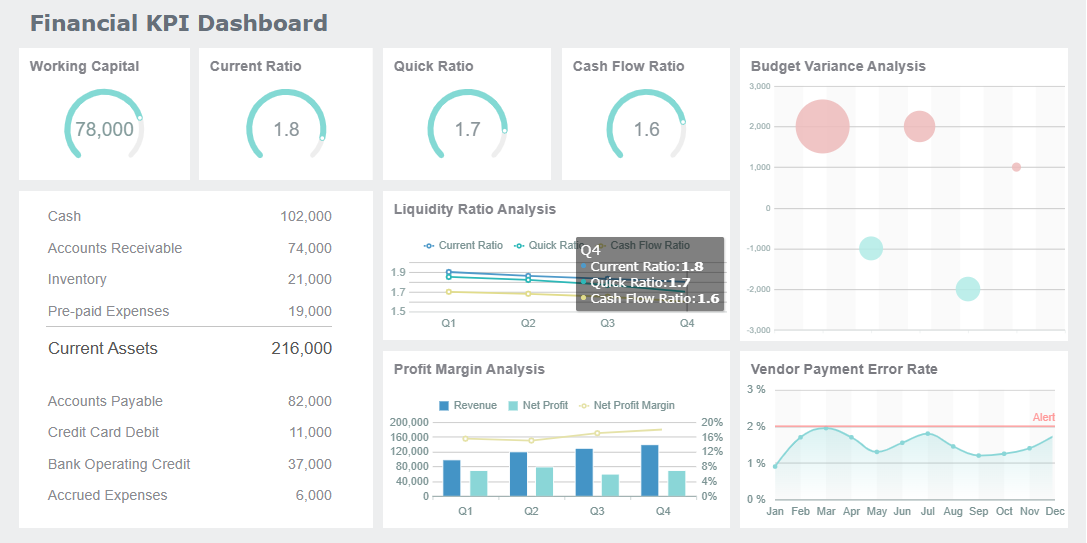
What is "What Are the Essential Contract Management KPI Dashboard Metrics"? This phrase refers to the core performance indicators you should monitor on your contract management dashboard. These metrics include contract cycle time, compliance rate, contract value, risk exposure, and renewal rate. They help you measure the effectiveness of your contract management processes.
You need to focus on these contract management KPIs because they give you insight into efficiency, compliance, and risk. A contract management KPI dashboard lets you track and compare these metrics, revealing patterns and opportunities for improvement. The table below shows how monitoring KPIs can benefit your contract management:
KPI Benefit
Description
Benchmarking
Helps assess performance across workflows.
Bottleneck Identification
Highlights delays in contract processes.
Risk Reduction
Prioritizes improvements to minimize legal risks.
Compliance Reporting
Aligns outcomes with regulatory and commercial goals.
Performance Insights
Provides CFOs with data for cost optimization.
Tracking KPIs on your contract management dashboard helps you spot bottlenecks, reduce risk, and support better decisions. This approach makes your contract management more reliable and effective.
Key Contract Management KPI Dashboard Metrics
Understanding the key contract management kpi dashboard metrics is essential for improving your contract management processes. These metrics help you measure efficiency, compliance, value, risk, and renewal performance. When you track contract management kpis on yourcontract management dashboard, you gain insights that drive better decisions and outcomes.
You need to focus on contract management kpi dashboard metrics because they reveal how well your organization manages contracts. These kpis show where you excel and where you need improvement. By monitoring these metrics, you can identify bottlenecks, reduce risks, and optimize contract value.
Contract Cycle Time
Contract cycle time measures the duration from the initial contract request to the final execution. This kpi is a direct indicator of efficiency in your contract management process. You want to minimize cycle time to accelerate business transactions and improve profit margins.
Best-in-class organizations complete contract cycles in under 30 days.
Mid-tier companies usually take 45–60 days.
Some contracts, especially those with many revisions, may exceed 90 days.
Tracking contract cycle time on your contract management dashboard helps you spot delays and streamline workflows. For example, in manufacturing procurement, reducing contract cycle time can lead to faster supplier onboarding and quicker production starts. When you use a contract management kpi dashboard, you can compare cycle times across departments and identify areas for improvement.
Tip: Shorter contract cycle times often result in higher customer satisfaction and increased revenue.
Compliance rate measures how well your organization meets its contractual obligations. High compliance rates protect your reputation and prevent legal disputes. This kpi is crucial for maintaining trust with partners and customers.
High compliance rates safeguard your business reputation.
They prevent financial losses and legal penalties.
They ensure clarity in business relationships and roles.
They help avoid misinterpretations and protect asset values.
If you fail to achieve compliance with obligations, you risk financial penalties, operational breakdowns, and reputational damage. On your contract management dashboard, tracking compliance rate with contractual obligations allows you to monitor adherence and take corrective action when needed. In the BOE customer story, standardizing compliance metrics helped the company avoid miscommunication and improve operational efficiency.
Note: Consistent compliance with obligations builds long-term trust and reduces risk exposure.
Contract Value
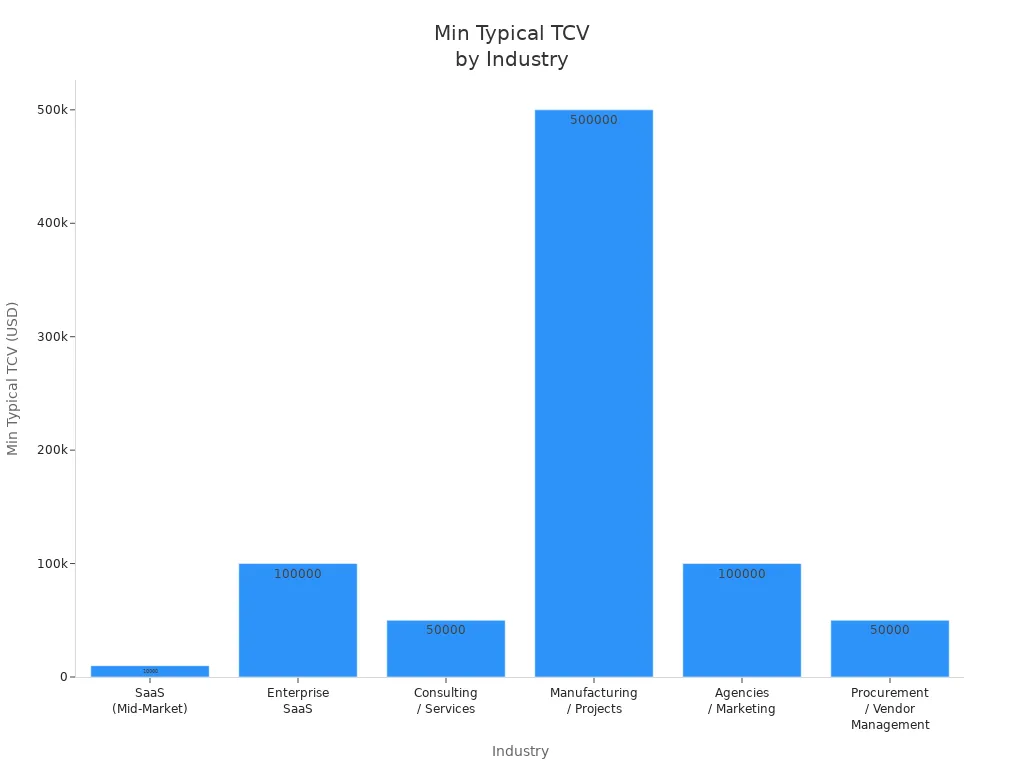
Contract value is a key kpi that reflects the financial worth of your contracts. You calculate this metric based on total contract value (TCV), which includes all fees, charges, and bonuses over the contract term. Monitoring contract value on your contract management dashboard helps you assess profitability and strategic growth.
Industry
How TCV is Calculated
Typical TCV Range
SaaS (Mid-Market)
Subscription fees + setup charges
$10,000 – $75,000
Enterprise SaaS
Licensing + support + onboarding
$100,000 – $1M+
Consulting / Services
Retainer + strategic phases + bonuses
$50,000 – $250,000
Manufacturing / Projects
Fixed-fee + milestones + change orders
$500,000 – $20M+
Agencies / Marketing
Retainer + campaign fees + incentives
$100,000 – $500,000
Procurement / Vendor Mgmt
Licensing + integration + renewal escalators
$50,000 – $500,000
Contract value directly impacts your organization's revenue predictability and stability. Companies with high long-term contract value index (LTCVI) enjoy predictable revenue streams and higher valuation multiples. Long-term contracts with key customers enhance loyalty and reduce churn risk. In manufacturing procurement, tracking contract value helps you negotiate better terms and optimize costs.
Impact Area
Description
Revenue Predictability and Stability
High LTCVI leads to predictable revenue and higher company valuations.
Strategic Value and Customer Loyalty
Long-term contracts increase company value and reduce churn risk.
Resilience During Economic Downturns
High LTCVI companies maintain revenue during downturns.
Differentiation from Competitors
LTCVI justifies premium valuation multiples.
Financial Forecasting Accuracy
LTCVI improves revenue forecasting.
M&A and Strategic Investment Appeal
High LTCVI attracts acquisitions and investments.
Valuation Model Adjustments
LTCVI lowers risk and enhances company value in valuation models.
Risk Exposure
Risk exposure is a critical kpi for contract management. You need to track regulatory, legal, and security risks associated with your contracts. On your contract management dashboard, you can rank and identify risk events and their probability. This helps you understand potential negative impacts and take action to mitigate risks.
Common types of risk exposure include:
Regulatory and legal risks
Security risks
Other risks to monitor are contract compliance mistakes and OFAC compliance risk. In procurement management, unmanaged risk exposure can lead to increased supply chain risks, higher breach rates, and costly litigation.
Consequence
Statistic
Increase in supply chain risks
46% increase for organizations with 1,001 to 5,000 third-party relationships.
Average risk score
5.19 for organizations with more than 1,000 partners vs. 3.72 for those with fewer than 500.
Annual breaches
24% of danger-zone organizations experience seven or more breaches annually.
Potential litigation costs
26% face costs of $3 million to $5 million per incident.
A global retailer discovered that 12% of supplier contracts had unfulfilled service level agreements, costing millions. Manual reviews triggered by missed payments revealed the lack of proactive contract management. Unmanaged obligations can cost organizations 5-9% of contract value each year.
Tip: Use your contract management kpi dashboard to log and quantify risk events for high-risk contracts, vendors, and purchases.
Renewal rate measures how often contracts are renewed with existing partners or customers. This kpi reflects the effectiveness of your contract management process and the strength of your relationships. High renewal rates indicate satisfied customers and successful contract management.
Factors that influence renewal success include:
Customer satisfaction and meeting expectations
Investing in customer success teams
Tracking feedback and addressing issues promptly
Using a structured renewal process, such as a renewal playbook
High renewal rates strengthen supplier relationships and lead to better collaboration. The renewal process provides opportunities to negotiate better terms and optimize costs. Evaluating contracts during renewals can secure better pricing and favorable payment terms. Bundling renewals or competitive tendering can capture annual savings of 8-15%.
You should identify contracts approaching renewal within 6-12 months to manage them effectively. Resetting terms before auto-renewal enhances your negotiation leverage. On your contract management dashboard, tracking renewal rate helps you plan for future negotiations and maintain long-term supplier relationships.
Note: A strong renewal rate on your contract management kpi dashboard supports cost savings and business growth.
By focusing on these contract management kpis, you can build a contract management dashboard that drives efficiency, compliance, value, risk reduction, and renewal success. These key performance indicators give you the data you need to optimize your contract management strategy.
Why Contract Management KPI Dashboard Matters
You need to understand whycontract management KPIs matterfor your business. These metrics give you a clear view of how well your contract management processes perform. When you track the right KPIs, you gain performance insights that help you improve efficiency, reduce risks, and make better decisions. Contract management KPIs are not just numbers; they are tools that guide you toward stronger contract performance and smarter contract tracking.
Efficiency and Cost Control
Contract management KPIs help you identify where your processes slow down and where you lose money. When you track contract cycle time and payment term compliance, you can spot bottlenecks and fix them quickly. This leads to faster deal closures and improved cash flow. Poor contract management can cost companies up to 9% of their bottom line. By monitoring KPIs, you uncover areas that need change and make your operations more efficient.
Evidence Description
Impact on Efficiency and Cost Control
Identifying bottlenecks in the contract lifecycle can lead to faster deal closures.
Poor contract management can cost companies 9% of their bottom line.
Highlights the financial impact of inefficiencies.
Tracking KPIs helps uncover areas needing change, leading to process improvements.
Enhances operational efficiency and reduces resource waste.
You can also measure cost savings from contracts, revenue from contracts, and contract value at risk. These KPIs show you where you save money and where you might lose it. FineReportsupports you by integrating these metrics into dashboards, making it easy to monitor and act on them.
Contract management KPIs play a key role in reducing business risks. When youtrack compliance and risk exposure, you prevent disputes and avoid legal penalties. Clear payment terms and penalty clauses protect your business from financial risks. Well-managed contracts clarify obligations and performance standards, which helps you avoid misunderstandings.
Aspect
Evidence
Payment Terms
Clear payment terms and penalty clauses can prevent disputes over financial obligations, mitigating financial risks.
Compliance
Ensuring contracts adhere to laws reduces non-compliance risks, avoiding legal penalties and reputational damage.
Performance Clarity
Well-managed contracts clarify obligations and performance metrics, preventing misunderstandings and disputes.
Dispute Resolution
A structured approach to dispute resolution minimizes operational impact and avoids prolonged legal battles.
Strategic Decision-Making
Analyzing risks supports informed decisions in negotiations and risk mitigation strategies, enhancing overall management.
You can use several strategies to reduce risk:
Standardize and incorporate effective clauses.
Create a rigorous compliance framework.
Collaborate frequently with detailed reviews.
Embrace new technologies to speed up contract management.
FineReportenables you to set up compliance frameworks and automate risk tracking, making your contract management more secure.
Contract management KPIs give you the data you need for smart decisions. When you measure contract efficiency, compliance, and risk management, you see where to improve and how to grow. Setting clear metrics helps you optimize processes and partner relationships.
KPI Type
Impact on Decision-Making
Contract Efficiency
Measures how well contracts are managed, influencing operational efficiency and financial success.
Compliance
Ensures adherence to contract obligations, reducing risks and enhancing trust with partners.
Risk Management
Identifies potential issues before they escalate, allowing for proactive adjustments in strategy.
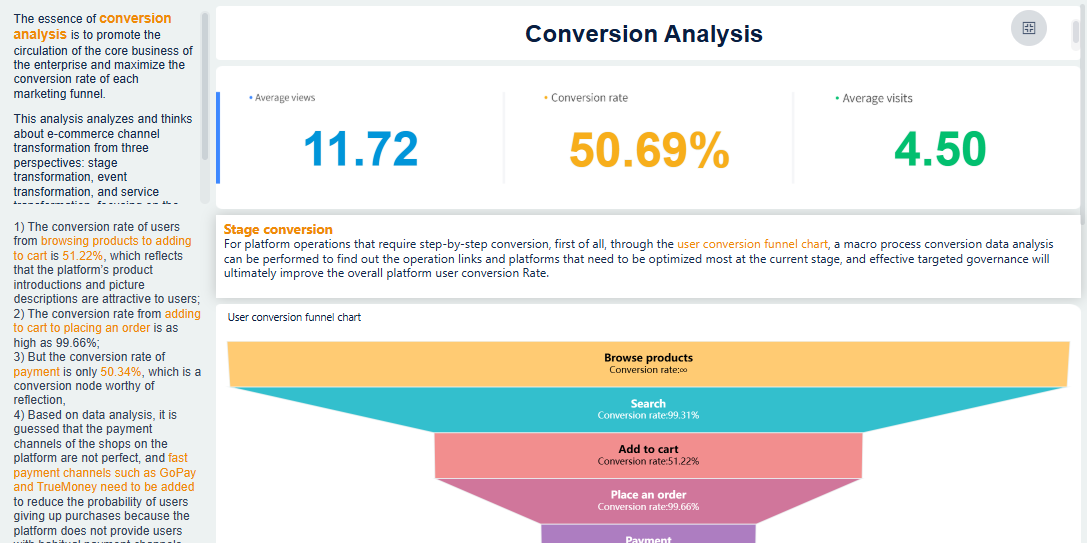
FineReport supports your decision-making by providing real-time dashboards and funnel analysis. You can analyze sales processes, manage documents, and improve communication across teams. This approach ensures you always have the right information to guide your contract management strategy.
Tip: Use contract management KPIs to drive continuous improvement and stay ahead in your industry.
Building a Contract Management KPI Dashboard with FineReport
Data Integration and Visualization
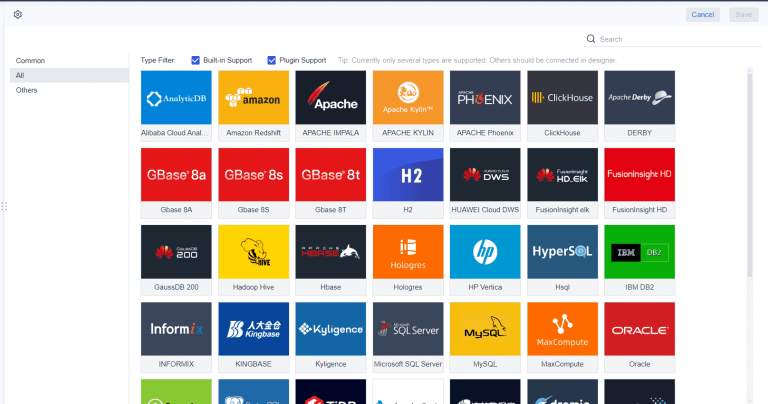
You need acontract management dashboardthat brings all your data together. FineReport lets you integrate multiple data sources into one unified dashboard. This means you can connect contract management systems, procurement records, and financial data without manual effort. The table below shows what you need for effective data integration:
Requirement Type
Description
Data Source Integration
Ability to integrate multiple data sources into a report system to maintain business data connected
FineReport’s drag-and-drop interface makes it easy to build dashboards that visualize contract management KPIs. You can display contract cycle time, compliance rate, contract value, risk exposure, and renewals success rate in clear charts and tables. This approach gives you real-time insights into every stage of your contract management process.
FineReport'sMultiple Built-in Charts For Visualization
A contract management dashboard must help you stay ahead of deadlines and risks. FineReport supportsreal-time monitoring and automated alerts. You can set up your dashboard to send notifications for upcoming contract renewal dates, compliance risks, or anomalies. This automation helps you act before issues become problems.
Best Practice
Description
Leverage Automation and Alerts
Configure your dashboard to send timely notifications for upcoming deadlines, risks, or anomalies. Automation ensures you stay proactive rather than reactive.
Automated Reminders and Alerts
Automated reminders and alerts notify a team upfront, weeks or even months, of upcoming milestones, providing time for review and informed decision-making.
Real-time Reports
Generating real-time reports helps catch issues before they become problems by tracking deadlines, obligations, and performance against deliverables.
Automated Deadline and Renewal Alerts
A contract dashboard shows team upcoming expirations, minimizing the risk of auto-renewals or costly compliance lapses.
Organizations use these features to prevent contract breaches and missed renewals. For example, automated workflows in FineReport provide timely notifications about key dates. Centralized dashboards offer a renewal calendar view, making all contract renewals visible and supporting streamlining renewals. This approach led one company to avoid over $500,000 in unnecessary costs by renegotiating contracts before auto-renewal.
Customization for Industry Needs
Every industry has unique contract management requirements. FineReportallows you to customize your dashboard for your specific needs. In manufacturing procurement, you can track contract renewals and renewal success rate to optimize supplier relationships. FineReport’s mobile dashboards let you monitor contract management KPIs anywhere, supporting fast decisions.
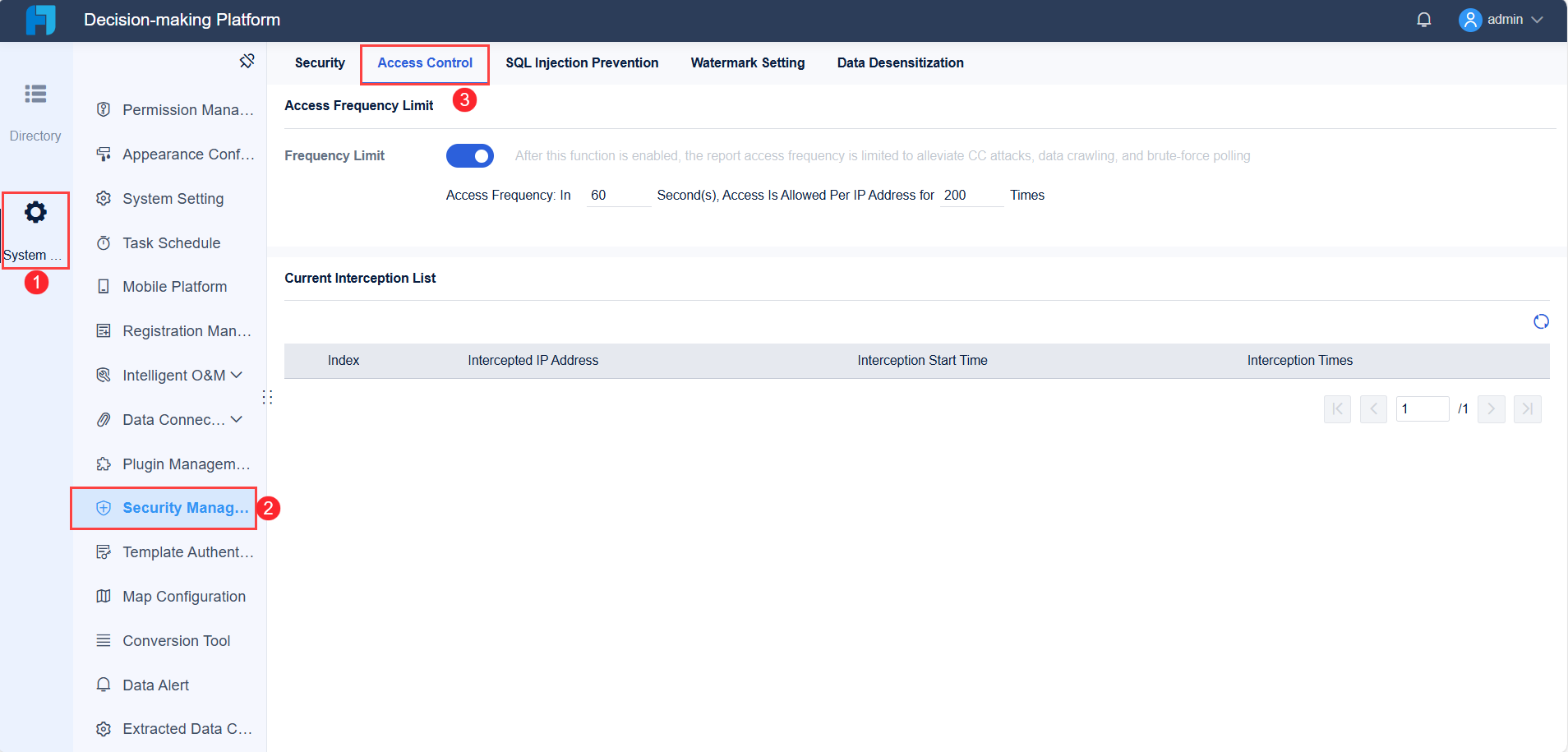
The BOE customer story shows how a unified dashboard improved contract management by standardizing metrics and increasing operational efficiency. FineReport’s decision-making platform supports scheduled reporting, user management, and secure data sharing. You can automate contract KPI tracking and tailor dashboards to highlight contract renewals and renewal success rate, ensuring you never miss a critical deadline. This flexibility supports streamlining renewals and improving contract renewals and renewal success rate across your organization.
Best Practices for Contract Management KPI Tracking
Setting Clear Goals and Benchmarks
You need to set clear goals and benchmarks to track contract management KPIs effectively. Start by making sure everyone involved understands the goals of your contract management process. When you choose relevant kpis, you align your tracking with your organization’s needs and industry standards. Use historical data to set a baseline for measuring progress. This approach helps you spot areas that need improvement.
Select KPIs that align with organizational needs and industry standards to gain meaningful insights.
Establish baseline metrics
Use historical data to set a starting point for measuring progress and identifying improvement areas.
Monitor regularly
Implement a tracking system and schedule reviews to identify trends and make data-driven decisions.
Leverage technology
Utilize contract management software and data analytics to streamline processes and enhance insights.
You can determine benchmarks in several ways:
Internal contract management benchmarking lets you compare performance over time or across departments.
External benchmarking compares your results with other companies in your industry.
Process benchmarking focuses on steps like drafting and negotiation to find gaps.
Performance benchmarking measures outcomes against industry standards.
Continuous Improvement and Feedback
Continuous improvement is key to successful contract management. You should review your KPIs regularly and update them as your business or industry changes. Involve different teams, such as administration and IT, to make sure your metrics fit everyone’s needs. Set clear, measurable goals to keep your team focused.
Follow these strategies for ongoing improvement:
Benchmark your contracts against industry standards and internal goals.
Review and adjust KPIs when business rules or technology change.
Keep communication open with suppliers to review data and improve performance.
Integrate risk management into your dashboards to identify problems quickly.
FineReport helps you automate tracking, schedule regular reviews, and support collaboration. By following these best practices for implementing kpis, you make your contract management process more effective and responsive to change.
You improve contract management when you focus on essential KPIs and use dashboards to visualize progress. You gain a real-time view of contract status, turnaround time, and review times. FineReportlets you track contract management metrics, identify bottlenecks, and reduce risks. You manage large volumes of contracts with less friction. Evaluate your current contract management approach and consider FineReport to optimize your processes and support smarter decision-making.
Continue Reading About Contract Management KPI Dashboard
Access a wealth of case studies, industry insights, and solution guides to accelerate digital transformation.
FAQ
What is a contract management KPI dashboard?
A contract management KPI dashboard is a visual tool that lets you track key performance indicators for your contracts. You can monitor metrics like cycle time, compliance rate, and contract value in one place for better decision-making.
How does FineReport help with contract management KPI tracking?
FineReport lets you integrate data from multiple sources and visualize KPIs in real time. You can set up automated alerts, customize dashboards for your industry, and access reports on any device.
Why should you track contract renewal rates?
Tracking renewal rates helps you understand customer satisfaction and contract performance. You can identify opportunities to improve relationships, negotiate better terms, and reduce the risk of losing valuable partners.
Can you customize KPI dashboards for different industries?
Yes, you can tailor KPI dashboards to fit your industry’s needs. FineReport allows you to highlight the most relevant metrics, whether you work in manufacturing, procurement, or another sector.
What are the benefits of real-time monitoring in contract management?
Real-time monitoring lets you catch issues early, avoid missed deadlines, and respond quickly to risks. You stay proactive and maintain control over your contract processes.